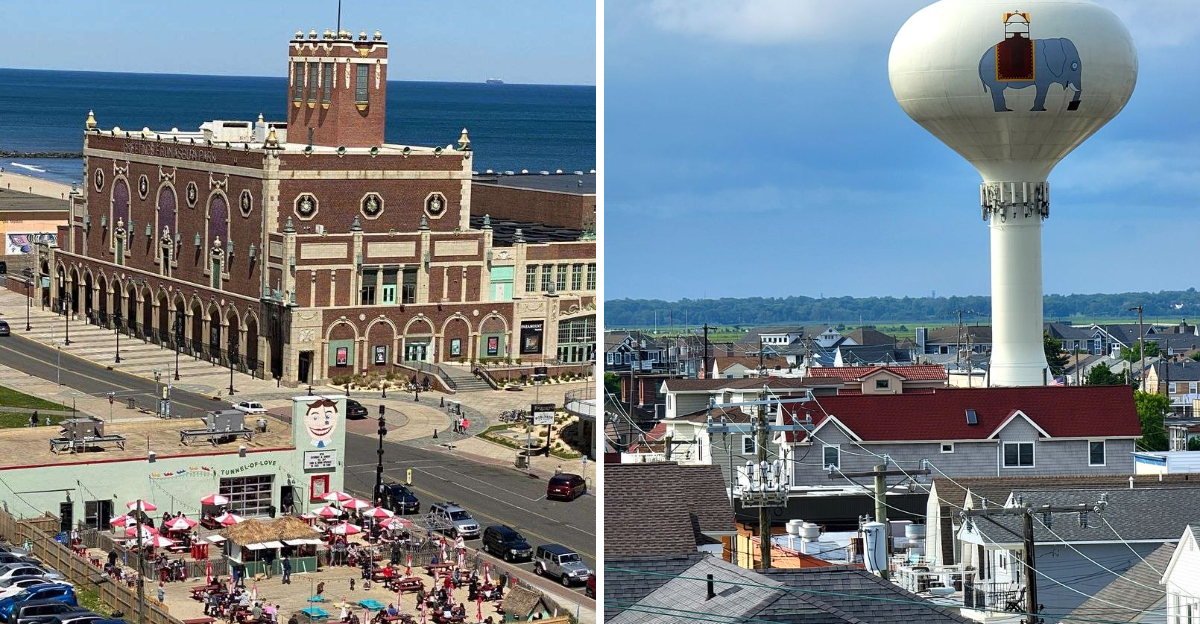
New Jersey’s coastline has always drawn visitors seeking sun, sand, and seaside charm, but the popularity of certain shore towns has come with a hefty price tag for the people who actually live there.
As vacation homes, boutique shops, and upscale restaurants multiply, property values and everyday expenses have climbed to levels that make it tough for locals to afford the very towns they call home.
What was once an affordable slice of the Garden State has transformed into a luxury market, where tourism dollars fuel an economy that leaves year-round residents scrambling to keep up.
From historic Cape May to the trendy streets of Asbury Park, the impact of seasonal visitors is reshaping entire communities.
Some of these towns have home values that’ll make your jaw drop faster than a roller coaster at the boardwalk.
Ever wonder what it’s like to pay vacation prices just to grab groceries in your own neighborhood?
Let’s hit the shore to uncover the real cost of living in paradise!
1. Avalon
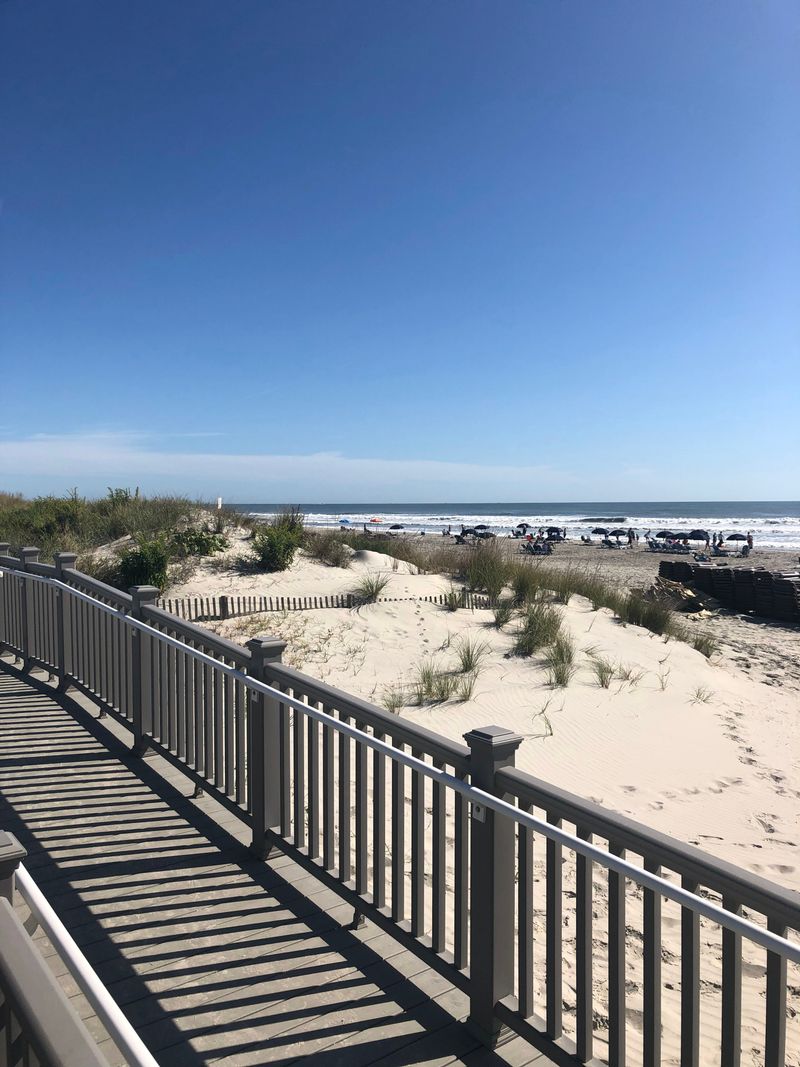
Avalon sits proudly as one of the most exclusive addresses along the entire New Jersey coastline, and the numbers tell a story that’s hard to ignore. Median home prices in this barrier island community have soared past the $4 million mark, placing it among the priciest zip codes not just in the state but across the entire nation.
For the average worker who keeps the town running – whether that’s a teacher, firefighter, or shop clerk, owning a home here has become an impossible dream, pushed out of reach by waves of luxury vacation properties and deep-pocketed second-home buyers.
Tourism drives nearly every aspect of Avalon’s economy, from the pristine beaches that draw families each summer to the high-end boutiques lining Dune Drive. The influx of seasonal visitors creates a booming market for short-term rentals, which in turn incentivizes property owners to convert long-term housing into lucrative vacation accommodations.
This cycle squeezes out the local workforce, forcing many to commute from more affordable towns miles away just to serve the tourists who occupy their own neighborhoods.
Walking through Avalon’s quiet streets in the off-season, you’ll notice the rows of shuttered mansions and empty driveways, a stark reminder that this town belongs more to vacationers than to year-round residents. The cost of living here isn’t just about housing – groceries, dining, and even basic services carry premium price tags inflated by the constant demand from visitors with vacation budgets.
What was once a charming beach town has morphed into a luxury enclave where the people who make it function can barely afford to live nearby, let alone within its borders.
2. Stone Harbor
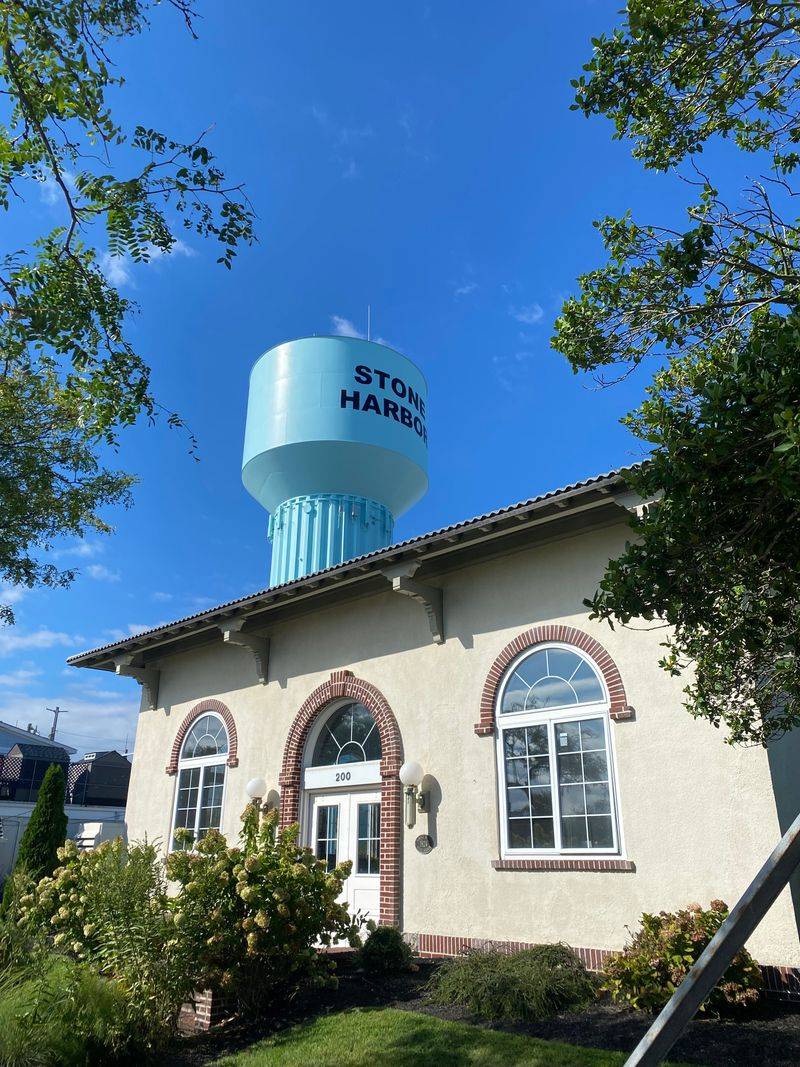
Just a bridge away from Avalon, Stone Harbor shares its neighbor’s reputation for exclusivity and the financial pressures that come with it. This picturesque borough has cultivated a high-end shopping and dining scene centered around 96th Street, where boutique storefronts and gourmet restaurants cater to visitors with deep pockets and a taste for the finer things.
The demand for upscale experiences doesn’t just affect tourists; it keeps everyday prices elevated for the locals who need to buy groceries, fill prescriptions, or grab a quick bite without breaking the bank.
Property values in Stone Harbor have climbed steadily as wealthy buyers snap up vacation homes and investment properties, leaving little room for affordable housing stock. The town’s appeal lies in its blend of natural beauty, family-friendly beaches, and a relaxed yet sophisticated atmosphere that draws repeat visitors year after year.
However, this popularity has created a housing market where even modest homes command prices that are out of reach for middle-class families, and rental rates follow the same upward trajectory.
Local service workers, from restaurant staff to retail employees, often find themselves commuting long distances because they simply can’t afford to live in the town where they work. The economic divide becomes especially visible during peak summer months, when the population swells and the cost of everything from parking to a sandwich reflects tourist pricing rather than local affordability.
Stone Harbor’s charm and success as a destination have come at the expense of its year-round community, creating a landscape where luxury and local life exist in parallel but rarely intersect on equal footing.
3. Cape May
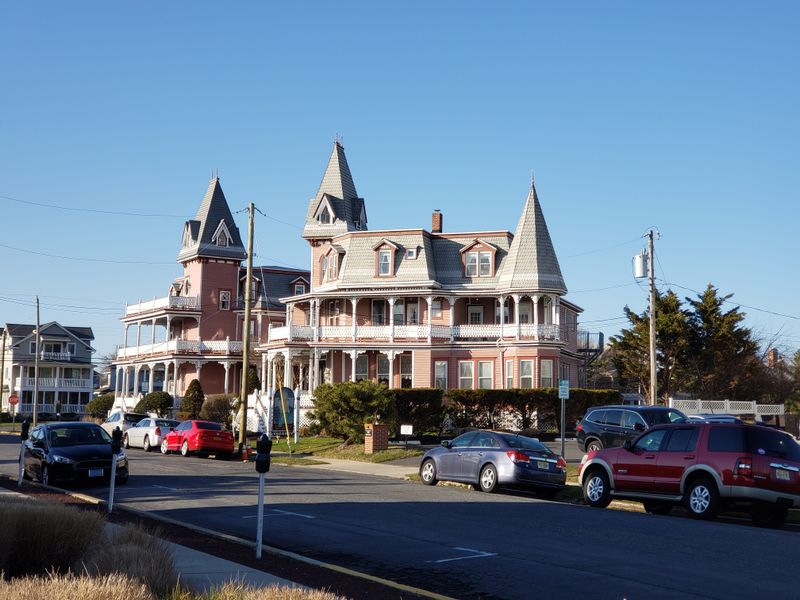
Cape May stands as a jewel of Victorian architecture and seaside history, earning its designation as a National Historic Landmark and drawing visitors from around the globe in every season.
Unlike many shore towns that quiet down after Labor Day, Cape May’s tourism calendar runs year-round, with summer beachgoers giving way to fall foliage seekers, holiday festival attendees, and winter birdwatchers.
This constant stream of visitors keeps the local economy buzzing, but it also means that property taxes and rental rates remain significantly higher than the county average, creating a financial burden that never really lets up for those who live here full-time.
The town’s historic charm comes with a hefty price tag for homeowners, who must maintain properties that meet strict preservation standards while also paying premium costs for insurance, utilities, and upkeep. Rental markets are particularly tight, as many property owners opt for short-term vacation rentals that can command top dollar during peak seasons rather than offering long-term leases to local residents.
This shift has hollowed out the availability of affordable housing, forcing workers in the hospitality and service industries to search for accommodations in neighboring communities.
Strolling along the gas-lit streets and admiring the gingerbread trim on centuries-old homes, it’s easy to see why Cape May captivates so many hearts. Yet behind the postcard-perfect facades, the economic reality is less romantic for the people who keep the bed-and-breakfasts running, serve meals in the restaurants, and staff the shops.
The relentless tourism cycle that makes Cape May so special also makes it one of the most expensive places to call home in New Jersey, a bittersweet trade-off that defines life at the state’s southern tip.
4. Spring Lake
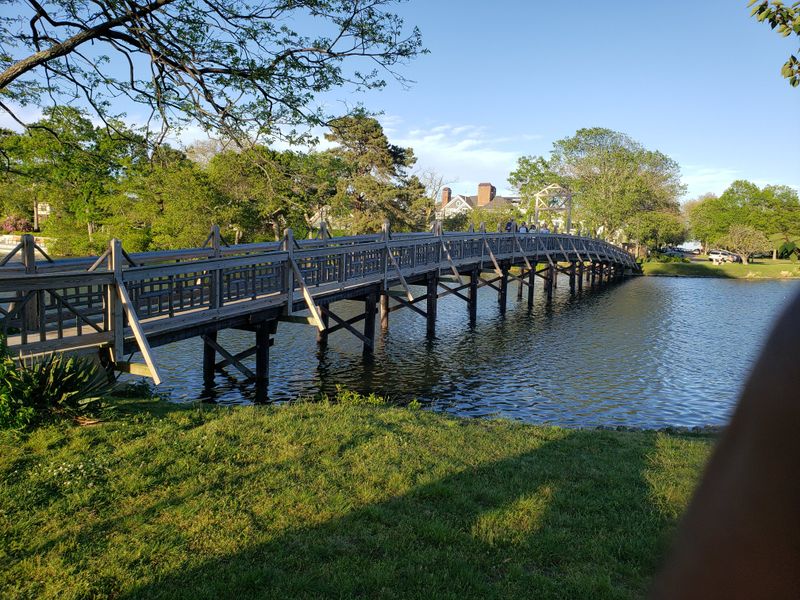
Spring Lake has earned the affectionate nickname “Irish Riviera” thanks to its deep cultural ties and its reputation as one of the most elegant shore destinations in New Jersey. Massive Victorian estates line the streets, many of them meticulously preserved and worth millions, while the town’s pristine boardwalk stretches along two miles of immaculate beachfront.
During the summer months, the influx of wealthy vacationers transforms the town into a high-priced playground where “beach day” pricing takes over, affecting everything from parking fees to the cost of a simple cup of coffee at a local café.
The real estate market in Spring Lake is notoriously competitive, with homes regularly selling for well above asking price and properties rarely staying on the market for long. This demand is fueled by buyers seeking a tranquil, upscale alternative to busier shore points, and the town’s carefully maintained aesthetic only adds to its allure.
However, for local families and workers, the skyrocketing home values mean that staying in Spring Lake becomes a financial stretch, if not an outright impossibility, as each passing year brings higher taxes and inflated living costs.
Beyond housing, the seasonal economy shapes every aspect of daily life in Spring Lake, from the restaurants that charge premium prices to the shops that cater primarily to tourists with vacation budgets. Year-round residents often feel like outsiders in their own town during peak season, navigating crowded streets and dealing with the inconvenience of services priced for visitors rather than locals.
The beauty and prestige of Spring Lake are undeniable, but they come with a cost that extends far beyond the price of a beach badge, reshaping the community into a place where luxury reigns and affordability fades into memory.
5. Sea Girt
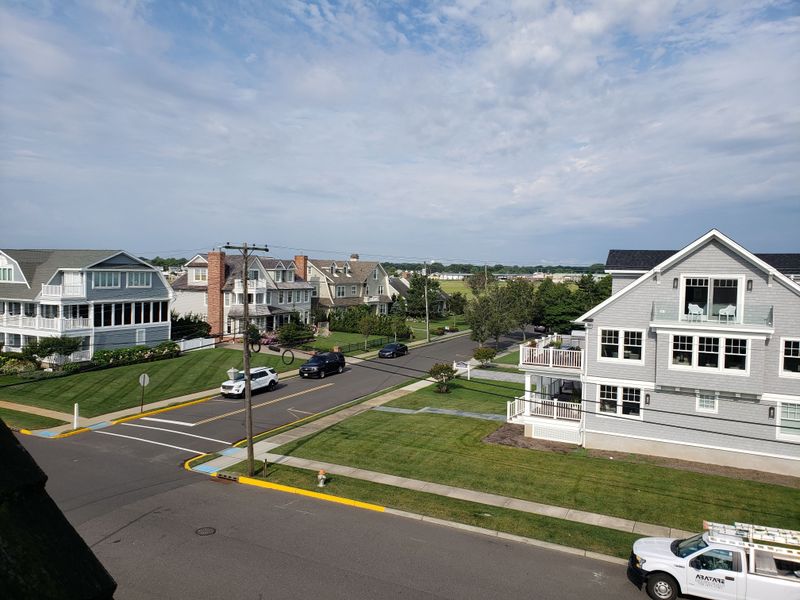
Sea Girt may be small in size, but its reputation as a quiet, luxury alternative to the busier shore points has made it one of the most sought-after addresses along the New Jersey coast.
In recent years, home values in this affluent enclave have skyrocketed by more than 140 percent, a staggering increase driven by buyers seeking privacy, exclusivity, and easy beach access without the crowds.
The town’s appeal lies in its understated elegance and tight-knit community feel, but these very qualities have priced out the middle-class families and local workers who once called Sea Girt home.
The surge in property values isn’t just a matter of market trends; it reflects a fundamental shift in who can afford to live here. Vacation homes and investment properties have become the norm, with many houses sitting empty for much of the year while their owners visit only during the summer months.
This dynamic has drained the town of its year-round population and created a housing market where even modest bungalows command prices that would buy a much larger home elsewhere in the state.
Local services and businesses in Sea Girt have adapted to cater to the affluent seasonal residents, which means that everyday costs reflect the spending power of tourists and second-home owners rather than the budgets of full-time residents. Grocery shopping, dining out, and even basic home repairs come with premium price tags that make it challenging for anyone without significant disposable income to live comfortably.
Sea Girt’s transformation into a luxury enclave is complete, leaving behind a town where the charm and tranquility come at a cost that only the wealthiest can afford, and where the locals who keep the town running must find their homes elsewhere.
6. Margate City
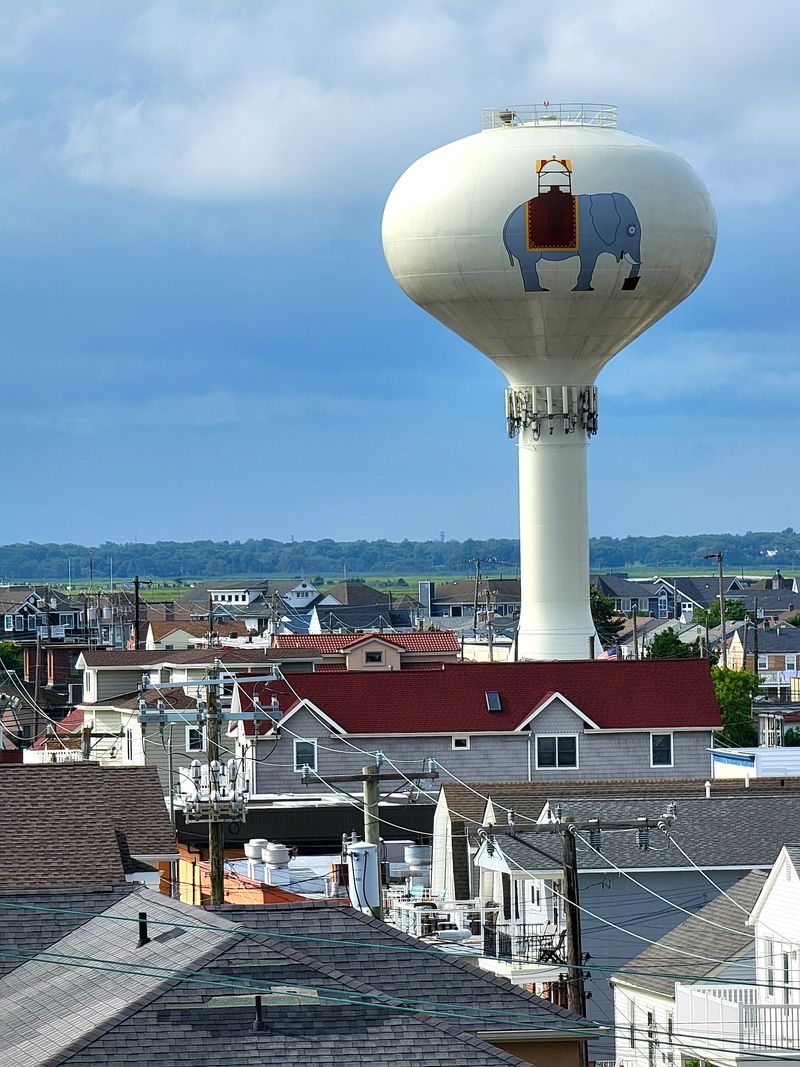
Margate City holds a special place in the hearts of many New Jersey visitors, thanks in large part to Lucy the Elephant, the quirky six-story wooden landmark that has stood watch over the shore since 1881.
But beyond the novelty of a giant elephant-shaped building, Margate has become a major hub for second-home owners and short-term vacation rentals, drawn by its proximity to Atlantic City and its family-friendly beaches.
This surge in tourism-driven real estate investment has drastically reduced the affordable housing stock available to locals, pushing out long-time residents and workers who can no longer compete in a market dominated by out-of-town buyers.
The shift toward vacation rentals has fundamentally changed the character of Margate’s neighborhoods, with entire blocks now serving primarily as seasonal accommodations rather than year-round homes. Property owners recognize the financial incentive to rent their homes by the week during peak summer months, often earning more in a single season than they would from a full year of traditional leasing.
For local families, this means fewer rental options, higher prices, and a community that feels less cohesive as the population fluctuates wildly between seasons.
Walking down Margate’s streets, you’ll notice the mix of beautifully maintained properties and the occasional boarded-up look of homes waiting for their next wave of renters. The economic impact extends beyond housing – local businesses must balance the needs of a transient tourist population with the shrinking base of year-round customers, leading to pricing structures that often favor visitors with vacation budgets.
Margate’s charm and attractions continue to draw crowds, but the town’s transformation into a vacation rental hotspot has come at the expense of the locals who once formed the backbone of this beachside community.
7. Ocean City
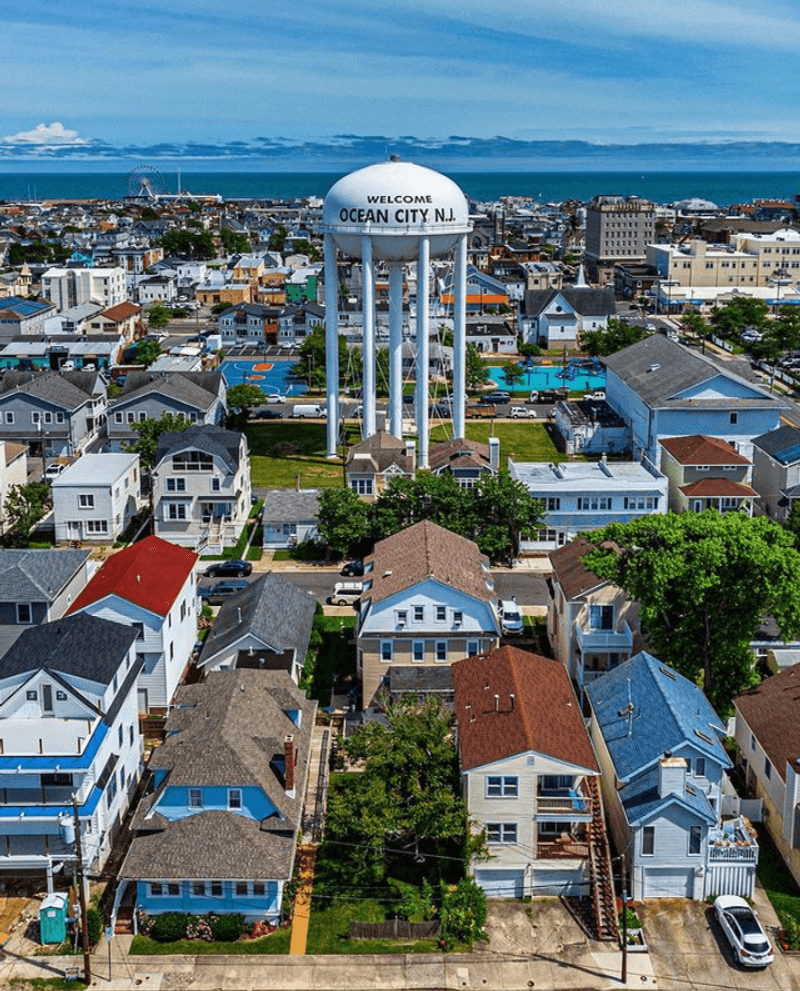
Ocean City proudly bills itself as “America’s Greatest Family Resort,” and its status as a dry town, where no alcohol is sold, reinforces its wholesome, family-friendly image.
This reputation has made it one of the most popular summer destinations along the Jersey Shore, drawing millions of visitors each year to its bustling boardwalk, pristine beaches, and endless array of amusement rides and arcades.
However, the town’s success as a tourist magnet comes with a financial downside for the people who live here year-round, as Ocean City collects some of the highest beach tag and parking revenues in the entire state, costs that trickle down into the daily expenses faced by residents near the boardwalk.
The economic model that sustains Ocean City relies heavily on seasonal tourism, which means that local businesses charge premium prices during the summer months to maximize their earnings before the quiet winter season arrives. This pricing structure affects everyone, from the families trying to enjoy a meal out to the workers who need to park near their jobs.
Property values have also climbed steadily, driven by demand from vacationers seeking summer rentals and buyers looking for investment properties in a town with a proven track record of attracting visitors.
For year-round residents, the trade-off is clear: living in a town that’s famous for its family-friendly atmosphere and clean beaches means accepting higher costs across the board, from housing to everyday services. The boardwalk may be a place of joy and nostalgia for tourists, but for locals, it represents the economic engine that keeps prices elevated and affordable housing scarce.
Ocean City’s charm and success are undeniable, yet they come with a price tag that makes it increasingly difficult for the people who call this town home to afford the privilege of staying.
8. The Wildwoods (Wildwood & Wildwood Crest)
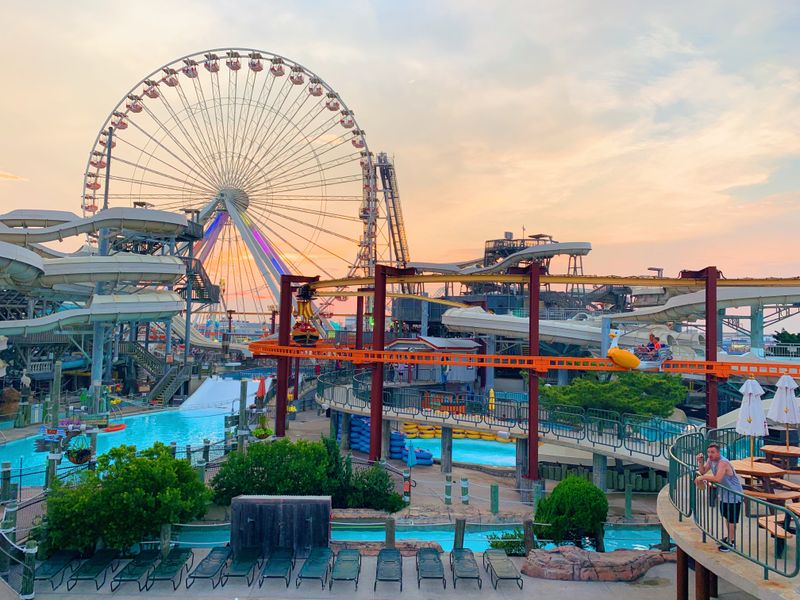
The Wildwoods have long been known as a more affordable and accessible shore destination, offering wide, free beaches and a retro boardwalk vibe that appeals to families and nostalgia seekers alike. However, recent record-breaking tourism seasons have brought significant changes to this once-budget-friendly stretch of the coast.
Food and beverage revenue in the Wildwoods has surged by 31 percent, reflecting the massive influx of visitors and the rising prices that come with increased demand.
This boom has led to a noticeable jump in costs at local restaurants, cafés, and grocery stores, making it harder for year-round residents to afford the basics without feeling the pinch of tourist-driven inflation.
The economic shift in the Wildwoods is visible in the transformation of the local business landscape, where new upscale eateries and trendy shops have begun to replace the old-school diners and mom-and-pop stores that once defined the area. While this evolution brings new energy and investment to the towns, it also changes the affordability equation for locals who relied on those budget-friendly options.
Housing costs have also begun to climb, as property owners see the potential for higher returns through vacation rentals and seasonal leases, further squeezing the availability of affordable long-term housing.
Despite these challenges, the Wildwoods retain much of their quirky charm and laid-back atmosphere, with the iconic Doo Wop architecture and neon signs still drawing crowds each summer. Yet for the people who live and work here year-round, the reality is that the town’s growing popularity is making it harder to make ends meet.
The balance between preserving the Wildwoods’ unique character and accommodating the economic pressures of booming tourism is a delicate one, and locals are feeling the strain as prices continue to rise in step with visitor numbers.
9. Asbury Park
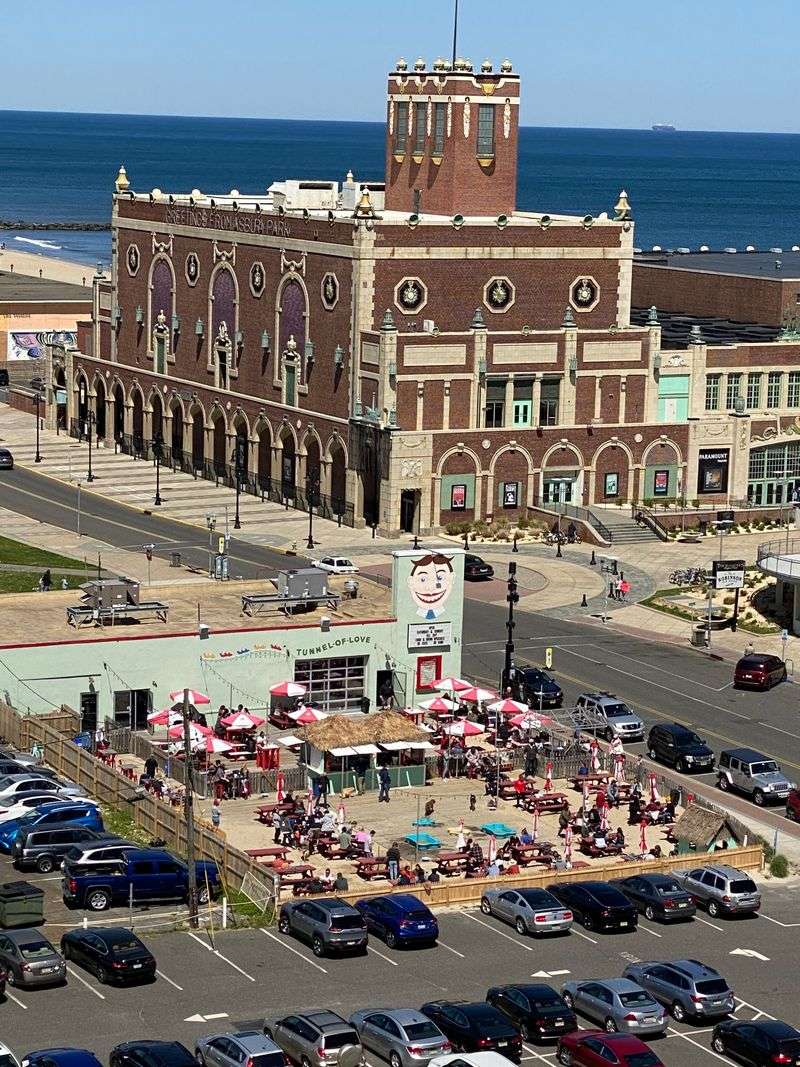
Asbury Park’s story is one of dramatic transformation, evolving from a gritty, budget-friendly arts hub into one of the trendiest music and tourism destinations along the Jersey Shore.
The town’s rapid redevelopment has brought new life to the waterfront, with upscale restaurants, boutique hotels, and a revitalized boardwalk that draws crowds eager to experience its vibrant nightlife and live music scene.
However, this cultural renaissance has come with a steep cost for the artists, musicians, and working-class residents who once found Asbury Park to be an affordable haven – gentrification has taken hold, and rental costs have skyrocketed at one of the fastest rates in all of Monmouth County.
The influx of investment and tourism dollars has fundamentally reshaped the town’s housing market, with developers converting old buildings into luxury condos and high-end apartments that cater to wealthy newcomers rather than long-time locals. Property values have surged, pushing out the very creative community that helped spark Asbury Park’s revival in the first place.
Longtime residents who remember the town’s rougher days now find themselves priced out of the neighborhoods they helped rebuild, forced to relocate as landlords raise rents to match the town’s new upscale image.
Walking through Asbury Park today, you’ll see a mix of old and new – historic venues like the Stone Pony still stand as reminders of the town’s musical legacy, while sleek new developments signal its transformation into a destination for tourists and affluent residents. The energy is undeniable, and the cultural offerings are richer than ever, but the cost of this progress is borne by the locals who can no longer afford to live in the town they once called home.
Asbury Park’s success story is bittersweet, a tale of revival that has left many of its original champions behind.
Dear Reader: This page may contain affiliate links which may earn a commission if you click through and make a purchase. Our independent journalism is not influenced by any advertiser or commercial initiative unless it is clearly marked as sponsored content. As travel products change, please be sure to reconfirm all details and stay up to date with current events to ensure a safe and successful trip.
