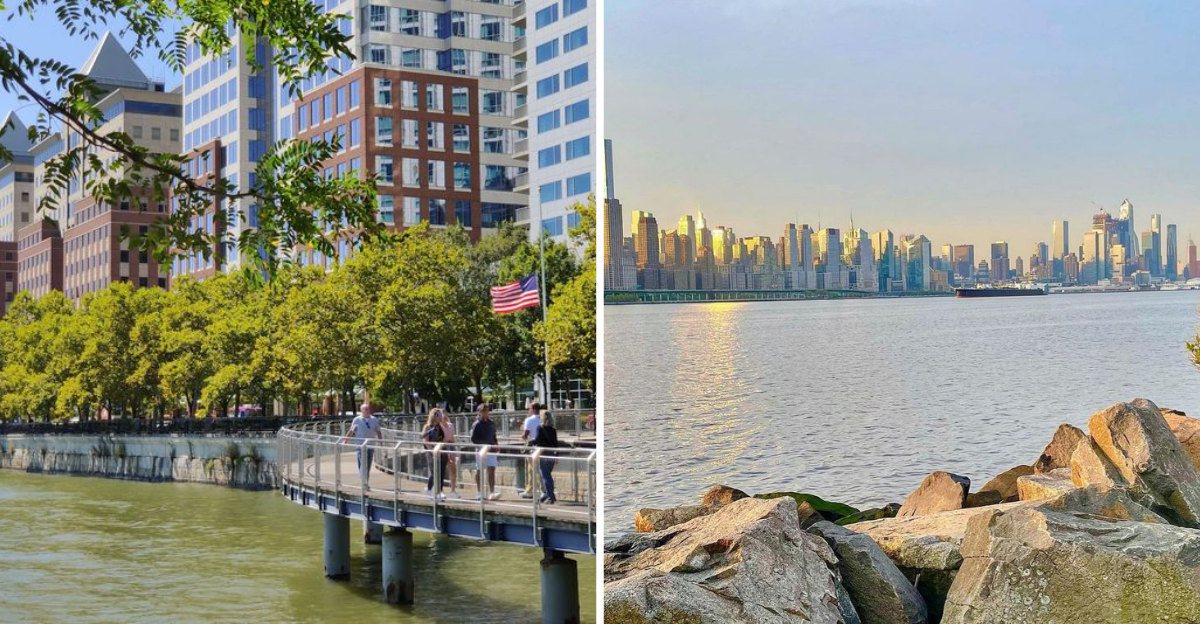
New Jersey is a state where a simple drive can feel like a crash course in history and linguistics. The names on roadside signs often hold secrets far stranger than you might expect.
Some towns carry the legacy of the Lenni Lenape people, with names that translate to “place where the snake hides” or “frog ground.”
Others are named for their geography, like a town that takes its name from a massive glacial boulder still sitting at a local intersection. You will also find names that celebrate a region’s agricultural roots or honor the families of early settlers.
Even more intriguing are the towns with truly offbeat names like Double Trouble and Mount Misery. They leave you wondering about the stories behind their christening. From Native American roots to local legends, these origins make New Jersey a surprising place to explore.
1. Parsippany
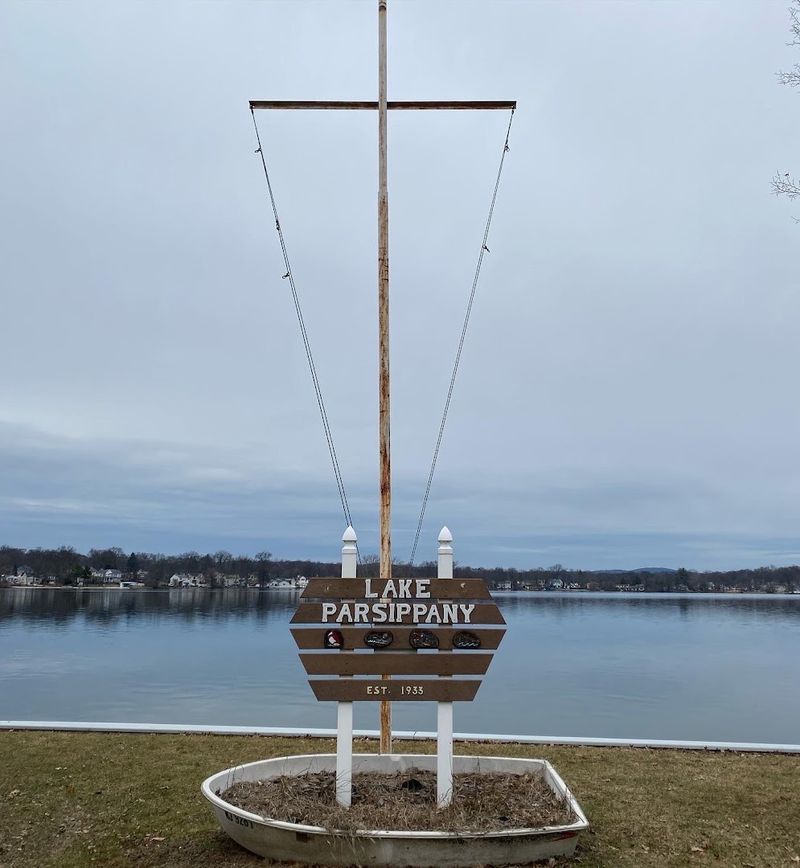
Parsippany is one of those names that trips up newcomers every single time. The pronunciation alone sparks debates at dinner tables across the state.
Its origin traces back to the Lenape word “parsipanong,”. That is generally understood to mean “place where the river winds through the valley” or a similar geographic description tied to the waterways of the region.
The area around Parsippany was home to Lenape communities who depended on the rivers and forests for survival. When European settlers moved in during the 1700s, they kept a version of the Indigenous name, which was actually more common than many people realize.
Today, Parsippany is a sprawling township in Morris County, but traces of its natural landscape still peek through in its parks and reservoirs. The name feels like a small act of preservation in a state that has seen so much rapid development.
It is a reminder that even ordinary-looking suburbs can carry extraordinary histories in just a handful of syllables.
2. Hackensack
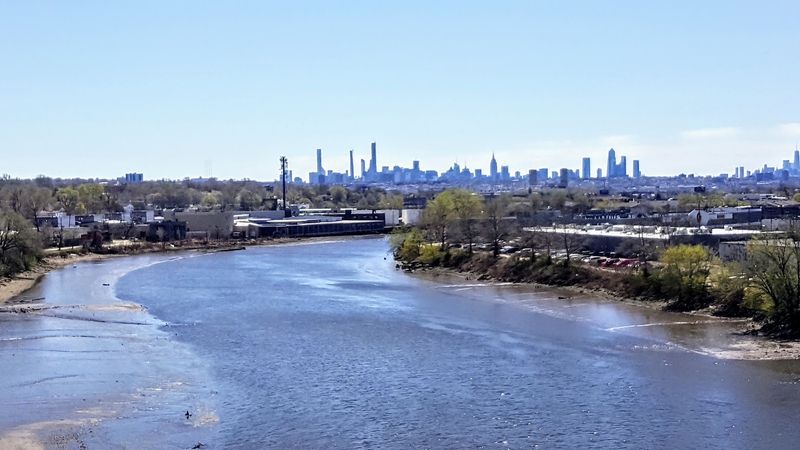
Hackensack has a name that sounds almost playful, but its roots are anything but trivial. The name is thought to come from the Lenape word “Ackingsack” or a similar variation, with meanings proposed by historians ranging from “mouth of a river” to “low ground” or even “hook mouth.”
The exact translation has been debated for generations, which somehow makes it even more interesting.
The Hackensack River runs right through the heart of the region, and it is easy to imagine why the Lenape would have named a place based on its relationship to water. Rivers were roads, food sources, and borders all at once for Indigenous communities.
The landscape itself shaped the language.
Hackensack became an important hub during the colonial era and played a notable role in the American Revolution. George Washington moved troops through the area multiple times.
The city today is the seat of Bergen County, busy and urban, but its ancient name still echoes something quieter and older beneath all the traffic and development. That contrast is what makes Hackensack genuinely worth a closer look.
3. Tuckahoe
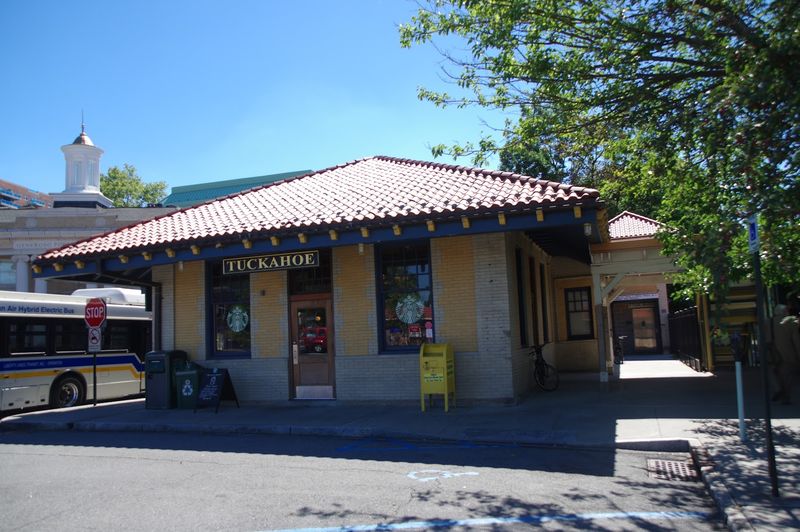
Tuckahoe is a name with deep roots in both the land and the people who first lived on it. The word comes from a Lenape or broader Algonquian term referring to a type of edible plant root, specifically a starchy tuber that Indigenous communities harvested from wetland areas.
It was essentially a food name that became a place name, which is a surprisingly human way to label a landscape.
The region around Tuckahoe in Cape May County sits near the edge of the Pine Barrens, that vast and mysterious stretch of southern New Jersey that feels unlike anywhere else in the state.
The wetlands here would have been ideal foraging territory, which makes the plant-based name feel entirely logical. Nature and naming were deeply connected for the people who lived here first.
Tuckahoe today is a quiet, small community that most people pass through rather than stop in. But knowing what its name actually means reframes the whole experience of being there. You start to look at the marshes and low-lying plants differently.
4. Manasquan
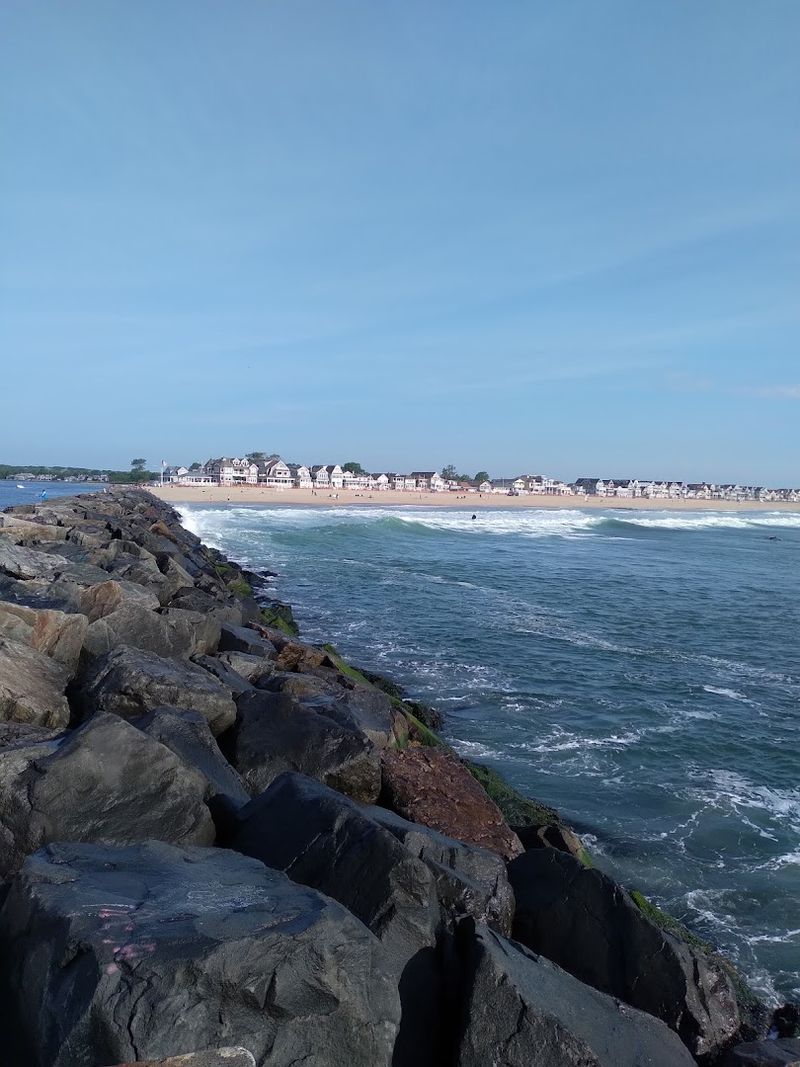
Few town names in New Jersey feel as rhythmically satisfying as Manasquan. Say it slowly and it almost sounds like a chant.
The name is Lenape in origin, with interpretations pointing toward phrases meaning “island of the squaw” or, more commonly, something related to a gathering place near the water. Historians have gone back and forth on this one, but the water connection is nearly universal across all theories.
Manasquan sits along the Jersey Shore, right at the inlet where the Manasquan River meets the Atlantic Ocean. It is a surfer town, a beach town, and a place that buzzes with seasonal energy. The contrast between its ancient name and its very modern beach culture is part of what makes it so layered.
The inlet has historically been an important waterway, used by fishermen and boaters for centuries. Indigenous communities would have known this spot as a reliable source of food and a natural meeting point.
That original purpose, a place where people gather near water, has never really changed. Manasquan is still drawing people to its shores, just for slightly different reasons now.
5. Hoboken
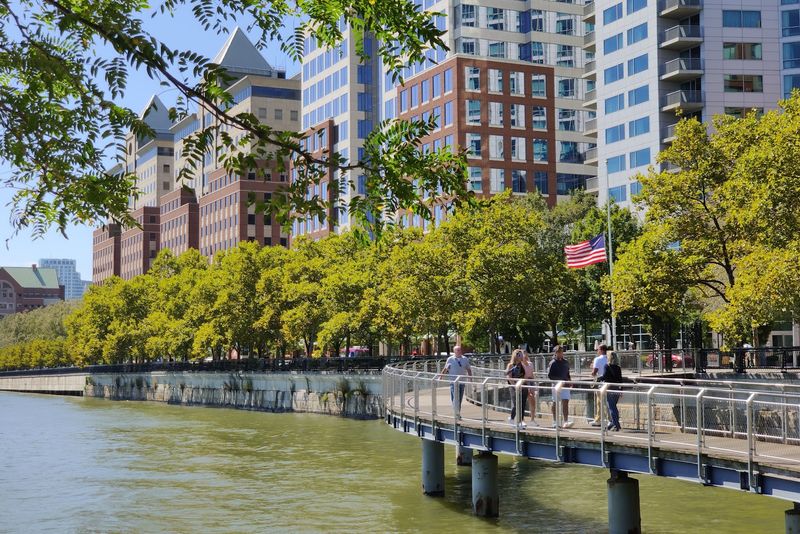
Hoboken has one of those names that rolls off the tongue so easily you might never think twice about where it came from.
The word is believed to have Lenape origins, possibly derived from “Hobocan Hackingh,” which roughly translates to “land of the tobacco pipe” or a reference to a specific type of land formation. That is a pretty poetic start for a city now known for its bustling streets and coffee shops.
The Lenape people lived throughout this region long before Dutch settlers arrived in the 1600s, and their language left fingerprints all over the map of New Jersey. Hoboken sits right across the Hudson River from Manhattan, making it a crossroads of history and modernity.
You can almost feel the tension between old and new when you walk its waterfront.
Frank Sinatra was born here, which adds another layer of cultural pride to an already interesting town. The name may have ancient roots, but Hoboken has never stopped reinventing itself while quietly honoring what came before.
6. Netcong
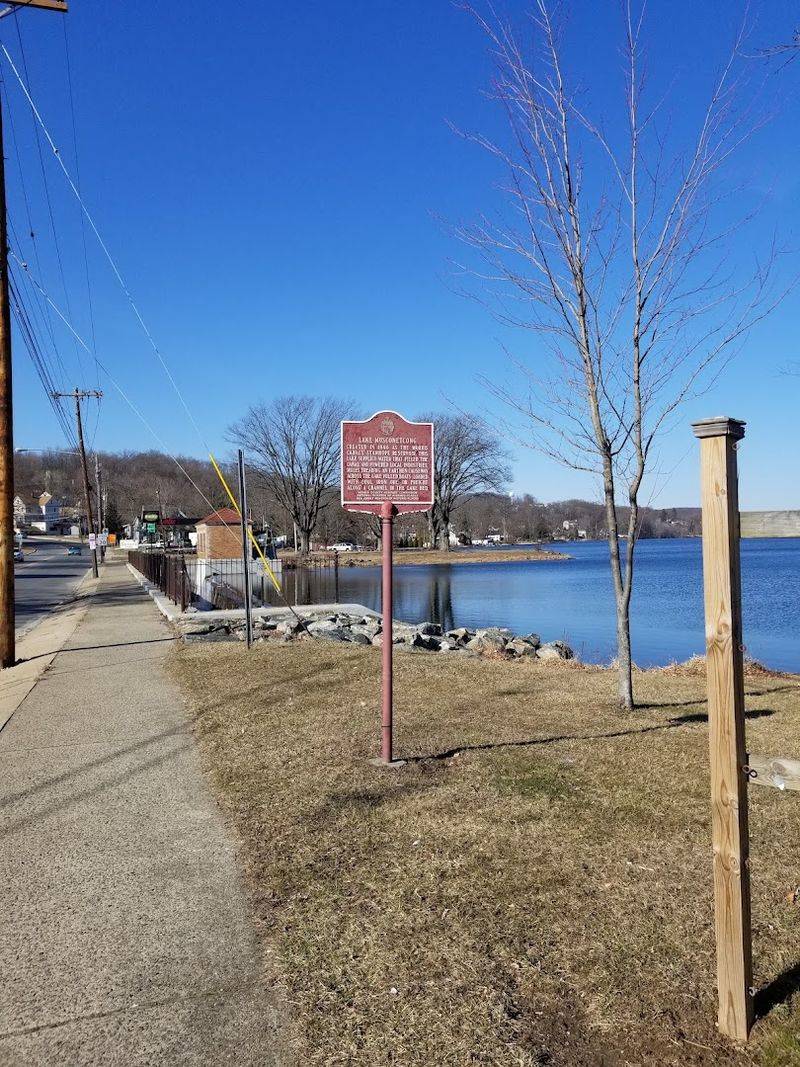
Netcong is tiny, and most New Jerseyans outside of Morris County probably could not place it on a map without help.
But its name is a genuine linguistic fossil. Believed to derive from the Lenape word “Nettcong” or a similar form, the name is generally interpreted to mean “at the large pond” or “place near the lake.” Lake Musconetcong sits nearby, and the connection between the two names is hard to miss.
The area was settled by Europeans in the 18th century, but the Indigenous presence in the region predates that by thousands of years. The Lenape left behind not just a name but an entire geographic logic encoded in the language. Every body of water, every hill, every marsh had a word attached to it.
Netcong today is a small borough with a quiet, almost overlooked quality that feels oddly charming. The railroad once made it a more significant stop, but time has slowed things down considerably.
Its name carries the same weight it always has, quietly pointing toward the water that shaped everything around it.
7. Succasunna
Succasunna is one of those names that sounds almost mythological, like it belongs in a fantasy novel rather than a Morris County neighborhood.
The name has Lenape roots and is generally believed to mean “black stone land” or “place of black rocks,” a reference to the iron ore deposits that were abundant in the region. Iron mining actually played a significant role in the area’s early economy.
The connection between the name and the land’s geology is remarkably direct. Indigenous communities were observant in ways that modern place-naming rarely captures. They named places based on what was actually there, what you could see, touch, and use.
Succasunna is a perfect example of that practical precision.
Today it functions as a community within Roxbury Township, blending into the suburban fabric of northern New Jersey in a way that makes its extraordinary name feel almost incongruous. But that incongruity is exactly what makes it worth knowing.
A name like Succasunna is a tiny window into a time when the landscape itself did the naming, when black rocks in the ground were significant enough to define an entire place.
8. Weehawken
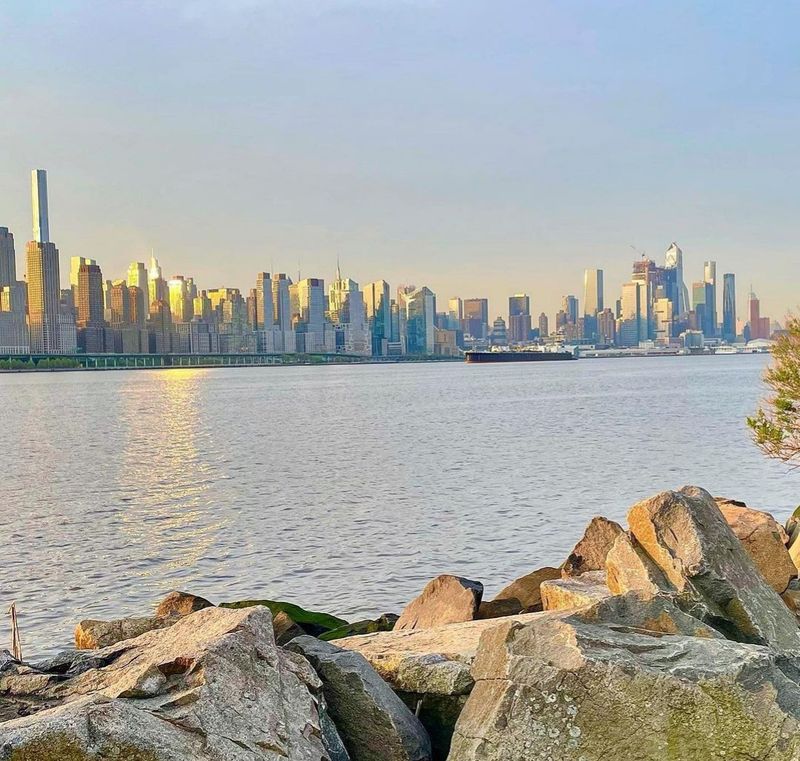
There is something almost cinematic about Weehawken, especially when you catch your first glimpse of the New York City skyline from its famous bluffs.
The name itself comes from the Lenape language, with most historians pointing to a meaning related to “place of gulls” or “rocks that look like trees.” Both interpretations are oddly fitting for a town perched dramatically above the Hudson River.
Weehawken is perhaps best known as the site of the famous 1804 duel between Alexander Hamilton and Aaron Burr. That single event permanently tied the town’s name to one of American history’s most dramatic moments.
It is strange to stand at that bluff today and realize how much happened on that quiet stretch of land.
The Lenape likely chose this elevated location for practical reasons, since the view of the river below is remarkable. Modern Weehawken retains that sense of elevation in more ways than one. Its name feels perfectly matched to a town that has always looked out over something bigger than itself.
9. Metuchen
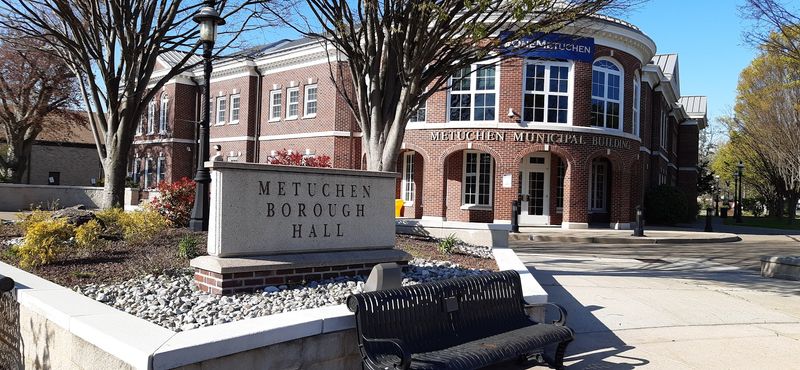
Metuchen has a name that historians and linguists have puzzled over for a long time, and honestly that mystery is part of its appeal. One leading theory suggests the name comes from a Lenape chief named Matouchin, whose name may have been attached to the land his community occupied.
Another interpretation links it to a Lenape word meaning “high hill” or “at the hill.” Both stories are plausible, and neither one fully cancels the other out.
What makes Metuchen especially interesting is how its downtown has preserved a small-town character that many New Jersey communities lost decades ago.
The main street still has the kind of independent shops and walkable energy that feels genuinely rare in a state dominated by highways and strip malls. It earned the nickname “The Brainy Borough” due to its historically high concentration of writers, academics, and professionals.
Thomas Edison lived nearby in Menlo Park, and Metuchen was part of that same intellectual orbit. The name, whatever its true origin, seems to suit a town that has always valued depth over flash. There is something quietly proud about Metuchen, and that pride is well-earned.
10. Whippany
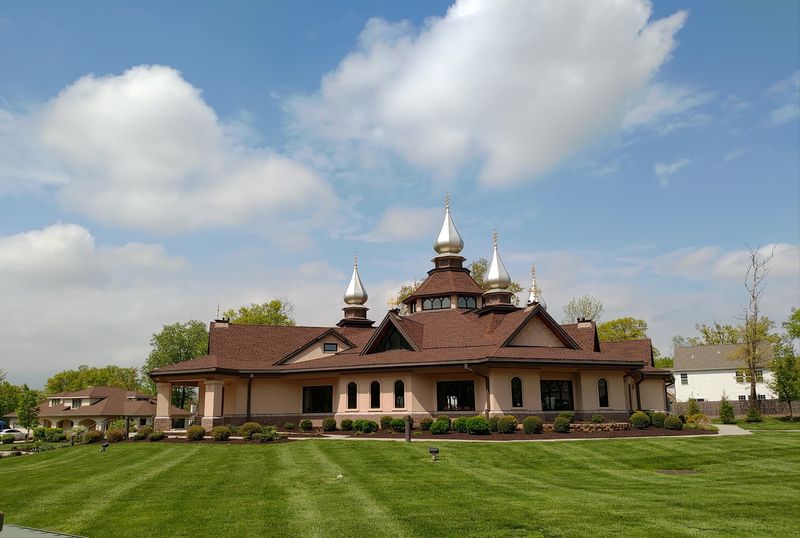
Whippany sits quietly in Morris County, a community that most people associate with corporate campuses and commuter trains rather than ancient etymology. But the name has a genuinely fascinating backstory.
It is believed to come from the Lenape word “wipanong” or a related form, thought to mean “at the place of the arrow wood” or “arrow wood place,” referring to a type of shrub whose straight branches were used to make arrows.
That detail is striking when you think about it. The Lenape essentially named this place after a tool. The landscape provided the material, the material enabled survival, and the name preserved that connection for centuries. Few place names carry that kind of embedded knowledge so quietly.
The Whippany River runs through the area, and it would have been lined with the very shrubs that gave the place its name. Today the river is a pleasant backdrop for parks and walking paths, and the arrow wood is long gone from most people’s awareness.
But the name keeps the memory alive, even if most residents have no idea what it means. That quiet persistence is one of the most compelling things about New Jersey’s Indigenous place names.
11. Neshanic Station
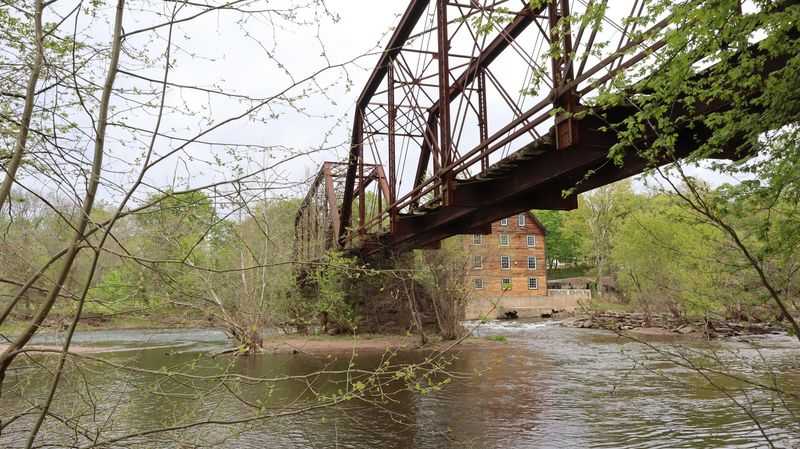
Neshanic Station has the kind of double-barreled name that tells two stories at once. The “Station” part is straightforward, a nod to the railroad stop that once brought the outside world to this small Somerset County village.
The “Neshanic” part is older and more layered, believed to come from a Lenape word meaning “two-pronged” or a reference to a fork in the land or waterway. The North Branch and South Branch of the Raritan River both flow through the general region.
The village itself is the kind of place that feels frozen in a particularly pleasant moment of the past. Old farmhouses, narrow roads, and rolling hills give it a character that is almost aggressively charming. I found myself slowing down without even meaning to the first time I drove through.
The railroad is long gone, but the name “Station” lingers as a reminder that this quiet spot was once a point of connection and movement. Pair that with an Indigenous name rooted in the physical shape of the land, and you have a place whose very title is a compressed history lesson.
Neshanic Station earns its unusual name completely.
12. Ho-Ho-Kus
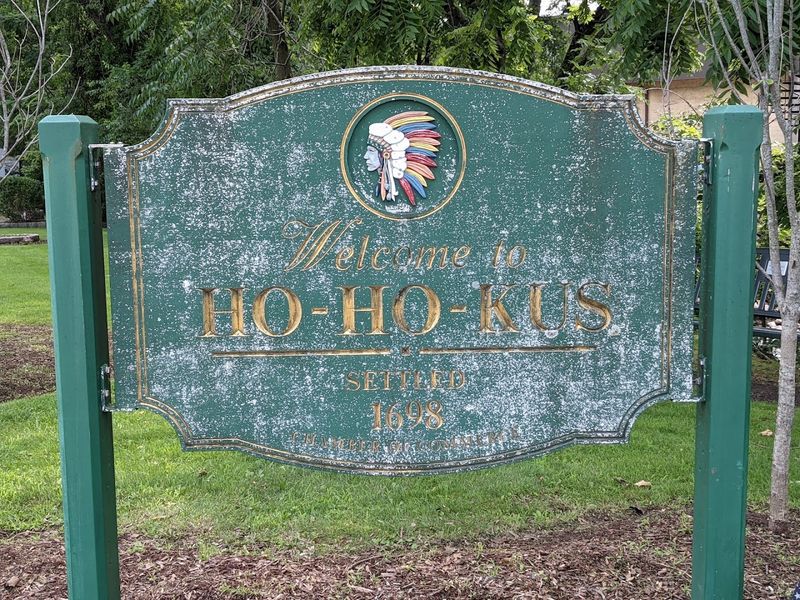
Ho-Ho-Kus might be the most joyful-sounding town name in all of New Jersey, and it has sparked curiosity and laughter in equal measure for generations.
The name is Lenape in origin, and the most widely accepted interpretation connects it to the Chihohokies, a band of the Lenape people who lived in the area. Some linguists suggest the name relates to a red cedar tree.
The town sits in Bergen County and has a distinctly affluent, leafy character today, with historic homes and a charming commuter rail station that gives it a timeless quality. It is the kind of place where the present and the past coexist without much tension.
The name, though, is a constant reminder that long before the Victorian houses and manicured lawns, this land had its own identity.
Ho-Ho-Kus was also the site of the Hermitage, a historic house where British officers stayed during the Revolutionary War. That layering of Indigenous heritage, colonial conflict, and modern suburban life is what makes this small borough so unexpectedly rich.
