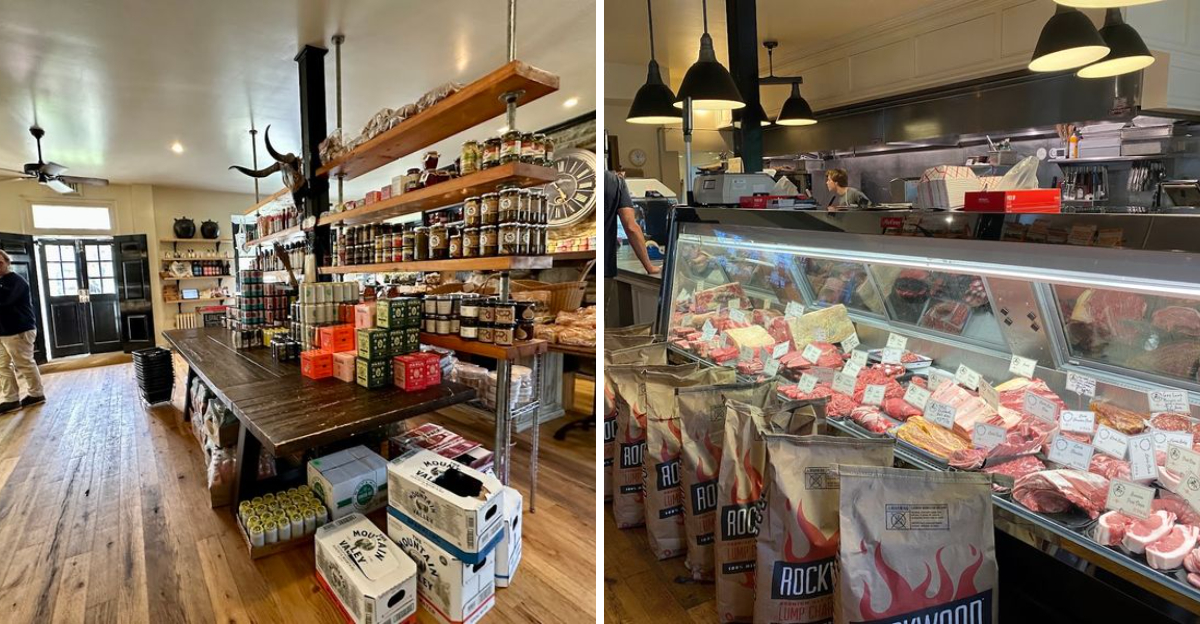
Historic buildings often have stories to tell. This one has a butcher shop hidden inside, a forgotten gem that deserves more attention.
The building itself has character, old brick and wood beams that add to the experience. The meat counter is stocked with quality cuts, and the staff knows their craft.
You can ask for recommendations and get a real answer, not a script. Locals have been coming here for years, and they appreciate the personal touch.
A place that feels like it belongs to a different era, in the best way. The kind of spot where you walk in for one thing and leave with more than you planned.
The Historic Fieldstone Building That Makes the First Impression
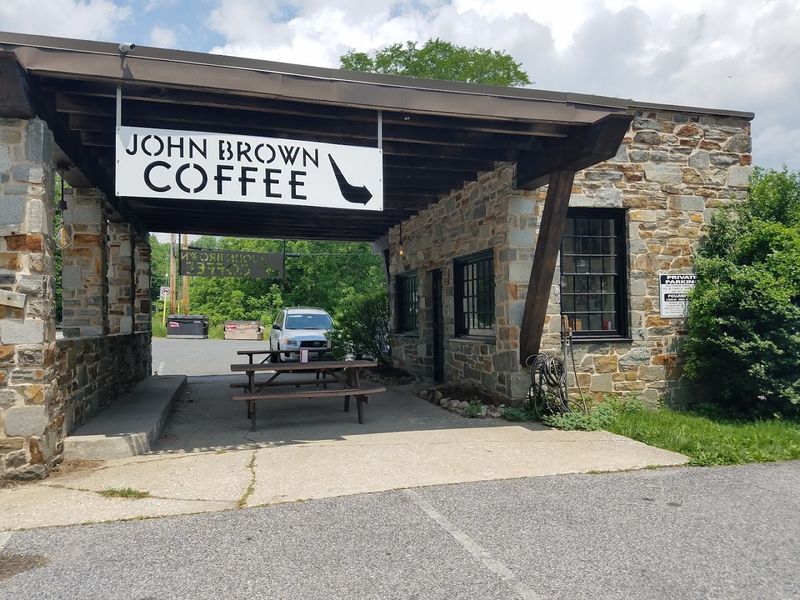
Some buildings earn their place on a landmarks list, and the one housing John Brown General And Butchery is a perfect example of why that matters. The structure dates back to the 1930s, originally serving the Worthington Valley community as a general store and gas station.
It was placed on the Baltimore County Final Landmarks List in 1998, and one look at those thick fieldstone walls tells you exactly why.
The Cape Cod-style architecture is genuinely striking. Small store windows with mullions and muntins give the facade a kind of quiet dignity that feels rare in an era when most retail spaces are generic and forgettable.
There is a grounded, unhurried feeling you get just from the exterior. It does not shout for attention.
The stone is weathered in that honest way that only decades of Maryland seasons can produce. You notice the details slowly, the proportions of the roofline, the way the windows sit deep in the stone.
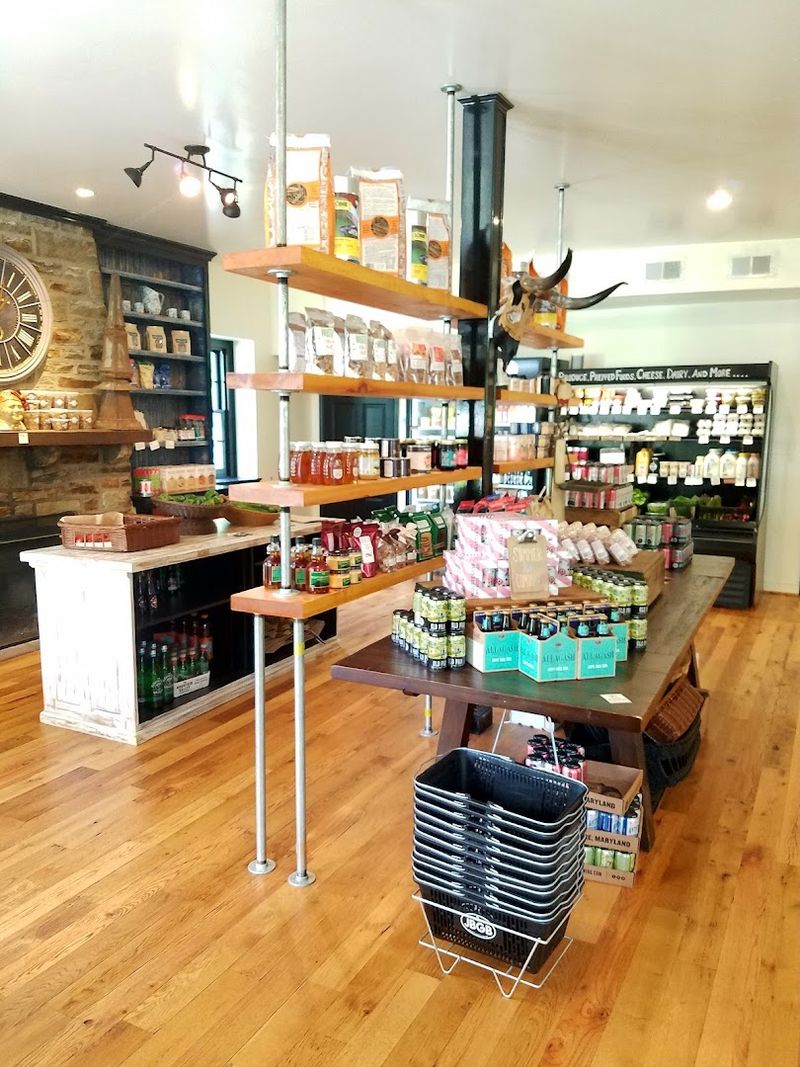
Inside, the renovation that owners Robert Brooke Voss and Ben Frey completed for the December 2015 opening preserved that historic character while layering in a blend of rustic and modern design elements. The result is a space that feels both timeless and alive.
It is the kind of building that makes you glad someone had the sense to restore it rather than tear it down and start over.
Whole Animal Butchery, a Practice Worth Knowing About
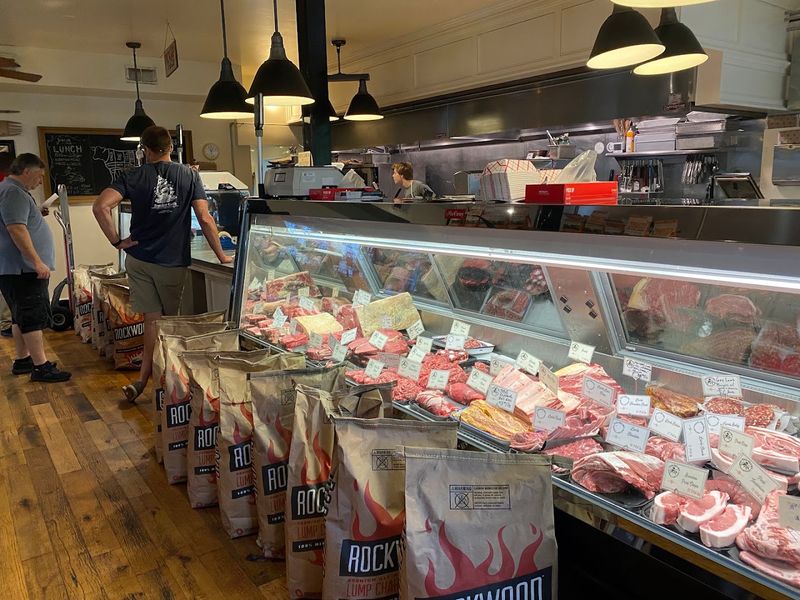
Whole animal butchery is one of those practices that sounds straightforward but actually represents a deep commitment to craft, sustainability, and respect for the animal. At John Brown General And Butchery, this is not a marketing angle.
It is the foundation of everything they do. The shop focuses on grass-fed, grass-finished beef alongside pasture-raised pork, lamb, and poultry sourced from local, sustainably minded farms.
The difference between a whole animal butcher and a standard grocery store meat counter is significant. Every cut gets used, every part is accounted for, and the butcher develops an intimate understanding of the animal from start to finish.
That knowledge shows up in the quality and variety of what ends up in the display cases.
Farms like Grandview Farm and Locust Point Cattle supply the shop, and those relationships matter enormously to the final product. When you know the source, you trust the product.
It is that simple, and yet it is increasingly rare.
For home cooks, visiting a whole animal butcher shop like this one opens up a new world of cuts and possibilities.
You might discover something beyond the usual ribeye or chicken breast, maybe a bavette steak, a lamb neck, or a heritage pork shoulder that changes the way you think about cooking.
The staff can guide you through unfamiliar territory without making you feel out of place. That approachability is part of what makes the shop feel like a true neighborhood resource rather than an exclusive destination.
Dry Aging Beef, the Slow Art of Better Flavor
Dry aging beef is one of those techniques that rewards patience in a way that almost nothing else in the food world does.
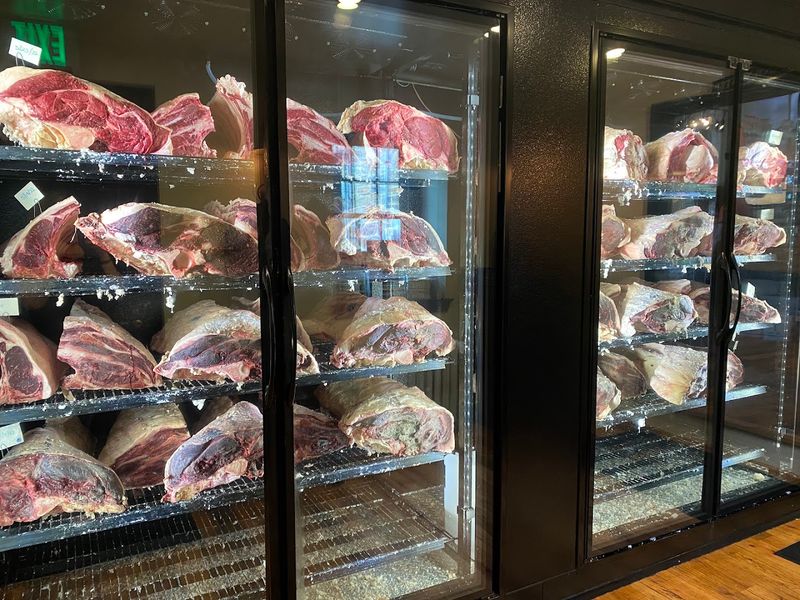
John Brown General And Butchery performs in-house dry aging, which means the beef hanging in their cooler is undergoing a slow, controlled transformation that concentrates flavor and tenderizes the meat in ways that no shortcut can replicate.
The science behind it is fascinating even if you are not a food nerd. Moisture evaporates from the surface of the beef over days or weeks, intensifying the natural flavors while enzymes break down the muscle fibers.
The result is a steak with a depth of taste and a tenderness that feels almost luxurious compared to standard supermarket beef.
Most grocery stores do not offer dry-aged beef at all, and when they do, it is often wet-aged in vacuum-sealed packaging, which is a completely different and less complex process.
Getting true dry-aged beef requires either a serious home setup or a specialty butcher with the knowledge and space to do it properly.
This shop has both.
If you have never tried dry-aged beef before, a visit here is a genuinely educational experience. Ask the butchers about the aging timeline for what is currently in the case.
They are knowledgeable and happy to explain without being condescending. It is one of those small interactions that reminds you why local specialty shops exist and why they deserve your support far more than a faceless chain store ever will.
House-Made Sausages, Pates, and Charcuterie Worth the Drive
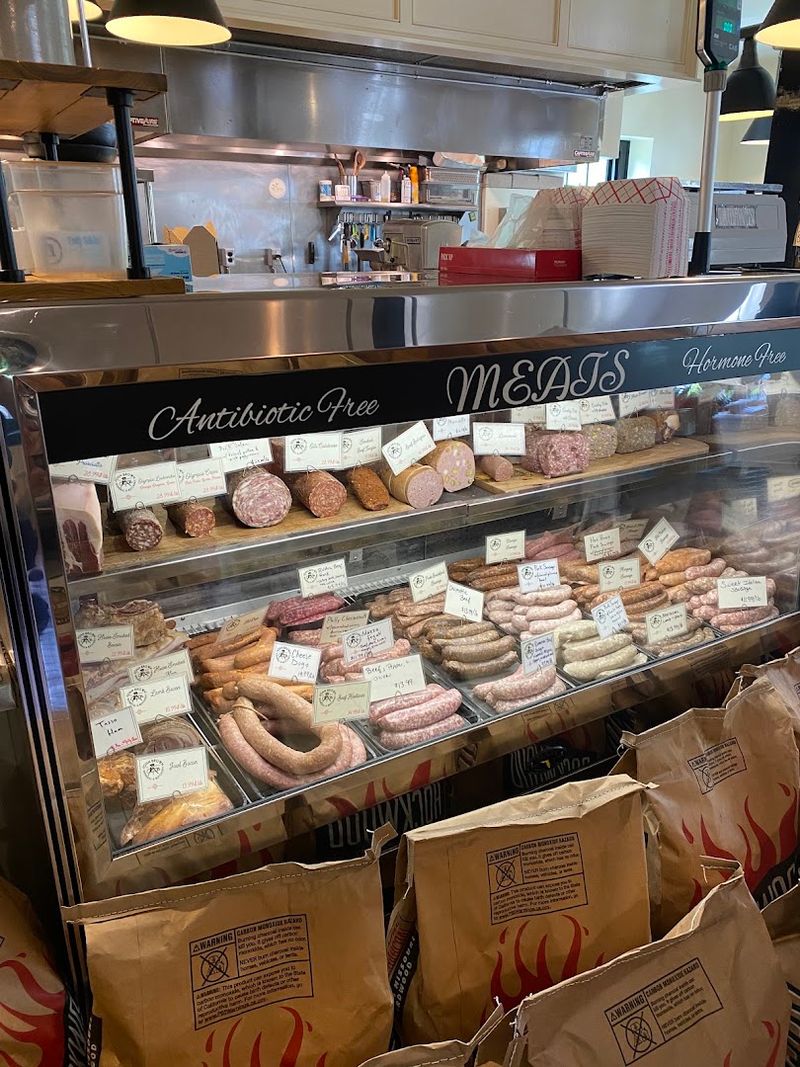
There is a particular kind of satisfaction in finding a shop that makes its own charcuterie from scratch, and John Brown General And Butchery delivers on that front in a way that feels genuinely impressive.
The butcher cases are stocked with house-made sausages, pates, and charcuterie meats that rotate regularly, meaning there is almost always something new to discover.
Charcuterie is an old craft rooted in French tradition, built around the idea of preserving and transforming pork into something worth celebrating. Making it well requires skill, patience, and quality raw ingredients.
When a shop sources humanely raised, pasture-based animals and then applies traditional techniques, the results taste noticeably different from mass-produced versions.
The sausages here are worth a special mention. A good house-made sausage has a snap, a seasoning balance, and a texture that packaged supermarket versions rarely achieve.
Picking up a few links to grill at home feels like a small luxury that is actually quite affordable and accessible.
Pates might feel intimidating to someone unfamiliar with them, but they are essentially a rich, spreadable preparation of seasoned meat, and they pair beautifully with good bread. The shop carries local bread as well, so you can assemble a genuinely satisfying spread without much effort.
I find that exploring the charcuterie case at a place like this is one of the most enjoyable parts of the visit, because there is always something unexpected sitting right next to the familiar. It makes every trip feel a little different.
The Lunch Counter That Keeps People Coming Back
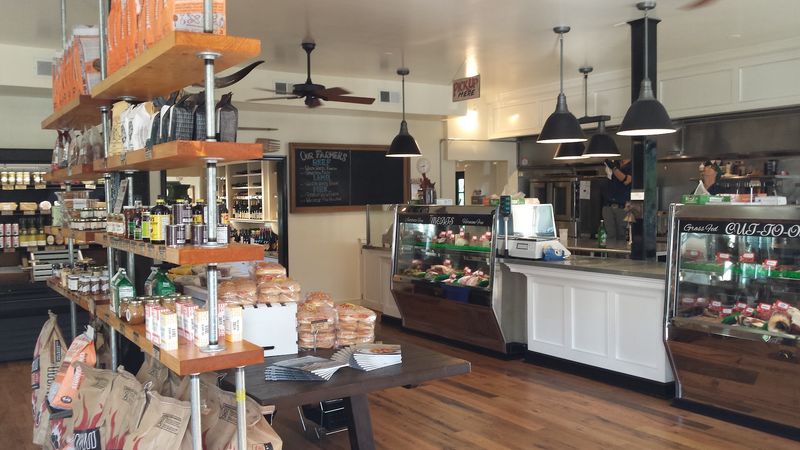
A butcher shop that also serves lunch is not unheard of, but one that does it this well is genuinely uncommon.
The counter-service lunch menu at John Brown General And Butchery runs Tuesday through Sunday from 11:30 am to 2:30 pm, and it draws a loyal crowd that clearly knows what they are doing.
The menu is made to order, which means the food is fresh and prepared with actual care.
Past offerings have included sandwiches built around Italian cold cuts, brisket, and ham and cheese, along with hamburgers and house-cut french fries. These are not complicated dishes, and that is entirely the point.
When the ingredients are this good, simplicity is a strength rather than a limitation. A brisket sandwich made from beef sourced at the same shop where it was butchered is a fundamentally different experience from a fast food version.
The dining area inside is comfortable and inviting, with an outdoor space available for nicer days. It is the kind of spot where you can sit down, slow down, and actually enjoy your meal without feeling rushed or like you are in the way.
That communal gathering atmosphere the shop aims for really comes through at lunchtime.
If you are planning a visit, timing it around the lunch window is a smart move. It turns a shopping errand into a full outing.
Grab your meat order, pick up some pantry items, and then settle in for a sandwich made from the same quality animals that stocked the case that morning. It is a satisfying loop that is hard to argue with.
Local Farms, Seasonal Vegetables, and Pantry Provisions
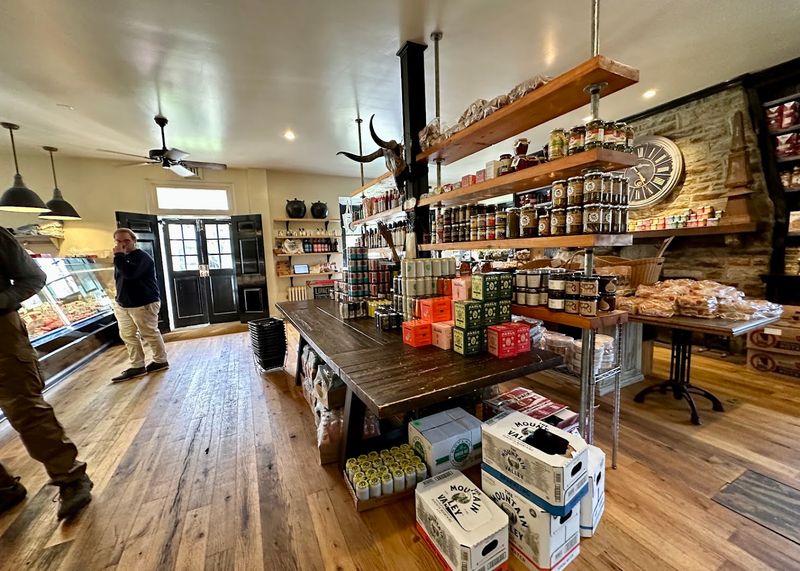
What sets John Brown General And Butchery apart from a standard meat shop is the way it functions as a genuine general store in the old-fashioned sense of that phrase.
Beyond the butcher counter, the shelves carry pantry items, local eggs, seasonal vegetables, and house-made baked goods that reflect a real commitment to sourcing from Maryland farms.
Farms like Oak Spring Farm, One Straw Farm, and Moon Valley supply the shop with organically grown seasonal produce. That kind of sourcing transparency is refreshing and increasingly valued by shoppers who want to understand where their food comes from.
Buying a bunch of carrots or a carton of eggs here carries a story behind it that a conventional grocery store simply cannot offer.
The local bread and baked goods round out the provisions side of the shop beautifully. There is something deeply satisfying about picking up a fresh loaf alongside your meat order, especially when both come from within a short drive of where you are standing.
It makes the whole trip feel purposeful and connected to the region in a meaningful way.
For regular visitors, the rotating seasonal inventory keeps things interesting throughout the year. Spring might bring fresh asparagus and ramp-inspired sausages, while fall could mean squash and heartier cuts suited for slow cooking.
The shop adapts to what is actually growing and available nearby, which is the way a neighborhood general store should operate. It rewards people who visit often and pay attention to what changes on the shelves between trips.
National Recognition and What It Means for a Small Shop
Being named one of the best butcher shops in America by Food and Wine magazine is not a small thing, especially for a shop operating out of a converted 1930s general store on a rural Maryland road.
That kind of recognition validates what the shop has been doing since it opened in December 2015, and it brings new visitors who might otherwise never have found the place.
National attention can be a double-edged thing for small local businesses. Too much buzz can change the character of a place, bringing crowds that overwhelm the staff and shift the atmosphere from neighborly to chaotic.
John Brown General And Butchery seems to have navigated that tension reasonably well, maintaining its identity as a community-focused shop even as its reputation has grown beyond the Worthington Valley.
The praise from NFL linebacker Kyle Van Noy, who called it the best in Maryland, added a different kind of visibility. Sports fans and casual followers who might never pick up a food magazine heard about it through a completely different channel.
That breadth of recognition suggests the shop genuinely resonates across different audiences, not just dedicated food enthusiasts.
Recognition like this also matters for the local farms supplying the shop. When a butcher shop gains national attention, it shines a light on the entire supply chain behind it, including the farmers raising animals humanely and sustainably in the Maryland countryside.
That ripple effect is one of the more quietly meaningful outcomes of a small shop doing its work exceptionally well over time.
Planning Your Visit to Falls Road in Cockeysville
Falls Road in Cockeysville has a particular quality to it that makes the drive itself feel like part of the experience.
The road winds through Baltimore County’s Worthington Valley, passing farms, stone walls, and stretches of woodland that remind you how much of Maryland still looks and feels genuinely rural despite its proximity to the city.
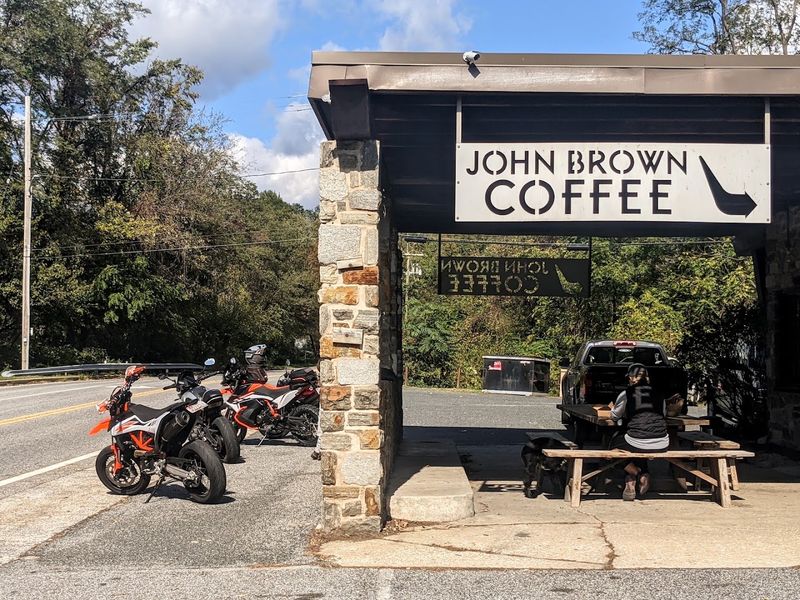
John Brown General And Butchery sits at 13501 Falls Road, and the building is unmistakable once you know what you are looking for. The fieldstone exterior and the small parking area give it a low-key presence that suits the road perfectly.
It does not try to stand out, and somehow that makes it stand out more.
Going on a weekday morning is a good strategy if you want a quieter experience and more time to browse without feeling the pressure of a line forming behind you.
The lunch rush naturally brings more people, which is fine if you want the full social energy of the place, but a quieter visit lets you really take in the shop and have a proper conversation with the staff.
Bringing a cooler in your car is a practical tip worth mentioning. When you find cuts you love, you will want to buy more than you planned, and having cold storage ready means you can shop confidently without worrying about the drive home.
The shop has since expanded to other locations, but the Cockeysville storefront remains the flagship, and it carries that original character in every corner.
Address: 13501 Falls Road, Cockeysville, Maryland
