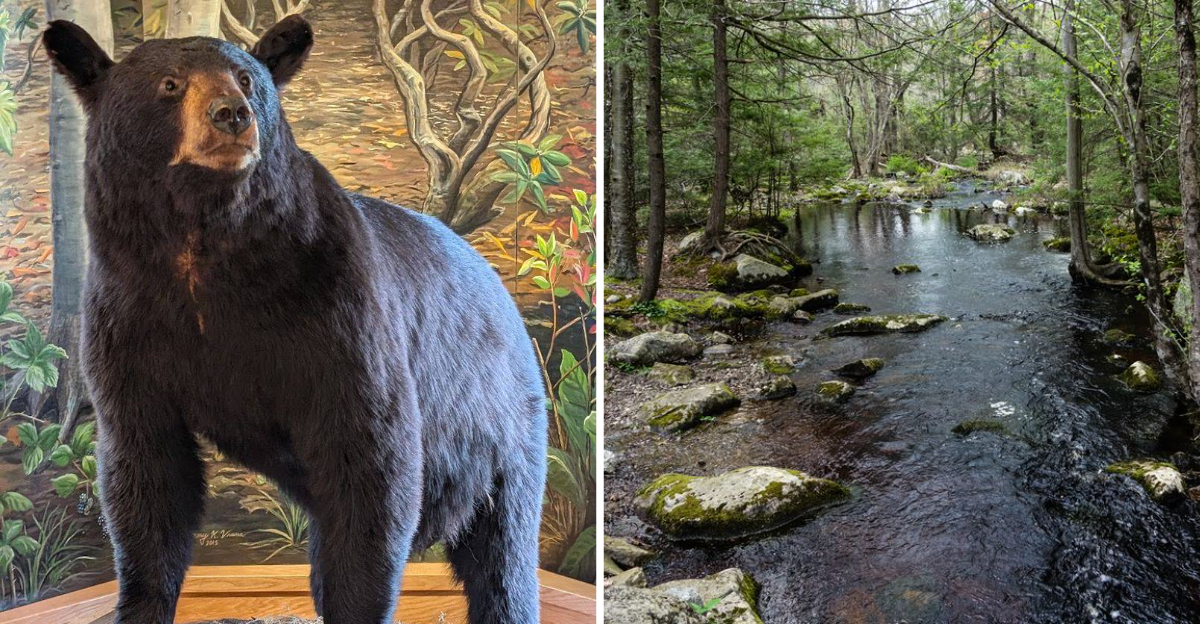
The first time a black bear crossed my trail in New Jersey, my hiking boots nearly walked themselves back to the parking lot without me.
Turns out, the Garden State is hiding some seriously wild secrets beneath all those suburban strip malls and turnpike exits.
Black bears are thriving here, and if you know where to look, spotting one safely is a genuinely unforgettable experience.
I put together this list of ten spots where the chances of a real, awe-inspiring bear encounter are surprisingly high.
Pack your binoculars, charge your camera, and please, for the love of all things wild, leave the snacks in a bear canister.
1. High Point State Park, New Jersey
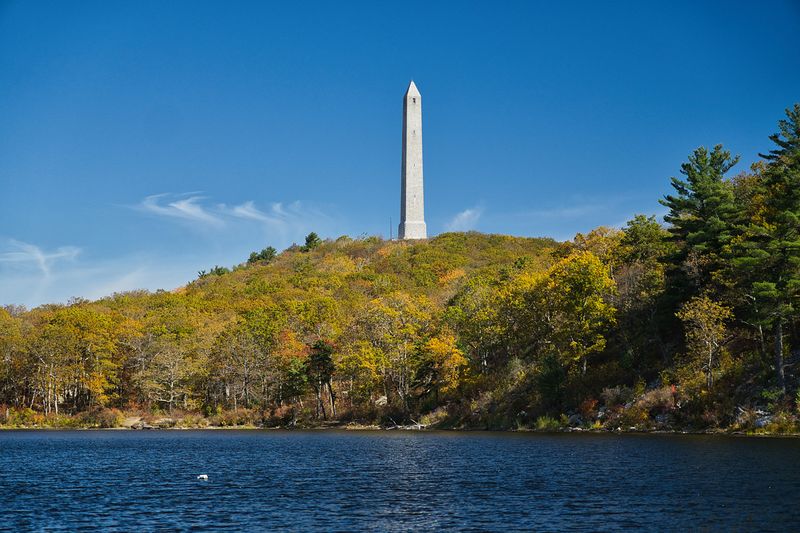
Standing at New Jersey’s highest elevation, High Point State Park feels like the kind of place a bear would absolutely choose as home base. At over 1,800 feet above sea level, the park covers more than 15,000 acres of rugged terrain, dense hardwood forest, and open ridgelines that black bears love to roam.
The elevation alone creates a cooler, quieter environment that wildlife tends to favor.
Bears here are most active during early morning and late afternoon, especially near berry patches and along the Appalachian Trail corridor that cuts through the park. Blueberries, serviceberries, and wild cherries grow in abundance, making this area a genuine buffet for foraging black bears throughout summer and early fall.
The best strategy for a safe sighting is to hike quietly and stay alert on the Monument Trail or the Appalachian Trail sections near Sawmill Lake. Move slowly and scan the tree line frequently.
Bears are not aggressive by nature, but giving them space is always the smart move.
Bring binoculars for ridge scanning and wear earthy, muted tones to blend into the landscape. The park also offers stunning panoramic views of three states, so even if a bear does not show up, the trip is absolutely worth it.
Keep food sealed, stay on marked trails, and make occasional noise to avoid startling any wildlife you encounter.
Address: 1480 NJ-23, Sussex, NJ 07461
2. Stokes State Forest, New Jersey
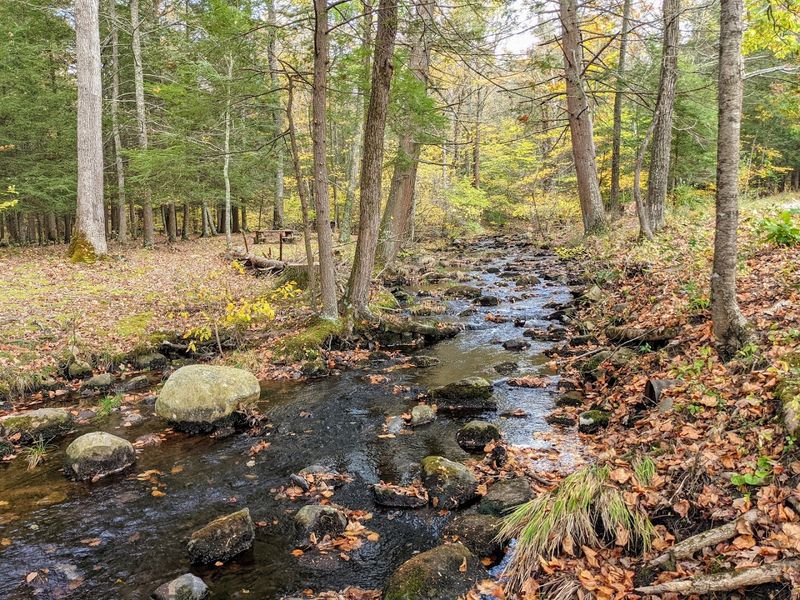
Stokes State Forest has a certain raw, unhurried quality to it that feels genuinely removed from the modern world. Spanning nearly 16,000 acres in Sussex County, this forest is one of New Jersey’s most expansive wild spaces, and black bears are very much part of the landscape here.
The dense mix of oak, maple, and hemlock creates ideal cover and food sources for a healthy bear population.
Tillman Ravine is one of the most scenic areas in the entire park, and it also happens to sit within prime bear territory. The cool, shaded ravine supports lush vegetation and abundant wildlife movement corridors.
Walking quietly along the ravine trail during early morning gives you a solid chance of spotting a bear moving through the understory.
The Stony Lake area and the trails around Sunrise Mountain are also worth exploring. Bears frequently move between forest patches and open ridges in search of food, especially in late summer when acorns and wild fruits are plentiful.
Sunrise Mountain’s fire tower offers an elevated vantage point for scanning the surrounding forest canopy.
Always travel in small groups and announce your presence with calm, steady conversation or occasional clapping. Avoid wearing headphones on the trail, since hearing your surroundings is genuinely important here.
Stokes rewards patient, observant hikers with some of the best wildlife experiences in the entire state.
Address: 1 Coursen Rd, Branchville, NJ 07826
3. Wawayanda State Park, New Jersey
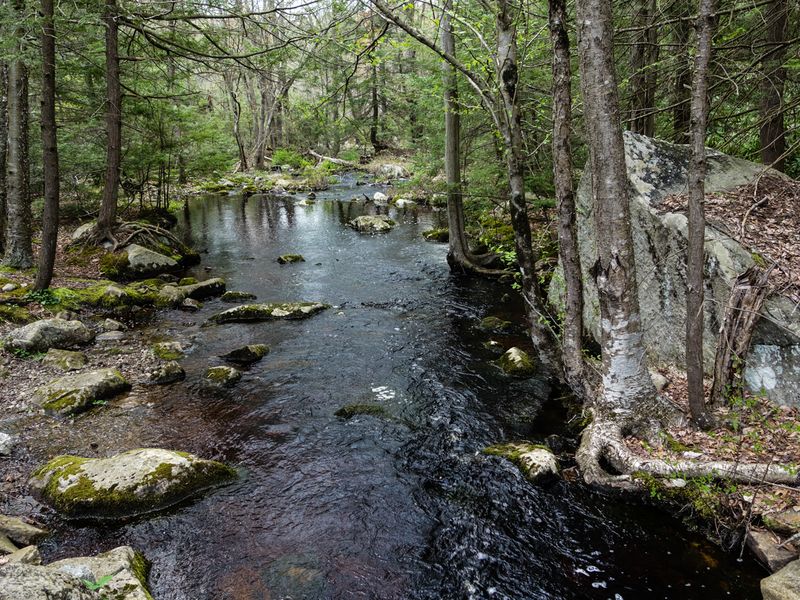
Wawayanda State Park is the kind of place that quietly surprises you. The name itself comes from a Lenape word meaning “winding, winding water,” and the landscape delivers exactly that, with a large glacial lake, sprawling wetlands, and thick forested ridges that roll across the New Jersey-New York border.
Black bears thrive here, drawn by the forest’s rich food supply and the park’s relatively low human traffic on weekday mornings.
The Wawayanda Trail and the Cherry Ridge Road area are two of the better locations for bear activity. Wetland edges are particularly productive spots, since bears frequently visit marshy areas to feed on aquatic plants, frogs, and insects.
Early morning visitors who arrive before the crowds have the best odds of a genuine encounter.
The Bearfort Ridge Trail, which climbs through rocky terrain above the lake, is aptly named and worth every step. Bears use the ridge as a travel corridor between lower feeding areas and higher resting spots.
Scanning the rocky outcrops from a distance with binoculars is a smart, low-impact way to observe wildlife without creating a disturbance.
Wawayanda also has a wonderful diversity of bird life, so a bear-spotting trip easily doubles as a birding outing. Bring water, snacks in sealed containers, and a good field guide to make the most of your time here.
The forest rewards curiosity generously.
Address: 885 Warwick Tpk, Hewitt, NJ 07421
4. Worthington State Forest, New Jersey
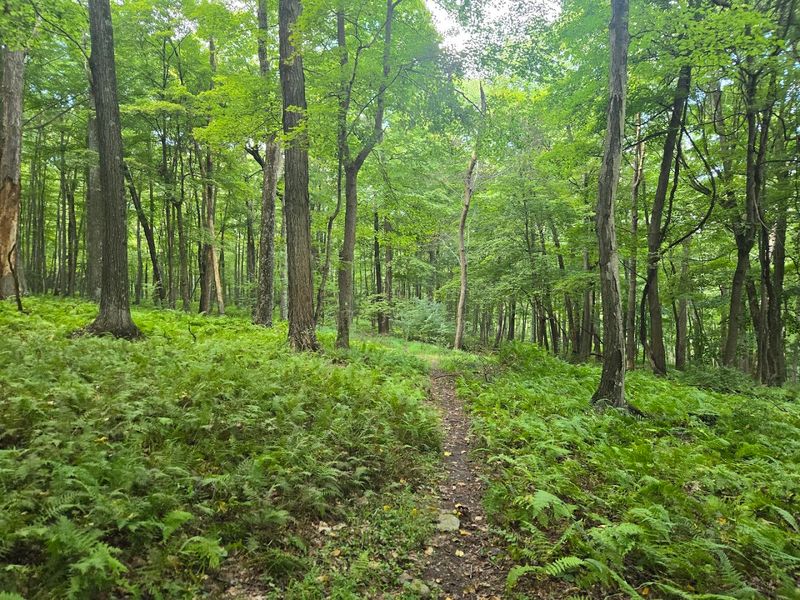
Worthington State Forest presses right up against the Delaware River, and the combination of riverine habitat and steep, forested ridges creates an environment that black bears find irresistible. The forest covers roughly 6,000 acres in Warren County, and the terrain here is noticeably wilder and more rugged than many other New Jersey parks.
That wildness is exactly the point.
The Appalachian Trail runs directly through Worthington, and the stretch between Sunfish Pond and the Delaware Water Gap is one of the most productive wildlife corridors in the entire state.
Sunfish Pond itself is a glacial lake perched on the Kittatinny Ridge, and the surrounding forest is dense with oaks that produce the acorns black bears depend on heading into fall.
Bears in this area are most frequently encountered along the lower forest roads and near the campground during dawn and dusk hours. Camping here overnight significantly increases your chances of seeing wildlife, though proper food storage is absolutely essential.
Hang your food bag or use a certified bear canister, no exceptions.
The forest has a quiet grandeur that feels almost prehistoric. Moss-covered boulders, towering hemlocks, and the distant sound of the Delaware River all combine to make this one of the most immersive wilderness experiences in New Jersey.
Patient hikers who move slowly and keep their eyes on the forest edges are almost always rewarded.
Address: 2 Old Mine Rd, Columbia, NJ 07832
5. Delaware Water Gap National Recreation Area, New Jersey
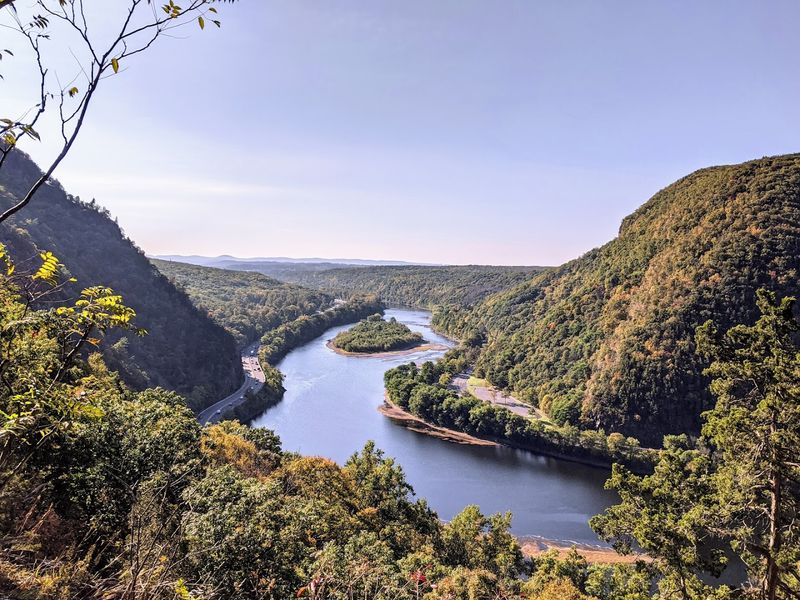
The Delaware Water Gap National Recreation Area is massive, covering over 70,000 acres across both New Jersey and Pennsylvania, and the New Jersey side is a genuine hotspot for black bear activity. The park’s sheer size means bears have enormous amounts of undisturbed territory to roam, and human encounters happen regularly along the more remote trail systems.
Dunnfield Creek Trail is one of the most accessible and rewarding hikes for wildlife observation. The trail follows a cold, clear stream through a hemlock gorge before climbing to Sunfish Pond, and bears are regularly spotted along this corridor, particularly near the stream where they search for crayfish and other food sources.
Go early, go quietly, and keep the group small.
The Kittatinny Ridge trails offer elevated views across the forested valley, giving hikers a chance to spot bears moving through the canopy below. Bring a good pair of binoculars and settle onto a rocky overlook during the golden hours just after sunrise.
That kind of patient observation tends to produce the most memorable wildlife moments.
The recreation area also features exceptional river access, picnic areas, and swimming spots, making it an ideal full-day destination. Bear safety here follows the same principles as anywhere else: make noise, store food properly, and maintain respectful distance if a bear appears.
The park staff is knowledgeable and genuinely enthusiastic about wildlife education.
Address: 1978 River Rd, Bushkill, PA 18324 (NJ Side)
6. Ramapo Mountain State Forest, New Jersey
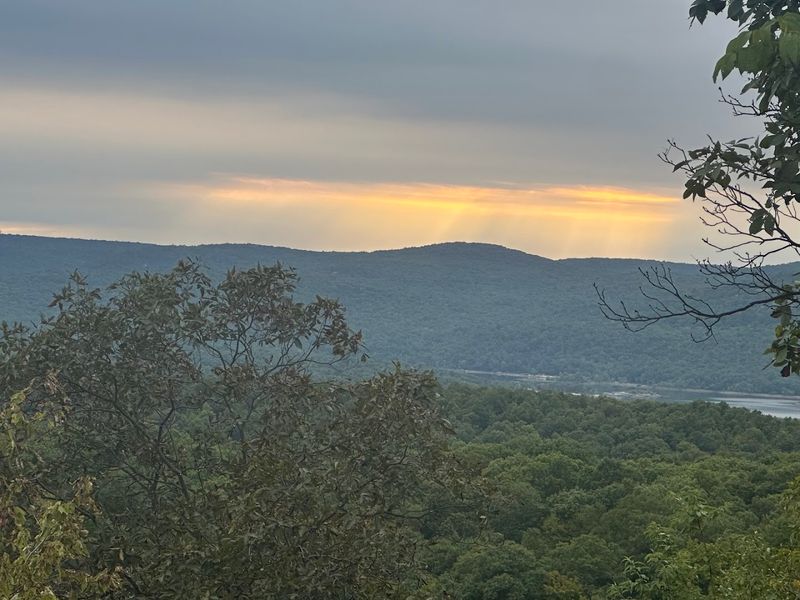
Ramapo Mountain State Forest carries a slightly mysterious energy, especially on foggy mornings when the ridgeline disappears into low clouds and the forest floor is draped in silence.
The forest covers about 4,200 acres in Bergen and Passaic counties, and its proximity to New York City makes it one of the most surprising wild spaces in the entire northeastern United States.
Black bears live here year-round, navigating a landscape that borders suburban neighborhoods but remains genuinely untamed at its core.
The Ramapo Lake area is a focal point for wildlife activity. Bears frequently move along the lake’s wooded shoreline in search of food, and the trail that circles the lake provides excellent viewing opportunities without requiring a strenuous climb.
Early morning visits during berry season, roughly July through September, offer the highest probability of a sighting.
The Skyline Drive area and the upper ridge trails reward more ambitious hikers with sweeping views and a real sense of solitude. Bears use the ridge as a travel corridor connecting the forest interior with surrounding green spaces.
Scanning open areas from elevated positions is often more effective than walking fast and hoping for a close encounter.
The forest also has a fascinating history tied to old iron mining operations, and remnants of that industrial past are scattered throughout the trails. Bear or no bear, Ramapo Mountain State Forest delivers a genuinely compelling outdoor experience every single visit.
Address: 67 Skyline Dr, Oakland, NJ 07436
7. Jenny Jump State Forest, New Jersey
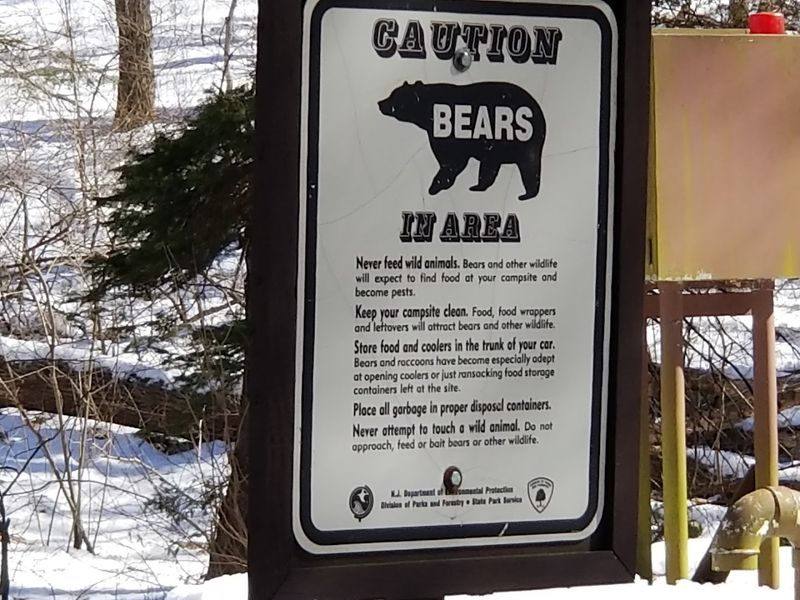
Jenny Jump State Forest has one of the most delightfully dramatic names of any park in New Jersey, and the forest itself lives up to that energy in the best possible way. Covering about 4,500 acres in Warren County, the forest sits atop a long ridge that provides sweeping views of the Great Meadows valley below.
The mix of rocky terrain, dense oak forest, and open meadow edges makes this exceptional habitat for black bears.
Bears here tend to concentrate near the forest’s interior trails, particularly in areas where wild berry patches and mast-producing oaks create reliable food sources. The Ghost Lake area is especially productive for wildlife observation, with the lake’s edges providing water, food, and cover that bears actively seek out during summer months.
The Summit Trail and the forest roads near the park office are good starting points for a bear-focused hike. Moving slowly along forest edges at dawn or dusk gives you the best odds of spotting a bear before it spots you.
Once a bear detects your presence, it will almost always move away on its own, which is exactly the behavior you want to see.
Jenny Jump also hosts a small astronomy club that uses the park’s dark skies for stargazing, so the forest is popular with a wonderfully eclectic mix of visitors. Whether you are scanning the tree line for bears or the night sky for stars, this place has a way of making you feel genuinely small in the best sense.
Address: 156 State Park Rd, Hope, NJ 07844
8. Abram S. Hewitt State Forest, New Jersey
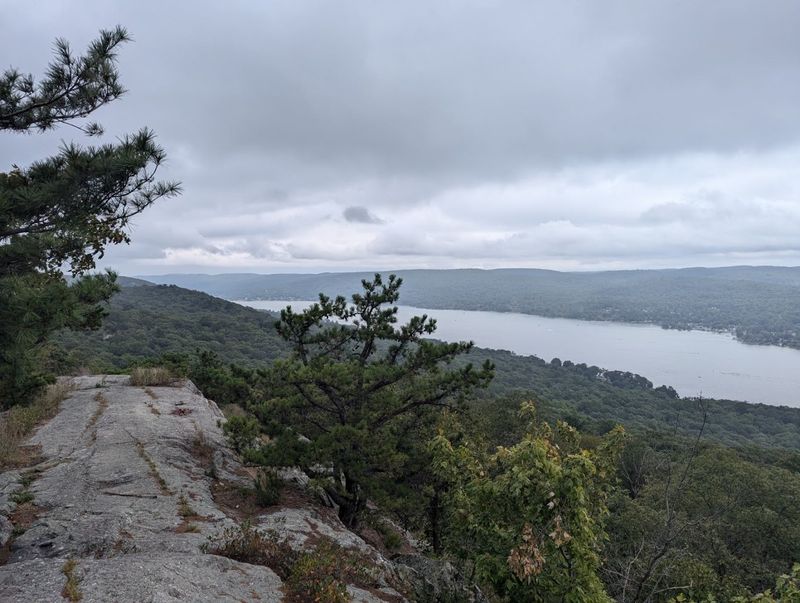
Abram S. Hewitt State Forest is one of those places that feels almost intentionally hidden.
Tucked into the northern end of Bearfort Mountain in Passaic County, this 2,001-acre forest is less visited than many of its neighbors, which is precisely what makes it so special for wildlife observation. The forest shares a boundary with Wawayanda State Park and together they form a large, connected wildlife corridor that supports a healthy and active bear population.
The Bearfort Ridge Trail is the crown jewel of this forest, climbing through dense rhododendron thickets and open rocky outcrops before reaching panoramic views that stretch for miles. Bears use the rocky ridgeline regularly, and the dense rhododendron provides the kind of impenetrable cover they favor for resting during midday heat.
Spotting a bear here feels earned in the best way.
Ernest Walter Trail, which passes through the forest’s interior, is another strong option for a bear-focused outing. The trail winds through mature hardwood stands that produce exceptional acorn crops in fall, drawing bears from a wide area.
September and October are particularly productive months for wildlife encounters along this route.
The forest has no developed facilities, which keeps foot traffic low and wildlife disturbance minimal. That raw, unmanicured quality is a genuine asset.
Bring everything you need, plan your route carefully, and give yourself extra time to sit quietly and observe rather than rushing through the trail. Patience is the single best tool for spotting bears.
Address: 885 Warwick Tpk, West Milford, NJ 07421
9. Great Swamp National Wildlife Refuge, New Jersey
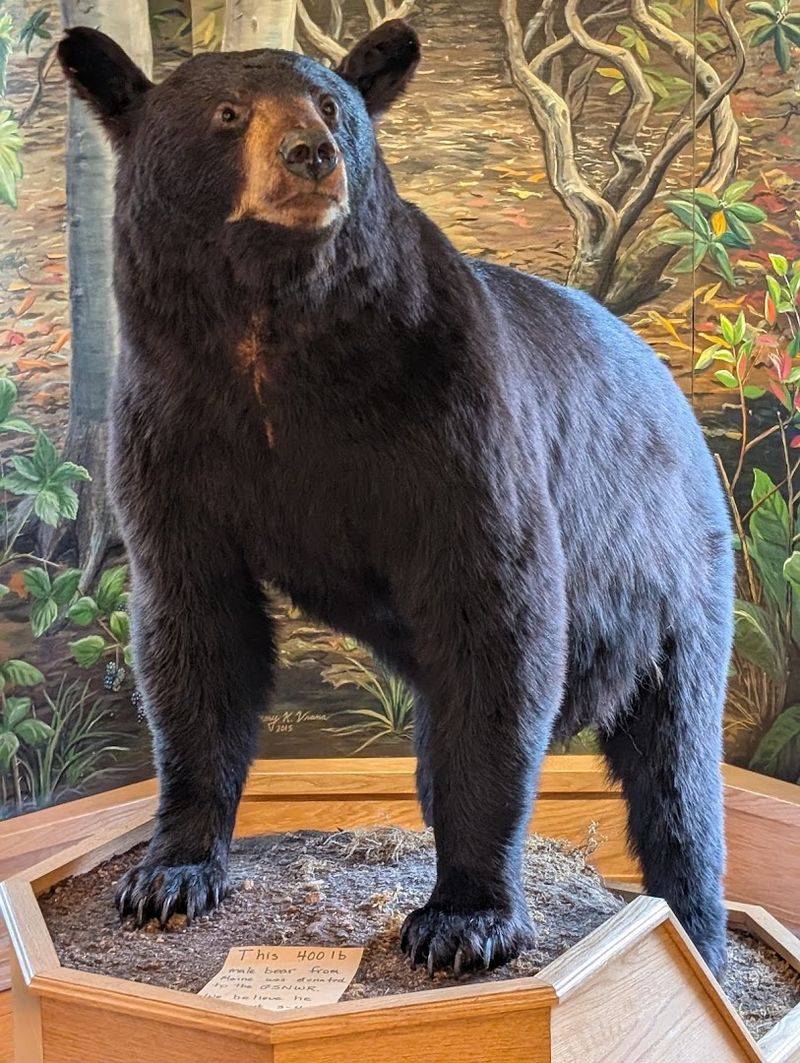
Great Swamp National Wildlife Refuge surprises almost everyone who visits for the first time. Located just 26 miles from midtown Manhattan, this 7,800-acre refuge feels like a completely different world, with dense wetland forest, open marshes, and quiet observation blinds that invite you to slow down and actually look at things.
Black bears do appear here, drawn by the refuge’s rich food sources and its surprisingly undisturbed interior sections.
The refuge is divided into a managed area with maintained trails and an untouched wilderness area where human access is intentionally limited. Bears tend to favor the wilderness section’s dense shrub swamp and forested upland patches.
Positioning yourself quietly near the wilderness area boundary during early morning gives you a realistic chance of spotting bear activity along the edge habitat.
The observation blinds scattered throughout the managed area are perfect for patient wildlife watchers. Settling into a blind before dawn and waiting as the swamp comes to life around you is one of the most rewarding experiences this refuge offers.
Birds, turtles, deer, and occasionally bears all move through these observation zones.
Great Swamp is also a critical stopover for migratory birds, so your visit can easily combine bear-watching with exceptional birding. The refuge’s educational center provides helpful information about wildlife patterns and seasonal activity, which is worth a stop before heading out on the trails.
This is a genuinely underrated gem in northern New Jersey’s outdoor landscape.
Address: 32 Pleasant Plains Rd, Basking Ridge, NJ 07920
10. Swartswood State Park, New Jersey
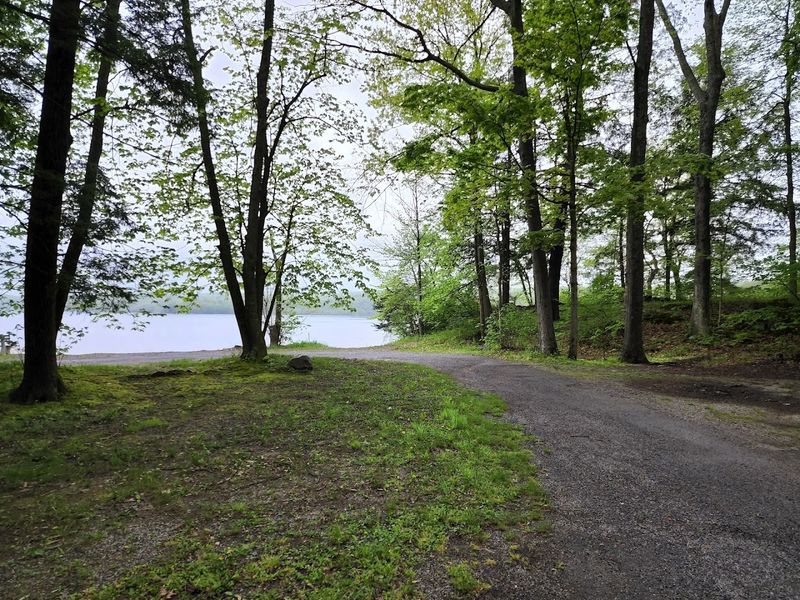
Swartswood State Park sits in a quiet corner of Sussex County that feels genuinely off the beaten path, and that low-key quality is one of its biggest assets for wildlife observation. The park centers on Swartswood Lake and Little Swartswood Lake, and the surrounding forest supports a resident black bear population that moves through the area with notable regularity.
The combination of water, dense forest, and abundant food makes this an ideal habitat.
The forested trails along the lake’s eastern shore are among the best areas for bear activity. Bears frequently move between the forest interior and the lake edge during early morning, taking advantage of the quiet before park visitors arrive.
Getting there before 7 a.m. on a weekday puts you in the best position to observe natural bear behavior undisturbed.
The campground at Swartswood is one of the more relaxed in the New Jersey state park system, and overnight campers often report bear activity near the forest margins after dark. Proper food storage is absolutely non-negotiable here.
Bear-resistant food lockers are provided at most campsites, and using them consistently protects both campers and the bears themselves.
The park’s relatively modest size compared to larger forests actually works in your favor for wildlife observation, since bear home ranges here overlap frequently with the accessible trail network. Bring patience, a good camera with a zoom lens, and a genuine respect for the animals you are hoping to encounter.
Swartswood rewards that combination every time.
Address: 1030 E Shore Dr, Swartswood, NJ 07877
Dear Reader: This page may contain affiliate links which may earn a commission if you click through and make a purchase. Our independent journalism is not influenced by any advertiser or commercial initiative unless it is clearly marked as sponsored content. As travel products change, please be sure to reconfirm all details and stay up to date with current events to ensure a safe and successful trip.
