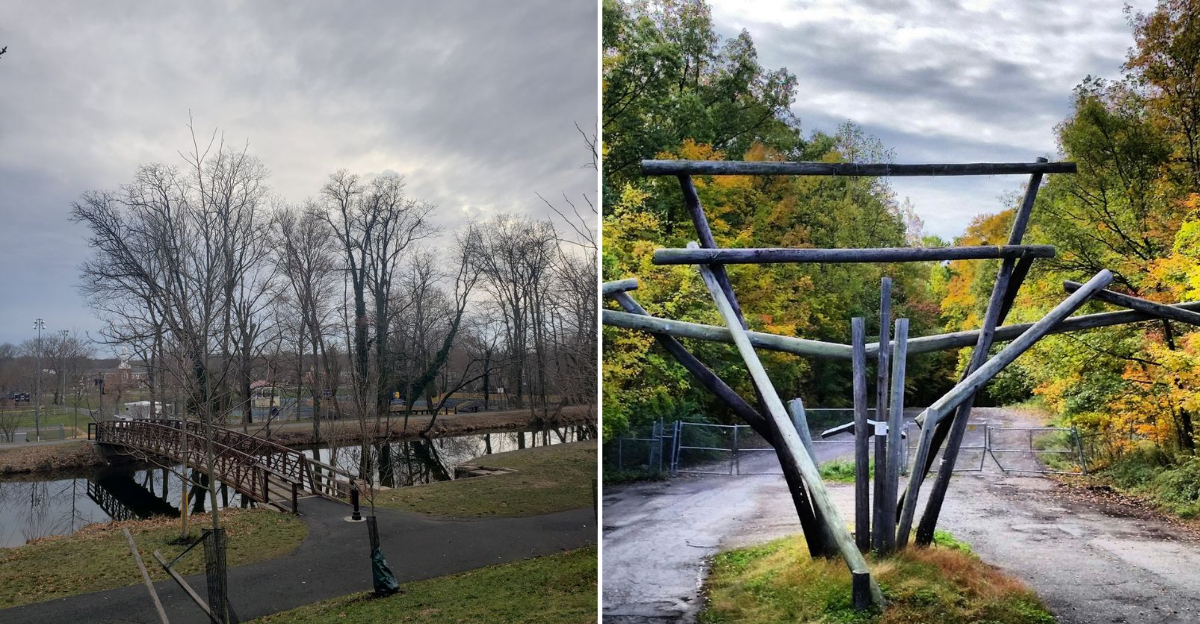
Did you ever visit a zoo as a kid that doesn’t exist anymore?
New Jersey once had quite a few small zoos and animal parks that were part of local communities, but over time many of them closed down and slowly faded from memory.
They weren’t the massive, world-famous zoos you see today. They were more modest places where families spent weekends, schools took field trips, and kids got their first close-up look at animals.
I find these old zoos fascinating because they tell a story about how entertainment and education have changed.
Some shut down because of funding issues, others because standards for animal care evolved, and a few simply couldn’t keep up with bigger attractions nearby.
What’s left now are memories, old photos, and sometimes abandoned grounds that hint at what used to be.
If you’re curious about this forgotten piece of New Jersey’s past, here are 8 zoos that once drew crowds but have since disappeared. Which of these do you remember hearing about, or maybe even visiting?
1. Johnson Park Animal Haven (Former Johnson Park Zoo), Piscataway
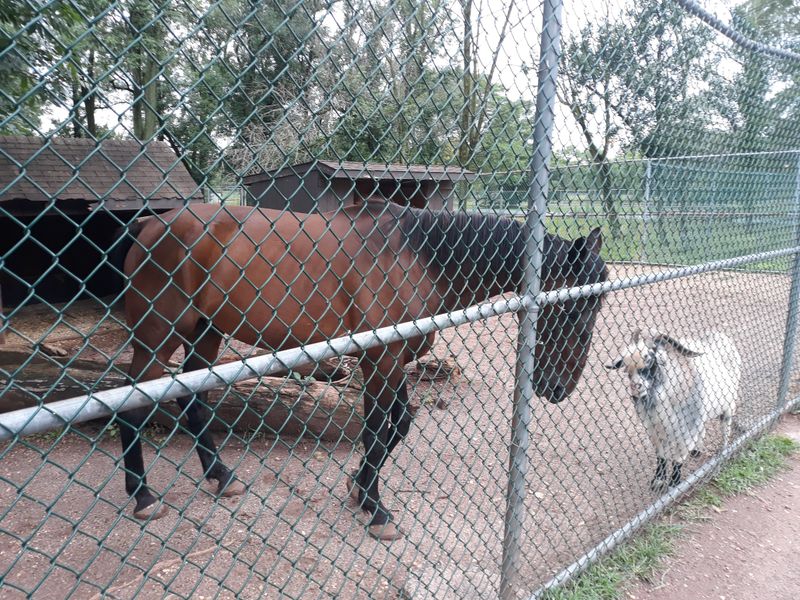
Here is where you’d point and say “I remember that fence.”
The Johnson Park Animal Haven sat along 1030 River Rd, Piscataway, tucked beside the Raritan River with that breezy, easy vibe.
It was never grand, just a comfortable loop where you could visit goats, pause by the water, and then wander back to the car feeling lighter.
What made it work was the routine. You might swing by after a picnic or a quick jog, because the animal stop didn’t ask for much and gave you enough.
Families knew the shortcut paths, and kids would chart the same tiny route like a tradition.
Then the river kept reminding everyone who is boss. Flooding risks turned the warm habit into a worry, and the animals were rehomed while the park shifted to its quieter identity.
The day the pens felt empty, it suddenly hit that the “zoo” was never just animals, it was punctuation to a local day.
Now you walk past those spaces and it’s just memory territory. You notice where hooves scuffed dirt and where little hands used to lean on railings.
You feel it most in the late afternoon when the light is soft.
If you’re doing a New Jersey nostalgia loop, this stop lands early. It shows how a small free visit can become the anchor to a park tradition.
You still get river views, but the hum is different now.
Want to see it the way I did? Start by locating the picnic shelters and drift toward the old enclosures.
Look across the water and let the mind fill the rest.
2. Thompson Park Zoo (Middlesex County), Monroe Township
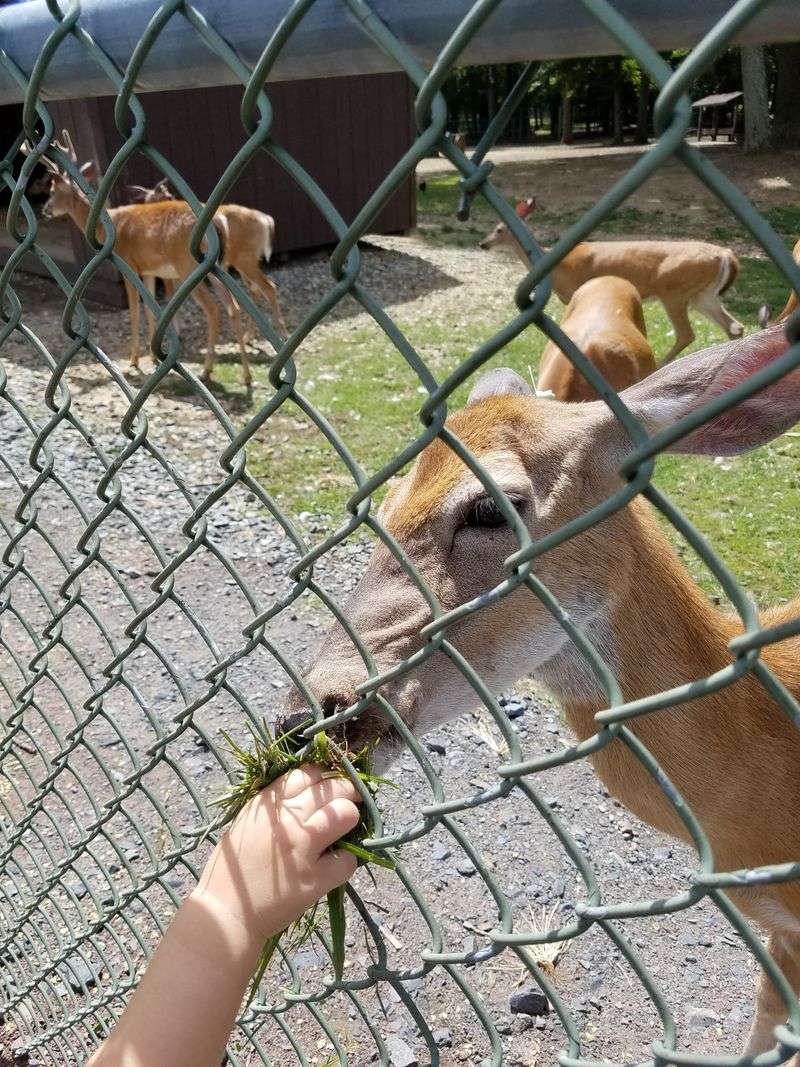
You ever find a surprise at the end of a trail and then it’s gone the next time? That was the little zoo area at Thompson Park on Forsgate Dr, Monroe Township.
It sat like a bonus after you walked the woods or looped Lake Manalapan, a quick visit that turned quiet afternoons into small adventures.
The setup felt simple and familiar. Fences, a few pens, that low hum of families doing laps and whispering guesses about what animal came next.
It fit the park the way a bench fits a view. Then came the pause that did not unpause.
Public pressure built, animals were rehomed, and the county leaned toward caution.
One day it was an end-of-walk ritual, and then it was a memory space attached to tree lines and water shimmer.
What sticks with me is how it anchored people to the park. You would plan a jog, then tack on a minute with the animals, like a small promise you kept.
Remove that promise and the path feels longer, even if the distance is the same.
If you want to feel the old rhythm, park near the main lot and drift to the lake. Let the curve of the trail lead you where the fences still mark the shape of what it was.
This state carries these small stories lightly, but they’re there.
Walk slow, notice the posts, the gates, the way kids still point at open space as if it might answer back. That’s the echo this place leaves.
3. Warner Bros. Jungle Habitat (Drive-Through Safari Park), West Milford
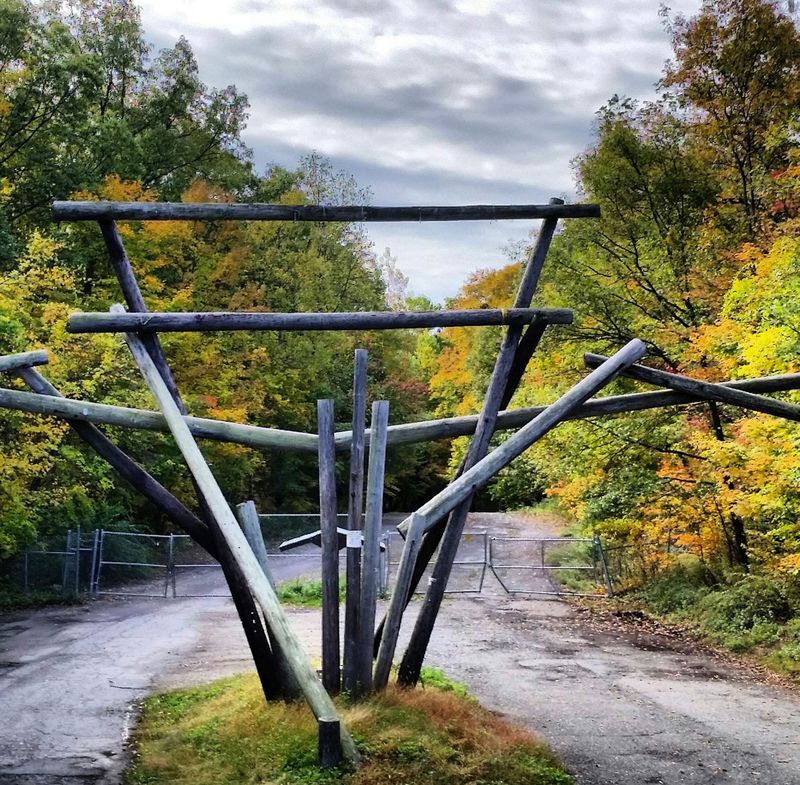
This one is the legend your uncle brings up on long rides. The site lives off Jungle Habitat Dr area, West Milford, wrapped into wild state park land now.
It used to be a full drive-through safari paired with a walk-through zone, and people tell stories like it was a dream that outran itself.
What makes it stick is the mashup of big-animal spectacle and theme-park energy. You’d creep the car forward and feel your own pulse speed up, then park and wander where the show kept going.
It was loud fun set against quiet woods. Then it folded, quick enough to leave rumors behind.
After that, the land swallowed the details. Trails and traces stayed, but the animals and noise moved from roadways into stories.
Today it’s a place where you walk and try to line up what you see with what you heard. Cracked pavement here, a fence remnant there, a feeling that the forest knows what happened.
New Jersey has a way of turning spectacle into folklore without changing the trees.
If you go, bring shoes that do not mind puddles. You will not find a neat timeline, just fragments that feel like breadcrumbs, and that is part of the pull.
Stand still for a minute and listen for tires on old asphalt. You might only hear the wind.
That still counts, because you showed up where the story lives.
4. Dietch’s Kiddie Zoo, Fair Lawn
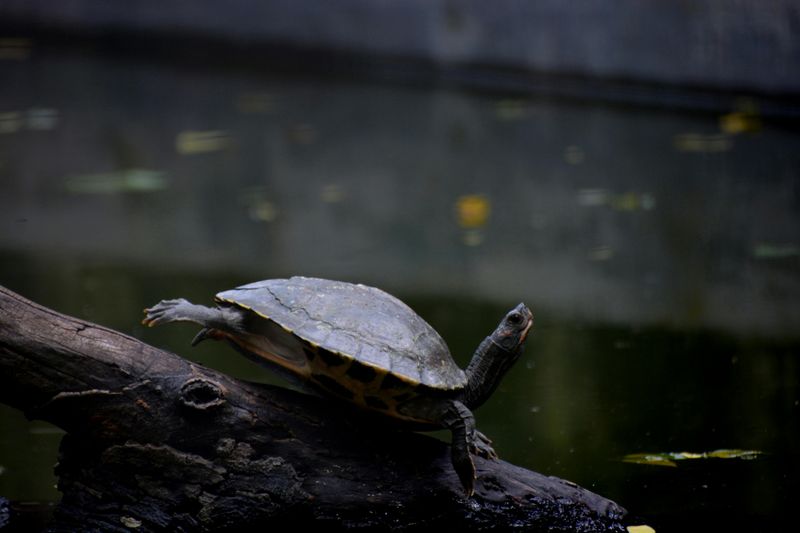
Do you know that moment when someone swears they remember a tiny zoo, and you want to believe them instantly? That’s Dietch’s Kiddie Zoo, set near 11-27 Saddle River Rd, Fair Lawn.
It felt like a neighborhood treat with a bygone weekend rhythm and the kind of charm you only notice after it’s gone.
Picture a classic small stop built for short attention spans and wide smiles. Nothing fancy, just a place that fit a free afternoon.
Bergen County folks still pass the area and swear they can hear an echo.
The best part was how local it felt. You did not plan your day around it, you folded it in, like grabbing a quick look before heading home for dinner.
Now it lives in those airy conversations where details slide around. People remember fences, a sign, the excitement of arriving.
Ask for specifics and everyone shrugs, then laughs, then says yes, it was real.
If you are traveling across New Jersey for memory-hunting, this stop is light but worthwhile.
Drive the road, slow down where the addresses line up, and let your brain color in the rest. Sometimes that’s enough.
Stand by the curb and picture the old entrances. Imagine kids tugging sleeves with the purest urgency.
You will not get proof, but you will get a feeling.
5. Animal Kingdom Zoo (Aka Bridget’s Animal Kingdom), Bordentown Area
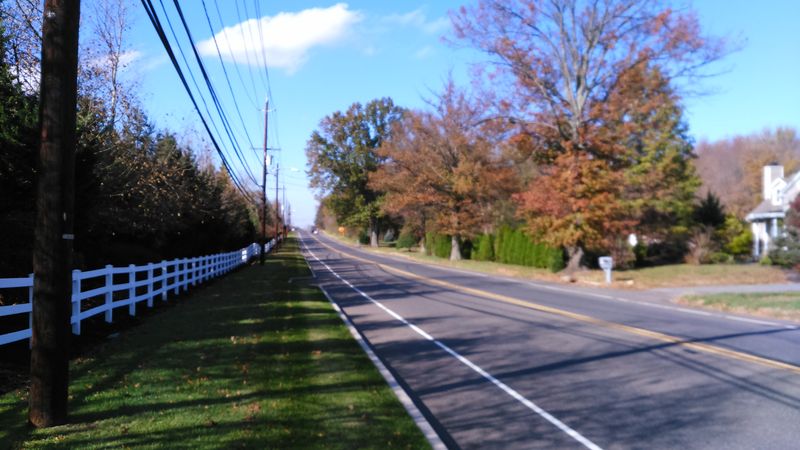
This one sits heavy in conversation because people remember it as complicated.
The address lines up at 1800 Jacksonville-Jobstown Rd, Bordentown, out where fields meet tree lines and the road hum feels steady.
It started small, drew attention, and then the headlines took over.
Locals talk about it in past tense now. The public visits tapered, the whispers grew louder, and eventually the closure settled in.
After that, it felt like the story walked itself to the gate and turned the lock.
You can still drive past and feel the echo of a roadside attraction that did not grow into a modern setup. The mood is oddly calm, like a stage after the lights go out.
The state holds these chapters the way a bookshelf holds a hard story.
If you like tracing what once was, this place makes you think about how small operations age. The land does not explain much.
It just sits there and asks you to remember responsibly.
Park along a safe shoulder and keep distance if you look. Respect whatever signs you see and treat the location like a closed book with a thoughtful bookmark.
You are there to observe, not to push boundaries, then get back on the road and talk about it kindly.
Stories can be gentle and still honest. I think that balance matters when a place fades but does not fully leave your head.
6. Newark Museum Mini Zoo (Newark Museum)
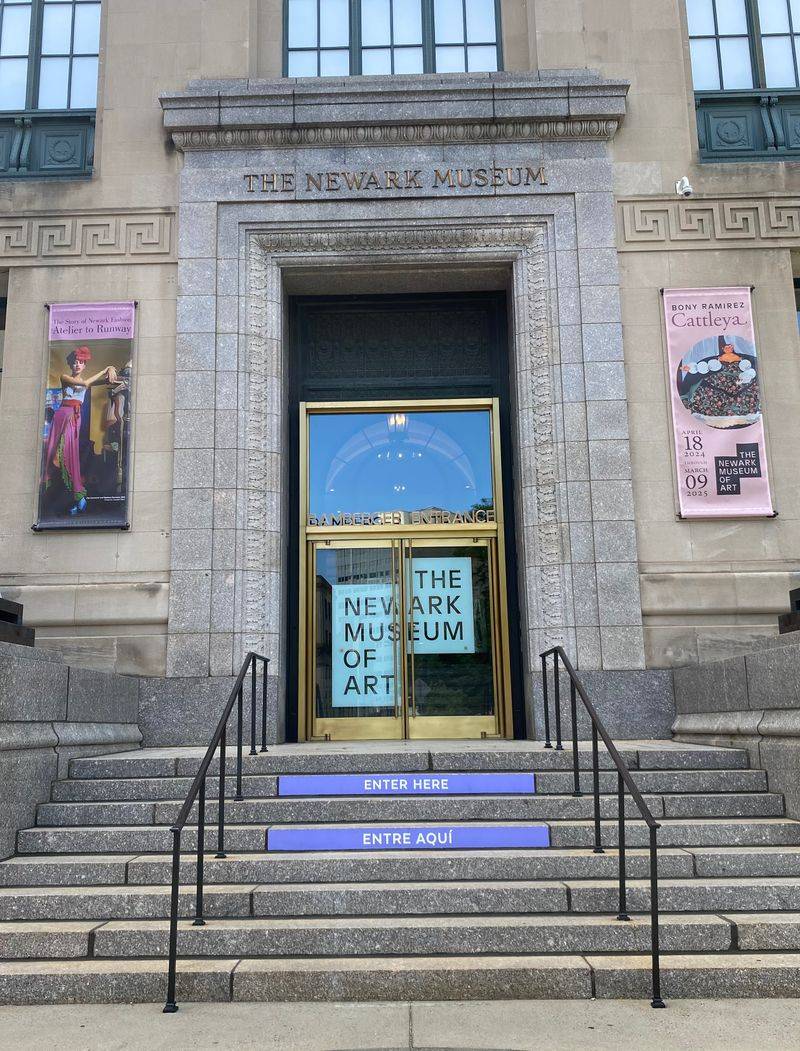
Right in the middle of a museum day, there used to be animals. That was the Newark Museum Mini Zoo at 49 Washington St, Newark.
It surprised people who came for art and left telling stories about creatures they did not expect to see.
The setup made the building feel playful. Families would drift from galleries to the animal stop and back again.
It stitched culture to curiosity in a way that moved fast but felt memorable.
When it closed, it left a neat gap that nothing quite replaced. You still get the energy of a big city museum, but the animal beat is missing from the rhythm.
The memory shows up when someone says “remember when?”
If you visit today, the museum still delivers a full day, just along a different arc. You will notice how the spaces guide you without that small detour.
It changes the pace of a visit without breaking the habit of coming.
New Jersey’s cities keep these peculiar chapters close. Newark in particular loves a good layered story, art mixed with oddball history.
This one fits that mood perfectly in my opinion.
Walk the halls and let your brain insert the old path. You are not chasing ghosts, just context, and that is enough to make the building feel bigger for a minute.
7. Cadwalader Park’s Old Zoo-Style Animal Features, Trenton
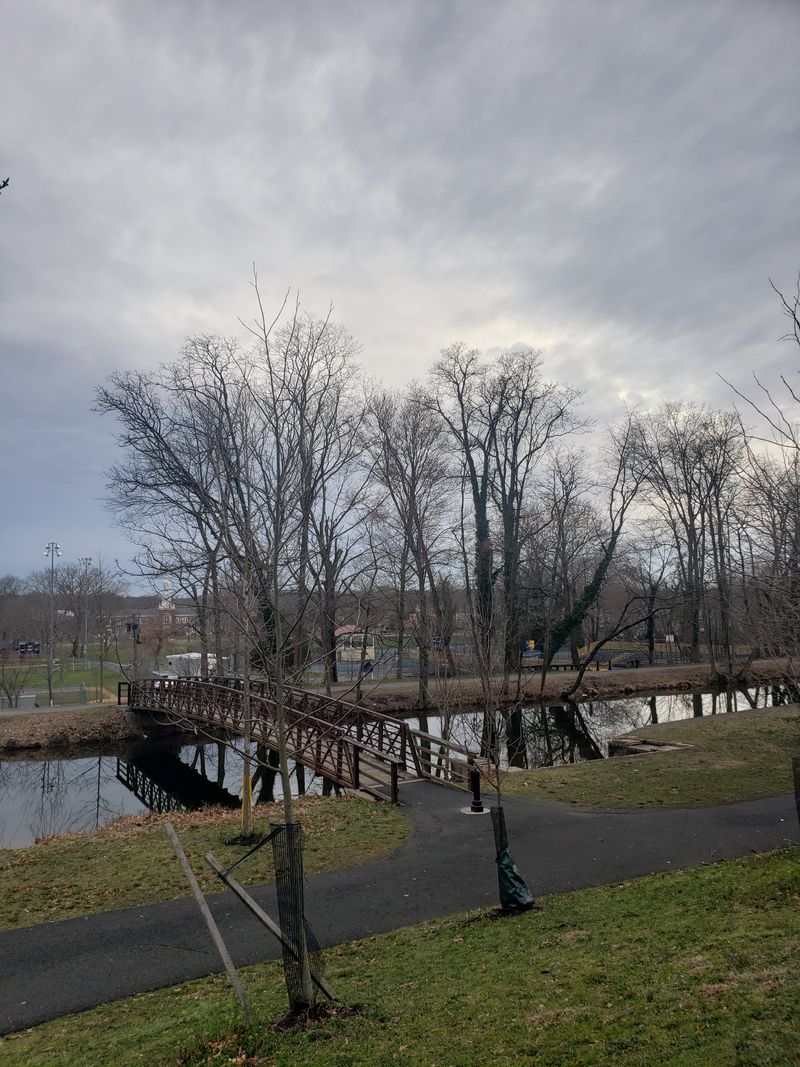
This is where you bring curiosity and comfortable shoes. Cadwalader Park in Trenton, once had animal features that sound like they were pulled from a history pamphlet.
Think old deer spaces, a bear pit, and other structures that feel more like museum pieces now.
Walk the park and the past starts to flicker. You see stonework and railings and imagine crowds leaning in.
The modern park breathes differently, and the animals live only as footnotes you piece together.
The address makes it easy to plug into your map, but it’s the wandering that delivers.
You will catch sightlines that hint at earlier setups. It’s quiet, and the quiet does most of the storytelling.
What I like is how Trenton holds the older bones with a steady hand. Nothing shouts.
Instead, the paths slow you down until the old outlines appear.
If you are doing a New Jersey history loop, put this on the same day as a museum stroll. It scratches that itch to connect dots between paper records and real ground.
You can bring a friend and trade guesses.
End near a pond and take a long look across the water. The reflection makes the old details feel intentional, then head back knowing you read a chapter without turning a page.
8. Popcorn Park Zoo Origins, Forked River
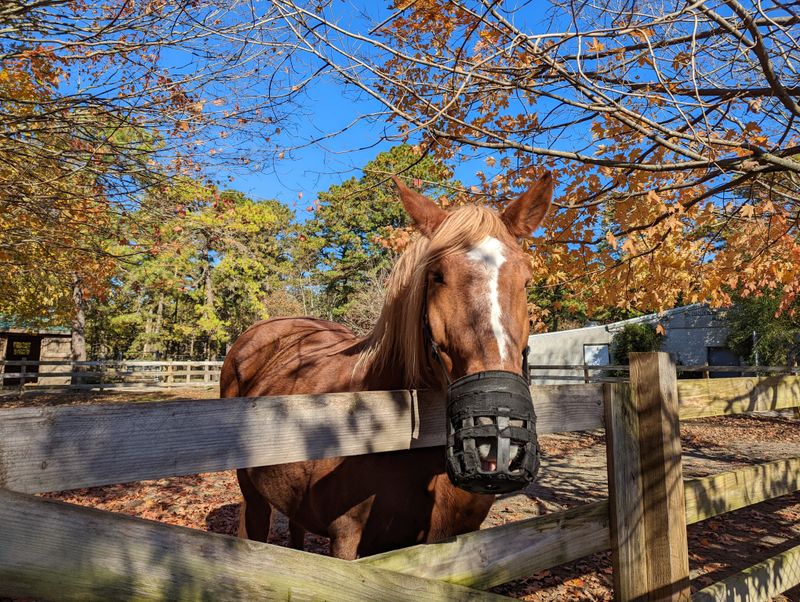
Here is a softer mention, more about origins than a formal closure.
In Forked River, the early sanctuary vibe shaped what many locals once called a tiny zoo feel before the mission clarified.
The address area sits around Lacey Township, where pines meet sandy soil and quiet roads lead to calm gates.
Back then, people remember brief looks at animals paired with a feeling of discovery. Over time the focus deepened into care and rescue.
That shift matters, and it changed how visitors talk about the place.
This entry is about the memory of calling it a zoo when it was finding its feet. It reminds you how words evolve while missions grow steadier.
The present stands on that ground, even if the label faded.
Drive the Pinelands roads and let the trees do their soothing work. This state has this way of mixing wilderness with modest parking lots and humble signs.
I think it suits a story that values patience over spectacle.
If you stop by the general area, keep your voice low and your expectations kind. The past may feel different from the current reality, which is fine and respectful.
Leave with a clearer sense of what care looks like when it grows up. You arrived chasing an old term and found a steadier purpose instead.
That’s a good trade for any road trip.
Dear Reader: This page may contain affiliate links which may earn a commission if you click through and make a purchase. Our independent journalism is not influenced by any advertiser or commercial initiative unless it is clearly marked as sponsored content. As travel products change, please be sure to reconfirm all details and stay up to date with current events to ensure a safe and successful trip.
