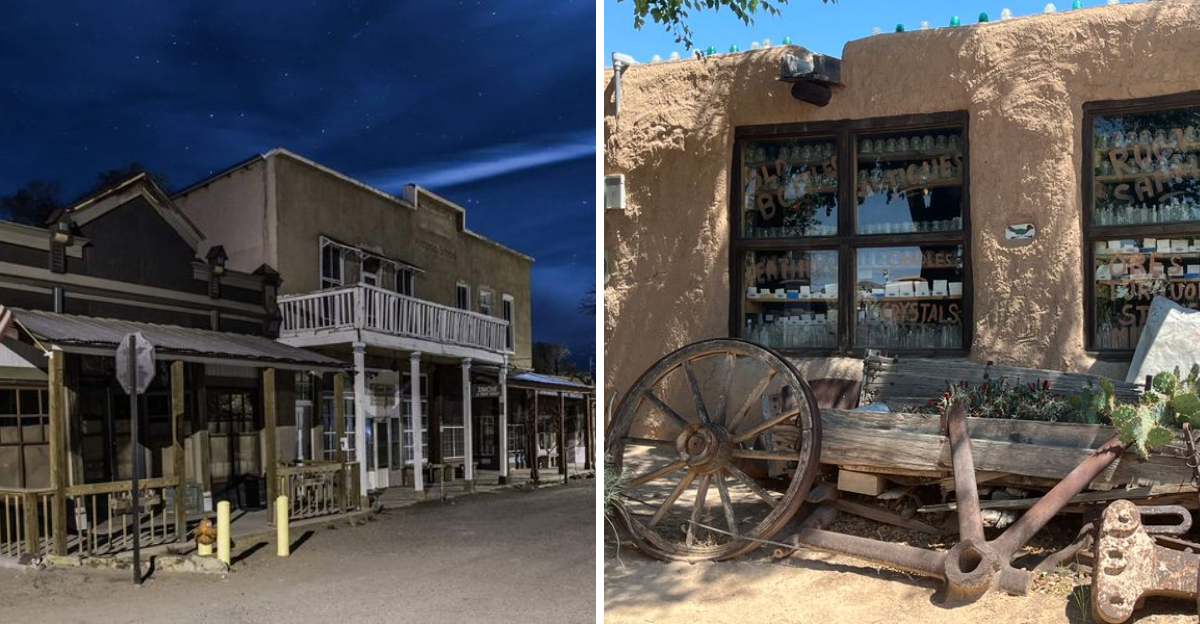
You roll into Los Cerrillos and the silence hits first, a thick hush that makes every crunch of gravel sound like a secret being told.
Low adobe walls lean into the wind, and the high desert light paints everything in soft gold that hides more than it reveals.
Locals speak in steady voices about miners, drifters, and artists, and they tell you to bring a friend because the past likes company.
You feel the pull of New Mexico history with each step, and the landscape keeps asking you to listen.
Curiosity wins, and you walk in slowly, careful not to wake whatever remembers you are here.
The first look down Main Street
Your first glimpse of Main Street feels like opening a time capsule, with low adobe buildings and weathered wooden porches framing a road that drifts into the desert horizon.
The afternoon light in New Mexico glows across faded signs and tin roofs, and the silence is so complete that a single bird call sounds like a bell.
You walk slower than usual because every doorway seems to hold a memory that has not quite decided to leave.
The town sits in Santa Fe County, and the space between buildings invites the wind to write its own short stories in dust.
You notice gaps where businesses once stood, and you start imagining miners stepping out with boots full of grit and pockets full of hopes that never lasted long.
The wooden boardwalks creak softly under careful steps, and the boards carry a polish that comes only from decades of sun and sand.
If you look closely, you will find small details like stamped tin panels and iron door latches, each one whispering that easy upgrades were never the point here.
Cerrillos Hills State Park gateway
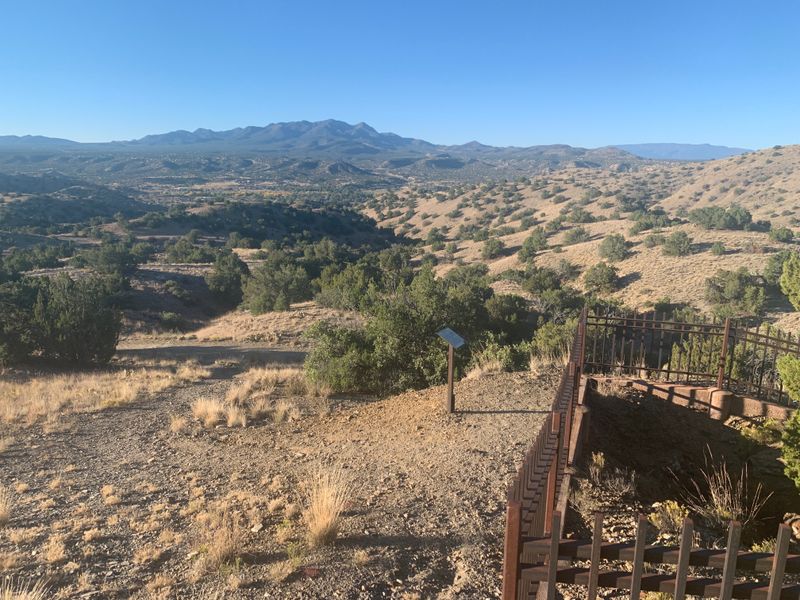
Pack your spirit of adventure and your favorite hiking boots, because the Cerrillos Hills State Park is your first stop into this legendary ghost town’s wild past.
This spectacular spot is located right on the famed Turquoise Trail National Scenic Byway, connecting the historic hubs of Santa Fe and Albuquerque.
The park itself is New Mexico’s 34th State Park, established to preserve a truly spectacular landscape and over a thousand years of rich mining history.
It’s one of the oldest and most historically documented mining districts in the entire American West, so you are walking through layers of incredible stories.
The hills, whose name Los Cerrillos literally means “The Little Hills” in Spanish, were formed about 34 million years ago by magma pushing up from deep inside the Earth.
This explosive geological process created the mineral-rich veins that miners, from ancient Puebloans to 19th-century prospectors, dreamed of.
You can explore over five miles of multi-use trails that wind past historic mine shafts, remnants of old camps, and stunning geological features.
These aren’t just pretty walks; they are pathways that trace the footsteps of everyone who chased the gleam of turquoise, silver, and gold.
Hiking, mountain biking, and horseback riding are all popular ways to explore the rugged, high-desert terrain with its incredible panoramic vistas.
From the overlooks, you can spot the distant, majestic silhouettes of the Sandia, Ortiz, Jemez, and Sangre de Cristo mountain ranges, creating a truly epic New Mexico backdrop.
Native Americans first began mining the prized, sacred turquoise here between A.D. 700 and 900, possibly even earlier, making it one of the oldest continuously mined sites in North America.
They expertly extracted the brilliant blue stone, trading it across the entire Southwest and even into Mesoamerica for ceremonial and practical uses.
The Visitor Center for the park is charmingly located right in the village of Los Cerrillos itself, often in the Casa Grande Trading Post, which is your key to unlocking the area’s secrets.
There you can get trail maps, grab some local turquoise for good luck, and learn about the fascinating, often hardscrabble, history of the area.
Keep an eye out for interpretive signs along the trails that detail the complex mining techniques used throughout the ages, turning your hike into a history lesson.
It’s a perfect place to get acclimated to the wild energy of the Cerrillos area before you dive into the mysterious streets of the desert ghost town.
Just remember to pack plenty of water, wear sunscreen, and respect the ancient mining sites, keeping a safe distance from any old shafts or fragile artifacts.
The park is a testament to the fact that sometimes, the greatest adventures are found not in what’s new, but in the echoes of a vibrant and long-gone past.
The Turquoise thread through time
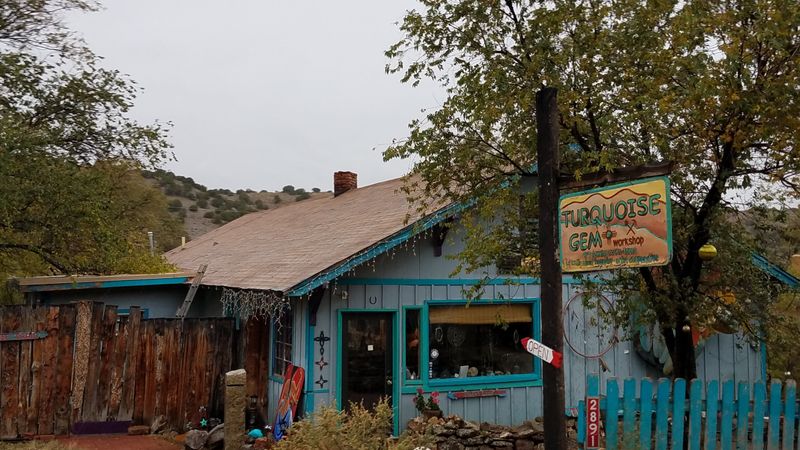
Prepare to be dazzled, because the story of Los Cerrillos is actually written in a shimmering thread of blue and green turquoise that stretches back over a millennium.
This area is home to one of the most important and oldest turquoise mining centers in all of North America, dating back to at least A.D. 900.
Long before any European explorers arrived, the ancestral Pueblo people were masters of the stone, mining the turquoise for ritual, ceremony, and incredible adornment.
The sheer scale of their operation is astounding, with Mount Chalchihuitl being the site of the largest known prehistoric mine in North America.
Imagine them using only stone hammers and brute force to chip away at the hard rock, leaving behind colossal pits and centuries of effort.
This precious, vibrant stone was more than just jewelry; it was a sacred commodity, often associated with the sky, water, and life itself.
Turquoise from the Cerrillos Hills was a major export that traveled thousands of miles along ancient trade networks.
This vibrant thread connected the people of the Rio Grande to the magnificent structures of Chaco Canyon and even down into Mesoamerica.
The stone was a symbol of wealth and power, influencing the architecture and social structures of cultures across the ancient Southwest.
When the Spanish arrived in the early 1600s, they were initially focused on the silver and lead deposits, yet their Central Mexican allies brought a high cultural appreciation for the “chalchihuitl.”
Later, the Spanish would also exploit the turquoise, sometimes relying on Indigenous labor, which became a flashpoint for conflict, including events leading up to the Pueblo Revolt of 1680.
The American era brought a new kind of boom in the late 19th century, triggered by a silver strike and the arrival of the railroad.
A mineralogist for Tiffany & Co. in New York recognized the exceptional quality of the Cerrillos stone, leading to a massive, commercial mining rush.
For a brief, dazzling period, the Cerrillos district was the world’s largest producer of fine turquoise, often rivaling the coveted Persian stones in quality.
This incredible mineral wealth gave rise to the boisterous, boom-and-bust town of Cerrillos you’re about to explore, full of saloons and restless prospectors.
Today, while large-scale operations are gone, the turquoise continues to be found and cherished by local miners and artisans, maintaining this ancient tradition.
So, as you wander the dusty streets, remember you’re literally standing on ground that was once the heart of an ancient, continental gemstone economy.
It’s a powerful reminder that some threads of history are too brilliant to ever truly be broken or forgotten.
Casa Grande Trading Post and museum vibe
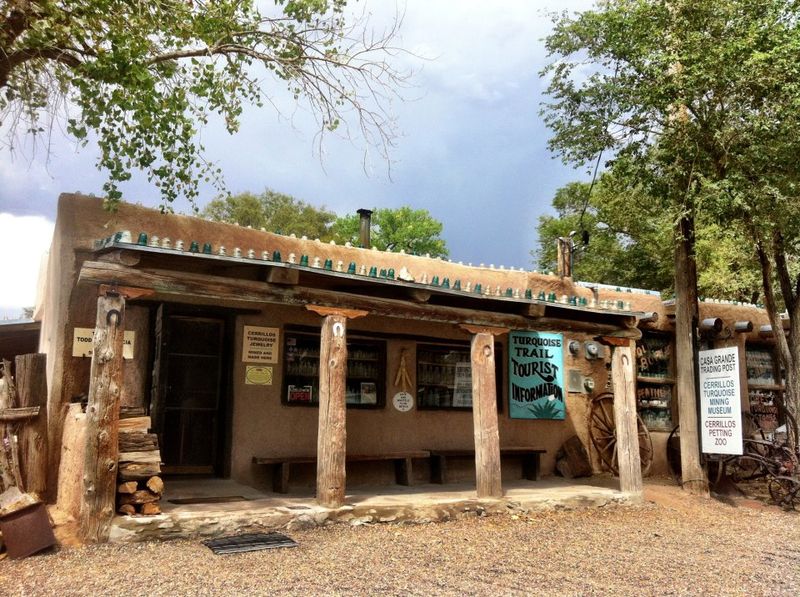
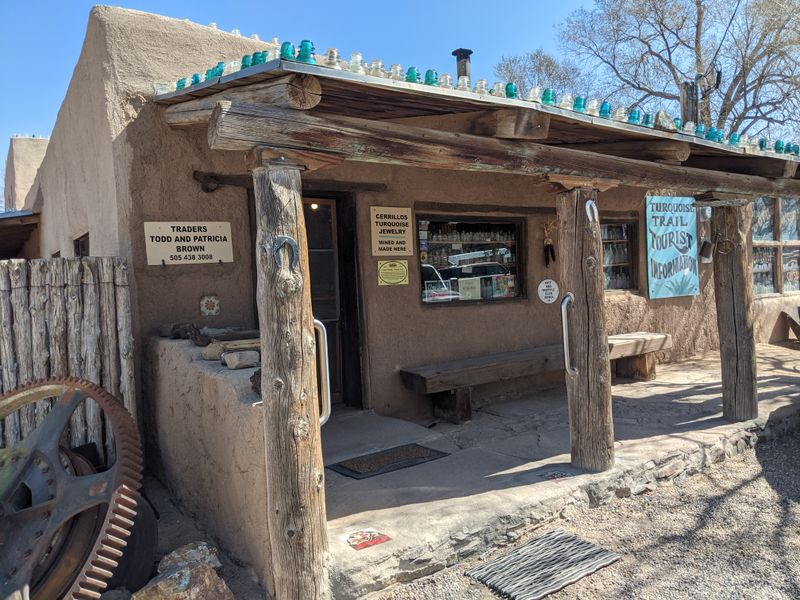
Your adventure into the heart of Los Cerrillos hits a delightfully quirky and essential stop at the famous Casa Grande Trading Post.
This isn’t one of the original buildings from the 1880s boom, but a spectacular 28-room adobe hacienda built by the Brown family starting in the mid-1970s.
The structure is a work of passion, famously constructed from an astonishing 65,000 handmade adobe bricks, which is a feat of modern Territorial architecture itself.
It serves as the unofficial welcome center, gift shop, and history lesson for this entire historic district along the Turquoise Trail.
Stepping inside is like walking into an overflowing, rustic treasure chest, where every corner holds a piece of New Mexico’s wild past.
The trading post shop is renowned for its selection of genuine, locally sourced turquoise jewelry, often featuring stones from the Brown family’s own claim, the Little Chalchihuitl Mine.
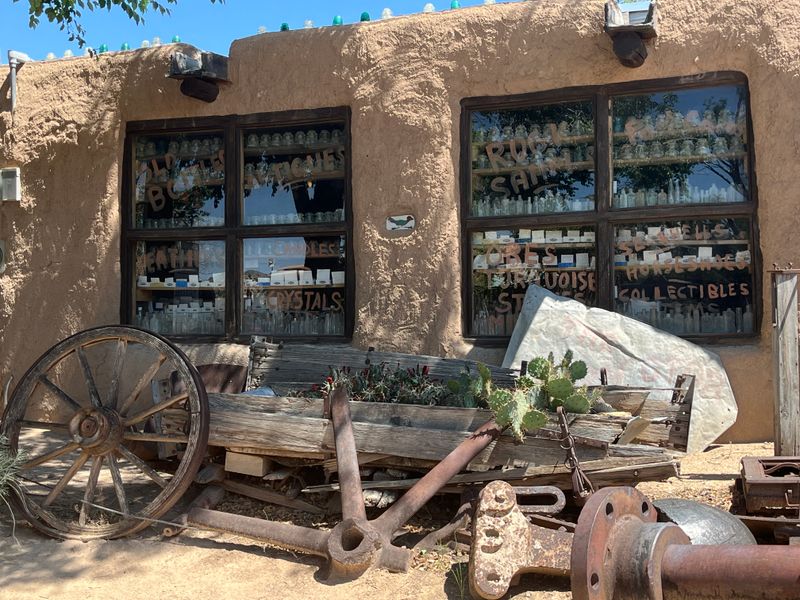
You can also browse shelves packed with old bottles, vintage insulators, rocks, fossils, and unique artifacts that tell the story of the area’s geological and human history.
Tucked within this sprawling space is the wonderful Cerrillos Turquoise Mining Museum, a true labor of love created by the owners.
The museum’s mission is to preserve the rich, often discarded, history of the village, showcasing items the family gathered from around the old mining camps.
You’ll find a fascinating, large open collection of mining relics, antique tools, and historic photographs detailing the arduous life of the prospectors.
Look for the old gold dry washers, which were essential devices for miners trying to find their fortune in the dry, water-scarce desert hills.
One amazing piece is the antique ore mining cart, which is the last one to come out of the nearby San Pedro mine, now proudly displayed for visitors to admire.
The building itself occupies the former grounds of the old Palace Hotel, a landmark site where both famous and infamous characters of the boom days once lodged.
Legend even holds that the inventor Thomas Edison stayed nearby while experimenting with gold processing methods in the surrounding hills!
Adding to the delightfully eccentric vibe, the Casa Grande is also home to a friendly little Petting Zoo right outside.
You can meet and feed a cast of charming animal characters, including goats, fancy chickens, and a friendly llama, making it a hit for every age.
It perfectly embodies the town’s spirit: a little bit historical, a little bit eccentric, and completely unforgettable, inviting you to slow down and chat with the proprietors about the old days.
St Joseph Catholic Church presence
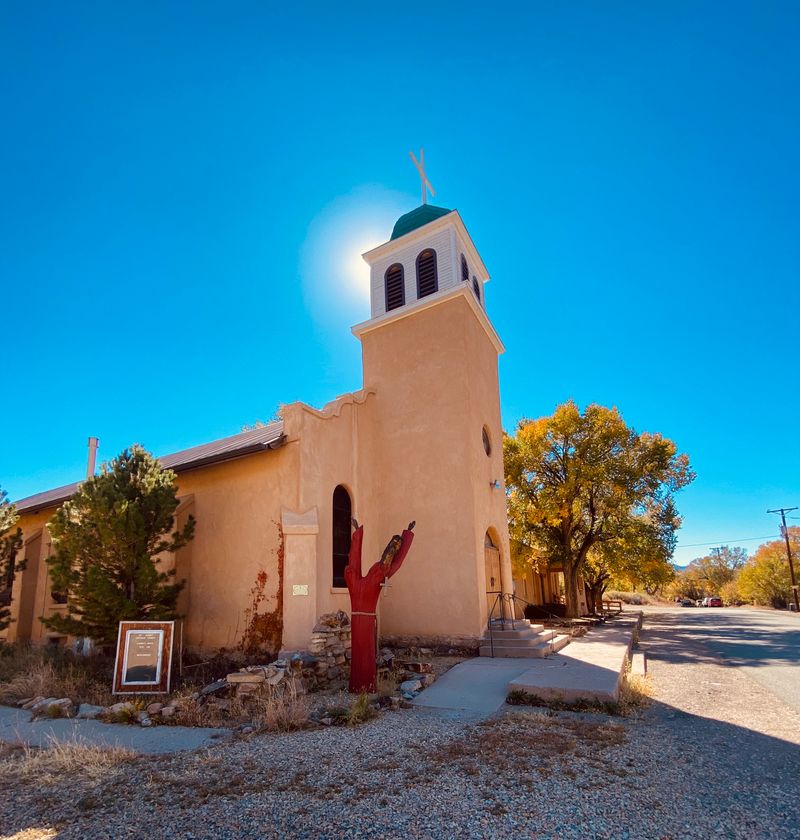
As you wander the dusty lanes of Los Cerrillos, your eye will inevitably be drawn to the graceful silhouette of St. Joseph Catholic Church, a steadfast anchor in this otherwise wild, transient landscape.
The church, locally known as Iglesia de San José, stands as a powerful testament to the enduring faith of the residents who stayed long after the gold and silver had run out.
The building you see today was actually constructed in 1922, replacing the original church which had been built much earlier around 1884, during the height of the mining boom.
The first church was built quickly to serve the surging population of prospectors and railroad workers, who came from various backgrounds but shared a common need for spiritual solace.
The current structure, though not a colonial-era mission, is built in a charming, rustic style that complements the surrounding New Mexico Territorial architecture.
It features white or light adobe walls and a modest, yet striking bell tower, giving it that classic, simple Southwestern church look that tourists love.
Its prominent location overlooking the main street of Los Cerrillos symbolizes the central, enduring role of the church in the community’s life.
In the 19th and early 20th centuries, the church was often served by visiting Franciscan priests, some traveling long distances from places like Peña Blanca and Santa Fe.
A particularly noteworthy figure who served here was Fray Angélico Chávez, a beloved Franciscan priest, poet, and historian who was pastor from 1960 to 1964.
The fact that this church is still standing and actively holding mass shows that Los Cerrillos is not a completely abandoned ghost town, but a village with a living, beating heart.
It is now the mother church for the St. Joseph Catholic Parish and Missions, which also serves the nearby historic villages of Golden and Galisteo.
When you visit, you can observe the Sunday mass schedule, confirming that this building is a vibrant community hub, not just a historical relic.
The peaceful interior offers a quiet, cool respite from the heat and the town’s sometimes chaotic boom-and-bust history, inviting a moment of reflection.
St. Joseph’s presence reinforces the deep Hispanic and religious roots that underpin the entire cultural fabric of this part of the Turquoise Trail.
It is a beautiful example of how faith can create continuity in a place defined by constant change, proving that some treasures are spiritual, not just mineral.
Cerrillos Station art and community
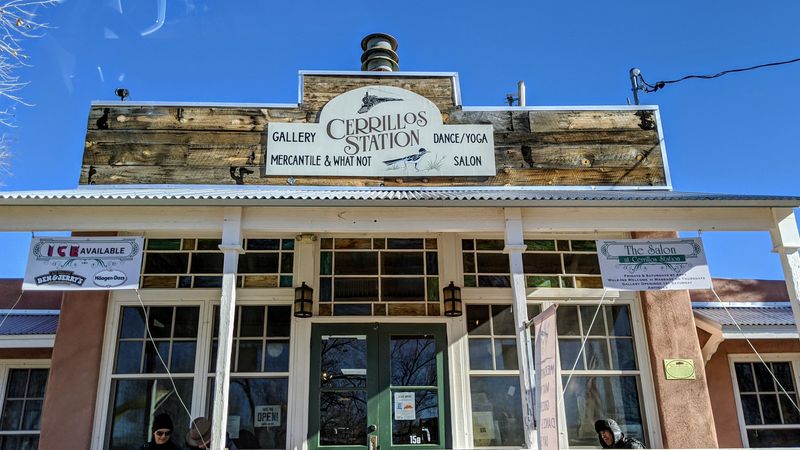
Cerrillos Station is a beautifully restored historic building that serves as a vibrant, multi-faceted hub for the town’s small but mighty community and its traveling guests.
The original structure, dating back to the 1890s, once housed a pair of lively saloons and later transformed into a general store and dry goods store, absorbing the town’s history into its very walls.
Today, after an extensive green renovation by its owner, Barbara Briggs, it artfully bridges that Wild West past with a creative, modern future.
The primary function is the Mercantile and Fine Art Gallery, offering a curated collection of local New Mexico crafts and high-quality fine art.
Here you can browse for unique souvenirs, including carefully sourced Native American jewelry and pottery, alongside other ethically made goods and healthy grocery items.
It’s a wonderful place to find a piece of the Turquoise Trail to take home, supporting the regional artists who capture the essence of the New Mexico desert.
Beyond the mercantile, the Station complex is a true community anchor, hosting several essential local businesses and services.
You’ll find a vintage and collectibles shop and even the Desert Wilde Hair Salon operating on the premises, proving the town is far from a dusty relic.
For those looking to engage their mind and body, the building also includes a dance and yoga studio, creating a space for wellness and creative expression.
Perhaps one of the most beloved features is the Farmers Market held in the Station’s courtyard on Thursday afternoons from May to November.
This market is a vital gathering spot, connecting local farmers and producers with the residents and visitors passing through the scenic byway.
The courtyard often hosts seasonal events, sometimes with live music and food, which truly brings the small village’s communal spirit to life.
Cerrillos Station perfectly embodies the modern revival of these historic mining towns, showing how art, commerce, and shared public space can preserve the spirit of the Old West.
It’s more than just a place to shop; it’s where you can slow down, grab a coffee, chat with a local, and feel the creative energy pulse through the historic adobe.
This blending of past and present makes the station a mandatory stop on your adventurous tour of Los Cerrillos.
Railroad echoes and the ghost platform
The arrival of the Atchison, Topeka and Santa Fe (AT&SF) Railway in 1880 was the literal, screaming engine that rocketed Los Cerrillos into its most explosive mining boom.
Before the railroad, the town was a collection of rough camps, but the iron horse brought the fast transport needed to ship out tons of valuable ore and turquoise.
In fact, the name Cerrillos Station was coined specifically to identify the depot established by the railway on the south side of the mining district.
The tracks became the pulsating heart of the settlement, drawing a flood of hopeful prospectors, merchants, and adventurers from across the nation and the world.
The railway built a proper depot at Cerrillos Station in 1882, making it a critical hub for both freight and passenger traffic along the route between Albuquerque and Lamy.
For a brief, dazzling time, Los Cerrillos was so important that it was seriously considered as a potential site for the New Mexico Territorial Capital.
Imagine the scene: a cloud of steam and coal smoke, the clanging of the engine bell, and a rush of activity as people tumbled off the cars eager to strike it rich.
Even the legendary investigative journalist Nellie Bly made a pit stop here in 1890, briefly pausing her record-breaking journey around the world on her speedy train.
The railroad was also instrumental in the growth of nearby Madrid, as a spur line from the Cerrillos-Waldo area was built to transport the town’s valuable coal.
This massive volume of traffic, goods, and people is why the town rapidly swelled, boasting multiple hotels, over twenty saloons, and its own opera house.
Sadly, the boom was short-lived, and as the silver and gold deposits proved disappointing, the intense flow of freight and passengers began to dry up.
The original train station depot officially closed its doors to passengers around 1940, silently marking the end of the town’s glory days as a transportation hub.
Today, you can stand at the exact spot where the tracks run through town and clearly feel the ghost platform – the palpable echo of a bustling terminal that no longer exists.
While the station building itself is gone, the tracks remain an active line for the modern Amtrak passenger service, which still uses this original AT&SF right-of-way.
Twice a day, the warning bells still sound, and a powerful Amtrak train races through without stopping, a fleeting, loud reminder of the route’s powerful past.
The sound of the train, breaking the deep desert quiet as it hurries to its next destination, is the very sound of history speeding past a town it once created and left behind.
It’s an evocative experience, seeing the modern locomotive flash past the decaying Old West buildings, making the ghostly past feel incredibly close and tangible.
Day trip base for Turquoise Trail
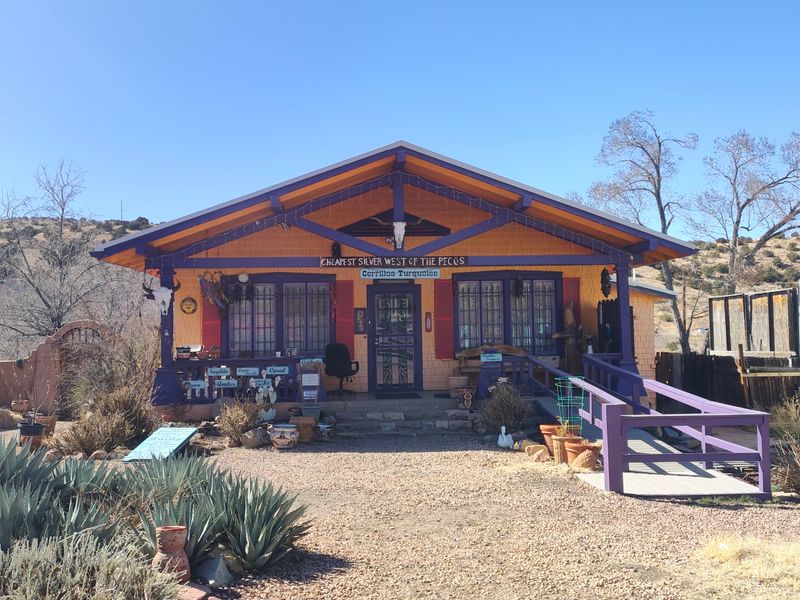
To truly conquer the legendary Turquoise Trail, the ultimate secret lies in choosing the perfect launchpad for your day trip adventure.
The Turquoise Trail, officially New Mexico State Road 14, is a spectacular 50 to 60-mile National Scenic Byway running between the state’s two major cities.
Therefore, your ideal home base for exploring this historic route will be either Santa Fe to the north or Albuquerque to the south.
Choosing your base depends entirely on which direction you want to tackle the trail and what other attractions you wish to prioritize.
Santa Fe is generally considered the most convenient and charming launch point, positioning you close to the trail’s northern end.
The drive from downtown Santa Fe to Los Cerrillos, your ghost town destination, is a quick and easy 20 to 30-minute journey.
This proximity means you can enjoy a leisurely morning, hit the trail’s best spots like Cerrillos and the quirky art haven of Madrid, and be back in Santa Fe for a world-class dinner.
Santa Fe itself is an artistic and culinary powerhouse, offering a huge array of hotels, world-renowned museums, and iconic adobe architecture to explore after your dusty day on the trail.
Starting from Santa Fe means you drive the trail heading south, eventually looping back or continuing on to the southern attractions near the Sandia Mountains.
Conversely, Albuquerque is a fantastic base if you are flying into New Mexico or prefer a more urban starting point with access to bigger city amenities.
Albuquerque is a larger metropolis and offers more budget-friendly lodging options, along with its own unique cultural sites like Old Town and the Sandia Peak Tramway.
From Albuquerque, the drive to the southern gateway of the trail near Tijeras or Cedar Crest is also quite manageable, setting you up to drive the trail heading north.
The entire drive from one major city to the other along the scenic byway takes about an hour without stops, but you will absolutely want to spend a full day exploring the dozens of galleries, museums, and ghost towns.
Ultimately, whether you choose the historic charm of Santa Fe or the dynamic scale of Albuquerque, both cities serve as excellent, well-connected anchors for your unforgettable journey into the heart of the Turquoise Trail.
Practical tips for respectful exploring
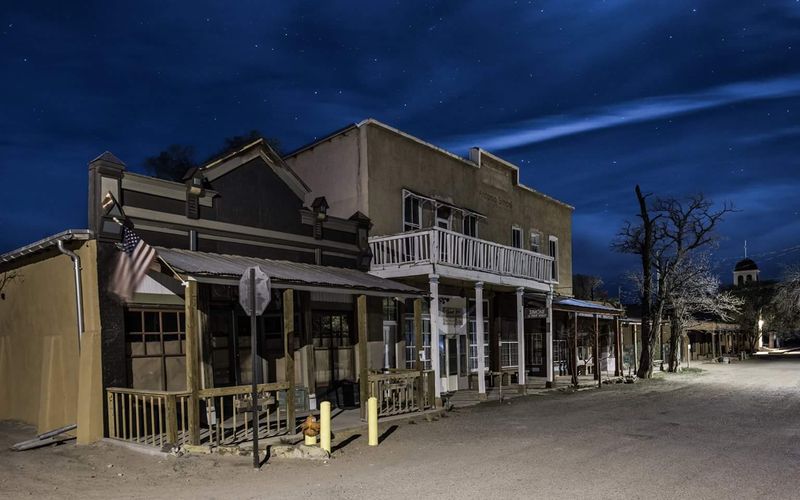
A trip to Los Cerrillos and the surrounding Turquoise Trail is an immersion in history, but responsible exploration is key to preserving its magic for everyone.
Always remember that while Los Cerrillos feels like a movie set, it is a private community with actual residents living, working, and raising families within its historic boundaries.
When exploring the ghost town, please respect all private property signs, and never, under any circumstances, venture into buildings that are clearly marked or fenced off.
Stick to the public areas and the businesses that warmly welcome visitors, ensuring you are not accidentally trespassing or disturbing residents.
The Cerrillos Hills State Park is a fragile, high-desert ecosystem, so follow the Leave No Trace principles strictly, packing out everything you pack in, including all trash.
Never move, disturb, or collect any historical artifacts, rocks, or fragments you might find, as they belong to the site and tell its ongoing story.
If you encounter any of the old mine shafts or prospect holes, maintain a safe distance and never attempt to enter them, as they are unstable and extremely dangerous.
In the State Park and throughout the hills, stay strictly on the designated trails to protect the delicate high-desert vegetation and prevent erosion.
When photographing the historic buildings, be thoughtful about your shots and avoid taking pictures through windows or doors of private homes.
Many of the local businesses, like the Casa Grande Trading Post, are family-run, so a friendly “Hello” and genuine interest in their history goes a long way.
Be sure to buy gas, a snack, or a piece of local art to support the preservation efforts of these amazing historic sites.
The New Mexico sun is intense, even in winter, so always wear a hat, apply sunscreen diligently, and carry at least two liters of water per person for any extended walk.
Respect the area’s deep Native American history; be mindful that many sites along the Turquoise Trail are sacred, and their significance should be honored.
The roads can be dusty, so drive slowly through the village to keep the dust down and ensure the safety of pedestrians, dogs, and wildlife.
By exploring with courtesy and mindfulness, you become a respectful part of the town’s living story rather than a disruptive visitor.
Embrace the quiet, enjoy the history, and leave Los Cerrillos exactly as you found it, allowing the ghosts to rest easy until the next respectful visitor arrives.
Dear Reader: This page may contain affiliate links which may earn a commission if you click through and make a purchase. Our independent journalism is not influenced by any advertiser or commercial initiative unless it is clearly marked as sponsored content. As travel products change, please be sure to reconfirm all details and stay up to date with current events to ensure a safe and successful trip.
