
Check the air quality maps and you will see a lot of red. Unhealthy.
Hazardous. The kind of colors that make you want to stay inside.
But then look up north. Bangor is sitting there in green, breathing easier than almost anywhere else in the country.
While bigger cities choke on smoke and exhaust, this Maine town keeps winning the air quality race. Clean ocean breezes. Fewer cars.
No massive industrial parks pumping out pollution. I spent a weekend there and noticed the difference immediately.
No scratchy throat. No haze on the horizon.
Just crisp, clean air that makes you forget how bad it has gotten everywhere else. Lucky them.
Forests That Act as Natural Air Filters
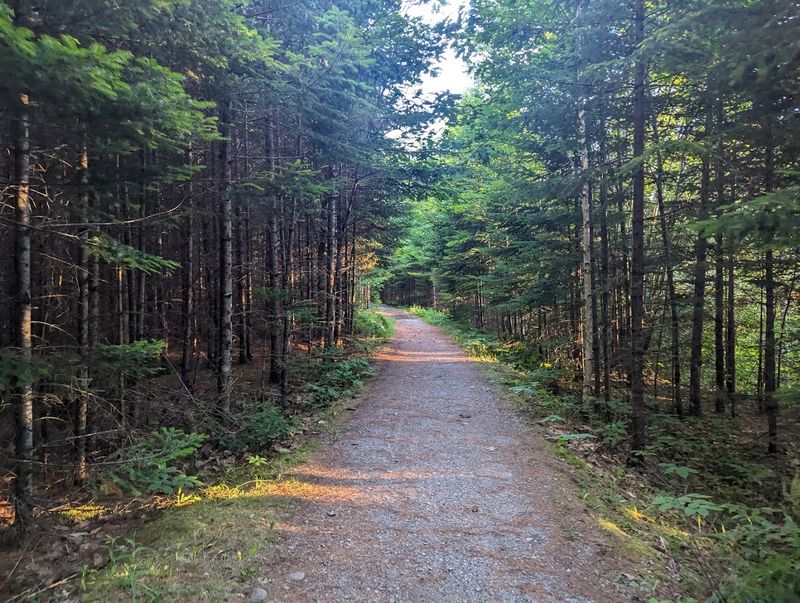
Bangor sits in the middle of massive forest coverage that works like a giant air purifier. Trees pull carbon dioxide from the atmosphere while releasing oxygen, and the sheer number of them around this city makes a real difference.
I noticed it most when driving into town. One minute you’re on the highway, the next you’re surrounded by towering pines and maples that seem to go on forever.
The forests here aren’t just pretty to look at. They trap pollutants and dust particles before they can settle over the city.
Scientists call this ecosystem service, but locals just call it lucky. Maine has more forest coverage per capita than almost any other state, and Bangor benefits from being right in the thick of it.
You can see the impact everywhere you go. The leaves look healthier, greener.
Birds nest in numbers you don’t see in more urban areas. Even the parks within city limits feel more connected to wilderness than separated from it.
The tree canopy creates natural shade and cooling, which reduces the need for energy-intensive air conditioning that contributes to pollution elsewhere.
Geographic Location Creates Perfect Conditions
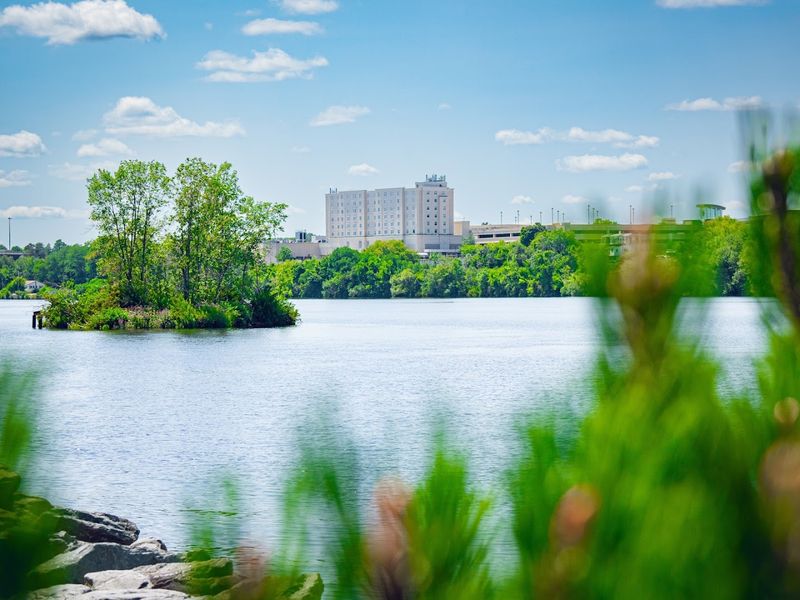
Geography gave Bangor a natural advantage. The city sits far from major industrial corridors that plague other regions.
No sprawling factory zones line the outskirts. No massive highway systems crisscross through residential neighborhoods pumping exhaust into the air people breathe every day.
Distance matters when it comes to air quality, and Bangor has plenty of it.
Being in northern Maine means strong winds from Canada bring fresh air down regularly. Ocean breezes from the nearby coast help too, pushing out stagnant air and bringing in clean maritime winds.
I could feel the difference on my first morning walk. The air moved differently here, fresher somehow, without that heavy feeling you get in bigger cities.
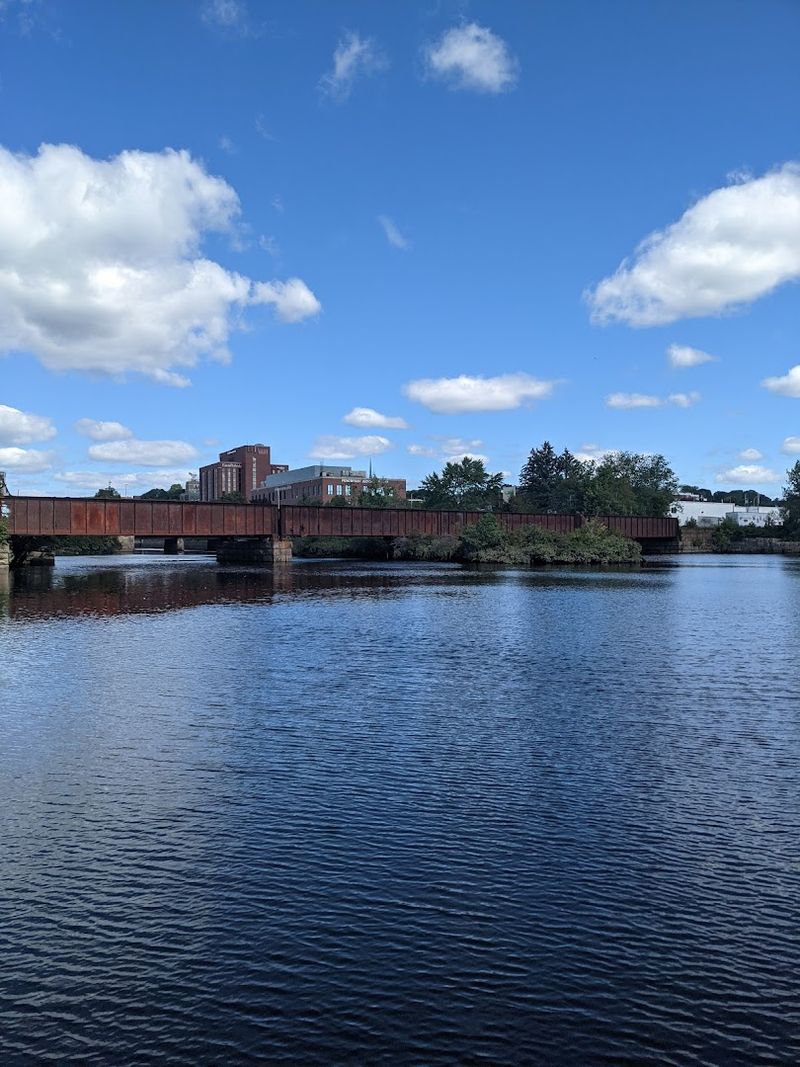
The Penobscot River runs right through town, adding moisture to the air that helps settle dust and particulates. Water bodies like this create microclimates that improve local air quality naturally.
Combined with low population density, Bangor simply doesn’t generate the pollution levels that other cities struggle with. The nearest major metropolitan area is hours away, so smog and industrial emissions rarely drift this direction.
Low Traffic Means Cleaner Streets
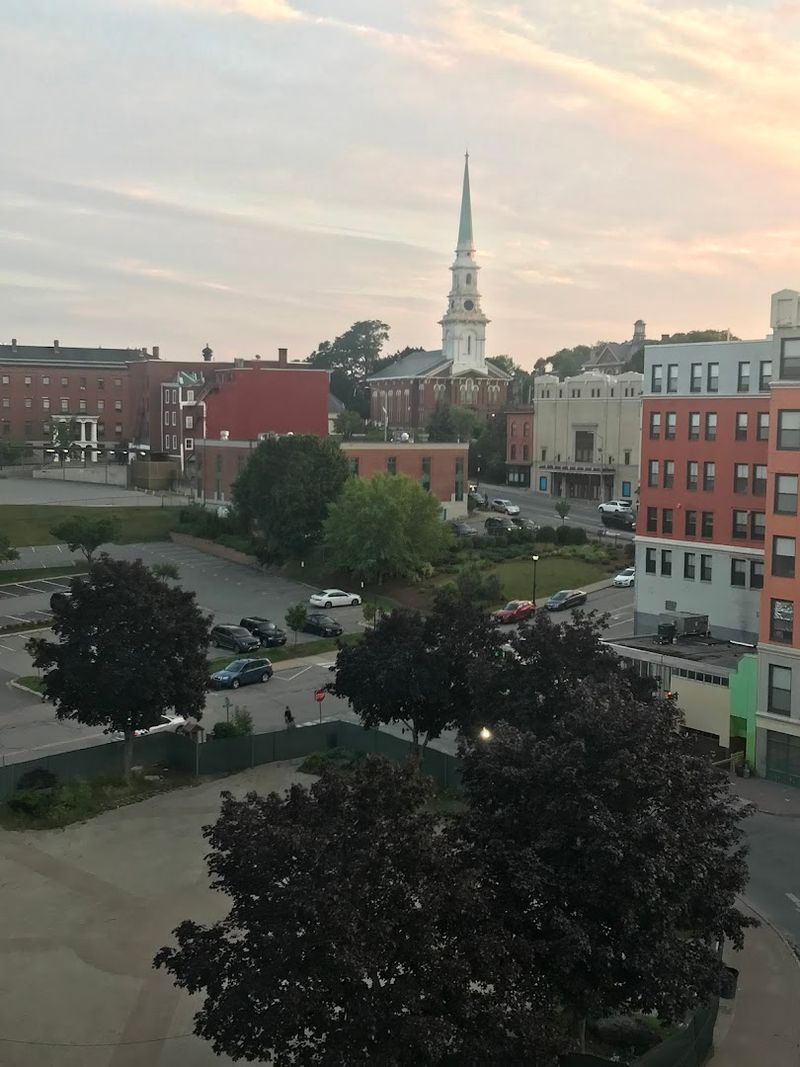
Rush hour in Bangor isn’t really a rush. Traffic moves steadily without the stop-and-go gridlock that characterizes larger cities.
Fewer cars idling means fewer emissions pumping into the air. I drove through downtown multiple times and never once sat in a true traffic jam.
The difference was striking compared to places where you spend half your commute breathing exhaust fumes.
The city’s compact size helps too. Most destinations sit within a short drive or even walking distance.
Residents don’t need to commute for hours each day, so overall vehicle miles traveled stays low. Public spaces remain accessible without requiring long trips on congested highways.
This reduces the total pollution load significantly.
Local planning has kept commercial development relatively contained. Big box stores and shopping centers exist, but they’re concentrated in specific areas rather than sprawled across miles of highway.
This thoughtful approach prevents the kind of development patterns that generate excessive traffic and pollution. Walking through residential neighborhoods, I noticed how quiet everything felt.
You could actually hear birds singing instead of constant traffic noise. That peace translates directly into better air quality for everyone who lives here.
Community Parks Offer Fresh Air Havens

Bangor takes its green spaces seriously. The city maintains numerous parks that give residents easy access to outdoor air and natural settings.
I spent an afternoon at one of these parks and understood immediately why locals value them so much. Kids played on equipment while parents sat on benches just breathing in the fresh air.
Everyone seemed more relaxed than park-goers in more polluted cities.
These spaces do more than provide recreation. They create pockets of vegetation throughout the urban landscape that continuously clean the air.
Grass absorbs pollutants, trees filter particulates, and the open space prevents heat islands that can trap poor air quality. The parks feel genuinely refreshing, not just decorative.
I visited several during my time there. Each one had its own character but shared that same clean, breathable atmosphere.
Some featured playgrounds and sports fields while others offered quiet walking trails. What they all provided was a place where families could spend time outdoors without worrying about air quality.
You won’t find pollution warnings or smog alerts in Bangor. The parks stay usable year-round because the air stays clean.
That accessibility matters for public health and community wellbeing in ways that go beyond statistics.
Absence of Heavy Industry Makes a Difference
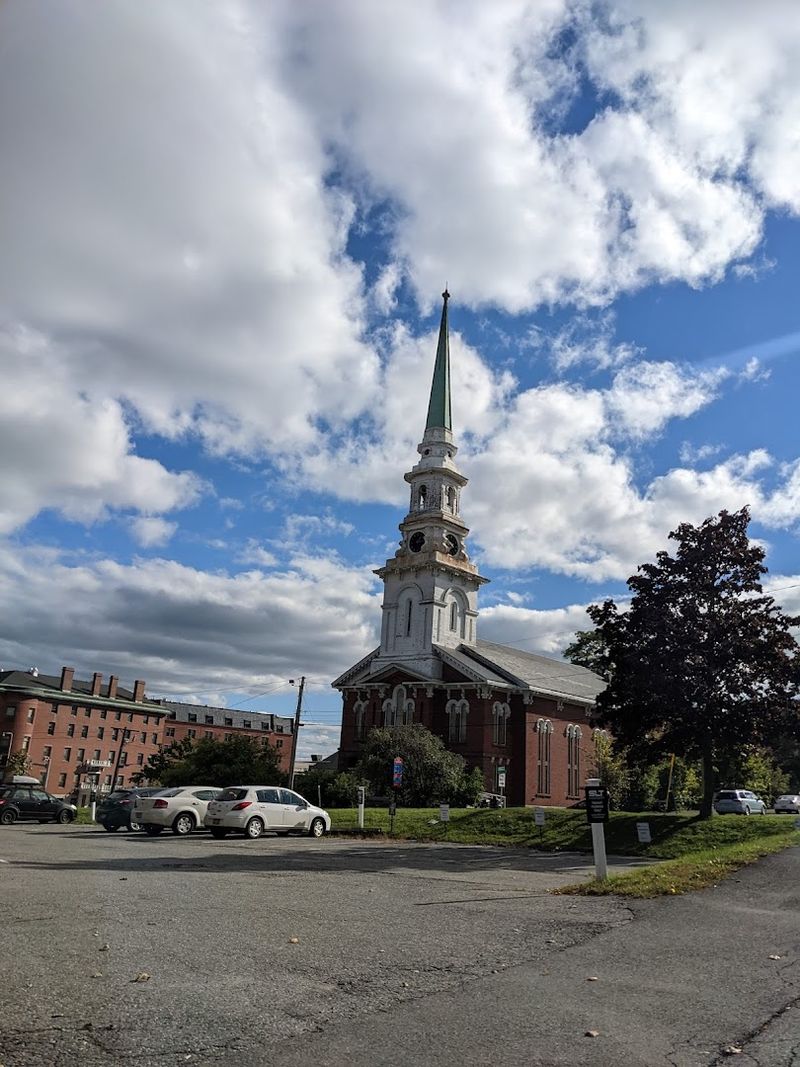
Bangor’s economy never centered on heavy manufacturing or industrial production. That historical reality shapes the air quality today.
No smokestacks dot the skyline. No chemical plants operate on the outskirts.
The city developed around different industries that don’t generate the same pollution loads.
Healthcare, education, and retail drive the local economy instead. These sectors create jobs without creating the emissions that plague industrial cities.
I noticed the absence of industrial smells immediately. No sulfur, no chemical odors, no burning sensations in your throat.
Just clean Maine air.
This isn’t accidental. Zoning decisions over decades kept heavy industry away while encouraging cleaner economic development.
The community prioritized quality of life, and air quality became part of that equation. Sure, economic opportunities might be different than in manufacturing hubs, but residents breathe easier as a result.
The tradeoff seems worth it when you experience how refreshing the air feels. Even near commercial districts, the air stays clear.
Loading docks and delivery zones don’t create the pollution clouds you’d find in warehouse districts elsewhere. The entire city maintains an atmosphere that feels more residential than industrial, contributing to that consistently excellent air quality.
Weather Patterns Flush Out Pollutants
Maine weather plays an unexpected role in keeping Bangor’s air clean. Regular precipitation washes pollutants from the atmosphere naturally.
Rain and snow pull particulates down before they can accumulate. I visited during a stretch of variable weather, and each rainfall seemed to make the air even more crisp and clear afterward.
Strong winds are common here too, especially during seasonal transitions. These winds prevent pollution from settling and concentrating in any one area.
Stagnant air allows smog to build up, but Bangor rarely experiences those conditions. The constant atmospheric movement keeps things fresh.
Cold temperatures during winter months also affect air quality positively in some ways. While heating systems do run, the overall lower temperatures mean certain chemical reactions that create smog happen less readily.
Summer brings its own benefits with longer daylight hours and vegetation in full growth mode, actively filtering air.
The seasonal cycle works in the city’s favor. Spring rains clean winter residue.
Summer growth absorbs carbon. Fall winds clear the air before winter.
The natural rhythm supports clean air year-round. Residents told me they notice the seasonal differences but never experience the air quality alerts that happen regularly in other regions.
That consistency makes outdoor activities viable all year.
Outdoor Recreation Culture Keeps It Clean

Bangor residents actually use their clean air. The outdoor recreation culture here reinforces why maintaining air quality matters.
I saw people jogging, cycling, and walking at all hours. When you can breathe easily while exercising, you do more of it.
That creates a positive cycle where the community values and protects what makes outdoor activity pleasant.
Local trails stay busy with hikers year-round. The Penobscot River attracts kayakers and fishermen who want to spend time in nature.
Parks fill with families on weekends. This active engagement with outdoor spaces gives residents a direct stake in environmental quality.
They notice changes immediately and care about protecting what they have.
The culture also discourages behaviors that harm air quality. Littering is rare.
Idling vehicles draw disapproval. People generally respect shared spaces and the natural environment around them.
This social pressure maintains standards without requiring heavy-handed regulation.
I joined a group walk one morning and everyone mentioned how lucky they felt to live somewhere with such clean air. That appreciation showed in how they treated the environment.
Nobody tossed trash. People stayed on designated trails.
The collective mindset protects the very thing that makes living here special. Other cities could learn from this approach.
When people value clean air enough to use it actively, they naturally work to preserve it.
