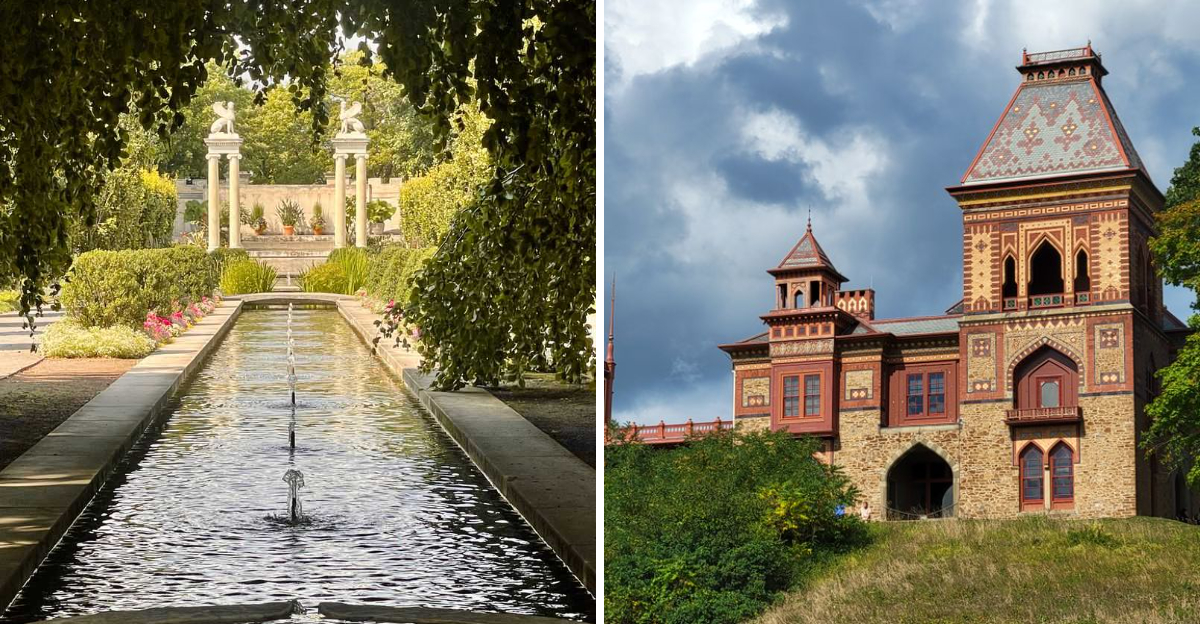
New York State holds far more than the bright lights of Manhattan and the roar of Niagara Falls.
Scattered across rolling hills, river valleys, and quiet countryside sit cities and towns that locals sometimes dismiss as sleepy or uneventful.
Yet travelers keep returning to these places, drawn by waterfalls that tumble through gorges, art museums tucked into former factories, historic main streets lined with antique shops, and riverfront parks where the pace slows just enough to breathe.
These nine destinations prove that boring is often just another word for peaceful, and that the best discoveries happen when you wander off the well-worn path.
1. Ithaca
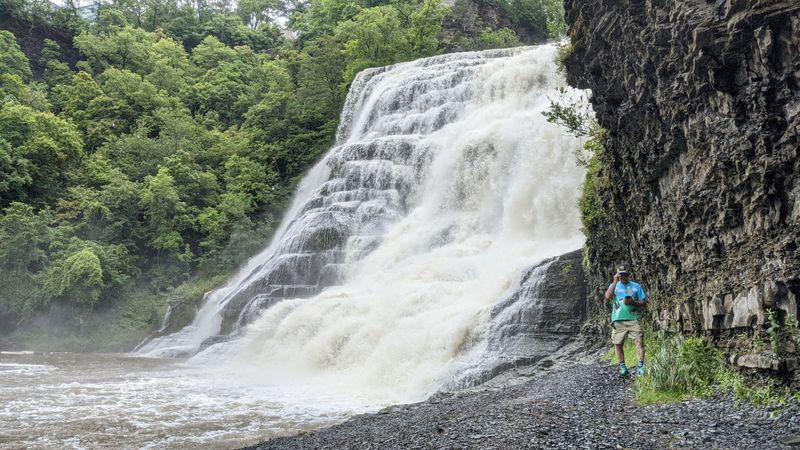
Waterfalls spill over cliffs and carve through limestone gorges all around this college town, earning it the nickname City of Gorges.
More than 150 waterfalls lie within a ten-mile radius, many accessible by short hikes that wind through hemlock forests and over wooden bridges.
Taughannock Falls drops 215 feet in a single plunge, higher than Niagara, while Buttermilk Falls tumbles in tiers that hikers can climb alongside on stone steps.
Cornell University anchors the city on a hill, its Gothic towers and modern labs blending into steep slopes covered in ivy and wildflowers.
The campus itself feels like a botanical garden, with trails leading to overlooks where Cayuga Lake stretches long and blue toward the horizon.
Downtown Ithaca hums with energy from students, farmers, and artists who fill the pedestrian commons with music, food trucks, and impromptu performances.
The farmers market sprawls every weekend, vendors selling everything from goat cheese to hand-thrown pottery, all under the shadow of the lake.
Local galleries showcase work from painters, sculptors, and glassblowers, many of whom have studios tucked into converted barns or warehouses on the outskirts of town.
Restaurants here lean heavily on farm-to-table menus, with chefs sourcing ingredients from the Finger Lakes region that surrounds the city.
Visitors come for the natural beauty and stay for the creative spirit that refuses to let this place feel ordinary.
Even in winter, when snow blankets the gorges and ice clings to the waterfalls, the city draws photographers and adventurers eager to see frozen cascades glittering in the cold sunlight.
2. Yonkers
Just north of the Bronx, Yonkers sits along the Hudson River with a skyline that blends historic row houses and sleek modern towers.
For decades, the city lived in the shadow of its famous neighbor, but recent years have brought a renaissance to its waterfront and downtown.
The Hudson River Museum perches on a bluff overlooking the water, its collections ranging from Hudson River School paintings to a Victorian mansion complete with period furnishings.
A planetarium inside projects stars and galaxies onto a domed ceiling, offering shows that transport visitors far beyond the riverbank.
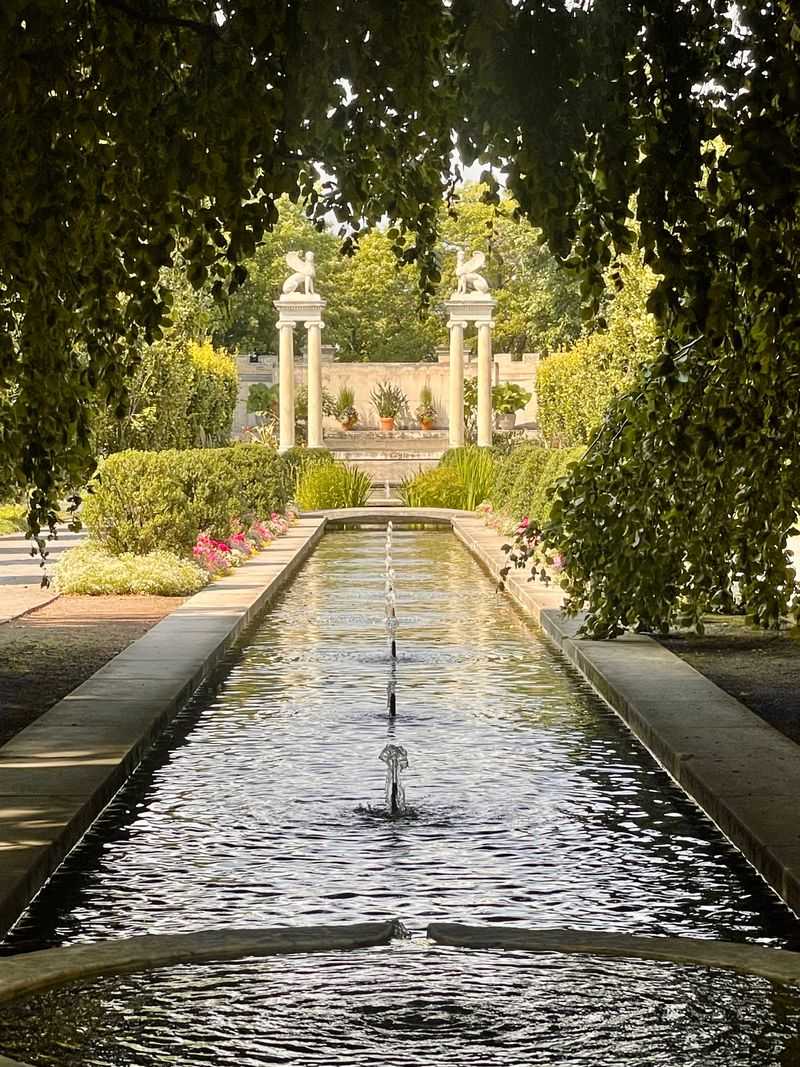
Untermyer Gardens sprawls across 43 acres, a hidden gem of walled gardens, Persian-inspired fountains, and terraced lawns that feel like something from a European estate.
Visitors wander through archways covered in wisteria, past reflecting pools surrounded by stone columns, and into sunken gardens where roses bloom in careful rows.
The waterfront itself has transformed into a destination, with paved paths for walking and biking, docks where kayakers launch into the Hudson, and restaurants with outdoor seating facing the water.
On summer evenings, the promenade fills with families, joggers, and couples watching the sun set behind the Palisades on the opposite shore.
The city also holds surprises inland, from the Science Barge, a floating greenhouse powered by renewable energy, to historic districts where Victorian homes line quiet streets.
Yonkers feels like a place still writing its story, where old industrial bones meet new ideas about what a riverfront city can become.
Travelers stop here not just for convenience but for the chance to see a city in the middle of reinventing itself.
3. Irvington
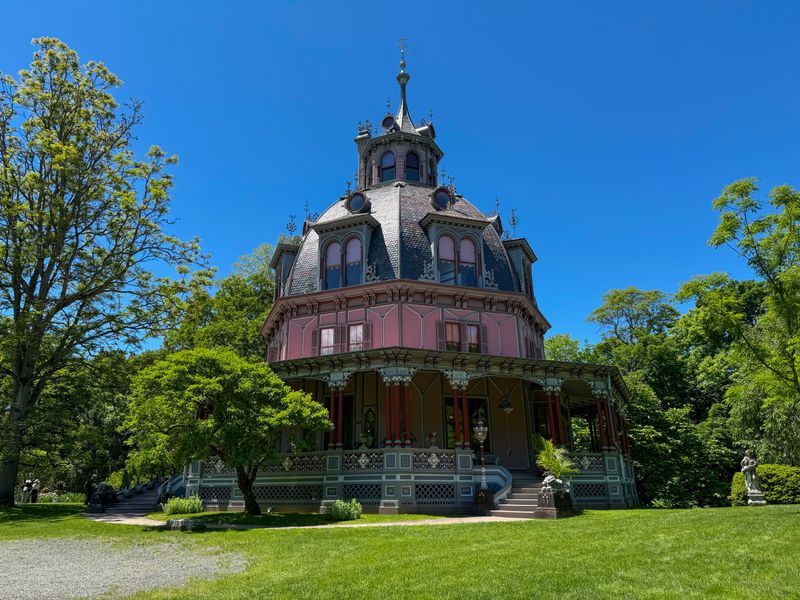
Tucked along a bend in the Hudson River, Irvington feels like a village that time forgot to rush.
Tree-lined streets wind past Victorian homes with wraparound porches, their gingerbread trim painted in soft pastels that glow in the afternoon light.
Main Street stretches just a few blocks, but every storefront holds something worth pausing for, from a bookshop with creaky wooden floors to a bakery where the smell of fresh bread drifts out onto the sidewalk.
The riverfront path runs along the water, offering views across to the Palisades and access to quiet spots where benches sit under old oak trees.
Walkers and cyclists share the trail, which connects to longer routes stretching north and south along the Hudson.
Historic estates dot the area, including Lyndhurst Mansion, a Gothic Revival castle with turrets and stained glass windows that once belonged to railroad tycoon Jay Gould.
The mansion grounds roll down toward the river, with gardens and lawns where visitors can picnic or simply sit and watch boats glide past.
Irvington also hosts a farmers market on weekends, where locals gather to buy vegetables, flowers, and jars of honey from nearby farms.
The pace here slows naturally, not because there is nothing to do but because the setting invites you to linger over coffee or spend an hour browsing antique shops.
Restaurants serve meals with ingredients sourced from the surrounding Hudson Valley, and many have patios where you can eat while watching the light change on the river.
Visitors come for the quiet charm and leave with the feeling that they have stepped into a gentler version of the world.
4. Staten Island
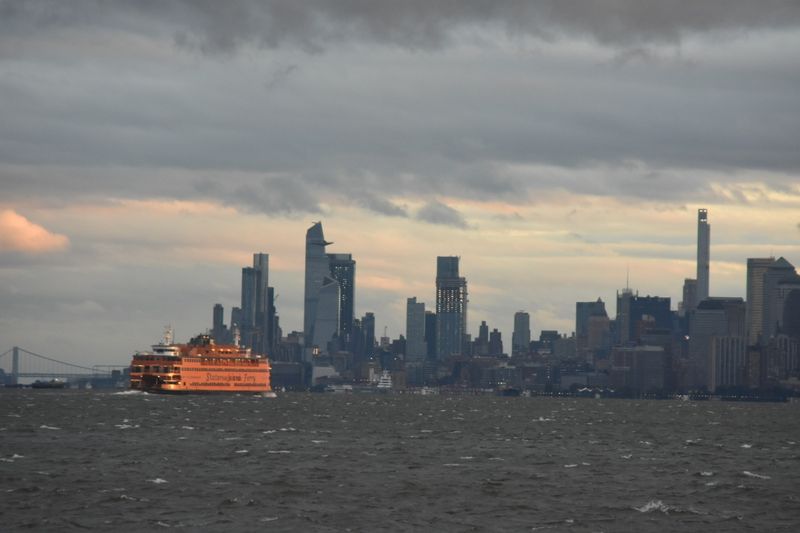
Often called the forgotten borough, Staten Island sits across the harbor from Manhattan, connected by a ferry that offers one of the best free views in the city.
The ferry ride itself has become an attraction, with passengers crowding the decks to photograph the Statue of Liberty and the downtown skyline framed against the water.
Once on the island, the landscape shifts from urban to surprisingly green, with parks and nature preserves covering nearly a third of the land.
The Staten Island Greenbelt stretches for miles, a network of trails winding through forests, wetlands, and meadows where deer browse and migratory birds rest.
Historic Richmond Town recreates life in a colonial village, with costumed interpreters demonstrating blacksmithing, printing, and other trades in buildings moved from across the island.
Visitors can walk dirt roads past wooden homes and churches that date back to the 1600s, feeling as though they have traveled centuries into the past.
The island also holds beaches along its southern shore, where the Atlantic rolls in and families spread blankets on the sand.
Fort Wadsworth guards the Narrows, its stone walls and gun batteries offering views of the Verrazano Bridge and the ships entering New York Harbor.
Snug Harbor Cultural Center combines botanical gardens, museums, and performance spaces in a complex of Greek Revival buildings that once housed retired sailors.
The Chinese Scholar’s Garden there recreates a Ming Dynasty retreat, with moon gates, koi ponds, and bamboo groves creating a space of tranquility.
Staten Island rewards those who venture beyond the ferry terminal, revealing layers of history, nature, and culture that few expect to find so close to Manhattan.
5. Corning
Glass defines this small city in the Southern Tier, where the Corning Museum of Glass holds one of the world’s largest collections of glass art and artifacts.
The museum sprawls across multiple buildings, its galleries displaying everything from ancient Roman vessels to contemporary sculptures that seem to capture light and hold it frozen in mid-dance.
Live glassblowing demonstrations happen throughout the day, artists shaping molten glass into vases, bowls, and abstract forms while explaining techniques passed down through generations.
Visitors can even try their hand at glassmaking, working with instructors to create ornaments or paperweights to take home.
Beyond the museum, downtown Corning charms with its historic Gaffer District, where brick buildings from the 1800s now house galleries, boutiques, and restaurants.
Local artists display paintings, jewelry, and pottery in storefronts along Market Street, and glassblowers operate small studios where you can watch them work.
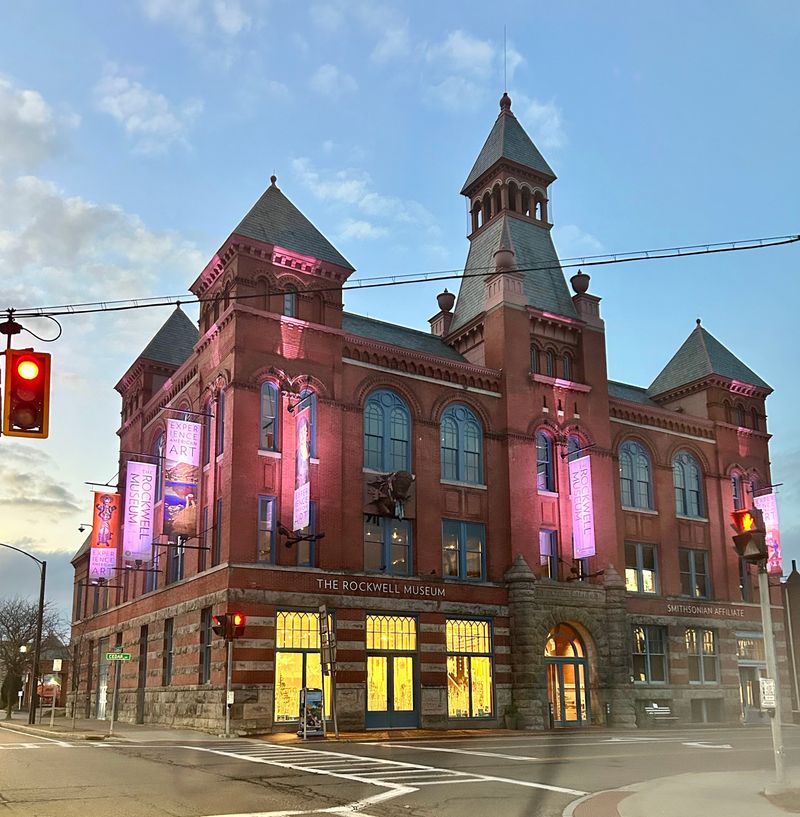
The Rockwell Museum sits nearby, focusing on American Western art with collections of paintings, sculptures, and Native American artifacts.
The city sits in the Chemung River Valley, surrounded by rolling hills that turn brilliant shades of red and gold in autumn.
Wineries dot the countryside, part of the larger Finger Lakes wine region, offering tastings in rustic barns and modern tasting rooms with views over vineyards.
Corning also serves as a gateway to outdoor recreation, with state parks and hiking trails just a short drive away.
The city feels like a place where craft and creativity matter, where people still make beautiful things by hand and take pride in showing visitors how it is done.
6. Beacon
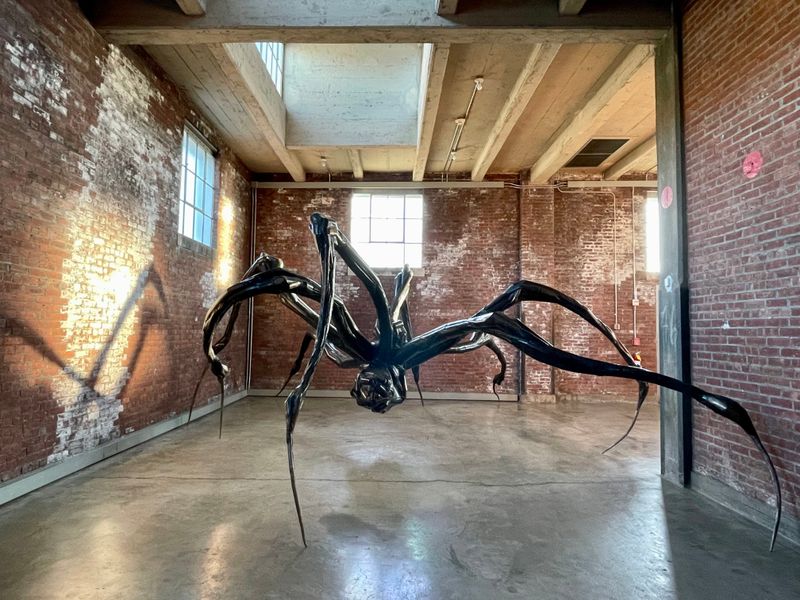
A former factory town along the Hudson River, Beacon has transformed into an arts destination anchored by Dia:Beacon, a massive contemporary art museum housed in a renovated Nabisco box-printing facility.
The museum sprawls across 300,000 square feet, its cavernous galleries lit by natural light streaming through skylights and tall industrial windows.
Large-scale installations by artists like Richard Serra, Dan Flavin, and Louise Bourgeois fill the spaces, their work responding to the scale and character of the building.
Visitors wander through rooms where fluorescent tubes glow in geometric patterns, steel sculptures curve across entire galleries, and minimalist paintings hang on walls that once echoed with factory machinery.
Outside the museum, Main Street climbs a steep hill lined with shops, galleries, and restaurants that have opened in recent years as the city has revived.
Antique stores sell everything from mid-century furniture to vintage postcards, while newer boutiques offer handmade clothing, artisan chocolates, and locally roasted coffee.
Mount Beacon rises behind the city, its summit accessible by a challenging trail that rewards hikers with panoramic views of the Hudson Valley stretching in every direction.
The ruins of an old incline railway and casino sit near the top, remnants of when the mountain was a popular resort destination in the early 1900s.
On clear days, you can see the Catskills to the west and the Hudson Highlands to the south, with the river winding silver through the valley below.
Beacon also hosts a monthly Second Saturday event, when galleries stay open late and the streets fill with art lovers browsing openings and performances.
The city feels like proof that reinvention is possible, that old industrial spaces can become homes for new ideas and creativity.
7. Saratoga Springs
Mineral springs bubble up from the ground throughout this upstate city, drawing visitors since the 1800s who came to drink the waters and promenade through elegant parks.
The springs still flow, accessible in Congress Park and at various fountains around town where you can fill bottles with naturally carbonated water that tastes faintly of minerals and history.
Saratoga Race Course opens every summer, its red and white striped awnings and Victorian grandstand hosting thoroughbred racing that dates back to 1863.
The track has a festive atmosphere, with fans in sundresses and seersucker suits gathering in the paddock to watch horses parade before races, then cheering from the grandstand as hooves thunder past.
Downtown Saratoga Springs bustles year-round, its Broadway lined with shops, galleries, and restaurants housed in buildings with ornate facades and cast-iron details.
The city has a strong arts scene, with the Saratoga Performing Arts Center hosting the New York City Ballet and Philadelphia Orchestra each summer in an open-air amphitheater surrounded by pines.
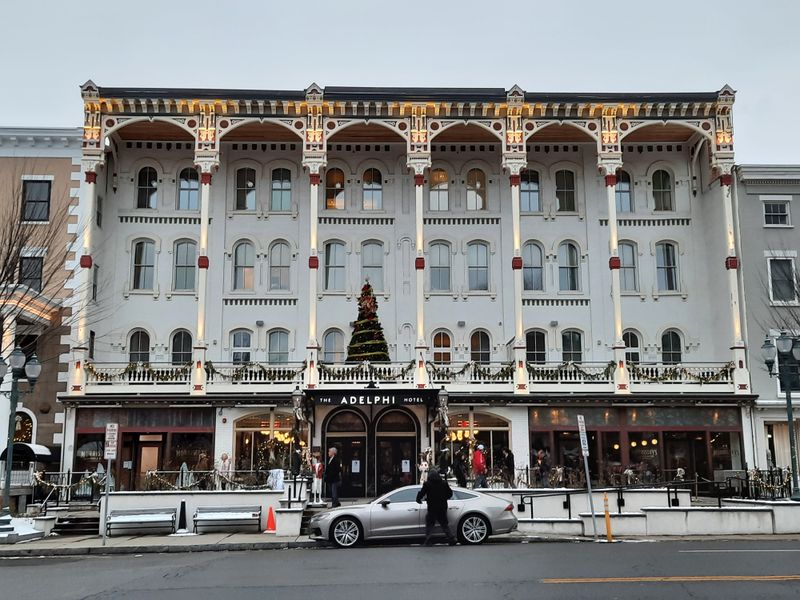
Historic hotels like the Adelphi and the Gideon Putnam preserve the elegance of the spa era, their lobbies decorated with crystal chandeliers and plush furniture.
Saratoga Spa State Park spreads across 2,400 acres, offering trails, picnic areas, and two pools fed by mineral springs where swimmers float in water that feels silky against the skin.
The city also draws visitors in winter, when Saratoga Lake freezes and ice fishing shanties dot the surface like a temporary village.
Saratoga Springs manages to feel both historic and lively, a place where tradition continues but never feels stuffy or stuck in the past.
8. Hudson
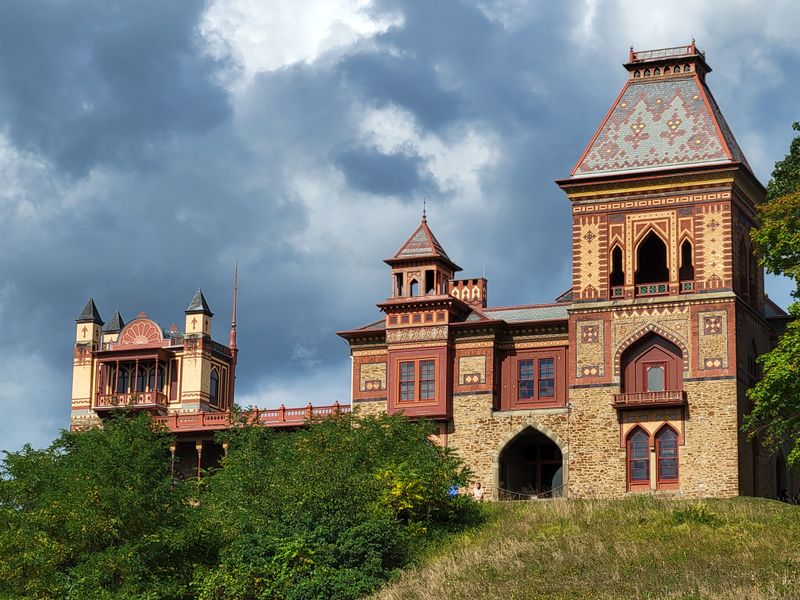
Once a whaling port and later an industrial center, Hudson has reinvented itself as an antiques and arts hub where collectors and gallery owners have transformed old storefronts into treasure troves.
Warren Street runs straight through the heart of the city, lined with shops selling everything from Georgian furniture to mid-century modern design, vintage clothing to rare books.
Dealers from New York City and beyond have set up shop here, drawn by lower rents and the charm of the 19th-century brick buildings that line the street.
Art galleries occupy spaces between the antiques shops, showing work by contemporary painters, photographers, and sculptors, many of whom have moved to the area for its creative community.
The city sits on a bluff overlooking the Hudson River, with a waterfront park offering views across to the Catskills and access to a promenade where people walk, bike, and watch boats pass.
Restaurants have flourished in recent years, with chefs opening farm-to-table bistros, wood-fired pizza joints, and upscale dining rooms that draw food lovers from across the region.
Many menus change with the seasons, featuring vegetables and meats from nearby farms and fish from sustainable sources.
Hudson also has a thriving nightlife for a small city, with cocktail bars, live music venues, and a cinema that shows independent films in a beautifully restored theater.
The city celebrates its past while embracing change, with historic preservation efforts ensuring that new businesses move into old buildings rather than replacing them.
Walking through Hudson feels like browsing a curated collection, each block revealing another layer of history, art, or unexpected beauty.
Visitors come for the antiques and stay for the sense that they have discovered something special before everyone else catches on.
9. Little Falls

Nestled in the Mohawk River Valley, Little Falls earned its name from the waterfalls that once tumbled through the narrow gorge where the river cuts between steep cliffs.
The Erie Canal runs right through the heart of the city, its locks lifting boats up the dramatic elevation change that early engineers considered one of the canal’s greatest challenges.
Visitors can watch boats navigate the locks, a process that still relies on massive wooden gates and rushing water to raise or lower vessels between levels.
The canal towpath offers walking and biking routes that follow the water through town and out into the countryside, passing under stone bridges and through landscapes that have changed little since the canal’s heyday.
Downtown Little Falls preserves buildings from the 1800s, their stone and brick facades housing small businesses, cafes, and shops that serve the local community.
The Herkimer Home State Historic Site sits just outside town, a Georgian mansion built by Revolutionary War general Nicholas Herkimer, with period furnishings and gardens overlooking the Mohawk Valley.
Moss Island Park occupies an island in the middle of the river, connected by footbridges and offering trails through woods and along the water’s edge.
The park provides access to fishing spots where anglers cast for bass and walleye, and picnic areas where families gather under old trees.
Little Falls moves at a slower pace than the cities downstream, its quiet streets and historic character appealing to travelers looking for a break from the rush of modern life.
The city feels like a place where history is not just preserved but still lived, where the canal remains a working waterway and the river still shapes daily life.
Dear Reader: This page may contain affiliate links which may earn a commission if you click through and make a purchase. Our independent journalism is not influenced by any advertiser or commercial initiative unless it is clearly marked as sponsored content. As travel products change, please be sure to reconfirm all details and stay up to date with current events to ensure a safe and successful trip.
