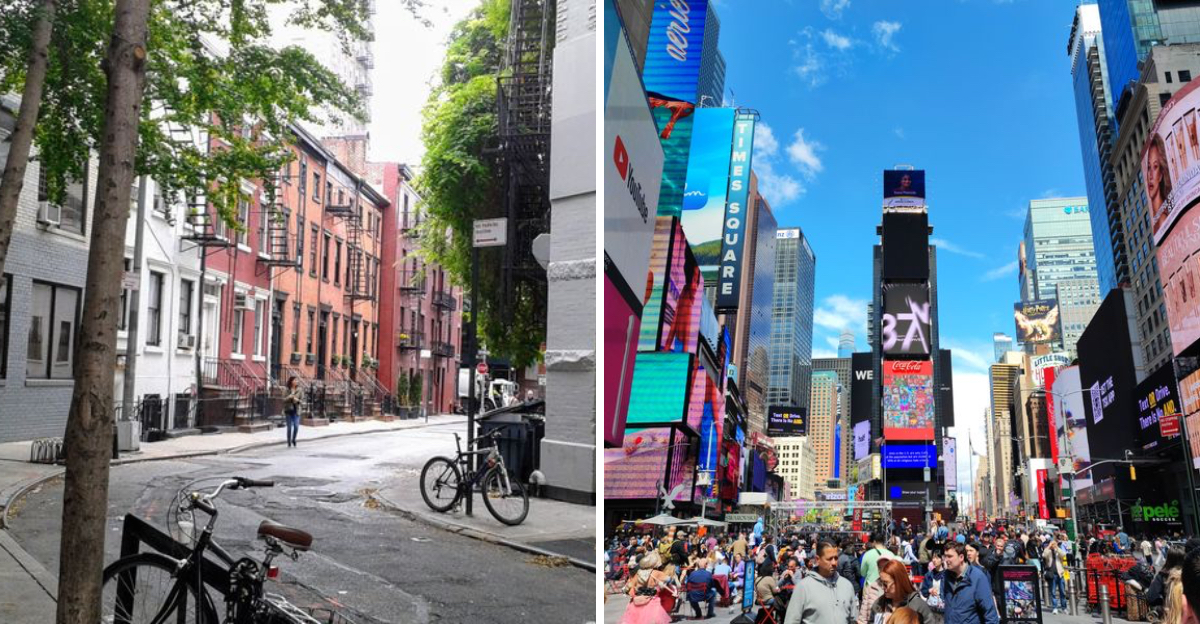
New York City thrives on its mix of locals and visitors, but some neighborhoods feel the shift more than others.
When tourists flood certain streets, the vibe changes in ways residents notice every day.
From crowded sidewalks to altered business scenes, these seven NYC neighborhoods transform under the weight of tourism, creating a completely different atmosphere than what locals once knew.
These changes can bring extra energy and revenue, but they also reshape daily routines and the sense of community for the people who live there.
They reveal how tourism can both energize and complicate neighborhood life, leaving locals to navigate a balance between visibility and belonging.
1. Times Square
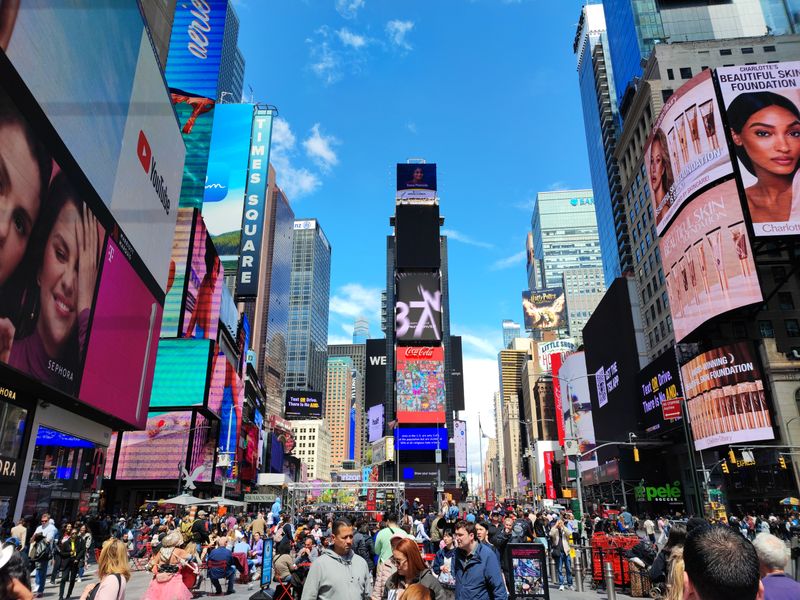
Times Square used to be a place where New Yorkers rushed through on their way to work or the theater.
Now it feels like a permanent street fair packed with people stopping mid-stride to snap selfies.
The constant flow of tourists has turned the neighborhood into a slow-motion obstacle course for anyone trying to get somewhere quickly.
Bright billboards light up every corner, and costumed characters crowd the sidewalks hoping for tips from visitors.
Locals avoid this part of Manhattan whenever possible because navigating through the throngs feels exhausting.
Restaurants and shops cater almost exclusively to out-of-towners, with inflated prices and generic menus that lack the authenticity New York is known for.
Street performers play loud music at all hours, adding to the sensory overload that defines the area.
The energy here is electric but chaotic, a far cry from the gritty theater district vibe it once had.
New Yorkers who remember the old Times Square often describe it as unrecognizable today.
What was once a landmark locals passed through has become a destination they actively avoid.
The transformation is so complete that many residents joke about never setting foot in the neighborhood unless absolutely necessary.
Even the subway stations beneath Times Square feel different, packed with confused tourists studying maps and blocking the flow of commuters.
The neighborhood has become a symbol of how tourism can completely reshape a place.
While visitors love the excitement and spectacle, locals miss the version of Times Square that felt like it belonged to the city itself.
The clash between tourist culture and local life is nowhere more visible than here in the heart of Midtown Manhattan.
2. SoHo
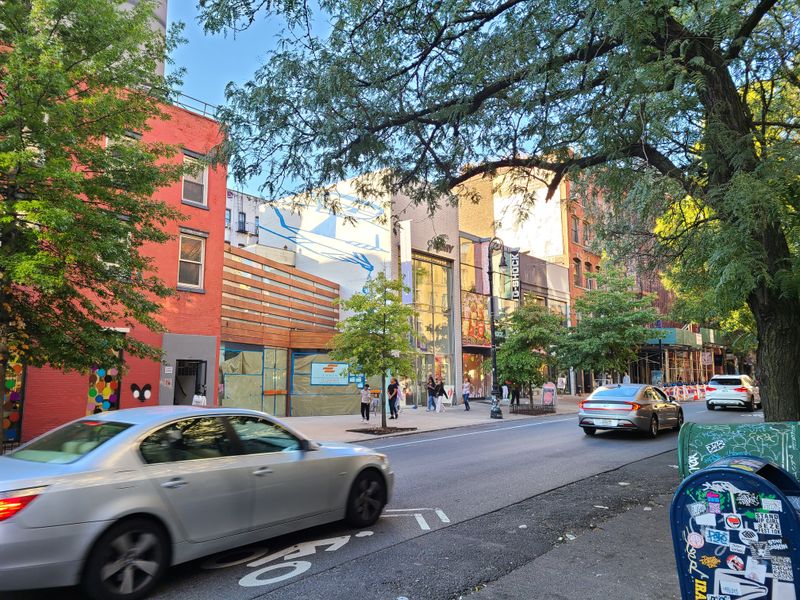
SoHo was once the epicenter of New York’s art scene, filled with galleries and studios where creative minds gathered.
Today it feels more like an upscale outdoor mall where luxury brands dominate every corner.
The cobblestone streets that gave the neighborhood its charm now echo with the sounds of rolling suitcases and shopping bags.
Tourists flock here for high-end shopping, transforming what was a bohemian enclave into a commercial hotspot.
Locals who grew up with SoHo’s artistic spirit often feel disconnected from the neighborhood it has become.
The galleries that once defined the area have been replaced by flagship stores selling designer handbags and expensive sneakers.
Weekend afternoons bring massive crowds that make it nearly impossible to walk down the sidewalks without bumping into someone.
Cafes and restaurants cater to the tourist crowd, with prices that reflect the neighborhood’s shift toward luxury consumption.
The cast-iron architecture remains beautiful, but the soul of the place feels different now.
Artists who once called SoHo home have been priced out, moving to other boroughs where rent is more manageable.
The transformation happened gradually, but the result is a neighborhood that feels polished and commercial rather than raw and creative.
Locals remember when SoHo felt like a secret, a place where you could stumble upon something unexpected around every corner.
Now it feels curated and predictable, designed to attract visitors with money to spend.
The energy is still lively, but it lacks the edge that once made SoHo special.
For many New Yorkers, the neighborhood serves as a reminder of how tourism and gentrification can erase a place’s original character.
3. Williamsburg
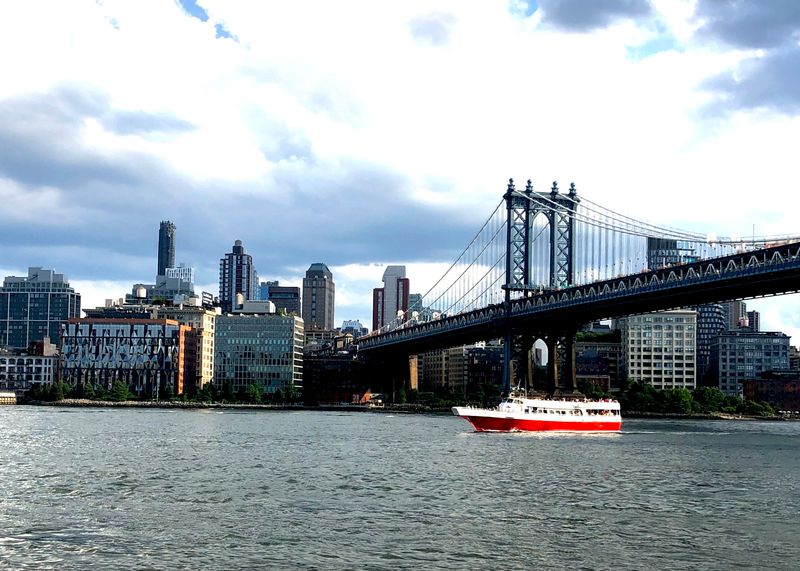
Williamsburg transformed from a gritty industrial area into one of Brooklyn’s trendiest neighborhoods over the past two decades.
The influx of tourists has accelerated changes that locals already found difficult to swallow.
Bedford Avenue now feels like a runway for influencers posing in front of colorful murals and boutique storefronts.
What started as an organic artist community has become a curated experience designed for Instagram.
Long-time residents notice how the neighborhood’s authenticity has been replaced by a performance of coolness.
Vintage shops and independent cafes still exist, but they share space with chain stores that feel out of place.
The waterfront parks offer stunning views of Manhattan, drawing crowds that pack the area on sunny weekends.
Locals who once enjoyed these green spaces as quiet retreats now find them overrun with visitors.
The music venues and dive bars that gave Williamsburg its creative edge have been joined by polished cocktail lounges catering to tourists.
The neighborhood still has charm, but it feels manufactured rather than discovered.
Rent prices have skyrocketed, pushing out the artists and musicians who originally gave the area its cultural cachet.
Tour groups now wander the streets, guided by leaders pointing out the best photo ops and brunch spots.
The sense of community that once defined Williamsburg has been diluted by the constant turnover of visitors.
Locals describe a feeling of displacement, as if the neighborhood they helped build no longer belongs to them.
The energy remains vibrant, but it lacks the authenticity that made Williamsburg feel special in the first place.
4. Greenwich Village
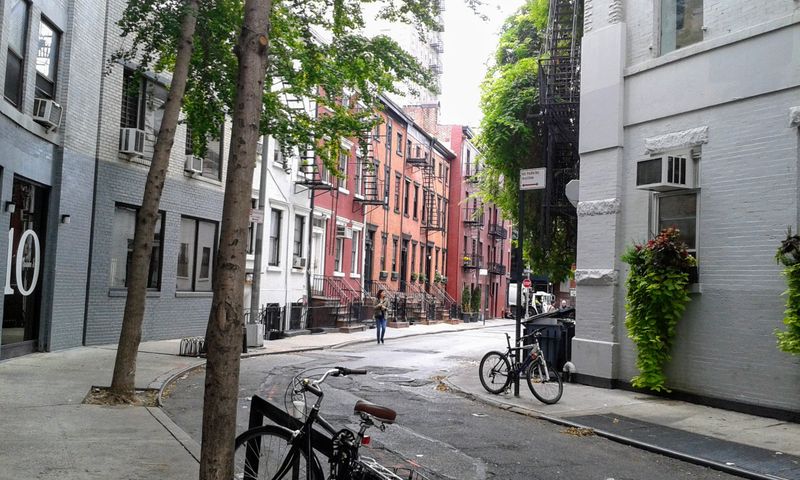
Greenwich Village holds a legendary place in New York history as a haven for writers, musicians, and revolutionaries.
The neighborhood’s bohemian past still whispers through its tree-lined streets, but the present tells a different story.
Tourists come searching for the ghosts of Bob Dylan and Jack Kerouac, but what they find is a carefully preserved version of the past.
Washington Square Park remains a gathering place, though now it’s filled with tour groups and street performers catering to visitors.
Locals who have lived here for decades notice how the neighborhood has become a museum of itself.
The jazz clubs and poetry cafes that once thrived on spontaneity now operate with a sense of nostalgia for what once was.
Real estate prices have made it nearly impossible for young artists to afford living here, changing the demographic entirely.
The charming brownstones and narrow streets still attract admirers, but the creative energy that defined the Village has largely moved elsewhere.
Restaurants along Bleecker Street serve Italian food to tourists who may not realize the neighborhood’s immigrant roots run much deeper.
The sense of discovery that once drew people to Greenwich Village has been replaced by a checklist mentality.
Visitors want to see the famous spots they’ve read about, but they rarely experience the neighborhood’s living, breathing culture.
Long-time residents feel protective of their community, even as they watch it transform into a tourist attraction.
The Village still has moments of magic, especially on quiet weekday mornings when the crowds thin out.
But the overall atmosphere has shifted from a place where things happened to a place where things once happened.
Locals cherish the history while mourning the loss of the Village’s radical, unpredictable spirit.
5. Chinatown
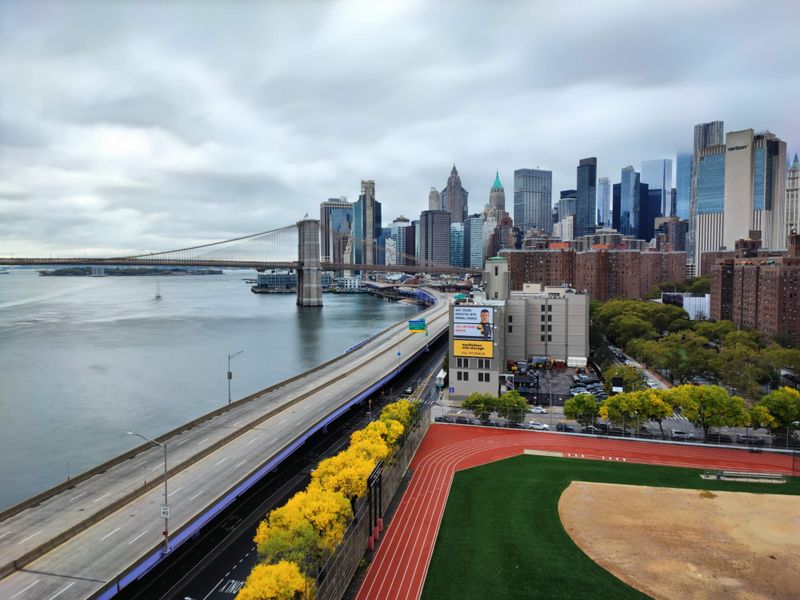
Chinatown has always been one of New York’s most vibrant and culturally rich neighborhoods.
The arrival of food tours and souvenir shops has changed how the area functions on a daily basis.
Canal Street bustles with activity, but the mix now includes tourists hunting for knockoff handbags alongside locals buying fresh produce.
The neighborhood still serves as an essential hub for Chinese immigrants, but the tourist presence creates friction.
Restaurants that once catered exclusively to the community now print menus in multiple languages and adjust recipes for Western palates.
Locals who shop at the fish markets and bakeries notice how the streets feel more congested than ever.
Tour groups shuffle through narrow sidewalks, pausing to photograph colorful displays of fruits and vegetables.
The cultural authenticity that makes Chinatown special is still present, but it competes with commercial interests aimed at visitors.
Small businesses struggle to balance serving their community while capitalizing on tourist dollars.
The neighborhood’s energy remains intense, with sounds and smells that transport you far from typical Manhattan.
But locals feel the strain of sharing their streets with people who treat the area like a theme park.
The traditional tea shops and dim sum parlors still exist, though they’re now listed in every guidebook and travel blog.
What was once a neighborhood you had to know about has become a must-see destination for anyone visiting New York.
The transformation isn’t entirely negative, as tourism brings money and attention to local businesses.
However, residents worry about losing the neighborhood’s character to the demands of the visitor economy.
6. Lower East Side
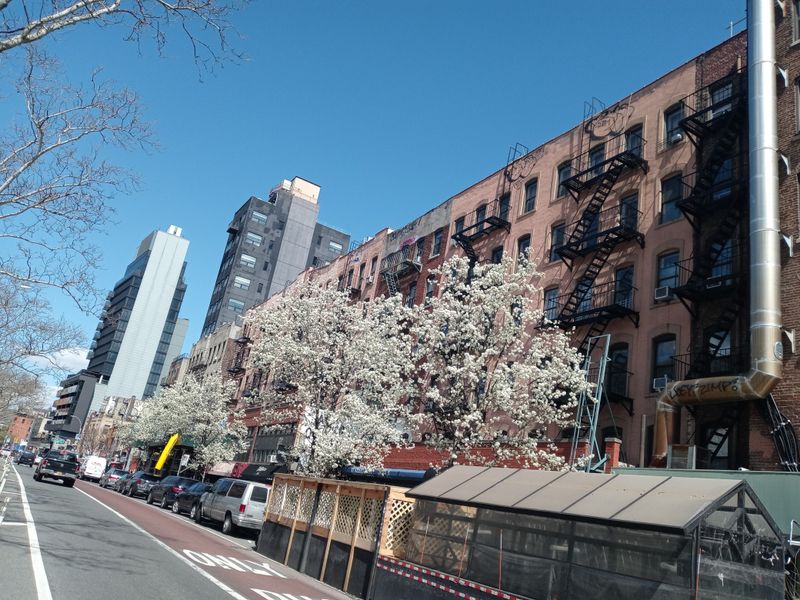
The Lower East Side carries the weight of immigrant history in every brick and fire escape.
Generations of new arrivals made their first American homes in these tenement buildings, creating a neighborhood rich with cultural layers.
Tourism has brought a new chapter to this story, one that focuses more on nightlife and trendy dining than historical significance.
The bars and clubs that line Ludlow Street and Rivington Street draw crowds from across the city and beyond.
Locals who remember when the neighborhood felt dangerous now navigate streets packed with bar-hoppers every weekend.
The transformation has brought safety and investment, but it’s also erased some of the gritty character that defined the area.
Vintage clothing stores and artisanal food shops cater to visitors looking for a taste of downtown cool.
The tenement museum tells the immigrant story, but outside its walls the neighborhood feels disconnected from that past.
Long-time residents, many of them elderly immigrants, watch as their community becomes a playground for young professionals and tourists.
The kosher delis and Puerto Rican bodegas still exist, but they’re outnumbered by craft cocktail bars and ramen shops.
Weekend nights bring a party atmosphere that spills onto the sidewalks, creating noise and congestion that frustrates people who live here.
The Lower East Side still has pockets of authenticity, especially during daytime hours when the neighborhood serves its residents.
But the evening transformation into a nightlife destination has fundamentally changed how the area feels.
Locals appreciate the economic revitalization while mourning the loss of the neighborhood’s working-class roots.
The tension between preservation and progress plays out daily on these historic New York streets.
7. Brooklyn Heights
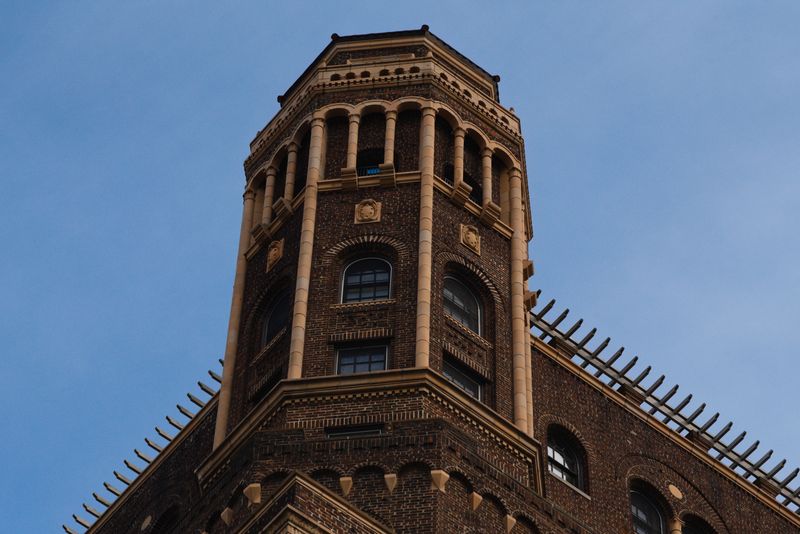
Brooklyn Heights feels like a neighborhood frozen in time, with pristine brownstones and tree-canopied streets that seem impossibly peaceful.
The famous Promenade offers some of the best views of Lower Manhattan, making it a magnet for tourists and photographers.
What was once a quiet spot where residents could watch the sunset has become a crowded viewing platform.
Locals who live in this historic neighborhood value its calm residential character, which feels threatened by the constant stream of visitors.
The narrow sidewalks weren’t designed for tour groups, yet they come regularly to admire the architecture and waterfront vistas.
Residents notice an increase in noise and foot traffic that disrupts the peaceful atmosphere they chose Brooklyn Heights for.
The neighborhood’s proximity to Brooklyn Bridge Park brings even more visitors, as tourists spill over from the park into residential streets.
Real estate here ranks among the most expensive in New York, partly because of the neighborhood’s preserved beauty.
But that same beauty attracts attention that residents sometimes find intrusive.
The local shops and cafes remain understated, catering primarily to the people who live here rather than passing tourists.
Still, the weekend crowds at the Promenade create a different energy than the weekday calm.
Long-time residents remember when you could walk the Promenade without navigating around selfie-takers at every scenic spot.
The neighborhood’s historic designation protects its architectural integrity, but it can’t control the number of people who want to see it.
Brooklyn Heights maintains its elegance and charm, but the tourist presence adds a layer of activity that changes the daily experience.
Locals adapt by visiting the Promenade during off-hours or finding quieter streets to enjoy their neighborhood’s beauty.
Dear Reader: This page may contain affiliate links which may earn a commission if you click through and make a purchase. Our independent journalism is not influenced by any advertiser or commercial initiative unless it is clearly marked as sponsored content. As travel products change, please be sure to reconfirm all details and stay up to date with current events to ensure a safe and successful trip.
