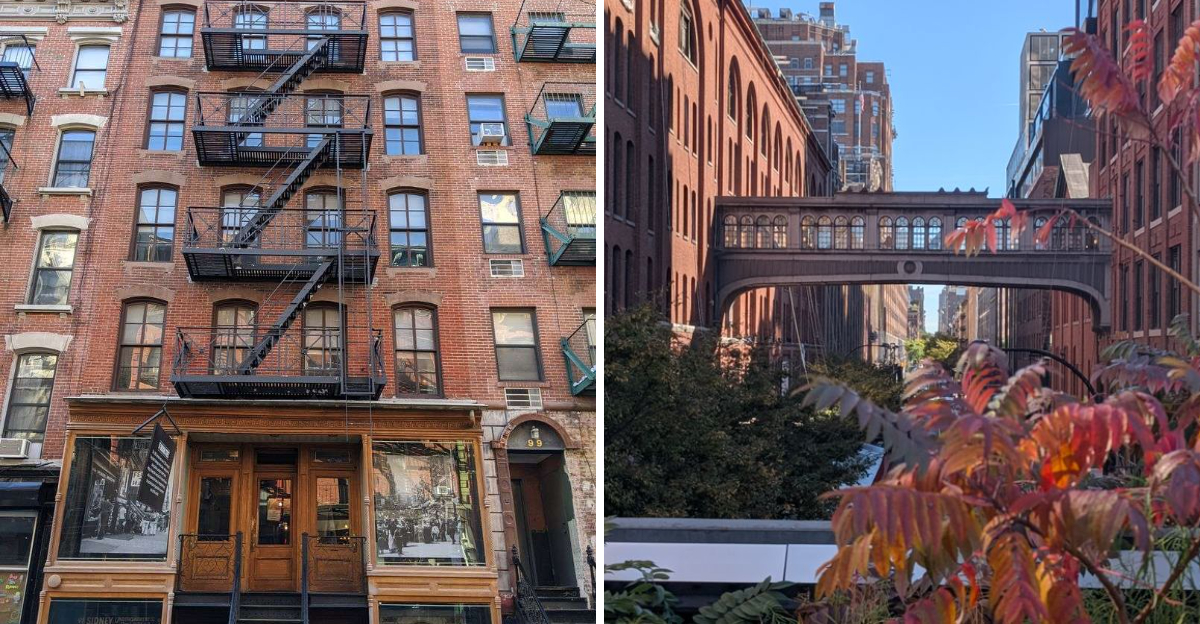
New York City pulses with energy that draws millions of visitors each year to its famous streets and landmarks.
While tourism brings economic benefits and cultural exchange, it also transforms the daily life of neighborhoods where locals live and work.
Some areas experience such heavy foot traffic that the rhythm of everyday routines shifts dramatically, from morning commutes to evening dinner plans.
Understanding which neighborhoods face the biggest tourist impact helps both visitors and residents navigate the city more thoughtfully.
Times Square might be the obvious example, but several other communities throughout Manhattan, Brooklyn, and beyond feel the weight of constant visitor attention.
Rent prices climb, local businesses close or adapt to tourist tastes, and the neighborhood character evolves in ways that surprise longtime residents.
Exploring these seven neighborhoods reveals how tourism reshapes urban life in unexpected ways.
1. Times Square and the Theater District
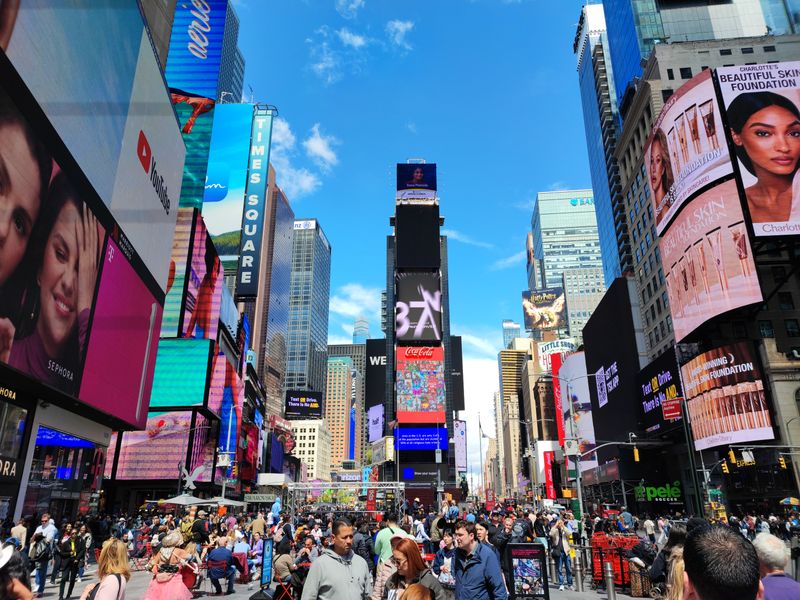
Neon lights flash overhead while thousands of people push through crosswalks every single hour in this Manhattan neighborhood.
Times Square attracts roughly 50 million visitors annually, making it one of the most photographed locations on Earth.
For the few thousand residents who actually live in the surrounding blocks, grocery shopping becomes an obstacle course through slow-moving tourist groups.
The neighborhood that New Yorkers once knew for its grittiness transformed into a family-friendly commercial zone during the 1990s cleanup efforts.
Broadway theaters pack the side streets, with eight shows per week drawing theater lovers from around the world.
Local restaurants charge premium prices because they can, knowing that most customers will never return to compare quality.
Residents report that simple tasks like walking a dog or meeting friends for coffee require extra planning to avoid peak tourist hours.
The constant camera flashes, costume characters demanding tips, and amplified street performances create a sensory overload that never stops.
Many longtime residents moved away as rents climbed and the neighborhood lost its residential character.
Those who remain often describe feeling like extras in someone else’s vacation photos.
The 24-hour noise and activity mean that sleeping requires serious soundproofing and blackout curtains.
Even the local CVS and Duane Reade pharmacies stock more I Love NY shirts than practical household items.
Police maintain a constant presence to manage crowds and ensure public safety during major events like New Year’s Eve.
The neighborhood serves as a powerful economic engine for the city, yet the human cost for local residents remains significant.
Finding authentic New York experiences here requires knowing which side streets and hidden gems to seek out away from the main attractions.
2. SoHo’s Cast-Iron Historic District
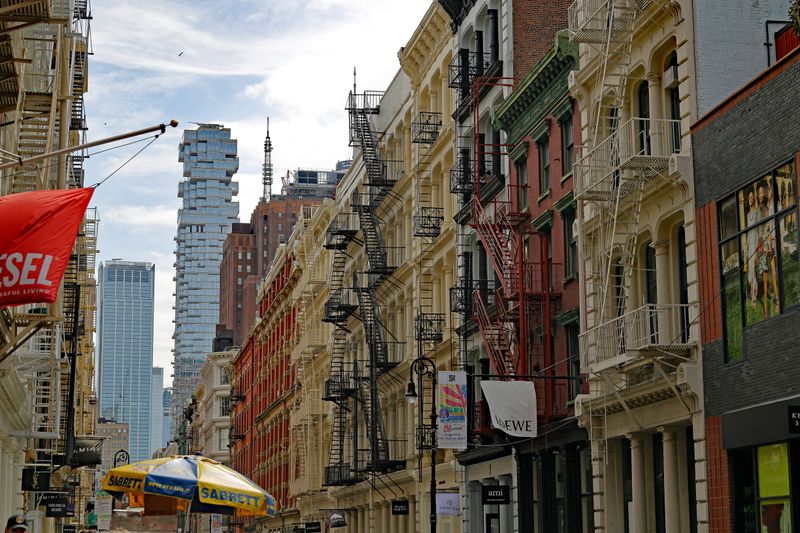
Cobblestone streets wind between beautiful cast-iron buildings that once housed factories and warehouses in lower Manhattan.
SoHo transformed from an industrial area into an artist colony during the 1960s and 70s, when creative types converted lofts into living spaces.
Today, luxury retail stores occupy the ground floors where artists once displayed their work in gallery spaces.
Weekend foot traffic turns the neighborhood into an outdoor shopping mall, with visitors spilling off sidewalks into the streets.
The Apple Store on Prince Street alone draws thousands of shoppers daily, creating bottlenecks on the narrow sidewalks.
Residents who bought lofts decades ago when prices were affordable now live above Chanel, Prada, and other high-end boutiques.
The constant window shopping crowds make it difficult for locals to run errands or enjoy a peaceful walk through their own neighborhood.
Many of the original artists and creative professionals moved to cheaper areas like Bushwick or the Bronx as rents skyrocketed.
Chain stores replaced independent shops, and the neighborhood lost much of its bohemian character that made it special.
Tour buses idle on Broadway and West Houston, disgorging groups that follow guides holding umbrellas or signs.
The Instagram effect amplified the problem, with certain storefronts and street corners becoming must-photograph locations.
Local coffee shops struggle to serve neighborhood regulars during peak hours when tourists occupy every table for hours.
Delivery trucks face impossible parking situations, often blocking entire streets while unloading merchandise for the retail giants.
The community board receives constant complaints about noise, trash, and the general chaos that tourism brings to residential blocks.
Despite the challenges, the neighborhood remains architecturally stunning, with its 19th-century buildings offering a glimpse into New York’s industrial past.
3. Brooklyn’s DUMBO Waterfront
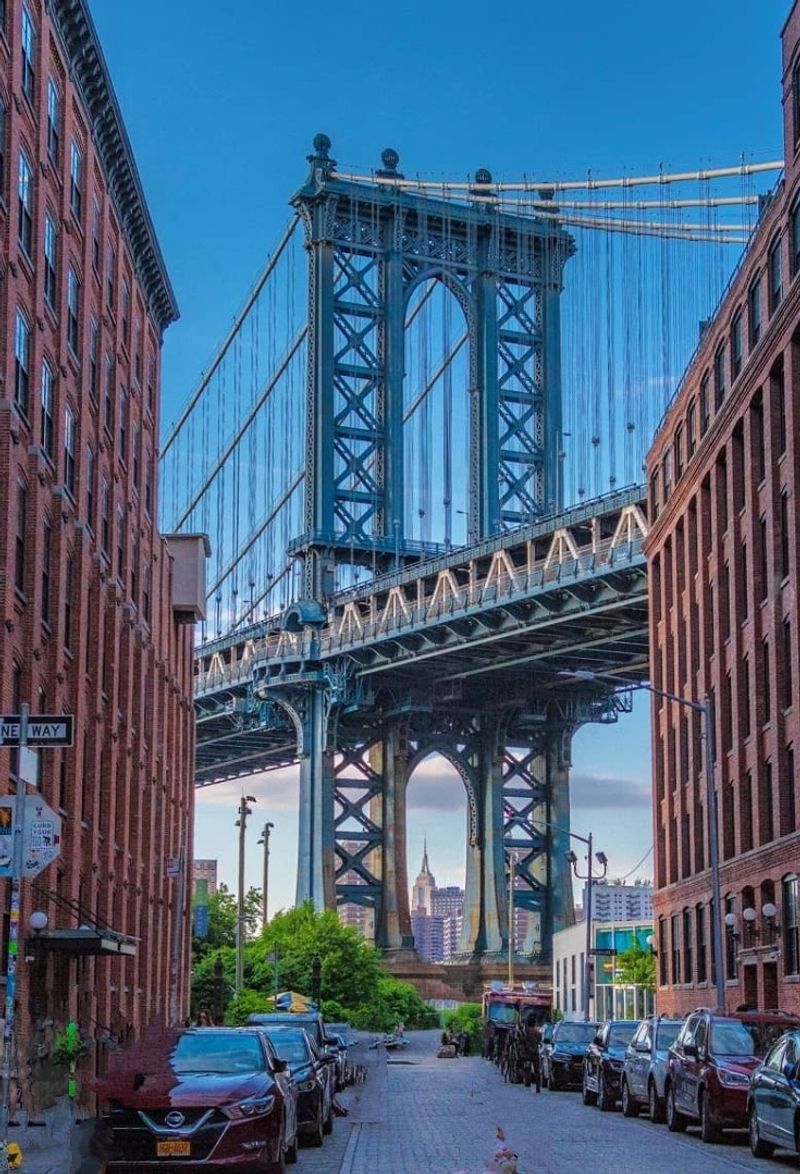
Stunning views of the Manhattan Bridge framed by brick warehouse buildings made this Brooklyn neighborhood an Instagram sensation.
DUMBO stands for Down Under the Manhattan Bridge Overpass, a name that reflects its industrial shipping past.
Artists and tech companies moved into converted warehouses during the 1990s, creating a creative community with affordable rents.
Then came the luxury condos, boutique hotels, and the realization that the Manhattan Bridge photo spot would go viral worldwide.
Washington Street between Front and Water Streets now experiences constant crowds positioning themselves for that perfect shot.
Local residents trying to walk their dogs or push strollers navigate around photographers who block the entire sidewalk.
Brooklyn Bridge Park attracts families and tourists to its waterfront green spaces, especially during summer weekends.
Jane’s Carousel, a restored 1922 merry-go-round housed in a glass pavilion, draws thousands of visitors with children.
The neighborhood’s small size means that tourist density feels especially concentrated, with limited streets to absorb the crowds.
Restaurants like Grimaldi’s Pizza and the River Café maintain long wait times because of their reputation and waterfront locations.
Real estate prices climbed so high that most of the original artist residents moved elsewhere, replaced by wealthy professionals.
The tech industry presence, with companies like Etsy formerly headquartered here, changed the neighborhood’s economic character completely.
Weekend farmers markets and art festivals add to the congestion, though they also provide community gathering spaces.
The Manhattan Bridge walkway funnels additional foot traffic directly into the neighborhood from Manhattan’s Chinatown.
Despite the tourist challenges, sunrise and sunset hours offer magical moments when the crowds thin and the views shine.
4. Greenwich Village and Washington Square Park
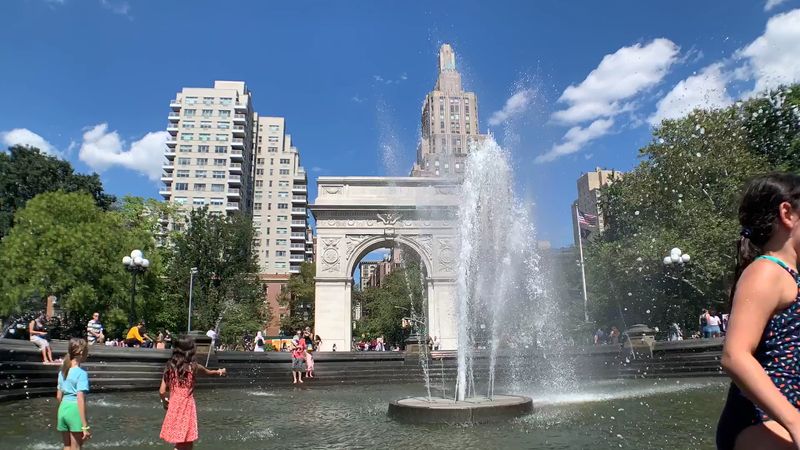
Bob Dylan, Jack Kerouac, and countless other artists and writers made Greenwich Village synonymous with American bohemian culture.
Washington Square Park’s iconic arch serves as the neighborhood’s centerpiece, drawing NYU students, street performers, and tourists in equal measure.
The park’s fountain area becomes a stage for musicians, magicians, and activists, creating constant activity from dawn until late evening.
Surrounding streets feature charming townhouses, hidden courtyards, and winding lanes that break from Manhattan’s typical grid pattern.
Bleecker Street transformed from a local shopping street into a destination for visitors seeking authentic New York experiences.
Comedy clubs like the Comedy Cellar and music venues like the Blue Note Jazz Club attract crowds every night of the week.
The Stonewall Inn, a National Historic Landmark and birthplace of the modern LGBTQ+ rights movement, draws visitors from around the world.
Residents who remember the neighborhood’s radical past feel nostalgic for the days before luxury condos replaced affordable walk-ups.
NYU’s expansion throughout the Village changed the area’s character, with dormitories replacing residential buildings in many blocks.
The university’s presence creates a constant flow of young people, blurring the line between students, tourists, and actual neighborhood residents.
Local cafes that once hosted poetry readings and political discussions now cater primarily to visitors seeking photo opportunities.
The narrow sidewalks cannot accommodate the volume of foot traffic, especially during nice weather when everyone wants to explore.
Tour groups follow guides through the streets, stopping to hear stories about famous former residents and historic events.
Despite the changes, small pockets of authentic neighborhood life persist on quieter blocks away from the main thoroughfares.
Early morning walks reveal a different Village, where longtime residents walk dogs and grab coffee before the tourist rush begins.
5. Williamsburg’s Bedford Avenue Corridor
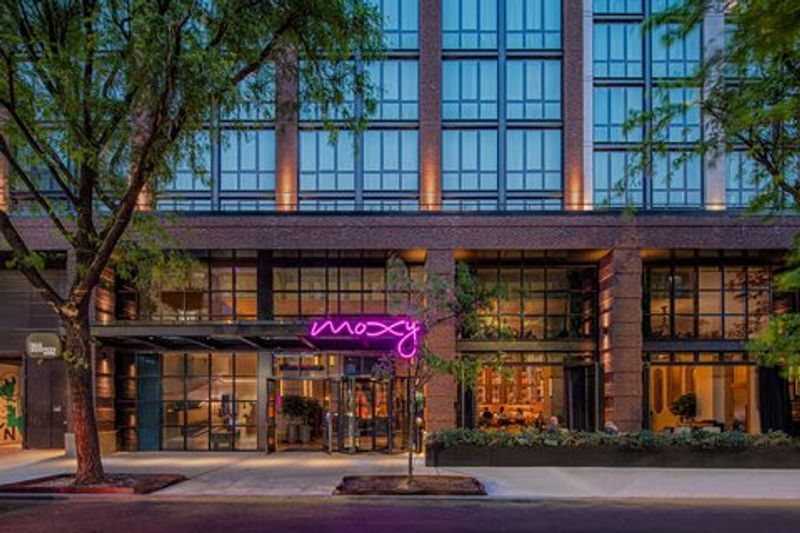
Hasidic Jewish families lived in Williamsburg for generations before the neighborhood became Brooklyn’s hipster capital in the early 2000s.
Bedford Avenue transformed from a working-class commercial strip into a destination for vintage shops, artisanal food, and trendy bars.
The L train subway line connecting Williamsburg directly to Manhattan’s Union Square made the neighborhood easily accessible to visitors.
Weekend crowds pour out of the Bedford Avenue station, immediately flooding the surrounding blocks with shoppers and brunch seekers.
Smorgasburg, the massive outdoor food market, attracts thousands to the waterfront every Saturday during warm months.
Local residents complain about noise from rooftop bars and the difficulty finding space at their favorite coffee shops on weekends.
The neighborhood’s street art and murals became Instagram backdrops, with certain walls seeing constant photo sessions throughout the day.
Luxury condo towers rose along the waterfront, blocking views and changing the neighborhood’s scale and character dramatically.
The original Polish and Puerto Rican communities that lived here for decades found themselves priced out by rising rents.
Even the hipsters who gentrified the area in the 2000s now struggle to afford apartments as wealthy professionals move in.
Tour groups on bikes cruise through the streets, sometimes dozens at a time, creating traffic hazards for pedestrians and cars.
The waterfront parks offer stunning Manhattan skyline views, making them popular spots for visitors who rarely venture into residential blocks.
Local businesses face a dilemma: cater to tourists with higher prices or serve neighborhood regulars with lower margins.
The Hasidic community, concentrated on the south side of the neighborhood, maintains its traditions despite the surrounding changes.
Finding authentic neighborhood experiences requires exploring beyond Bedford Avenue into the quieter residential streets where families actually live.
6. Lower East Side’s Tenement History
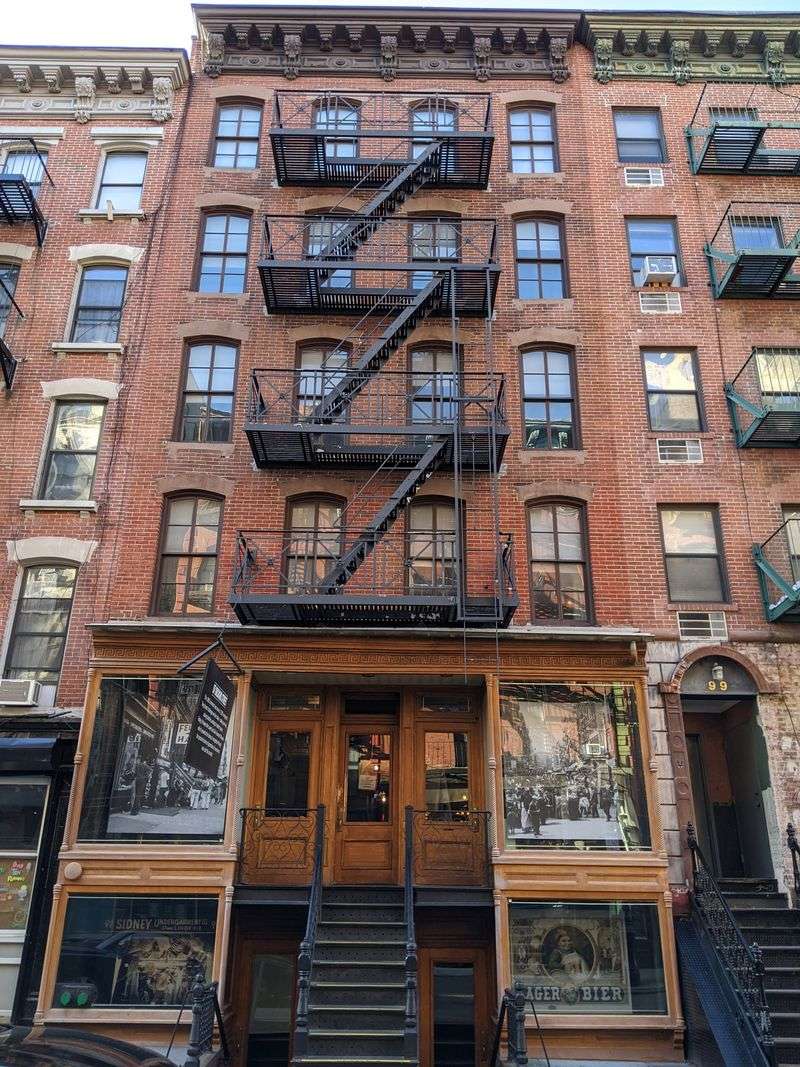
Immigrant families from dozens of countries squeezed into tiny tenement apartments on the Lower East Side starting in the 1800s.
The neighborhood’s history as America’s gateway for newcomers left a legacy of diverse food, culture, and architecture.
Today, the Tenement Museum on Orchard Street educates visitors about immigrant experiences through restored apartment tours.
Katz’s Delicatessen, open since 1888, maintains lines out the door with tourists seeking the pastrami sandwich from the movie When Harry Met Sally.
The neighborhood’s transformation into a nightlife destination brought bars, clubs, and music venues that operate until early morning.
Ludlow Street and surrounding blocks buzz with activity on weekend nights, creating noise complaints from longtime residents.
The contrast between elderly Chinese and Jewish residents and young partiers creates a strange cultural collision on the same sidewalks.
Essex Street Market, recently renovated and moved to a new building, tries to balance serving locals and attracting food tourists.
Walking tours focus on the neighborhood’s immigrant history, pickle shops, and the evolution from poverty to trendy destination.
Boutique hotels opened throughout the area, bringing more visitors who want to experience authentic New York nightlife.
The street art scene, particularly around Houston Street, attracts photographers and graffiti enthusiasts from around the world.
Local residents remember when you could walk these streets without navigating through crowds of bar hoppers every weekend.
The neighborhood’s synagogues and churches stand as reminders of the communities that built this area generations ago.
Gentrification pushed many working-class families to the Bronx or out of the city entirely as rents tripled over two decades.
Despite the changes, the Lower East Side retains more authentic neighborhood character than many other tourist-heavy areas of Manhattan.
7. Chelsea Market and the High Line
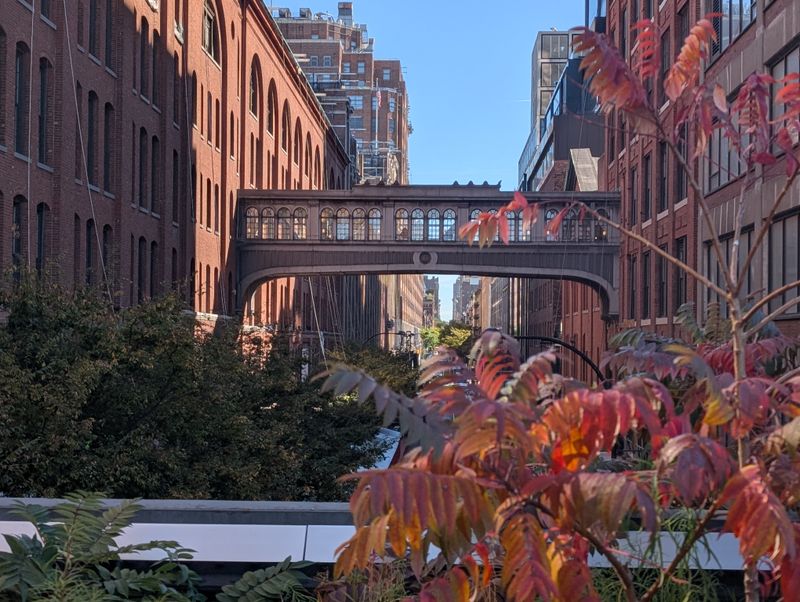
A former Nabisco factory where Oreo cookies were invented became Chelsea Market, a food hall and shopping destination in 1997.
The industrial building’s brick interior and exposed pipes create an atmosphere that tourists find charming and photogenic.
When the High Line elevated park opened in 2009, it transformed Chelsea from a quiet residential and gallery district into a major attraction.
The park built on abandoned railroad tracks attracts roughly 8 million visitors annually, fundamentally changing the neighborhood below.
Local residents who once enjoyed peaceful walks now navigate crowds of slow-moving tourists stopping to photograph wildflowers and skyline views.
Real estate values along the High Line skyrocketed, with luxury condos and hotels rising to capitalize on park access.
The Whitney Museum relocated to the Meatpacking District end of the High Line, adding another major tourist draw to the area.
Art galleries that defined Chelsea’s cultural identity for decades closed or moved to cheaper neighborhoods as rents climbed.
Chelsea Market’s vendors serve thousands of visitors daily, with lines forming at popular stalls like Los Tacos No. 1 and the Lobster Place.
The Google offices occupy much of the building above Chelsea Market, bringing tech workers who changed the neighborhood’s economic profile.
Local grocery stores and pharmacies struggle to compete with the market’s gourmet offerings, though residents need everyday basics too.
The High Line’s success inspired similar projects in cities worldwide, but the original faces challenges managing its own popularity.
Weekend crowds on the park become so dense that walking requires patience and tolerance for constant stopping and starting.
Residents living in buildings adjacent to the High Line lost privacy as visitors peer directly into their windows from the elevated walkway.
The neighborhood’s transformation shows both the benefits and costs of successful urban renewal projects that attract worldwide attention.
Dear Reader: This page may contain affiliate links which may earn a commission if you click through and make a purchase. Our independent journalism is not influenced by any advertiser or commercial initiative unless it is clearly marked as sponsored content. As travel products change, please be sure to reconfirm all details and stay up to date with current events to ensure a safe and successful trip.
