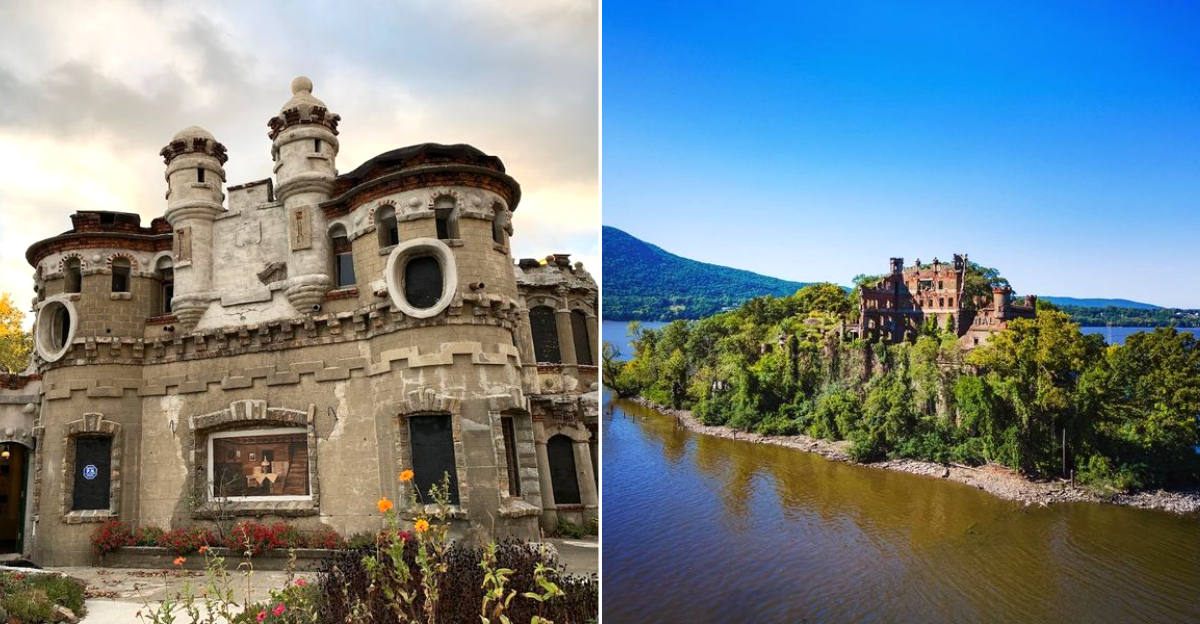
Your boat ride feels normal until Bannerman Castle shows up and the Hudson starts acting haunted. Sitting on Pollepel Island, this abandoned-looking ruin has a dramatic silhouette that makes you stare longer than you meant to.
From the water, it feels unreal in the best way. Stone walls, broken edges, and that storybook shape that looks like it should come with fog on demand.
The isolation is what sells it. When a castle is stranded on its own little patch of land, every shadow feels louder and every quiet stretch of river feels suspicious.
You start imagining footsteps where there are none. You picture lantern light in windows that are empty, and you catch yourself watching the shoreline like it might blink.
Even in daylight, the mood hangs on. The Hudson keeps moving like nothing is wrong, while Bannerman just sits there, refusing to explain itself.
This is the kind of sight that makes you lower your voice, take too many photos, and leave with a spooky little grin you cannot quite shake.
A Hudson River Arrival With Instant Goosebumps
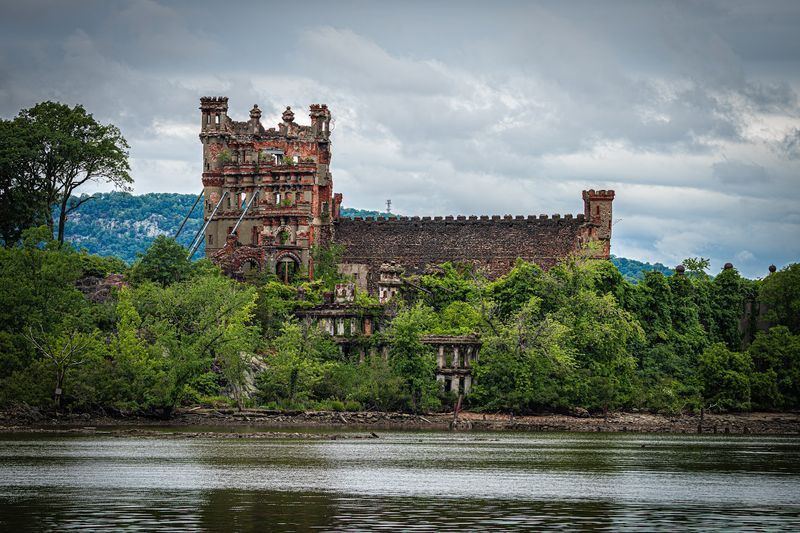
Rolling up by boat, the castle pops out from the trees so fast that your brain needs a beat to line up the pieces. Is that really an island castle sitting in the middle of the Hudson, with broken towers and a banner of sky running through the windows?
The captain eases the throttle, the wake smooths out, and the wind gets that cool edge that makes the whole river feel like it is holding a secret.
This is Pollepel Island, and Bannerman Castle sits right on top of it like a half-finished story. The arrival point is simple, but the view is not, because everywhere you look there is another jagged line of brick against water and mountain.
If you are riding from Beacon, the angle gives you the full silhouette, and it is a moment that makes New York feel older than the map in your head.
Here is the practical bit, since you asked: the official address sits on the mainland at Beacon Station along the Hudson Line, 1 Ferry Plaza, Beacon, NY, United States. From there, tour boats run you out to the island with guides who keep things grounded and safe.
Standing on deck, you hear gulls, you see ripples, and you get that small thrill that says, yes, this is going to be a different kind of afternoon.
Pollepel Island’s Weirdly Perfect Castle Setting
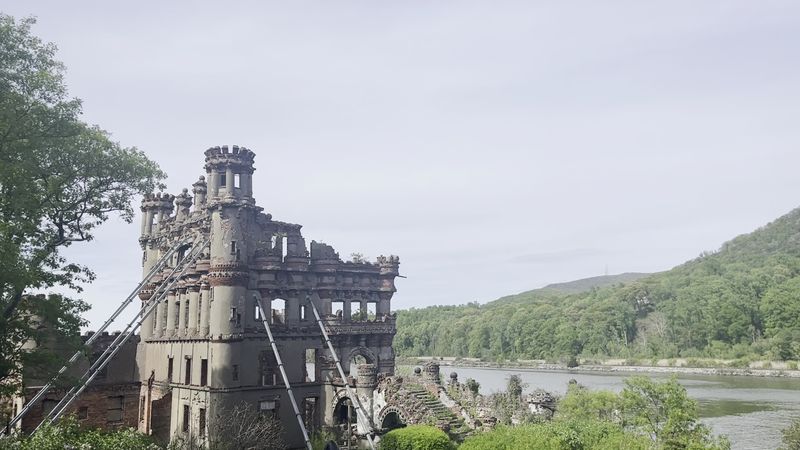
From the first step onto the dock, the island feels like it was cast for a moody scene and then never reset. Trees lean just enough to frame the ruins, and the shoreline is rocky in that classic Hudson way, where water meets stone with a slow, patient tap.
The castle walls sit at a height that makes them look theatrical from every angle, even after all the breakage.
You hear leaves, a few distant train notes from the mainland, and the soft slap of the river against the island. The Highlands rise around you like guardians, which sounds dramatic, but it really does look like the hills are keeping watch.
On a bright day, the color is crisp, and on a gray day, the ruins level up the mood and make the river feel thoughtful.
It is easy to forget you are in New York, because the island’s scale plays tricks on distance and time. A path threads up from the dock, and every turn reveals a new gap or window that lines up with sky and water.
If you are into settings that carry a vibe without trying, this is that, and it does it with just rock, brick, and trees.
The Ruins That Make The River Feel Haunted
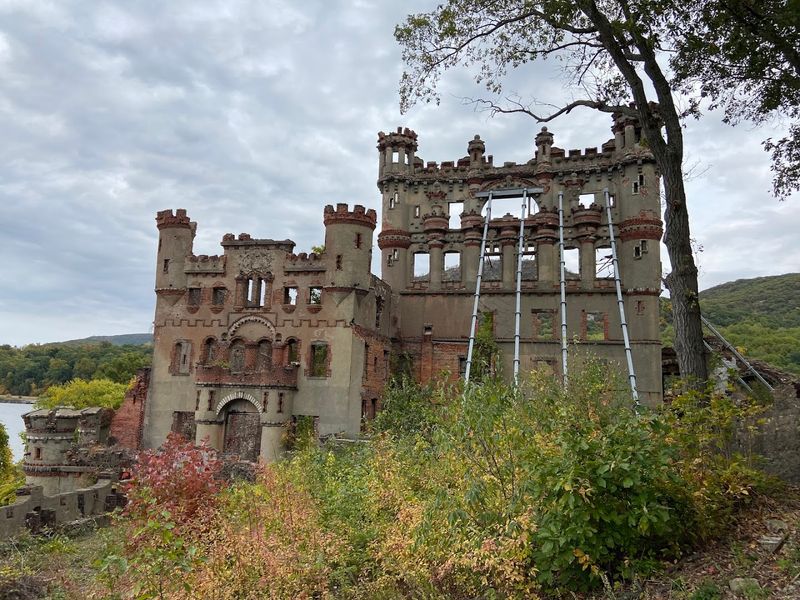
Call it haunted if you want, but it is more like the place just remembers things and does not rush to tell them. You stand under an empty arch, and the air feels cooler, even in summer, like the shade holds a small pocket of river wind.
The walls have letters ghosted across them where paint has faded, and your eyes automatically trace the outlines.
There is no jump scare energy here, just the strong sense that the building used to hum. Birds pop in and out of the openings, and vines anchor themselves to brick like they signed a lease.
You catch yourself listening for footsteps that do not come, which is funny until a branch snaps and you glance over your shoulder anyway.
The guide keeps it grounded with facts, but the mind wanders, and that is kind of the point. Looking through a window at water makes you think about barges, winter ice, and quiet nights on the river in New York when the sky is a single dark sheet.
If a place can hold a mood the way a bowl holds light, these ruins do it, and you feel it in your stomach.
Frank Bannerman’s Big, Strange Castle Plan
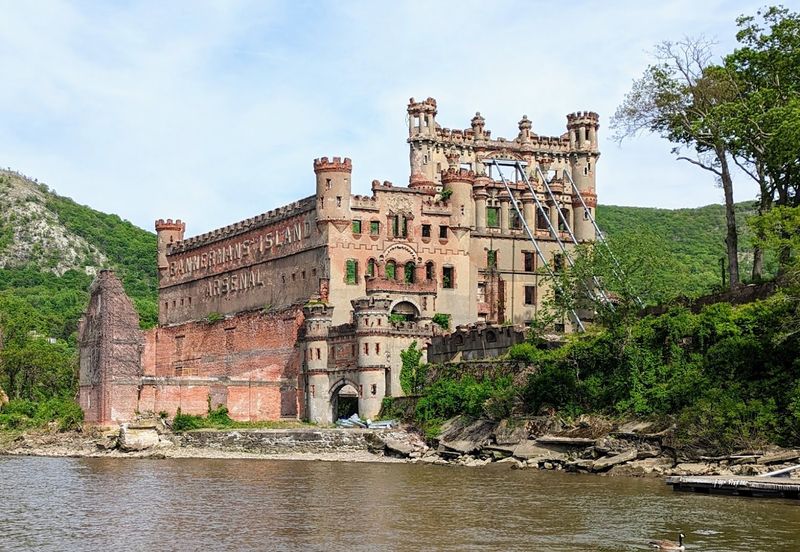
The wild part is that the castle look was not about living like royalty. It was a statement piece for a surplus empire, built to store and show off gear with a flair that reads like theater from the water.
Imagine ordering supplies, then deciding the catalog needs a backdrop that could double as a stage set, and you are in the neighborhood.
Hearing the story on the island makes it feel even bigger, because the guide points to walls that were once walls and to towers that were once taller. The plan was ambitious, and the style landed somewhere between Scottish daydream and Hudson practicality.
It is odd, but the personality makes sense when you are standing there with gulls grazing the breeze.
You can still spot decorative bits hanging on, which gives you a sense of how loud the place used to be visually. From the river, the silhouette sells the whole idea in one glance, which was probably the point all along.
New York loves a big swing, and this one landed on an island with a look that still turns heads from passing boats without saying a word.
How An Arsenal Dream Turned Into A Landmark
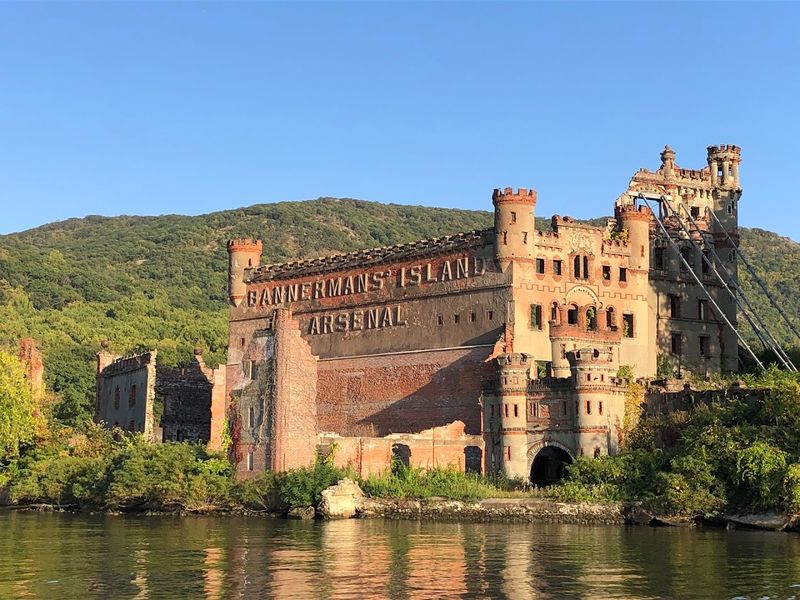
Walking past the sign, you get the quick download about how a working arsenal idea shifted into a landmark that people cross the river to see. Storage turned into symbol, and symbol turned into story, which is how a lot of places in New York end up sticking around.
It is funny how a practical project can morph into a cultural touchstone just by outlasting its own job.
The nonprofit that stewards the site keeps things structured so the island stays stable, and that quiet care shows in the pathways and gentle fencing. You are not in a museum with glass cases, but you are definitely in a place that asks for attention and respect.
The result is a visit that feels personal without being loose, which is a nice balance for a ruin in the middle of a busy river.
Landmark status always sounds formal, but here it feels like a handshake with the region. The castle sits in conversation with the Highlands, the trains, the wind, and the long flow of the Hudson that threads through New York and beyond.
Standing there, you get why it is protected, because the story still works on people the second they see those letters in brick.
The Fires And Storms That Changed Everything

Even if you show up on a calm day, the place carries the memory of rough weather and bad luck. You can read it in the missing corners and the way some walls stop mid-thought, like a sentence that lost its verbs.
Fires and storms left marks that are hard to ignore, and they also carved out the shapes that make the ruins feel cinematic now.
The guide points to a line where a collapse cut through a section, and suddenly the view opens to a slice of river framed by brick. It is a heartbreak and a gift, depending on the angle, which is a strange thing to admit while you are nodding along.
You feel the vulnerability of an exposed structure, but you also get the drama that pulls people here in the first place.
Weather on the Hudson can flip the mood in minutes, and the island wears that history on its sleeve. New York gets its share of wind and water, and this site learned the lesson the hard way.
Standing there, it is easy to respect what is still standing, because every surviving arch had to negotiate with time and come out mostly intact.
Overgrown Paths And Garden Bits Still Hanging On
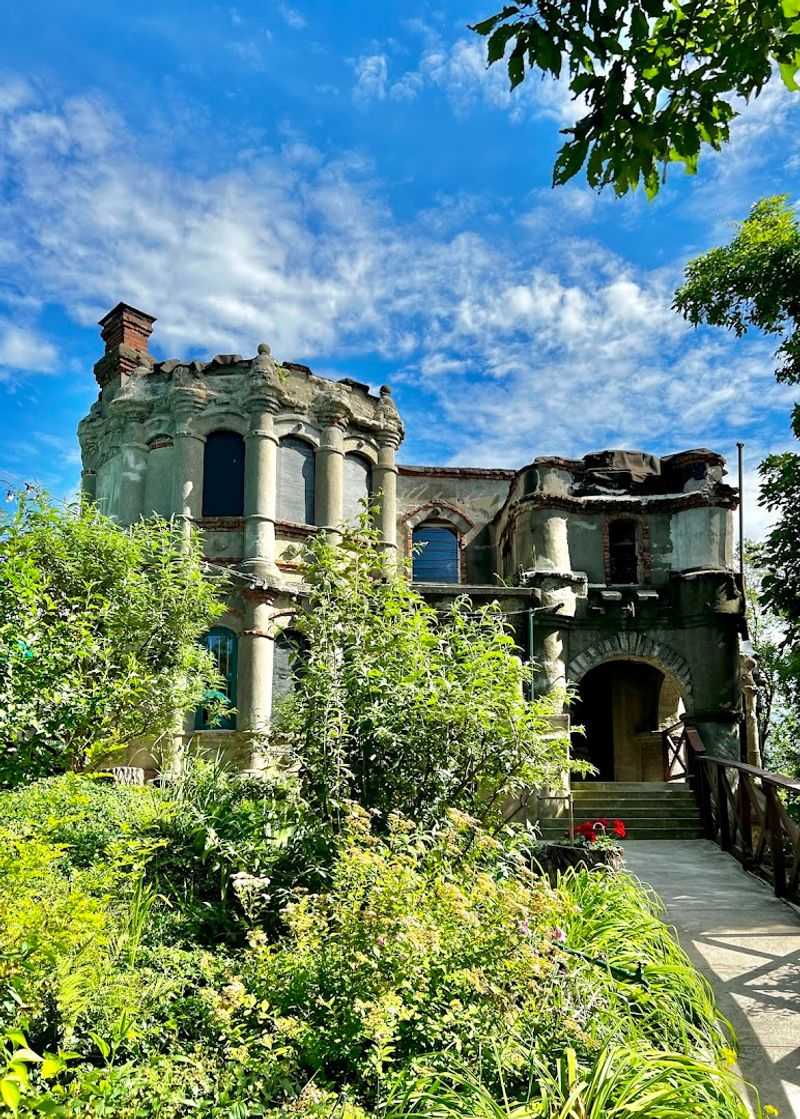
I love the small things here, like a set of stone steps with moss creeping in and a bit of metal edging that hints at old garden lines. The paths curve around brush and pop you into clearings where the castle sneaks back into view from a new angle.
It is not manicured, and that is the charm, because the island feels like it is gently reclaiming itself.
You might spot plantings that look intentional, which they were once, and now they just read as thoughtful layers under the trees. A bench sits where someone clearly wanted a pause point, and it still works, even if the wood shows its years.
These quiet corners carry a softer mood that balances the big drama of towers and arches.
It all adds to the subtle ghost feeling without going theatrical. You walk, you notice, you slow down, and the Hudson takes up more space in your ears while New York feels a little farther away.
If ruins are the headline, these garden bits are the fine print, and together they make the island feel lived in rather than staged.
What A Guided Tour Actually Shows You
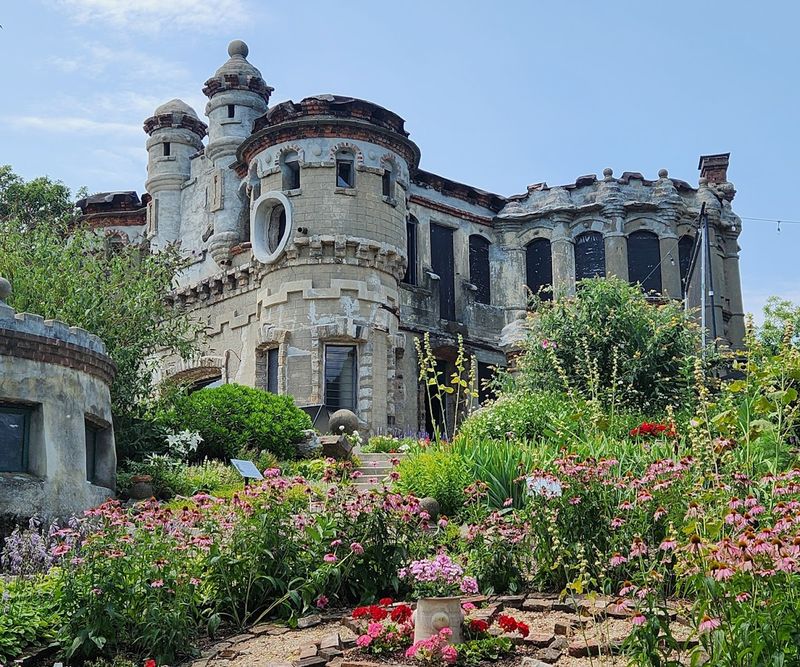
So what do you actually see on a tour, beyond the big postcard view? You get close to the main facade with the bold letters, you circle safe vantage points, and you hear stories that stitch the architecture to the river.
The route is structured, which is good, because you want rails, clear footing, and someone watching the clock so the tides and timing make sense.
Guides keep it conversational and answer the random questions you did not know you had, like why a certain window line stops where it does. You will see gardens, the residence remains, and the warehouse shell that reads like a stage from certain angles.
It is less about sneaking around ruins and more about reading the site like a book with a local pointing out the underlines.
The best part is how manageable it feels, even if ruins can be intimidating. The group size stays reasonable, and the pacing matches the terrain and the weather, which keeps stress low.
If you like New York history with a side of river air, this tour nails that balance without rushing, and you leave with a head full of details that stick.
The Best Photo Moments From The Water
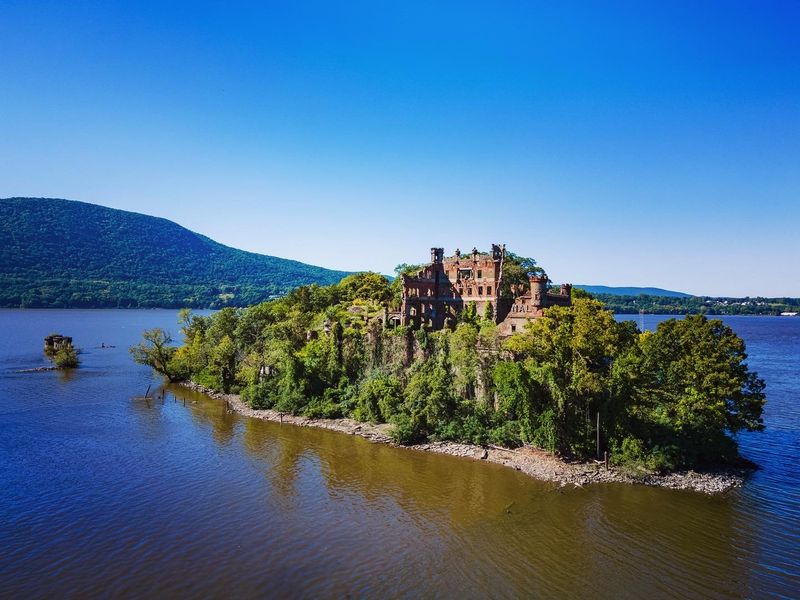
If you can swing a boat angle, do it, because the water shots are the ones that lock into memory. From the river, the castle flattens into this graphic silhouette that looks great in any light, but it really sings when the sky starts to shift.
You get clean lines, open windows, and reflections that turn into streaks if the current is moving.
Pro tip without the gear talk: stand near the rail, brace your elbows, and wait for the boat to settle between chops. The island lines up best when the Highlands tuck behind it, which gives the ruin a crisp outline against the softer hills.
Even on a cloudy day, the mood helps, because gray and brick and water make a palette that feels honest.
Snag a wide frame, then a tighter one on the letters that still read across the facade. Try one with the dock in the corner, since that small detail anchors the shot in a real visit.
New York has plenty of photogenic corners, but this one adds the hush of a river to the picture, and you can hear it later when you scroll.
Beacon Cooldown Stops After The Spooky Part
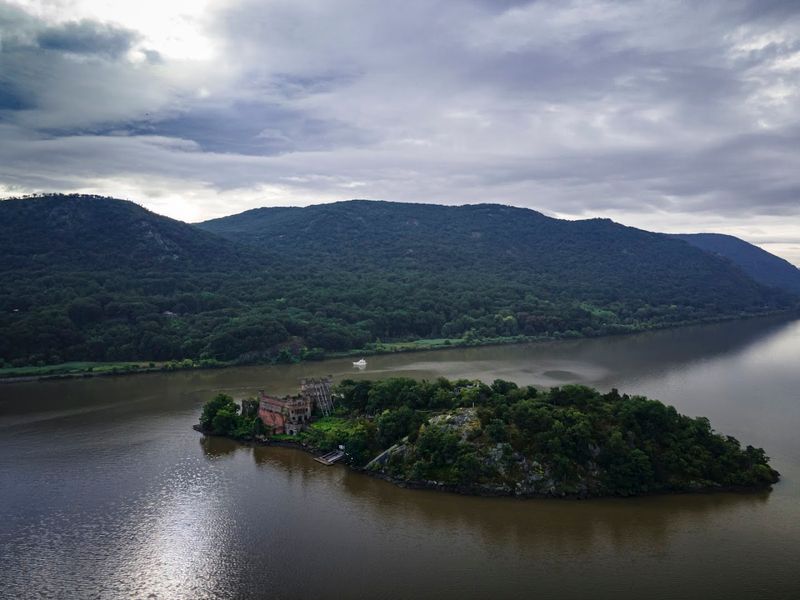
After the island, you roll back into Beacon with that satisfied brain buzz, and it is nice to slow the pace on Main Street. Window browsing is easy here, with galleries and small shops that feel personal without trying too hard.
The sidewalks are wide enough for a lazy wander, and the mountain backdrop keeps the whole scene grounded.
If you want to stretch your legs, the riverfront park near the station gives you one more look at the water that just gave you a story. Trains slide in and out, and the rhythm is oddly soothing after the island’s hush.
It is a mellow way to land the day and let the castle images cool into memory while you watch the light change.
Beacon has that blend of art and outdoors that works in this part of New York, where the Highlands set the tone. You can feel the town exhale around late afternoon, which makes the walk back to the car or train feel unhurried.
It is the right counterpoint to ruins and wind, and it sends you home with shoulders a little lower and a head full of river air.
Dear Reader: This page may contain affiliate links which may earn a commission if you click through and make a purchase. Our independent journalism is not influenced by any advertiser or commercial initiative unless it is clearly marked as sponsored content. As travel products change, please be sure to reconfirm all details and stay up to date with current events to ensure a safe and successful trip.
