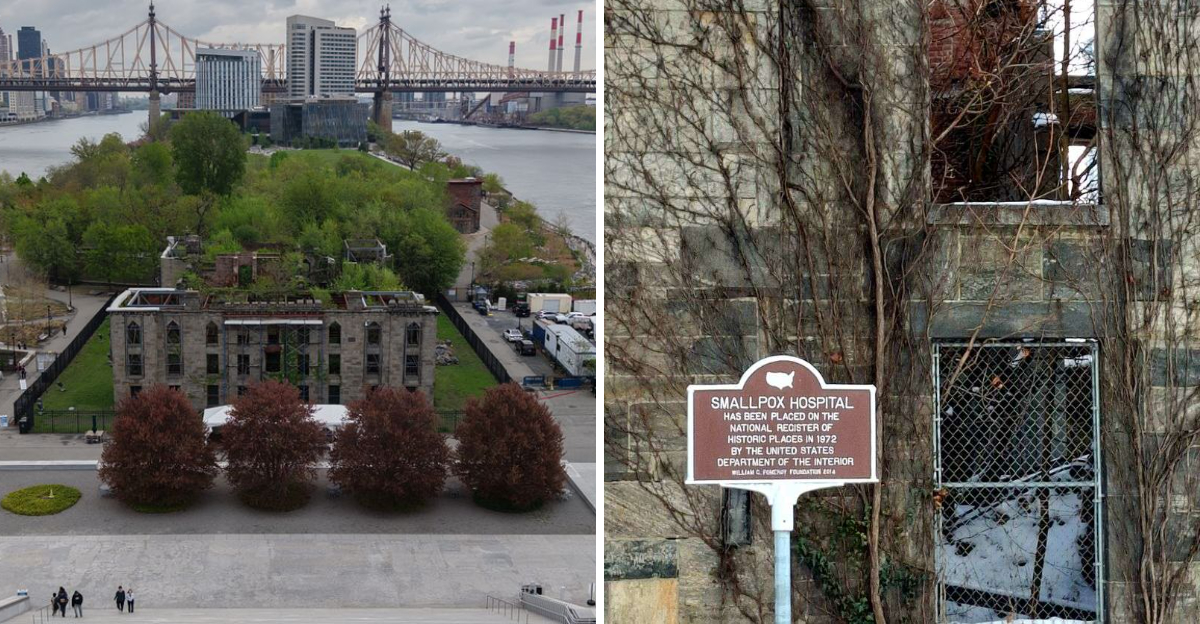
You can feel New York history shift under your feet the moment the Smallpox Memorial Hospital appears in the mist across the East River.
The Gothic Revival ruins rise like a stage set, yet every stone whispers about medicine, immigration, and hope in a city that never paused.
Visiting day or evening reveals different moods, with gulls, river light, and city hum creating a vivid soundtrack that pulls you closer.
Come curious, leave changed, and then plan your return because this place rewards slow looking and repeat wanderings.
Every visit reveals a new angle, a fresh detail, and another story worth holding onto.
A succinct origin story that sets the scene
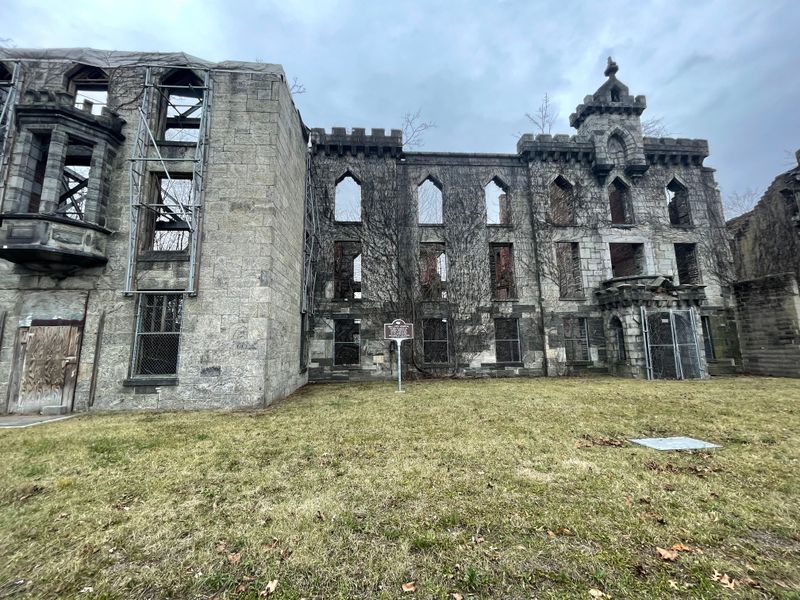
The Smallpox Memorial Hospital opened in 1856 to isolate and treat smallpox patients arriving in a rapidly growing New York City that grappled with waves of disease.
The building stood on what is now Roosevelt Island, then Blackwell’s Island, positioned to keep contagion away from dense neighborhoods while remaining reachable for urgent care.
Its mission embodied nineteenth century public health strategy and the era’s cautious optimism about medicine.
Architect James Renwick Jr designed the hospital in a Gothic Revival style that balanced function with a solemn sense of purpose.
Pointed arches, crenellations, and rugged granite gave the structure a fortress like presence that suggested both protection and order.
Those features still read clearly in the surviving facade even as time has softened sharp lines.
By the 1870s, the complex expanded into a nurses training school, reflecting the city’s need for professional caregivers.
After smallpox declined, the site’s medical role shifted and eventually ceased, and the building fell into disuse.
Decades of weather, vandalism, and neglect took their toll and turned a hospital into a haunting shell.
Official stabilization arrived in the early 2000s after collapse risk became impossible to ignore.
Engineers braced the remaining walls and added steel supports to preserve silhouette and detail while keeping visitors at a safe distance.
The ruin today is intentionally conserved rather than restored.
Seeing the structure offers a concise timeline of New York public health, immigration surges, and changing medical beliefs.
The experience feels intimate because you view the exterior closely without entering, which keeps attention on texture, proportion, and setting.
Each angle frames a different conversation between stone, river, and skyline.
Stand along the East Road path and watch light rake the granite while ferries move past like metronomes.
The past does not feel remote here because the city surrounds it with motion.
You leave understanding why this ruin invites repeat visits.
How to get there without stress
Reaching the Smallpox Memorial Hospital is straightforward and surprisingly scenic, which keeps the day relaxed from the start.
The Roosevelt Island Tram floats over the East River with postcard views that introduce the site long before you arrive.
The tram departs from 59th Street and Second Avenue in Manhattan and lands steps from quiet paths and signage.
You can also ride the F train to Roosevelt Island station and follow signs south toward the ruin.
The walk along the waterfront is flat and accessible, with benches and frequent views of Manhattan that keep momentum pleasant.
Citi Bike docks sit near the station if you prefer a gentle pedal to the southern tip.
For a breezy arrival, the NYC Ferry Astoria route stops at Roosevelt Island, and the short stroll south doubles as orientation.
The river sets a calm tone, and the skyline gives you a sliding scale of distance that makes the Gothic stone feel inevitable.
Every route leads to easy wayfinding along East Road.
When planning, check posted hours for the grounds because access aligns with park operations and seasonal daylight.
The on site landmark is signed as Smallpox Memorial Hospital, E Rd, New York, NY 10044, which you can plug into a map app.
Current hours often list Monday, Wednesday, Thursday, Friday, Saturday, and Sunday from morning to early evening, with Tuesday closure.
Arrive with comfortable shoes since you will linger while exploring angles and arches.
The terrain is paved or packed and suits a casual pace that favors observation over speed.
Patience helps because the best views reward waiting for light shifts.
If mobility is a concern, the south end paths offer ramps and smooth surfaces.
Benches are plentiful, and restrooms are available within Southpoint Park during typical park hours.
New York rewards good timing, so consider golden hour for drama.
Architecture you can read like a book
The ruin is a primer on Gothic Revival cues translated into durable island stone that still catches the light with surprising tenderness.
Pointed window openings cluster in rhythmic sets that once framed ward rooms and corridors.
Crenellations ride the roofline like a low crown, now cut to silhouette against clouds and gulls.
James Renwick Jr practiced a clear grammar here using proportion, repetition, and shadow to shape feeling.
Granite blocks create a heavy base that steadies the elevation while narrower verticals lift the eye.
Even with partial walls, the structure communicates balance and a gentle authority.
Stabilization elements add a contemporary layer that reads as scaffolding art rather than distraction.
Steel braces step back visually, letting the masonry carry the story while ensuring safety.
The combination turns time into a visible collaborator rather than an enemy.
Look closely at lintels and sills where tool marks and mortar joints remain legible.
You can trace construction choices that reveal labor patterns and the original schedule of additions.
Weathering has softened edges so surfaces glow at sunset and cool to slate at dusk.
Move slowly along the fence line and line up arches with the skyline for satisfying compositional games.
Wide windows act like viewfinders that frame Queensboro Bridge cables or midtown towers.
Photography becomes a study in layers, foreground texture, and long sightlines.
This is where architecture becomes a conversation you can enter through patience and repetition.
Return visits reveal different rhythms in rain, fog, or winter snow when contrast increases.
The building teaches you how to look, and New York rewards that lesson with shifting light.
Public health history in plain view
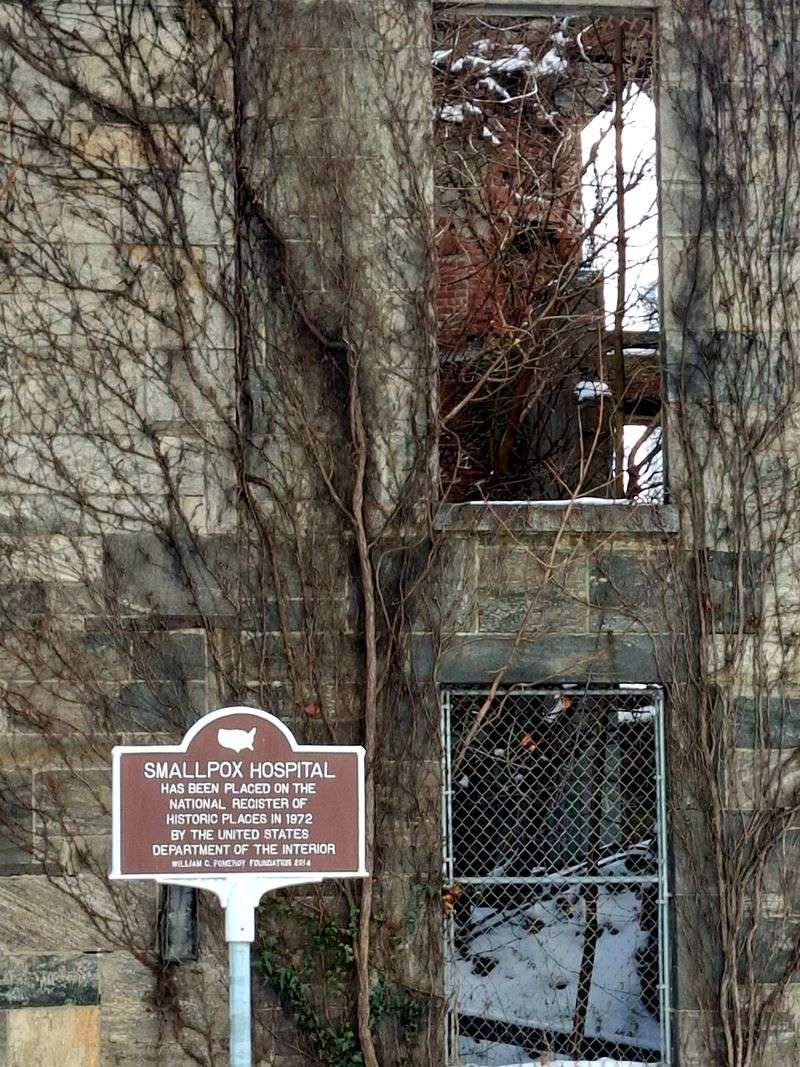
Standing here connects you to a chapter of New York public health that feels immediate, complex, and instructive.
The island setting was chosen for isolation so treatment could proceed while protecting the larger city.
That approach mirrors nineteenth century methods that balanced compassion with containment.
Smallpox once terrified port cities because ships brought both opportunity and disease.
Quarantine and vaccination programs evolved in fits and starts, with hospitals like this acting as vital buffers.
The decline of the disease a century later rewrote the purpose of the complex and the shoreline around it.
Interpretive signs and city guides frame the narrative without sensationalism, which keeps the visit grounded.
You will see dates, names, and context that tie decisions to infrastructure and policy.
The tone is factual, and the setting does the rest with stone and water.
What resonates most is how treatment shaped training, since a nursing school followed to meet rising demand.
Professional education took root on the island, and you can sense that legacy in every window bay.
It reads as a foothold for modern care in New York and beyond.
Think of the ruin as a reminder that public health needs room, resources, and trust.
The design signaled seriousness, and the location underlined responsibility to the wider population.
That message lands differently during recent years when health systems faced new tests across New York State.
Return visits help connect lessons to present conversations about access, prevention, and resilience.
Each season reframes the story as trees leaf out or shed, and as river traffic shifts with schedules.
The ruin becomes a touchstone for how cities learn and adapt together.
Where to stand for the best views
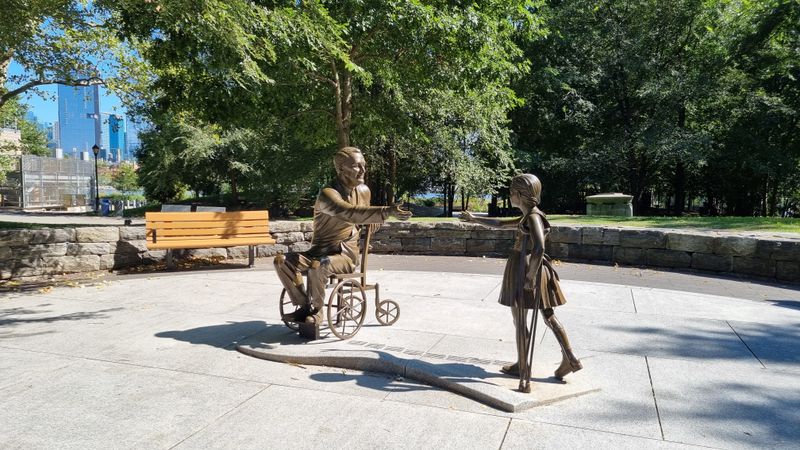
Great views come from small adjustments, and the south end paths reward a little wandering with big payoffs.
Start near the fence line and angle yourself so window openings align with the Queensboro Bridge for a dramatic frame.
That composition captures stone, steel, and water in a single glance.
Walk slightly north and you will find benches that sit at a perfect distance for contemplating detail.
The light here slides across granite and turns gray to honey near sunset.
Even overcast afternoons work because diffuse light brings out tool marks and subtle joint lines.
Step toward the river to place the facade against open sky, which gives outlines more clarity.
On still days, reflections shimmer in the channel and exaggerate verticals for a quiet mirror effect.
The result feels serene despite proximity to Manhattan energy.
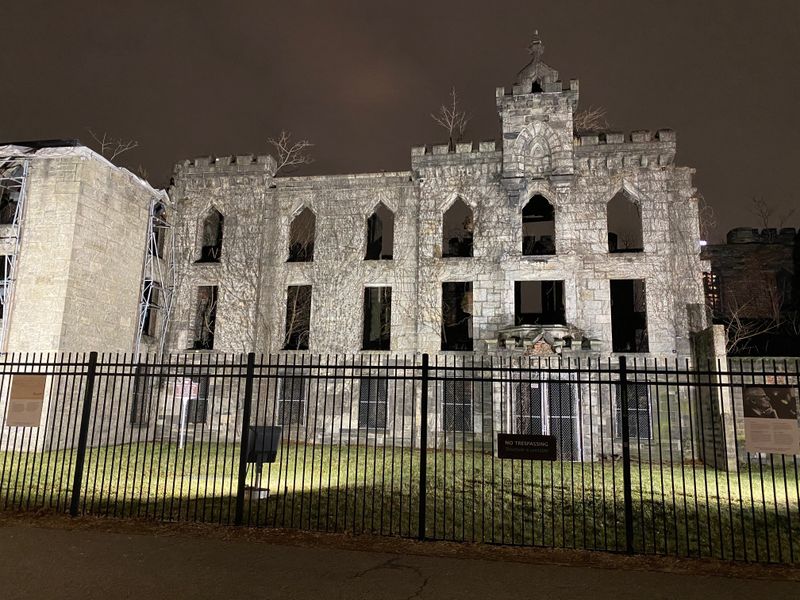
For nightfall, return as park lights rise and the skyline wakes with reflection on the water.
The ruin reads darker and more sculptural, with braces glinting like quiet jewelry.
Long exposures will reward tripod users and steady hands.
If privacy helps you focus, weekday mornings are calm except for joggers and ferry horns.
Weekends bring more cameras, so patience yields moments without people in frame.
New York tourism ebbs and flows, and timing beats luck most days.
Revisit in winter when bare trees open additional sightlines and shadows extend.
Spring adds blossoms that soften stone while summer haze warms the palette to silver blue.
Autumn supplies contrast that pops crenellations against crisp air.
Respectful access and current hours
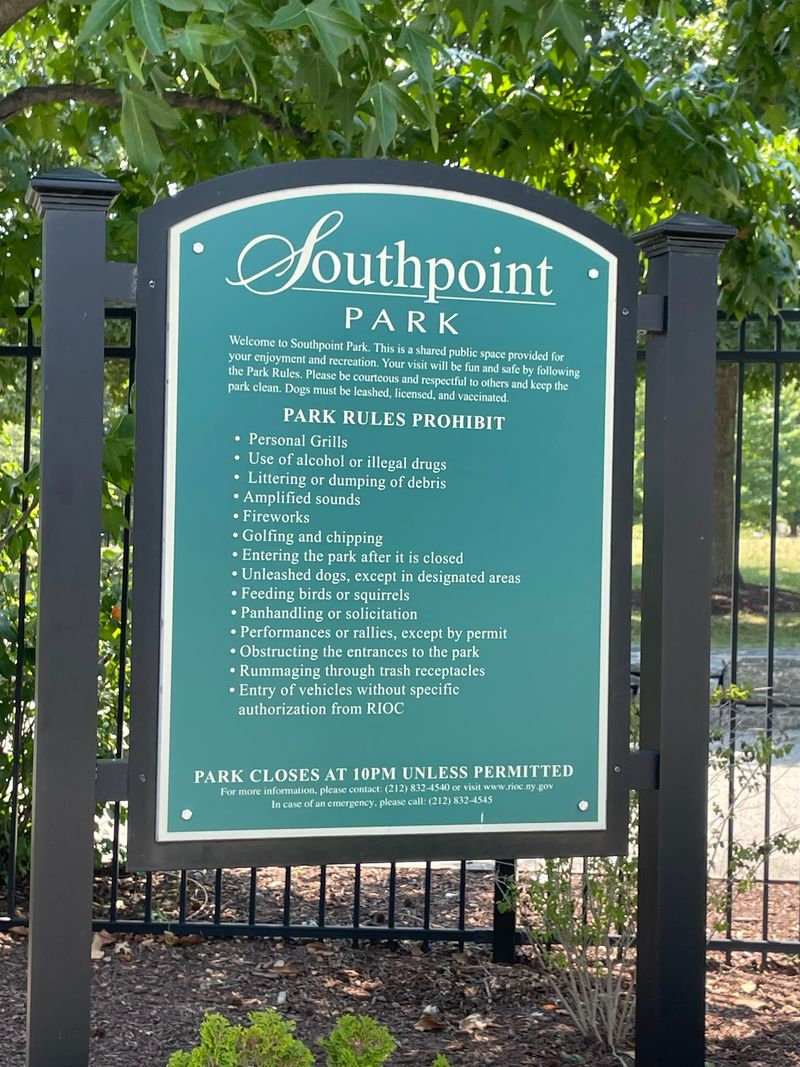
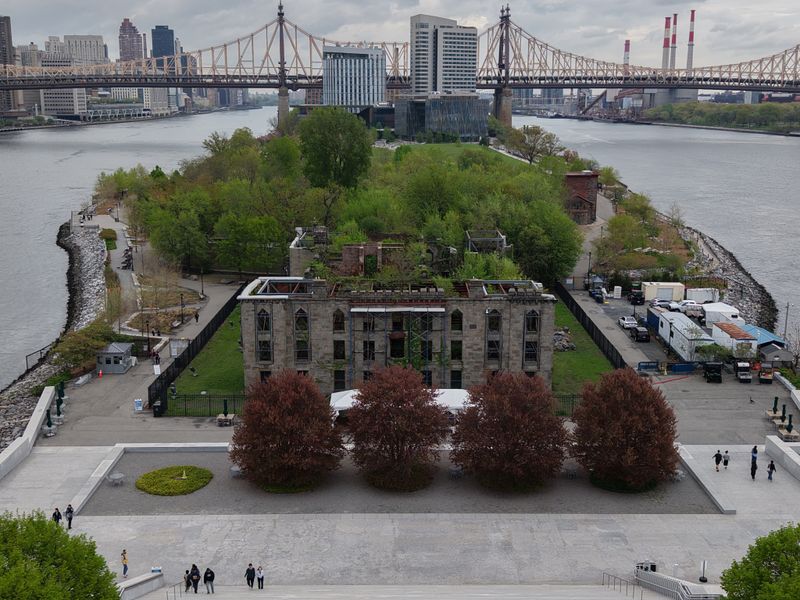
The Smallpox Memorial Hospital is visible from the outside only, with a protective fence that keeps the structure stable and visitors safe.
This boundary preserves masonry while letting you study form, texture, and context at a close but careful distance.
The approach feels open yet measured, which suits the site perfectly.
Hours for the surrounding grounds generally align with posted park times, which most days run morning to evening.
Current listings show Monday, Wednesday, Thursday, Friday, Saturday, and Sunday operating from 9 AM to 7 PM, with Tuesday closed.
Always check the official site at theruin dot org or Roosevelt Island resources for the latest updates.
Entering the building is not permitted, and that rule is strictly enforced for preservation and safety.
Tripods are usually allowed outdoors while respecting other visitors and park guidelines.
Drones require permits and should be avoided unless you have clear authorization.
The landmark is identified as Smallpox Memorial Hospital, E Rd, New York, NY 10044, and sits within Southpoint Park at the island’s southern reach.
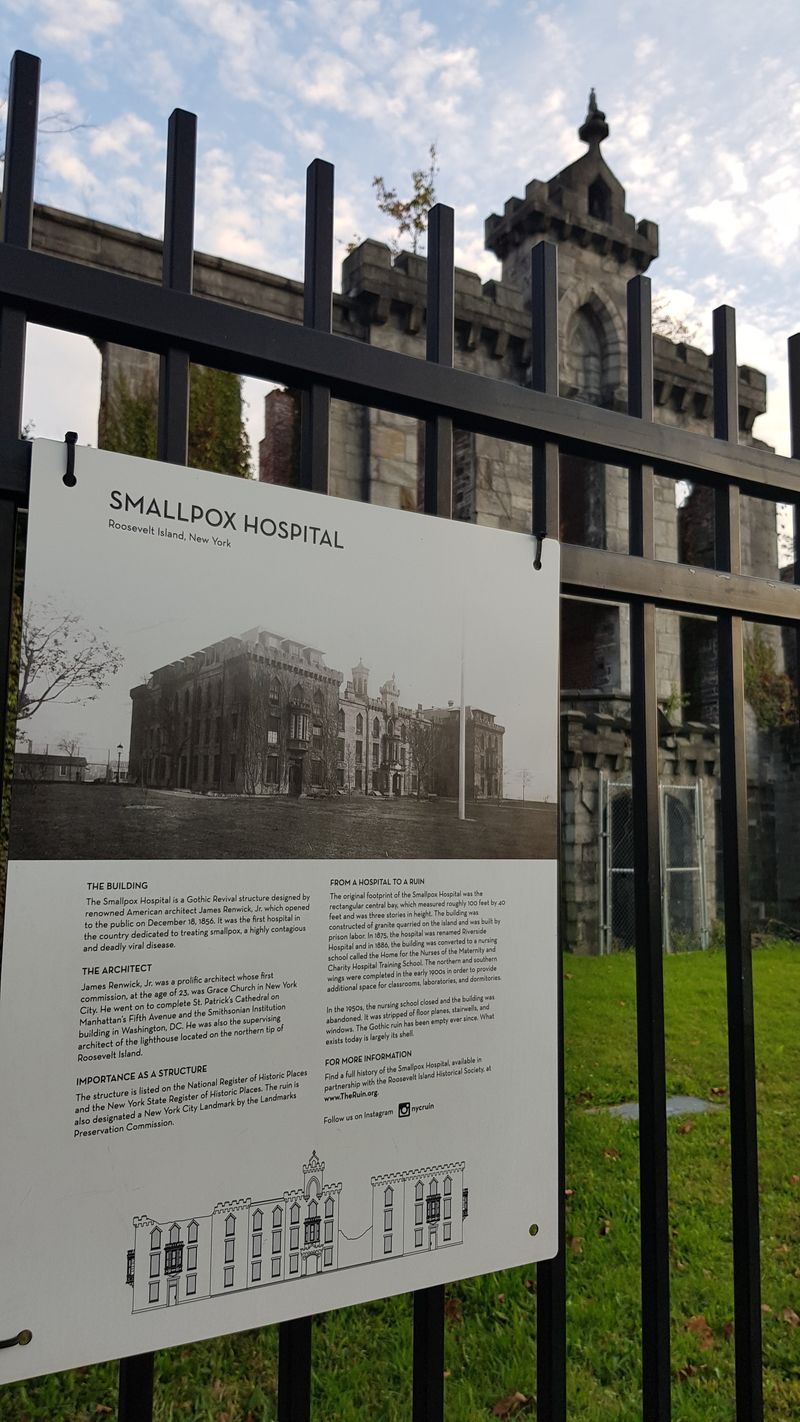
Signage on site explains the structure and stabilization approach in concise language.
Rangers and ambassadors occasionally staff nearby areas with friendly guidance.
Evening visits feel secure due to lighting and steady foot traffic, though common sense remains useful.
Stay on paved paths and mind edges near the water during wet or icy weather.
New York winters can be brisk, so layers keep exploration comfortable.
Return visits are easy to fold into city days thanks to tram frequency and straightforward transfers.
The site complements nearby island walks, the Franklin D Roosevelt Four Freedoms State Park, and the lighthouse at the north end.
The rhythm of access supports short, thoughtful visits that add up over time.
What the stabilization actually means
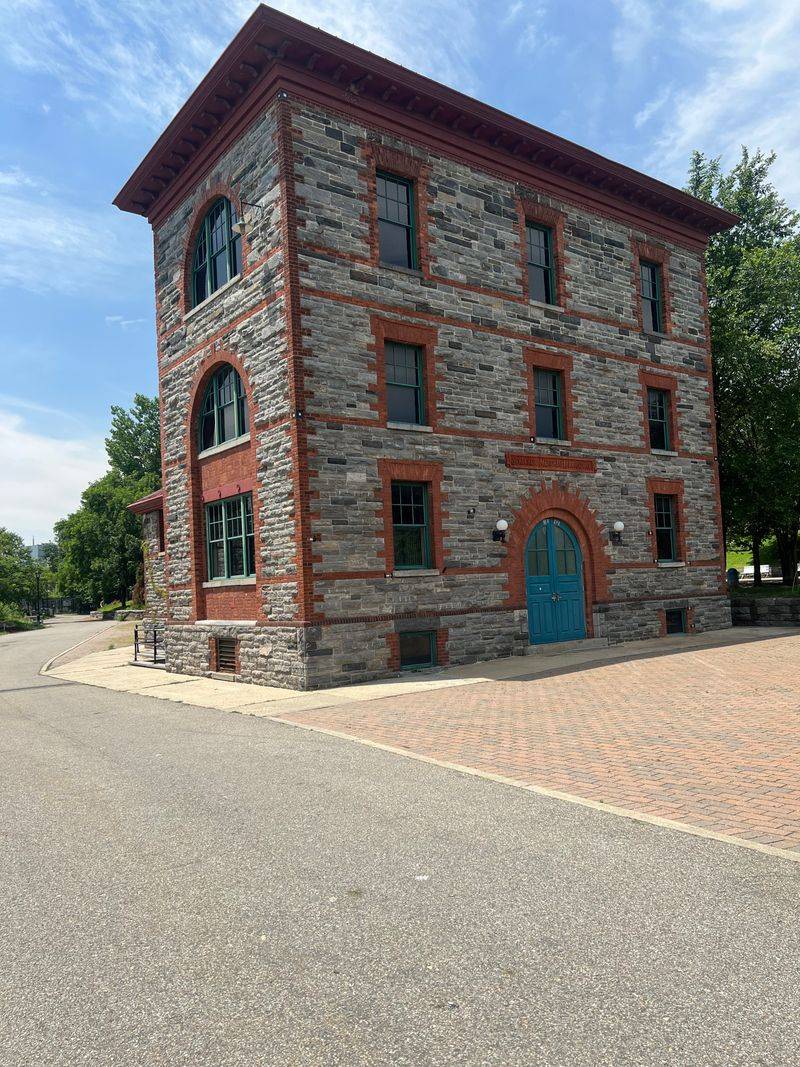
Stabilization turned a crumbling relic into a safely visitable ruin that still reads as architecture rather than debris.
Engineers mapped cracks, measured lean, and modeled loads to decide where to add bracing.
The goal was to keep as much original stone visible as possible while preventing further collapse.
Steel frames now buttress key walls and discreet ties stitch corners that once drifted apart.
These elements step back in color and finish so the granite remains the protagonist.
You can see joinery and anchor points if you look along corners and under window heads.
Preservation teams chose a reversible approach so future experts could refine or remove components without damage.
That choice respects both authenticity and evolving standards in conservation practice.
The result blends caution with confidence and keeps the site legible for study.
Rain and freeze thaw cycles continue to work on the stone, so monitoring happens across seasons.
Sensors and surveys check movement and inform maintenance that targets small issues early.
This quiet work is why the silhouette still holds its crisp outline against the river.
The strategy aligns with how New York State stewards sensitive sites that balance access and safety.
It acknowledges public curiosity while maintaining standards that meet modern codes.
Visitors benefit from close viewing that would be impossible without that investment.
Next time you come back, try tracing brace lines to understand how forces travel.
Watch how shadows from the steel change through the day and highlight texture differently.
The engineering becomes part of the experience, and learning it deepens appreciation.
Neighboring parks and quiet corners
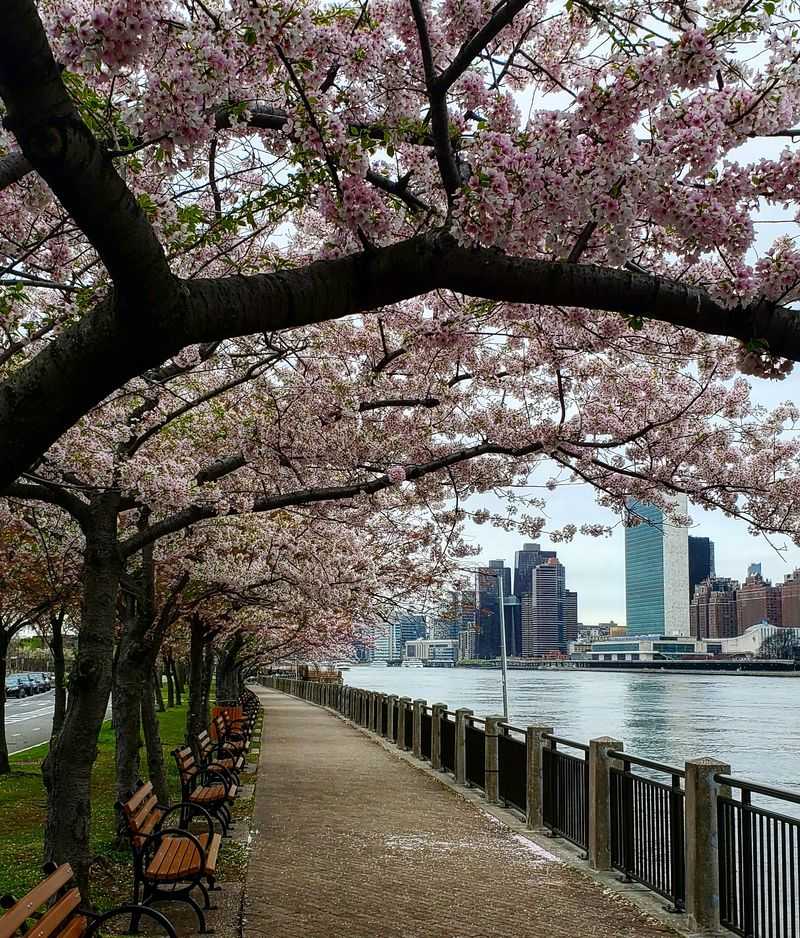
The ruin anchors a chain of green spaces that make lingering easy and restorative.
Southpoint Park surrounds the site with lawns, native plantings, and sinuous paths that slow your pace.
Benches face the river and offer sightlines that change with each step.
Steps farther south sits Franklin D Roosevelt Four Freedoms State Park, 1 FDR Four Freedoms Park, New York, NY 10044, which frames the skyline with minimalist geometry.
The allee leads to a calm room that opens to endless water and light.
The contrast between stripped modern lines and the Gothic ruin enriches both places.
Head north for a wider island walk that catches breezes and gives you fresh angles back to the site.
The route stays simple so you can follow curiosity without losing the thread.
You will find pockets of shade and sunny decks that suit every kind of day.
Mornings feel meditative with joggers and dog walkers setting a gentle rhythm around the lawn.
Midday adds families and picnics that animate the park without crowding the paths.
Evenings invite photographers and sketchers who quietly share space near the fence.
Bring a book, a notebook, or a camera and let time stretch in small increments.
The environment invites unhurried attention that pairs well with the ruin’s measured presence.
New York proves generous here by offering calm inside the rush.
Return visits let you build a personal map of favorite benches and sightlines.
You will begin to notice how wind, tide, and light adjust the mood across hours.
That awareness becomes part of why this oddity feels worth seeing more than once.
Legends, whispers, and what is known
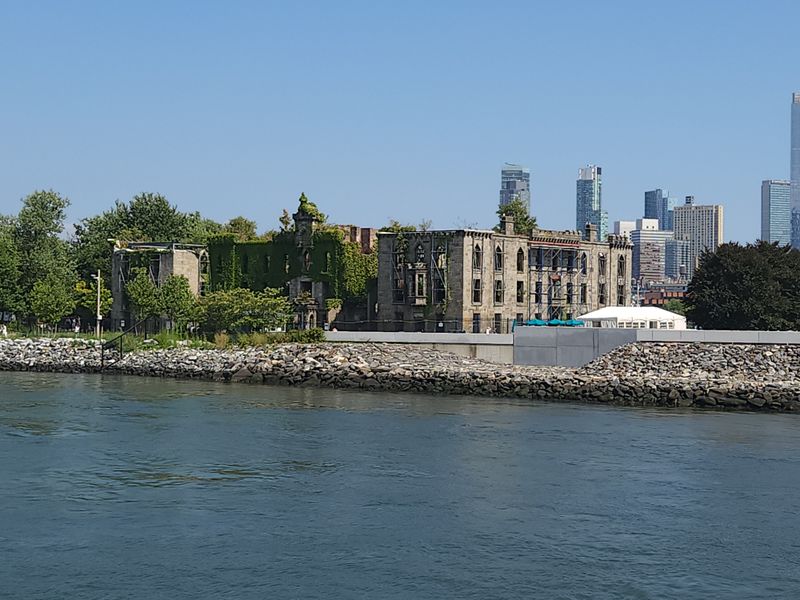
Stories swirl around the ruin because empty windows invite imagination, and the river adds a hush that amplifies atmosphere.
Local lore describes nighttime whispers or shadowy figures moving across arches, which visitors sometimes repeat with a smile.
These are rumors, not documented facts, and staff discourage trespassing for any ghost hunt.
What is known is more interesting and grounded in records, including construction dates, staffing, and changes over time.
Newspaper archives trace outbreaks, training milestones, and budgets that shaped operations.
City preservation files detail stabilization phases and the engineering logic behind them.
Volunteer guides and island historians share accounts that bridge memory and documentation.
They may recall earlier conditions before bracing when collapse risk felt imminent.
Their recollections help explain why the current fence line and supports matter.
Even without legends, twilight adds drama that needs no embellishment.
The skyline throws reflections that flicker in broken windows like gentle signals.
Ferries hum by and provide a steady soundtrack that keeps nerves grounded.
Returning after dark on open days reveals how lighting strategies shape mood while prioritizing safety.
The structure becomes sculptural, and steel glints mark careful intervention.
It reads as respectful rather than theatrical, which suits the site’s story.
Invite curiosity but keep feet on paths, and the experience will stay enriching rather than risky.
A calm walk with attention to detail will deliver plenty to talk about later.
New York has enough real history here to fill many visits without borrowing from myth.
Planning a mindful visit with extras nearby
A thoughtful plan keeps this visit light, flexible, and open to serendipity that New York loves to provide.
Check the Roosevelt Island Tram schedule and F train service notices so arrivals stay simple.
Bring water, a charged phone, and a small camera or sketchbook to record impressions.
Pair the ruin with Franklin D Roosevelt Four Freedoms State Park, 1 FDR Four Freedoms Park, New York, NY 10044, where calm geometry resets your senses.
The two sites complement each other and round out an afternoon without rushing.
Benches, shade, and clear signage make transitions easy for all ages.
Consider timing your walk for golden hour when stone warms and shadows stretch toward the river.
Sunset colors behind Midtown turn windows into luminous shapes that feel cinematic.
Night photography can work from paths if you bring a small tripod.
If you want a quiet sit, the lawns near the fence offer respite with breezes and gull calls.
Read interpretive signs and then look again at the facade because context sharpens every detail.
You will notice something new each time, from mortar textures to brace geometry.
New York State weather changes quickly so pack a layer and a pocket umbrella.
Shoes with reliable grip help along wet edges after rain or snow.
Respect the fence and the hours, and the visit will flow smoothly.
End with a slow ride back on the tram where the ruin fades into the island’s green and gray.
The view helps you process what you saw and plan a return.
Repeat visits become a tradition that keeps this forgotten oddity alive in memory.
Dear Reader: This page may contain affiliate links which may earn a commission if you click through and make a purchase. Our independent journalism is not influenced by any advertiser or commercial initiative unless it is clearly marked as sponsored content. As travel products change, please be sure to reconfirm all details and stay up to date with current events to ensure a safe and successful trip.
