National Geographic does not hand out praise like candy. So when they call a place a find, people should probably pay attention.
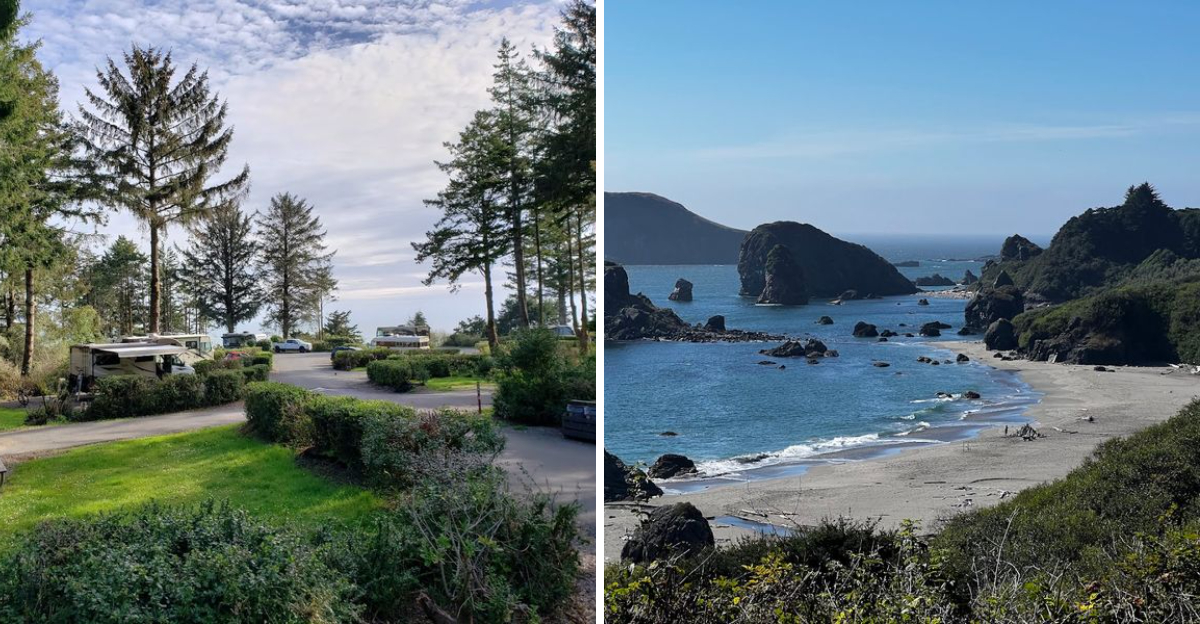
Oregon has a spot along the south coast that has somehow stayed under the radar despite its obvious beauty. Huge rock formations rise from the water like sleeping giants covered in moss and birds.
The beach stretches wide and sandy, perfect for long walks without dodging flying frisbees every five seconds. Tide pools hide starfish and anemones in every color, a little ocean aquarium at your feet.
The campground sits tucked among trees, offering sites that feel private instead of packed together. Sunsets here turn the sky shades of pink and orange that do not seem real.
The whole area has zero hype and even fewer crowds. That is exactly how the locals want to keep it.
The Rock Formations That Make Every Photo Look Unreal
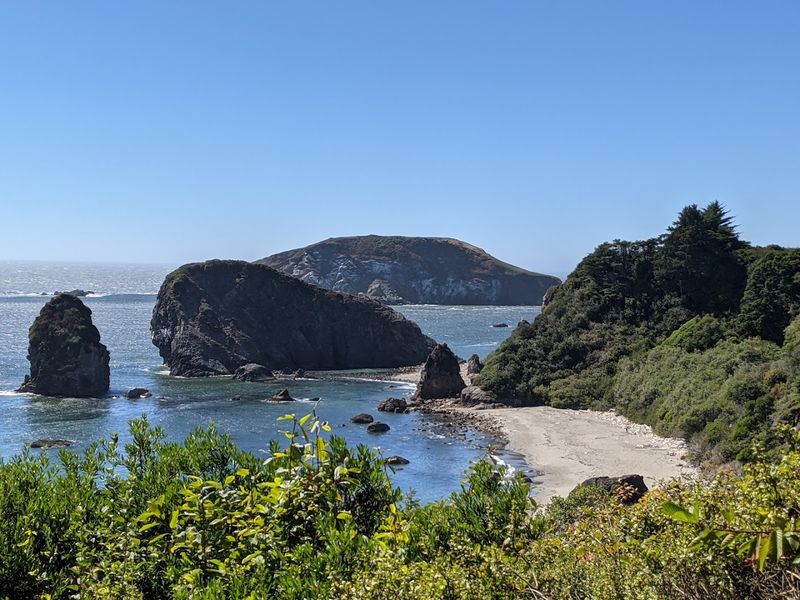
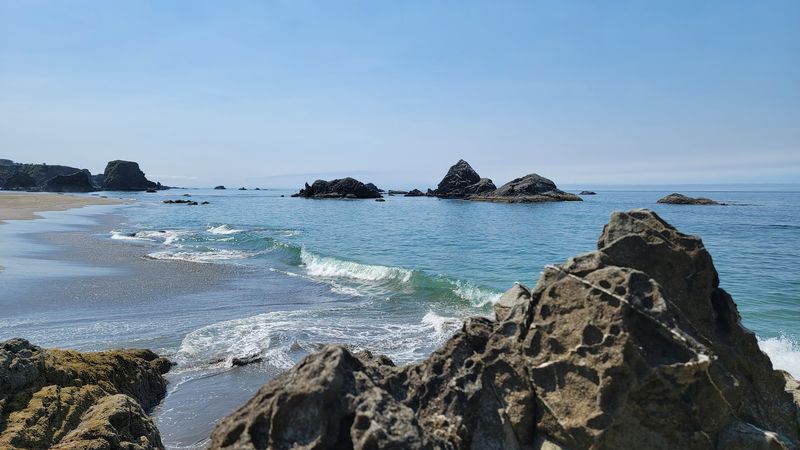
Standing on the sand at Harris Beach, the first thing that grabs you is the rocks. They rise straight out of the water like ancient towers.
Some are covered in moss, others streaked white by seabirds.
Bird Rock, the largest offshore island in Oregon, sits right here. It is a protected seabird nesting site.
Tufted puffins, pigeon guillemots, and black oystercatchers all call it home.
The formations create natural frames for photographs. Point your camera in almost any direction and something dramatic fills the shot.
Even on overcast days, the moody sky adds to the scene.
At low tide, the rocks reveal hidden pools between them. Hermit crabs, sea anemones, and purple urchins tuck into crevices.
It feels like discovering a miniature ocean world.
The scale of everything here is hard to describe. The rocks make you feel small in the best possible way.
They remind you that the coast has been doing its thing long before any of us arrived.
Tidal Pools Full of Surprises at Low Tide
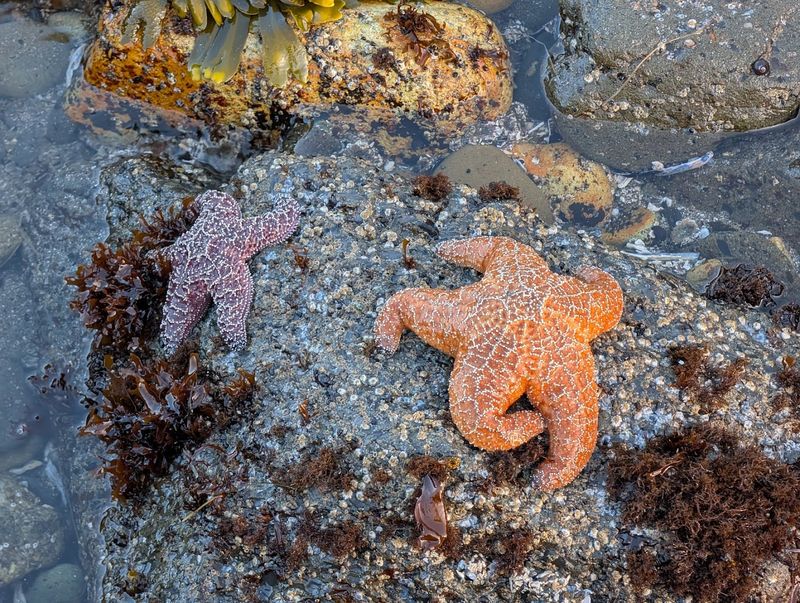
Low tide at Harris Beach is basically nature putting on a free show. The water pulls back and leaves behind little worlds trapped in rocky bowls.
Starfish sprawl across the bottom in shades of orange and purple.
Kids go absolutely wild here. Adults do too, honestly.
There is something magnetic about crouching down and spotting a tiny crab darting under a rock.
The best time to visit the pools is about an hour before low tide. That gives you time to explore without rushing.
Checking a tide chart before you go makes a real difference.
Sea anemones open their feathery arms in the water. Touch one gently and it closes instantly.
It is one of those small moments that stays with you longer than you expect.
The park asks visitors to look but not disturb. No collecting, no moving rocks.
The ecosystem here is fragile and worth protecting. Respecting those rules keeps the pools thriving for every future visitor who crouches down with wide eyes.
Camping Under the Trees With Ocean Air All Night
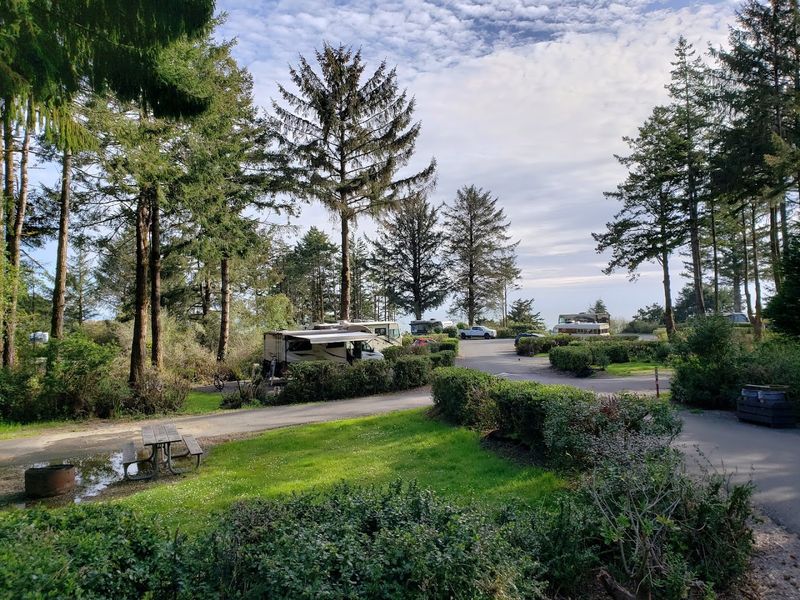
Waking up at Harris Beach campground with salt air drifting through the tent is a hard feeling to beat. The sites here are tucked into thick hedges and vegetation.
Privacy is surprisingly good for a state park campground.
Full hookup sites, water and electric options, and rustic tent spots are all available. The bathhouses are heated and well maintained.
That matters a lot when coastal mornings dip into the 30s.
Fire rings at each site make evenings feel complete. Stacking wood, watching the flames, hearing the distant surf, it all adds up.
The campground has a playground too, which keeps younger campers happy.
Yurt rentals are available for those who want shelter without hauling gear. Each yurt has a bunk bed, a futon, a heater, and a skylight.
Staying in one during a rainy coastal night is genuinely memorable.
The campground sits about a 15-minute walk from downtown Brookings. That means coffee, supplies, and a hot meal are never far away.
It is a rare combination of wild and convenient.
The Trails That Wind Through Berry Bushes and Big Views
The trail down to the beach starts paved and green. Berry bushes crowd both sides of the path.
The smell of the vegetation is rich and earthy, almost sweet in the warmer months.
Then the path shifts. Pavement gives way to packed dirt, roots, and smooth stones.
The foliage thickens before suddenly opening up to a wide driftwood-covered beach. That reveal never gets old.
The descent has a noticeable incline. It is manageable for most fitness levels but worth knowing before you head down.
The climb back up gets your heart going in a good way.
Dog-friendly trails run through the park. Leashed pets are welcome on most paths.
Bringing a dog here makes every stop feel like a shared adventure.
For hikers wanting more, the California Redwoods are about a 20-minute drive south. The contrast between coastal scrub and ancient towering trees is remarkable.
Pairing both in one trip gives you two completely different landscapes in a single afternoon.
Sunsets That Stop You Mid-Sentence
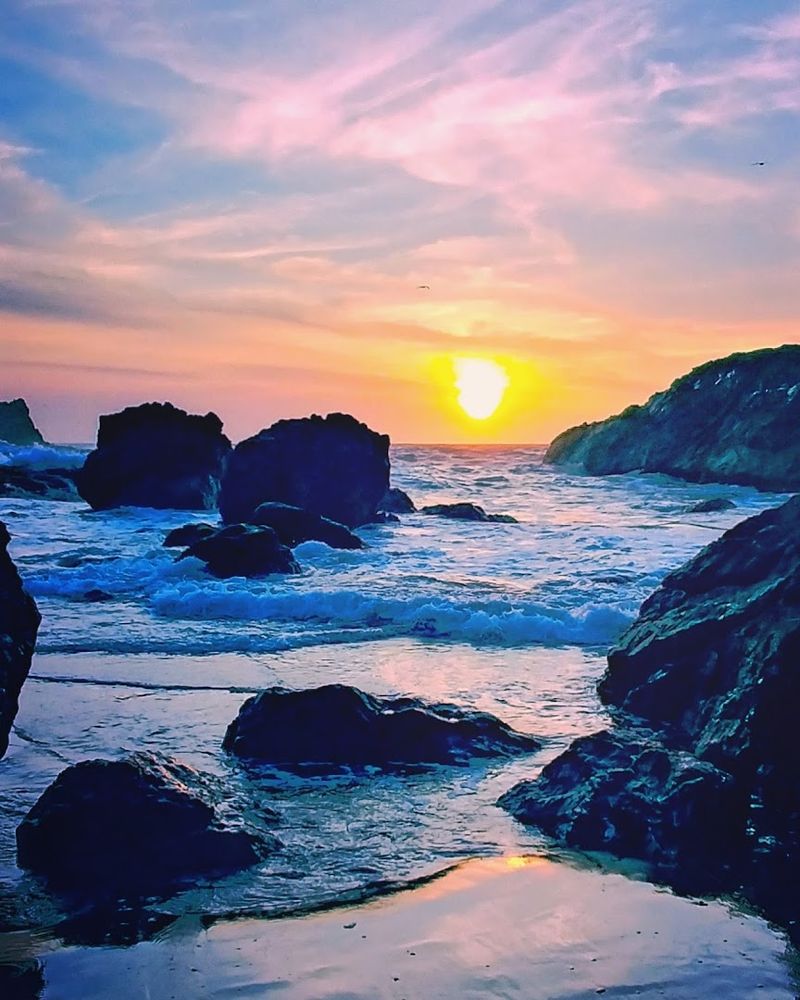
There is a moment at Harris Beach just before the sun touches the water. Everything goes golden.
The rocks turn dark against the glowing sky and the whole scene looks almost painted.
People naturally drift to the beach around sunset. It gets a little busier then, but the atmosphere is calm and communal.
Strangers stand quietly next to each other, all watching the same thing.
The offshore rocks add drama that flat beaches simply cannot match. The silhouettes stack against the fading light in layers.
Each evening looks slightly different depending on the clouds and the tide.
Photographers set up tripods along the shoreline. Families sit on driftwood logs.
Some people just stand at the water’s edge with their shoes off, letting the moment sink in.
Visiting on a clear evening in late summer gives you the longest light. The colors linger well after the sun disappears.
Even after the sky fades to gray, the sound of the waves makes it hard to walk back to camp.
Driftwood, Kelp, and the Wild Character of the Beach Itself
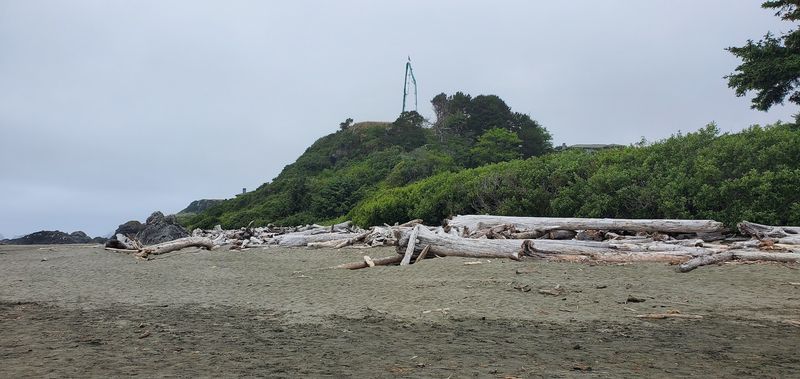
Harris Beach has texture. Massive driftwood logs line the upper shore, hauled in by winter storms from rivers miles away.
Families build forts from them. Kids climb them like jungle gyms.
The beach is wide and sandy in the middle sections. Near the rocks, the sand gives way to smooth pebbles and shell fragments.
Walking barefoot here is a full sensory experience.
Kelp and sea detritus mark the tide line. It smells like the deep ocean, raw and a little wild.
That organic messiness is part of what makes the beach feel real rather than manicured.
A small creek crosses the sand and drains to the sea near one end of the beach. It is shallow and easy to step over.
Children seem to find it endlessly entertaining.
The beach changes noticeably between visits. Storm seasons shift the driftwood, reshape the sand, and rearrange the kelp lines.
Coming back at different times of year means you are never quite seeing the same beach twice.
Brookings, Oregon: The Town That Backs It All Up
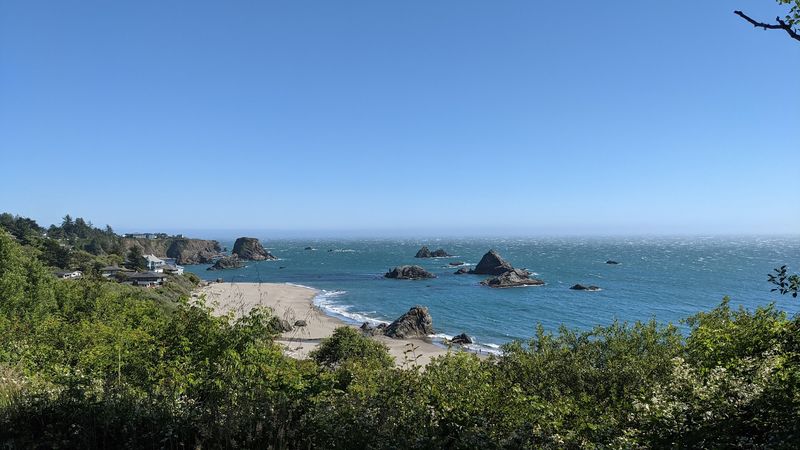
Brookings does not try too hard. That is honestly part of its appeal.
The town sits just minutes from Harris Beach and has a warm, lived-in quality that bigger coastal towns have lost.
Local shops and cafes line the main streets. Supplies are easy to find if you forget something at camp.
The town feels self-sufficient without being busy or overwhelming.
Brookings sits in what locals call the Banana Belt of Oregon. The area gets more sunshine than most of the coast.
Mild temperatures make it comfortable to visit outside of peak summer months.
Nearby Azalea Park blooms brilliantly in spring. It is a short drive from Harris Beach and worth the detour.
The contrast between the coastal park and the flowering inland park is a nice change of pace.
The community here is friendly in a genuine way. People wave at strangers.
Shop owners remember returning visitors. It is the kind of small-town warmth that makes you slow down and actually enjoy being somewhere new.
Birdwatching at One of Oregon’s Most Productive Coastal Spots
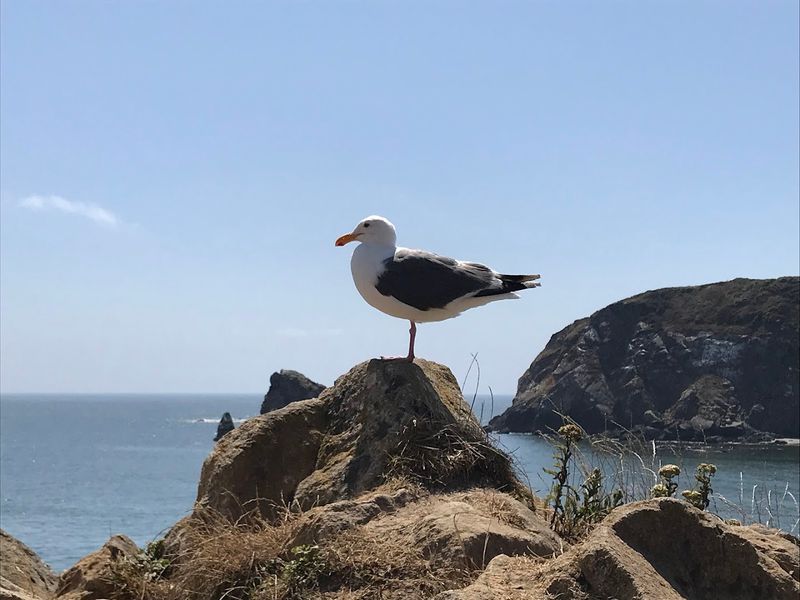
Bird Rock at Harris Beach is not just scenic backdrop. It is one of Oregon’s most important seabird nesting sites.
The island is protected, but you can observe from the shore with binoculars.
Tufted puffins are the star attraction for many visitors. Their bright orange beaks and white face markings make them instantly recognizable.
Spotting one bobbing offshore feels like a small victory.
Pigeon guillemots, black oystercatchers, and Brandt’s cormorants also nest in the area. The shorebird diversity here is genuinely impressive.
Serious birders make dedicated trips to Harris Beach during nesting season.
Early morning is the most active time. Birds move constantly between the rocks and the open water.
Bring a pair of binoculars and give yourself at least an hour to watch.
Even casual visitors notice the birdlife here. Pelicans glide in formation along the surf line.
Herons stand motionless in the shallows. The whole coast feels animated by wings, which gives the park a living, breathing energy that goes beyond just scenery.
Why National Geographic Took Notice of This Corner of Oregon
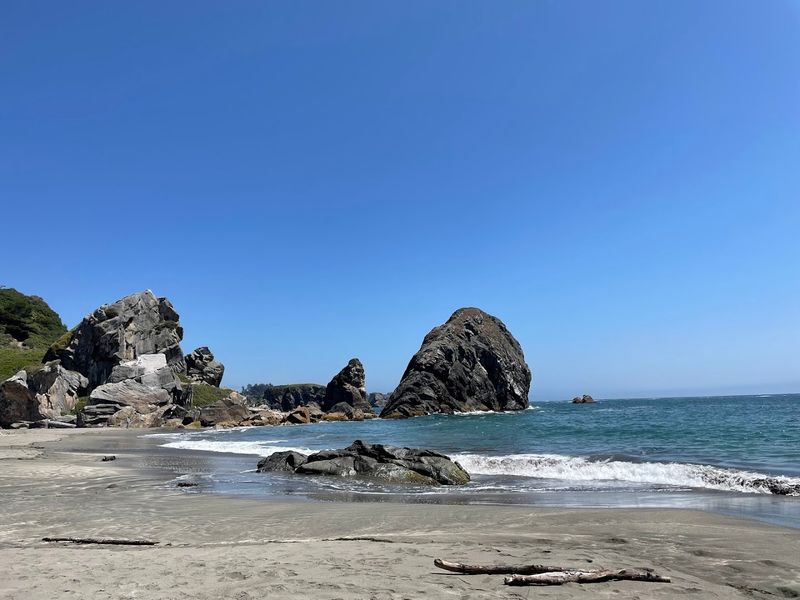
The southern Oregon coast does not always get the same attention as the central coast. That has kept places like Harris Beach wonderfully under the radar.
National Geographic’s recognition changed that conversation a little.
What makes this stretch of coast stand out is the combination. You get dramatic geology, rich wildlife, accessible trails, and a charming nearby town all in one compact area.
That density of experience is rare.
The park earned a 4.8-star rating across thousands of visitor reviews. That kind of consistency speaks to something real.
Rangers keep the grounds clean and well maintained, and it shows.
The seascape here is genuinely unique. Nowhere else on the Oregon coast stacks sea stacks, tidal pools, driftwood beaches, and forested bluffs quite like this.
Each element reinforces the others.
Recognition from a publication like National Geographic brings more eyes to the park. The hope, shared by locals and regulars alike, is that new visitors treat it with the same care that has kept it beautiful.
This place is worth preserving.
Planning Your Visit: What to Know Before You Go
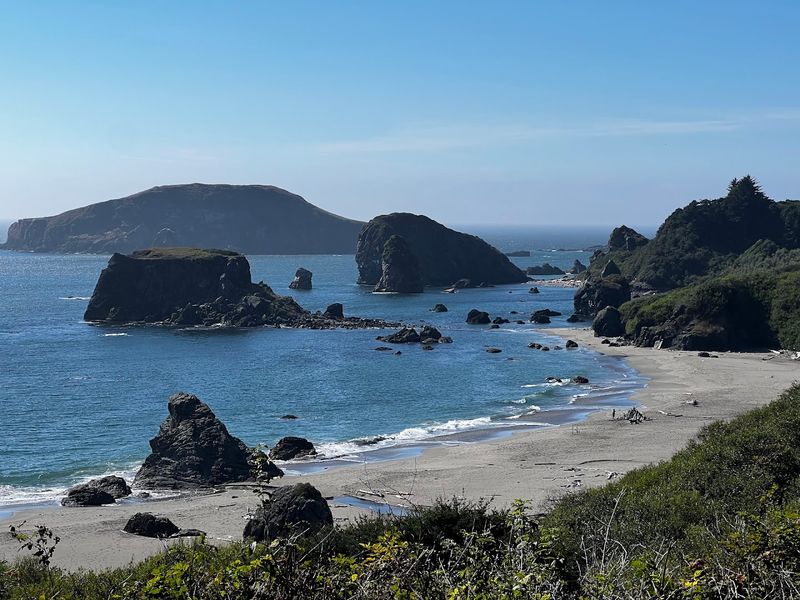
Harris Beach State Park is located at 101 96577 W Harris Heights Rd, Brookings, OR 97415. Getting there from Highway 101 is straightforward.
Signs are clearly marked and parking is available near the day-use area.
The park is open year-round. Winter visits bring dramatic surf and far fewer people.
Summer brings warmer temperatures and longer evening light, which makes sunset viewing especially rewarding.
Camping reservations are recommended well in advance, especially for summer weekends. The yurts book up fast.
Checking the Oregon State Parks reservation system early saves a lot of frustration.
Day-use visitors pay a parking fee. The fee supports park maintenance and goes directly back into the facilities.
Heated bathrooms, clean trails, and well-kept grounds are the result.
Cell coverage at the park is solid, with strong signal reported across most loops. That is useful for checking tide charts, weather, or trail maps on the go.
