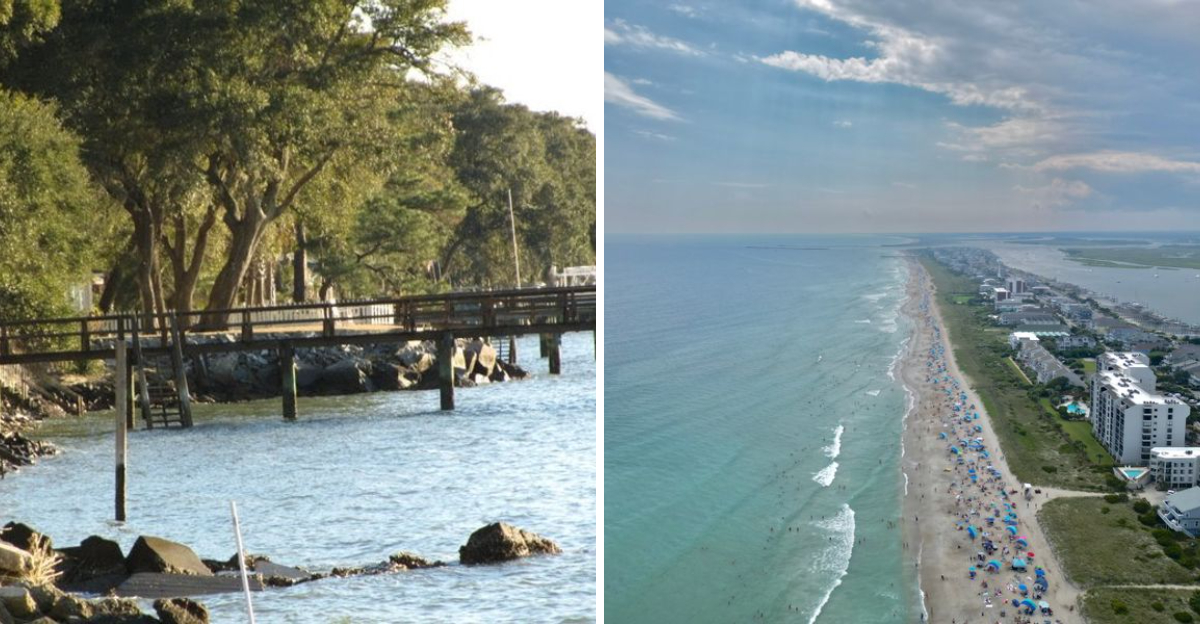
North Carolina’s coastline once offered peaceful escapes where fishing villages thrived and sandy shores remained mostly untouched.
Times have changed dramatically along this beautiful stretch of the Atlantic.
Many beloved beach towns have transformed into bustling tourist destinations packed with crowds, traffic, and endless construction.
What used to feel like hidden gems now resemble busy resort areas that have traded their quiet character for commercial appeal.
Long-time visitors and residents often speak about how different these places feel today compared to decades past.
The simple pleasure of walking down a quiet beach road or chatting with local fishermen has become harder to find.
Development has brought jobs and economic growth, but it has also erased much of what made these towns special in the first place.
From historic harbors overwhelmed by tourists to sleepy villages now lined with expensive homes, the changes are impossible to ignore.
This article explores ten North Carolina beach towns that have experienced significant transformation and lost much of their original small-town appeal.
1. Beaufort
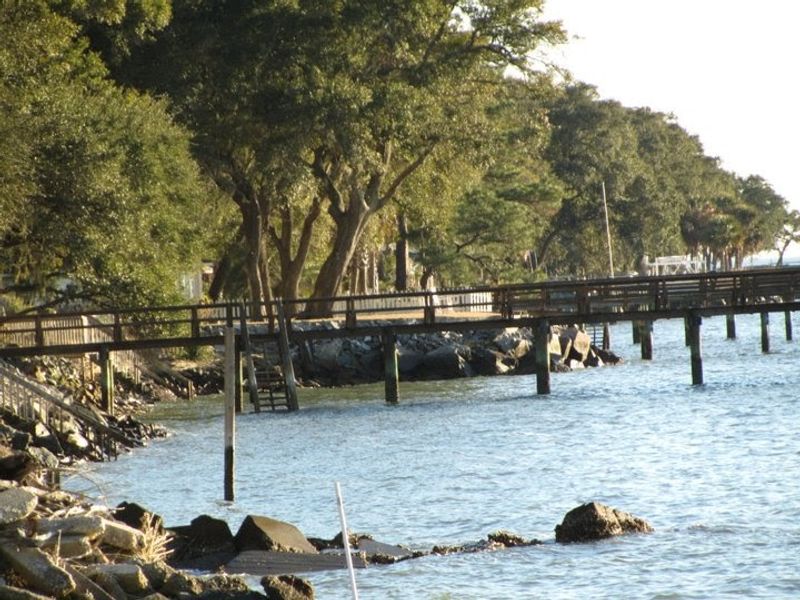
Beaufort’s historic harbor once embodied the quiet rhythm of a genuine fishing village where locals knew each other by name.
Today, the waterfront swells with tourists year-round, transforming the once-peaceful docks into a bustling attraction.
Visitors crowd the streets during peak season, making it difficult to experience the authentic maritime culture that defined this town for generations.
The original fishing village character has been overshadowed by gift shops, tour operators, and crowded restaurants catering to out-of-town guests.
Old-timers remember when you could sit by the water without competing for space or dealing with constant noise from sightseeing groups.
The charm that attracted people to Beaufort in the first place has been buried under layers of commercial tourism.
While the town’s history remains visible in its architecture, the atmosphere feels more like a theme park than a living community.
Local fishermen still work these waters, but they now share space with charter boats and pleasure cruisers.
The balance between preserving heritage and accommodating growth has tipped too far toward development.
Beaufort’s transformation illustrates how popularity can fundamentally alter a town’s identity.
What was once a hidden treasure along the North Carolina coast has become another crowded destination.
The address for the historic waterfront district centers around Front Street, Beaufort, NC 28516.
2. Wrightsville Beach

Wrightsville Beach used to be where surfers found their perfect waves without fighting through masses of people.
The laid-back vibe that defined this coastal spot has vanished beneath an influx of wealthy vacationers and college crowds.
Property values have skyrocketed, pushing out longtime residents and replacing modest beach cottages with luxury developments.
During summer months, the narrow island becomes so congested that finding parking feels like winning a lottery.
What once felt like a surfer’s sanctuary now resembles an exclusive resort area where only the affluent can afford to stay.
College students flock here during spring break, adding another layer of chaos to an already overwhelmed community.
The simple pleasure of catching morning waves has been complicated by territorial attitudes and overcrowded lineups.
Local surf shops that once embodied the town’s character have been joined by upscale boutiques and expensive restaurants.
Residents who grew up here barely recognize the place they once called home.
The transformation from chill surf town to exclusive vacation spot happened gradually but completely.
Wrightsville Beach serves as a prime example of how development can erase a community’s soul.
The main area is located along Lumina Avenue, Wrightsville Beach, NC 28480.
3. Carolina Beach

Carolina Beach held a special place in many families’ hearts as the go-to spot for simple summer vacations.
The boardwalk area has exploded with commercial development, creating a carnival-like atmosphere that overwhelms the original charm.
Where families once enjoyed quiet evenings walking along the shore, they now navigate through crowds and loud attractions.
The classic family destination vibe has been replaced by a busier, more commercial environment that prioritizes entertainment over tranquility.
New shops, restaurants, and amusement options have transformed the boardwalk into a miniature version of larger resort towns.
Parents who visited as children return with their own kids only to find the peaceful retreat they remembered has disappeared.
Growth has brought economic benefits, but it has also stripped away much of what made Carolina Beach feel special and different.
The intimate, small-town feel where everyone seemed to know each other has been lost to rapid expansion.
Evening strolls that once offered peaceful ocean views now compete with flashing lights and amplified music.
Long-time property owners have watched their quiet neighborhood transform into a bustling tourist zone.
The balance between maintaining character and embracing growth has clearly shifted toward the latter.
The boardwalk is located at Carolina Beach Boardwalk, Carolina Beach, NC 28428.
4. Nags Head
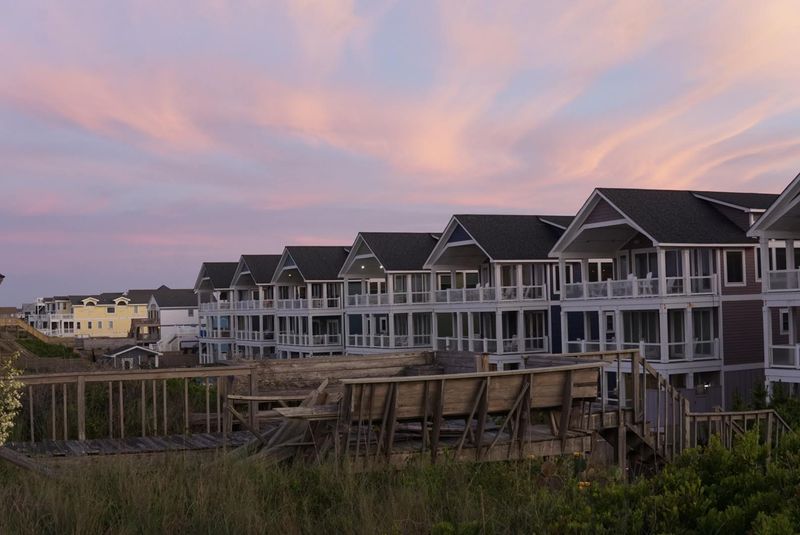
Nags Head once offered windswept beaches dotted with modest cottages that felt worlds away from city life.
Massive vacation rentals and commercial developments have replaced those humble structures, creating a sprawling resort corridor.
The quiet, almost desolate beauty that attracted early visitors has been buried under layers of construction and traffic.
What used to be a place for solitude and reflection has become a vacation mecca packed with tourists from spring through fall.
Developers have built so extensively that the natural landscape struggles to peek through the wall of structures lining the shore.
Traffic congestion during peak season makes simple errands feel like major expeditions.
The transformation from sleepy beach town to major destination happened over decades but feels complete and irreversible.
Old photographs show a stark contrast between the sparse development of the past and the dense construction of today.
Longtime visitors mourn the loss of empty beaches where you could walk for miles without seeing another person.
The character that made Nags Head unique has been sacrificed for the sake of accommodating more visitors and generating more revenue.
This North Carolina town exemplifies how unchecked growth can fundamentally alter a community’s identity.
The main stretch runs along South Virginia Dare Trail, Nags Head, NC 27959.
5. Duck
Duck’s reputation as a sleepy village where time seemed to stand still attracted those seeking genuine escape.
Upscale developments have transformed this once-quiet spot into an exclusive enclave with price tags that shock longtime residents.
Traffic now clogs the main road during summer months, creating frustration where peaceful drives once provided relaxation.
The village atmosphere has been replaced by an air of exclusivity that feels unwelcoming to those who knew the old Duck.
Expensive homes line the waterfront, blocking views that were once accessible to everyone who visited.
Small local businesses have been joined by high-end shops catering to wealthy tourists with deep pockets.
The sense of community that existed when Duck was truly small has faded as property values soared and demographics shifted.
What used to feel like a hidden gem now feels like an exclusive club where only certain people belong.
Residents who moved here for the quiet lifestyle find themselves dealing with constant traffic and overcrowding.
The transformation illustrates how wealth and development can price out the very people who built a community’s character.
Duck’s evolution from modest village to upscale resort area happened relatively quickly compared to other coastal towns.
The town center is located along Duck Road, Duck, NC 27949.
6. Southport
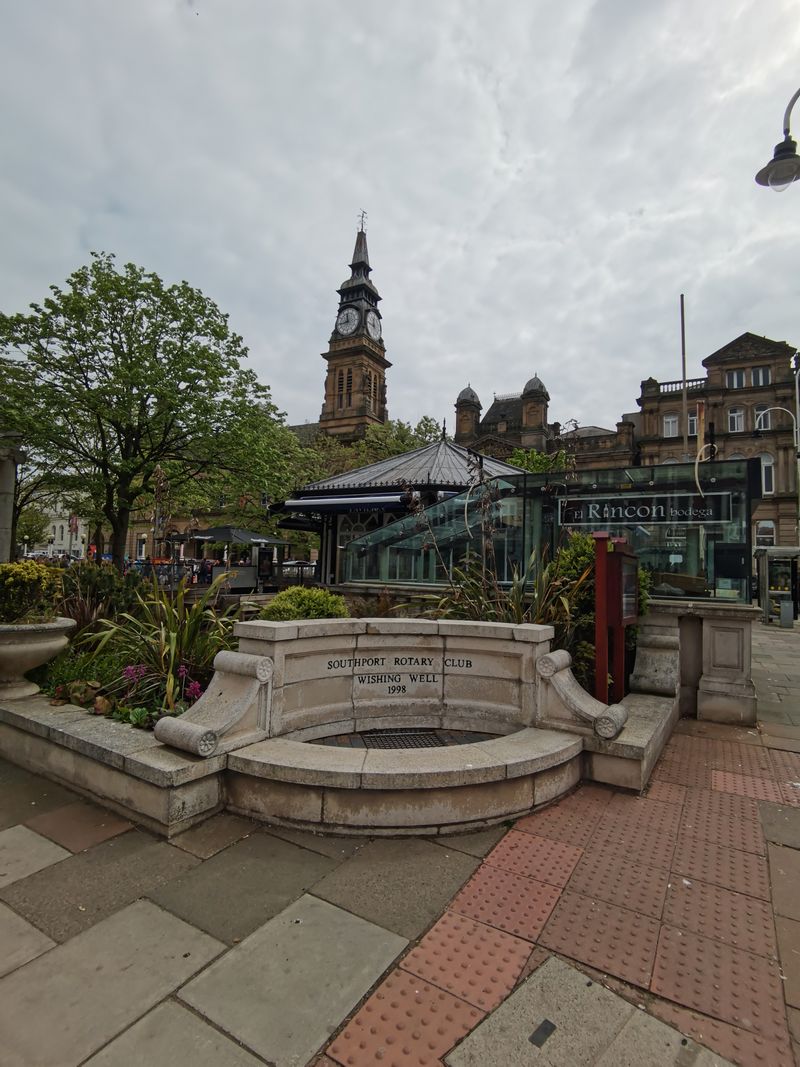
Southport’s genuine fishing community feel created an authentic coastal experience that couldn’t be manufactured.
Increased popularity following television exposure brought waves of new residents and tourists who fundamentally changed the town’s character.
The working waterfront that once defined Southport has been gradually pushed aside by tourism-focused businesses.
Longtime fishing families find themselves surrounded by newcomers who appreciate the aesthetics but not the lifestyle that created them.
Real estate prices have climbed steadily, making it difficult for younger generations of locals to afford staying in their hometown.
The influx of visitors during peak times overwhelms the infrastructure that was built for a much smaller population.
What made Southport special was its authenticity, but that quality diminishes as commercialization increases.
Restaurants and shops that once served locals now cater primarily to tourists seeking quaint coastal experiences.
The balance between welcoming visitors and maintaining community identity has tipped too far in one direction.
Old-timers remember when everyone knew each other and the pace of life matched the gentle rhythm of the tides.
Southport’s transformation shows how media attention can accelerate changes that might have otherwise taken much longer.
The historic waterfront is located along East Moore Street, Southport, NC 28461.
7. Emerald Isle
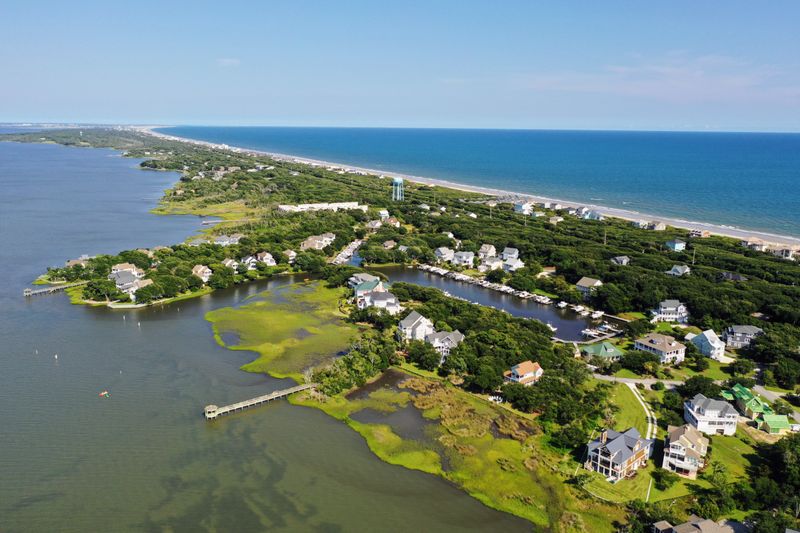
Emerald Isle’s original serenity drew people who wanted peaceful beach vacations away from crowded resort areas.
Rapid construction has filled formerly empty stretches of coastline with vacation rentals and permanent residences.
The sense of discovery that came with visiting Emerald Isle has evaporated as development has made it look like everywhere else.
Natural areas that once provided habitat for wildlife and space for quiet contemplation have been cleared for new buildings.
Growth has accelerated in recent years, with construction projects seeming to appear overnight in previously undeveloped areas.
Longtime property owners watch as the quiet retreat they invested in becomes busier and more congested each season.
The island’s infrastructure struggles to keep pace with the rapid increase in both visitors and permanent residents.
What used to feel like a secret getaway now resembles many other overdeveloped beach towns along the coast.
The charm that made Emerald Isle worth discovering is slowly being erased by cookie-cutter development.
Families who have vacationed here for generations notice dramatic changes each time they return.
The transformation from peaceful island to bustling destination continues with no signs of slowing down.
The main area runs along Emerald Drive, Emerald Isle, NC 28594.
8. Oak Island
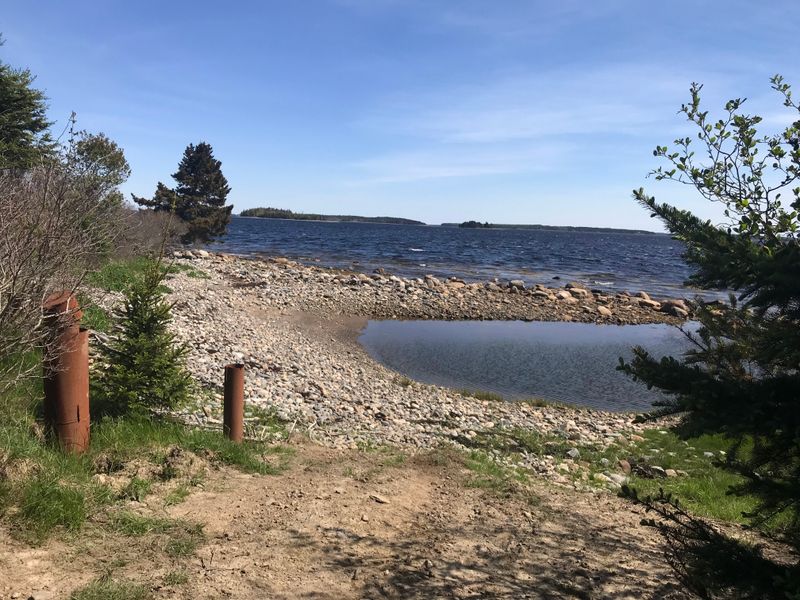
Oak Island once offered affordable beach access and a relaxed atmosphere that appealed to families seeking simplicity.
New housing communities have sprouted across the island, creating a development dilemma that pits growth against preservation.
The character of the island has shifted from quiet beach town to suburban-style neighborhoods that could exist anywhere.
Lots that once sat empty, providing natural buffers and breathing room, now hold tightly packed housing developments.
The infrastructure that was adequate for a smaller population now feels strained under the weight of rapid expansion.
Traffic has increased significantly, especially during summer months when visitors join the growing number of permanent residents.
The sense of space and tranquility that defined Oak Island has been compromised by the push to maximize development.
Local officials face constant pressure to approve new projects while residents voice concerns about losing their town’s identity.
What attracted many people to Oak Island in the first place is exactly what development threatens to destroy.
The balance between economic growth and quality of life has become increasingly difficult to maintain.
Oak Island’s transformation reflects broader trends affecting coastal communities throughout North Carolina.
The main areas are located along Oak Island Drive, Oak Island, NC 28465.
9. Ocracoke
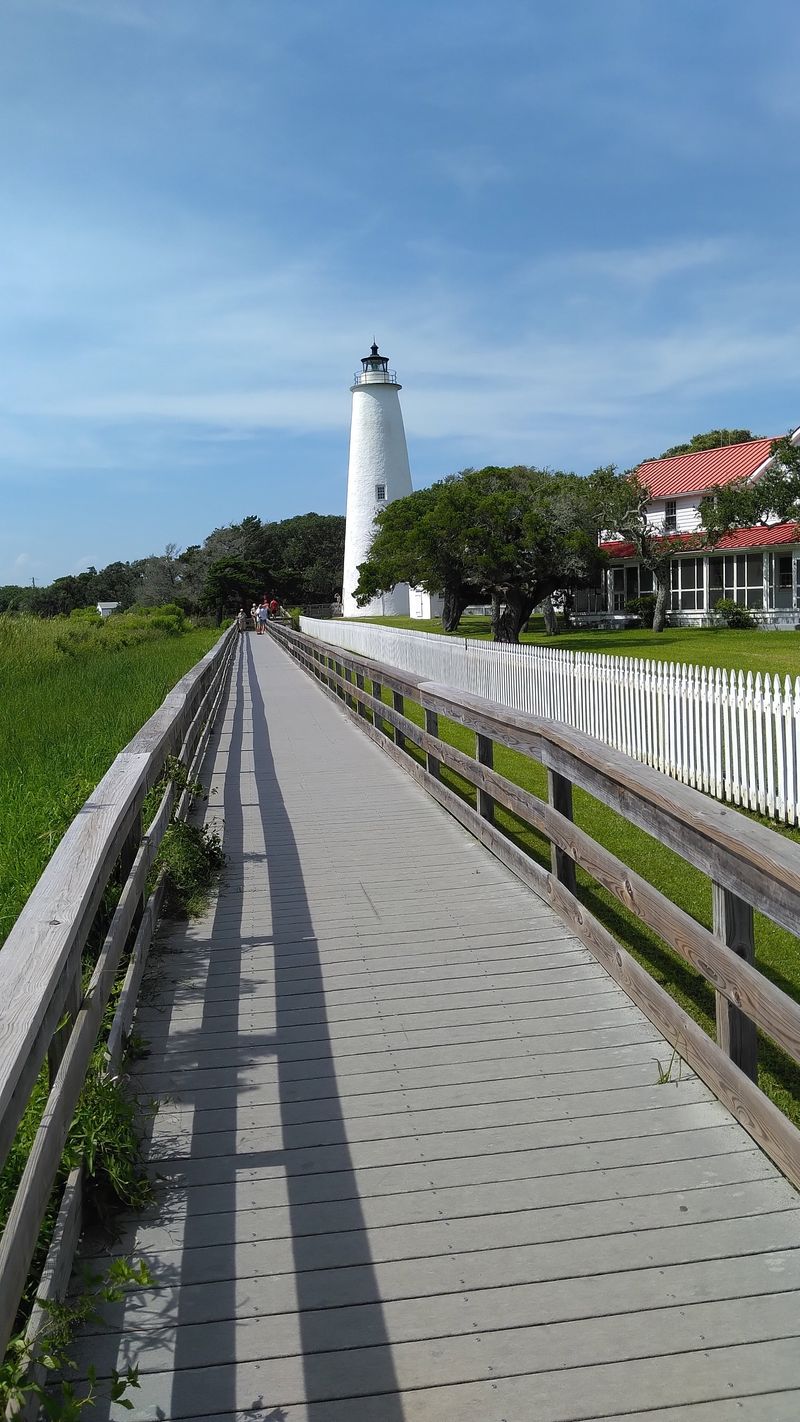
Ocracoke’s remote location once guaranteed a sense of isolation that made it feel like stepping back in time.
Ferry access has made this island increasingly accessible, bringing crowds that strain its limited resources and infrastructure.
The village that once felt untouched by modern tourism now experiences peak-season congestion that contradicts its remote image.
Development has crept onto this isolated island, though it remains less intense than on more accessible parts of the coast.
The influx of day-trippers and overnight visitors has changed the rhythm of life for year-round residents.
What used to be a place where you could truly disconnect has become another stop on the coastal tourism circuit.
Even the ferry ride, once a peaceful transition to island time, now feels crowded during popular travel periods.
Local businesses have expanded to accommodate more visitors, shifting focus from serving residents to catering to tourists.
The authentic island culture that survived for generations faces pressure from outside influences and commercial interests.
Longtime islanders notice subtle but significant changes in how their community functions and feels.
Ocracoke’s experience shows that even geographic isolation cannot fully protect a place from tourism-driven transformation.
The village center is located along Lighthouse Road, Ocracoke, NC 27960.
10. Kitty Hawk
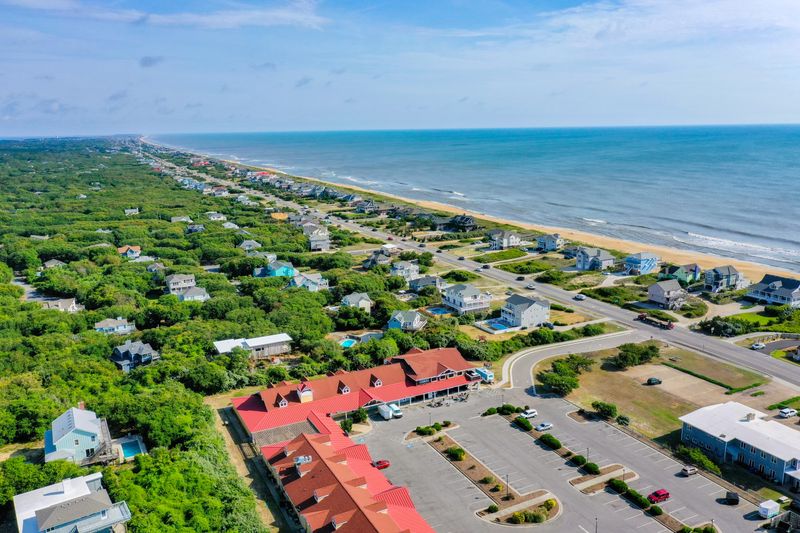
Kitty Hawk’s maritime forests and natural beauty once created a landscape that felt wild and largely untouched.
Unchecked coastal development has replaced those forests with subdivisions and shopping centers that look generic and uninspired.
The town has experienced some of the most dramatic transformation along the entire Outer Banks coastline.
Natural areas that provided ecological benefits and scenic beauty have been cleared to make room for commercial projects.
What was once a town with distinct character now blends into the continuous development stretching along the highway.
The loss of maritime forests has impacted not just aesthetics but also wildlife habitat and storm protection.
Traffic congestion has become a defining feature of Kitty Hawk, especially during tourist season when roads become parking lots.
Strip malls and chain businesses have replaced locally owned establishments that reflected the town’s unique identity.
Residents who remember the old Kitty Hawk struggle to reconcile their memories with the current reality.
The pace of development has been so rapid that transformation happened within a single generation.
Kitty Hawk exemplifies how development without adequate planning can erase a town’s natural and cultural heritage.
The main commercial area runs along North Croatan Highway, Kitty Hawk, NC 27949.
Dear Reader: This page may contain affiliate links which may earn a commission if you click through and make a purchase. Our independent journalism is not influenced by any advertiser or commercial initiative unless it is clearly marked as sponsored content. As travel products change, please be sure to reconfirm all details and stay up to date with current events to ensure a safe and successful trip.
