North Carolina holds a special place in America’s food scene, blending Southern traditions with coastal flavors and mountain cooking styles that have been perfected over generations.
From smoky barbecue pits to fresh seafood shacks along the coast, the Tar Heel State offers dishes that tell stories of family recipes, local ingredients, and cultural heritage.
Food lovers who visit North Carolina quickly discover that eating here isn’t just about filling your stomach; it’s about experiencing flavors that connect you to the land and the people who’ve called this place home for centuries.
Whether you’re biting into a perfectly fried chicken biscuit at sunrise or savoring slow-cooked pork with tangy vinegar sauce, these iconic North Carolina eats represent the heart and soul of Southern cooking.
Get ready to explore seven must-try foods that showcase why North Carolina has earned its reputation as a true foodie destination, where every meal feels like a warm welcome and every bite carries the taste of tradition.
1. Eastern North Carolina Barbecue
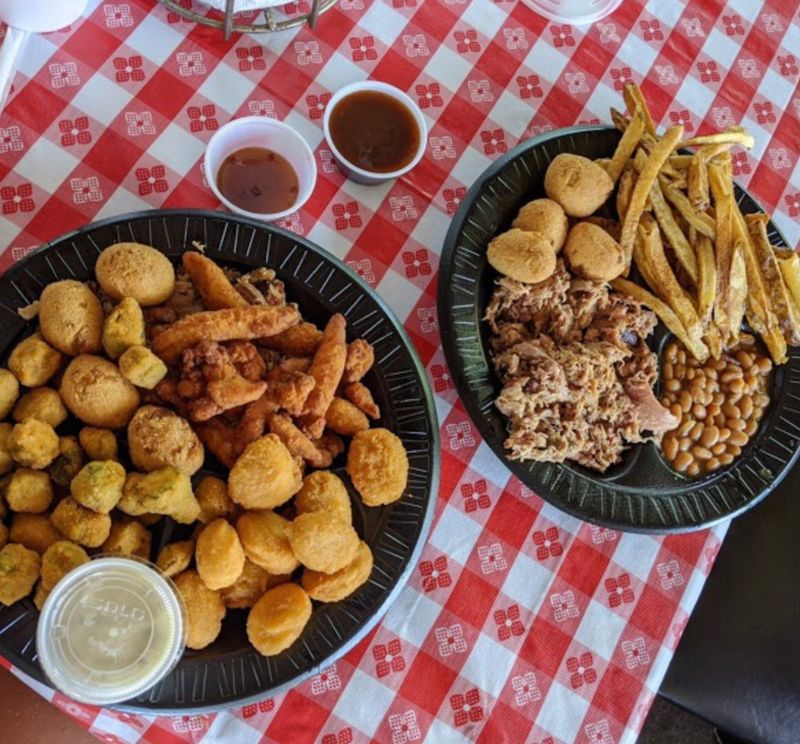
Whole hog barbecue represents the soul of Eastern North Carolina cooking, where pitmasters smoke entire pigs low and slow over hickory wood for hours until the meat becomes tender enough to pull apart with your fingers.
The magic happens when they chop the pork; mixing crispy skin with succulent shoulder meat and rich belly portions, then dress it with a thin, tangy vinegar-pepper sauce that cuts through the fat without masking the smoky flavor.
Unlike other barbecue styles that rely on thick, sweet sauces, this approach lets you taste the quality of the meat and the skill of the pitmaster.
Eastern Carolina barbecue culture runs deep, with families defending their favorite joints like sports teams and towns hosting annual festivals celebrating this culinary tradition.
Many of the best spots look like humble shacks from the outside, but inside you’ll find generations of expertise and recipes passed down through families who’ve been smoking pigs since before your grandparents were born.
The meat arrives chopped or pulled, piled high on a paper-lined plastic tray, accompanied by simple sides like boiled potatoes, coleslaw, and cornbread.
What makes this barbecue special isn’t fancy technique or secret ingredients; it’s patience, wood smoke, and respect for tradition.
Pitmasters start cooking before sunrise, tending their pits throughout the day, adjusting vents and adding wood to maintain perfect temperature.
The vinegar sauce, made with just peppers, vinegar, salt, and sometimes a touch of hot sauce, has been perfected over decades to complement rather than overpower.
When you taste authentic Eastern Carolina barbecue, you’re experiencing a flavor profile that hasn’t changed much in two hundred years, and that’s exactly how locals want to keep it.
Every bite connects you to North Carolina’s agricultural past and its enduring love affair with pork.
2. Lexington-Style Barbecue
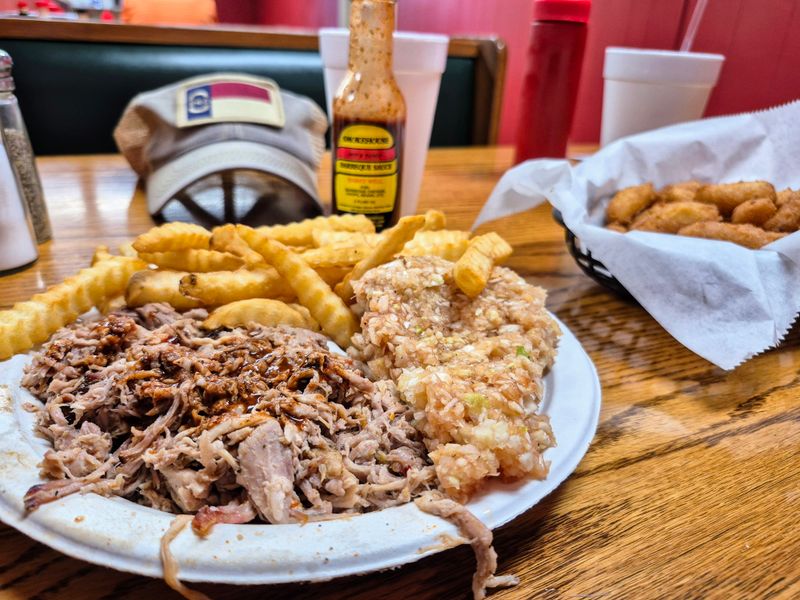
Travel west from the coastal plains and you’ll encounter a different barbecue religion altogether—Lexington-style, sometimes called Piedmont barbecue, which focuses on pork shoulder instead of whole hog.
Pitmasters in this region developed their own approach, smoking just the shoulders over hickory and oak, then chopping or slicing the meat before adding a sauce that includes tomato or ketchup along with vinegar.
This creates a sweeter, more complex flavor that has sparked friendly rivalries with Eastern Carolina pitmasters for generations, with each side convinced their version represents true North Carolina barbecue.
The red slaw served alongside Lexington barbecue might surprise first-timers who expect creamy coleslaw; instead, you get finely chopped cabbage dressed in the same tomato-vinegar sauce used on the meat.
This tangy, slightly sweet slaw provides the perfect counterpoint to rich, smoky pork, and many people pile it directly onto their sandwiches for an extra layer of flavor and crunch.
Lexington also claims fame for its concentration of barbecue restaurants; this small city boasts more barbecue joints per capita than almost anywhere else in America.
Walking into a classic Lexington barbecue restaurant feels like stepping back in time, with wood paneling, vinyl booths, and the unmistakable smell of smoke that’s soaked into every surface over decades.
The menu stays simple because they’ve perfected what matters: tender pork shoulder with crispy bark, that signature red slaw, golden hushpuppies, and sweet tea cold enough to make your teeth hurt.
Some places have been run by the same families since the 1950s, with recipes and techniques handed down through three or four generations.
The debate between Eastern and Lexington styles might never be settled, but that’s part of what makes North Carolina barbecue culture so rich; you can spend years exploring both styles and still discover new favorites.
3. Krispy Kreme Doughnuts
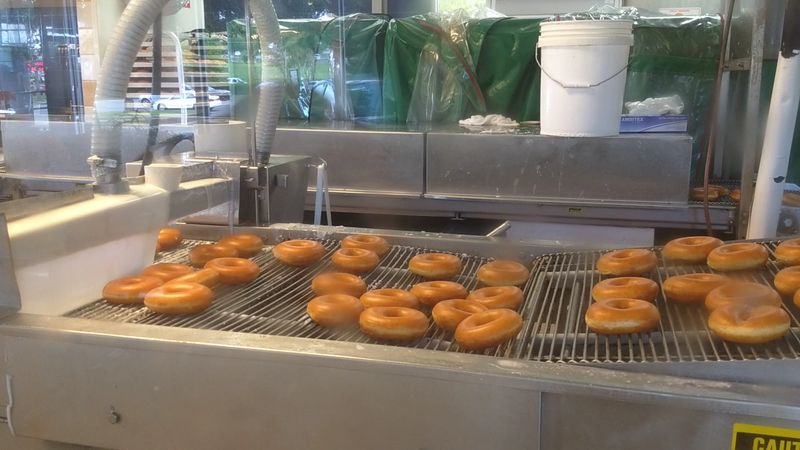
Few experiences match watching fresh Krispy Kreme doughnuts float through their glaze waterfall when the “Hot Now” sign glows red in the window.
This iconic doughnut brand started in Winston-Salem back in 1937 when Vernon Rudolph bought a secret yeast-raised doughnut recipe from a New Orleans French chef, then began selling his creations to local grocery stores.
The smell of those original glazed doughnuts proved so irresistible that Rudolph cut a hole in his shop wall to sell directly to customers who gathered outside, drawn by the aroma of frying dough and sweet glaze.
The original glazed doughnut remains Krispy Kreme’s signature creation: a light, airy ring of fried dough that practically melts on your tongue, coated in a thin shell of sugary glaze that cracks gently when you bite through it.
What makes these doughnuts special isn’t just the recipe but the commitment to serving them fresh and warm, ideally within minutes of coming off the production line.
Many locations feature glass windows where you can watch the entire process: dough rising, doughnuts floating through hot oil, the mechanical flipper turning them at just the right moment, and finally that mesmerizing glaze waterfall that coats each doughnut in glossy sweetness.
Krispy Kreme has spread across America and beyond, but visiting a North Carolina location; especially the original Winston-Salem shop; connects you to the brand’s roots and its role in the state’s food culture.
Locals have strong opinions about the best time to eat a Krispy Kreme: some insist on grabbing them hot off the line, while others prefer letting them cool slightly so the glaze sets completely.
The company has introduced countless flavors and seasonal specials over the decades, but that original glazed doughnut remains the standard by which all others are judged.
It’s simple, sweet perfection that has made North Carolina famous worldwide.
4. Calabash Seafood
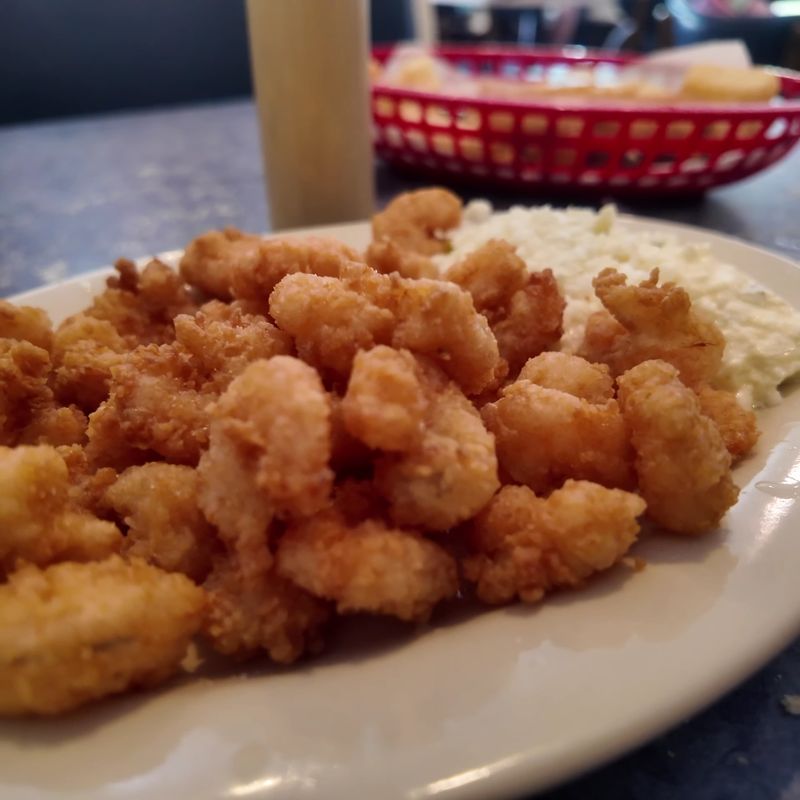
Along North Carolina’s southern coast, the tiny town of Calabash gave its name to a seafood preparation style that transformed coastal dining across the entire Southeast.
Calabash-style seafood means lightly breading fish, shrimp, oysters, and scallops in seasoned cornmeal or flour, then frying them quickly in hot oil until they turn golden and crispy outside while staying tender and moist inside.
This technique differs from heavy beer-battered fish or thick breading; instead, Calabash seafood features a delicate coating that lets you taste the ocean in every bite rather than just fried batter.
The style emerged in the 1940s when local fishermen’s wives started cooking fresh catch for tourists passing through this small fishing village.
Word spread about these incredibly fresh, lightly fried seafood platters, and soon restaurants specializing in Calabash-style cooking popped up throughout the area.
Today, dozens of seafood restaurants in and around Calabash serve massive platters piled high with fried shrimp, flounder, deviled crab, and whatever else came off the boats that morning, accompanied by hushpuppies, coleslaw, and fries.
What makes authentic Calabash seafood special is the emphasis on freshness and the light touch with breading; you’re eating seafood that might have been swimming yesterday, prepared in a way that enhances rather than hides its natural flavors.
Many restaurants operate as all-you-can-eat buffets, encouraging diners to sample everything from fried clam strips to broiled mahi-mahi.
The atmosphere in these places tends toward casual and family-friendly, with plastic tablecloths, fishing nets on the walls, and prices that won’t break your budget.
Visiting Calabash feels like discovering a secret that locals have known for decades: the best seafood doesn’t need fancy preparation, just fresh catch and skilled frying.
This cooking style has influenced coastal restaurants from Virginia to Florida, but experiencing it in its birthplace adds an extra layer of authenticity to every crispy, delicious bite.
5. Livermush
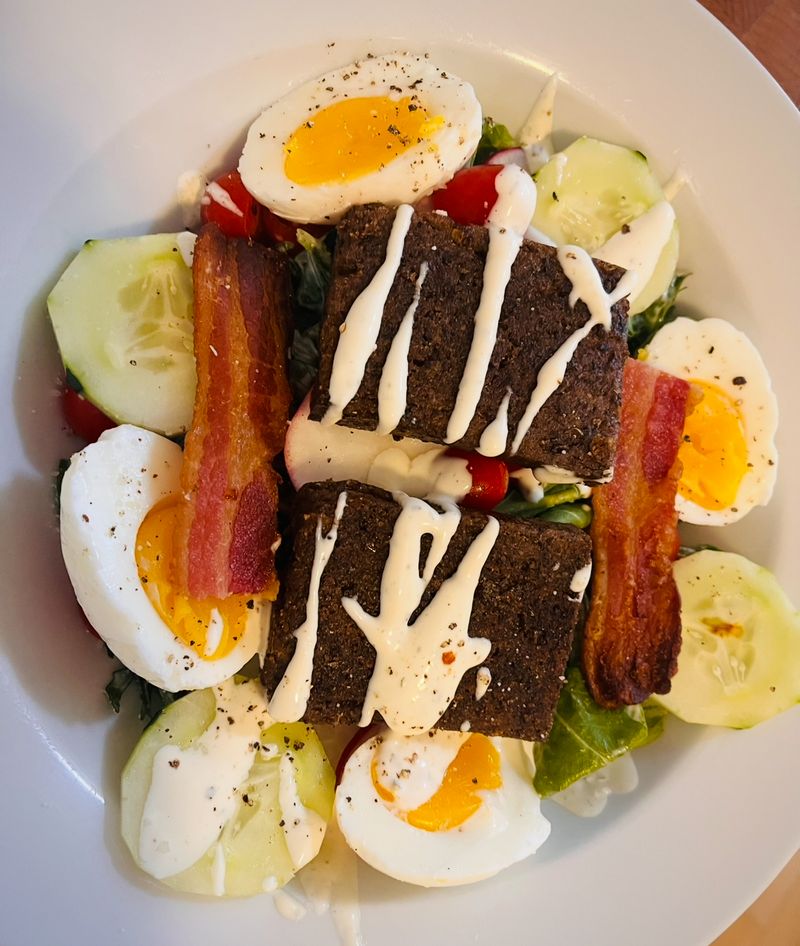
Livermush might sound strange to outsiders, but this humble meat product has sustained North Carolina families; especially in the western Piedmont region; for generations as an affordable, protein-rich breakfast staple.
Made from pork liver, head parts, and cornmeal, all cooked together then formed into loaves that slice cleanly, livermush represents the thrifty wisdom of using every part of the pig.
When you fry slices in a hot pan until they develop a crispy, golden-brown crust outside while staying soft inside, you get a savory breakfast meat with a unique flavor that’s milder and less intense than you might expect from something containing liver.
The town of Shelby claims to be the livermush capital of the world, even hosting an annual festival celebrating this distinctive food with cooking competitions, livermush sandwiches, and creative dishes that showcase its versatility.
Many North Carolinians grew up eating fried livermush alongside eggs and biscuits, or tucked into sandwiches with mustard and pickles, and they defend it passionately against skeptics who’ve never tried it.
The cornmeal gives livermush a slightly grainy texture that sets it apart from scrapple or other similar regional meat products, and when cooked properly, it develops an addictive crispy exterior.
You won’t find livermush in fancy restaurants or trendy brunch spots; this is working-class food that appears on diner menus, in gas station breakfast sandwiches, and at family tables across the Piedmont.
Some people love it so much they eat it for every meal, finding ways to incorporate it into casseroles, hash, and even appetizers.
The key to appreciating livermush is trying it with an open mind, prepared by someone who knows how to slice it thin and fry it properly.
Once that crispy crust forms and you taste the savory, slightly peppery flavor, you might understand why generations of North Carolinians have made this humble food a beloved tradition.
It’s not glamorous, but livermush tells the story of resourceful cooking and making the most of what you have.
6. Cheerwine
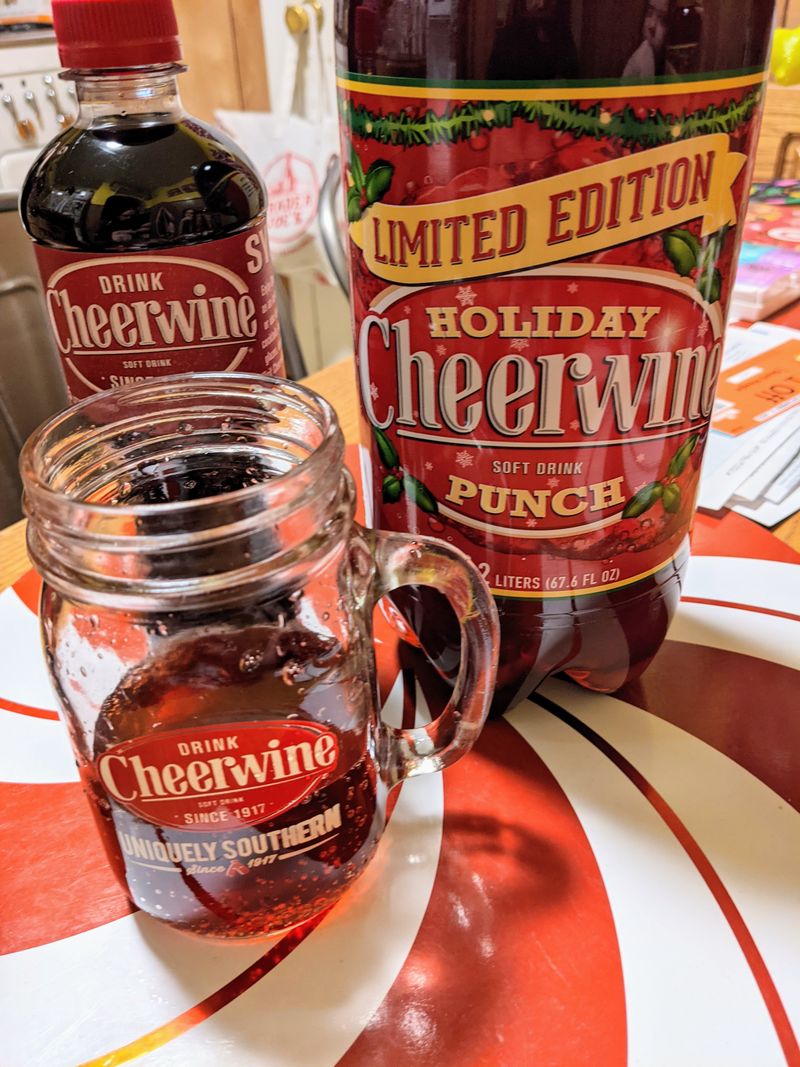
Born in Salisbury, North Carolina, in 1917, Cheerwine holds the distinction of being one of the oldest continuously produced soft drinks in America, with a flavor profile that defies easy description.
Despite its name, Cheerwine contains no alcohol; it’s a carbonated cherry-flavored soda with a deep burgundy color and a taste that’s been described as a cross between cherry cola and Dr Pepper, with subtle vanilla notes and a less syrupy sweetness than most modern sodas.
The Cheerwine name came from its wine-like color and the idea that this drink would cheer you up, a bit of marketing genius that has stuck for over a century.
The Carolina Beverage Corporation still produces Cheerwine using a secret formula that’s remained largely unchanged since L.D. Peeler first mixed it up during a sugar shortage caused by World War I.
He couldn’t get enough sugar to make the traditional flavored sodas people expected, so he created something entirely new that required less sweetener while still delivering big flavor.
North Carolinians grew up drinking ice-cold Cheerwine at summer barbecues, mixing it with peanuts (a Southern tradition where you pour salted peanuts directly into your soda bottle), or enjoying it as a float with vanilla ice cream.
For decades, Cheerwine remained a regional secret, available mainly in North Carolina and surrounding states, which gave it a cult following among people who’d grown up with it and craved its unique taste.
Recent years have seen expanded distribution, but finding Cheerwine in its home state still feels special, especially when served in glass bottles at old-fashioned diners and barbecue joints.
The company has introduced variations like Diet Cheerwine and limited-edition flavors, but the original formula remains the favorite.
Tasting Cheerwine for the first time is a rite of passage for visitors to North Carolina, some people immediately fall in love with its distinctive cherry flavor, while others need a few sips to appreciate what makes it different from ordinary cherry sodas.
Either way, it’s an essential part of the state’s food identity.
7. Chicken and Waffles
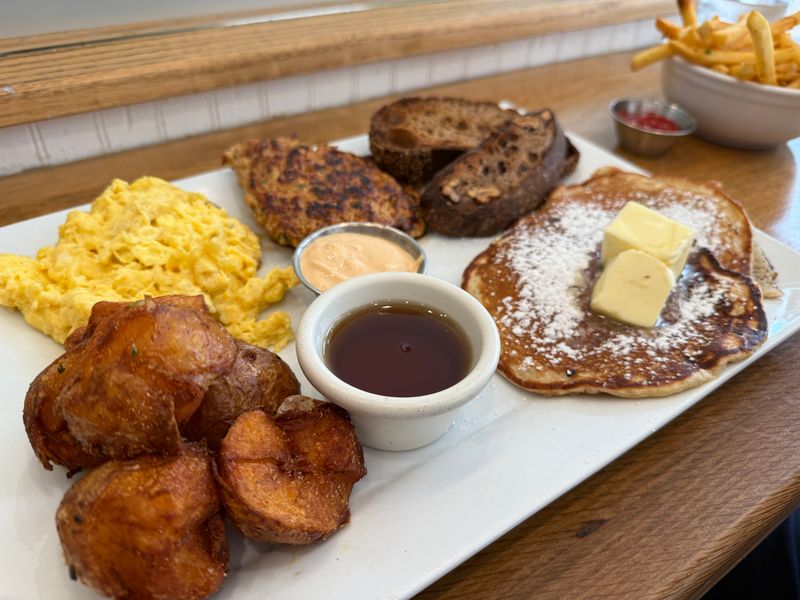
Chicken and waffles might have originated elsewhere, but North Carolina soul food restaurants and diners have elevated this sweet-and-savory combination to an art form that draws crowds any time of day.
Crispy, perfectly seasoned fried chicken; sometimes just wings, other times a full breast or thigh; sits atop fluffy, golden waffles, the whole creation drizzled with butter and pure maple syrup that pools in the waffle’s squares and mingles with the chicken’s savory coating.
The contrast between crunchy chicken skin, tender meat, crispy waffle edges, and sweet syrup creates a flavor experience that shouldn’t work in theory but proves absolutely addictive in practice.
Soul food restaurants across North Carolina serve their own versions of this dish, with some adding hot sauce or honey to the mix, others dusting the waffles with powdered sugar, and a few offering variations like chicken tenders instead of bone-in pieces.
The meal has become particularly popular for brunch, though many places serve it all day because customers demand it regardless of the hour.
Some food historians trace the dish’s popularity in African American communities to the need for a hearty, satisfying meal that combined Sunday dinner leftovers with breakfast, creating something entirely new and delicious.
The best chicken and waffles balance their components perfectly; the chicken needs enough seasoning and crispiness to stand up to the sweet waffle and syrup, while the waffle must be substantial enough to support the chicken without getting soggy too quickly.
Watching someone eat chicken and waffles for the first time is entertaining because they’re never quite sure whether to cut everything together or alternate bites, whether to add more syrup or let the chicken’s savory notes dominate.
There’s no wrong answer, which is part of the dish’s charm.
North Carolina restaurants have embraced chicken and waffles as comfort food that crosses cultural boundaries, appearing on menus at upscale brunch spots and humble diners alike.
It’s food that makes you happy, plain and simple, combining two beloved dishes into one unforgettable plate.
Dear Reader: This page may contain affiliate links which may earn a commission if you click through and make a purchase. Our independent journalism is not influenced by any advertiser or commercial initiative unless it is clearly marked as sponsored content. As travel products change, please be sure to reconfirm all details and stay up to date with current events to ensure a safe and successful trip.
