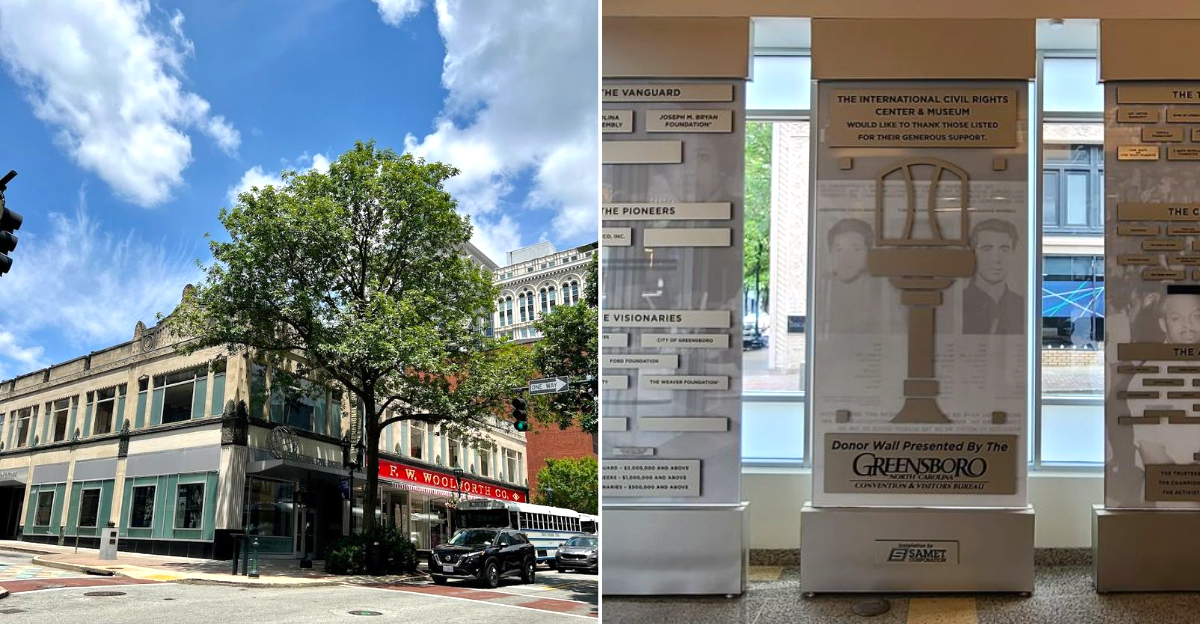
Some places do not fit into a quick museum stop, and this is one of them. The International Civil Rights Center And Museum in Greensboro, North Carolina can shift the entire mood of your trip, because the history here feels close, specific, and impossible to shrug off.
You walk in expecting to learn, but you end up feeling the weight of real choices made in a real place. The sit-in story is not treated like a distant chapter, because the setting makes it personal and the details make it sharp.
One exhibit can change how you see everything outside the doors, from everyday public spaces to the idea of who was allowed to belong where. The museum connects the timeline in a way that keeps the past from staying neatly in the past.
It is not about rushing through displays, it is about slowing down and letting the context settle in. Even if your trip is packed with fun plans, this stop can become the part you talk about most later.
You leave with more than facts, because you leave with a clearer sense of what courage looked like and why it still matters.
Downtown Greensboro Turns Serious The Moment You Walk Up To The Building
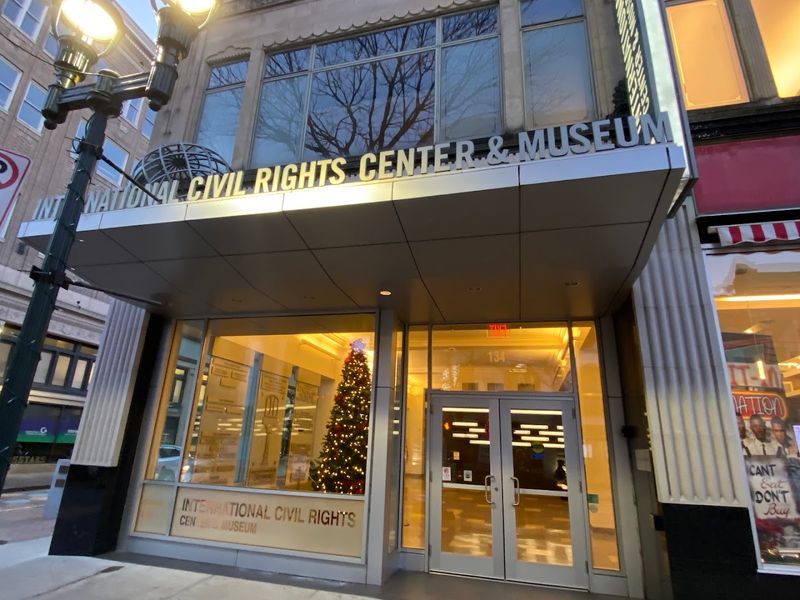
You are strolling down Elm, chatting, and then the facade makes you lower your voice without anyone telling you to. The International Civil Rights Center and Museum sits in that former Woolworth building at 134 S Elm St, Greensboro, NC 27401, and everything about the entry hints that this is not a quick pop in.
The street noise thins, the doors feel heavier than they look, and the lobby light lands with a quiet kind of focus.
It is not dramatic for show, just steady and grounded, like the building has already decided how you will move through it. You see people pause in the doorway as if they are finishing a thought before stepping forward.
I like that the staff greet you with calm confidence, giving a few pointers without rushing you, which telegraphs that this is guided by intention, not spectacle.
North Carolina history lives in bricks and benches here, and you feel it first in your feet. The city outside keeps ticking, but the museum asks for your attention with simple choices, clean lines, and echoes that linger longer than usual.
If museums can set the key before the song starts, this one does, and you find yourself matching it without trying.
One Exhibit Can Flip Your Whole Trip Mood In Minutes
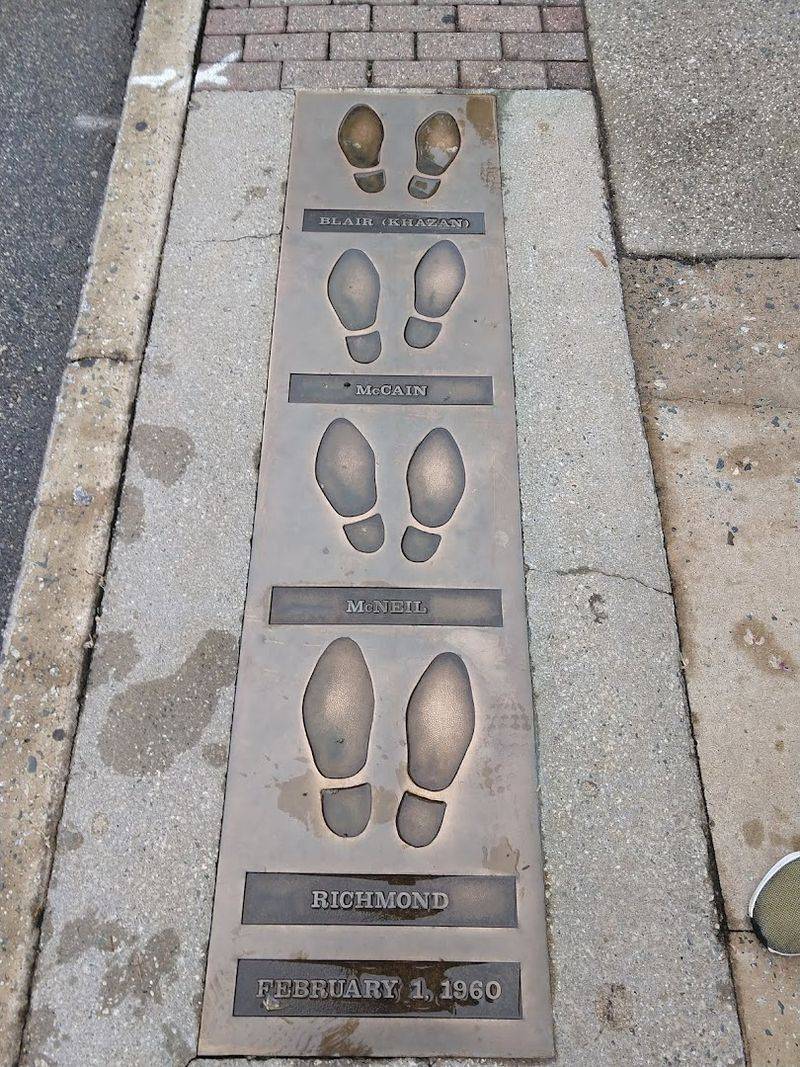
You think you are holding it together until a single gallery stacks sound, image, and testimony just right, and then the floor tilts. It is not manipulative, it is precise, and it lands like a hand on your shoulder that says pay attention.
The switch happens so fast you almost laugh at yourself, and then you do not, because the words coming through the speakers feel like they were bracing for you.
Maybe it is the way the room narrows or the photos hang slightly lower, inviting you to meet them at eye level. Maybe it is the cadence of voices that stay steady while your pulse does not.
Either way, you stand there longer than planned, and the rest of your day quietly rearranges its priorities around this point.
Travel in North Carolina turns richer after that, because every mural and courthouse gets threaded back to what you just felt. Greensboro becomes a conversation you carry, not a checklist you finish.
When a place can change the temperature of your whole trip without raising its voice, you realize that is the work doing exactly what it set out to do.
The Woolworth Counter Makes History Feel Uncomfortably Close
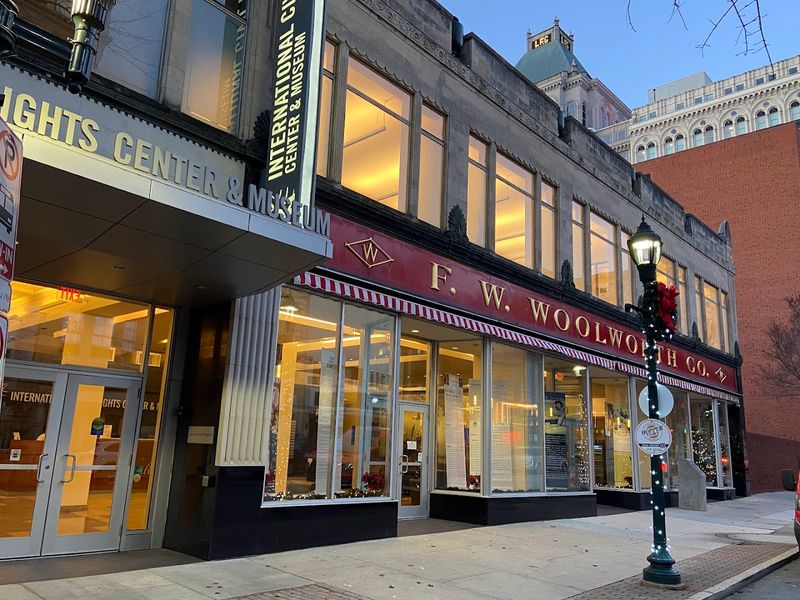
The first time you see that counter, your stomach does a small flip, because it looks so normal and that is exactly why it hits. The stools line up in a row like any diner you have ever slid into, except you know what happened here and your body reads the room before your brain catches up.
You do not stand back, you lean in, and the closeness does the teaching.
There is no velvet fantasy, just the gleam of old chrome and the hush of people standing shoulder to shoulder. You look at the angles, the reach to the napkin dispenser, the sightline to the door, and suddenly the scene becomes logistical, not abstract.
How long would you sit, where would your eyes go, how steady could your hands be?
Greensboro is right outside, but inside this corner, time thins until you can hear quiet bravery like a metronome. North Carolina is full of pretty streets and college greens, yet this room rearranges those postcards in your head.
It feels tender and sharp at the same time, and you will not forget how near your elbow is to that edge.
Original Details Inside Make It Feel Real, Not Recreated
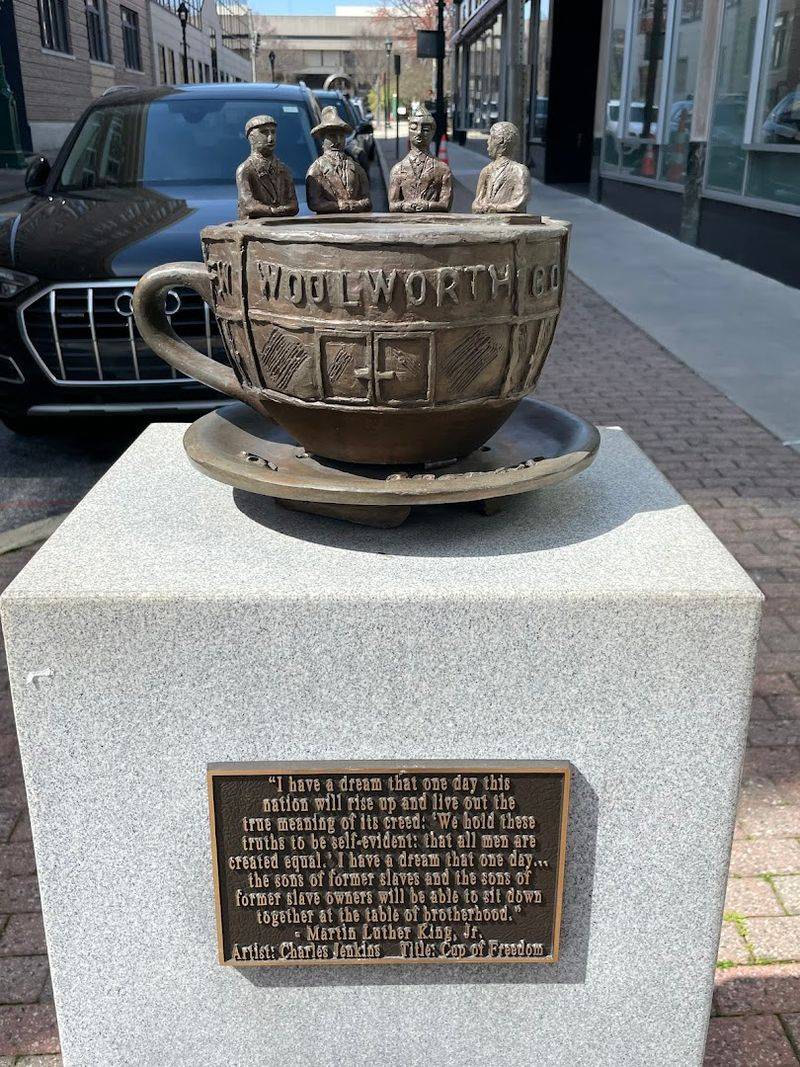
What gets you are the textures, the way metal edges catch light and floors carry the scuff of years you cannot fake. You notice the spacing between stools and the curve of a counter lip, and suddenly the word original is not a brag, it is a responsibility.
Replicas can teach, but these details hold a charge that only lived surfaces can keep.
The museum leans into that charge with restraint, giving space around the pieces so your eyes and feet can measure them. You find yourself tracing lines with your gaze, mapping tiny distances that explain big courage.
The silence in those inches is loud, and it helps you build the scene with your own honest imagination.
That is why North Carolina feels different once you leave, because you have measured history with your body, not just your mind. Greensboro has a knack for letting the real thing speak without decoration.
There is a dignity in that choice that you can feel in your breath, and it follows you down the stairs and back into daylight.
The Sit-In Story Hits Harder When You See The Space It Happened In
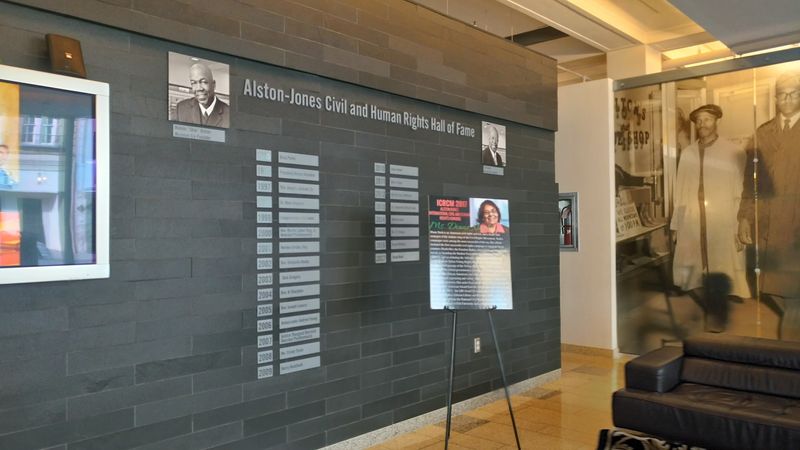
You can read about strategy and courage all day, but when you stand where the students sat, the air gets dense and your posture changes. The layout tells a story that books hint at, because distance, sightlines, and exits shape the risk in ways words only partly catch.
You watch other visitors go still, and the room fills with a shared quiet that feels like agreement.
Instead of dramatics, there is clarity, and that clarity nudges you to imagine your own seat. Would you have slid onto that stool and kept your voice even when someone tried to shake it?
The space asks gently, which somehow feels even more demanding, because you answer without hiding behind headlines.
Greensboro turns from a name into a stage you can step onto, and North Carolina history stops being a chapter and becomes choreography. The museum trusts you with the proximity, and that trust makes you stand a little straighter.
You walk out of that area holding a question that keeps walking with you, without needing permission.
Artifacts And Photos Do Not Let You Stay Detached
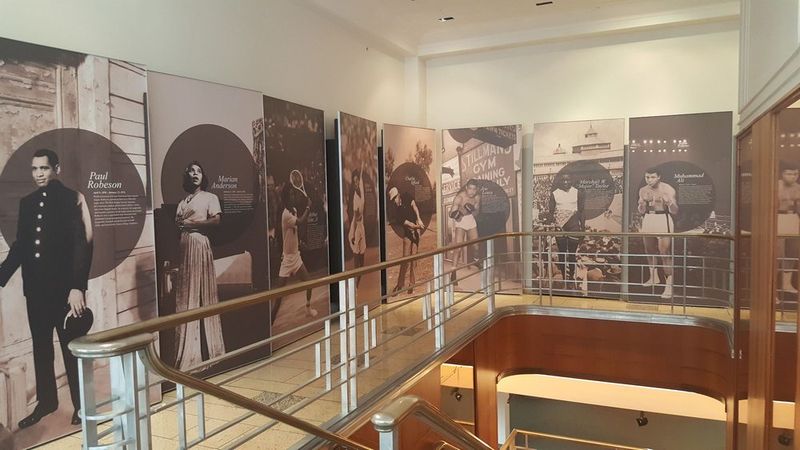
There is a point where the photos stop being images and start feeling like eye contact. Documents in the cases still have fold lines and ink that looks freshly set, which gives them a kind of heartbeat.
You catch a detail, like a crease or a margin note, and it sticks to you harder than a paragraph ever could.
What I appreciate is how the labels guide without telling you what to feel, trusting the objects to carry their own weight. You get just enough context to find your footing, then space to take your own steps.
The balance keeps your mind alert and your chest open, even when the subject matter tightens your throat a little.
By the time you round the corner, Greensboro is not just the place you are standing, it is the lens you are now using. North Carolina shows up in those frames, not as nostalgia, but as people making choices in rooms that look like ours.
It is clear, firm, and unexpectedly tender, and you realize detachment was never the point.
The Timeline Keeps Escalating Until You Stop Trying To Rush
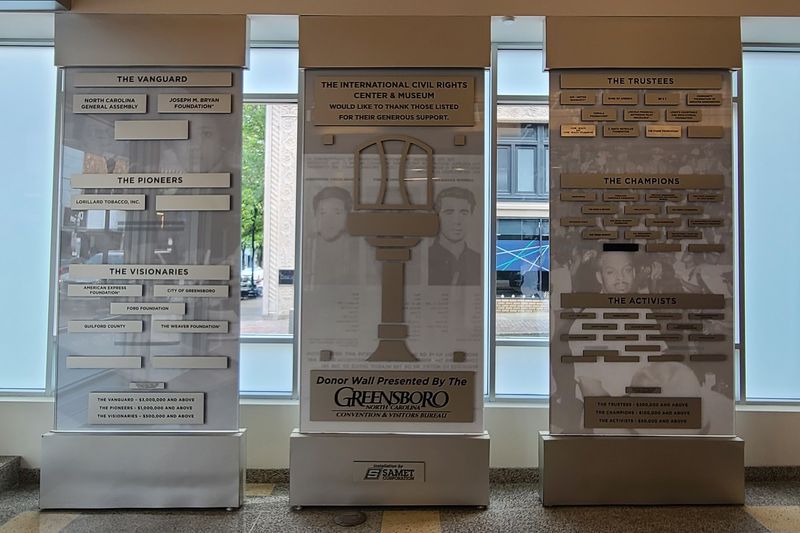
You start the timeline thinking you will skim, then the pacing tightens and your skimming turns into reading, then reading into standing still. The way the story builds feels like a steady drum that refuses to speed up for you, and that is the moment you surrender the clock.
It is oddly relaxing to be kept honest by a wall of history that will not be hustled.
Design helps, with spacing that breathes and sections that land just when your attention might fade. You get pulled forward without being pushed, and the steady rise in stakes teaches with rhythm as much as content.
Rushing would miss the point, so you stop, and somehow the day expands to meet you there.
North Carolina road trips love a quick detour, but this stretch asks for patience and pays it back with clarity. Greensboro knows how to pace a story so your feet learn it as your eyes do.
When you finally step off the timeline, you feel grounded instead of drained, which is its own quiet surprise.
Quiet Moments Land Here Because The Museum Lets Them
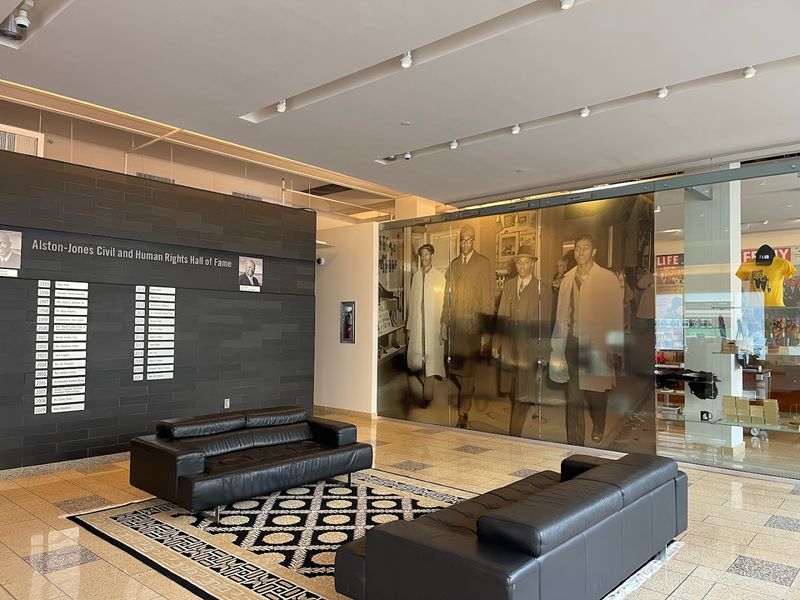
There are benches in the right places, the kind that do not announce themselves yet always appear when you need to sit and think. I like how the sound levels dip just enough that your own breath becomes part of the room, and you realize reflection is designed in, not accidental.
Nobody hovers, nobody hurries you, and that freedom gives weight to whatever you are processing.
It is rare to feel both held and unhandled, and that is the tone here. You can linger without feeling like you are clogging a lane, and the staff read the room with the lightest touch.
Those pauses are not breaks from the story, they are how the story lands in you and decides to stay.
When you travel through North Carolina after this, you start noticing where other places allow stillness and where they do not. Greensboro sets a model for how to host tough truth with grace.
The quiet is not empty, it is full, and it might be the thing you remember most when you try to explain why this stop mattered.
You Leave With A New Lens On Every “Southern History” Stop After This
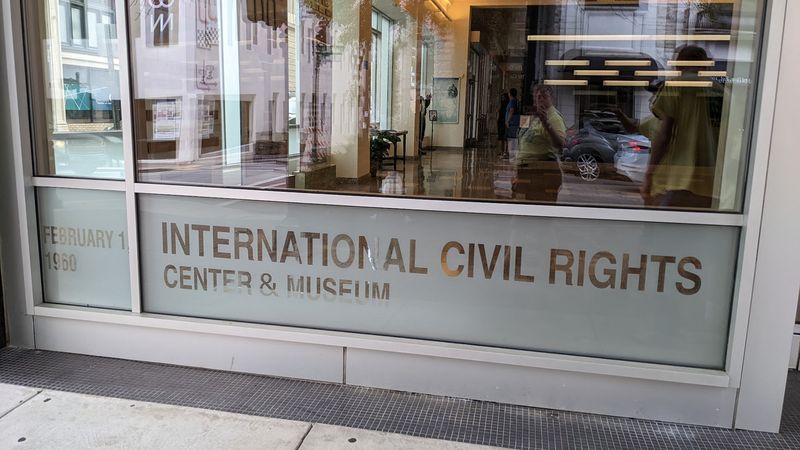
Walking out, you notice how your eyes adjust to regular sidewalks, yet nothing reads as regular anymore. The museum hands you a lens you did not know you were missing, and suddenly courthouse steps, murals, and little plaques across North Carolina feel louder.
It is not guilt, it is awareness, and it travels well.
Later, when you pass a statue or a preserved room in another town, you find yourself asking different questions first. Who had a key, who set the rules, who waited outside while decisions got made?
That lens is not heavy, but it is sturdy, and it makes your trips feel like learning without the homework tone.
Greensboro does that with a steady hand, and you end up grateful for the shift. The exhibit that flipped your mood becomes the anchor you keep checking back against.
If you wanted your travels to feel more connected and less scattered, this is the kind of stop that quietly upgrades the whole route.
The Walk Back Outside Feels Different Than The Walk In
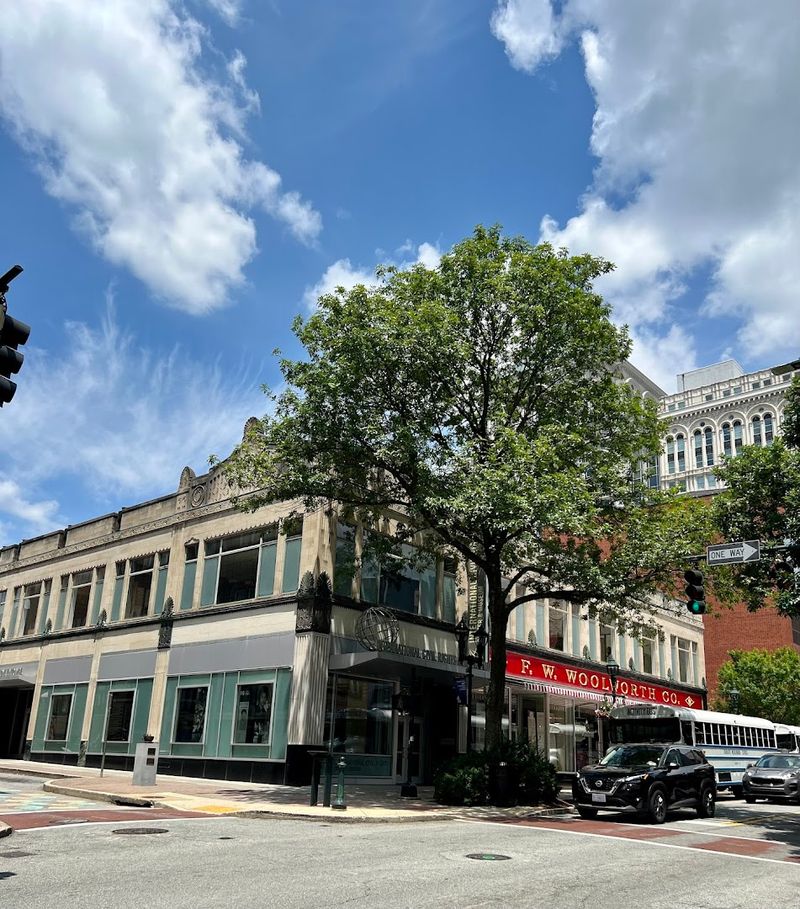
Stepping out, the light feels a notch brighter, like your pupils are doing catch up with your heart. You hear the normal city mix again, but the sounds stack differently now, and even the crosswalk has a small sense of ceremony.
It is the same sidewalk you used an hour earlier, yet it holds you a little more carefully.
People pass, buses sigh, a door thumps shut somewhere, and you clock all of it with calmer attention. You carry the museum like a pocket weight, not burdensome, just present, reminding you to notice more and assume less.
Greensboro is not trying to impress you out here, it is just living, and somehow that is the best note to end on.
Back in the car, North Carolina opens up the map again, and you choose the next stop with new patience. The day keeps its momentum, but it runs quieter, steadier.
You look down Elm, take a breath, and realize the walk out was part of the exhibit all along.
Dear Reader: This page may contain affiliate links which may earn a commission if you click through and make a purchase. Our independent journalism is not influenced by any advertiser or commercial initiative unless it is clearly marked as sponsored content. As travel products change, please be sure to reconfirm all details and stay up to date with current events to ensure a safe and successful trip.
