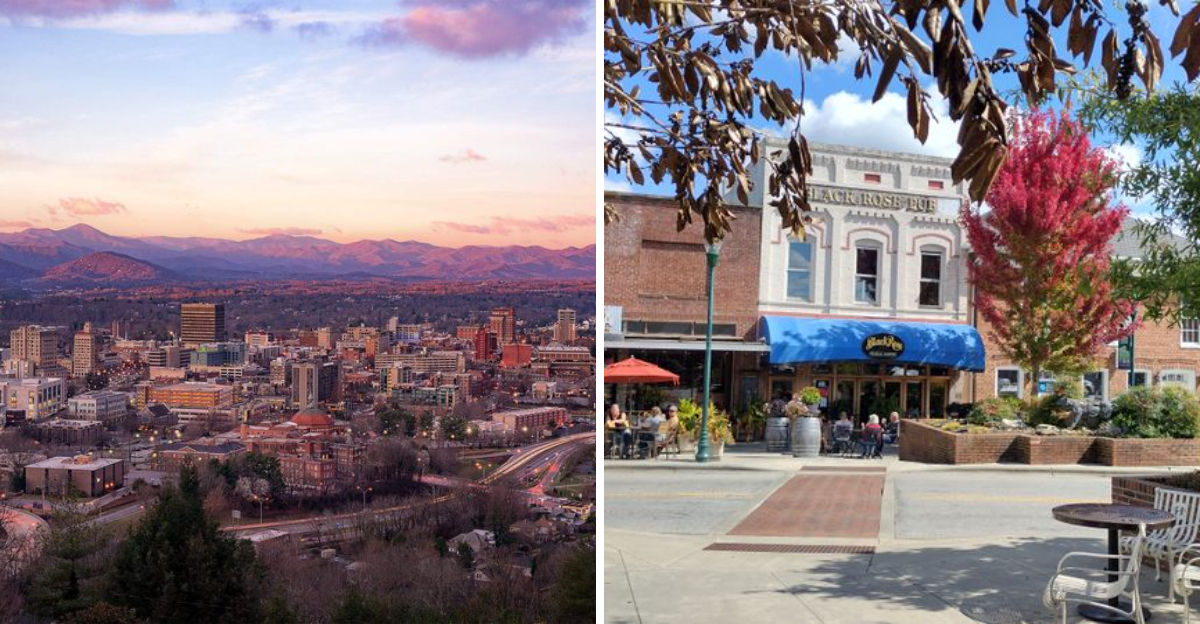
North Carolina’s mountain towns once offered peaceful escapes where locals and visitors enjoyed quiet streets, affordable living, and authentic Appalachian culture.
Over the years, word spread about these hidden gems, and tourism transformed them into bustling destinations.
What was once charming has become crowded, with traffic jams replacing tranquil drives and skyrocketing costs pushing out longtime residents.
While tourism brings economic benefits, it also changes the character of these beloved places.
From brewery-packed cities to exclusive mountain retreats, these ten North Carolina spots show how popularity can come at a price.
Many locals feel their hometowns have become unrecognizable, traded for the convenience of tourists.
Understanding these changes helps us appreciate what’s been lost and consider how we can travel more responsibly.
1. Asheville
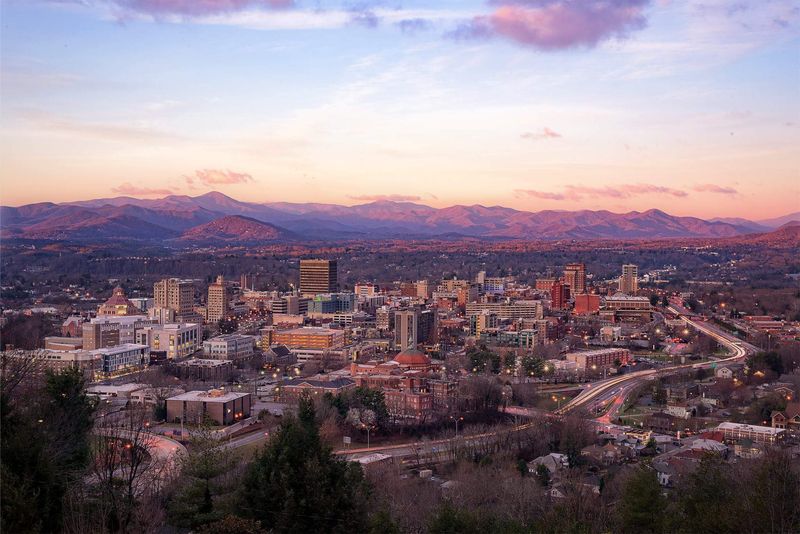
Asheville was once a laid-back arts community where musicians, painters, and free spirits gathered in affordable studios and cozy cafes.
The city’s creative energy attracted attention, and soon national media began celebrating its quirky culture and mountain scenery.
Today, Asheville has transformed into a major tourist destination with packed breweries, expensive restaurants, and constant traffic congestion.
Housing prices have skyrocketed, forcing many artists and longtime residents to move elsewhere.
Downtown streets that once felt welcoming now overflow with tour buses and bachelor parties.
The craft beer scene, while impressive, has become so saturated that finding a quiet spot feels nearly impossible.
Local businesses struggle to compete with chain stores and upscale boutiques catering to wealthy visitors.
Parking downtown requires patience and often a hefty fee, discouraging spontaneous visits.
The River Arts District, once a hidden gem of working studios, now sees crowds that make it hard for artists to focus on their craft.
Many residents feel their city has been sold to the highest bidder, leaving little room for the creative souls who built its reputation.
Address: Downtown Asheville, Asheville, NC 28801
2. Boone
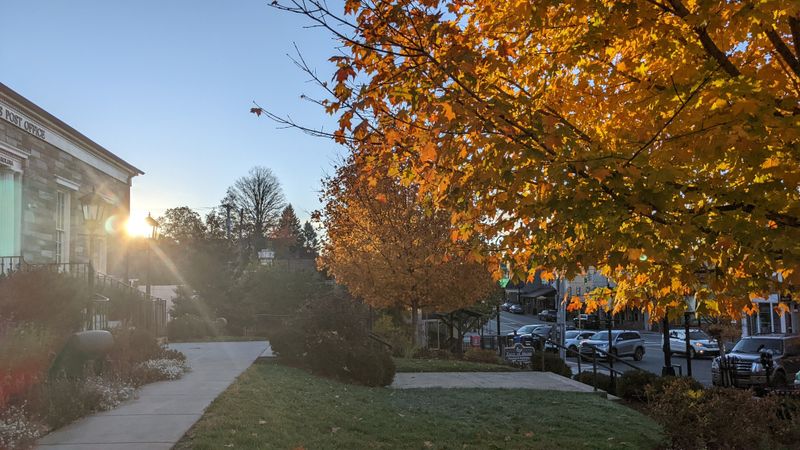
Boone started as a quiet college town where Appalachian State University students mingled peacefully with mountain locals.
Families enjoyed hiking trails without waiting in line, and downtown shops served a steady but manageable flow of customers.
As outdoor recreation gained popularity, Boone became known as an adventure hub for hiking, skiing, and mountain biking.
Tourists flooded in during peak seasons, competing with students for parking, restaurant tables, and trail access.
The town’s infrastructure wasn’t designed for such heavy traffic, leading to frequent backups on main roads.
Local coffee shops and breakfast spots now require long waits, especially on weekends when visitors arrive in droves.
Rental properties have shifted from housing students to accommodating short-term vacation guests, driving up costs.
Trails around Boone that once offered solitude now feel like crowded highways, diminishing the wilderness experience.
The charm of a small mountain college town has faded under the weight of commercial tourism.
Residents often avoid downtown during busy periods, choosing to shop and dine elsewhere.
What made Boone special was its balance between education, nature, and community, but that equilibrium has tipped dramatically.
Address: Downtown Boone, Boone, NC 28607
3. Blowing Rock
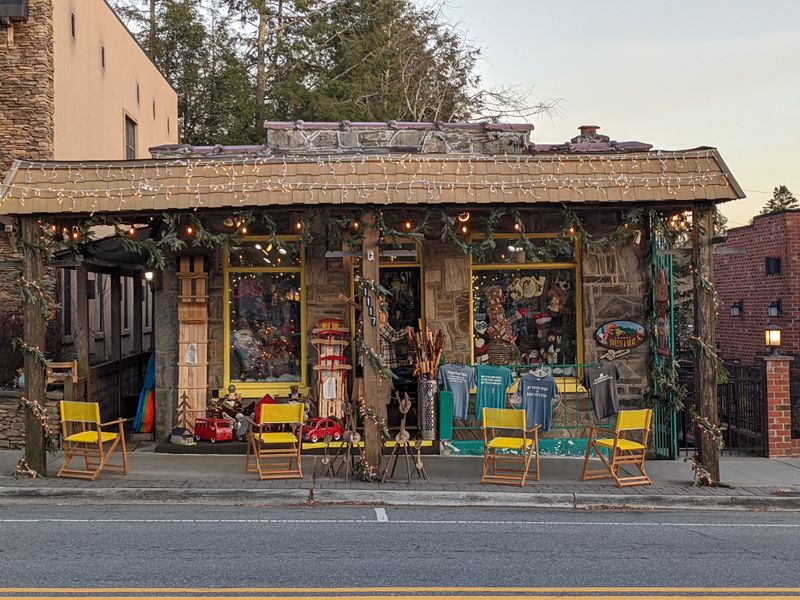
Blowing Rock earned its reputation as a postcard-perfect village with charming shops, friendly locals, and stunning mountain views.
Visitors once strolled leisurely along Main Street, popping into galleries and enjoying ice cream without feeling rushed.
As social media spread images of its picturesque scenery, tourism exploded beyond what the small village could handle.
Bumper-to-bumper traffic now clogs the main road, especially during fall foliage season when everyone wants a glimpse of autumn colors.
Parking lots fill up early, forcing visitors to circle endlessly or park far away and walk uphill.
The quaint atmosphere that drew people here feels lost amid the noise and congestion.
Local residents worry about preserving the small-town character that defined Blowing Rock for generations.
Popular overlooks become so crowded that getting a clear photo requires patience and luck.
Restaurants and shops struggle to serve the volume of customers, leading to longer waits and rushed service.
Some longtime business owners feel pressure to commercialize their offerings to meet tourist expectations.
The village’s charm relied on its unhurried pace and intimate scale, both of which have been compromised.
Address: Main Street, Blowing Rock, NC 28605
4. Bryson City
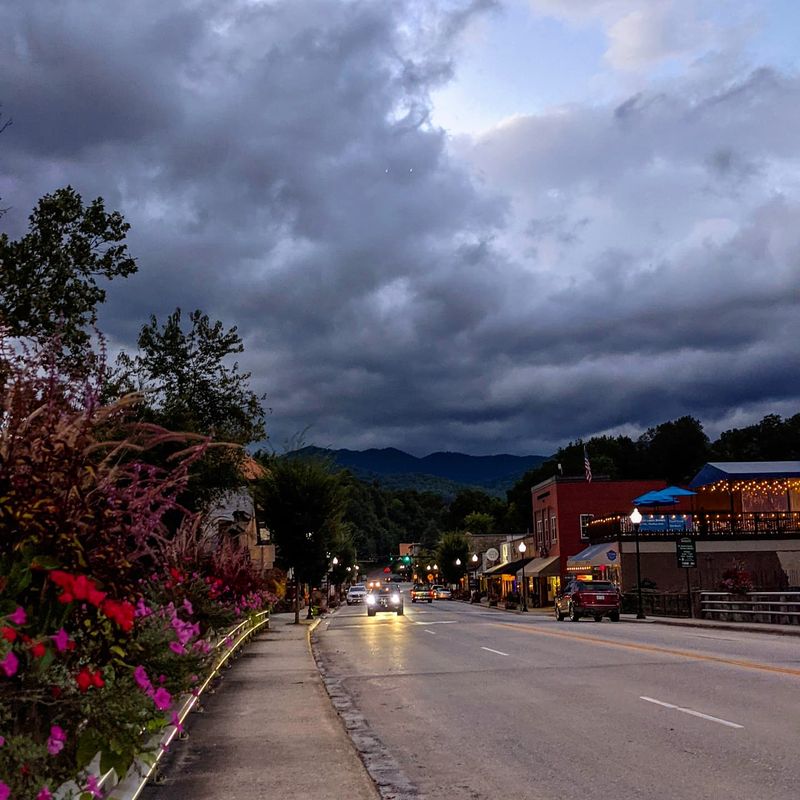
Bryson City was a sleepy gateway where travelers passed through quietly on their way to the Great Smoky Mountains.
Locals enjoyed a peaceful existence, running small businesses that catered to occasional visitors and each other.
Discovery of its proximity to national parks and the popularity of the Great Smoky Mountains Railroad changed everything.
Whitewater rafting companies set up shop, advertising adventure experiences that drew thrill-seekers from across the country.
The town’s infrastructure, built for a smaller population, now struggles under the weight of seasonal tourist surges.
Main Street shops that once carried practical goods now stock souvenirs and outdoor gear for visitors.
Traffic through town increases dramatically during summer and fall, creating bottlenecks and frustration.
Local housing has become harder to find as vacation rentals take over residential neighborhoods.
The railroad, while a charming attraction, brings hundreds of tourists at once, overwhelming nearby businesses.
Residents miss the days when they knew most faces in town and could predict the rhythm of daily life.
Bryson City’s transformation shows how quickly a quiet mountain town can become a tourist hotspot.
Address: Main Street, Bryson City, NC 28713
5. Highlands
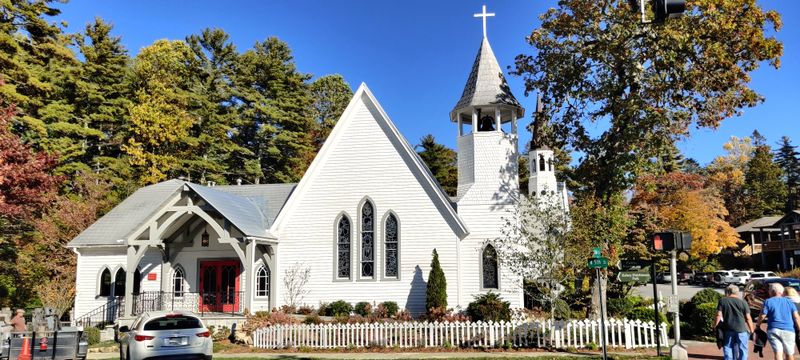
Highlands began as an exclusive but modest mountain retreat where families built summer cottages and enjoyed cool weather.
The town maintained a quiet elegance, with local shops serving residents and a small number of seasonal visitors.
Wealthy outsiders discovered Highlands and began purchasing properties, transforming it into a luxury destination.
Property values skyrocketed, making it nearly impossible for working families to afford living there.
High-end boutiques and upscale restaurants replaced the simple stores and diners that locals depended on.
Traffic through the small downtown area increased as more second-home owners and tourists arrived each season.
The sense of community that once defined Highlands has faded as part-time residents outnumber year-round locals.
Service workers who keep the town running often commute from more affordable areas, sometimes driving long distances.
Natural areas surrounding Highlands face increased pressure from visitors seeking waterfall hikes and scenic drives.
Many longtime residents feel priced out of their own town, watching as familiar faces disappear.
Highlands now caters primarily to the wealthy, leaving little space for the middle-class families who built its foundation.
Address: Main Street, Highlands, NC 28741
6. Maggie Valley
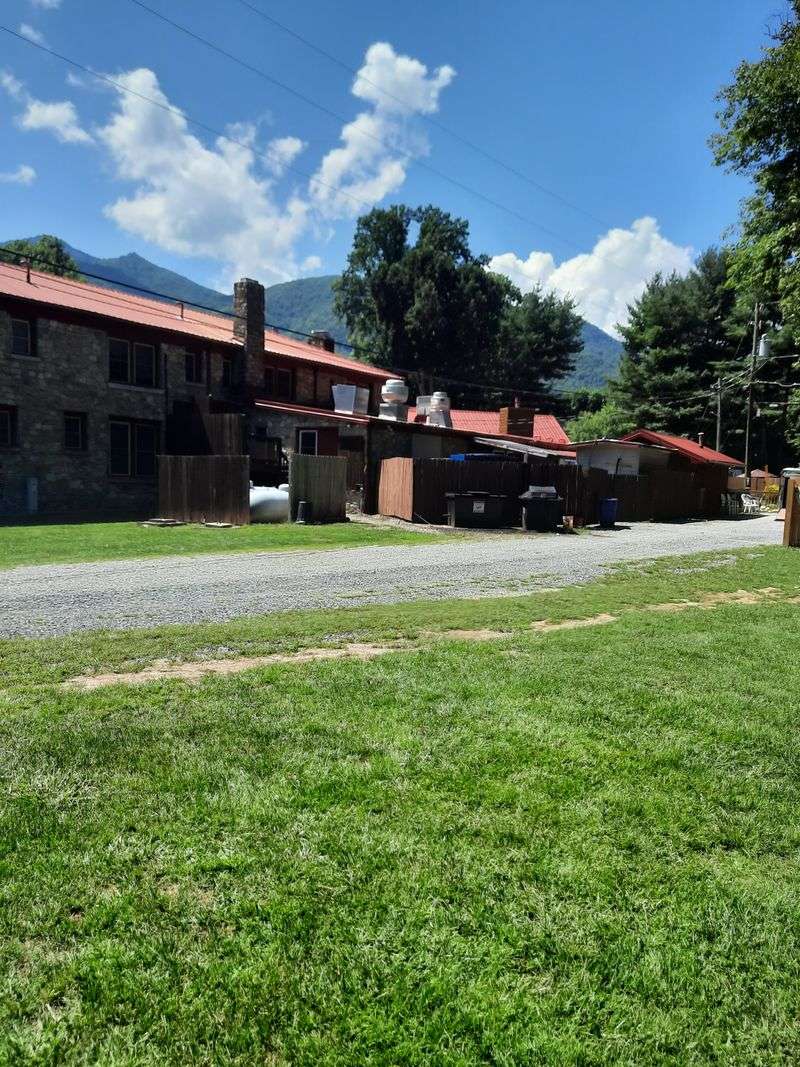
Maggie Valley was a peaceful mountain community where families enjoyed simple pleasures like fishing and scenic drives.
The valley’s natural beauty and winding roads attracted motorcycle enthusiasts who spread the word about its appeal.
What started as a trickle of bikers became a roar during peak seasons, especially on weekends.
Highway 19 through the valley now thunders with motorcycle traffic, disrupting the once-quiet atmosphere.
Lodging options fill up months in advance, leaving little room for spontaneous visitors or locals hosting family.
Businesses have shifted focus to cater to motorcyclists, with leather shops and bike-themed restaurants dominating the landscape.
Residents who valued the valley’s tranquility feel overwhelmed by the constant noise and activity.
The peaceful community they knew has been replaced by a seasonal tourist economy that peaks and crashes.
During busy times, finding parking or a table at a restaurant becomes a challenge.
Off-season, many businesses close, leaving the town feeling abandoned rather than restful.
Maggie Valley’s transformation illustrates how a single type of tourism can reshape an entire community.
Address: Highway 19, Maggie Valley, NC 28751
7. Banner Elk
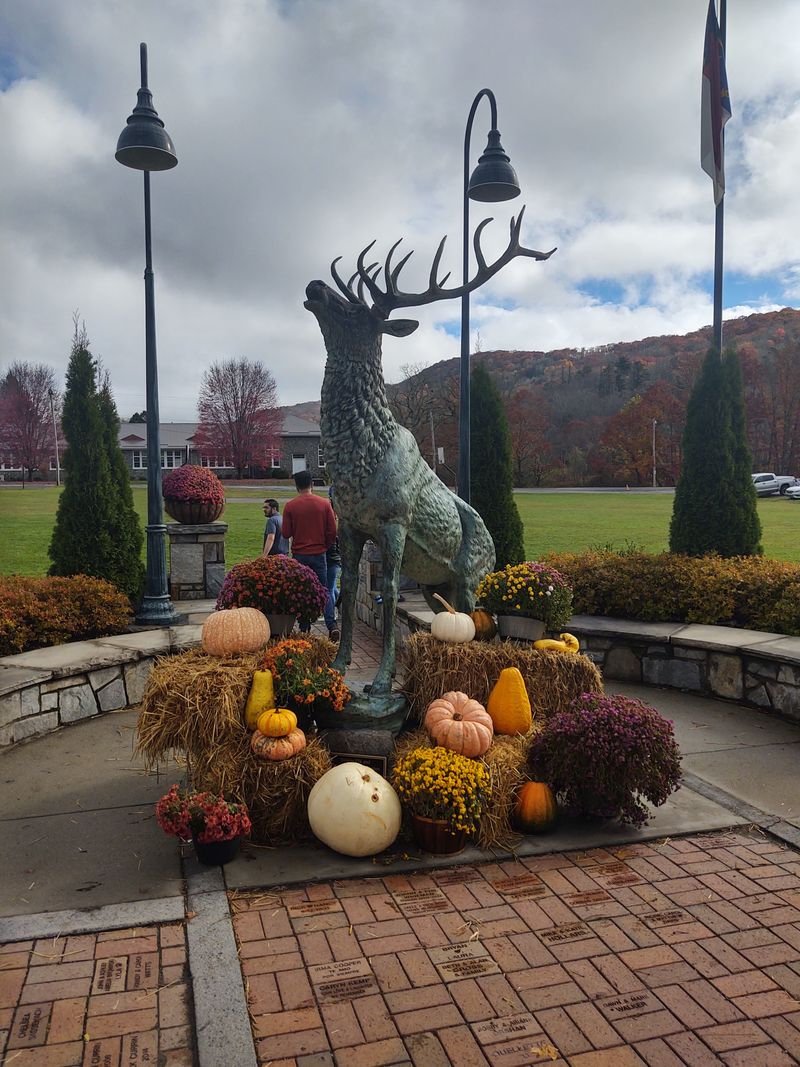
Banner Elk thrived as a seasonal mountain town where winter brought skiers and summer offered quiet respite.
The rhythm of life followed the seasons, with locals enjoying peaceful summers after the winter rush.
Nearby ski resorts expanded their offerings, adding summer activities like zip lines, mountain biking, and festivals.
Suddenly, Banner Elk became a year-round destination with no off-season to catch its breath.
Extended-stay visitors began outnumbering traditional weekend tourists, changing the town’s community dynamic.
Vacation rentals proliferated, converting residential neighborhoods into transient zones with constantly changing faces.
Local schools and services struggled to adapt to a population that swells and shrinks unpredictably.
Traffic increased significantly, especially on roads leading to ski areas and outdoor attractions.
The tight-knit community that once defined Banner Elk has loosened as fewer year-round residents remain.
Small businesses face pressure to stay open longer hours and cater to tourist preferences over local needs.
What was once a predictable mountain town has become a bustling resort area with little downtime.
Address: Main Street, Banner Elk, NC 28604
8. Lake Lure and Chimney Rock
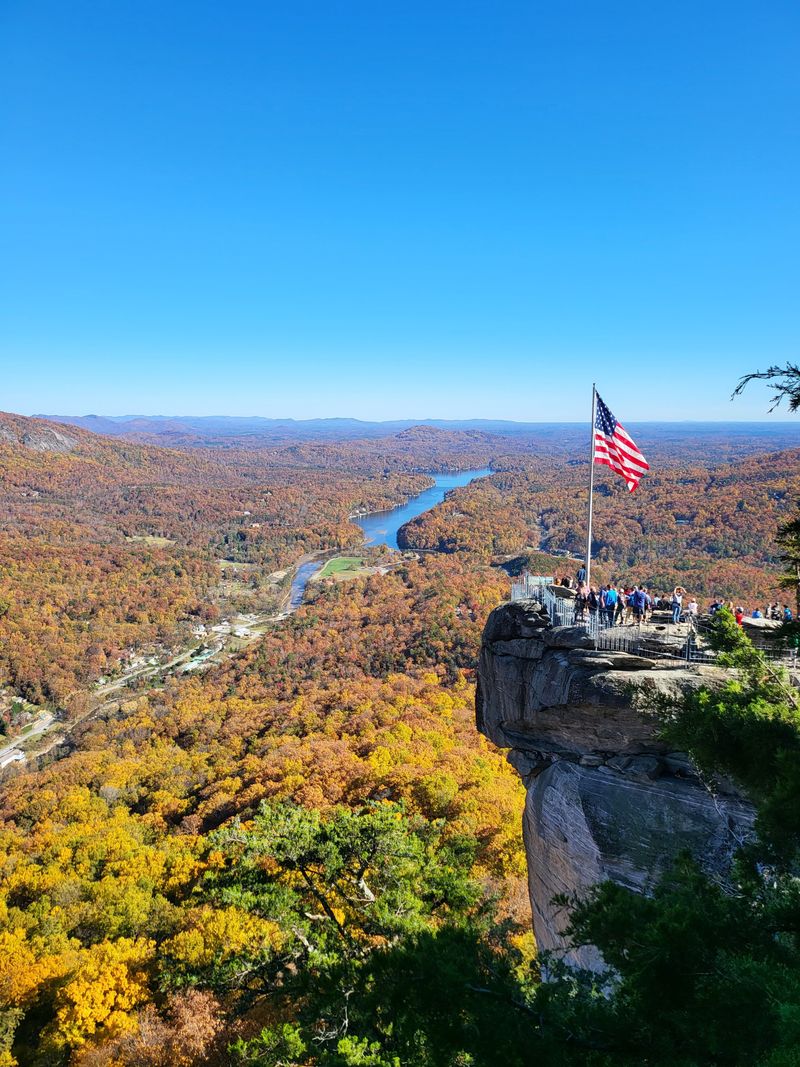
Lake Lure and Chimney Rock offered scenic beauty and outdoor recreation without overwhelming crowds.
Families discovered these spots through word of mouth, enjoying swimming, hiking, and exploring at their own pace.
A famous movie filmed at Lake Lure brought national attention, and visitor numbers climbed steadily.
Chimney Rock State Park became a must-see attraction, drawing tourists eager to climb the iconic rock formation.
During busy times, parking lots fill quickly, and visitors face long waits just to enter the park.
The lake’s beaches become packed with tourists, leaving little room for locals to enjoy their own backyard.
Roads leading to both attractions experience heavy congestion, especially on summer weekends and holidays.
The peaceful atmosphere that made these places special has been replaced by noise and crowds.
Local residents avoid peak times, knowing that accessing their favorite spots will require patience and frustration.
Businesses benefit economically but worry about the long-term sustainability of such heavy visitation.
Environmental concerns arise as increased foot traffic wears down trails and impacts natural habitats.
Address: Lake Lure, NC 28746 and Chimney Rock, NC 28720
9. Grandfather Mountain
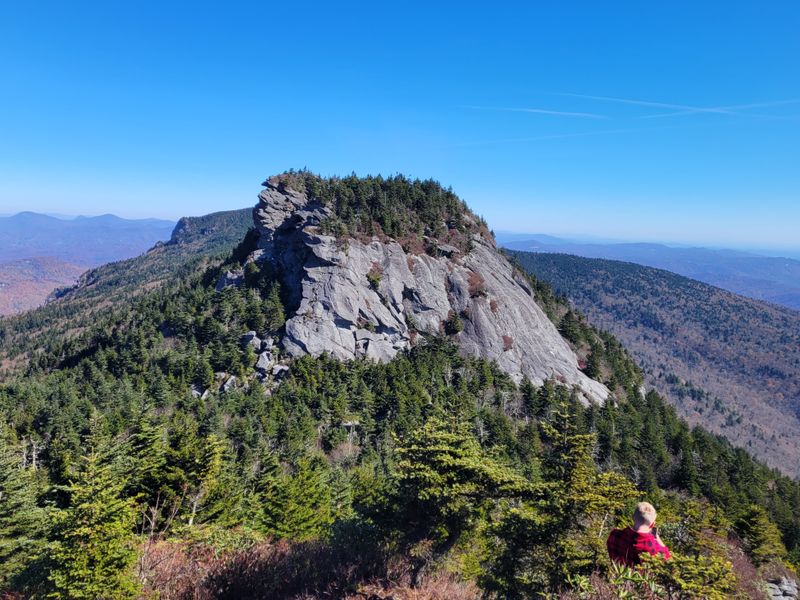
Grandfather Mountain stood as a majestic natural landmark where visitors could experience wilderness and solitude.
The famous swinging bridge offered breathtaking views without the hassle of fighting crowds for a glimpse.
As North Carolina promoted its mountain attractions, Grandfather Mountain became a headline destination.
Social media amplified its popularity, with everyone wanting to capture the perfect photo on the bridge.
During peak visitation times, long lines form just to walk across the bridge, diminishing the experience.
Viewing areas that once allowed contemplation now feel like crowded observation decks.
The parking areas fill up early, forcing visitors to wait or return later in hopes of finding space.
Wildlife habitats around the mountain face pressure from increased human presence and noise.
The sense of connecting with nature becomes difficult when surrounded by dozens of other tourists.
Rangers work hard to manage the crowds, but the sheer volume of visitors strains resources.
What was once a peaceful mountain experience has become a tourist attraction with all the associated challenges.
Address: 2050 Blowing Rock Highway, Linville, NC 28646
10. Hendersonville
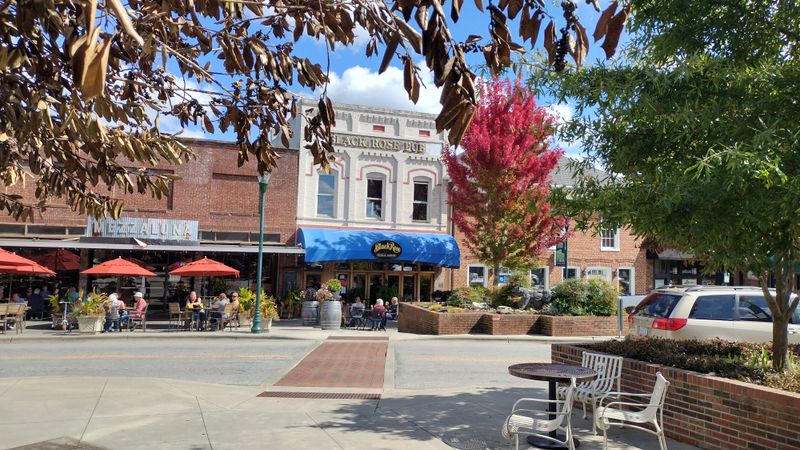
Hendersonville grew up around apple orchards, with a charming downtown that served local farmers and families.
The annual North Carolina Apple Festival celebrated the harvest with a small-town feel and manageable crowds.
As agritourism became trendy, Hendersonville marketed itself as an apple destination, attracting visitors from across the region.
The festival grew exponentially, now drawing massive crowds that overwhelm the downtown area.
During fall, traffic congestion becomes a daily frustration as tourists flock to orchards and cider mills.
Parking downtown requires arriving early or circling for extended periods hoping for an open spot.
Local residents often avoid downtown during festival season, knowing the chaos that awaits.
Restaurants and shops benefit financially but struggle to maintain quality service under such pressure.
The quiet, orchard-based community has transformed into a bustling tourist destination for several months each year.
Housing prices have risen as people discover Hendersonville’s appeal, making it harder for locals to stay.
The town’s agricultural roots remain visible, but they’re now packaged for tourist consumption rather than local sustenance.
Address: Main Street, Hendersonville, NC 28792
Dear Reader: This page may contain affiliate links which may earn a commission if you click through and make a purchase. Our independent journalism is not influenced by any advertiser or commercial initiative unless it is clearly marked as sponsored content. As travel products change, please be sure to reconfirm all details and stay up to date with current events to ensure a safe and successful trip.
