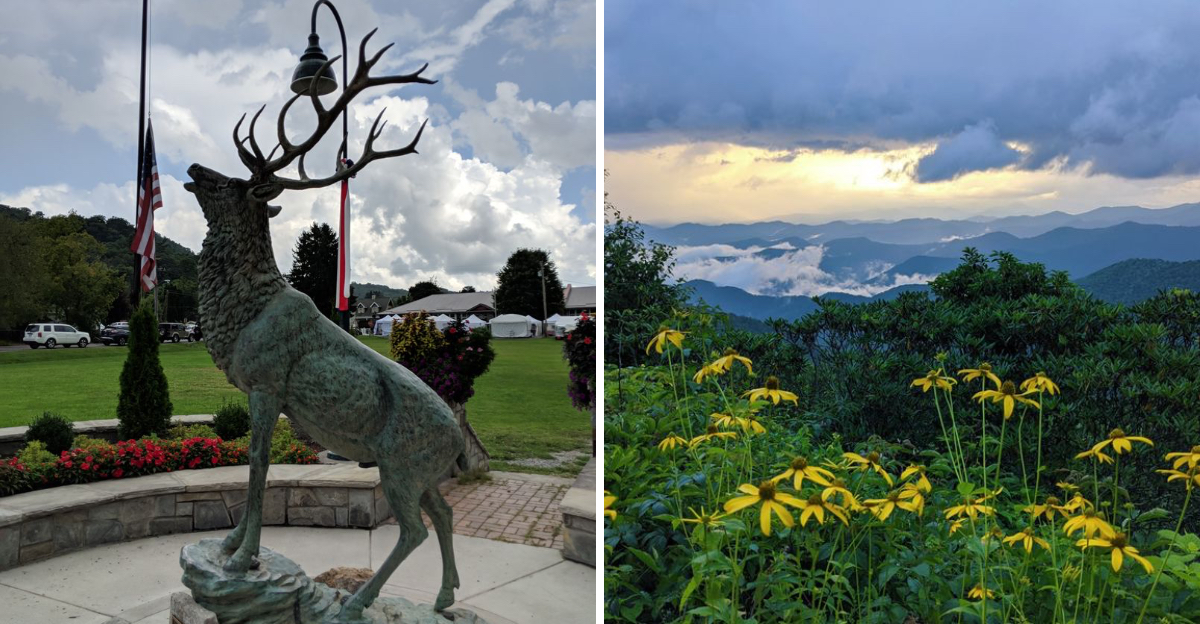
Tucked into western North Carolina, a cluster of mountain towns is drawing travelers off the usual tourist trail.
These communities blend natural beauty with local character, offering quiet streets, artisan shops, and sweeping views.
Each town adds its own flavor through arts, food, and heritage.
Here are ten mountain towns capturing growing interest right now.
This list is based on travel trends, regional coverage, visitor interest, and on-the-ground observations from our editorial team.
Levels of tourism and popularity can shift over time, and the order reflects current patterns and editorial judgment rather than a definitive ranking.
1. Blowing Rock
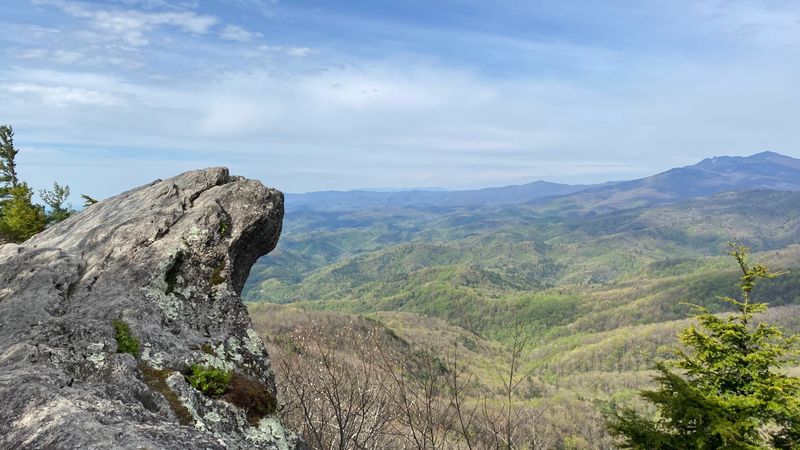
Perched along the Blue Ridge Parkway, Blowing Rock offers a mix of natural wonder and small-town appeal that keeps visitors coming back.
The town takes its name from The Blowing Rock, where an unusual updraft blows upward from the valley below and helped inspire local legends.
Main Street is lined with boutiques, galleries, and cafes that reflect the town’s artistic spirit.
You’ll find handmade pottery, locally crafted jewelry, and paintings inspired by the surrounding landscape.
The atmosphere is welcoming, with shop owners often eager to share stories about their work and the area.
Outdoor enthusiasts appreciate the proximity to trails, waterfalls, and scenic drives.
Bass Lake offers a peaceful spot for picnicking or paddling, while nearby Moses Cone Manor provides miles of carriage trails perfect for hiking or horseback riding.
The town’s elevation brings cooler temperatures even in summer, making it a comfortable retreat from the heat.
Blowing Rock also hosts seasonal festivals, including art shows and music events that draw both locals and visitors.
Dining options range from cozy bistros to upscale restaurants, many featuring ingredients sourced from nearby farms.
The sense of community here is strong, and it shows in the way businesses support one another and welcome newcomers.
Accommodations include charming inns, bed-and-breakfasts, and vacation rentals, each offering a different take on mountain hospitality.
Blowing Rock manages to feel both polished and unpretentious, a balance that appeals to a wide range of travelers.
It’s a place where you can spend the morning hiking and the afternoon browsing galleries, then end the day with a meal that celebrates the region’s flavors.
The town’s growing reputation reflects its ability to offer both relaxation and discovery.
2. Cashiers
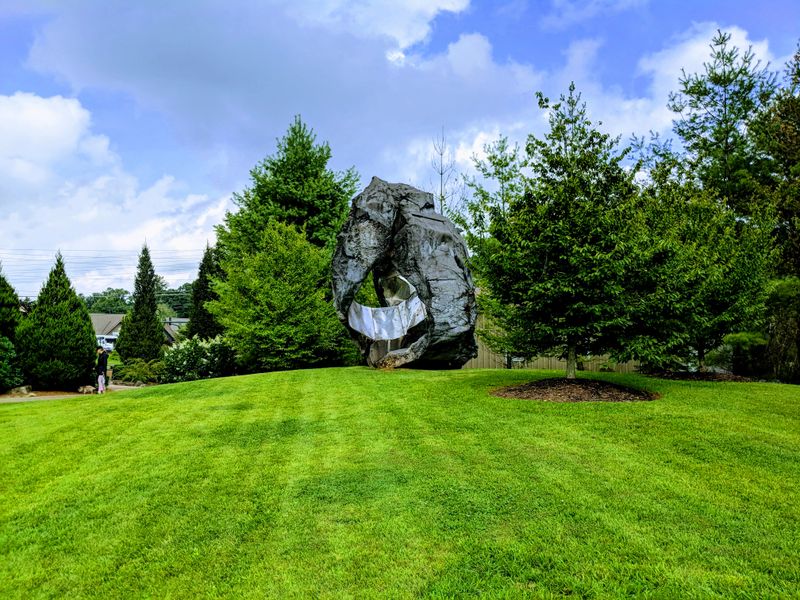
Nestled in a high-altitude valley, Cashiers is known for its lush forests, cascading waterfalls, and a laid-back vibe that contrasts with busier mountain destinations.
The town sits at the crossroads of several scenic byways, making it an ideal base for exploring the surrounding wilderness.
Whiteside Mountain looms nearby, offering dramatic cliff faces and panoramic views accessible via a moderate loop trail.
Waterfalls are abundant here, with Silver Run Falls and Drift Falls both within easy reach.
The cool, misty air near these cascades provides a refreshing break on warm days.
Cashiers has long been a summer retreat for families seeking respite from southern heat, and that tradition continues today.
The village center is compact, with a handful of shops, restaurants, and markets that cater to both residents and visitors.
You’ll find locally made goods, regional crafts, and friendly faces behind the counters.
Golf courses dot the area, attracting players who appreciate the challenge of mountain terrain and stunning backdrops.
Fishing is popular in nearby streams and lakes, with trout being the primary catch.
The town’s elevation keeps temperatures comfortable, even in the height of summer, and fall brings a spectacular display of color as hardwoods shift through shades of gold and crimson.
Cashiers maintains a quiet elegance, with upscale lodges and rental homes blending into the landscape.
Dining options emphasize fresh, seasonal ingredients, and many establishments highlight local trout and produce.
The sense of tranquility here is palpable, making it a favorite among those seeking a slower pace.
Cashiers proves that you don’t need crowds or constant activity to create memorable mountain experiences.
3. Brevard
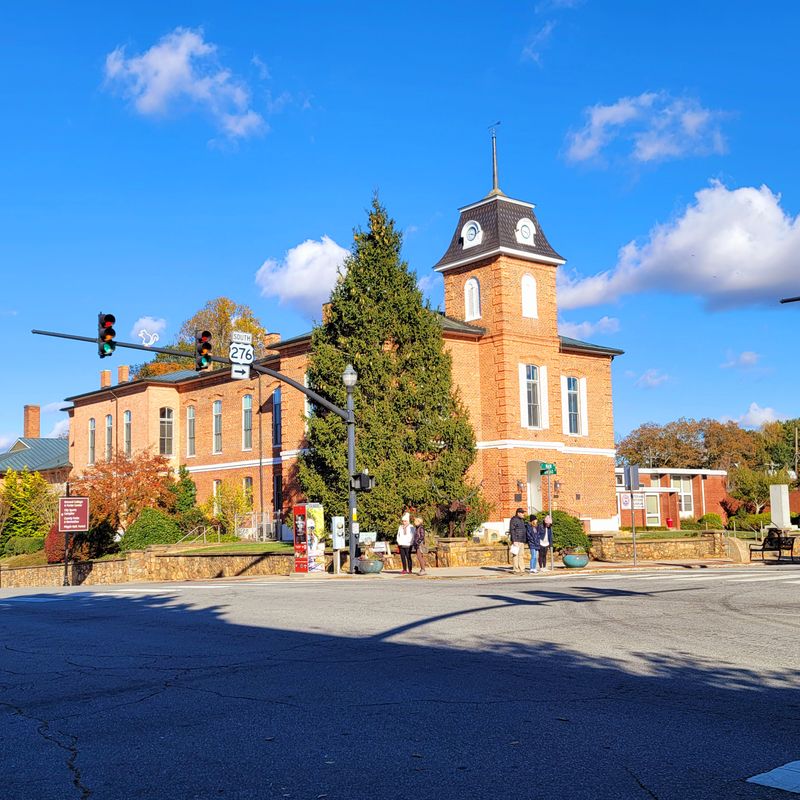
Known as the Land of Waterfalls, Brevard sits at the edge of Pisgah National Forest and offers easy access to some of the most stunning cascades in the region.
Looking Glass Falls and Sliding Rock are among the most visited, but dozens of others await those willing to venture onto forest trails.
The town itself has a vibrant downtown, with independent bookstores, music shops, and cafes that reflect a strong sense of community.
Brevard is home to a renowned music center that hosts summer festivals, drawing performers and audiences from across the country.
The streets come alive with concerts, outdoor markets, and art walks throughout the warmer months.
Mountain biking is a major draw, with trails ranging from beginner-friendly paths to technical singletracks that challenge even experienced riders.
The nearby Davidson River provides excellent fly fishing opportunities, and outfitters in town offer guided trips and gear rentals.
White squirrels, a unique population found primarily in Brevard, add a quirky charm to the area.
Spotting one has become a fun pastime for visitors exploring the parks and neighborhoods.
Brevard’s dining scene is diverse, with farm-to-table restaurants, breweries, and casual eateries offering everything from Southern comfort food to international flavors.
The town’s commitment to preserving natural spaces while fostering a lively cultural scene makes it stand out among mountain destinations.
Lodging options include historic inns, modern hotels, and vacation rentals that suit various budgets and preferences.
Brevard’s combination of outdoor adventure and cultural richness appeals to active travelers and those seeking artistic inspiration alike.
It’s a place where the rhythm of mountain life blends seamlessly with creative energy.
4. Highlands
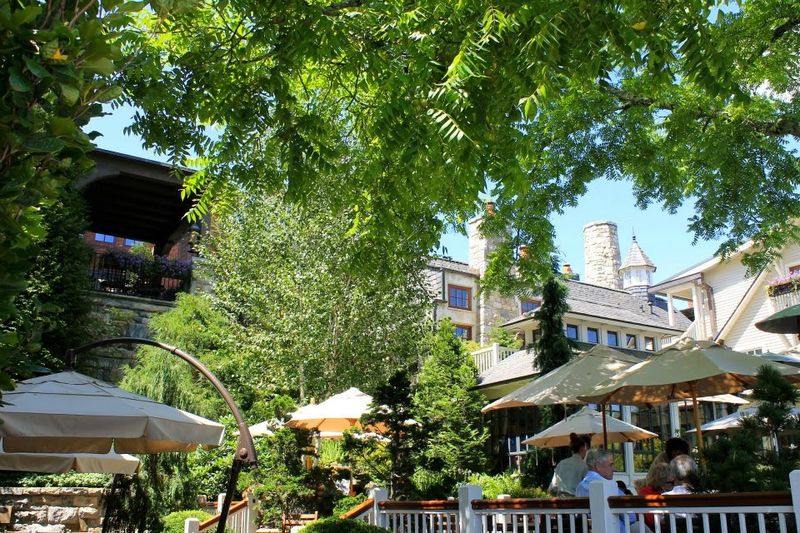
Sitting above four thousand feet, Highlands enjoys some of the coolest summer temperatures in the Southeast, making it a longtime favorite for seasonal visitors.
The town’s Main Street is lined with upscale boutiques, art galleries, and restaurants that cater to a discerning clientele.
Despite its refined atmosphere, Highlands retains a welcoming, small-town feel.
Nearby waterfalls include Dry Falls, where you can walk behind the cascade without getting wet, and Bridal Veil Falls, which once allowed cars to drive beneath its flow.
Hiking trails wind through the surrounding forests, leading to overlooks, hidden streams, and quiet glades.
The Highlands Biological Station conducts research on the region’s unique ecosystems and offers nature programs open to the public.
Botanical gardens showcase native plants and provide a peaceful setting for a leisurely stroll.
Golf courses here take advantage of the dramatic topography, offering challenging play amid stunning scenery.
Highlands hosts a variety of cultural events, including theater productions, concerts, and lectures that draw both residents and visitors.
The town’s culinary scene is impressive, with restaurants serving everything from classic Southern dishes to innovative contemporary cuisine.
Many establishments source ingredients locally, emphasizing the flavors of the region.
Accommodations range from historic inns to luxury rentals, each offering a different perspective on mountain living.
Highlands balances elegance with accessibility, making it a destination that feels both special and approachable.
The town’s commitment to preserving its natural surroundings ensures that future generations will continue to enjoy its beauty.
Highlands proves that sophistication and mountain charm can coexist harmoniously.
5. Boone
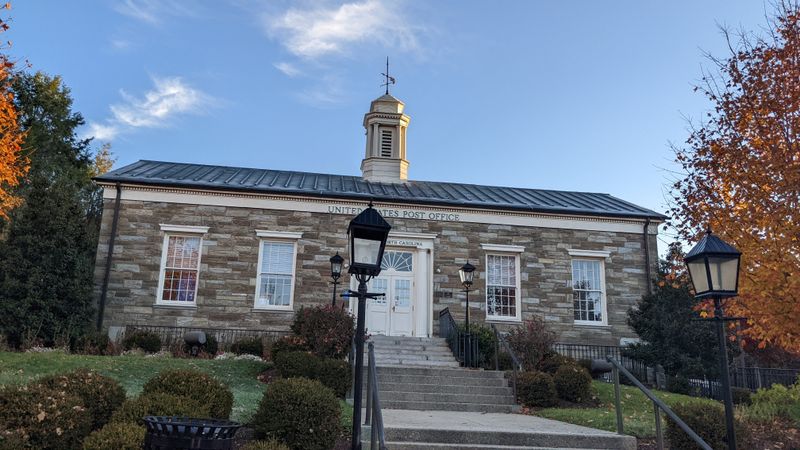
Home to Appalachian State University, Boone brings youthful energy to the high country, blending college-town vibrancy with mountain culture.
King Street, the main thoroughfare, is packed with coffee shops, record stores, outdoor gear retailers, and eateries that serve everything from barbecue to international fare.
The university’s presence infuses the town with live music, theater performances, and lectures open to the public.
Outdoor recreation is central to life in Boone, with hiking, skiing, and mountain biking all within easy reach.
The nearby Blue Ridge Parkway offers endless opportunities for scenic drives and trail access.
In winter, local ski resorts attract visitors looking for snow sports without the long drive to more distant mountains.
Grandfather Mountain, just a short drive away, features a mile-high swinging bridge and trails that showcase the rugged beauty of the region.
Boone’s farmers market is a highlight, with vendors selling fresh produce, baked goods, crafts, and flowers.
The market fosters a sense of community and provides a direct connection to the area’s agricultural heritage.
Breweries and taprooms have become popular gathering spots, offering locally crafted beers and a relaxed atmosphere.
Boone’s music scene is robust, with venues hosting everything from bluegrass to indie rock.
The town’s elevation means cooler temperatures year-round, and fall brings throngs of visitors eager to witness the changing leaves.
Accommodations include chain hotels, independent lodges, and vacation rentals that cater to families, couples, and solo travelers.
Boone’s blend of education, culture, and outdoor adventure creates a dynamic environment that appeals to a wide audience.
It’s a place where tradition and innovation meet, resulting in a town that feels both rooted and forward-thinking.
6. Banner Elk
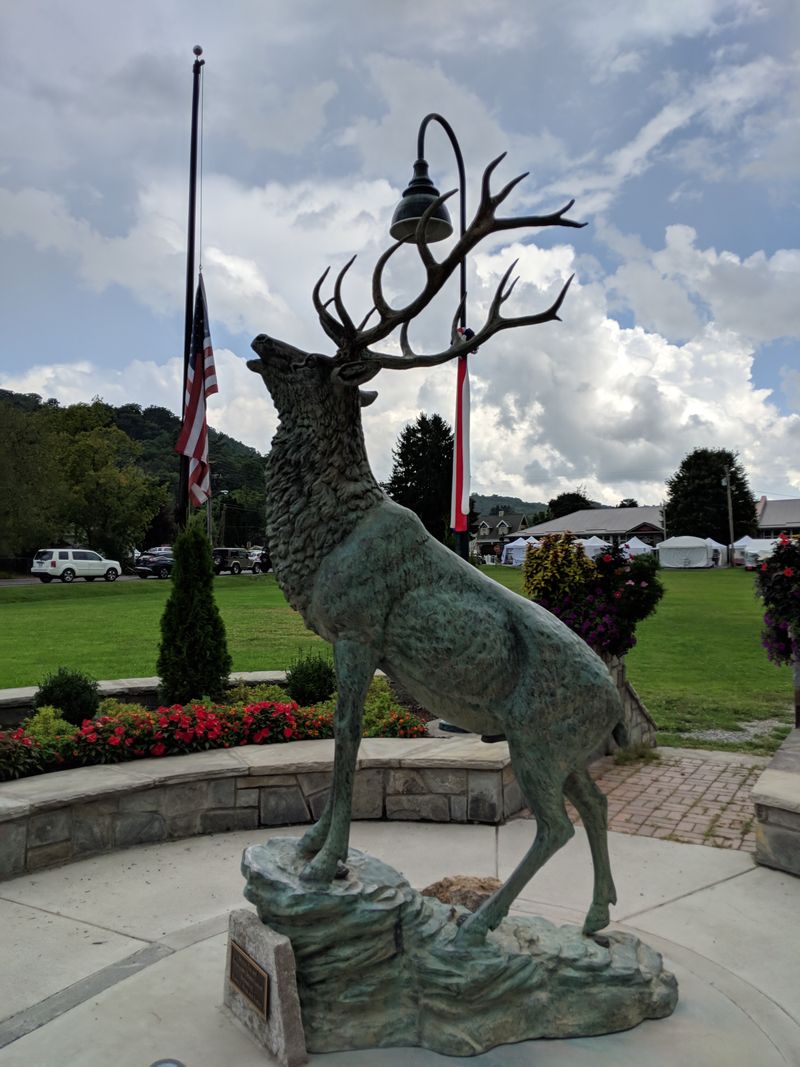
Surrounded by some of the highest peaks in the state, Banner Elk offers a true alpine atmosphere that shifts with the seasons.
Winter brings skiers and snowboarders to nearby slopes, while summer and fall attract hikers, golfers, and those simply seeking mountain air.
The village itself is small but well-equipped, with shops, restaurants, and services that cater to outdoor enthusiasts.
Beech Mountain and Sugar Mountain are both within minutes, providing varied terrain for winter sports.
When the snow melts, these same mountains become prime territory for mountain biking and hiking.
Grandfather Mountain State Park is nearby, offering trails that range from easy walks to challenging scrambles.
The park’s biodiversity and geological features make it a favorite among nature lovers.
Banner Elk hosts several festivals throughout the year, including art shows and music events that celebrate Appalachian culture.
Dining options emphasize comfort and warmth, with many establishments featuring fireplaces and hearty menus perfect for mountain weather.
Local breweries and cideries offer tastings and tours, showcasing the region’s growing craft beverage scene.
Accommodations include cozy cabins, lodges, and vacation homes that provide stunning views and easy access to outdoor activities.
Banner Elk’s elevation means cooler temperatures and a longer fall color season, making it a popular destination for leaf-peepers.
The town’s compact size fosters a sense of intimacy, and visitors often remark on the friendly, welcoming atmosphere.
Banner Elk proves that a small village can offer big experiences when surrounded by natural beauty and a strong sense of place.
It’s a destination that invites you to slow down, breathe deeply, and appreciate the mountains in all their seasonal glory.
7. Saluda
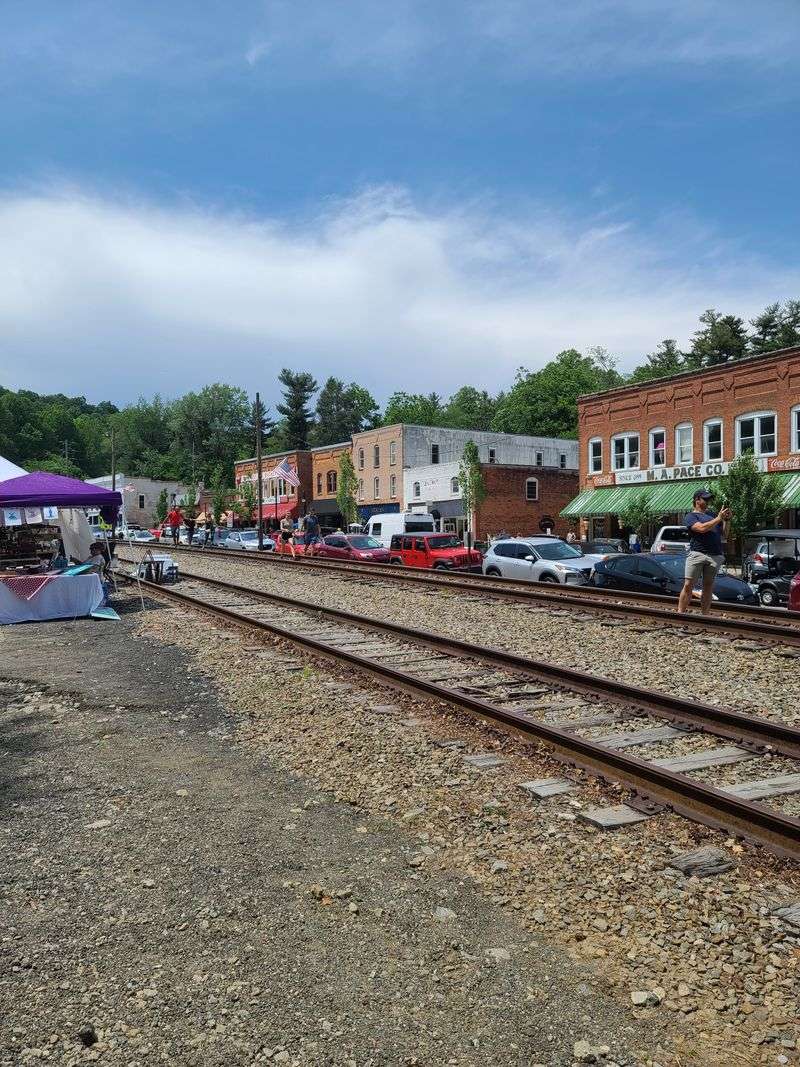
Saluda’s history is tied to the railroad, thanks to the Saluda Grade, widely cited as the steepest standard-gauge mainline railroad grade in the U.S.
This heritage is visible in the old depot and the trains that still rumble past, adding a nostalgic soundtrack to daily life.
Main Street is a charming stretch of shops, galleries, and cafes housed in historic buildings.
Local artists display their work in several galleries, and you’ll find everything from paintings to handmade furniture.
Saluda’s location on the Eastern Continental Divide means that water flows east to the Atlantic or west to the Gulf, a geographic quirk that adds to the town’s unique character.
Hiking trails in the area include Pearson’s Falls, a privately maintained nature preserve with a beautiful waterfall accessible via a short, easy trail.
The Green River Gorge nearby offers world-class whitewater rafting and kayaking for those seeking adrenaline-fueled adventure.
Saluda’s downtown is walkable and inviting, with benches and green spaces that encourage lingering.
The town hosts events like the Saluda Arts Festival, which draws vendors and visitors from across the region.
Dining options are varied, with farm-to-table restaurants, pizza joints, and cafes that emphasize local ingredients.
Accommodations include bed-and-breakfasts, inns, and vacation rentals that reflect the town’s historic charm.
Saluda’s elevation provides a mild climate, and the surrounding forests offer shade and serenity.
The town’s blend of history, art, and outdoor recreation creates a well-rounded destination that appeals to diverse interests.
Saluda may be small, but it packs a lot of personality into its few blocks.
It’s a place where the past and present coexist comfortably, inviting visitors to explore both.
8. Burnsville
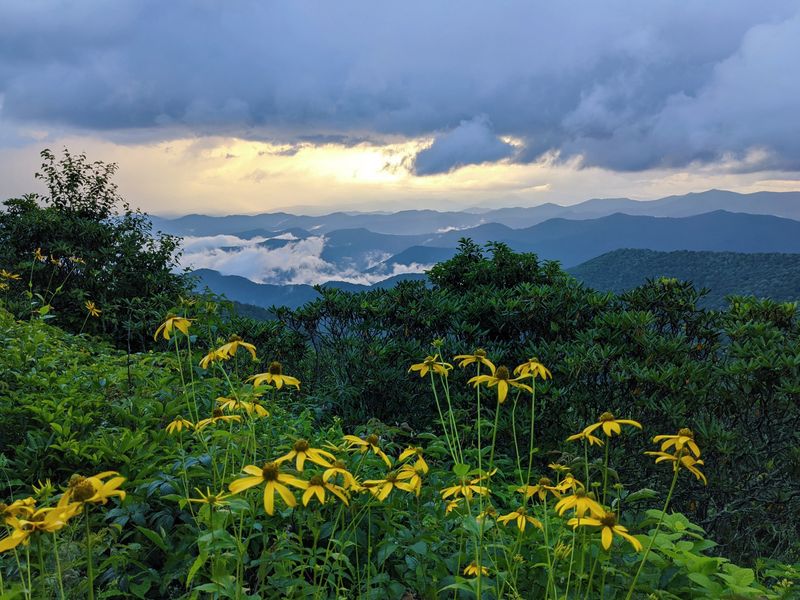
Burnsville sits close to Mount Mitchell State Park, home to Mount Mitchell, the highest peak east of the Mississippi.
The town square is the heart of the community, with a historic courthouse, local shops, and a farmers market that brings everyone together on weekends.
Mount Mitchell State Park is just a short drive away, offering trails and an observation tower that provides 360-degree views of the surrounding mountains.
The park’s cool temperatures and unique ecosystem make it a fascinating destination for hikers and naturalists.
Burnsville’s downtown reflects its Appalachian roots, with craft shops selling pottery, textiles, and woodwork made by local artisans.
The town is part of the Toe River Arts Council, which promotes the region’s vibrant arts scene through galleries, studios, and events.
Hiking, fishing, and camping opportunities abound in the nearby Pisgah and Cherokee National Forests.
The South Toe River provides excellent trout fishing, and several outfitters offer guided trips and equipment rentals.
Burnsville hosts the Music in the Mountains Folk Festival, bringing traditional music and mountain culture into the town each summer.
Dining in Burnsville ranges from classic Southern fare to creative, chef-driven menus that highlight seasonal ingredients.
Accommodations include historic inns, modern lodges, and cabins that offer peaceful retreats with mountain views.
The town’s elevation and location make it a prime spot for stargazing, with dark skies that reveal the Milky Way on clear nights.
Burnsville’s blend of natural beauty, cultural richness, and small-town warmth makes it a destination worth exploring.
It’s a place where the mountains feel close, both in proximity and spirit.
9. Tryon
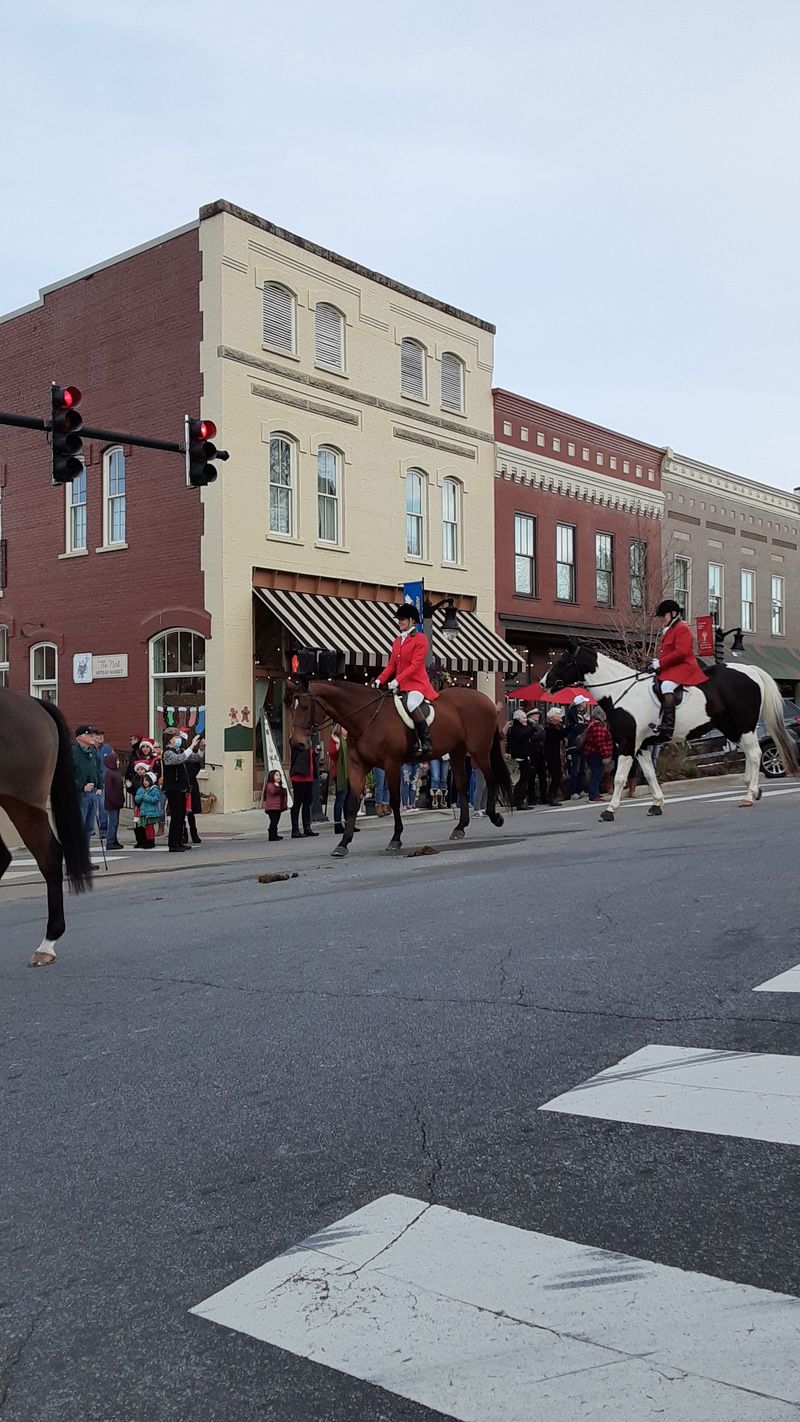
Tryon’s reputation as an equestrian hub draws riders and horse enthusiasts from around the world, but its appeal extends far beyond the stables.
The town’s downtown is lined with galleries, antique shops, and restaurants that reflect a sophisticated yet relaxed atmosphere.
Tryon International Equestrian Center in nearby Mill Spring hosts world-class competitions and events throughout the year.
Even if you’re not into horses, the center’s facilities and the spectacle of competition are impressive.
The surrounding foothills offer hiking trails, waterfalls, and scenic drives that showcase the transition from Piedmont to mountains.
Pearson’s Falls is nearby, and the short trail to the waterfall is suitable for all ages.
Tryon’s artistic community is active, with theater productions, concerts, and art shows happening regularly.
The town’s mild climate, influenced by its lower elevation, makes it comfortable year-round.
Dining options include upscale bistros, casual cafes, and farm-to-table restaurants that emphasize local flavors.
Tryon’s downtown is walkable, with tree-lined streets and a welcoming vibe that encourages exploration.
Accommodations range from historic bed-and-breakfasts to modern hotels, each offering a unique take on Southern hospitality.
The town’s blend of culture, outdoor recreation, and equestrian tradition creates a distinctive identity.
Tryon’s proximity to Asheville and other mountain destinations makes it a convenient base for exploring the region.
It’s a town that balances elegance with accessibility, appealing to visitors seeking both refinement and authenticity.
Tryon invites you to slow down, savor the surroundings, and discover what makes this corner of North Carolina special.
10. Sylva
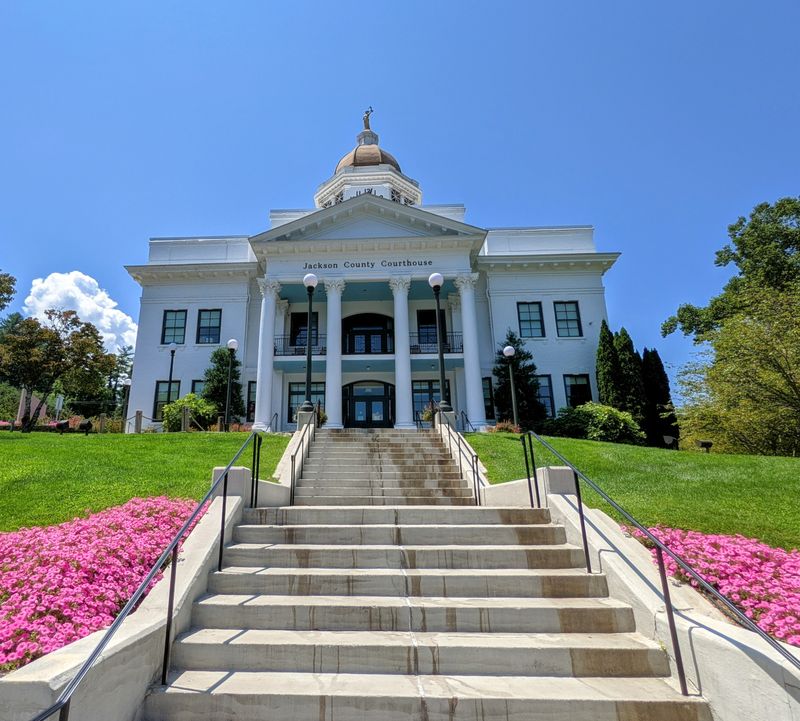
Sylva’s downtown sits on a hillside, with Main Street climbing past historic buildings that house shops, restaurants, and the iconic Jackson County Courthouse.
The courthouse, with its distinctive white columns, overlooks the town and serves as a landmark visible from miles away.
Sylva is a gateway to Great Smoky Mountains National Park, making it a convenient base for exploring the park’s trails and scenic drives.
The town itself offers a mix of outdoor recreation and cultural attractions, with hiking, fishing, and kayaking all within easy reach.
Dillsboro, a neighboring village, is known for its craft shops, train rides, and the Tuckasegee River, which offers tubing and rafting opportunities.
Sylva’s downtown has experienced a revival in recent years, with new businesses opening alongside longtime establishments.
You’ll find coffee roasters, breweries, bookstores, and galleries that reflect the town’s creative spirit.
Dining options emphasize local ingredients, with menus that celebrate Appalachian flavors and traditions.
Western Carolina University is nearby, adding a youthful energy and cultural programming to the area.
Sylva hosts festivals and events throughout the year, including music festivals, art walks, and seasonal celebrations.
The town’s location in the Tuckasegee River valley provides stunning mountain views in every direction.
Accommodations include historic inns, chain hotels, and vacation rentals that cater to various preferences and budgets.
Sylva’s blend of history, natural beauty, and community spirit makes it a destination that feels both welcoming and authentic.
It’s a town where the mountains are always in view, reminding you of the landscape that defines this part of North Carolina.
Sylva invites exploration, whether you’re wandering its hillside streets or venturing into the surrounding wilderness.
Dear Reader: This page may contain affiliate links which may earn a commission if you click through and make a purchase. Our independent journalism is not influenced by any advertiser or commercial initiative unless it is clearly marked as sponsored content. As travel products change, please be sure to reconfirm all details and stay up to date with current events to ensure a safe and successful trip.
