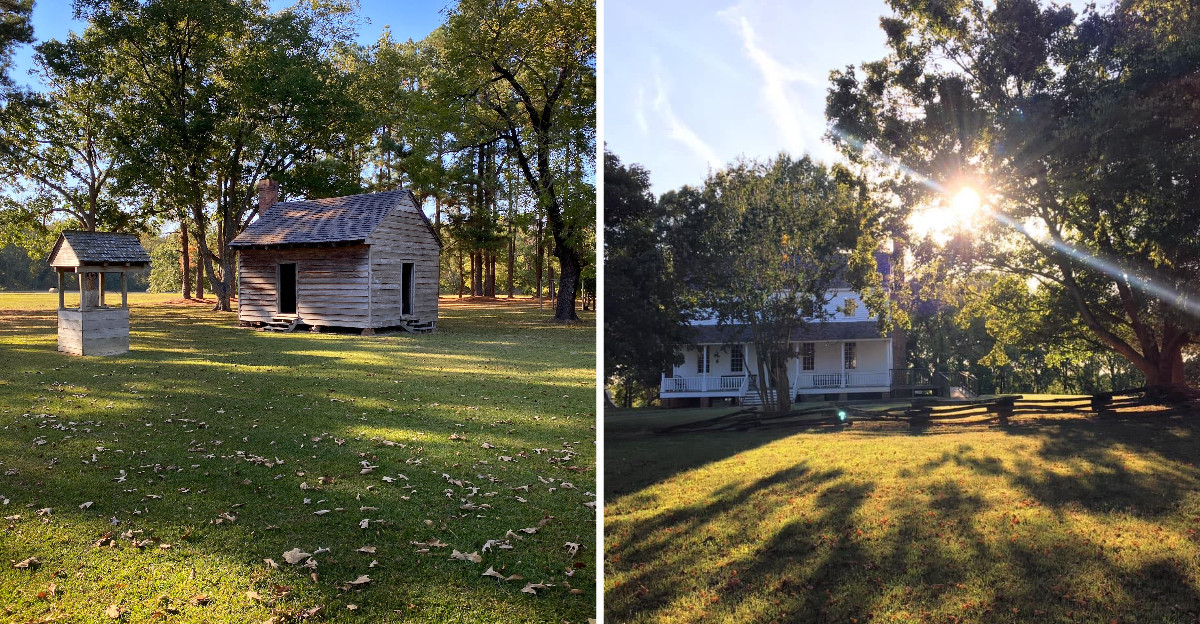
Plain farmhouses and jaw-dropping discoveries keep finding each other on my favorite travel days in North Carolina. I keep coming back to the same idea: history rarely happens in marble halls.
It happens in kitchens, log cabins, boardinghouses, and creek beds where nobody expected anything at all. This route stretches across the state, linking gold-flecked creeks east of Charlotte to a Victorian porch in downtown Asheville, with battlefields, classrooms, barns, and quarters for enslaved families in between.
I love that you can drive an hour in almost any direction here and bump into a building that changed the country. These are not polished monuments.
They are working places with creaky stairs and real weather damage. This loop is worth every mile for travelers who do not mind a little dust.
1. Reed Gold Mine, Where a Doorstop Turned Out to Be Treasure
A 17-pound rock sat on a farmhouse floor for three years doing absolutely nothing except holding a door open. That rock was gold, and the boy who pulled it out of Little Meadow Creek in 1799 was 12-year-old Conrad Reed.
Once the nugget was correctly identified in 1802, the first documented gold discovery in the United States set off the country’s first gold rush. North Carolina led the nation in gold production until California stole the spotlight in the 1850s.
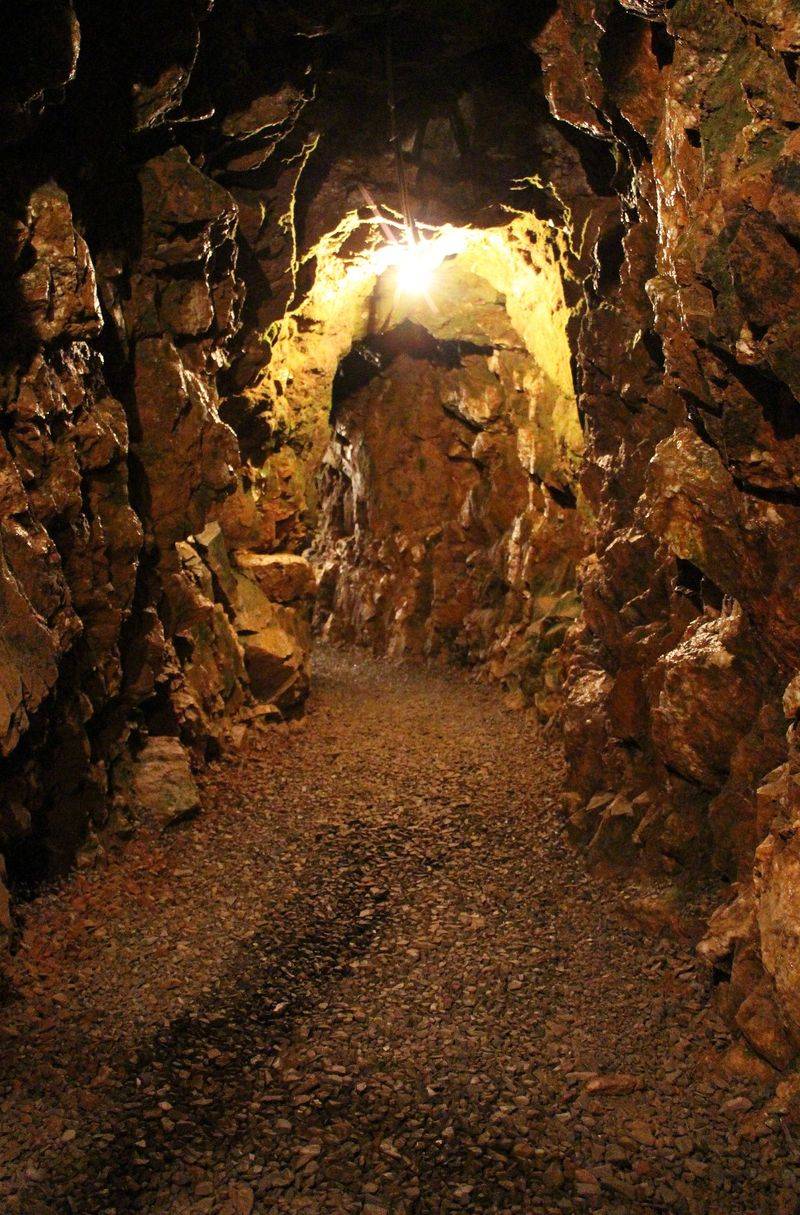
What surprised me most was how quiet the woods feel now. Cicadas, shade, water moving slowly over stones, and then a tunnel mouth in the hillside that leads you into cool, damp underground passages.
The guided walk through the restored workings is the highlight, and the temperature drop underground is a genuine relief in July. Above ground there is an engine millhouse dating to around 1854, plus trails that trace old shaft locations.
Bring shoes you do not mind getting muddy, especially if you try panning. I did not strike it rich, but I did spend twenty happy minutes convinced I was about to.
Address: 9621 Reed Mine Rd., Midland, North Carolina
2. Bennett Place State Historic Site, a Farm Kitchen That Ended a War
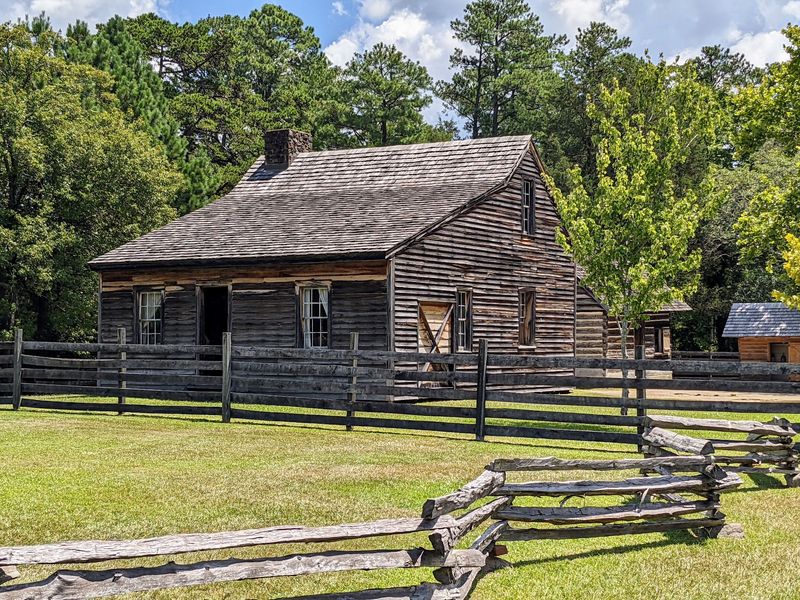
Two generals needed a neutral spot to talk, and the closest thing available was a modest farm belonging to James and Nancy Bennett. On April 26, 1865, that simple house hosted the signing of surrender terms for all remaining Confederate forces in North Carolina, South Carolina, Georgia, and Florida.
It was the largest surrender of Confederate troops of the entire war, and it helped close four brutal years. The scale of the moment sits strangely against the scale of the building, which is genuinely small.
The house, kitchen, and smokehouse you see today are reconstructions standing on the original foundations, furnished to match the period. I found the sparse rooms more moving than any grand memorial could have been.
Give yourself time for the visitor center film first, since it frames why Sherman and Johnston kept returning here across several days of negotiation. Then wander the grounds slowly.
Spring and fall visits are the most comfortable, and the open lawn makes it easy for kids to burn off energy between stops. It is an easy addition to any Durham day.
Address: 4409 Bennett Memorial Rd., Durham, North Carolina
3. Historic Magnolia House, Greensboro’s Safe Harbor on the Road
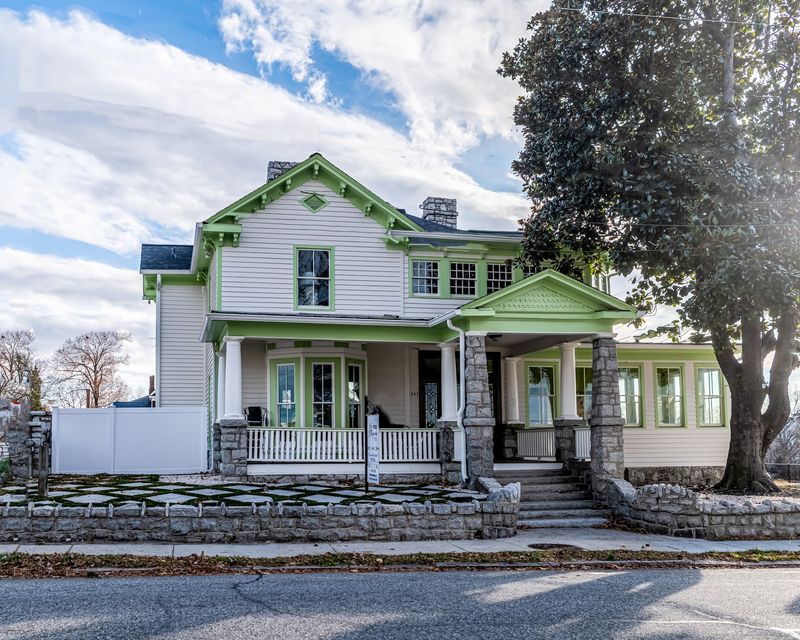
Picture planning a road trip where the hardest question is not which route to take, but where you will be allowed to sleep. During segregation, that was daily reality for Black travelers, and this 1889 house became one of the answers.
Starting in 1949 it appeared in The Negro Motorist Green Book, offering comfortable, dignified lodging when most doors stayed shut under Jim Crow laws.
The Victorian-Italianate architecture is lovely, but the guest list is what stops you cold. Musicians including James Brown, Ray Charles, and Ike and Tina Turner stayed here, along with Jackie Robinson and writer James Baldwin.
Beyond hosting travelers, the house served as a gathering spot for civil rights organizing, which gives its parlors a weight you can feel.
I walked out thinking about how ordinary hospitality can be an act of courage. Check the schedule before you go, since programming and tours vary, and the site hosts events throughout the year.
Greensboro pairs it well with other civil rights landmarks downtown, making a half-day itinerary that sticks with you long after.
Address: 442 Gorrell Street, Greensboro, North Carolina
4. Charlotte Hawkins Brown Museum, a Campus Built on Belief
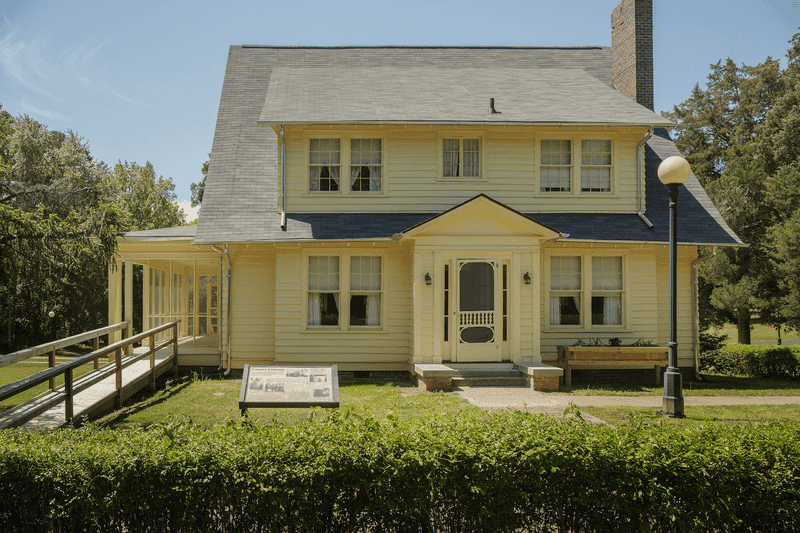
Founded in 1902, the Palmer Memorial Institute grew into a respected preparatory school for African American children, and the woman behind it was Dr. Charlotte Hawkins Brown. She started young, and she kept building for decades.
The campus in Sedalia is now North Carolina’s first and only state historic site honoring an African American and a woman, which says plenty about how long that recognition took.
What I liked here is the pace. Wide lawns, shaded walkways, and buildings spaced far enough apart that you naturally slow down and read the markers instead of rushing.
Exhibits trace the school’s rigorous academics, its social graces curriculum, and the thousands of students who passed through before it closed. The story of African American education in the South becomes concrete when you are standing in the actual classrooms.
Plan for an hour or two, and bring water in summer since much of the visit happens outdoors between buildings.
It sits conveniently between Greensboro and Burlington, so it slides easily into a Piedmont driving day without any backtracking at all.
Address: 6136 Burlington Road, Sedalia, NC 27342
5. Harper House at Bentonville Battlefield, a Home Turned Hospital
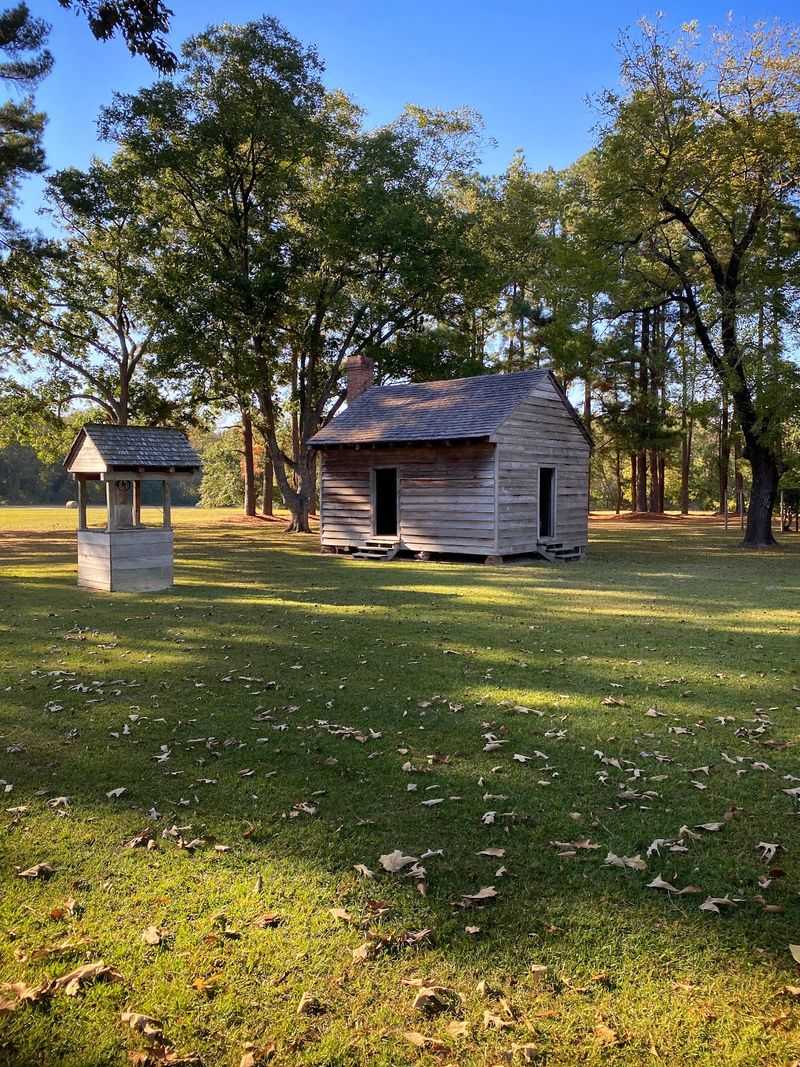
Late 1850s construction, a farm family inside, and then in March 1865 the war arrived at the front door. Fighting on March 19 through 21 made Bentonville the largest land battle ever fought in North Carolina and the last major Civil War clash in the state.
Union forces took over the Harper family home and converted it into a field hospital for Sherman’s XIV Army Corps.
More than 500 wounded soldiers from both armies were treated inside, and the Harper family stayed on the property helping care for them. Seeing the surgery room setup on the ground floor is not easy, and it should not be.
The surrounding fields are wide and windswept, with driving trails that let you follow troop positions across several miles of farmland.
I would suggest starting at the visitor center, then walking the house, then driving the loop while the details are fresh. Cool months are ideal, since shade is scarce out there.
Few places explain the human cost of that war more plainly than these small, scrubbed rooms.
Address: 5466 Harper House Rd., Four Oaks, NC 27524
6. House in the Horseshoe, Bullet Holes You Can Still Touch
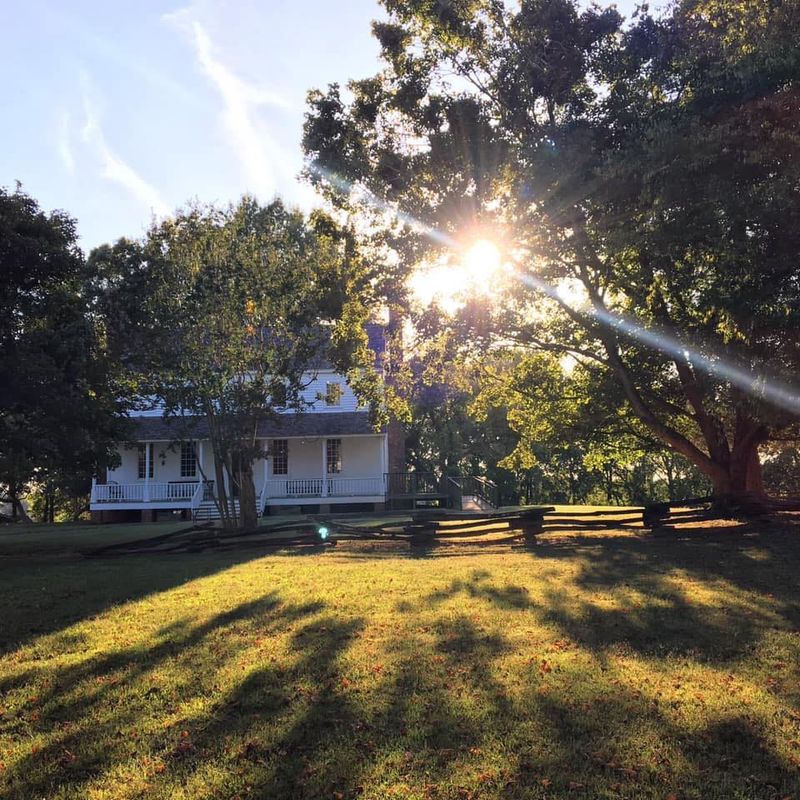
Bullet holes in the siding tend to end any debate about whether history really happened here. The Alston House dates to 1772 and sits inside a horseshoe bend of the Deep River, which is exactly where the name comes from.
It is a rare surviving example of early Georgian-style frontier architecture in upland North Carolina.
Peace ended on July 29, 1781, when Patriot Colonel Philip Alston and his militia were attacked by Loyalist forces under David Fanning. The fight lasted roughly four hours, and the scars from it are still embedded in the exterior walls.
Later the property belonged to Benjamin Williams, who served four terms as governor of the state, giving the house a second chapter entirely.
Getting there involves winding rural roads, so I would build in extra drive time and enjoy the farmland scenery instead of fighting it.
The grounds are peaceful, good for a picnic, and the contrast between that calm and the violence of 1781 is the whole point of visiting.
Address: 288 Alston House Rd., Sanford, North Carolina
7. Historic Stagville, Standing Where 900 People Were Enslaved
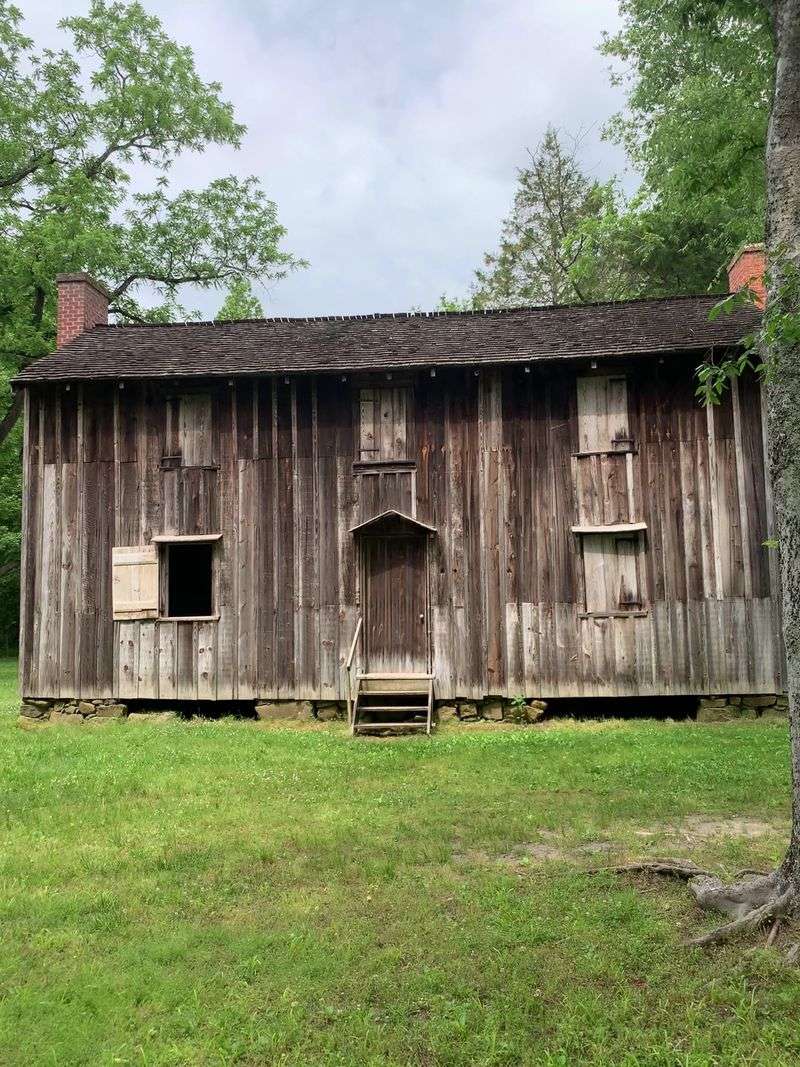
Numbers sometimes land harder than words. By 1860 the Bennehan and Cameron families held more than 900 enslaved people on a plantation that sprawled across over 30,000 acres, making it one of the largest in the state.
A fraction of that land survives today, and the site chooses to center the people who were enslaved rather than the families who profited.
Preserved buildings include a Bennehan family house from around 1799, four original two-story dwellings at Horton Grove built around 1851, and a massive timber-framed barn from 1860. The craftsmanship in those quarters was done by enslaved carpenters, and guides point that out directly.
Tours address forced labor, family life, culture, and what all of it means for descendants now, which is why the site identifies as a Site of Conscience.
I would call this the most emotionally demanding stop on the whole route, and also the most necessary.
Tours are typically scheduled, so reserving ahead is smart. Come with questions and leave plenty of room for silence.
Address: 5828 Old Oxford Highway, Durham, N.C. 27712
8. Thomas Wolfe Memorial, the Boardinghouse That Became a Novel
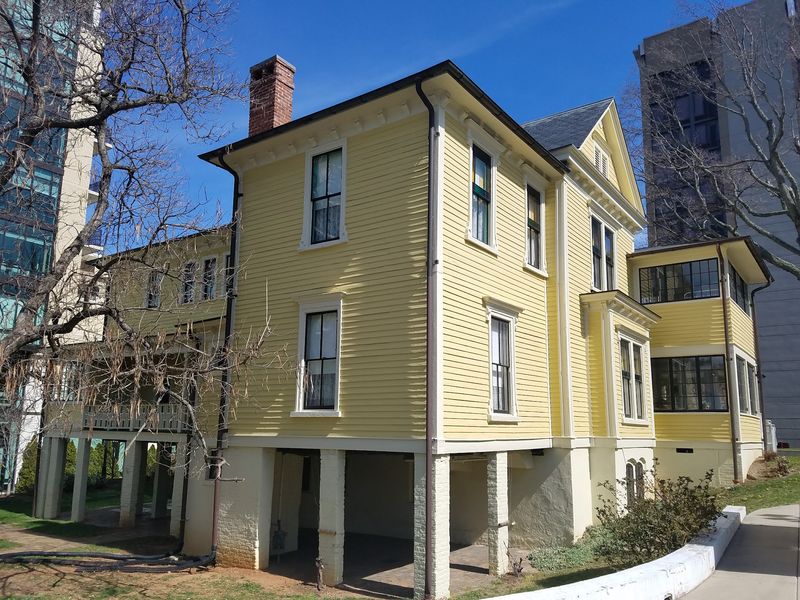
Imagine growing up in a house where strangers rented the bedrooms and your mother ran the whole operation. That was childhood for Thomas Wolfe, born in 1900, and it became the raw material for one of America’s great novels.
His mother Julia operated this rambling Victorian boardinghouse, known as Old Kentucky Home, right in downtown Asheville.
Wolfe poured the place into Look Homeward, Angel, his sprawling autobiographical book, and readers have been showing up at the front porch ever since. He passed away young in 1938, which makes the house feel like a snapshot frozen mid-sentence.
Inside, the rooms are crowded with period furnishings, and the sheer number of beds tells you everything about how the family lived.
Since it sits blocks from Asheville’s downtown core, you can fold a visit into a walkable day with shops, galleries, and mountain views waiting nearby.
Of all eleven stops, this one charmed me most, probably because the building never stopped feeling like somebody’s cluttered, noisy, wonderfully alive home.
Address: 52 North Market Street, Asheville, NC 28801
9. Alamance Battleground, Where Farmers Took Up Arms Against the Governor
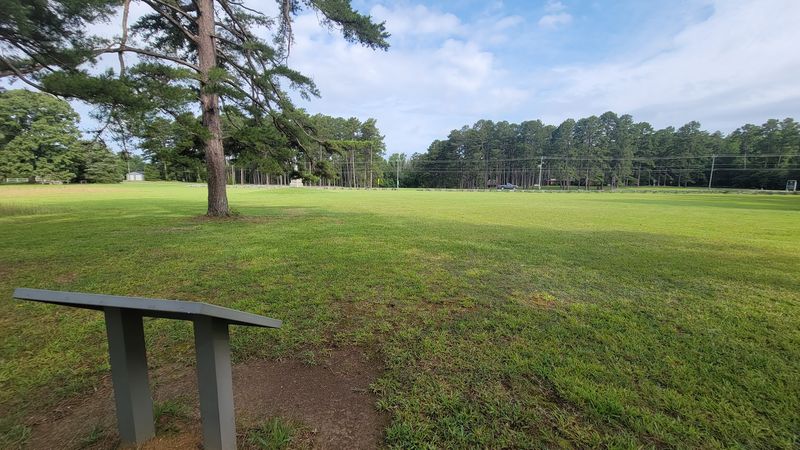
Long before the American Revolution officially began, angry North Carolina farmers were already challenging colonial authority. In 1771, the Regulators gathered here after years of frustration over taxes, dishonest officials, and fees they believed were unfair.
Royal Governor William Tryon arrived with militia forces, and on May 16 the confrontation turned into the Battle of Alamance. The Regulators were defeated, effectively ending the organized movement.
Historians debate how directly the uprising should be connected to the Revolution that followed, but standing on the battlefield makes the unrest of colonial North Carolina feel much less distant.
The Allen House on the grounds helps bring the period down to human scale. It is an 18th-century log dwelling typical of the homes occupied by Piedmont farming families, simple enough that it would be easy to drive past without realizing what era it represents.
I would start at the visitor center before walking the battlefield and house. Once you know what happened here, the open fields stop looking quite so ordinary.
The site is open Tuesday through Saturday, and admission to the grounds is free. Guided tours are also offered on scheduled times during the day.
Address: 5803 N.C. 62 S., Burlington, NC 27215
10. Vance Birthplace, a Mountain Farm With a Complicated Story
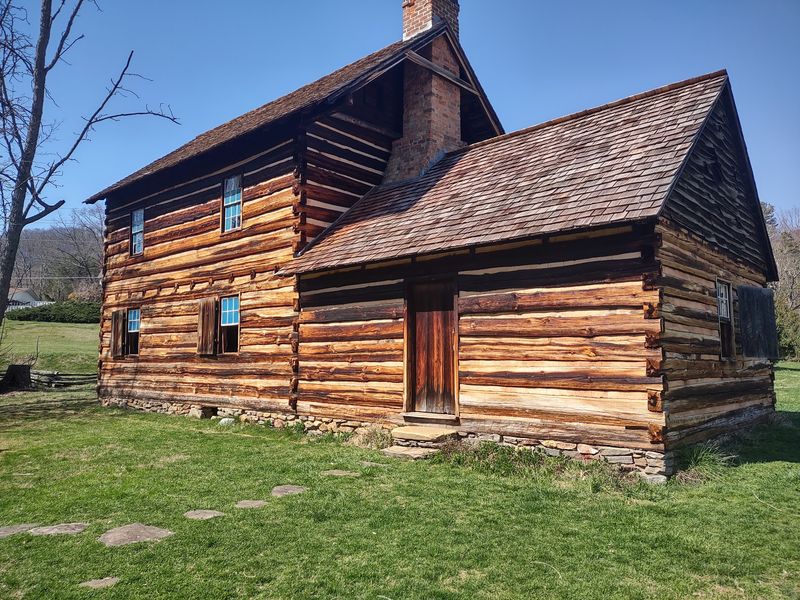
A quiet farm in the Blue Ridge Mountains produced one of North Carolina’s most prominent 19th-century politicians, but the story preserved here reaches far beyond the man whose name is on the sign.
Zebulon B. Vance was born on this property in 1830 and later served as governor during the Civil War, as well as in Congress and the U.S.
Senate. The home visitors see today is reconstructed, built around the original 1790s brick fireplace and chimney.
What interested me more was the original 1790s slave dwelling. Enslaved men and women performed the labor that kept the Vance plantation running, tending livestock, growing crops, cooking, making textiles, hauling water, and caring for children.
The site now puts those lives alongside the political story that once dominated its interpretation.
Seven historic and reconstructed buildings spread across the property, including a smokehouse, tool house, corn crib, spring house, and loom house. With mountains rising around the valley, it is easy to imagine how isolated this farm must once have felt.
Give yourself time to walk between the buildings instead of treating the birthplace as a quick house tour. The landscape is part of understanding why this corner of North Carolina developed the way it did.
Address: 911 Reems Creek Rd., Weaverville, NC 28787
