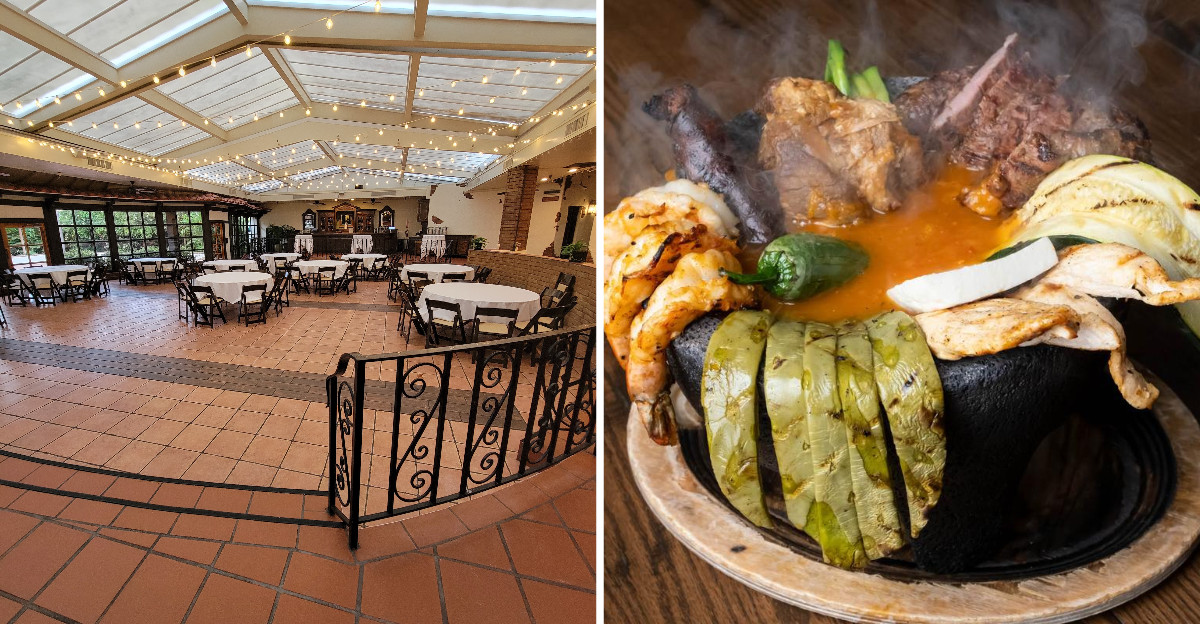
Two old buildings stitched together over a century ago, with thick adobe walls that have been standing since California was still part of Mexico, hide behind a heavy wooden door. One half was a family home built in the late 1700s, and the other half started life in 1812 as a courthouse with jail cells tucked into the basement.
I had driven past that door a dozen times before I finally pulled over and went inside. Somewhere in between those lives, it became a Mexican restaurant where mariachis play and guacamole gets mashed at your table.
I sat down expecting a decent lunch and ended up spending half the afternoon wandering between rooms like a curious kid in a museum that happens to serve tacos. Places where the story is as good as the meal are worth the detour, and this one delivers on both.
Two Old Adobes That Became One Restaurant
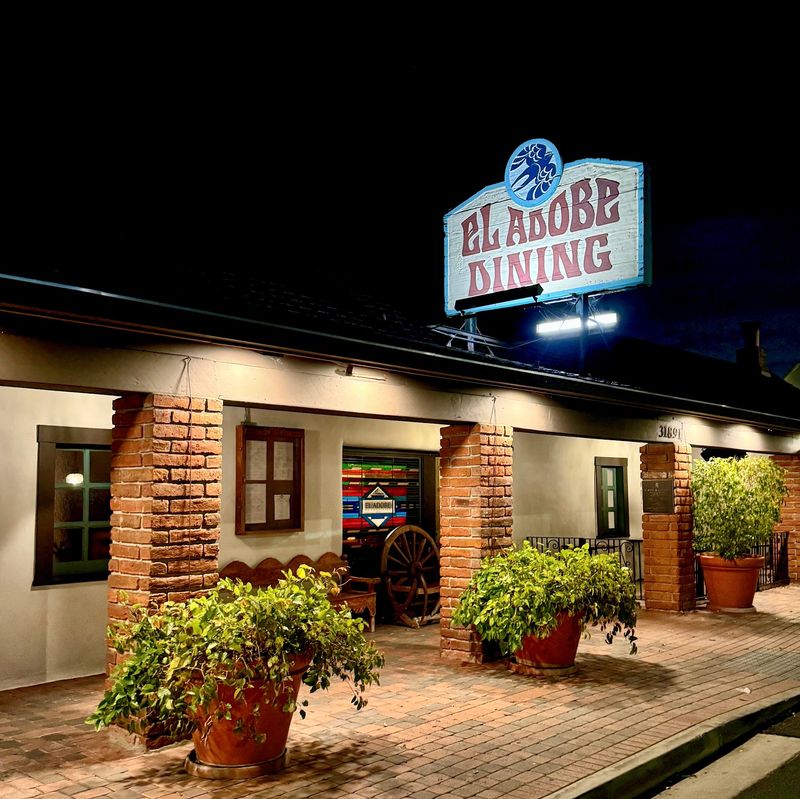
The thing that surprised me most is that this building was never designed as a restaurant at all. It is two separate adobes that lived very different lives before someone had the idea to join them.
The northern half was the home of Miguel Yorba, built around 1797, back when Spanish colonial families were just settling into this valley. The southern half came along around 1812 and served as the Juzgado, which was the local courthouse and jail.
Over the years that southern adobe also worked as a post office, a general store, and a stagecoach stop, which made it the busiest corner in town.
In the early 1910s, Harry and Georgia Mott Vander Leck brought the two structures together as one combined home and shop. Clarence Brown bought the property in 1946 and reopened it as a restaurant on July 8, 1948.
Knowing all that while sitting at a table makes the walls feel less like decoration and more like company. I kept running my hand along the plaster, trying to guess how thick it really was.
Inside Miguel Yorba’s Original Home
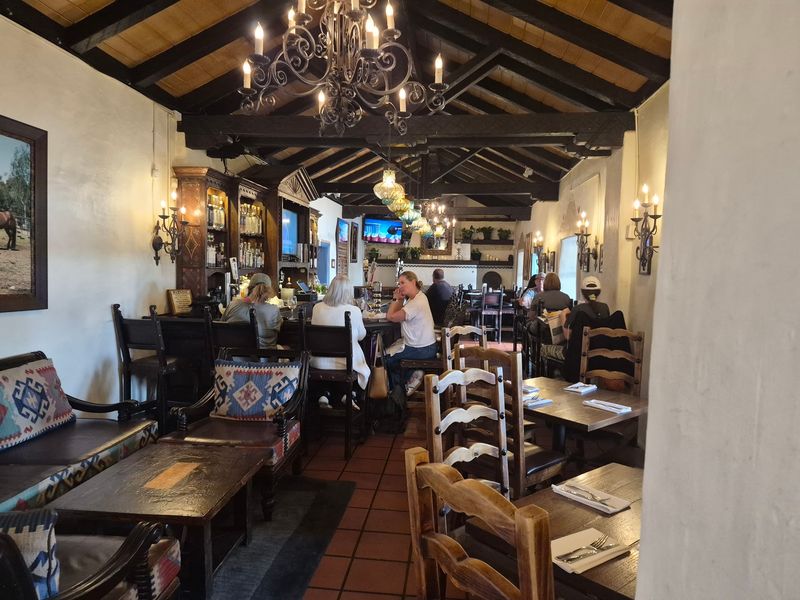
My favorite corner of the whole place turned out to be the lounge, and it took me a minute to realize why it felt so different from the rest.
Those walls belonged to Miguel Yorba’s house, the 1797 half of the building, and his old fireplace is still sitting right there doing its job. The ceiling is low and wood-paneled, the light is soft, and the room has that hush you only get in very old spaces.
People come here for a quiet lunch or to wait for a table, and honestly it is the sort of nook where an hour disappears without much effort.
A tip from my own visit: ask if you can sit near the fireplace side. Regulars seem to know it is the coziest seat in the building, especially on a cool evening.
What struck me is how little effort has gone into modernizing this section. The furniture is antique, the iron details look hand-worked, and tall windows let that golden Orange County light spill across the floor.
It feels lived in rather than staged, which is rarer than you would think.
Down in the Carcel Room, the 1812 Jail
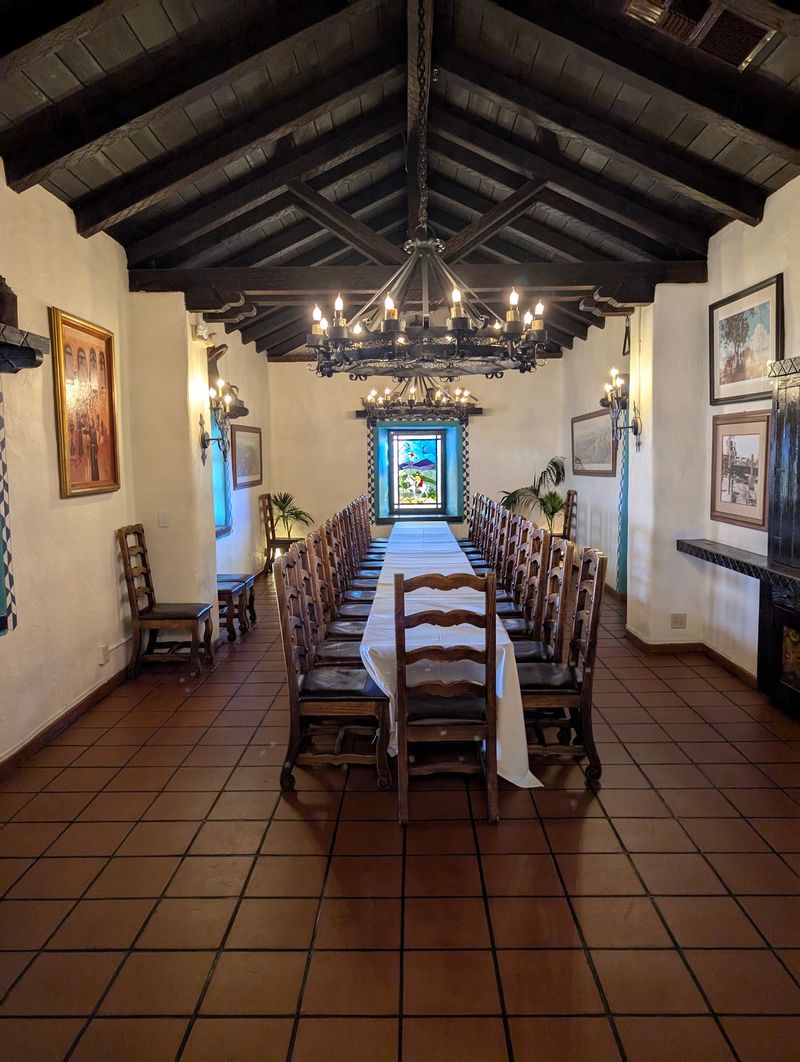
Nobody warned me there was a jail under the floor, so finding out was easily the highlight of my visit.
Beneath the old Juzgado sits the Carcel Room, which was the actual jail cell back in 1812. Today it works as a private dining room and the restaurant’s wine cellar, and the original iron bars are still fixed in place.
Look closely at the stone and you can pick out faint carvings left behind by inmates long, long ago.
Legend ties the space to Joaquin Murrieta, one of early California’s most talked-about figures, which gives the low ceiling and old iron chandeliers an extra bit of drama.
There was once a tunnel running from here to Judge Richard Egan’s house across the street, though it has been sealed for years. Standing under those beams, you can absolutely see why the stories stuck around.
If you are booking a birthday or a small group dinner, this is the room to request. It is intimate, a little theatrical, and completely unlike any dining room I have eaten in before.
Bring someone who appreciates a good ghost story.
A Garden, a Patio, and the Las Flores Room
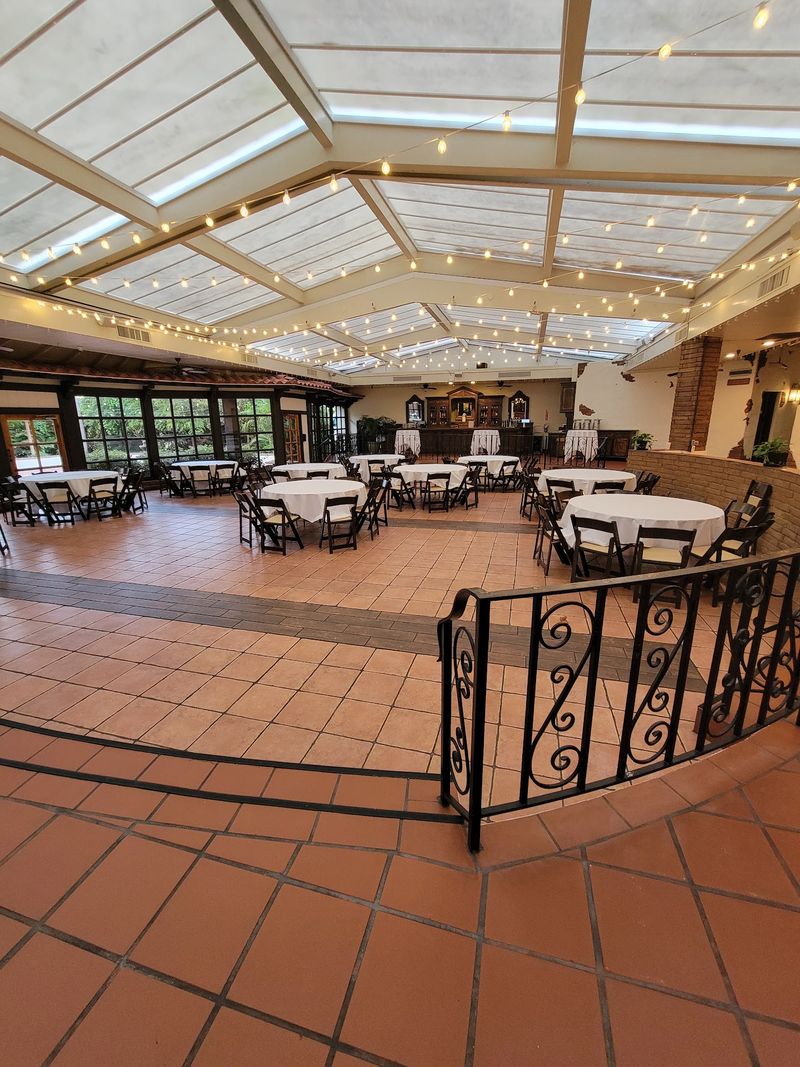
Just when I thought I had seen the whole property, a doorway opened onto the garden and the temperature seemed to drop ten degrees.
El Adobe Garden is all blooming color and big shade trees, the kind of outdoor space that makes you want to order one more round of chips. Birds move through the branches and the noise of Camino Capistrano fades out almost completely.
The Las Flores Room sits alongside it, with French-style windows that frame the greenery like a painting.
There is also a covered street-side patio, and it happens to be dog friendly, which I think deserves a small round of applause. Plenty of visitors walking the historic district with a pup in tow end up parked out here.
Tucked into the garden is a small wedding chapel, and hundreds of couples still get married on this property every year.
You will meet people at neighboring tables celebrating anniversaries from receptions held here decades ago. That kind of repeat loyalty says a lot about a place, and it makes the garden feel more like a community backyard than a restaurant patio.
How Mesquite Smoke Became the House Signature
Here is a fun bit of trivia: this place did not start out as a Mexican restaurant at all.
The early menu leaned continental, and the shift toward authentic Mexican cooking is often credited to former President Richard Nixon, who lived nearby and stopped in regularly with a clear preference for the Mexican dishes.
The kitchen went along with it, and that direction has defined the food ever since.
A full kitchen overhaul in 2003 added a mesquite-burning grill, and you can smell it the moment plates start moving through the dining room. Steaks, shrimp, and seafood all pick up that soft smoky edge that a regular flat top just cannot fake.
The carne asada is a top sirloin off that grill, sometimes finished with a bright chimichurri, and it pairs nicely with warm tortillas and rice.
What I appreciate is how the smoke ties back to the building itself. Adobe walls, an old fireplace, wood ceilings, and then a wood-fired grill doing the heavy lifting in the kitchen.
It all belongs to the same story, which is not something you can say about most restaurants with this much history attached.
The President’s Choice and Guacamole at Your Table
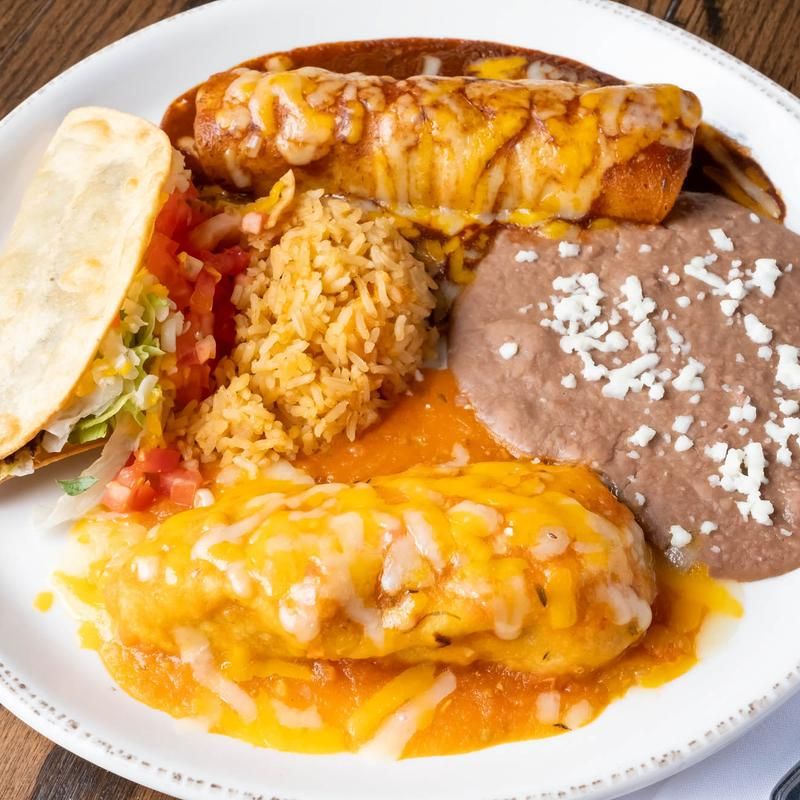
Ordering was easy once I spotted the President’s Choice on the menu, mostly because I wanted to eat a piece of the story.
The plate brings together a chile relleno, a chicken enchilada, and a crispy beef taco with rice and refried beans. It was reportedly the Nixons’ regular order, served here countless times, and it is still one of the most requested items in the building.
Portions are generous enough that I ended up taking part of it home.
The other thing worth doing is the tableside guacamole. A cart rolls over, avocados get mashed in front of you, and you tell them how much heat you want.
It is a small piece of theater, and it gets the meal off to a good start while you are still taking in the room.
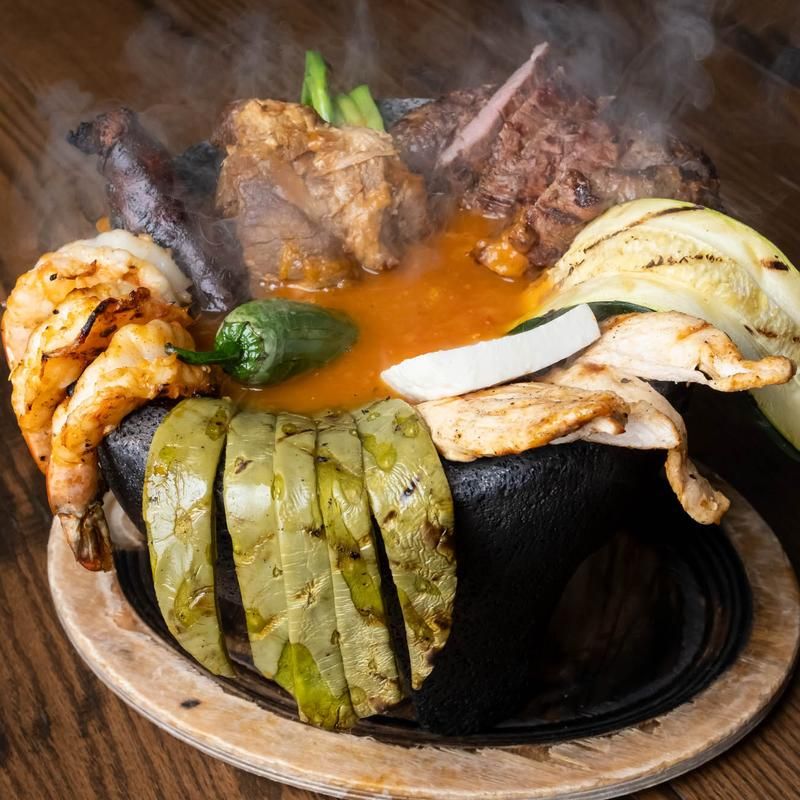
Beyond those two, regulars talk up the lobster tacos, the chile verde, the molcajete loaded with mixed meats and shrimp, and the pozole. Beans come pinto, black, or charro, and the tortillas arrive warm.
Sunday brunch starts at 10 AM if you want the same flavors with a slower pace.
Mariachis, Milestones, and Planning Your Visit
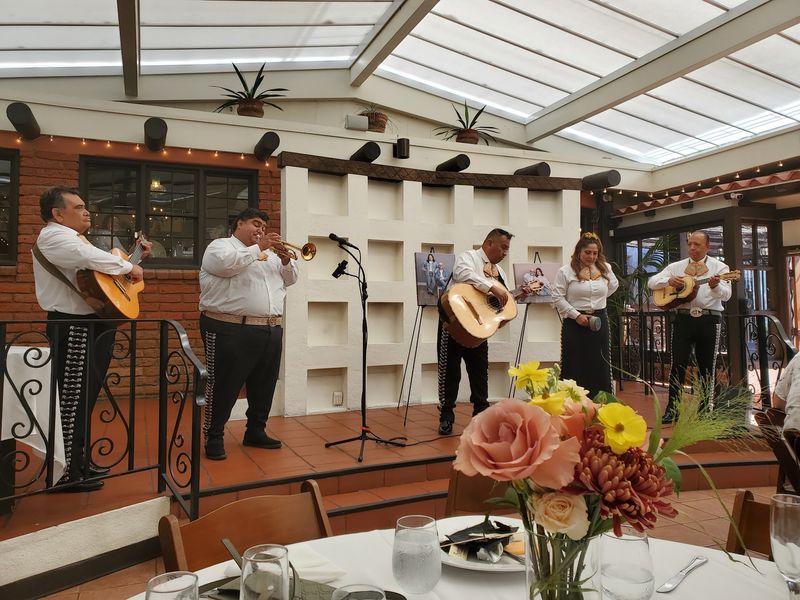
The moment mariachis started up near the bar, every conversation in the room got a little louder and a lot happier.
Live music is part of the routine here, sometimes a full mariachi group and sometimes a harp player filling the old rooms with something softer. Both suit the building beautifully.
Graduations, birthdays, and anniversary lunches seem to be happening constantly, and the staff clearly has plenty of practice handling big tables.
Practical notes from my visit: the restaurant is open daily, 11 AM to 9 PM most days and from 10 AM on Sundays. Happy hour draws a loyal crowd, and Taco Tuesday is a local tradition worth timing your trip around.
Reservations help on weekends, especially if you want the bar area or a garden table.
El Adobe de Capistrano is a California State Historical Landmark, and it sits within easy walking distance of the Mission and the train depot, so it slots neatly into a day of exploring town.
Do not let that heavy front door fool you into thinking it is closed. Pull it open and walk into more than two centuries of California history.
Address: 31891 Camino Capistrano, San Juan Capistrano, California
