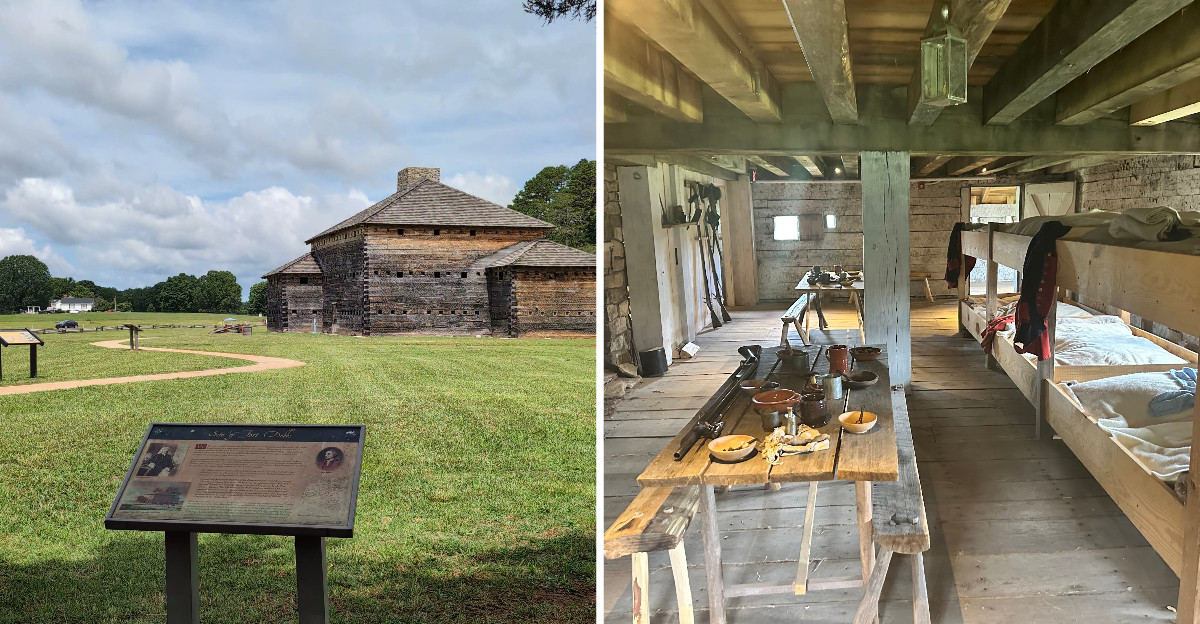
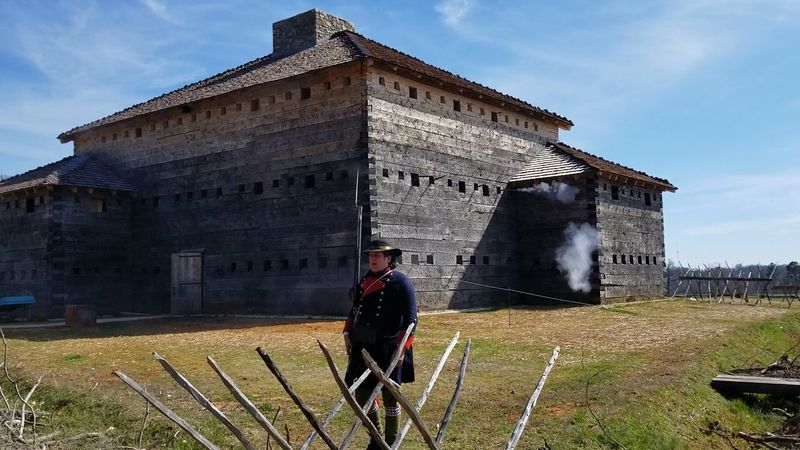
Three-story log blockhouse stands in a clearing like it had always been there. I had expected a roadside marker and maybe a plaque when I stopped near a small North Carolina town.
Instead, I found a full reconstruction sitting on the exact spot where the original fort once stood, a location archaeologists pinned down after decades of digging. The original walls rotted into the ground after 1764, and for a long time all that remained were shadows in the soil.
A group of determined volunteers, historians, and state officials spent more than ten years raising money and figuring out how to rebuild it right. The fort once guarded a frontier that has long since vanished, and the blockhouse now stands as a reminder of those early days.
I took the guided tour, handled a musket ball, and lost track of time completely. History you can actually touch makes this small site punch far above its size.
A Frontier Fort Born From a Governor’s Worry
Back in late 1755, North Carolina’s western edge sat somewhere around present-day Statesville, and that made people nervous. The French and Indian War had spread across the colonies, and Royal Governor Arthur Dobbs wanted something solid protecting Piedmont settlers.
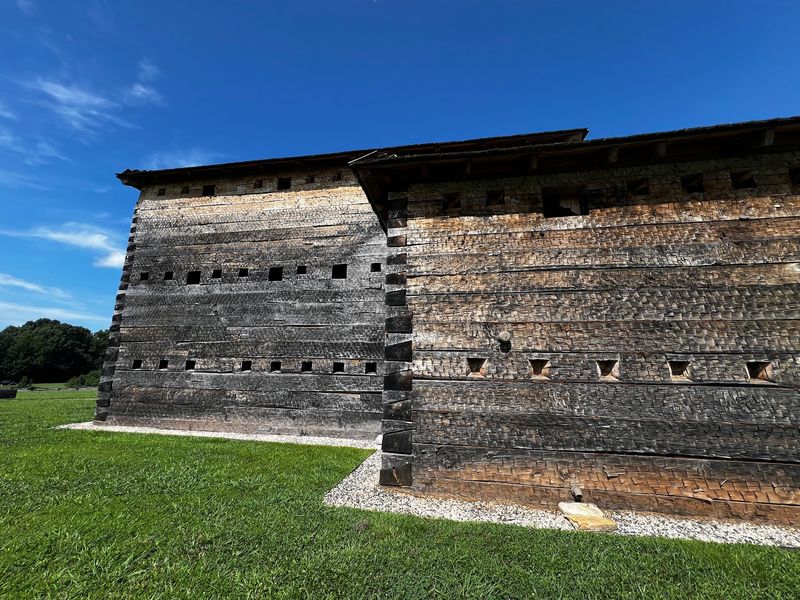
So a log blockhouse went up, finished sometime in 1756, with a shallow ditch around it and later a palisade for extra cover. A 1756 report called it a good and substantial building, noting that about one hundred muskets could fire from each floor.
I love that detail because it tells you exactly how the builders thought about defense. Three floors, gunports on every level, and a design meant to make a small garrison feel much bigger than it was.
Learning that this was the frontier, the literal end of the colony, changed how I looked at the surrounding woods. Everything west of here was unknown territory to colonial officials.
The fort never became a grand stone fortress, and it was never meant to. Its job was simpler and more urgent: give frightened families somewhere to run when trouble came close.
The Only French and Indian War Battle Fought in North Carolina
February 27, 1760 is the date that makes this place genuinely unique. Around sixty Cherokee warriors attacked the fort that day, and the provincial soldiers stationed there managed to push them back.
Records from the time report two soldiers wounded and one colonial boy passed away, with the Cherokee suffering an estimated ten to twelve deceased and wounded. Those numbers are small compared with famous battles, but the meaning is big.
No other spot in North Carolina saw a battle during that war, which is why this is the only state historic site devoted to the conflict. Hearing my guide describe the fight while I stood inside the blockhouse made it land differently than reading a textbook ever could.
What struck me was how the story avoids easy heroes and villains. The Cherokee had their own alliances, grievances, and reasons, and the site does not shy away from that complexity.
Ask your guide about the aftermath too. The war wound down, British control was restored, and suddenly nobody needed a frontier fort out here anymore.
How a Fort Vanishes Into the Ground
Wood loses to weather every single time, given enough years. After the fort was abandoned around 1764, or by 1766 depending on which account you trust, nobody maintained it and the logs simply gave up.
Rain, insects, rot, and neighbors hauling away useful timber did the rest. Within a couple of generations there was nothing standing at all, just a rise of ground and stubborn local memory about where something important used to be.
That is the part I find quietly fascinating. A structure that once held a hundred muskets per floor disappeared so completely that people had to guess at its location for over a century.
Soil keeps secrets better than wood does, though. Post holes, ditch lines, and discarded objects stayed put underground long after the building itself was gone.
One review I read mentioned the staff are still sifting and studying material from the grounds, and that rings true. Interpretation here feels like an ongoing project rather than a finished display.
The 1909 Save That Started Everything
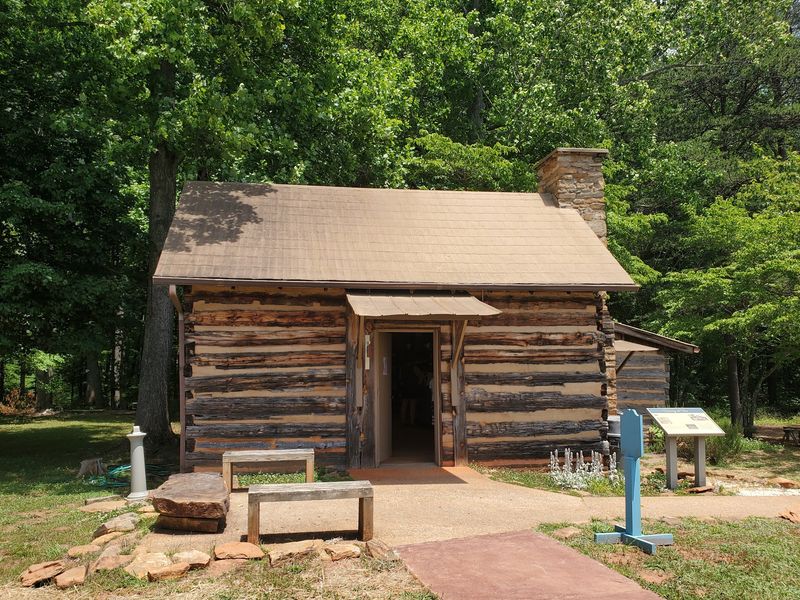
Credit where it is due: the Daughters of the American Revolution got here first. In 1909 the DAR secured the site, recognizing that this patch of Iredell County ground deserved protection and that someday a blockhouse should stand here again.
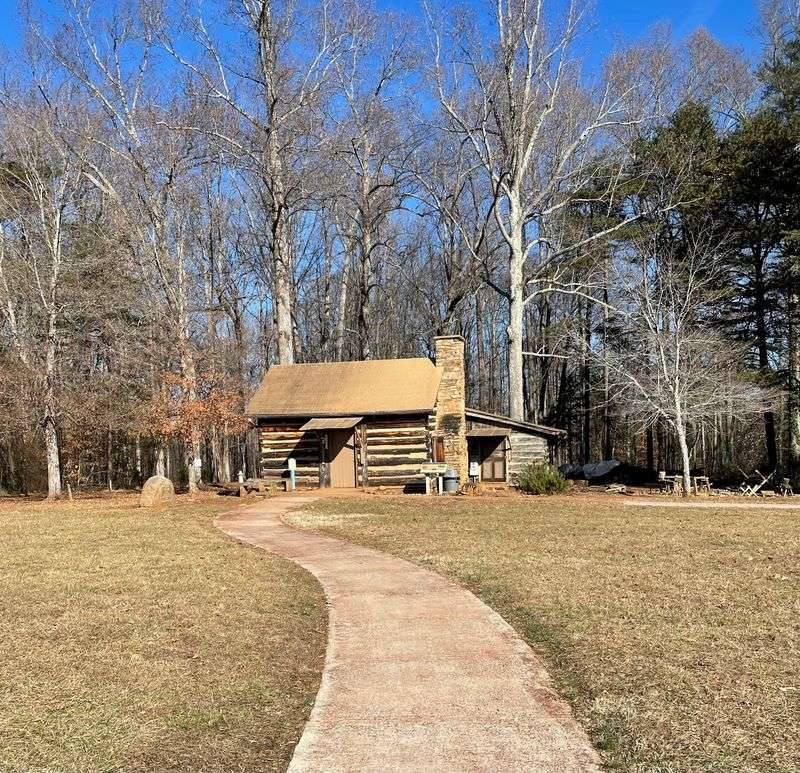
Then in 1941 they built a log cabin using 19th-century logs, and that cabin served as the site’s first visitor center for decades. I walked past it and honestly assumed it was original to the fort period until someone set me straight.
It is now being developed into a trades demonstration space, which feels like a fitting second life for an old building.
Without that early land purchase, the story probably ends with a housing development and a forgotten name on a road sign. Preservation often works like that, quietly, generations before anybody notices.
Standing between the cabin and the reconstructed fort, you get a strange sense of layered time. One building saved the site, and the other brought it back.
Digging in the 1960s and 70s Pinned the Spot
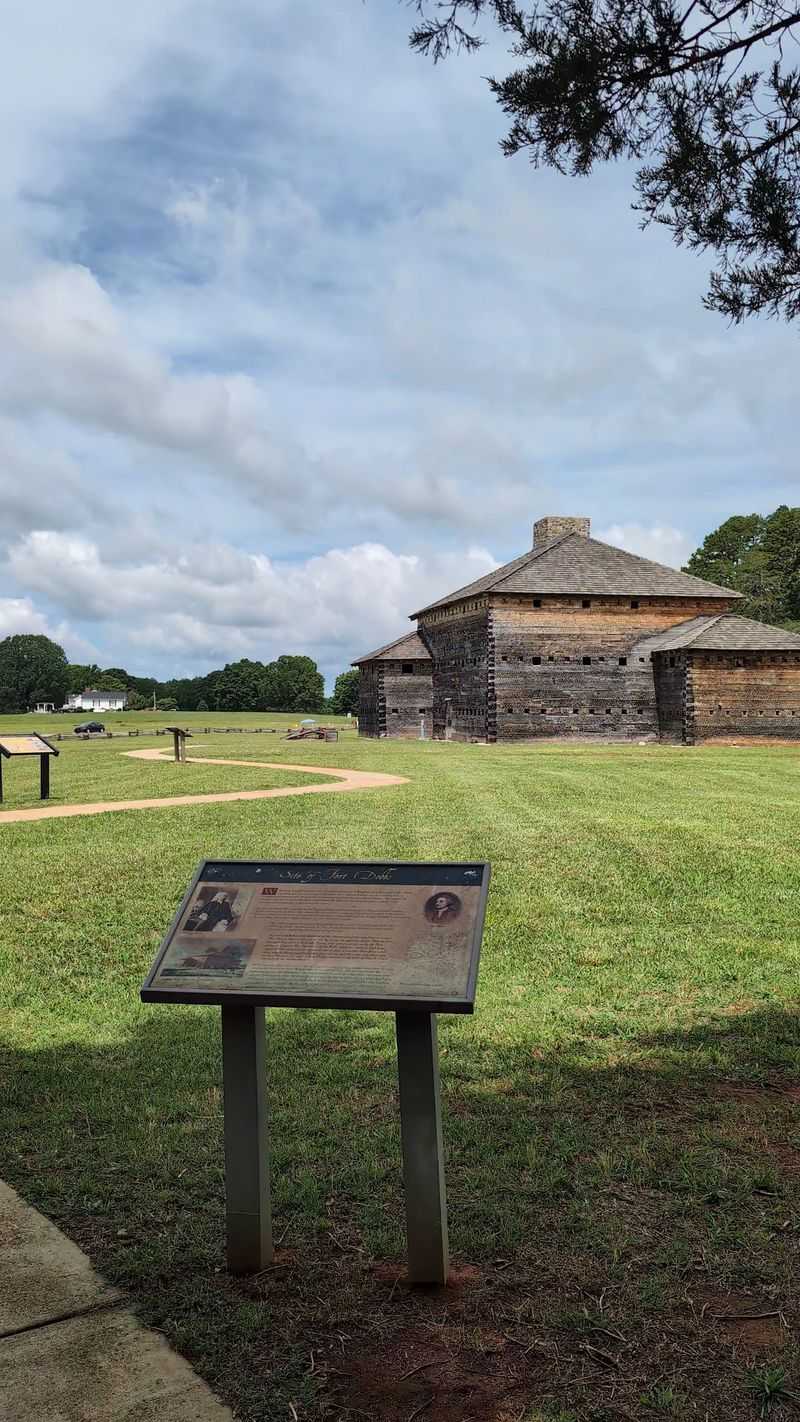
Guesswork was not good enough, so archaeologists went to work. Investigations during the 1960s and 1970s finally located the fort’s exact original position and turned up clues about what the building probably looked like.
Those excavations are the reason the reconstruction sits where it does instead of somewhere convenient nearby. I asked about this on my tour, and the explanation of how they read the ground evidence was the highlight of the whole visit.
A fellow visitor told me she had come specifically to find out how anyone could prove a location like this. She left satisfied.
Later, noted archaeologist Dr. Larry Babits worked with the reconstruction team, bringing the research forward into the design process. Historians, architects, and historic building specialists all had a say.
Accuracy here is not decoration, it is the whole point. The site became a North Carolina State Historic Site because of that careful groundwork, and the blockhouse you climb today rests on evidence rather than imagination.
Friends of Fort Dobbs and a Thirteen-Year Push
Rebuilding something like this takes stubbornness more than anything else. In 2003, the non-profit Friends of Fort Dobbs set out to put a blockhouse back on the footprint, and it took over a decade of fundraising and coordination to get there.
State officials, historians, architects, and building specialists all had to agree on details. Groundbreaking finally happened in August 2016.
Builders blended modern engineering with 18th-century techniques so the structure meets today’s safety codes while still looking and feeling hand-built. That balance is trickier than it sounds, and you can see the hand-hewn character in the timber.
The reconstructed fort opened as a living history exhibit in September 2019, which honestly is recent enough that many North Carolinians still have not heard about it.
The visitor center plays a video about the rebuilding process, and I would watch it before touring. Knowing the effort behind each notched log makes the walk inside far more interesting.
Climbing Three Floors of Reconstructed Blockhouse
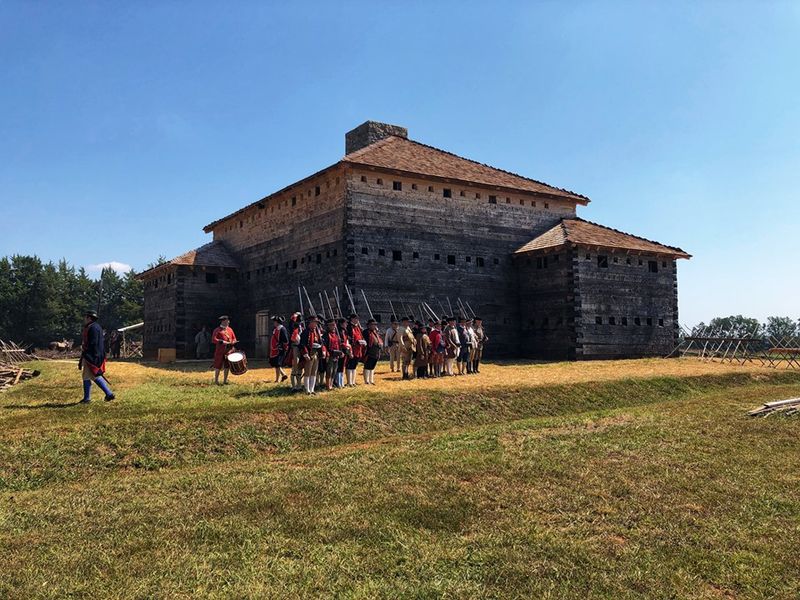
Getting inside requires a guided tour, and that rule turns out to be a gift rather than a hassle. Tours run regularly, roughly every 45 minutes during scheduled hours, and a guide unlocks the fort and walks you through it.
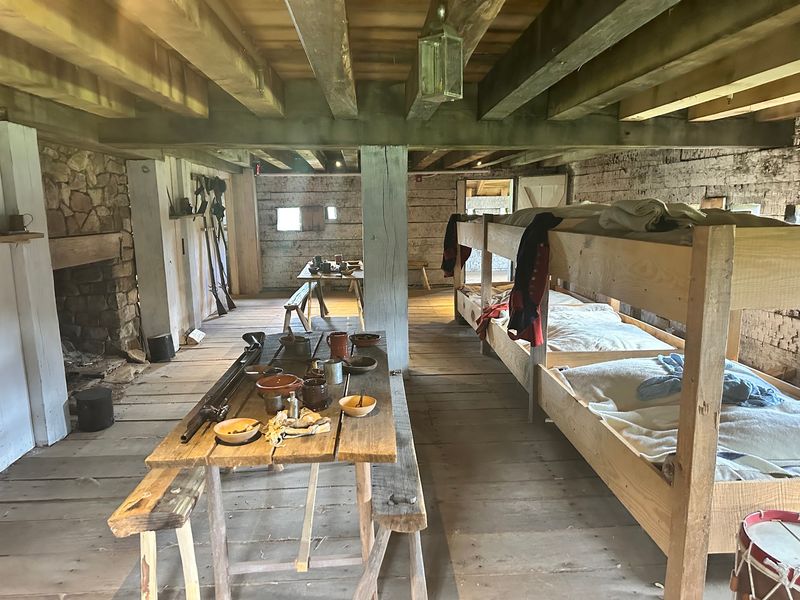
The interior is furnished with reproductions of the gear soldiers would have used: bunks, cooking pots, blankets, tools. Because almost nothing is an original artifact, you are allowed to handle most of it.
I sat on a straw mattress, held a musket ball, and peered through a gunport toward the tree line. My guide answered every odd question thrown at them without blinking.
Stairs lead to the upper floor, so keep that in mind if climbing is difficult. The ground outside can be uneven too.
Kids seem to love trying on period coats and hats, and adults quietly enjoy it just as much. The walk around the outside is pleasant, but the tour is where the place truly opens up.
Living History Weekends Bring the Garrison Back
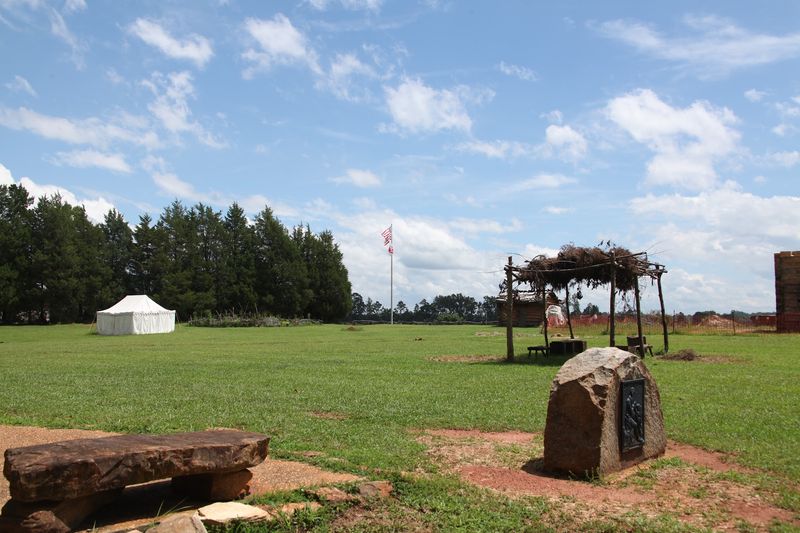
Reenactments scattered through the year turn a quiet clearing into a working garrison. Interpreters in period clothing demonstrate cooking, blacksmithing, spinning, woodworking, and military drill, and the smell of a wood fire drifts across the grass.
On my visit I watched someone shaping roof shingles with a drawknife on a shavehorse while another person split wood with a froe. I nearly asked to have a turn.
Demonstrations cover soldiers, settlers, and the Indigenous peoples who lived in this region during the conflict, so the picture feels fuller than muskets alone.
Event dates change, so check the site’s website or social media before planning a trip around one. Several visitors I spoke with had come back specifically for a reenactment weekend.
Crafts and camp life sometimes interest me more than the drills, and there is plenty of both. The people doing this work clearly care, and that enthusiasm is contagious.
Piedmont Setting Just North of Downtown Statesville
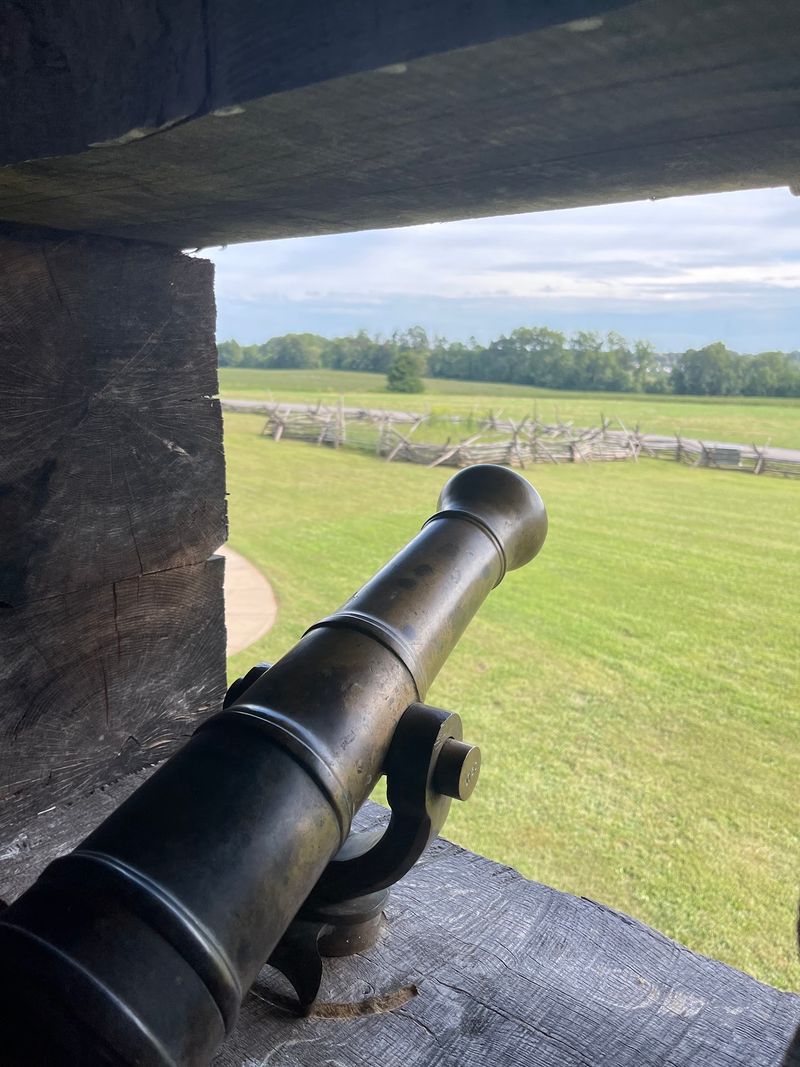
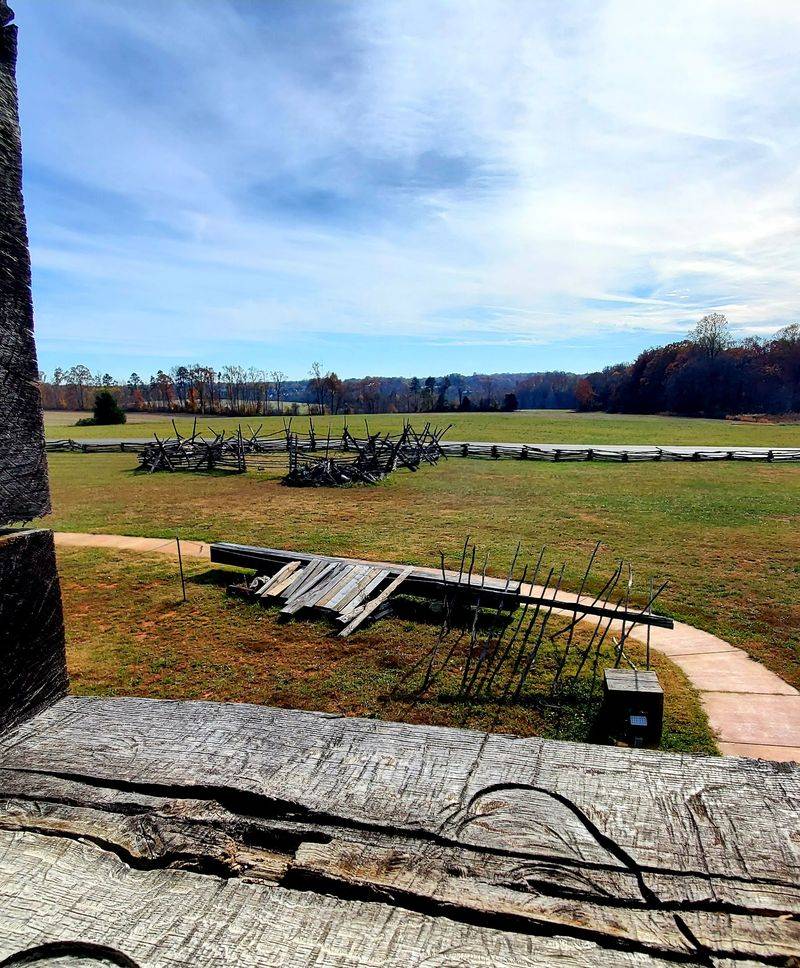
Geography explains a lot about why the fort ended up here. The site sits in the Piedmont region about four miles north of downtown Statesville, with the foothills of the Blue Ridge Mountains rising off to the west.
Rolling farmland, oak woods, and red clay soil surround the property, and the drive out from town takes only a few minutes.
In the 1750s, this was as far west as colonial authority reached, which sounds almost funny now given how easily you can get here from Interstate 40 or 77. That contrast is part of the appeal.
Statesville itself has a walkable downtown if you want to build a fuller day around the visit. Pairing the two works well.
Morning light on the blockhouse is lovely, and after rain the grounds smell like wet leaves and cedar. I would happily make the detour again just for that clearing.
Planning Your Stop So You Actually Get Inside
Timing matters more here than at most museums, because the blockhouse only opens with a guide. The site operates Tuesday through Saturday from 9 a.m. to 5 p.m., and it is closed Sunday and Monday.
Tours run about every 45 minutes within those hours, so aim to arrive with time to spare rather than sprinting for the last one.
State holidays and occasional projects can change the schedule, so a quick look at the official website or social media before you drive out saves disappointment. You can also call ahead at 704-380-6850.
Bring water, wear shoes that handle grass and gravel, and expect stairs inside the fort. Accessibility is limited by the uneven ground and the historic design.
Give yourself two hours if you enjoy asking questions, because the staff will happily keep talking. I came for a quick stop and stayed far longer.
Address: 438 Fort Dobbs Road, Statesville, North Carolina
