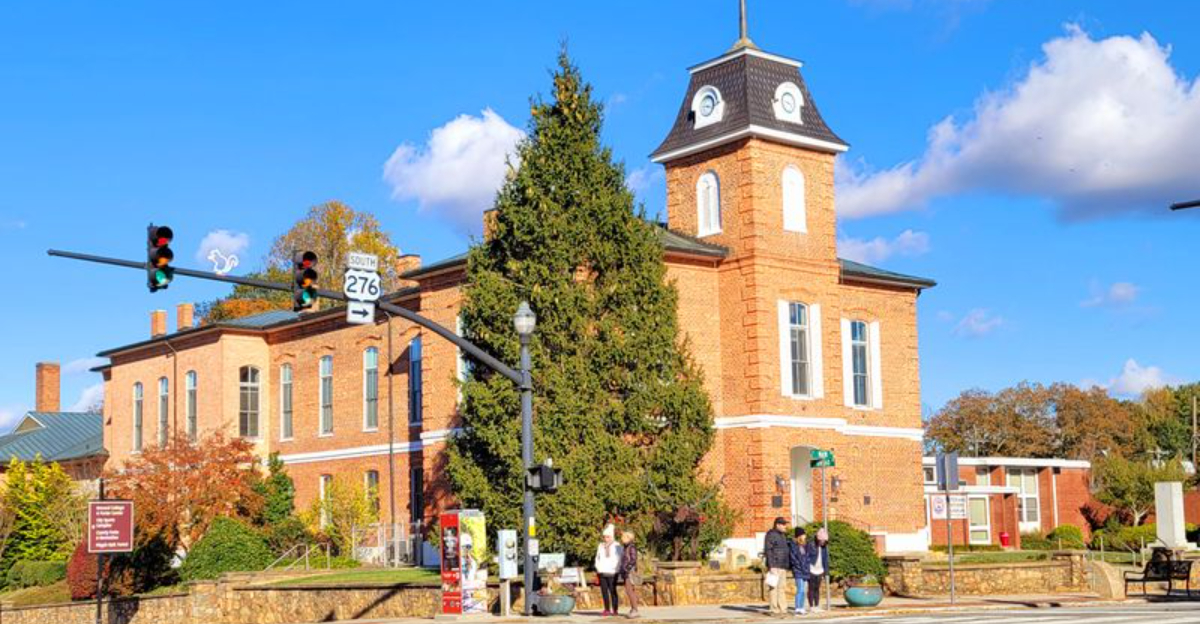
North Carolina is filled with charming small towns that once buzzed with local businesses, tight-knit communities, and unique character.
Many of these places have transformed dramatically over the past few decades as tourism, development, and chain stores moved in.
What was once a quiet main street lined with family-owned shops has become something quite different in several communities across the state.
The shift from local charm to commercialized appeal has left longtime residents feeling like strangers in their own hometowns.
Some towns have seen their historic downtowns replaced by cookie-cutter shopping centers and national franchises.
Others have watched property values skyrocket as wealthy newcomers discovered their hidden gems.
While growth can bring economic benefits, it often comes at the cost of the authentic small-town atmosphere that made these places special.
Understanding which towns have lost their local feel helps us appreciate what makes a community truly unique and worth preserving.
1. Blowing Rock
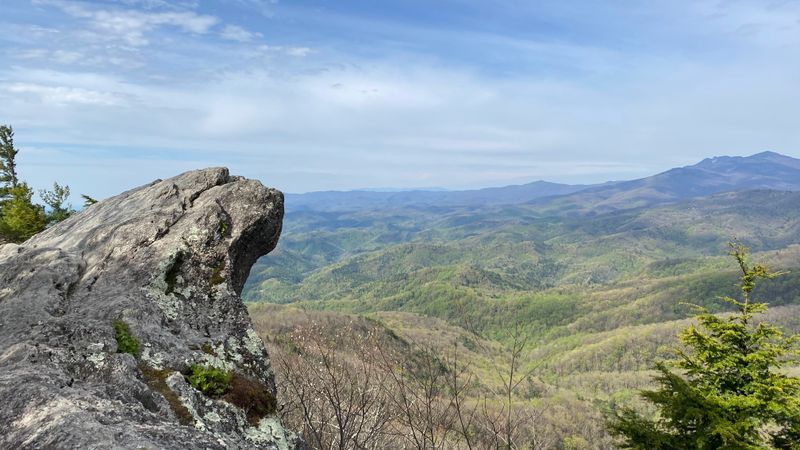
Blowing Rock sits high in the Blue Ridge Mountains and used to be a peaceful mountain retreat where families returned summer after summer.
The town got its name from a rocky cliff where wind currents create an upward draft strong enough to return light objects thrown over the edge.
For decades, this was a place where locals knew every shopkeeper by name and visitors came for genuine mountain hospitality.
Everything changed when wealthy retirees and second-home buyers discovered the area’s mild summers and stunning views.
Real estate prices climbed so high that longtime residents could no longer afford to live in the town their families had called home for generations.
Main Street transformed from a collection of quirky local shops into a corridor of high-end boutiques, art galleries, and expensive restaurants that cater to tourists with deep pockets.
The Blowing Rock attraction itself still draws crowds at 432 The Rock Road, but the surrounding town feels more like an upscale resort village than an authentic mountain community.
National chain stores have crept in alongside the boutiques, and parking has become a nightmare during peak tourist season.
Old-timers remember when you could find a simple sandwich shop or hardware store downtown, but those practical businesses have been priced out.
The town’s population swells dramatically during summer months, but many of those beautiful homes sit empty the rest of the year.
This seasonal economy means service workers often commute from more affordable towns nearby, further disconnecting the community from its roots.
While Blowing Rock remains beautiful, it has lost the welcoming, down-to-earth character that once defined mountain hospitality in North Carolina.
2. Davidson
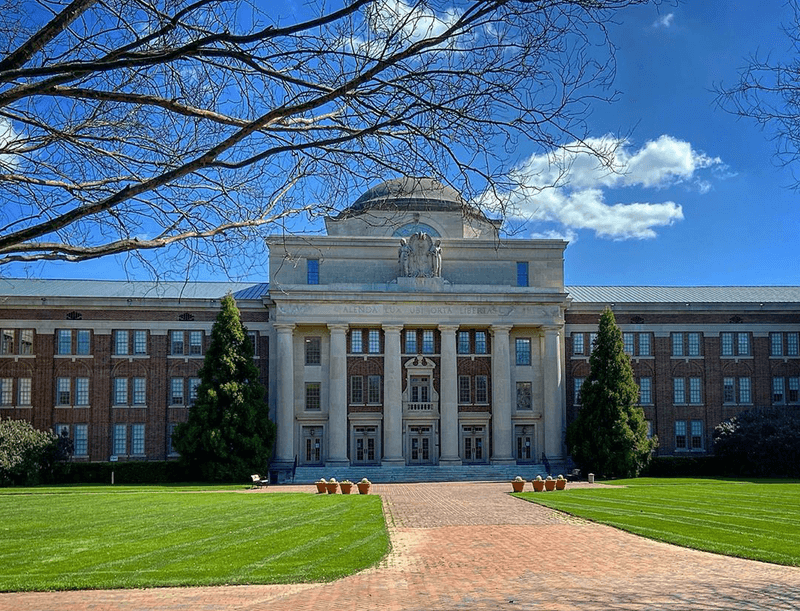
Davidson grew up around Davidson College, a prestigious liberal arts school founded in 1837 that gave the town its identity and heartbeat.
For most of its history, this was a quiet college town where professors lived next door to local merchants and everyone gathered at the same few restaurants.
The tree-lined streets and historic homes created an atmosphere that felt frozen in time, intellectual yet unpretentious.
The arrival of the I-77 corridor development and Charlotte’s explosive growth changed everything for this once-sleepy community.
Davidson suddenly became prime real estate for commuters working in Charlotte, just twenty miles south.
Developers saw opportunity and began building upscale neighborhoods that had nothing to do with the college or the town’s historic character.
Main Street has been completely reimagined with new mixed-use developments featuring trendy restaurants, wine bars, and boutique fitness studios.
The old five-and-dime stores and simple cafes where students and townspeople mingled have been replaced by establishments with much higher price points.
You can grab a craft cocktail at multiple locations, but finding an affordable family diner has become nearly impossible.
Property taxes have risen so dramatically that longtime residents have been forced to sell, often to investors or wealthy newcomers.
The sense of community that came from generations of families knowing each other has fractured as the population has tripled in recent decades.
Davidson College still anchors the town, but the surrounding community no longer feels like the authentic college town it once was.
What remains is a polished, affluent suburb that happens to have a beautiful campus at its center, not the close-knit academic village that defined Davidson for over a century.
3. Brevard
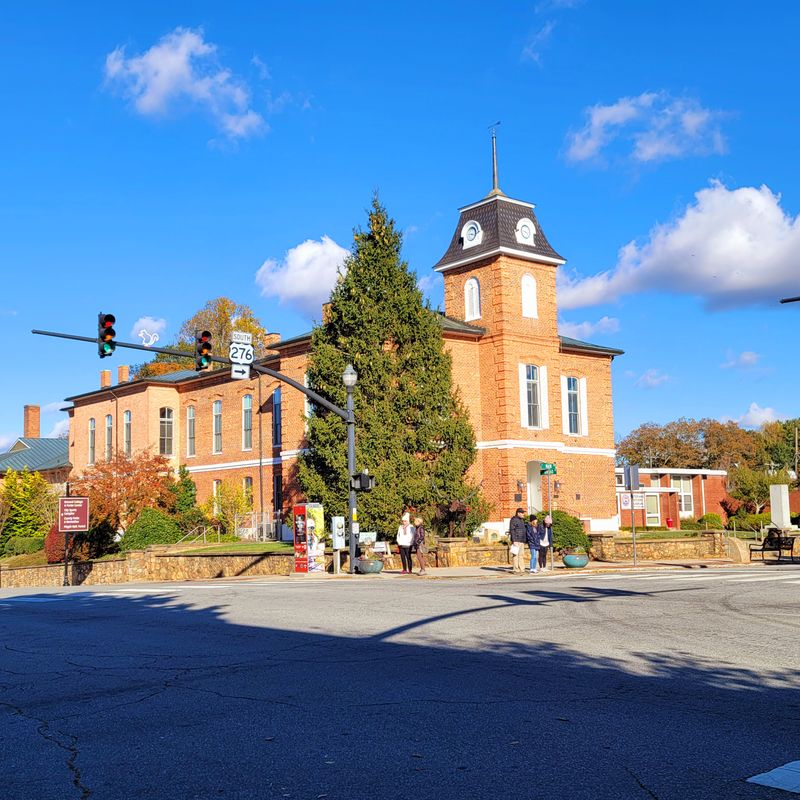
Brevard earned its reputation as a quiet mountain town where locals made their living in timber, small manufacturing, and serving the modest number of visitors to nearby Pisgah National Forest.
The town sits in Transylvania County, known for its spectacular waterfalls and lush forests that once attracted mostly serious hikers and nature lovers.
Main Street had hardware stores, a few simple restaurants, and the kind of businesses that served actual residents rather than tourists.
The outdoor recreation boom transformed Brevard from a working mountain town into a destination for wealthy adventure seekers and retirees.
Mountain biking, waterfall chasing, and glamping became huge draws, bringing visitors with expensive gear and high expectations.
Local businesses that once sold practical goods have been replaced by outfitters, craft breweries, and farm-to-table restaurants with prices that would shock earlier generations.
The Brevard Music Center still hosts its summer festival, but the town around it has become increasingly unaffordable for the musicians and artists who once gave it cultural depth.
Real estate prices have skyrocketed as second-home buyers and Airbnb investors snapped up properties, pushing out longtime residents and changing the community’s fabric.
You can find excellent coffee and upscale Southern cuisine downtown, but the simple meat-and-three restaurants have mostly disappeared.
The White Squirrel Shoppe at 2 West Main Street represents the shift perfectly—a quirky local landmark that now sits among boutiques selling $200 hiking pants.
Festivals like the White Squirrel Festival have grown from small community gatherings into major tourist events that overwhelm the town’s infrastructure.
Brevard remains beautiful and has excellent outdoor access, but the authentic mountain town character has been replaced by a carefully curated outdoor lifestyle brand that feels manufactured rather than genuine.
4. Carrboro
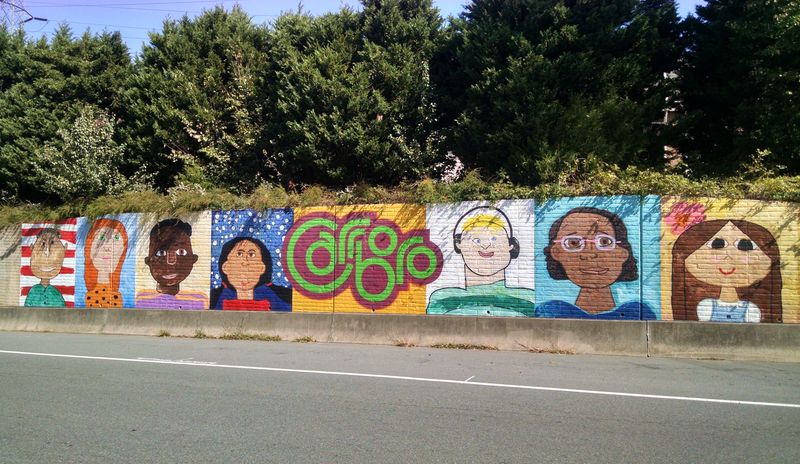
Carrboro started as a mill town adjacent to Chapel Hill, home to working-class families who built their lives around textile manufacturing and local agriculture.
The town developed a wonderfully eccentric character in the 1970s and 1980s, becoming a haven for artists, musicians, and people who appreciated its funky, unpretentious vibe.
You could rent a house for next to nothing, and the farmer’s market was where actual farmers sold vegetables to their neighbors, not a tourist attraction.
Everything shifted when Chapel Hill’s growth spilled over and developers recognized Carrboro’s proximity to the University of North Carolina.
The old mill buildings got converted into upscale shopping and dining destinations, and suddenly Carrboro was trendy rather than simply affordable and weird.
Rents began climbing at rates that pushed out the very artists and musicians who had created the town’s creative reputation.
Weaver Street Market remains at 101 East Weaver Street, but the co-op now serves mostly affluent shoppers rather than the economically diverse community it once represented.
The music venues that made Carrboro the live music capital of North Carolina are struggling as noise complaints from new luxury apartment residents create conflicts.
Main Street has transformed into a corridor of expensive restaurants and boutiques that would have seemed completely out of place just two decades ago.
The town still promotes its progressive values and quirky identity, but that image increasingly feels like marketing rather than reality.
Longtime residents who created Carrboro’s unique culture can no longer afford to live there, replaced by tech workers and university professionals.
The farmer’s market still happens, but it has become a scene where people come to be seen rather than simply buy fresh produce from their farming neighbors.
Carrboro’s loss feels particularly poignant because its transformation erased a rare example of an economically diverse, genuinely bohemian Southern community.
5. Banner Elk
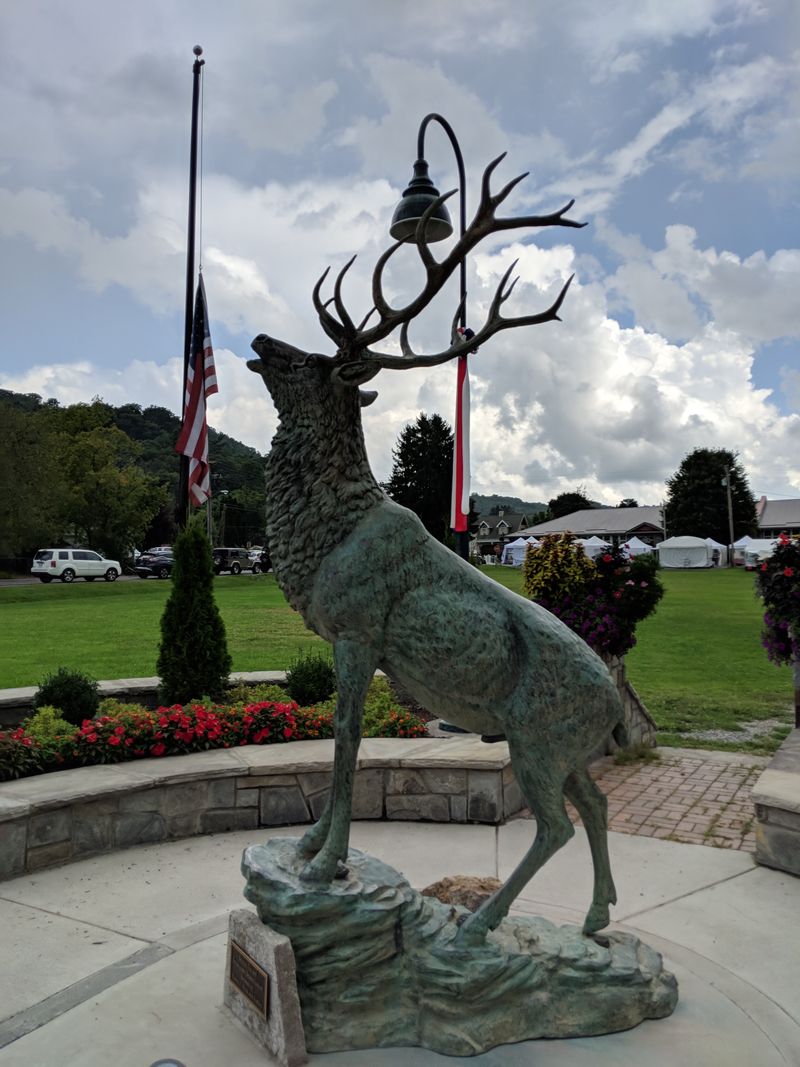
Banner Elk nestled quietly in the High Country for generations as an agricultural community where families farmed the challenging mountain terrain.
The town served as a supply center for surrounding rural areas, with practical businesses that met the needs of farmers and year-round mountain residents.
Winters were harsh, summers were brief, and the people who lived there were tough, self-reliant folks who knew their neighbors intimately.
The development of nearby Beech Mountain and Sugar Mountain ski resorts in the 1960s and 1970s planted the seeds of change.
What started as modest ski areas gradually expanded into major winter destinations, bringing thousands of visitors to an area that had seen few outsiders.
Banner Elk found itself positioned between these resorts, and developers quickly recognized the town’s potential as a base for ski vacation homes.
The transformation accelerated in the 1990s and 2000s as wealthy buyers from Florida and the Carolina coast built massive second homes throughout the area.
Real estate prices climbed so high that local families could no longer afford property in the community their ancestors had settled.
Downtown Banner Elk shifted from serving locals to catering to tourists and second-home owners, with upscale restaurants and boutiques replacing hardware stores and simple diners.
Lees-McRae College at 191 Main Street West still anchors the town, but the surrounding community has been hollowed out as service workers commute from more affordable areas.
The sense of neighborly connection that defined mountain communities has been lost as most homes sit empty except during ski season and summer weekends.
Banner Elk has excellent amenities now, but it functions more as a resort service town than the authentic mountain community it once was, with wealth and seasonal residents replacing the year-round farming families who built it.
6. Southport
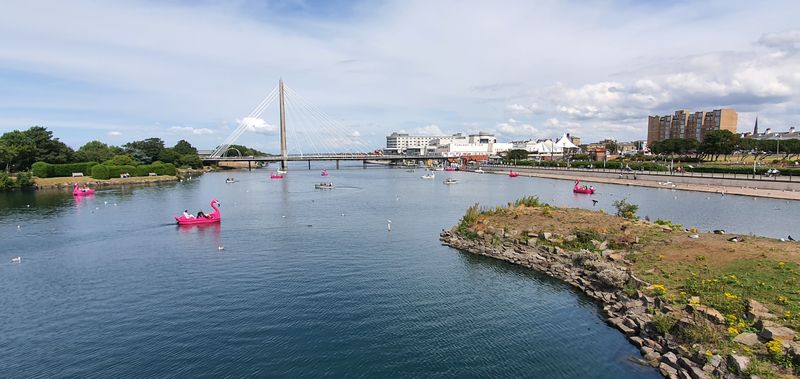
Southport grew as a working waterfront town where fishing boats unloaded their catches and maritime industries provided steady employment for generations of families.
The town sits where the Cape Fear River meets the Atlantic Ocean, giving it strategic importance and natural beauty that locals appreciated without making a fuss about it.
Front Street had ship chandlers, seafood markets, and no-frills restaurants where fishermen and their families gathered, not boutiques and wine bars.
Hollywood discovered Southport in the 1980s and 1990s, using its picturesque waterfront as a filming location for numerous movies and television shows.
This exposure put the town on the map for tourists and retirees seeking a quaint coastal community, fundamentally changing Southport’s trajectory.
Property values began rising as outsiders bought up historic homes and waterfront lots, pricing out the fishing families who had lived there for generations.
The waterfront transformed from a working harbor into a carefully manicured tourist destination with gift shops, galleries, and upscale dining.
Commercial fishing operations have been pushed to the margins as recreational boating and tourism became the economic focus.
You can take a lovely stroll along the waterfront at Waterfront Park on Bay Street, but you will not find much evidence of the maritime heritage that defined Southport for two centuries.
The Fourth of July festival has grown from a small community celebration into a massive tourist event that overwhelms the town’s infrastructure and frustrates longtime residents.
Many historic homes have been converted into vacation rentals, meaning neighbors change weekly and community connections have dissolved.
The North Carolina Maritime Museum at Southport at 204 East Moore Street tries to preserve the town’s heritage, but outside its walls, that working waterfront culture has largely vanished, replaced by a postcard-perfect coastal village that prioritizes tourist dollars over authentic maritime community.
7. Waxhaw
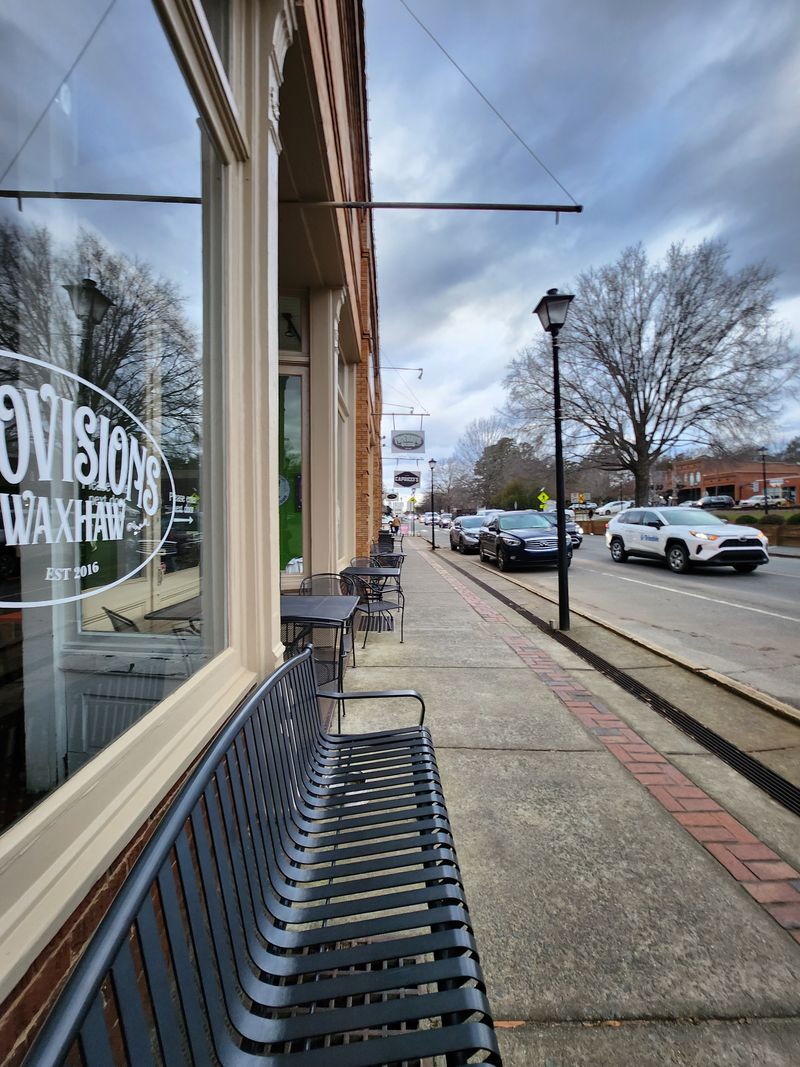
Waxhaw existed for centuries as a small crossroads community near the South Carolina border, named after the Waxhaw Indians who originally inhabited the region.
The downtown consisted of a few blocks of historic buildings where local farmers came to buy supplies, and everybody knew everybody else’s business in the best small-town tradition.
Life moved slowly, children rode bikes everywhere safely, and the biggest excitement was the Friday night high school football game.
Charlotte’s relentless suburban sprawl reached Waxhaw in the early 2000s, and the quiet farming community never stood a chance against the development pressure.
Massive subdivisions sprouted across former farmland, bringing thousands of new residents who had no connection to Waxhaw’s history or community traditions.
The population exploded from around 2,000 people to over 13,000 in just two decades, fundamentally overwhelming the small-town infrastructure and character.
Downtown Waxhaw has been polished and preserved, but it now functions as a quaint backdrop for newcomers rather than a genuine community center for locals.
The shops along Main Street cater to affluent suburban tastes with boutiques, trendy restaurants, and businesses that would have been completely foreign to earlier generations.
You can visit the Museum of the Waxhaws at 8215 Waxhaw Highway to learn about the town’s history, but that history feels increasingly disconnected from the suburban reality surrounding it.
Traffic has become a nightmare as roads built for a small town struggle with suburban commuter volumes.
The sense of community that came from generations of families knowing each other has been completely lost in the flood of newcomers.
Schools that once educated children whose grandparents were also alumni now serve a constantly churning population of families who might move again in a few years.
Waxhaw retains a cute downtown, but it has become a Charlotte suburb in everything but name, with all the traffic, anonymity, and disconnection that suburban life entails.
Dear Reader: This page may contain affiliate links which may earn a commission if you click through and make a purchase. Our independent journalism is not influenced by any advertiser or commercial initiative unless it is clearly marked as sponsored content. As travel products change, please be sure to reconfirm all details and stay up to date with current events to ensure a safe and successful trip.
