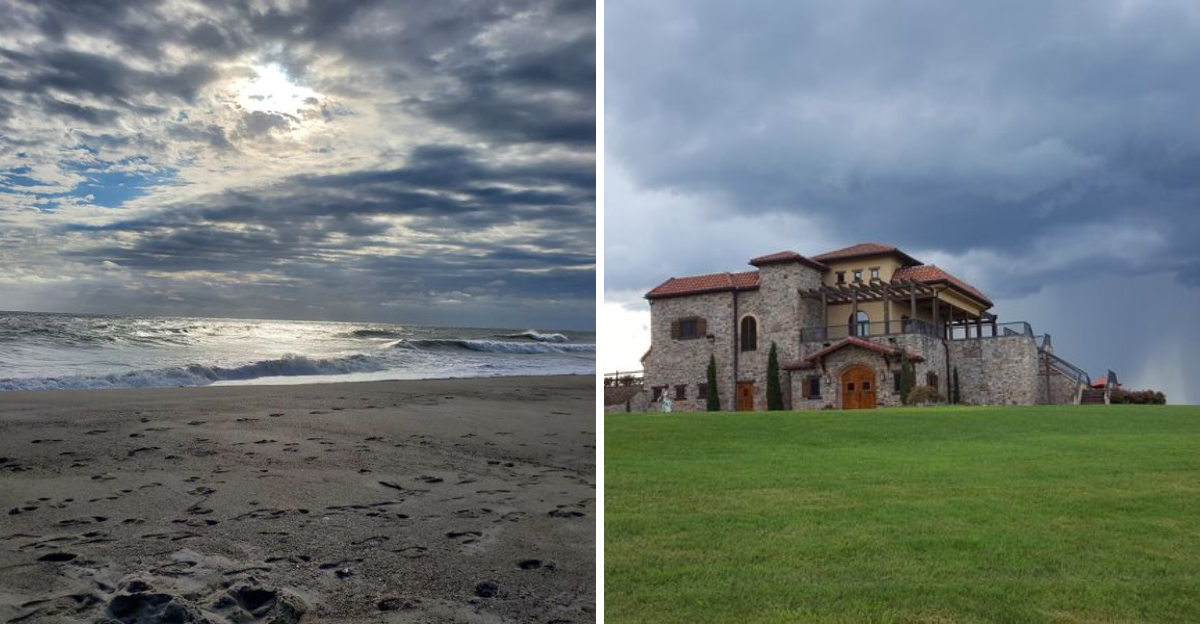
When winter hushes the hills and the coast exhales its last warm breath, North Carolina unveils roads that feel built for quiet.
You hear tires on cold pavement, see breath lift in the air, and watch blue ridgelines sharpen as leaves give way to views.
These drives carry you through luminous frost, empty overlooks, and seaside towns that finally slow to their natural rhythm.
If you crave calm, these routes deliver it mile by mile, with space to breathe and room to linger.
This list is based on scenic appeal, seasonal atmosphere, and routes locals tend to favor during the quieter winter months, along with input from our team’s research and firsthand experience.
Road conditions, accessibility, and overall impressions can vary depending on weather and timing, and the order reflects editorial judgment rather than a definitive ranking.
1. Blue Ridge Parkway from Asheville to Craggy Gardens
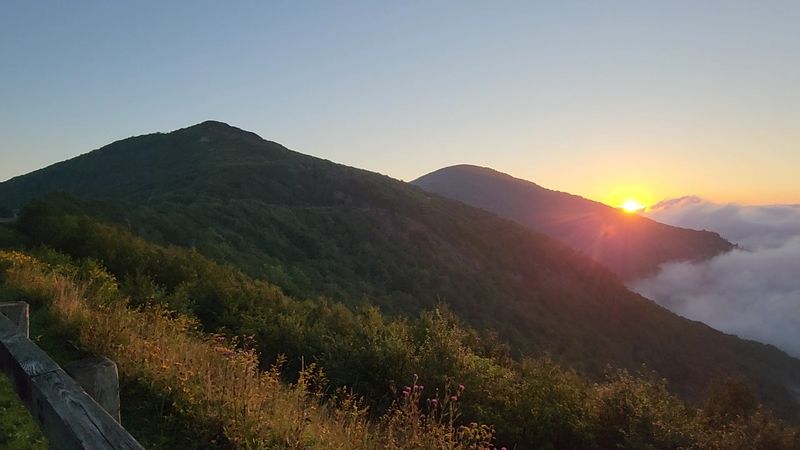
The Blue Ridge Parkway north of Asheville feels made for winter mornings when the air is clear and the traffic stays light.
Views that summer leaves can hide open up, and the ridgelines step forward in crisp cold air.
Pullouts near Tanbark Ridge and Lane Pinnacle give you quick stops where the horizon looks clean and sharp.
Craggy Gardens looks stark and sculptural in winter, especially when rhododendron tunnels pick up a glaze of rime.
This stretch can close during storms, so it pays to check conditions before you commit.
When it is open, the curves often feel empty, and the hush can be surprisingly complete.
You pass tunnels where headlights briefly warm the stone in amber tones.
Snow sometimes lingers on the shoulders, bright against dark moss and winter lichen.
The air carries a spruce edge, and each overlook feels like a natural pause.
Mount Mitchell often sits in the distance with a pale dusting that makes it look closer than it is.
Ravens ride the thermals, and your eyes follow them longer than you expect.
With the sun low, balds and ridges catch a thin rim of light that reads like silver.
Short walks can work well if trails are not slick, especially around Craggy Pinnacle.
Footprints in frost can last longer than you think on the shaded side of the day.
Layer up, because elevation pulls warmth away quickly even when skies look friendly.
Locals tend to go early after a front clears out the clouds and steadies the visibility.
Coffee from Asheville stays hot for only a few bends once you start climbing.
By the time you reach Craggy Gardens, the quiet has already done its work.
2. NC 12 on the Outer Banks from Nags Head to Hatteras
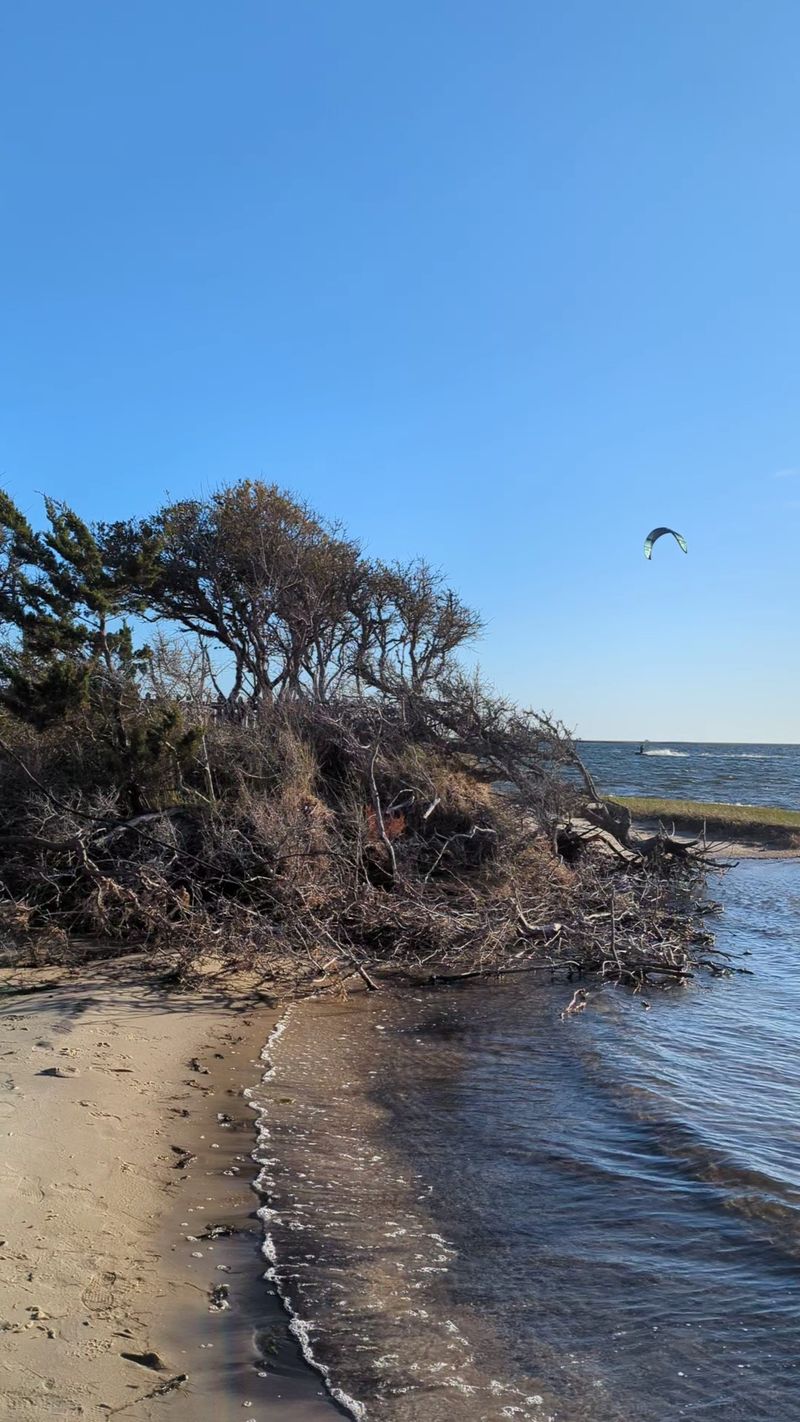
NC 12 runs south beside the dunes, and winter makes the ocean feel like the main attraction again.
Crowds thin out, and the Outer Banks settles back into its long, steady rhythm.
The drive from Nags Head to Hatteras feels like a clean line between gray water and pale sand.
After storms, windblown sand can collect along the shoulders, so steady attention matters.
Coquina Beach is a good stop for a walk when shells show up like punctuation at the wrack line.
The surf keeps time, and the horizon makes it easy to let go of a schedule.
Bodie Island Lighthouse stands out against winter skies that often look washed and bright.
Marsh trails nearby pull your focus toward wintering birds and open water.
Boardwalk planks sound softer in cold air, and every step feels more deliberate.
Pea Island National Wildlife Refuge becomes a moving field guide in the quiet season.
Look for tundra swans, dabbling ducks, and blackbirds sweeping low over the grasses.
Binoculars earn their spot in the passenger seat on this route.
South of the refuge, the road opens into long, empty tangents that invite slower driving.
Salt air leaves a faint film on the windshield, and the steering wheel stays cool to the touch.
Each village has its own winter quiet, with fewer open doors but the same steady presence.
If you plan to connect with a ferry, check schedules because winter service can shift.
Sunsets often wash pastel across Pamlico Sound, and the light lingers longer than you expect.
You head back with sand on the floor mats and the feeling of space returned.
3. Cherohala Skyway from Robbinsville to the Tennessee line
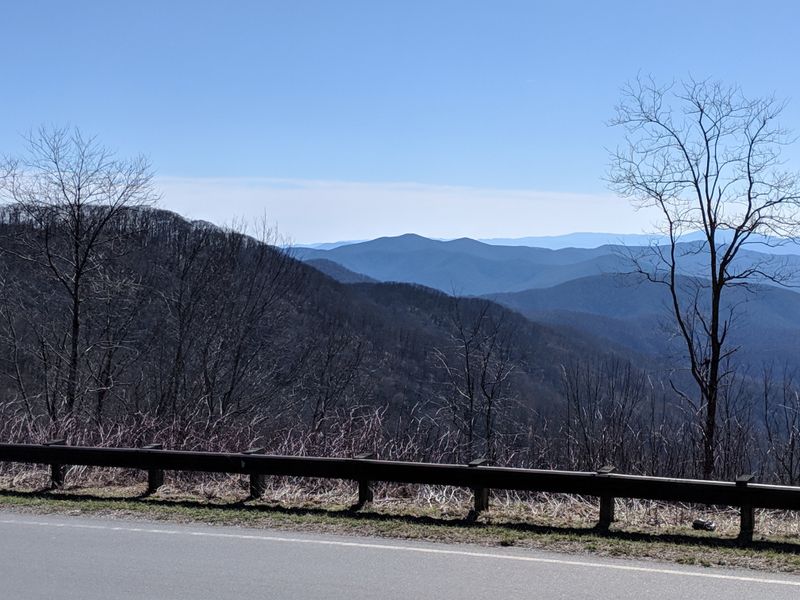
The Cherohala Skyway climbs out of Robbinsville into high air that feels especially clean in winter.
The road threads through forests that hold cold well, and the quiet comes quickly once you gain elevation.
Overlooks arrive one after another, each one framing ridgelines that feel newly revealed without summer leaves.
On cold mornings, rime can gather on branches and make the shoulders sparkle.
Gates can close in icy spells, so checking conditions is part of planning this drive.
When the road allows it, traffic usually stays light enough to feel respectful.
Santeetlah Gap marks a subtle lift into broad views that stretch across layered folds.
In the car, you start hearing only wind and the small ticks of cooling brakes at pullouts.
The landscape reads larger here, and winter makes the distance feel even clearer.
Trail signs point to routes that can feel nearly private this time of year.
Short walks around areas like Whigg Meadow can reward you with big sky and open views when footing is safe.
Shaded patches can stay slick, so slow steps matter more than ambition.
Sun stays low, and shadows braid across the pavement like dark water.
Pullouts double as quiet lunch spots where a zipper and a thermos are the loudest sounds.
Steam rises, catches the breeze, and disappears almost immediately.
You can return the way you came or connect to nearby roads if weather cooperates.
The mountains hold winter steadily here, without fanfare and without rush.
You finish the drive with clearer lungs and a renewed respect for the season.
4. Pisgah National Forest loop via US 276 and the Forest Heritage Scenic Byway
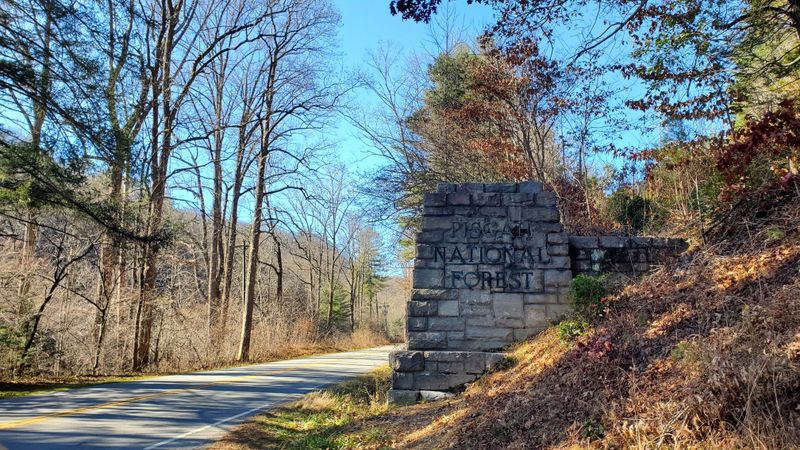
US 276 climbs out of Brevard under tall forest that makes winter feel quieter than it already is.
The Forest Heritage Scenic Byway stitches together waterfalls, logging history, and higher ridges in a compact loop.
Cold air sharpens the lines of stone and moving water, and every bend feels more defined.
Looking Glass Falls often runs clear and glassy with fewer people gathered at the rail.
Spray can freeze into delicate patterns nearby, so it helps to watch for slick edges.
Because the viewpoint sits right off the road, it is an easy stop that does not demand a long detour.
Farther up, Sliding Rock rests between seasons, quiet and empty without swimmers.
Icicles can fringe the chute like careful handwriting, especially after cold nights.
Parking areas tend to feel roomy in winter, which makes quick stops simpler and less stressful.
At the Cradle of Forestry, museum buildings sit among hemlocks in a calm that matches the setting.
Winter hours can vary, so it is smart to confirm the schedule before you build it into your day.
The site adds context to North Carolina’s forestry story without pulling you away from the road for too long.
Higher up, the byway can connect toward the Blue Ridge Parkway when gates are open.
If closures block the Parkway, you can still make a satisfying loop by dropping toward Waynesville.
Creeks along the route keep a steady, quiet voice that carries even through the car window.
The return via US 64 and NC 280 ties the day together without unnecessary backtracking.
Brevard feels especially calm in early evening, with murals and storefronts catching soft light.
You leave with a clear head and a jacket that still holds a trace of waterfall mist.
5. Great Smoky Mountains winter corridor via US 441 to Newfound Gap
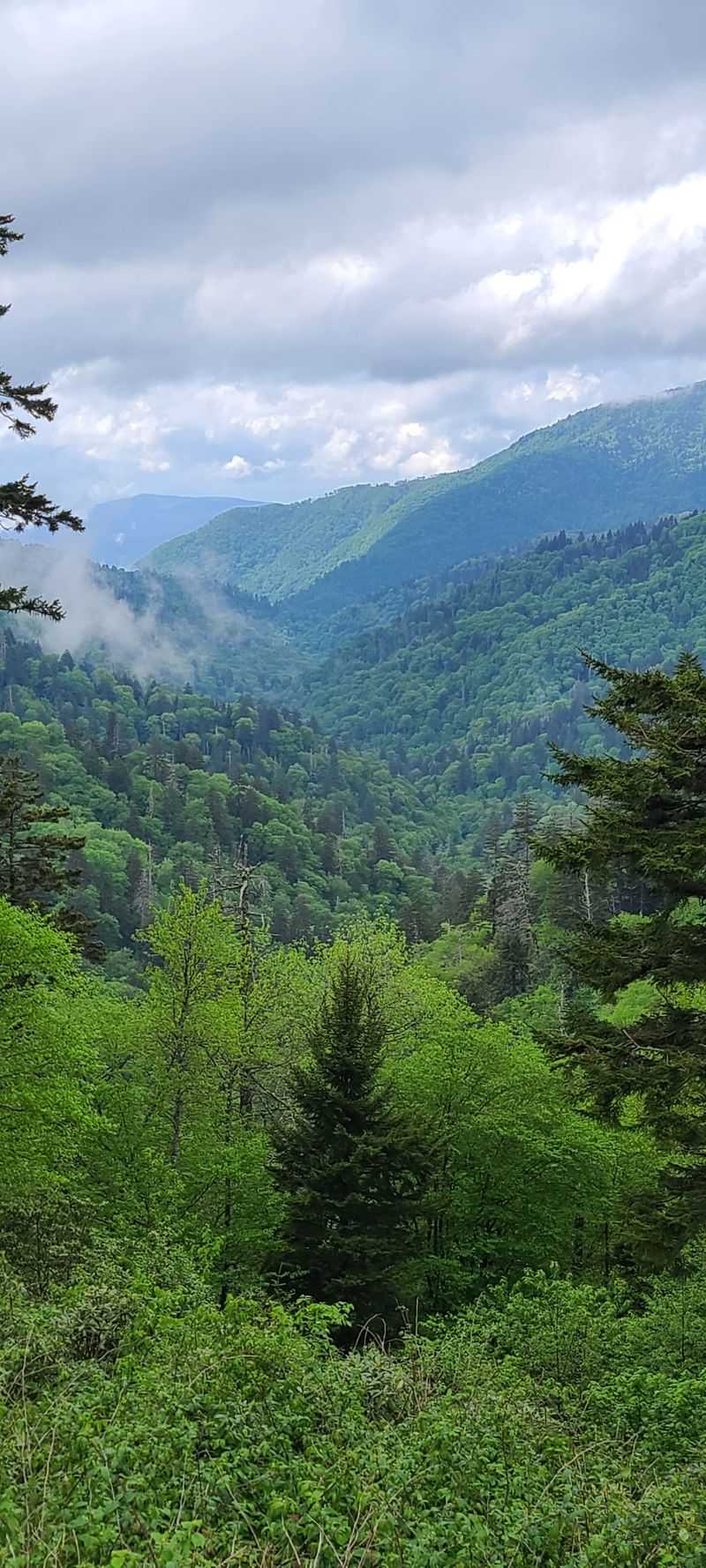
US 441 climbs from the Oconaluftee Valley into higher country with a steady sense of purpose.
Winter pares the forest down to structure and evergreen, which makes ridges link together more clearly.
Elk sometimes show up near the visitor area early and late in the day, especially when the fields are quiet.
Newfound Gap sits high where wind and clouds can shift quickly, even on calm days.
The view feels expansive and clean in winter, with fewer distractions and sharper visibility.
Closures can happen during storms, so it matters to check updates and keep your driving patient.
Pullouts along the climb offer fast views without requiring a long hike.
Cold streams run tighter against rock, and their sound carries farther in thin air.
At stops, your breath fogs briefly, then disappears as soon as you move again.
Gentler trails like the Oconaluftee River Trail can work well when conditions are stable.
Frost gathers along fences and railings in small patterns that make the roadside feel detailed and close.
Without heavy leaf cover, every footstep and small sound seems louder than it would in summer.
The North Carolina side of the park wears winter calmly, with colors reduced to silver, green, and muted blue.
Photography often improves in this season because bark, lichen, and stone show more texture.
As afternoon fades, the road settles into a careful descent that feels unhurried.
Back in the valley, chimney smoke can hang in the still air like thin thread.
You end the drive feeling steadier, with the mountains returning to their proper scale.
6. Blue Ridge Parkway south from Asheville to Devil’s Courthouse
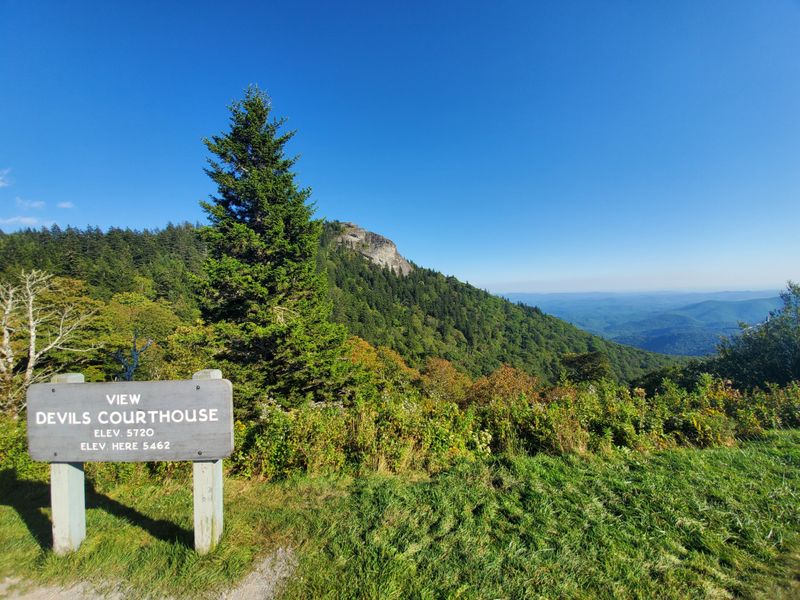
South of Asheville, the Parkway rises into higher ground where winter air tends to stay clear and cool.
Elevation stacks the view into clean bands, and distant valleys look neatly layered on bright days.
Pines and rock faces read darker in winter, which makes the light feel even sharper.
Overlooks near Graveyard Fields feel open and spare once the leaves are down.
Boardwalk areas can hold ice, so careful footing matters more here than speed.
On clear days, the balds show a pale sheen that makes the landscape look freshly drawn.
Devil’s Courthouse stands out as a dramatic stop, even before you start the short trail.
In winter light, the climb feels brisk and bright, with wind often doing most of the talking.
From the top, the layers stretch out with a clarity that naturally quiets conversation.
Snow and ice can trigger closures, so confirming the road status is part of the trip.
When it is open, the Parkway can feel like a quiet gallery of stone, air, and long views.
Tunnels add a brief hum as tires pass through and return to open silence.
Picnic areas become useful sun spots at midday, even when you only stop for ten minutes.
A thermos matters more than a roadside cafe on this stretch in winter.
Silence tends to settle in between sips, and it stays there without effort.
The drive back toward Asheville unwinds with softer colors and gentler curves.
By the last mile, you can hear the city before it comes into view.
7. Uwharrie National Forest backroads via NC 109 and Forest Service loops
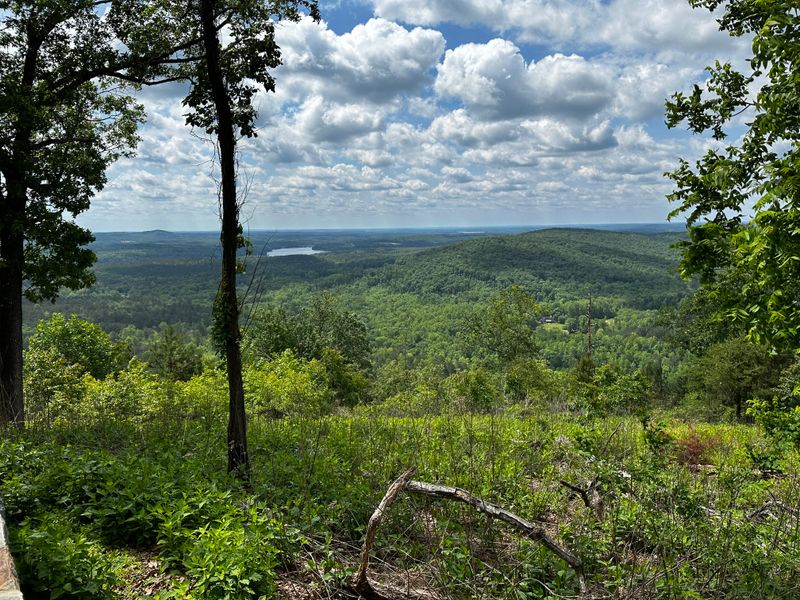
Uwharrie’s old hills feel quieter in winter, and the bare branches make the terrain easier to read.
Without summer leaves, rock outcrops and small lake views show up where you might not expect them.
NC 109 offers an easy approach to Forest Service roads that loop through the heart of the forest.
After rain, gravel conditions can shift, so slower speeds and steady attention pay off.
The best reward here is texture, from pine needles to creek edges to the way light hits the understory.
Badin Lake can look pewter under winter skies, and the stillness often feels complete.
Boat ramps and shoreline pull-offs are usually quiet, which makes short stops simple.
Geese often announce themselves before they cross your view, and the sound carries in cold air.
Trailheads stay active but rarely crowded when temperatures drop.
Areas like Dutchman’s Creek offer short walks that feel manageable and close to the road.
Pine scent rides the cool air, and it follows you back into the car.
Wildlife tends to appear at the edges, steady and watchful.
White-tailed deer slip into the brush quickly, and hawks patrol road cuts on open thermals.
Local drivers use these roads as calmer winter options when higher elevations get slick.
This part of North Carolina often brings fewer closures and less wind than the high mountains.
You finish the loop feeling rested, with a new mental map of small turns that are easy to miss in summer.
8. Fort Fisher and Kure Beach coastal sweep on US 421
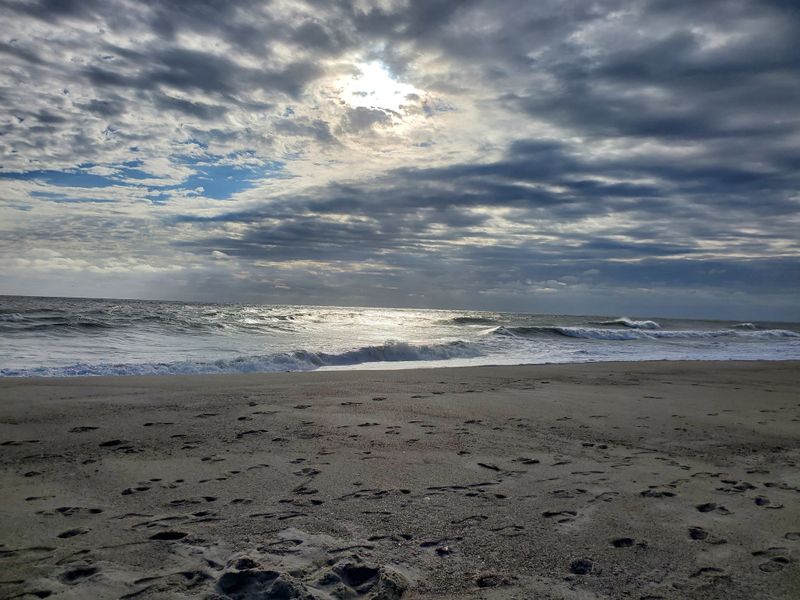
US 421 carries you toward the water where the Cape Fear River meets the Atlantic, and winter makes the coastline feel wide.
The beach often looks pale and open, with a metallic sheen along the waterline on cold days.
This drive feels like a long exhale, especially when traffic thins and the sky stays bright.
At Fort Fisher State Historic Site, earthworks sit under live oaks shaped by salt wind.
Short trails move through maritime forest and dunes, and the setting stays calm even when you are close to town.
The visitor center at 1610 Fort Fisher Blvd S in Kure Beach is a useful anchor if you want context before you walk.
In winter, aquarium hours and other attractions can shorten, but the benefit is that lines nearly disappear.
The surf stays audible from the parking area, and the sound sets the tone immediately.
Boardwalks and walkovers lead to beaches that reward slow pacing and wide horizons.
Shells and seaweed collect in crisp patterns along the wrack line, and winter light makes them easier to see.
Across the river side, the ferry landing frames flat water and a calmer, marshy view.
Late sun hits the grasses like thin lantern light, and the scene can feel unexpectedly warm.
The coast shows its structure best when crowds step back and the wind does the talking.
Some cafes keep limited hours, so it helps to bring what you need and plan for outdoor time.
You leave with sand brushed off your shoes and a head full of horizon.
9. Yadkin Valley wine country roads between Elkin and Dobson
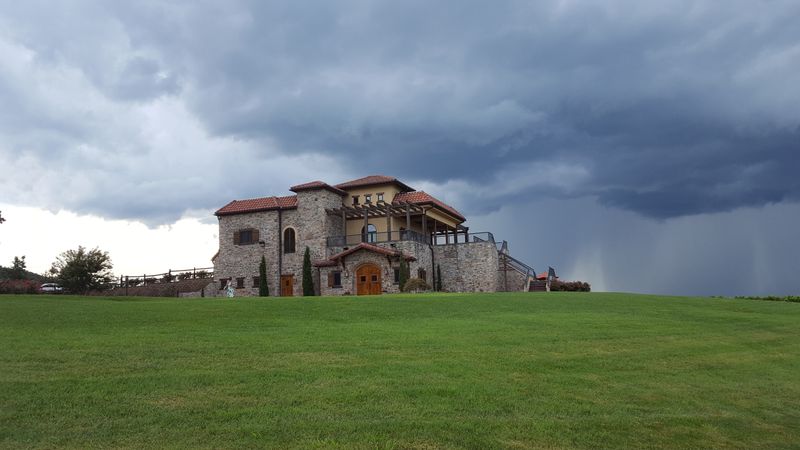
In winter, the Yadkin Valley trades summer lushness for clean lines and open views.
Bare vines sketch tidy patterns across rolling hills, and the landscape feels quieter and more deliberate.
Roads between Elkin and Dobson move gently through farmland that looks especially ordered this time of year.
Some mornings start with fog sitting low in the folds before lifting in a slow, patient sweep.
Farm ponds mirror thin clouds, and hawks circle above fields with unhurried confidence.
Curves come at an easy pace, and each one opens a slightly different view of the valley.
Tasting rooms and small businesses may run reduced schedules, but the towns keep their lights on.
After a cold rain, brick main streets look richer, and winter textures photograph well.
Parking tends to be easy, and sidewalks feel pleasantly quiet under boots.
Many of the best views come from informal pull-offs, so broad shoulders become your overlook.
Respect private drives, keep stops brief, and leave the roadside as clean as you found it.
The quiet works here because the valley runs on routine, not spectacle.
With leaves down, you see farther, and distant ridges form a blue backdrop that stays steady all day.
Barns and fences stand out more clearly, and the geometry of the landscape feels intentional.
As the sun drops, the valley often turns rosy, and the light lingers longer than you expect.
Mist returns to the low spots, headlights come on, and the roads feel calm on the way home.
You carry the quiet with you, even after the engine cools.
Dear Reader: This page may contain affiliate links which may earn a commission if you click through and make a purchase. Our independent journalism is not influenced by any advertiser or commercial initiative unless it is clearly marked as sponsored content. As travel products change, please be sure to reconfirm all details and stay up to date with current events to ensure a safe and successful trip.
