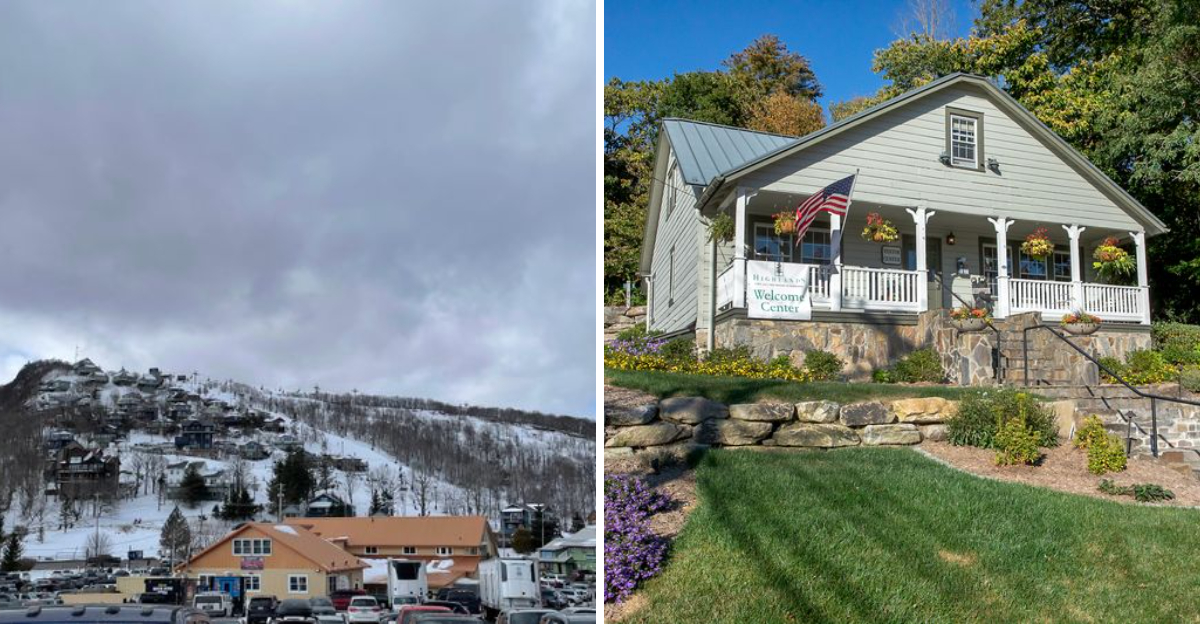
Winter towns in North Carolina charm visitors with frosty views, friendly locals, and mountain quiet that wraps around you like a warm scarf.
The same beauty can turn tricky fast if you miss the unwritten rules that locals follow without thinking. Learn these simple habits now, and your trip stays smooth, safe, and genuinely fun.
Keep reading to avoid the common mistakes travelers only discover after it is too late.
1. Heed Mountain Chain Requirements Before You Climb
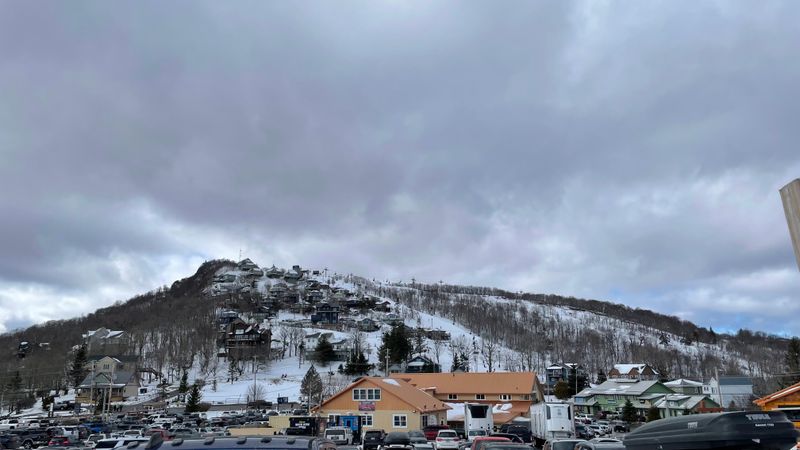
Do not drive in snow without proper equipment.
At the base of Beech Mountain, electronic signs alert drivers when four wheel drive or chains are required.
Ignoring those warnings is both a safety issue and a fast way to block the road for everyone behind you.
Beech Mountain Visitor Center, 403 Beech Mountain Pkwy, Beech Mountain, NC 28604, posts current advisories and local routes.
Staff there can confirm conditions before you head up the switchbacks and steep grades.
Check the town website or NCDOT updates before the first flake flies.
North Carolina mountain weather turns from wet to icy within minutes as elevation rises.
Stopping at the bottom to add chains is easier than sliding at the top where there is no safe shoulder.
Carry a compact shovel and traction boards in case you need quick extra grip.
Rental cars often do not include snow gear, so ask specifically for winter rated tires or permission to carry chains.
Locals appreciate drivers who leave space on pullouts for plows and emergency vehicles.
Use low gears on descents, and keep steady pressure so brakes do not overheat or lock.
In North Carolina, a courteous choice on the mountain keeps the whole corridor moving.
Turn around if you lack the right setup, and try again after crews finish their pass.
Your cabin, your plans, and your neighbors will benefit from that patience.
2. Pack A Real Emergency Kit, Not Just Hope
Always have an emergency kit in your car.
Weather in the North Carolina mountains flips quickly, and storms can close a pass in the time it takes to buy coffee.
Locals assume delays and build backup plans into every drive.
Banner Elk Town Hall, 200 Park Ave NW, Banner Elk, NC 28604, shares seasonal safety tips and printed checklists for visitors.
Pack water, high energy snacks, a warm blanket, gloves, and a headlamp with spare batteries.
Add a scraper, tow strap, and reflective triangles so you are visible around blind curves.
Keep a charged battery bank for phones in case the car power is unreliable.
A compact first aid kit covers small scrapes from chains or ski edges.
Seal everything in a weatherproof bag that fits behind a seat for fast access.
Rotate supplies at the start of each trip so nothing expires or freezes solid.
On smaller North Carolina roads, help can take time to arrive, especially after dark.
Set your hazards, place triangles, and stay with the vehicle unless a staffed building is in sight.
Tell a friend your route before departure and confirm your arrival window.
That simple message keeps loved ones from worrying and speeds assistance if needed.
Your future self will thank you for a trunk that is ready for surprises.
3. Do Not Trust Only The Main Roads
Do not assume main roads are always clear.
Highways may look wet while side streets and parking lots hold black ice that blends into the asphalt.
Cruise control on those patches removes the tiny corrections your foot provides.
Boone Police Department, 1500 Blowing Rock Rd, Boone, NC 28607, posts travel cautions when conditions change fast.
Leave early so you are not tempted to rush into slick corners near campus and downtown.
Scan for shaded places where snow lingers long after the sun returns.
Bridges freeze first because air flows under the deck and steals heat from the surface.
Use gentle steering inputs and smooth throttle so tires keep contact instead of spinning.
Park in a flat spot facing out to avoid backing onto ice later.
Carry a small bag of sand for traction under drive wheels if you get stuck.
North Carolina mountain towns prioritize major arteries, but residential grids may wait until the storm ends.
Walking between icy cars can be tougher than the drive, so step carefully and test each footfall.
Turn off cruise entirely on cold mornings and keep both hands steady on the wheel.
Your route will feel calmer and more predictable without automated speed changes.
Safe choices turn a tense day into a short story, not a long rescue.
4. Drive Like Winter Is Watching You
Master the art of winter driving.
Avoid stopping on hills if traffic is flowing because a restart on ice is where wheels spin and tempers rise.
Use gradual acceleration and steady braking to keep traction stable.
Asheville Visitor Center, 36 Montford Ave, Asheville, NC 28801, offers local road insights and printed maps for mountain detours.
Increase following distance to allow more time for mistakes ahead.
Pick lower gears on long climbs to keep momentum gentle and predictable.
Plan wide, slow turns so your tires roll rather than slide sideways.
Look far down the road and choose early lane positions before the hardpack ruts lock you in place.
Keep windows clear by running defrost early and wiping interior fog with a clean cloth.
Remove snow from the roof so it does not slide onto the windshield during braking.
North Carolina patrols appreciate drivers who seatbelt up and signal early on slick mornings.
Leave extra time and treat each hill like a tiny pass that deserves respect.
Practice in an empty lot to learn how your vehicle reacts at low speed.
When the next squall arrives, muscle memory will keep your hands light and calm.
Confidence grows when skill replaces guesswork and luck.
5. Wait Out The Squall, Then Go Explore

Stay off roads during active snowfall.
Locals keep trips short and settle in until plows and salt trucks catch up.
If you must drive, treat every intersection like a fresh hazard.
Blowing Rock Visitor Center, 132 Park Ave, Blowing Rock, NC 28605, provides storm updates and walking suggestions once skies clear.
Use the pause to recharge, map your next stops, and dry your gear.
Look through windows at the soft swirl while heat quietly returns to your fingers.
When visibility improves, plan a loop that avoids steep shortcuts and shaded ravines.
Tell a friend your return time and choose obvious landmarks to regroup if phones fail.
North Carolina views sparkle after a storm, and streets feel safer when the rush subsides.
Sidewalks can still hide slick patches under powder, so shorten steps and keep hands free.
Drivers appreciate pedestrians who make eye contact at crossings before stepping out.
Walk on the upwind side of the street to dodge roof shed and sluff from trees.
Fresh snow turns sound into a hush that rewards patience and timing.
Your restraint now buys a better afternoon and an easier evening ride.
Let the flakes finish their work before you start yours.
6. Plan For Spotty Cell Service In The High Country

Be prepared for limited cell service.
Many mountain ridges block signals and leave dead zones where navigation drops without warning.
Printed maps solve problems that apps cannot predict.
Highlands Welcome Center, 108 Main St, Highlands, NC 28741, stocks detailed maps and loop suggestions for winter travelers.
Write down trailheads, road names, and emergency numbers before the drive.
Agree on a meeting place and time if your group splits for errands or photos.
Save offline maps and star key locations while you still have Wi Fi in town.
Screenshot directions to cabins in case a last turn vanishes from the screen.
North Carolina backroads twist through gaps where a single wrong fork adds an hour.
Keep the phone warm in an inner pocket so the battery does not fade in the cold.
Turn on airplane mode in dead zones to conserve power until the next ridge.
A compact compass helps confirm general direction when clouds hide the sun.
Visitor centers appreciate travelers who arrive prepared and ask targeted questions.
Your future routes will feel smoother with backup tools that require no signal at all.
Navigation peace of mind is the best souvenir you can pack.
7. Use Resort Shuttles From Overflow Lots
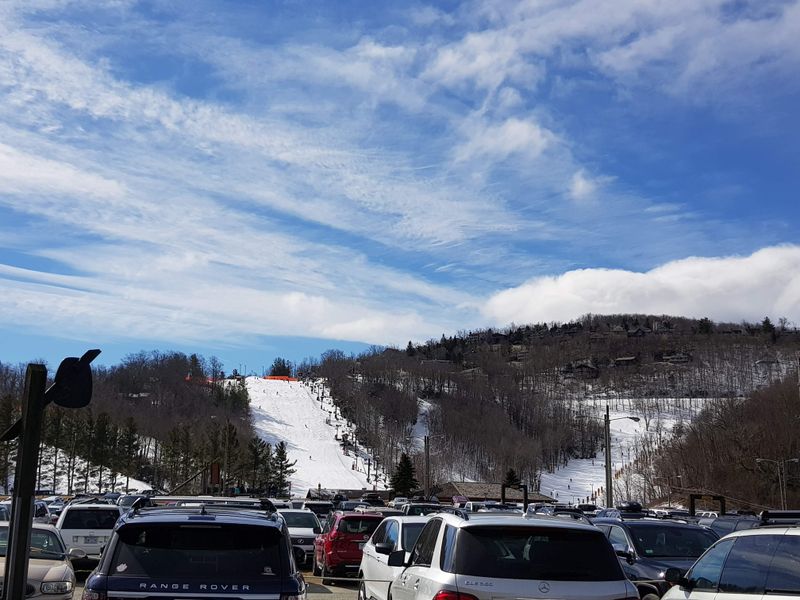
Do not walk to the resort from overflow parking.
Narrow mountain roads leave almost no shoulder, and drifting snow hides the edges.
Resorts run free shuttles to move guests safely and quickly.
Appalachian Ski Mtn, 940 Ski Mountain Rd, Blowing Rock, NC 28605, posts shuttle pickup points and hours near lot entrances.
Follow signs, wait in designated areas, and keep gear close to avoid blocking lanes.
Drivers coordinate with patrol to reduce vehicle clusters at the main drop off.
Walking along curves puts you in blind spots where drivers cannot see around plumes of powder.
Bright clothing and reflective strips help during dusk when light fades fast.
North Carolina ski hills appreciate guests who let transit do the heavy lifting on busy days.
Stash boots and helmets in a compact pack so boarding the shuttle is smooth.
Hold poles together to avoid snags with doors and handrails.
Thank the driver and clear the aisle so others can step on safely behind you.
Arrivals feel calmer when the first choices save energy for the runs you came to ride.
Your legs will last longer and your focus will stay sharper on the slopes.
Safety wins when fewer pedestrians share icy pavement with buses and cars.
8. Practice Leave No Trace In Winter Too
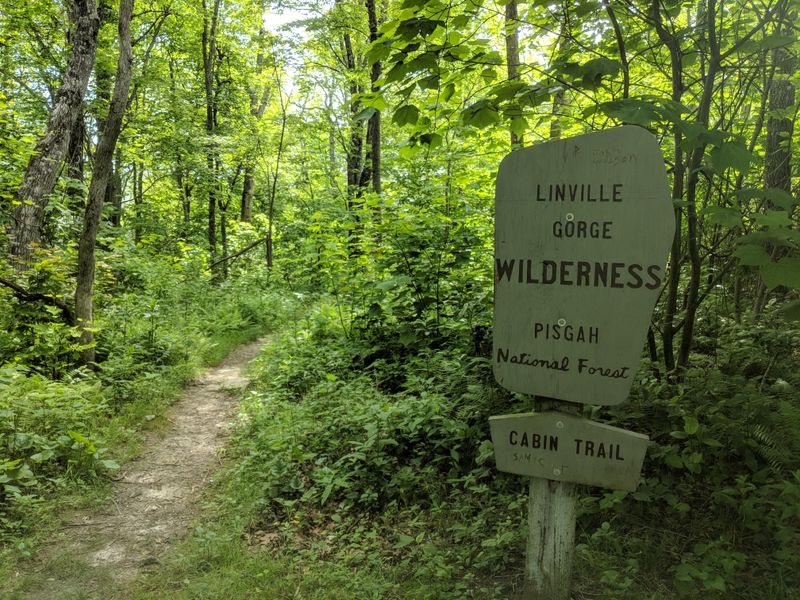
Adhere strictly to Leave No Trace principles.
Pack out all trash, stay on marked trails, and give wildlife space to move and forage.
Winter does not erase the basics, it highlights them.
Linville Gorge Wilderness access, 1001 Pisgah National Forest Rd, Nebo, NC 28761, provides posted guidance and seasonal notices.
Use reusable containers and seal bags so wind does not spread wrappers into branches.
Step through the center of trails to avoid widening paths around icy puddles.
Keep pets leashed and lift waste into your pack so snowmelt does not carry it downhill.
Avoid breaking fragile snow crust near sensitive plants that sleep just below the surface.
North Carolina public lands rely on visitors to protect views and habitats after storms.
Quiet feet and tidy packs leave only clean tracks for the next group.
Choose rest spots away from trail junctions to keep sightlines clear for skiers and hikers.
Use a small sit pad so you do not strip branches for dry seating.
Share greetings, yield with a smile, and keep moving so traffic flows in narrow corridors.
Good stewardship turns a single trip into a model others are happy to repeat.
Your care keeps winter magic alive from ridge to river.
9. Be A Good Neighbor In Residential Areas
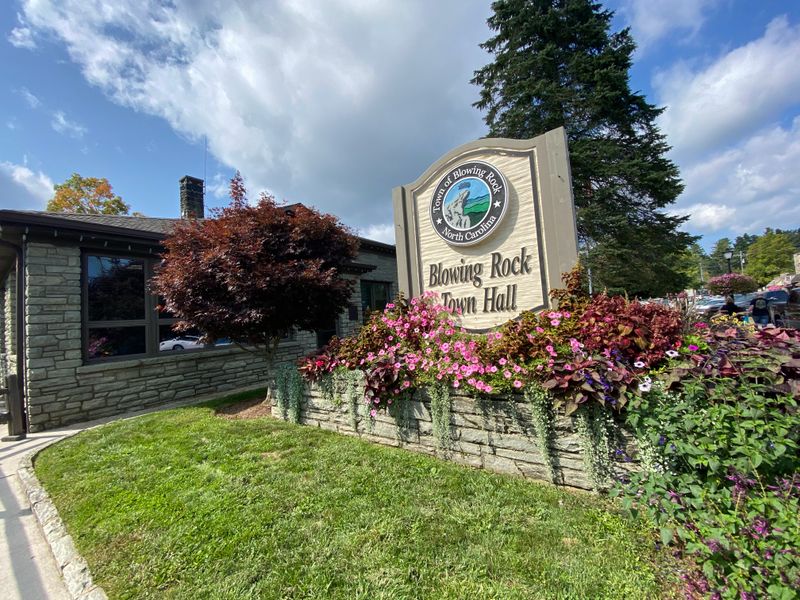
Respect private property and local life.
Residential streets are homes first, and visitors are guests who pass through for a short time.
Do not cut across yards or block driveways while you look for views.
Town of Blowing Rock Town Hall, 1036 Main St, Blowing Rock, NC 28605, shares parking maps that prevent accidental trespass.
Keep music low near cabins after dark when families settle in for the night.
Follow posted signs that mark private drives and snow storage areas for plows.
Place trash in secure bins so wind and wildlife do not scatter it along fences.
Walk on plowed shoulders and avoid stepping into berms that crews plan to move later.
North Carolina hospitality runs deep, and respect is a fair trade for that welcome.
Share narrow sidewalks, and let strollers or elders pass first on icy sections.
Speak softly in echoing valleys where sound carries farther than you think.
Close gates behind you if a rental agreement specifies shared access with neighbors.
Small kindnesses help towns absorb busy weekends without stress.
Your choices off the main street shape how communities view visitors tomorrow.
Leave every block as tidy as you found it.
10. Keep Ski Lift Exits Clear And Flowing
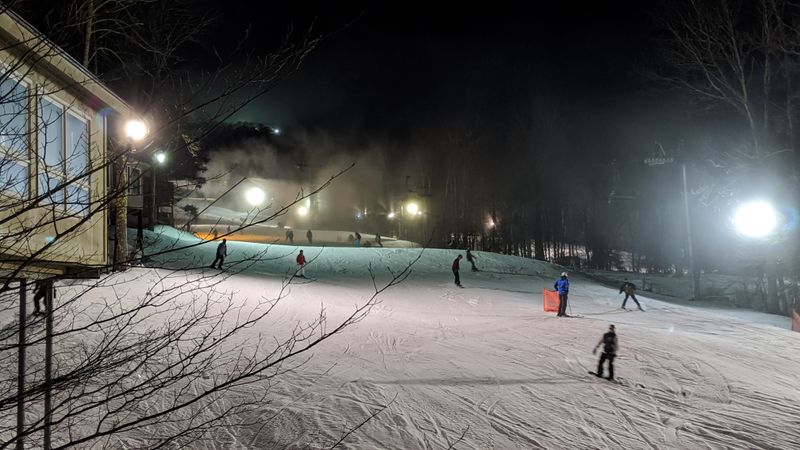
Clear the ski lift unload area quickly.
Move straight ahead, find a safe edge, and regroup only after you are out of the lane.
Sitting in the middle of a busy slope creates blind hazards that multiply fast.
Sugar Mountain Resort, 1009 Sugar Mountain Dr, Sugar Mountain, NC 28604, posts clear diagrams at the lift lines.
Read signs, watch the chair height, and raise the bar at the marker, not before.
Keep poles pointed downhill and tips wide so they do not cross your neighbor.
Give beginners extra space because first unloads can feel quick and jittery.
Help a friend clear the ramp, then stop in a visible pocket off to the side.
North Carolina ski hills run smoother when exit zones stay open for the next chair.
Look uphill before starting so faster riders can predict your line.
Match speed to the crowd and save drills for quiet corners of the mountain.
Re tighten boots and adjust layers at a signpost away from traffic.
Small habits keep energy high and collisions rare across the day.
That rhythm turns lift rides into steady progress rather than stop and go jams.
Your awareness keeps everyone smiling from top station to base.
Dear Reader: This page may contain affiliate links which may earn a commission if you click through and make a purchase. Our independent journalism is not influenced by any advertiser or commercial initiative unless it is clearly marked as sponsored content. As travel products change, please be sure to reconfirm all details and stay up to date with current events to ensure a safe and successful trip.
