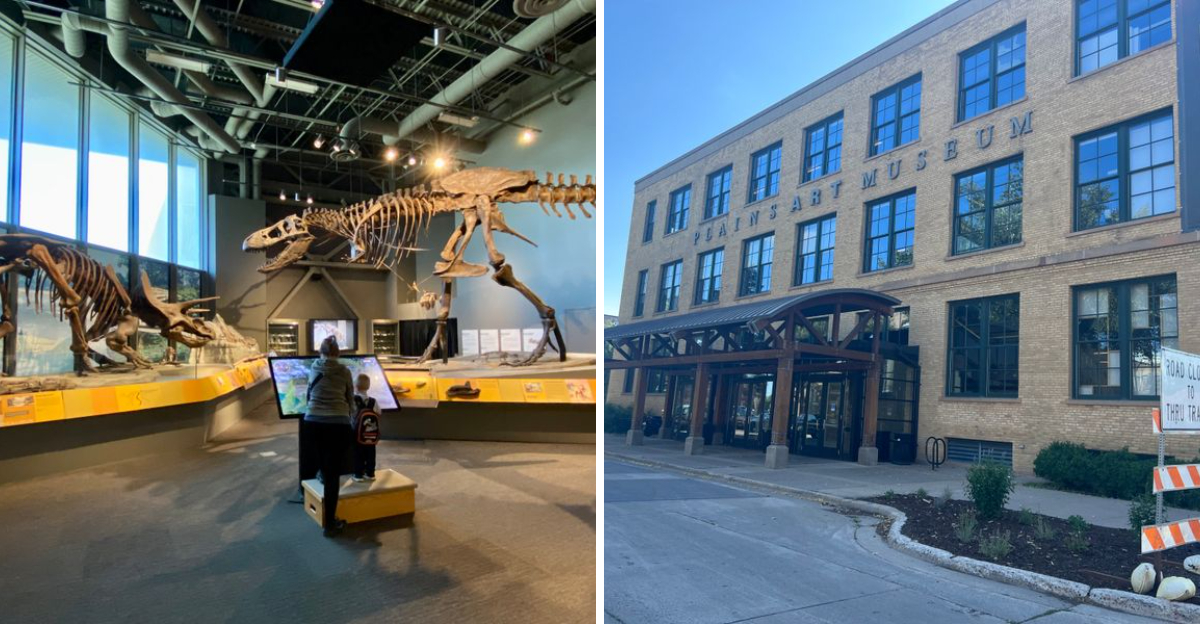
North Dakota holds a treasure trove of stories waiting to be discovered.
From ancient Native American villages to frontier military posts, the state preserves its past through remarkable cultural centers.
These institutions don’t just display artifacts behind glass cases.
They bring history to life with interactive exhibits, reconstructed buildings, and engaging narratives that connect visitors to the people who shaped this land.
Whether you’re fascinated by indigenous cultures, pioneer life, or the cowboy legacy, North Dakota offers authentic experiences that honor local voices.
Each center has its own unique approach to storytelling, using everything from earthlodge replicas to contemporary art installations.
Families, history buffs, and curious travelers alike will find meaningful connections at these destinations.
The following list highlights ten exceptional places where the past meets the present in compelling ways.
1. North Dakota Heritage Center & State Museum
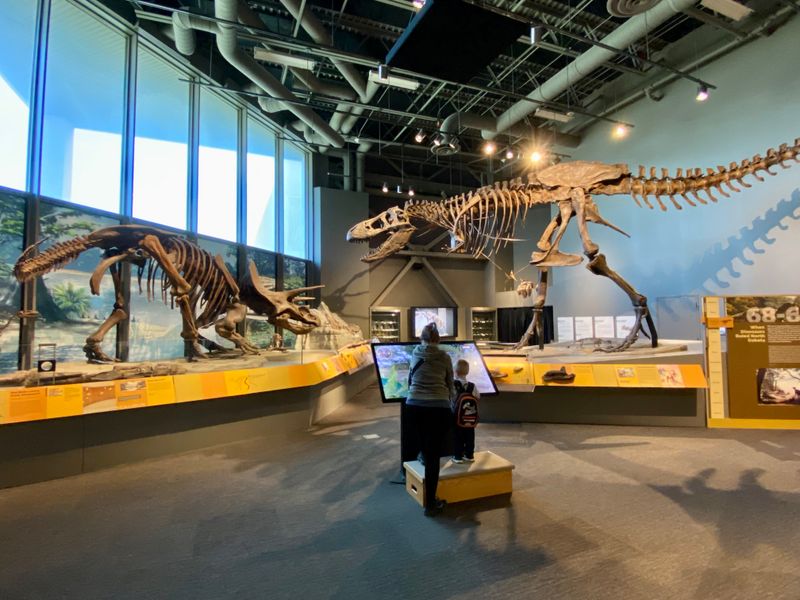
Standing as the official repository of state history, this impressive facility houses an extraordinary collection that spans millions of years.
Visitors encounter everything from dinosaur fossils to contemporary cultural exhibits.
Located at 612 East Boulevard Avenue in Bismarck, the museum serves as North Dakota’s premier storytelling venue.
The building itself reflects a commitment to accessibility and modern museology.
Thousands of artifacts fill carefully curated galleries that guide guests through distinct eras.
Geologic displays reveal ancient landscapes that once covered the region.
Native American sections provide deep insights into the diverse tribal nations who have called this land home for generations.
Interactive technology enhances the experience without overwhelming the authentic objects on display.
Touchscreens, multimedia presentations, and hands-on activities engage visitors of all ages.
The museum doesn’t shy away from complex topics, addressing both triumphs and challenges throughout the state’s development.
Pioneer life comes alive through reconstructed settings and personal belongings.
Modern exhibits explore how North Dakota continues to evolve today.
Families appreciate the thoughtful layout that accommodates younger learners while satisfying adult curiosity.
Rotating special exhibitions ensure that repeat visitors always discover something fresh.
Educational programs extend the museum’s reach into schools and communities across the state.
This center truly earns its reputation as the cornerstone of North Dakota cultural preservation.
2. Knife River Indian Villages National Historic Site
Centuries before European contact, thriving communities flourished along the Knife River.
The Mandan, Hidatsa, and Arikara peoples built sophisticated villages here, leaving behind earthlodge remnants that still dot the landscape.
Found at 564 County Road 37, this national historic site protects these invaluable archaeological treasures.
Walking the grounds offers a profound connection to the Northern Plains heritage.
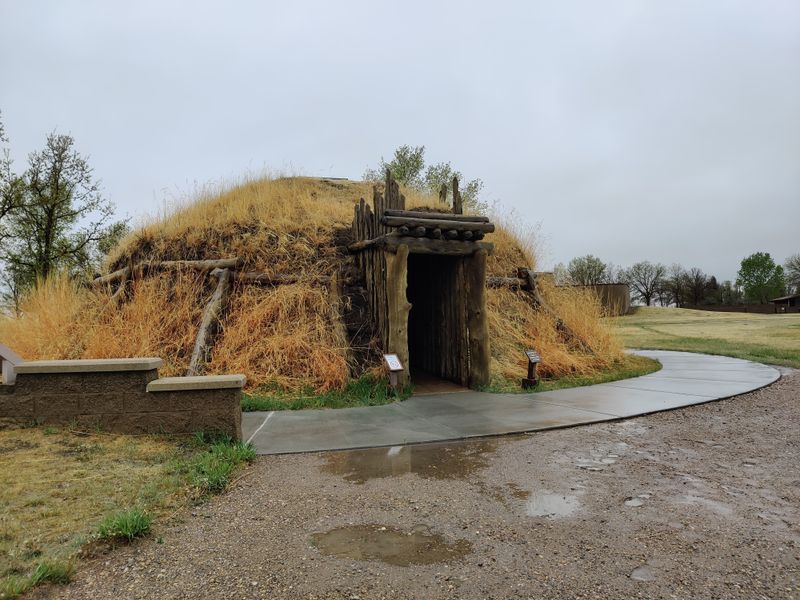
Circular depressions mark where earthlodges once stood, housing extended families in remarkable structures.
Reconstructed lodges allow visitors to step inside and experience the ingenious design that provided shelter through harsh winters.
The visitor center features exhibits explaining daily life, trade networks, and spiritual practices.
Artifacts recovered from the site demonstrate the artistic achievements and practical skills of these communities.
Rangers and interpreters share stories that honor the living descendants of these villages.
This isn’t a place frozen in distant history.
The tribes maintain active connections to this sacred landscape.
Trails wind through the site, offering peaceful moments for reflection.
Interpretive signs provide context without interrupting the natural setting.
Visitors gain appreciation for the complex societies that thrived here long before statehood.
The site serves as an important reminder that Native American history didn’t end with westward expansion.
It continues through the vibrant communities that preserve these traditions today.
3. Fort Abraham Lincoln State Park
Two distinct chapters of history converge at this remarkable state park.
Located at 4480 Fort Lincoln Road near Mandan, the site preserves both Native American and military heritage.
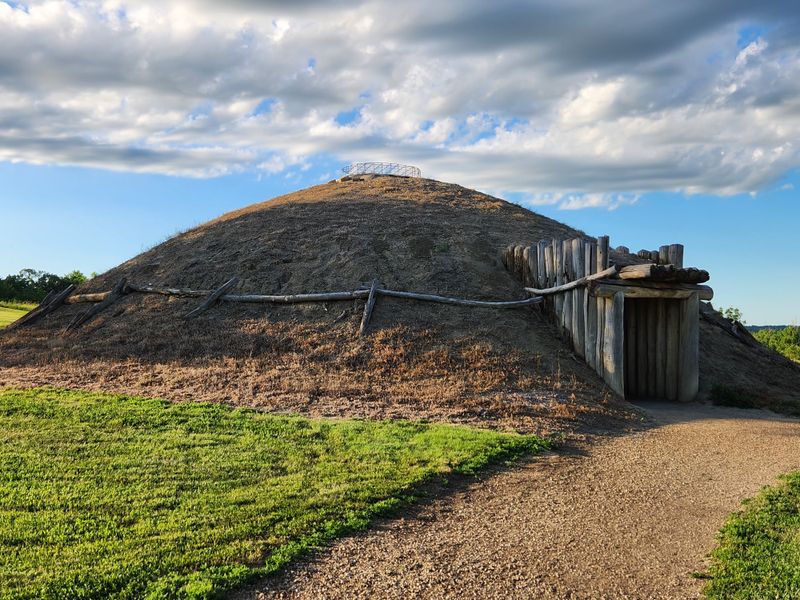
On-A-Slant Village showcases reconstructed Mandan earthlodges perched on a bluff overlooking the Missouri River.
The strategic location explains why people chose this spot for settlement.
Walking among the earthlodges, visitors understand how these structures functioned as comfortable homes.
Interpretive programs bring the village to life with demonstrations and storytelling.
The military fort section presents a completely different narrative.
General Custer’s reconstructed home stands as it did before the fateful campaign that led to Little Bighorn.
Infantry barracks, commissary buildings, and blockhouses create an authentic frontier military post atmosphere.
Costumed interpreters often populate the fort during peak seasons, answering questions and sharing historical details.
The juxtaposition of these two histories creates powerful learning opportunities.
Visitors recognize how different cultures occupied the same landscape with vastly different worldviews.
Trails connect the various sites, encouraging exploration at your own pace.
The Missouri River backdrop adds natural beauty to the historical significance.
Educational programs serve school groups and families throughout the warmer months.
This park stands out for presenting multiple perspectives on a complex shared history.
4. North Dakota Cowboy Hall of Fame
Medora’s rugged charm provides the perfect setting for celebrating western heritage.
At 250 Main Street, the North Dakota Cowboy Hall of Fame honors those who shaped ranching culture.
The museum goes beyond stereotypical cowboy mythology to explore real lives and authentic traditions.
Native American relationships with horses receive appropriate attention, recognizing indigenous peoples as the original horse cultures of the Plains.
Exhibits trace how ranching evolved from open range to modern operations.
Personal stories of inductees reveal the hard work, skill, and determination required for this lifestyle.
Rodeo history occupies a prominent place, showcasing North Dakota’s contributions to this uniquely American sport.
Photographs, saddles, ropes, and other artifacts create tangible connections to the past.
The museum doesn’t romanticize frontier life but presents it honestly.
Farming heritage also receives recognition, acknowledging the agricultural foundations of the state.
Visitors learn how weather, markets, and innovation shaped rural communities.
The historic town of Medora itself enhances the experience.
Walking the streets after visiting the museum deepens appreciation for the setting.
Special events and temporary exhibitions keep the content fresh and relevant.
Local ranching families often visit, finding their own histories reflected in the displays.
This center succeeds by grounding western legends in documented facts and lived experiences.
5. Chateau de Mores State Historic Site
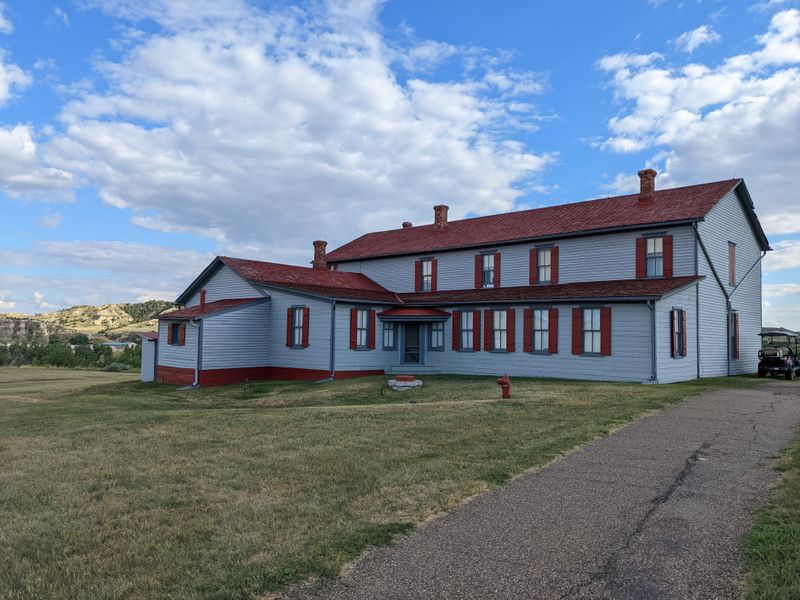
An unlikely French chateau rises from the North Dakota badlands.
The Marquis de Mores arrived with grand ambitions and European wealth, founding the town of Medora.
His preserved home at 3426 Chateau Road tells a fascinating story of frontier entrepreneurship.
Original furnishings transport visitors to the late nineteenth century.
The contrast between refined European taste and rugged surroundings creates a unique atmosphere.
Guided tours reveal the Marquis’s business ventures, including an ambitious meatpacking operation.
His plans to revolutionize the cattle industry ultimately failed, but the attempt shaped regional development.
The interpretive center provides context for understanding this colorful historical figure.
Visitors discover how his wife, Medora von Hoffman, influenced both the town and her husband’s endeavors.
The site doesn’t gloss over controversies or conflicts that marked the Marquis’s time here.
Exhibits explore relationships between the French aristocrat and local ranchers, some cooperative and others contentious.
The preserved buildings demonstrate construction techniques adapted to frontier conditions.
Period rooms showcase Victorian domestic life transplanted to the American West.
Photography enthusiasts appreciate the picturesque setting against badlands formations.
The site works well as part of a larger Medora visit, complementing other area attractions.
This historic home reminds us that North Dakota’s past includes surprising international connections.
6. Lewis and Clark Interpretive Center
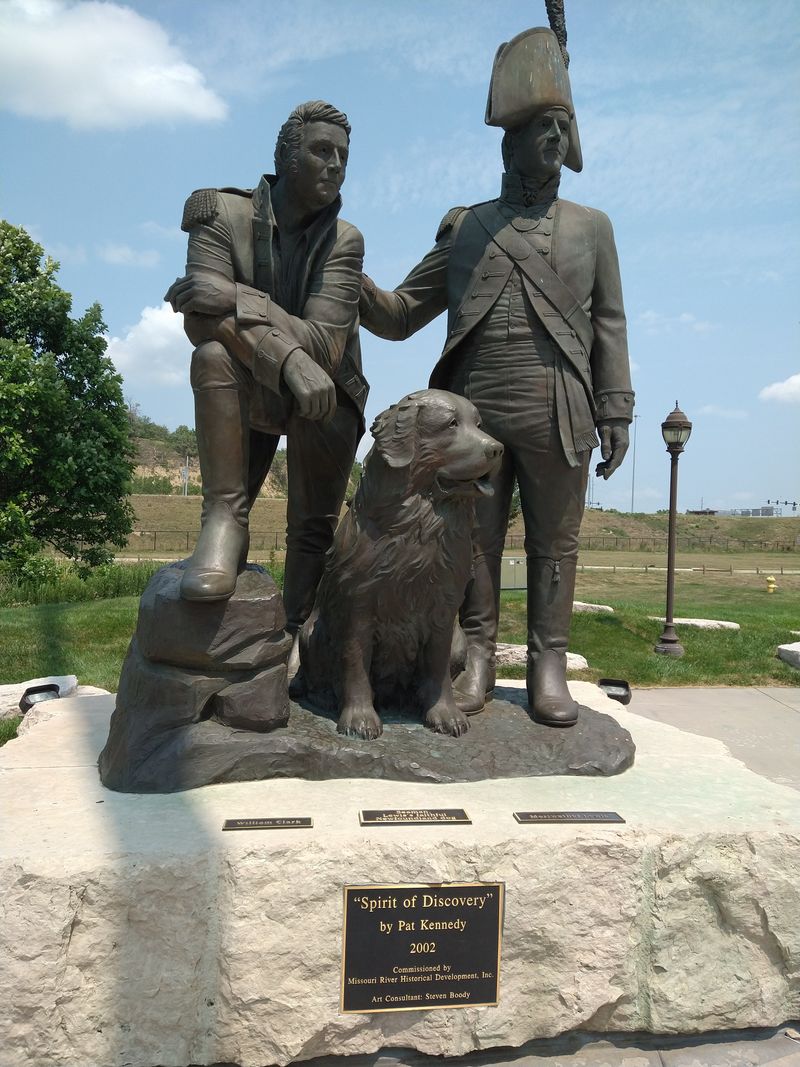
A legendary expedition spent a crucial winter along the Missouri River.
The Lewis and Clark Interpretive Center at 2576 8th Street Southwest in Washburn focuses on this pivotal period.
Exhibits explain how the Corps of Discovery prepared for the journey ahead during those cold months.
Meeting Sacagawea here changed the expedition’s prospects dramatically.
Her knowledge, diplomatic skills, and presence proved invaluable to the mission’s success.
The center honors her contributions while exploring the broader context of the journey.
Interactive displays help visitors understand navigation techniques, equipment, and daily challenges.
Journals kept by expedition members provide firsthand accounts that bring the story alive.
A full-size replica of Fort Mandan stands nearby, allowing guests to experience the cramped winter quarters.
Walking through the reconstructed fort reveals the resourcefulness required for survival.
The relationship between the explorers and local Native peoples receives careful attention.
Trade, communication, and cultural exchange shaped interactions during that winter.
The center’s location along the river helps visitors visualize the expedition’s route.
Educational programs serve school groups, connecting curriculum standards to local history.
Special events throughout the year commemorate key moments from the expedition.
This center succeeds by focusing deeply on one specific chapter rather than trying to cover the entire journey.
7. Bonanzaville USA
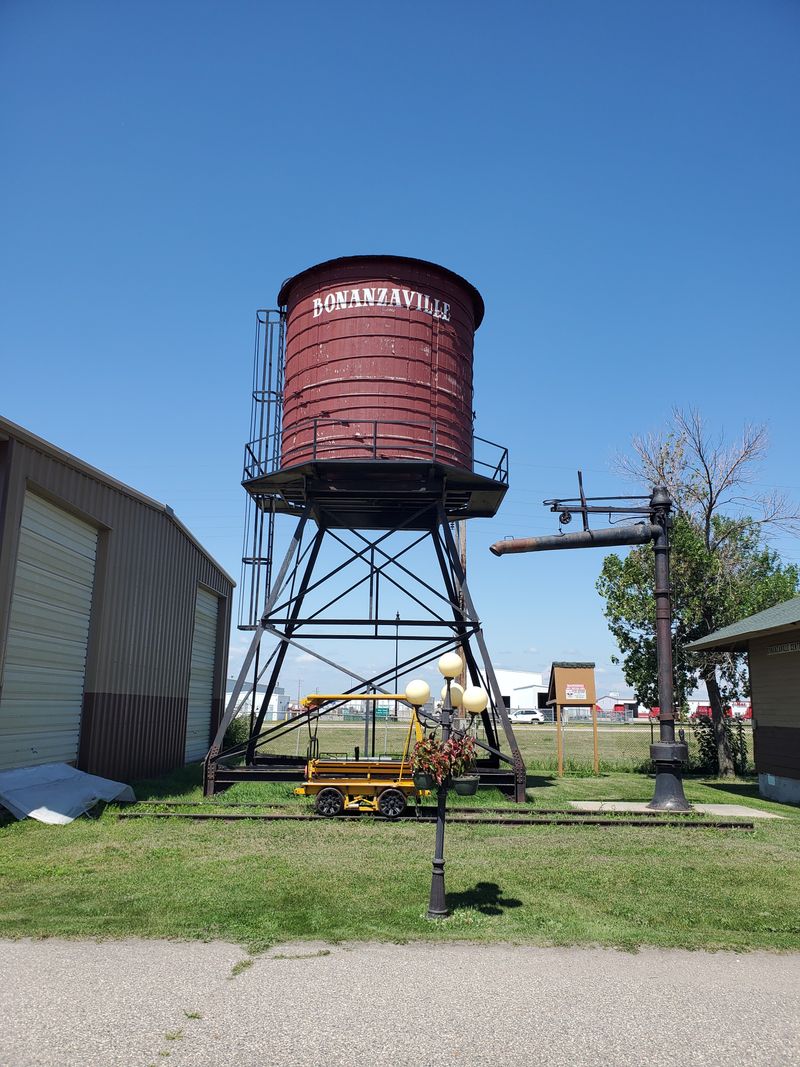
Step into a preserved pioneer town where history surrounds you.
Bonanzaville USA at 1351 Main Avenue West in West Fargo recreates early settlement life through authentic structures.
More than forty historic buildings have been relocated here, saving them from demolition.
Each structure tells its own story, from one-room schoolhouses to elaborate churches.
The living history approach allows visitors to explore at their own pace.
A general store stocked with period goods shows what pioneers purchased.
The blacksmith shop demonstrates essential metalworking skills every community needed.
Homes ranging from humble sod houses to more prosperous frame dwellings illustrate economic diversity.
The museum focuses on the period from the mid-nineteenth century through the early twentieth century.
Agricultural equipment displays reveal the backbreaking labor required for farming.
Seasonal events bring additional activities, with costumed interpreters demonstrating traditional crafts.
Children particularly enjoy the hands-on nature of exploring actual buildings rather than viewing exhibits behind barriers.
The village layout creates an immersive environment that feels authentic.
Specialty buildings house collections ranging from antique cars to vintage clothing.
Bonanzaville serves as an important preservation project, protecting structures that might otherwise be lost.
Visiting here provides perspective on how quickly North Dakota developed from frontier to established communities.
8. Plains Art Museum
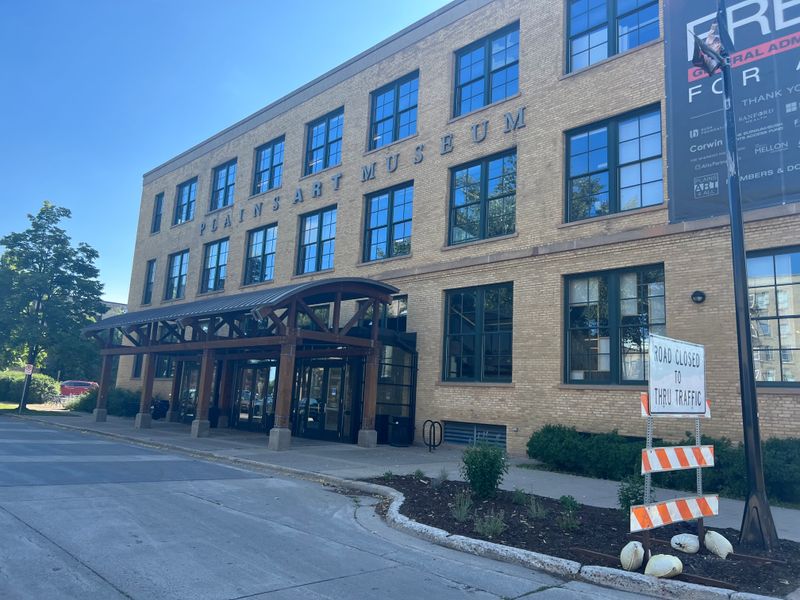
Art tells stories as powerfully as any historical artifact.
The Plains Art Museum at 704 1st Avenue North in Fargo serves as a cultural anchor for the region.
Contemporary and traditional works share gallery space, creating dialogues across time periods.
Native American art receives prominent placement, honoring indigenous artistic traditions.
Beadwork, quillwork, paintings, and sculptures showcase incredible skill and cultural knowledge.
The museum’s collection reflects the diverse communities that call North Dakota home.
Rotating exhibitions ensure that each visit offers new discoveries.
Regional artists find support and exhibition opportunities here.
The museum building itself, a renovated historic structure, adds architectural interest.
Educational programming extends beyond the galleries into classrooms and community spaces.
Art classes for all ages foster creativity and appreciation.
The museum doesn’t limit itself to visual arts, occasionally hosting performances and literary events.
Visitors gain insight into how artists interpret and respond to the Plains landscape.
Harsh winters, vast horizons, and agricultural rhythms influence creative expression here.
The museum succeeds in making art accessible rather than intimidating.
This cultural hub demonstrates that North Dakota’s story includes ongoing artistic innovation alongside historical preservation.
9. Ukrainian Cultural Institute
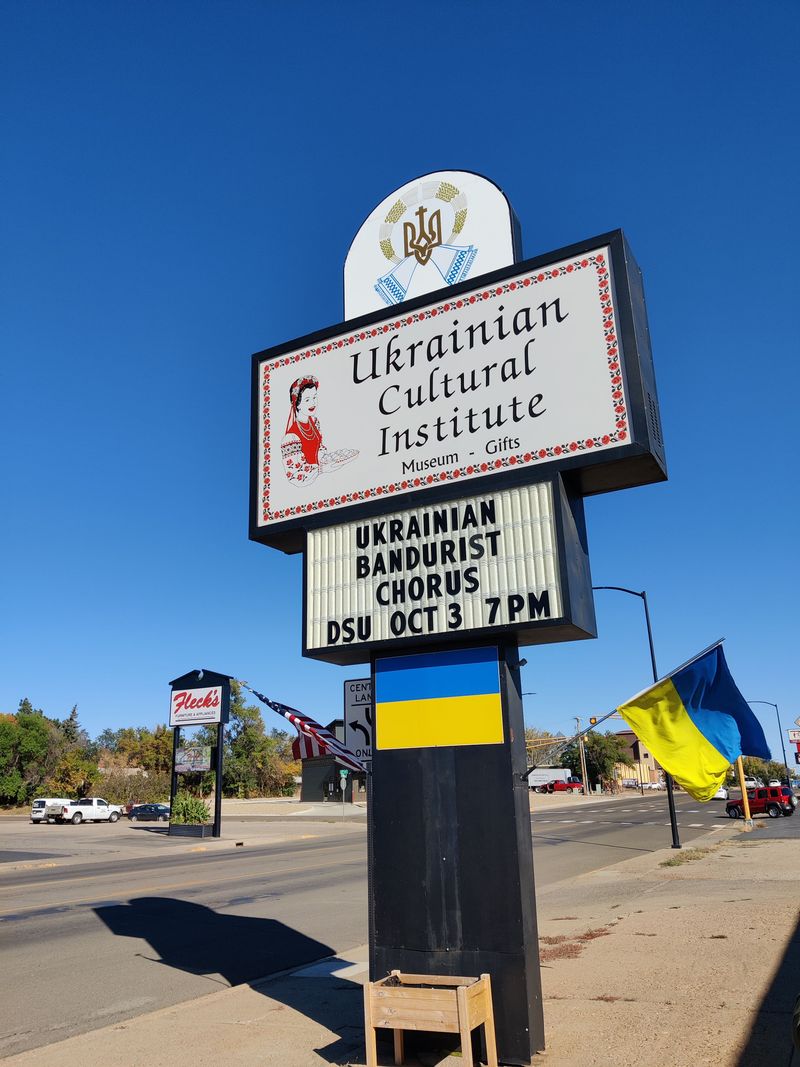
Immigration waves brought diverse cultures to the Northern Plains.
The Ukrainian Cultural Institute at 1221 Villard Street West in Dickinson celebrates one significant community.
Ukrainian settlers arrived seeking farmland and opportunity, bringing rich traditions with them.
The institute preserves these cultural practices through artifacts, demonstrations, and education.
Pysanky, the intricate art of egg decoration, receives special attention.
These elaborately designed eggs carry symbolic meanings passed through generations.
Watching a pysanky demonstration reveals the patience and skill required.
Traditional embroidery, woodcarving, and other folk arts fill display cases.
Each piece connects to specific regions of Ukraine, reflecting the diverse origins of immigrants.
The institute doesn’t present Ukrainian culture as frozen in time.
Instead, exhibits show how traditions adapted to new surroundings while maintaining core identity.
Language, food customs, religious practices, and social organizations all evolved in North Dakota.
Photographs and documents trace family histories and community development.
Special events celebrate Ukrainian holidays and cultural milestones.
The institute serves both as a museum for general visitors and a community center for descendants.
This specialized focus ensures that one immigrant group’s contributions receive proper recognition within the state’s broader multicultural story.
10. Pioneer Trails Regional Museum
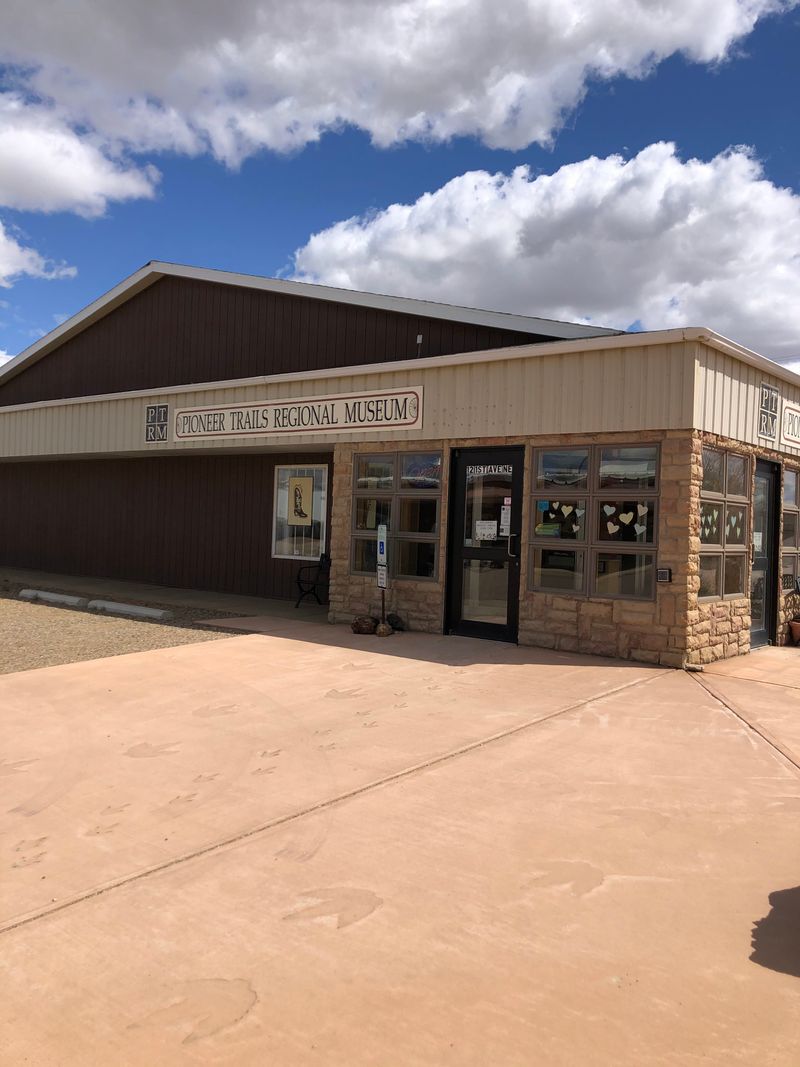
Southwestern North Dakota’s story encompasses remarkable diversity.
Pioneer Trails Regional Museum at 12 1st Avenue Northeast in Bowman serves as the area’s memory keeper.
Collections span from ancient paleontology to relatively recent local history.
Dinosaur fossils remind visitors that this landscape has witnessed dramatic changes over millennia.
Native American artifacts document human presence long before European settlement.
Military history exhibits explore the region’s strategic importance and conflicts.
Pioneer life displays show how settlers adapted to challenging conditions.
The museum’s strength lies in its commitment to local specificity.
Rather than presenting generic frontier narratives, exhibits focus on particular families, businesses, and events from the region.
Visitors encounter stories they won’t find elsewhere.
Photographs preserve faces and places that might otherwise be forgotten.
Agricultural implements demonstrate the evolution of farming technology.
Household items reveal changing domestic life across generations.
The museum operates with strong community support, with many artifacts donated by local families.
This grassroots approach ensures authenticity and personal connections to displayed materials.
For those exploring southwestern North Dakota, this museum provides essential context for understanding the landscape and communities you encounter.
Dear Reader: This page may contain affiliate links which may earn a commission if you click through and make a purchase. Our independent journalism is not influenced by any advertiser or commercial initiative unless it is clearly marked as sponsored content. As travel products change, please be sure to reconfirm all details and stay up to date with current events to ensure a safe and successful trip.
