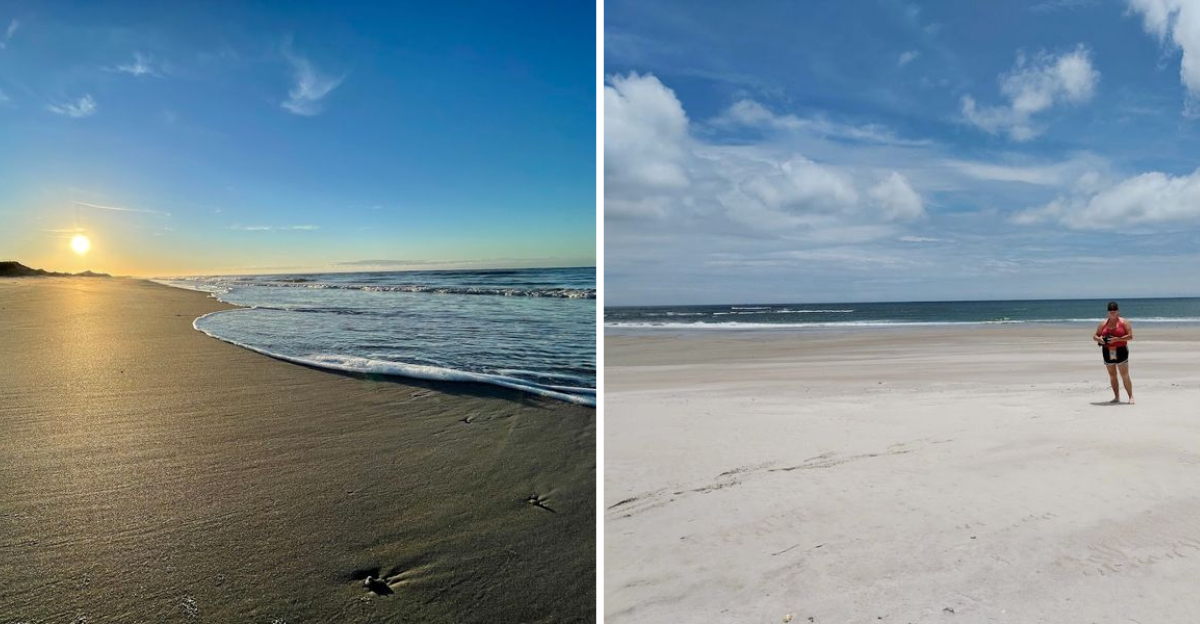
A remote coastal island along the North Carolina shoreline is accessible only by ferry, creating a natural sense of separation from mainland life before visitors even arrive.
Open stretches of undeveloped beach extend for miles, bordered by dunes, marshland, and shifting tidal waters that define the landscape. The environment remains largely untouched, with wildlife and coastal vegetation shaping most of what visitors experience on arrival.
Clear shallow waters reveal the sandy bottom near shore, while wider views emphasize quiet, uninterrupted coastline. Coastal island destinations like this demonstrate how limited access can preserve natural conditions and create a stronger sense of immersion in the landscape.
The Ferry Ride That Sets the Whole Mood
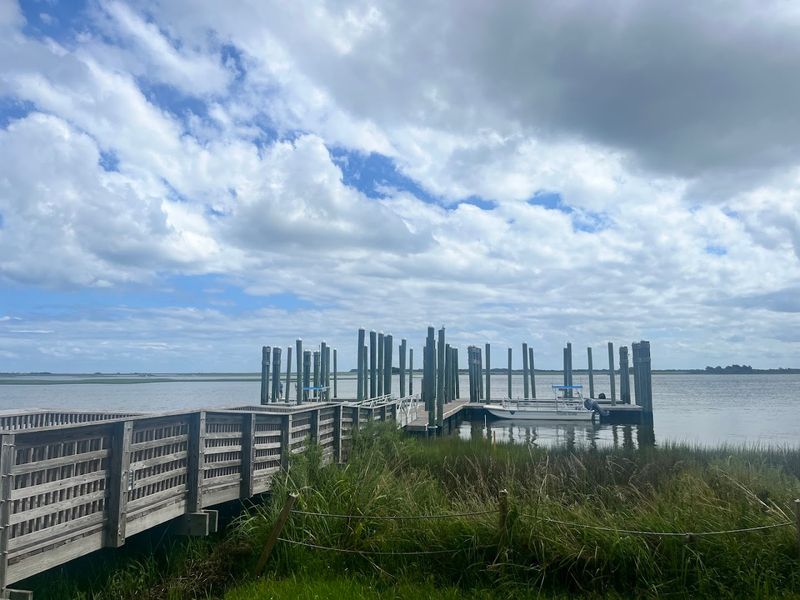
Something shifts the moment the ferry pulls away from the mainland dock at Hammocks Beach State Park. The hum of the engine, the gentle rock of the water, and the sight of open marsh stretching out in every direction all work together to tell your brain that whatever was stressing you out before simply does not matter right now.
The ferry runs seasonally, typically from May through October, with more frequent departures on weekends during peak summer months. The ride covers about 2.5 miles of the Intracoastal Waterway and takes roughly 15 to 20 minutes each way.
That is just enough time to spot a pelican gliding low over the water or catch a dolphin surfacing near the bow.
Tickets are sold on a first-come, first-served basis at the visitor center, so arriving early is genuinely smart advice rather than just a polite suggestion. The ferry fills up fast on summer weekends.
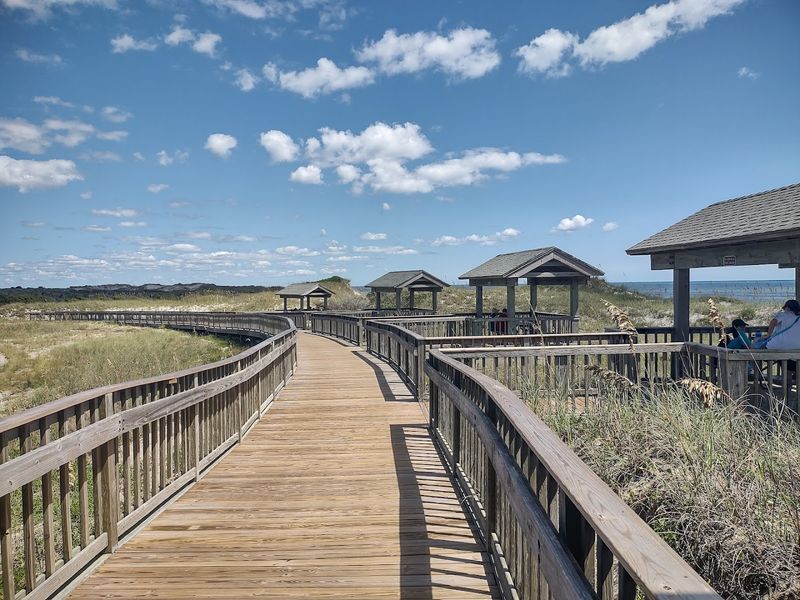
Wagons and carts need to be collapsible to board, and pets are not allowed on the ferry, so plan accordingly. Once you dock on Bear Island, a half-mile walk through the dunes takes you straight to the beach.
An Island That Looks Like Nobody Touched It
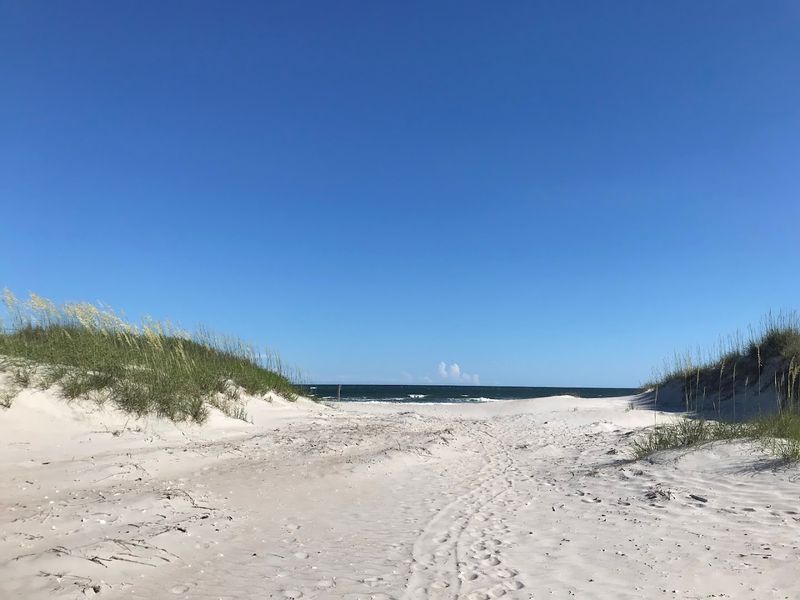
Bear Island earned an older name long before it became a state park attraction. Historically, people called it Bare Island because it had so little vegetation compared to surrounding land.
Today, it is anything but bare, covered in shifting dunes, dense sea oats, coastal wetlands, and stretches of sand that seem to go on without interruption.
The island runs about four miles long and remains completely free of commercial development. No hotels, no beach shops, no parking lots.
What you get instead is raw coastline that feels genuinely wild, the kind of place where the wind sculpts the dunes into new shapes every season.
Marshes and wetlands sit on the sound side of the island, creating a layered ecosystem that supports an impressive range of wildlife. The contrast between the quiet, grassy marsh and the wide open ocean beach is striking.
You can stand on the beach looking east toward open Atlantic water and then turn around to see nothing but undisturbed natural landscape behind you. For anyone who has grown tired of crowded, overdeveloped shorelines, Bear Island feels like a quiet correction, proof that some places are still worth protecting exactly as they are.
Swimming Where the Water Stays Calm and Clear
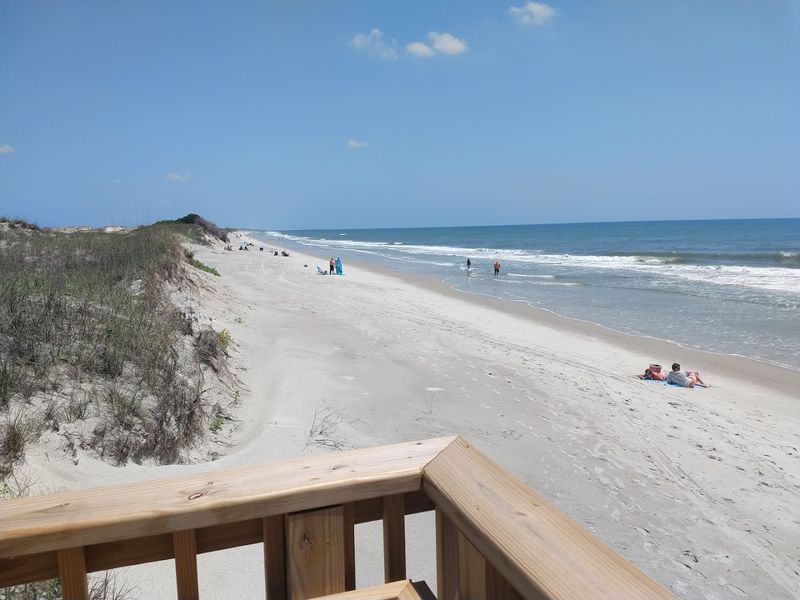
The water at Bear Island has a quality that is hard to describe without sounding like you are exaggerating. It is genuinely clear.
On a calm summer day you can look down and watch small fish dart past your ankles, and the color shifts from pale green close to shore to a deeper blue further out.
Lifeguards are stationed in a designated swimming area from Memorial Day through Labor Day, which gives families with younger kids a real sense of comfort. The protected area tends to stay relatively calm compared to more exposed ocean beaches, making it a solid choice for anyone who wants to swim without fighting heavy surf all afternoon.
Getting into the water after that half-mile walk from the ferry dock feels like a reward. The heat builds up during the walk through the dunes, and that first step into the Atlantic is genuinely refreshing.
The beach itself spreads wide enough that even on busy summer days there is room to spread out and find your own patch of sand. Bringing water shoes is a smart call since the bottom near shore can have scattered shell fragments.
Sunscreen is non-negotiable out here because there is zero shade on the beach itself.
Camping Under Stars With No Light Pollution
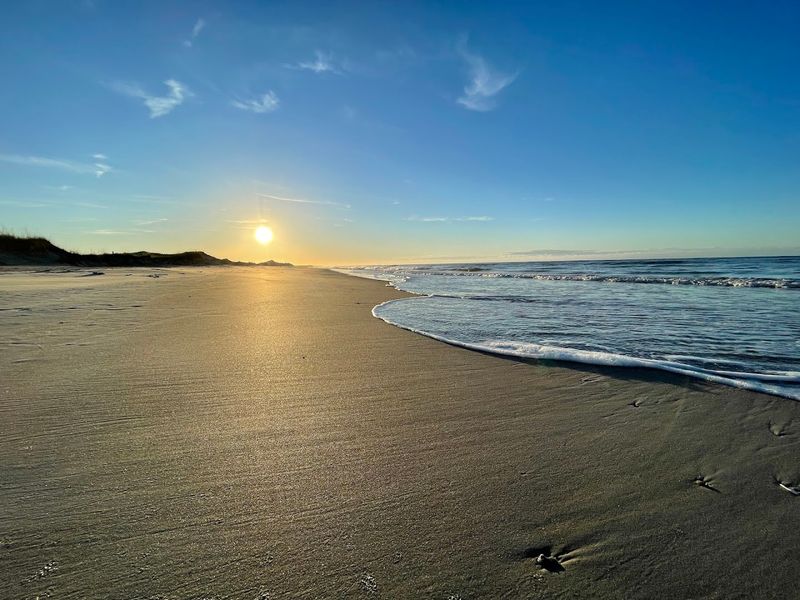
Primitive camping on North Carolina’s Bear Island is a different experience from most campgrounds. There are no electrical hookups, no paved loops, and no neighboring RVs humming through the night.
What you get instead is a tent site close to the water, a sky full of stars, and the kind of quiet that most people have to travel pretty far to find.
Campsites are accessible year-round and include both oceanfront and sound-side options. Campers need to check in at the mainland visitor center first to get permits and then transport all their gear to the island, either by ferry or by paddling in.
A bathhouse with restrooms, showers, and potable water is generally available from March through October, which is a welcome comfort for anyone spending multiple nights.
One thing worth knowing before you pack up: open fires are not permitted anywhere on the island. Bringing a camp stove is the way to go for cooking.
Bug spray is also not optional, especially in the evenings when biting insects can get relentless near the marsh side of the island. The mornings, though, tend to be calm and clear and absolutely worth any inconvenience from the night before.
Waking up that close to the ocean is something that stays with you.
Wildlife That Reminds You This Island Is Not Yours Alone
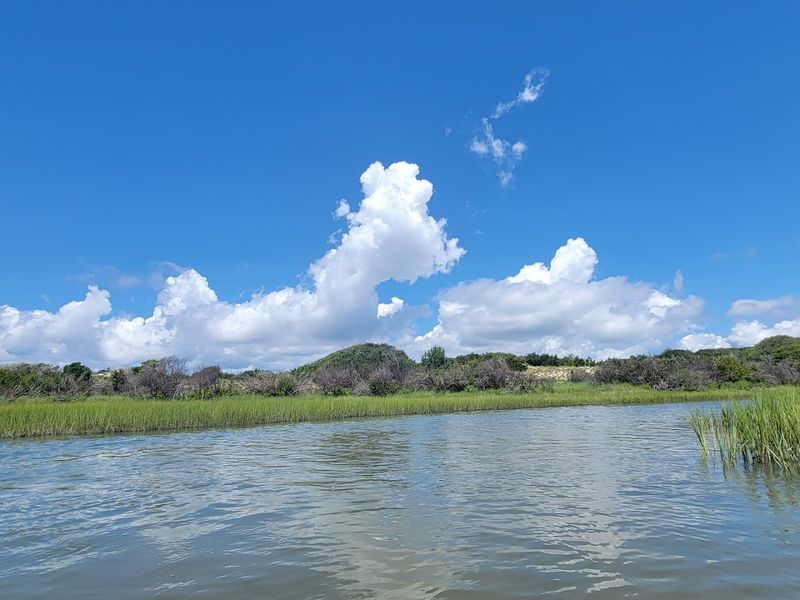
Bear Island does not belong only to the people who visit. Herons stalk the shallows with that slow, deliberate patience that makes them look almost prehistoric.
Egrets pick through marsh grass on the sound side. Osprey circle overhead and drop without warning when they spot a fish below the surface.
Bottlenose dolphins show up regularly in the waters around the island, sometimes close enough to the ferry that passengers crowd to one side to get a better look. Spotting one on the ride over feels like a good omen for the rest of the day.
From mid-May through late August, loggerhead sea turtles use the beach as a nesting site, which makes Bear Island a genuinely significant stretch of coastline for conservation. During nesting season, white lights are prohibited on the beachfront at night.
Only red-lens lights are allowed to protect the turtles from disorientation. Ranger-led programs and guided eco-hikes give visitors a chance to learn more about what makes this ecosystem tick.
The island is also a stop for migratory shorebirds, so the cast of wildlife characters changes depending on the time of year. Bringing binoculars is one of those small decisions that pays off repeatedly out here.
Paddling In on Your Own Terms
There is a version of arriving at Bear Island that skips the ferry line entirely, and it involves a paddle. Kayaks, canoes, and paddleboards can be launched from Hammocks Beach State Park, and Paddle NC offers rentals from mid-April through October for anyone who did not bring their own gear.
Two designated paddle trails lead to the island. The Bear Island Trail covers about 2.6 miles and ends near the campsites, while the Bear Inlet Trail stretches 5.6 miles to the western end of the island.
The shorter trail is manageable for most paddlers with moderate experience, though tides do affect the trip, so checking conditions before heading out is worth the extra five minutes of planning.
Paddling in gives you a completely different relationship with the place. You move through the marsh at water level, close enough to watch fiddler crabs scatter across the mud flats and close enough to hear the wind moving through the cordgrass.
One visitor noted that the paddle back took about an hour but stretched longer after getting distracted by wildlife and missing a turn, which honestly sounds like a perfect afternoon. The kayak dock on the island makes landing straightforward, even with a loaded vessel.
Shelling, Fishing, and the Simple Joy of Doing Less
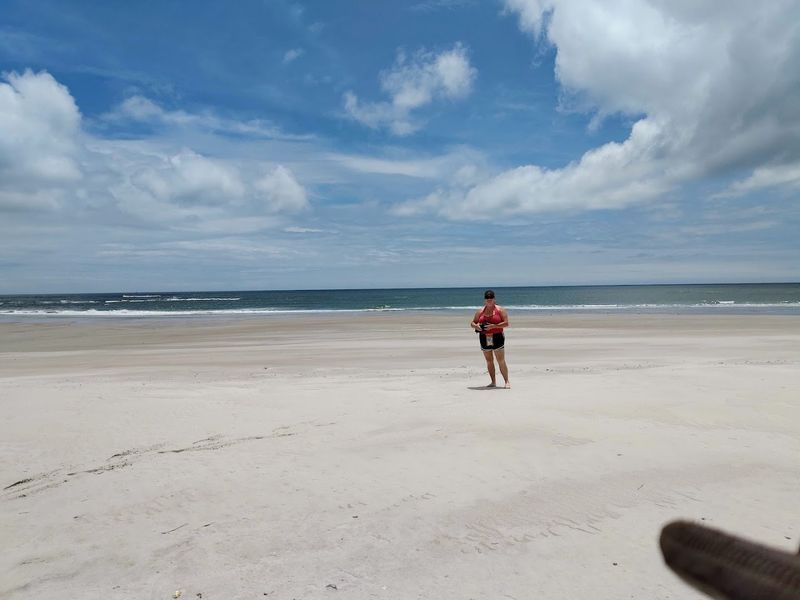
Not every great beach day needs an agenda. Bear Island rewards the kind of visitor who is perfectly happy wandering the shoreline with no particular destination in mind, stopping whenever something interesting turns up underfoot.
The shell collecting here is genuinely good, especially near Bear Inlet at the western end of the island where shells accumulate in satisfying quantities.
Fishing is also a popular reason to make the trip. The surf and inlet areas offer solid opportunities for anyone who enjoys casting a line and waiting to see what happens.
A valid North Carolina fishing license is required, so sorting that out before you arrive saves a headache. Ranger-guided Shells Eco-Hikes are offered periodically and give a more structured look at what the island’s shoreline and ecosystem hold.
The concession stand near the bathhouse operates from Memorial Day through Labor Day and carries cold drinks, snacks, and ice cream. Cash is the way to pay out here since cell service is limited and card readers do not always cooperate.
Covered picnic areas give you somewhere to sit down and eat without baking in the sun. After a morning of swimming and shelling, sitting in the shade with something cold to drink feels like one of summer’s genuinely uncomplicated pleasures.
Address: 1572 State Rd 1511, Swansboro, NC 28584
