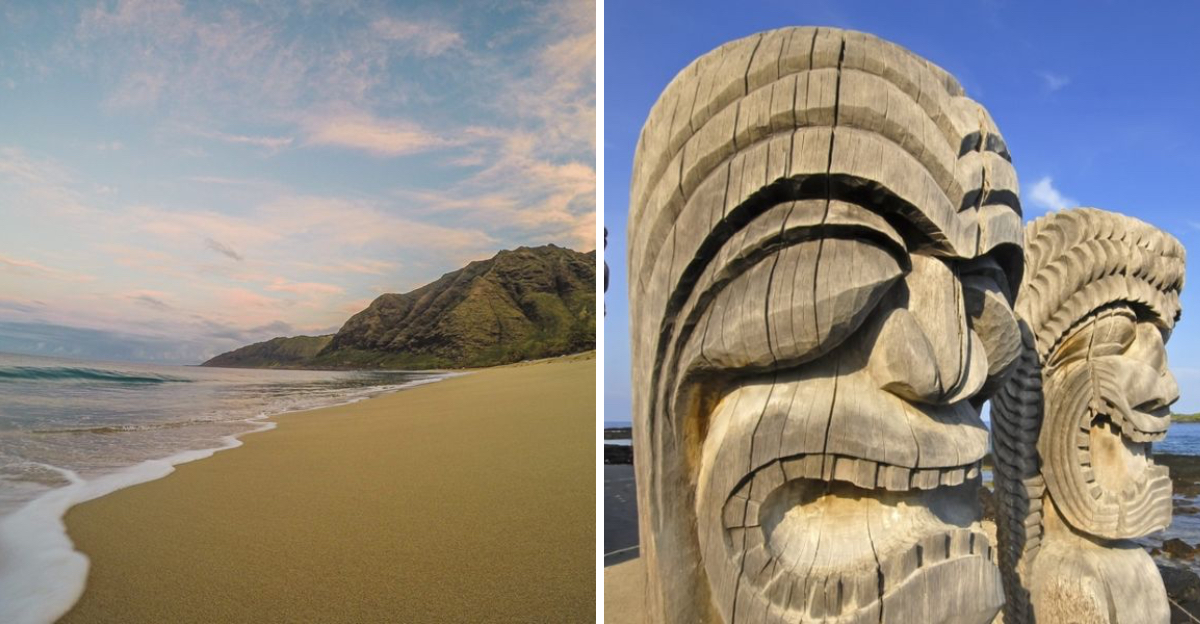
Oahu is often the first Hawaiian island visitors choose, and with good reason. It blends natural beauty with cultural sites, famous beaches, and easy access from Honolulu’s airport.
But first-timers sometimes fall into a few traps that make the trip more stressful than it needs to be. Here are the rookie mistakes you’ll want to avoid, and how to make your time on Oahu smoother.
1. Only Staying in Waikiki
Some travelers land in Oahu and settle right into Waikiki, convinced they’ve found the heart of Hawaii. It’s easy to see why, the neighborhood buzzes with energy, packed storefronts, and endless spots to eat. But there’s so much more to discover beyond the neon and crowds.
Oahu reveals its true character when you step outside the city. The North Shore offers rolling waves and a laid-back atmosphere, while Kailua provides quiet sands and local coffee shops. Exploring the windward coast, you’ll find lush mountains and moments of solitude you won’t get near Waikiki’s bustle.
If you only stay in Waikiki, you miss out on the diversity that makes Oahu and the state of Hawaii unique. Renting a car or hopping on a local tour opens doors. Even a single day trip outside Waikiki helps you see Oahu’s contrasts, historic plantation towns, small noodle shops, and mountain vistas. Ask locals for tips and venture outward. You’ll leave with a much richer story to tell.
2. Underestimating Traffic
Honolulu’s traffic often catches newcomers by surprise. You might expect island roads to move at a leisurely pace, yet the reality is closer to a weekday commute in a big city. Morning and afternoon rush hours grind popular routes, especially the H-1 and roads leading out of Honolulu, to a crawl.
If you’re heading out to the North Shore or racing to catch a sunrise on the eastern shore, double-check your timing. It’s not rare for a thirty-minute journey to stretch into more than an hour, especially near popular beaches or during special events. Local advice: leave earlier than you think you’ll need.
Patience goes a long way. Use the chance to spot roadside fruit stands or take in the view of the Ko?olau Mountains. Traffic is a part of Oahu life and, by building in extra time, you’ll sidestep unnecessary stress. Remember, the laid-back pace of the state of Hawaii starts with flexibility on the road.
3. Skipping Reservations
It’s a common scene: travelers show up at Pearl Harbor or a famous hike like Diamond Head, only to find the gates closed or tickets sold out. Much of Oahu now requires advance reservations, especially for high-demand spots. Since the pandemic, timed entries and limited group sizes are the norm.
If you wait until the last minute, you might miss out on snorkeling at Hanauma Bay, a sunset luau, or even entry to Manoa Falls. Planning ahead ensures a smoother trip and helps you fit your must-do activities into your itinerary. Major attractions often book out weeks in advance during busy seasons.
Do a bit of research before you fly out to Hawaii. Make a list of what you truly want to see, and secure those reservations first. This way, you spend less time in lines and more time enjoying what makes Oahu, and the state as a whole, so special.
4. Ignoring Local Food Spots
Years ago, I stuck to hotel restaurants on my first Oahu trip, big mistake. The real flavors of the island hide in small local joints, roadside trucks, and bustling farmers markets. You won’t find the state’s best poke or plate lunch at a chain eatery.
Don’t be shy about asking locals where they eat. North Shore shrimp trucks, malasadas from a bakery in Kapahulu, or spicy ahi poke at a hole-in-the-wall spot in Honolulu will transform your dining experience. These meals often come with stories and warm conversation.
Trying new foods is half the fun of travel. Whether it’s haupia pie or a simple musubi, local dishes offer insight into Oahu culture. Support neighborhood businesses, and you’ll taste the difference. Food is a delicious pathway into Hawaiian daily life and hospitality.
5. Overpacking the Itinerary
Ambition can cloud judgment when planning an Oahu escape. I’ve tried to squeeze every hike, beach, and historic site into a single trip, only to end up exhausted. Oahu rewards those who slow down and leave room for spontaneity.
Unplanned afternoons might bring you to a quiet cove, a roadside fruit stand, or simply a shady spot to watch surfers at Sunset Beach. These moments, often missed by over-schedulers, become the highlights you remember. The island’s easygoing feel is contagious if you let your itinerary breathe.
Instead of cramming every hour, pick a few priorities and allow for surprises. You’ll appreciate the rhythm of island life and see why residents, and seasoned visitors, cherish the state’s slower pace. Flexibility lets magic happen during your Hawaii travels.
6. Forgetting Sun Safety
A single afternoon under Hawaii’s sun can leave you red for days. The UV index in Oahu is often extreme, even when it feels breezy or overcast. Skipping reef-safe sunscreen or forgetting to reapply can ruin several days of your adventure.
Locals know to use hats, sunglasses, and light, long sleeves. Shade breaks and protective clothing matter as much as sunscreen, especially for kids. It’s not just comfort, protecting your skin also means protecting Oahu’s delicate coral reefs, since many sunscreens contain harmful chemicals.
Choose products labeled reef-safe and apply them generously. Reapply every two hours, especially after swimming. Make sun safety a habit, and you’ll bring home only memories, not a painful burn. Responsible choices keep both visitors and the natural beauty of the state shining for years to come.
7. Disrespecting Sacred or Protected Areas
On Oahu, respecting nature and culture is not optional, it’s essential. Sacred sites and protected areas hold deep meaning for Hawaiians and play a critical role in conservation. Some newcomers accidentally cross boundaries, not realizing the significance of ‘kapu’ (forbidden) signs.
It’s more than just etiquette. Walking off marked trails can damage native plants, disturb wildlife, or even lead to hefty fines. The state enforces strict rules to keep rare species and sacred sites safe for generations.
If you’re ever unsure, ask a guide or a local. Observing wildlife from a distance and sticking to marked paths shows respect for the island, its people, and their traditions. The beauty of Oahu is rooted in its history, and it’s a privilege to share in it responsibly.
Dear Reader: This page may contain affiliate links which may earn a commission if you click through and make a purchase. Our independent journalism is not influenced by any advertiser or commercial initiative unless it is clearly marked as sponsored content. As travel products change, please be sure to reconfirm all details and stay up to date with current events to ensure a safe and successful trip.
