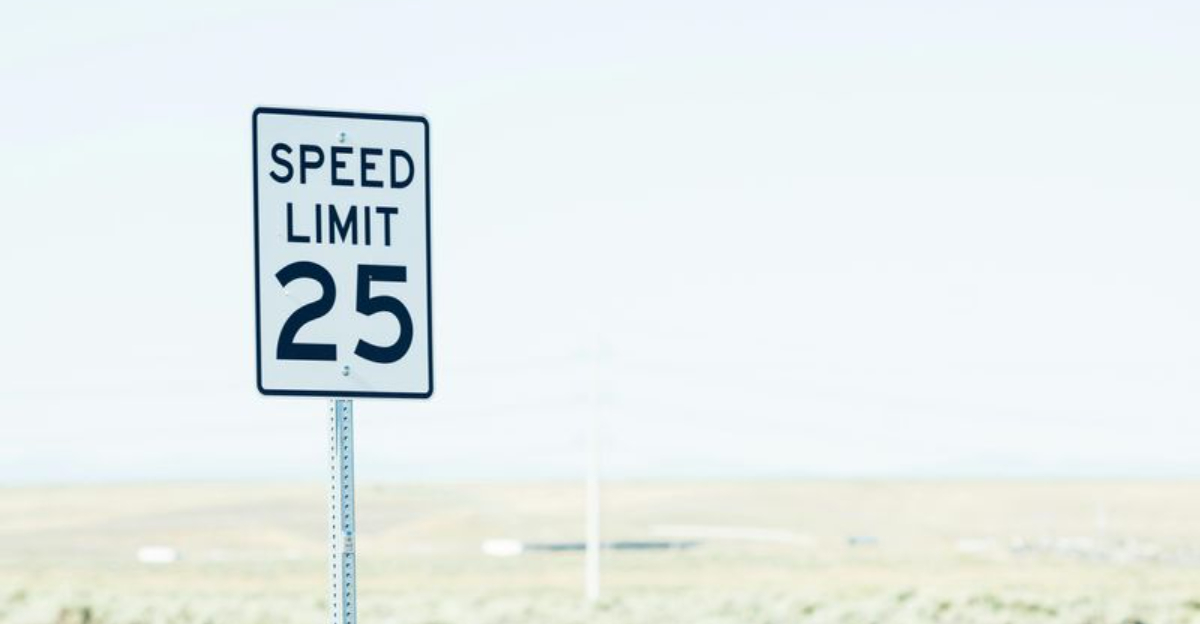
California in the 1930s was a place where cars were still somewhat new, roads were being paved for the first time, and nobody quite knew what the rules should be.
During this era of rapid change, the Golden State became a testing ground for some of the strangest driving regulations and wildest misconceptions about automobiles that you could imagine.
From bizarre laws about honking at horses to myths about gasoline that sound completely ridiculous today, the highways and byways of Depression-era California were filled with confusion, superstition, and rules that often made very little sense.
Understanding these odd regulations and beliefs gives us a fascinating window into a time when Californians were still figuring out how to share their beautiful coastal roads, mountain passes, and desert highways with this revolutionary invention called the automobile.
1. The Horse Warning Law Required Drivers to Pull Over and Cover Their Engines
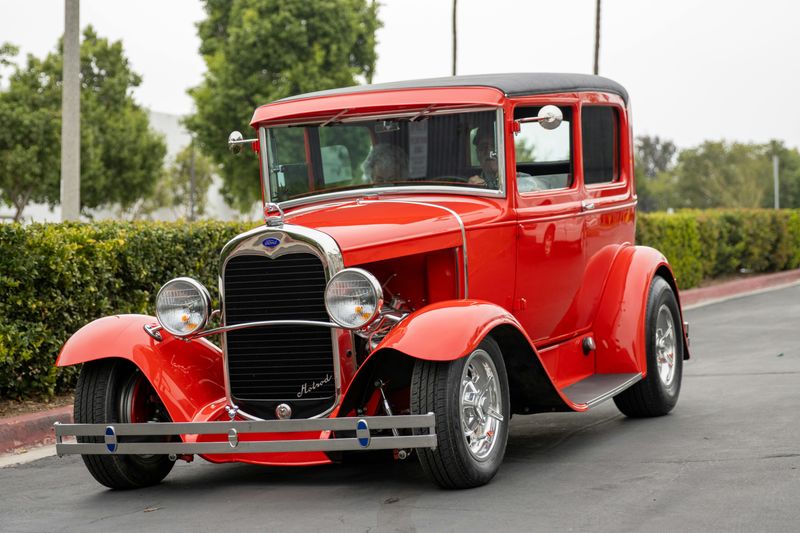
Back when automobiles were still competing with horse-drawn carriages on California roads, lawmakers created one of the most impractical driving rules imaginable.
If a horse appeared frightened by your approaching vehicle, you were legally required to pull to the side of the road, stop your car completely, and in some interpretations, even cover your engine with a blanket to hide the mechanical beast from the terrified animal.
This regulation made some sense in theory, since horses had been the primary mode of transportation for centuries and the sudden appearance of loud, smoke-belching automobiles genuinely spooked them.
Farmers and ranchers throughout California’s Central Valley and rural areas depended on horses for their livelihood, so protecting these animals seemed important to legislators.
However, the practical application of this law was nearly impossible.
How was a driver supposed to know if a horse was truly frightened or just curious?
Did you really need to carry a blanket in your car at all times just in case you encountered a skittish mare on a country road?
The law was rarely enforced by the time the 1930s rolled around, but it remained on the books in various California counties, creating confusion for motorists who wondered if they might get a ticket for passing a horse without performing this elaborate ritual.
By the end of the decade, as cars became more common and horses less so, this peculiar regulation faded into history, remembered only as one of the strangest traffic laws California ever attempted to enforce.
2. The Myth That Driving Through Fog Required Complete Darkness
One of the most dangerous myths that spread among California drivers in the 1930s was the belief that you should turn off all your lights when driving through fog.
The reasoning behind this deadly misconception was that headlights would reflect off the fog particles and blind you, making it impossible to see the road ahead.
Drivers along California’s notoriously foggy coastal regions, from San Francisco down through Big Sur and into Los Angeles, actually believed that navigating thick fog banks in complete darkness was safer than using their vehicle’s lighting system.
This myth probably originated from the early headlight technology of the 1920s and early 1930s, which was admittedly quite poor.
Early headlamps did create significant glare in foggy conditions, and the reflection could be disorienting for drivers who weren’t used to it.
However, the solution was never to drive in total darkness, which created an even more hazardous situation where other vehicles couldn’t see you approaching.
Accidents increased dramatically during foggy nights when drivers followed this misguided advice.
It wasn’t until later in the decade, when automotive safety experts began publishing articles in newspapers and magazines, that Californians learned the truth about proper fog driving techniques.
The correct approach was to use lower beam headlights and reduce speed, not to transform your car into an invisible phantom on the highway.
Despite education efforts, some stubborn believers continued to practice dark fog driving well into the 1940s, convinced that old-timers knew better than modern safety experts.
3. Speed Limits Changed Based on Time of Day in Many Towns

Imagine driving through a small California town and having to remember that the speed limit was 15 miles per hour during business hours but 25 miles per hour after dark.
This confusing system existed in numerous communities throughout California during the 1930s, creating headaches for both local drivers and travelers passing through.
The logic behind these variable speed limits was that more pedestrians would be walking on or near the roads during daytime business hours, especially in downtown shopping districts.
After shops closed for the evening, streets would be emptier, so authorities felt comfortable allowing slightly faster speeds.
However, this system assumed that drivers would somehow know what time the local businesses closed, which varied from town to town.
Some communities changed their speed limits at 6 PM, others at 7 PM, and still others at sunset, which changed throughout the year.
Travelers driving the length of California on Highway 101 or Route 66 could pass through a dozen different towns in a single day, each with its own peculiar time-based speed limit system.
Police officers in these towns were known to wait near the borders at the exact moment speed limits changed, ready to ticket confused motorists who hadn’t adjusted their speed quickly enough.
This practice became so notorious that automobile clubs began publishing guides warning travelers about speed limit traps in specific California towns.
The system finally began to disappear in the late 1930s when state officials pushed for more standardized traffic regulations across California.
4. The Superstition That Redwood Trees Caused Engine Failure

Drivers traveling through Northern California’s magnificent redwood forests in the 1930s often blamed these ancient giants for their automotive troubles.
A widespread superstition claimed that something about the redwood trees themselves caused car engines to fail, overheat, or run poorly.
Some people believed the trees emitted a mysterious vapor that interfered with engine combustion, while others thought the dense shade created by the towering redwoods somehow affected the mechanical workings of automobiles.
This myth became so prevalent that some nervous travelers would actually avoid the scenic routes through redwood country, choosing longer alternative paths to reach their destinations.
The real explanation for increased breakdowns in redwood areas had nothing to do with the trees themselves.
The roads through Northern California’s coastal mountains where redwoods grow were steep, winding, and challenging for the relatively weak engines of 1930s automobiles.
Climbing these grades caused engines to overheat, especially if drivers hadn’t properly maintained their cooling systems or had failed to check their radiator water levels.
Additionally, the remote nature of these forest roads meant that cars that had been running poorly might finally give up completely far from any repair shop, making the breakdown more memorable and noteworthy.
Mechanics in towns near redwood country, like Eureka and Crescent City, grew frustrated with this superstition because it distracted car owners from proper vehicle maintenance.
Despite their efforts to educate the public, the redwood engine curse remained a common belief throughout the decade, with some old-timers insisting they had personally witnessed the trees’ mysterious power over automobiles.
5. Women Drivers Required Male Escorts in Some Counties

Perhaps the most offensive driving regulation in 1930s California was the requirement in certain conservative counties that women could not drive automobiles without a male escort present in the vehicle.
This rule was never officially state law, but several rural county governments attempted to enforce it through local ordinances.
The supposed justification was that women lacked the physical strength and mechanical knowledge to handle automotive emergencies like tire changes or engine troubles on remote roads.
Officials claimed they were protecting women from being stranded in dangerous situations, but the regulation was clearly rooted in the sexist attitudes that were unfortunately common during this era.
Women’s groups throughout California fought vigorously against these discriminatory rules, organizing protests and letter-writing campaigns to state legislators.
They pointed out the absurdity of the regulation, especially since many women had proven themselves perfectly capable drivers and had even worked as ambulance drivers during World War I.
The rule was nearly impossible to enforce consistently, and many sheriffs quietly ignored it even in counties where it technically existed.
However, the mere existence of such ordinances created an atmosphere of uncertainty for female drivers, who worried they might be stopped and fined simply for driving alone.
By the mid-1930s, most of these local ordinances had been repealed or declared unenforceable, partly due to organized resistance and partly because they were recognized as legally questionable even by the standards of the time.
Still, the social stigma against women driving alone persisted in some communities well beyond the decade, a reminder of how slowly attitudes can change even when laws do.
6. The Belief That Drinking Gasoline Prevented Motion Sickness
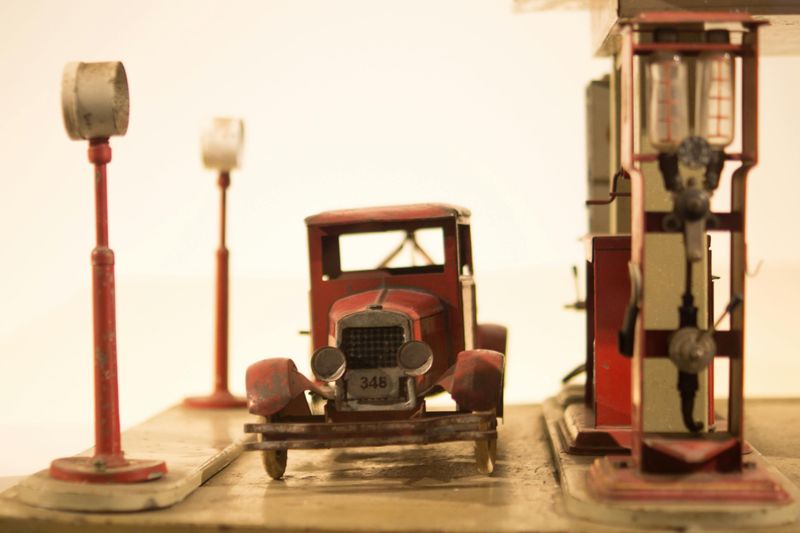
Among the most dangerous myths circulating in 1930s California was the bizarre belief that drinking small amounts of gasoline could prevent or cure motion sickness.
This deadly misconception appeared in folk remedy books and was passed along by word of mouth, particularly in rural areas where access to actual medical care was limited.
The supposed logic was that since gasoline powered the car’s engine, consuming a tiny amount would somehow help your body adjust to the motion of the vehicle.
Some variations of this myth suggested mixing a few drops of gasoline with water or sugar to make it more palatable, which did nothing to reduce its toxicity.
Doctors throughout California were horrified by this practice and tried desperately to educate the public about the serious health risks of consuming petroleum products.
Gasoline ingestion can cause severe damage to the digestive system, respiratory problems if vapors are inhaled, and potentially fatal poisoning even in small quantities.
Children were especially vulnerable to this dangerous remedy, as parents who believed in folk cures would sometimes force their sick kids to swallow gasoline before long car trips through California’s winding mountain roads or across the hot desert.
Medical journals from the period document several cases of gasoline poisoning in California, though it’s unclear how many were specifically related to this motion sickness myth versus industrial accidents.
Public health campaigns in the late 1930s finally began to make progress in debunking this lethal belief, but reports of the practice continued to surface occasionally into the 1940s.
Today, this myth serves as a reminder of how dangerous misinformation can be, especially in an era before widespread scientific literacy and reliable health education.
7. Honking Was Required Before Every Turn and Lane Change
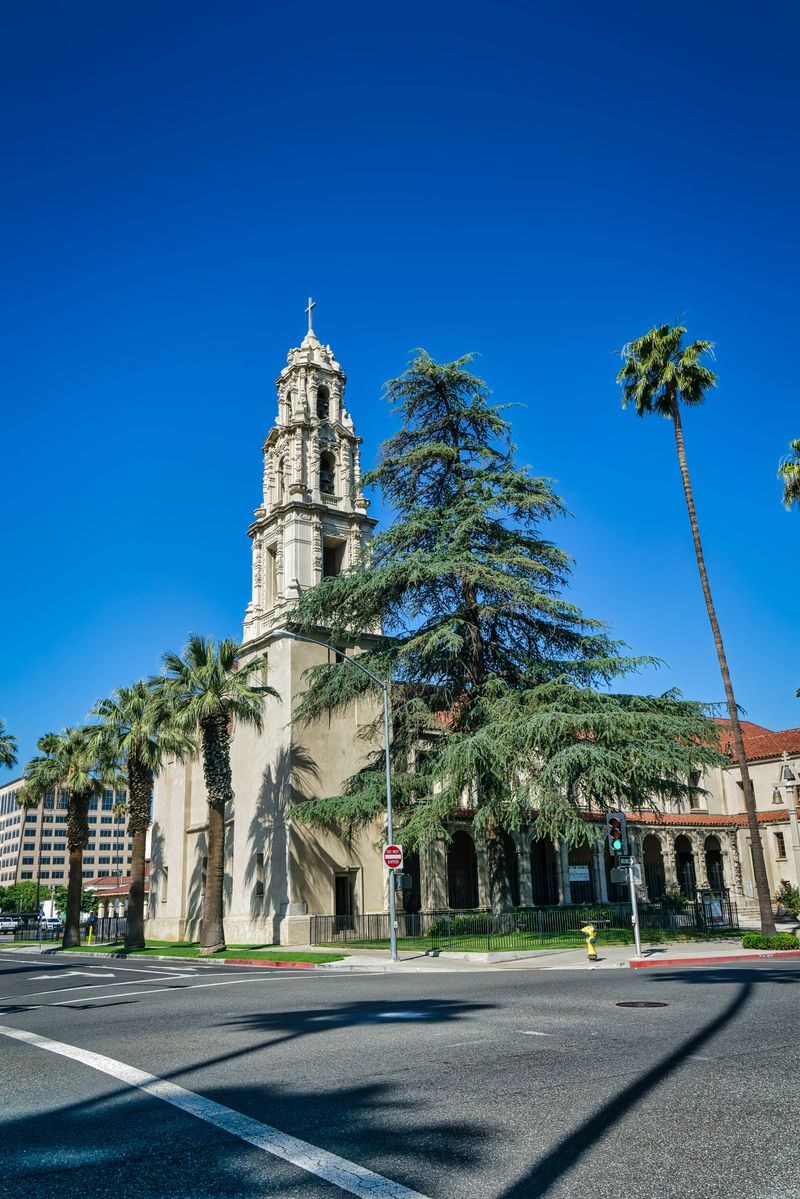
Early California traffic laws required drivers to honk their horns before making virtually any maneuver, creating a constant cacophony of noise in urban areas.
Before turning at an intersection, you were supposed to honk.
Before changing lanes, you were supposed to honk.
Before passing another vehicle, you were supposed to honk multiple times.
The reasoning was that since turn signals didn’t become standard equipment on automobiles until later, horns were the only way to communicate your intentions to other drivers and pedestrians.
In theory, this made sense as a safety measure during the early days of automotive transportation.
In practice, it created absolute chaos in busy California cities like Los Angeles, San Francisco, and San Diego.
The constant honking was so overwhelming that it became impossible to distinguish between a horn meant as a warning and the general background noise of traffic.
Pedestrians became desensitized to car horns because they heard hundreds of them every time they walked downtown, which actually made the streets more dangerous rather than safer.
Residents who lived near busy intersections complained bitterly about the noise, which continued from dawn until late at night.
Some apartment buildings near major thoroughfares in Los Angeles actually advertised themselves as being on quieter side streets specifically to escape the horn honking.
By the mid-1930s, traffic authorities began to recognize that excessive honking was counterproductive and started revising the laws to require horns only in genuine emergency situations.
However, the habit of honking constantly persisted among many drivers who had learned to drive under the old rules, creating generational conflicts between older motorists who honked at everything and younger drivers who found the practice annoying and unnecessary.
8. The Rule Against Driving in Bathing Suits Near Beaches

California’s beautiful beaches attracted thousands of visitors during the 1930s, but strict decency laws created an odd driving regulation that seems absurd today.
In many coastal communities from Santa Monica to Santa Cruz, it was actually illegal to drive a car while wearing only a bathing suit.
The law specified that drivers had to wear proper street clothes, even if they were just driving from their beach house to the ocean or from one beach to another along the coast.
This regulation was part of broader decency ordinances that reflected the conservative social attitudes of the era, when showing too much skin in public was considered scandalous.
Beach towns worried that their communities would develop reputations as morally loose if people were allowed to drive around in swimwear.
Enforcement of this rule varied wildly depending on the community and the individual police officer.
Some beach patrol officers strictly enforced the bathing suit driving ban, pulling over sunburned tourists and issuing tickets that must have seemed ridiculous even at the time.
Other officers ignored the law entirely, recognizing that it was impractical to expect people to fully dress just to drive a few blocks to the beach.
The rule created particular problems for people who owned beachfront property and wanted to drive to a store or restaurant without changing out of their wet bathing suits.
Some creative Californians kept robes or coverups in their cars specifically to throw on if they saw a police officer, then remove them once they were safely parked.
As attitudes about beach culture relaxed through the late 1930s and into the 1940s, these laws gradually disappeared, though some conservative communities held onto them for surprisingly long periods.
9. The Myth That Desert Heat Could Make Tires Explode Without Warning
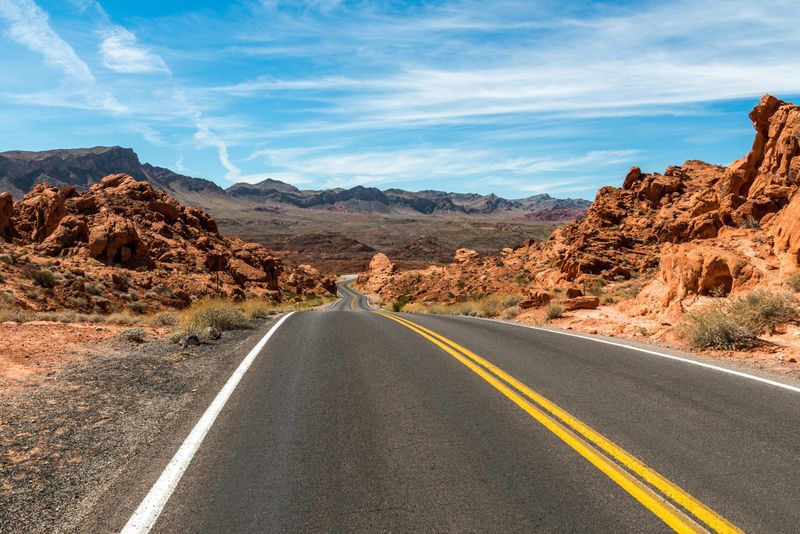
Travelers crossing California’s vast deserts in the 1930s lived in fear of a supposedly common phenomenon where tires would spontaneously explode from the intense heat without any warning signs.
This myth suggested that the desert sun could heat your tires to the point where they would literally burst into flames or explode violently, sending your car careening off the road.
Stories circulated about entire families killed when their tires exploded while crossing Death Valley or the Mojave Desert on scorching summer days.
While tire blowouts were indeed more common in desert conditions, the dramatic explosions described in these tales were highly exaggerated.
The real issue was that the rubber compounds and tire construction methods of the 1930s were far inferior to modern standards.
Tires would wear down quickly on rough desert roads, and the heat would accelerate the deterioration of already worn rubber.
Additionally, many drivers didn’t understand proper tire inflation, and overinflated tires were more likely to fail in hot conditions.
When a tire did blow out, it was usually because it was already damaged, improperly inflated, or worn beyond safe use, not because the desert heat alone caused it to explode.
However, the myth persisted because tire failures in the desert were genuinely dangerous and memorable events.
Being stranded with a blown tire in 110-degree heat, miles from the nearest town, was a terrifying experience that people tended to retell with dramatic embellishments.
Smart travelers carried multiple spare tires when crossing California’s deserts, and desert communities built their economies partly around helping stranded motorists with tire troubles.
Gas stations in places like Barstow and Needles did excellent business selling replacement tires to nervous travelers who had heard the explosion stories.
10. The Requirement to Carry Fire Extinguishers for Mountain Driving
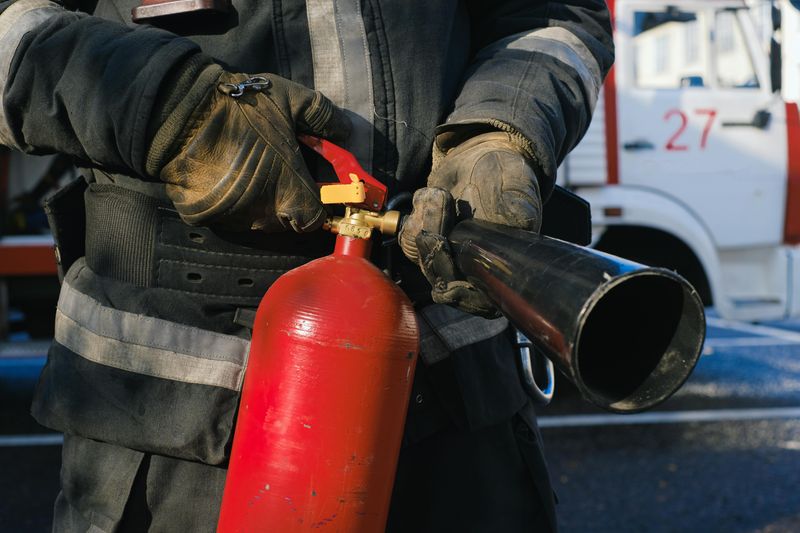
One regulation that actually made good sense, though it seemed odd to many drivers at the time, was the requirement in certain California mountain counties to carry a fire extinguisher in your vehicle.
This rule applied particularly to vehicles traveling through Sierra Nevada mountain passes and other areas with steep grades and sharp curves.
The concern was that the primitive braking systems on 1930s automobiles could overheat during long downhill descents, potentially causing brake fluid to ignite or brake components to catch fire.
Engine fires were also more common than they are today, thanks to less sophisticated fuel systems and electrical wiring that could spark and ignite leaking gasoline or oil.
Mountain driving put extra stress on all vehicle systems, increasing the likelihood of mechanical failures that could result in fires.
Despite the legitimate safety reasoning behind this requirement, many drivers resented having to purchase and carry fire extinguishers, which were relatively expensive items during the Depression era.
Some saw it as government overreach or an unnecessary expense, especially if they had driven mountain roads for years without ever experiencing a fire.
Enforcement was inconsistent, with some counties strictly checking for fire extinguishers at inspection stations before allowing vehicles to proceed into mountain areas, while other counties merely suggested it as a good practice.
The fire extinguisher requirement did save lives and property during the 1930s, as numerous documented cases exist of drivers successfully putting out small vehicle fires before they became catastrophic.
However, many of the extinguishers carried in cars were poorly maintained, empty, or of such low quality that they wouldn’t have been effective in a real emergency.
This regulation gradually evolved into broader vehicle safety requirements and eventually became part of standard automotive safety recommendations rather than a specific legal requirement for mountain driving.
Dear Reader: This page may contain affiliate links which may earn a commission if you click through and make a purchase. Our independent journalism is not influenced by any advertiser or commercial initiative unless it is clearly marked as sponsored content. As travel products change, please be sure to reconfirm all details and stay up to date with current events to ensure a safe and successful trip.
