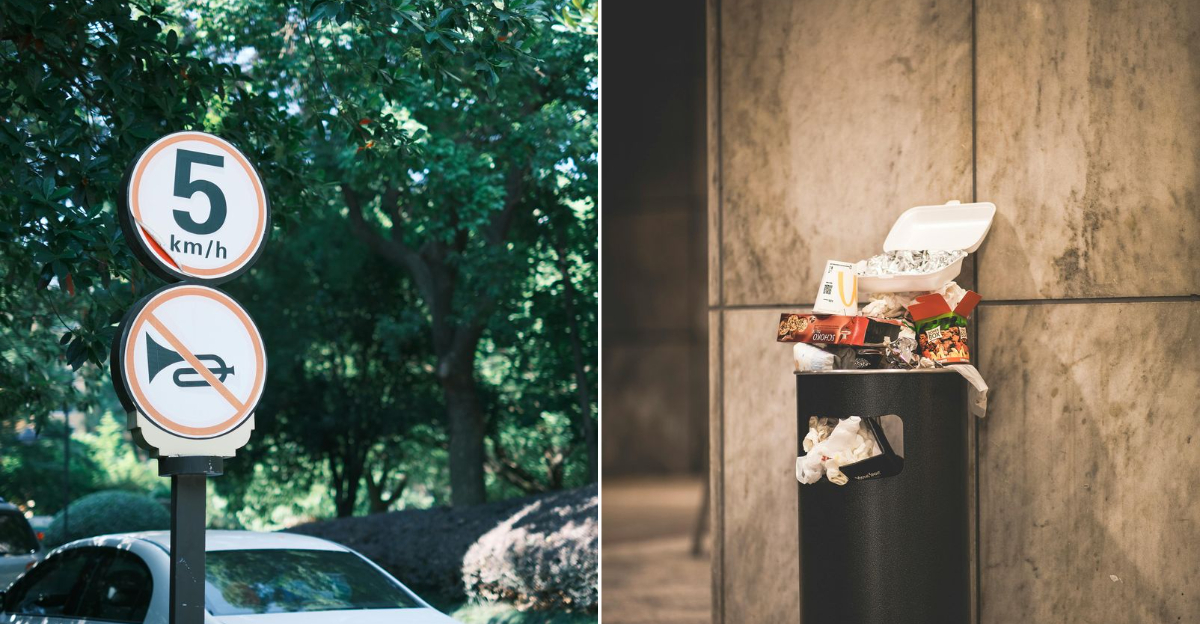
Ever think you might be breaking the law without realizing it? In Kansas, that’s easier than you’d expect. The state has a handful of odd rules that tourists often trip over, not because they’re reckless, but because the laws themselves feel a little out of left field.
We’re talking about things like quirky restrictions on how you handle animals, rules about what you can carry in public, or even unusual limits on everyday activities.
Locals know these laws exist, but visitors usually don’t, and that’s where the trouble starts. Imagine parking too close to a stop sign, only to find out you’ve technically crossed a line. It’s not the kind of thing most people plan for when they’re exploring Kansas.
That’s what makes these laws so surprising. They’re not dangerous or dramatic, just unexpected enough to catch outsiders off guard.
So if you’re heading to Kansas, keep an eye out. You might discover that the strangest part of your trip isn’t the scenery, it’s the rules you didn’t know you were breaking.
1. Texting While Driving Is Still Illegal At Red Lights
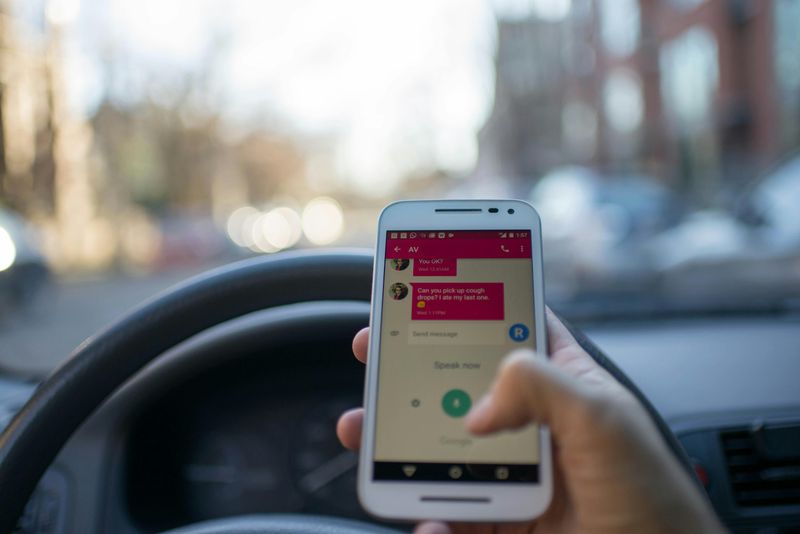
Here is the thing that catches people right away. In Kansas, texting is illegal even when you are stopped at a red light.
The car is not moving, but the law still treats it like active driving.
Hands free mapping is fine, and a mounted device keeps you covered. If you pick up the phone to reply or scroll, that is where trouble starts.
Officers expect you to keep your hands off the phone while you wait. It feels strict when you are sitting still, but it keeps the line moving and your attention ready.
If you need to message, pull into a lot and park. Quick check, then back on the road.
Set navigation before you roll and let the voice guide you. If the route changes, use the steering wheel controls or ask a passenger.
I think little habits like that make Kansas driving calmer and ticket free.
Tourists assume red lights are downtime and that is why this law stings. Think of the intersection as part of the trip, not a break.
You will get through town smoother and avoid a messy stop.
When in doubt, keep your phone docked. A simple mount saves stress and keeps you within Kansas rules.
It also makes you look like you know the local rhythm.
2. Passing A Bicycle Too Closely Can Get You Ticketed
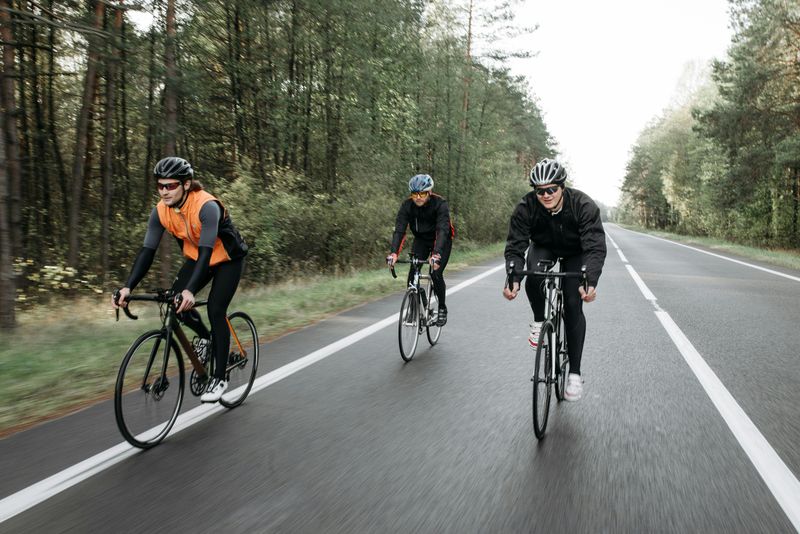
You will see cyclists on quiet Kansas highways, and the space you give them matters. State law calls for at least three feet when passing a bicycle.
Many visitors misjudge distance on open roads where everything looks farther away.
If your mirror feels close, it probably is. Slow down, wait for a safe gap, and swing wide like you mean it.
Locals expect patient passes, not quick squeezes.
On narrow two lanes, hang back until the oncoming lane is clear. It is not worth threading the needle, trust me.
A clear pass keeps everyone steady and avoids a citation.
That three foot buffer is more than a nice idea. It is the legal baseline, and officers will stop you for unsafe passing.
The flat landscape can hide wind gusts that push riders around.
If you are towing or in a larger vehicle, give even more room. Think about how long your vehicle is and how airflow hits the cyclist.
Be ready to cancel a pass if things change. You can always wait another few seconds.
Roads here reward patience with easy miles and fewer surprises.
3. Driving With Headphones Covering Both Ears Is Prohibited

This one sneaks up on tech friendly travelers. Kansas prohibits driving with headphones that cover both ears.
Hearing aids are fine, but two ear cups or fully sealed earbuds are not.
The rule is about hearing traffic and sirens. You want to catch a horn, a bicycle bell, or the whoop of an emergency vehicle.
One ear open keeps you connected to the road.
If you rely on audio directions, switch to a single ear bud or the car speakers. A simple mount and voice prompts work smoothly.
You will still hear the car next to you.
Tourists sometimes use big over ear headphones to block wind or road noise. It feels cozy but it is not legal here.
I suggest swapping to open sound and letting the cabin do its job.
Think of this as part of the Kansas rhythm: windows down, music at a normal level, and your attention tuned to the outside. It is a small change that avoids a sudden stop.
When in doubt, keep one ear free. The drive stays relaxed and you stay on the right side of the rule.
4. U-Turns Are Not Automatically Legal At Intersections
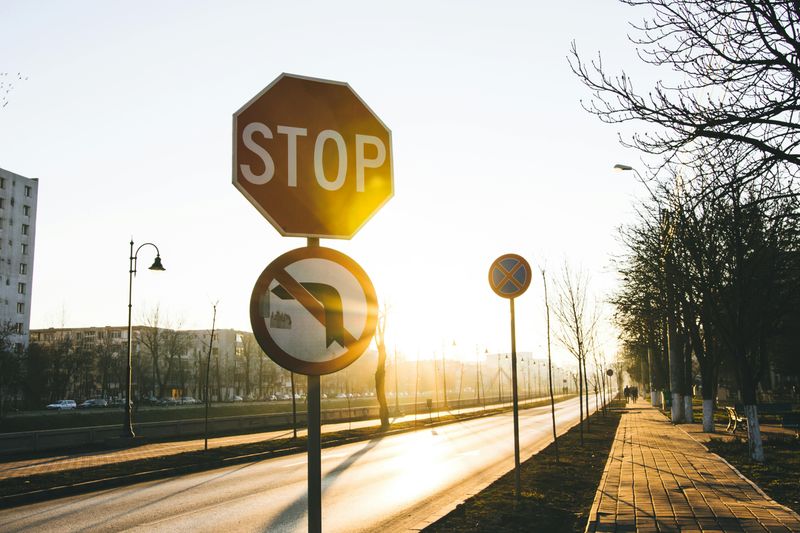
Need to flip around in a Kansas town? Do not assume a U-turn is green light by default.
It is only allowed where it is not restricted and when conditions are safe.
Plenty of intersections post a clear prohibition. These signs can sit low or off to one side.
Locals check the poles before they commit to a turn.
If traffic is heavy or sight lines are short, skip it. Circle the block and come back with space, a calm reroute beats an awkward stop in the middle of the lane.
On bigger roads, the center turn lane can look tempting, but that is not a U-turn zone unless posted. Use it only for normal left turns into driveways or streets.
Navigators sometimes suggest a quick flip. You do not have to follow that step by step.
Make sure to pick a safe spot and let the guidance recalculate. Once you get the habit, Kansas driving feels simple.
Watch for signs, judge the gap, and keep it smooth. No drama, no ticket, just an easy loop back.
5. Leaving A Car Idling And Unattended Is Not Allowed
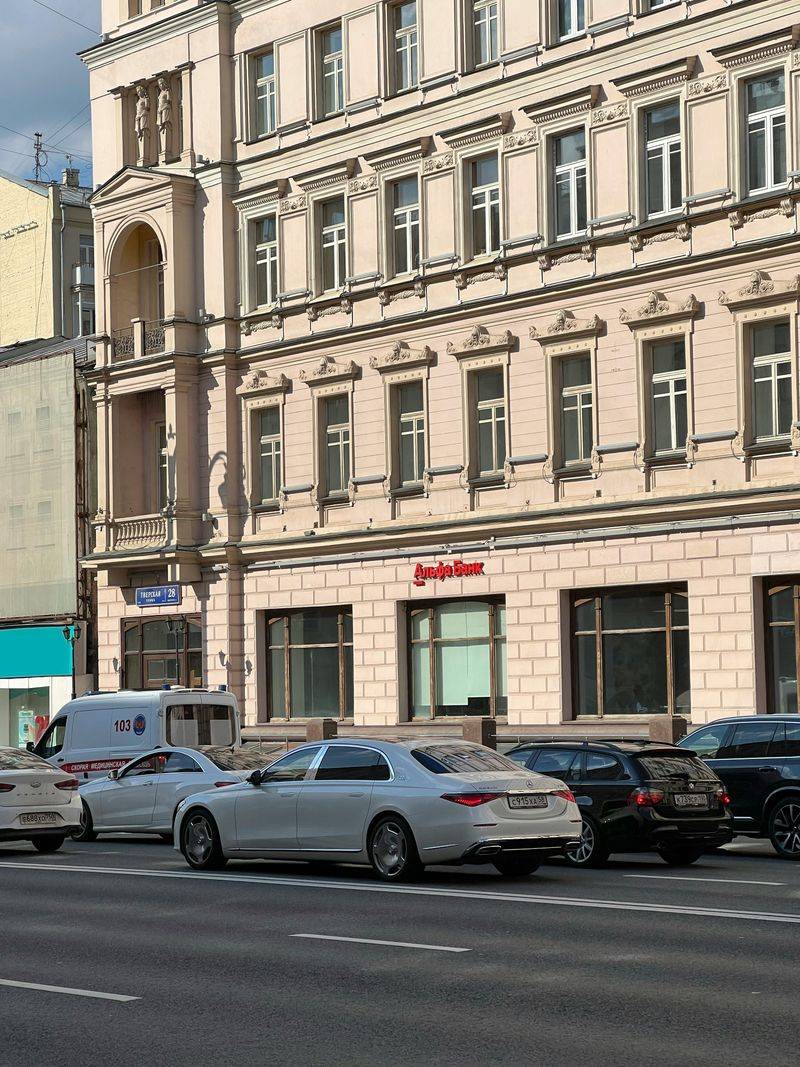
Here is a classic road trip move that does not fly in Kansas: leaving your car idling while you run inside is not allowed if the vehicle is unattended.
The idea is simple and tied to theft prevention.
Turn the engine off, take the keys, and lock up; it takes a few seconds but it keeps you within the law. Warm ups and cool downs work fine while you sit inside.
In busier areas, enforcement is more common, and that quick dash can draw attention faster than you think. Better to shut it down and avoid the conversation.
Remote start systems help if they keep the doors locked and the key out of the ignition. You still need to follow the specifics of your setup.
The rule is about control and safety.
On quiet streets, it feels harmless, but Kansas treats it the same. Locals know the drill and you will blend in if you do too.
Think of it as a small moment to reset: stretch, breathe, and then hop back in. Your road day stays easy and your record stays clean.
6. Using A Siren Or Horn Excessively Is Regulated
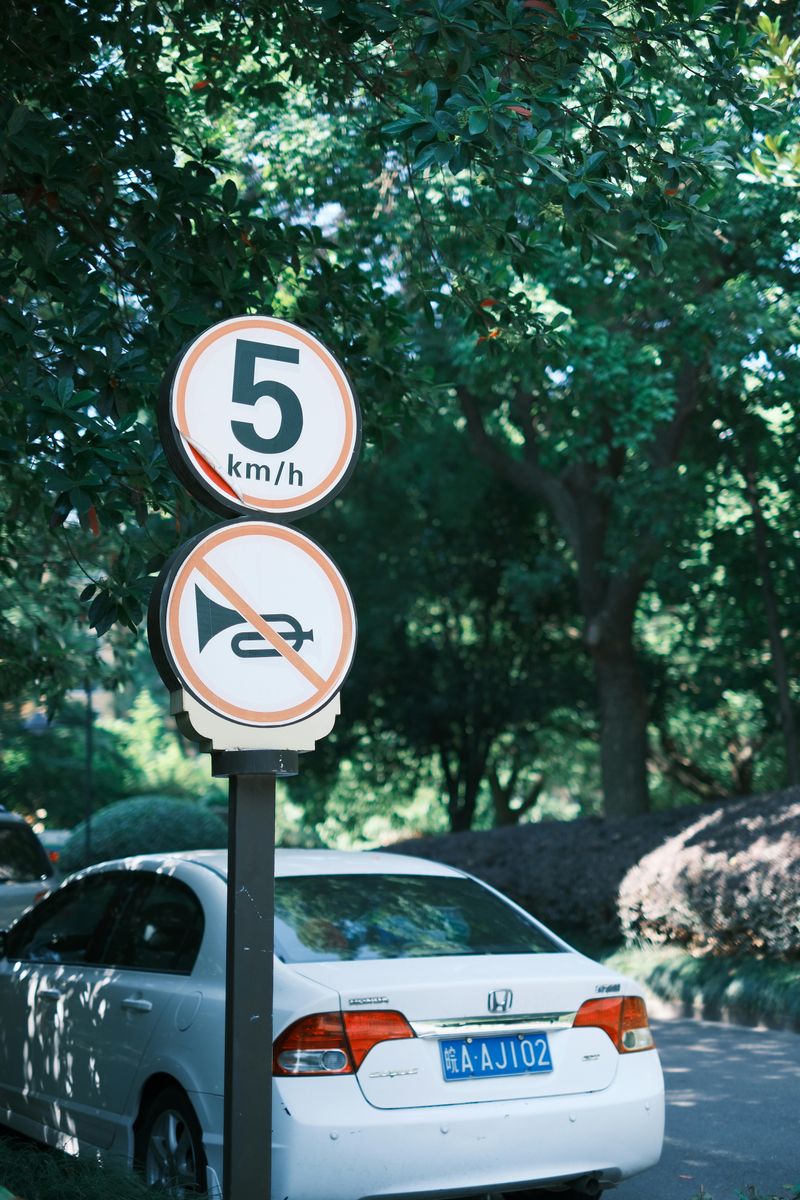
You know that reflex tap when someone sits at a green? In Kansas, the horn is for safety warnings, not for venting.
Leaning on it repeatedly can cross into a violation.
Cities and towns layer local noise rules on top, a quick polite beep to prevent a bump is fine. A series of honks for frustration is not the move.
Out on the open road, it feels empty, but sound carries, and you do not want to turn a quiet stretch into a scene. Keep things calm and save the horn for actual hazards.
Skip novelty sirens or anything that mimics emergency tones. That stuff gets attention you do not want, and this state takes those imitations seriously.
If you need to communicate, use signals and space: ease back, change lanes when clear, and let the situation breathe. Most issues melt with a little patience, trust me.
Keep your cool and the drive feels better anyway.
Less noise, fewer looks, and no ticket. That is the Kansas way and it works.
7. Blocking Rural Driveways Counts As An Offense
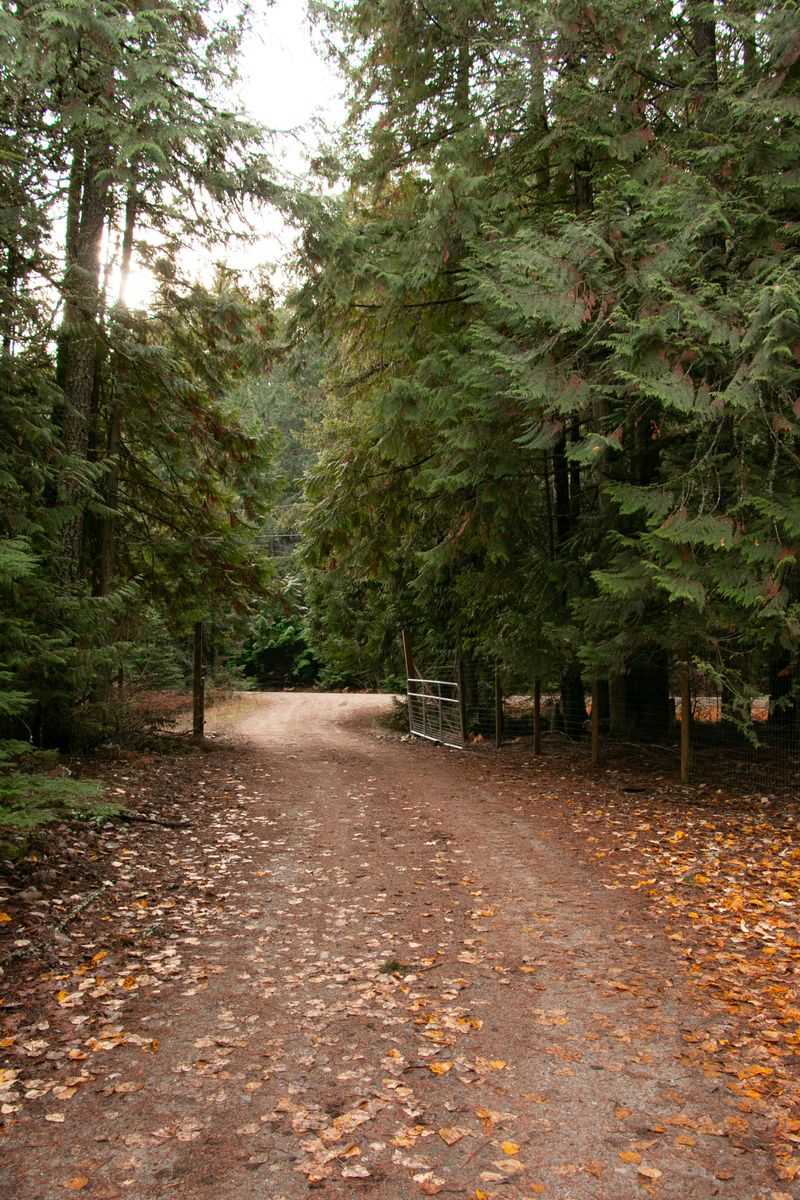
That quick photo stop can turn into a problem if you block a driveway. In Kansas, stopping across private access is an offense even for a short moment.
Rural homes and farms need open paths at all times.
Driveways can blend into gravel and grass. Look for the subtle tracks and mailbox markers.
If you are unsure, pull farther ahead and leave the entrance clear.
Locals rely on wide turns with trailers and equipment. A car in the way slows everything down and raises tempers, so give them space and you will be the good traveler.
When you need to check the map, find a wide shoulder or a signed pull off.
Keep your vehicle fully off the lane, I think it feels considerate and it is also the rule.
Photos still happen, just from a safer angle. Step a few feet and frame the barn or sky without blocking anyone, the shot looks better when you are relaxed.
Once you notice the patterns, it is easy to spot driveways. You will start reading the mailboxes like locals do.
Roads here reward that kind of attention.
8. Assuming Open Land Is Public Land
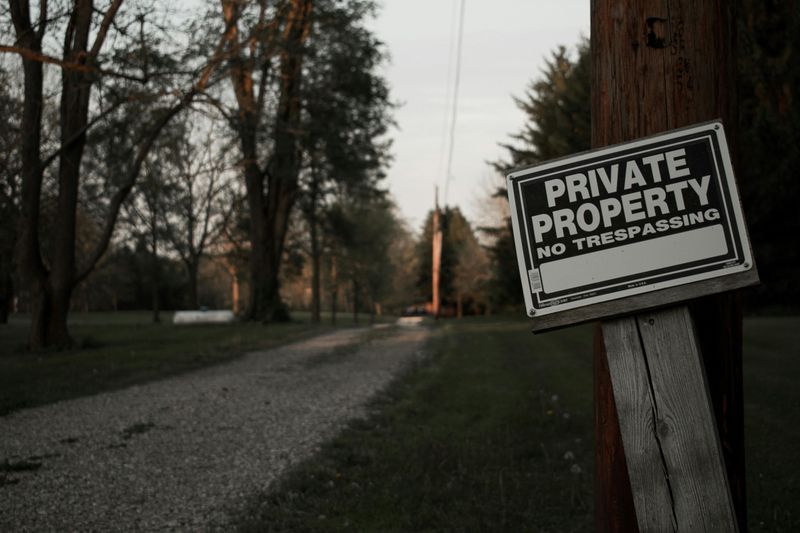
Open fields in Kansas look like they invite a walk. Most of that land is private, even when it is unfenced, so entering without permission is trespassing.
The state has less public land than many travelers expect. Trails and access areas are posted where you can go.
If there is no sign, assume it is private and stay on the road edge.
Owners work these fields and need them undisturbed. Crops and soil are sensitive to footprints and vehicles.
Know that respecting the boundary keeps the landscape healthy.
If you want a proper stroll, look up wildlife areas and city parks, these spots are meant for wandering and photos. You will enjoy the views without the awkward walk back.
When you are unsure, ask a local or check a map: a quick question saves time and keeps the day smooth. People appreciate the courtesy here.
The plains feel wide open, but rules still shape them. Treat openness as a view, not an invitation, that small mindset shift makes this state feel easy.
9. Failing To Dim Headlights On Open Roads

Dark Kansas highways can tempt you to keep the brights on. The law says you need to dim high beams for oncoming traffic and when following another vehicle.
It is a safety thing and it is enforced.
Glare on flat roads travels far and fast. Drivers lose sight of the center line when blasted with light.
Drop to low beams and everyone keeps their bearings.
Think ahead as you crest a hill. If you spot taillights or a glow, switch early.
It looks courteous and it is exactly what the rule expects.
Your own night vision stays better too. High beams in the wrong spot bounce light back and wash your view.
Low beams give a steadier picture.
Use your fogs only when conditions call for them. Otherwise, keep the setup simple and clean.
The goal is to see without blinding anyone else.
Get into the habit and it becomes automatic. Kansas nights then feel smooth and relaxed.
Just you, the road, and the stars doing their thing.
10. Littering Includes Small Items Like Food Scraps

It is tempting to toss a tiny apple core and keep rolling. In this state, that still counts as littering.
The rule treats all dropped items the same, even if they break down.
Roadside scraps attract animals and make shoulders messy. You do not want wildlife stepping into traffic because of a snack, so make sure to keep the car tidy and the verge stays safe.
A small bag for trash solves it, you can empty at the next station and start fresh. Your ride stays clean and you skip any awkward stop.
Wind on the plains carries light bits far from the road. What looks harmless can spread across fields, locals care about that and it shows.
Think of it as part of leaving the place better. Hold onto wrappers and peels until you can bin them, it is simple and it fits the Kansas vibe.
Once you make it a habit, you will not miss the old shortcut, believe me. The car smells better and your conscience does too.
11. Parking Too Close To A Stop Sign Is Illegal
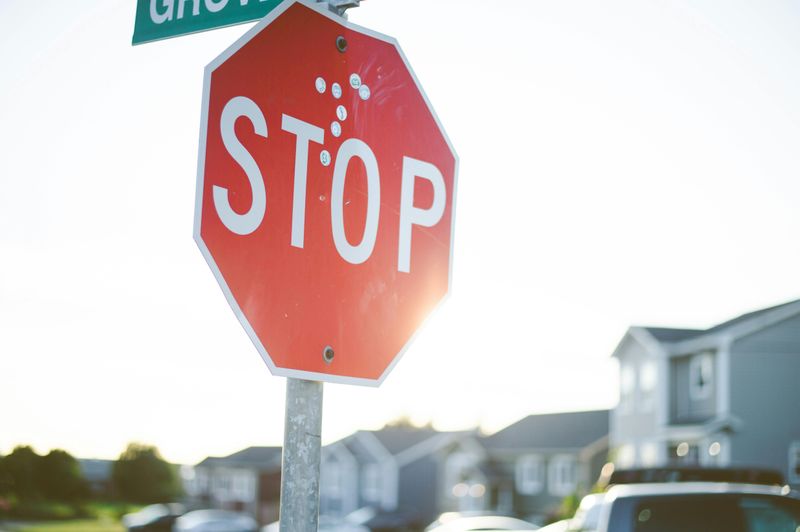
Historic Kansas towns have tight little corners. Parking near a stop sign feels convenient, but there is a distance rule you have to respect.
Even without paint on the curb, the space near that sign needs to stay open.
Drivers need a clear view to roll up and make decisions. If your car sits too close, you shrink that window, and hat is how a quick errand turns into a ticket.
When spaces are scarce, circle once and look for a better angle. A side street often has room and easier pull outs.
Watch how locals leave a healthy gap around intersections, they know the pattern and you can copy it. It keeps traffic flowing and tempers cool.
Some districts get busy with visitors. Markings can be light, so use judgment and give extra room.
I think it’s better to walk a little than to squeeze in.
Once you get the hang of it, parking feels really simple. I always measure by sight lines, not just by convenience, and Kansas rewards that kind of courtesy.
Dear Reader: This page may contain affiliate links which may earn a commission if you click through and make a purchase. Our independent journalism is not influenced by any advertiser or commercial initiative unless it is clearly marked as sponsored content. As travel products change, please be sure to reconfirm all details and stay up to date with current events to ensure a safe and successful trip.
