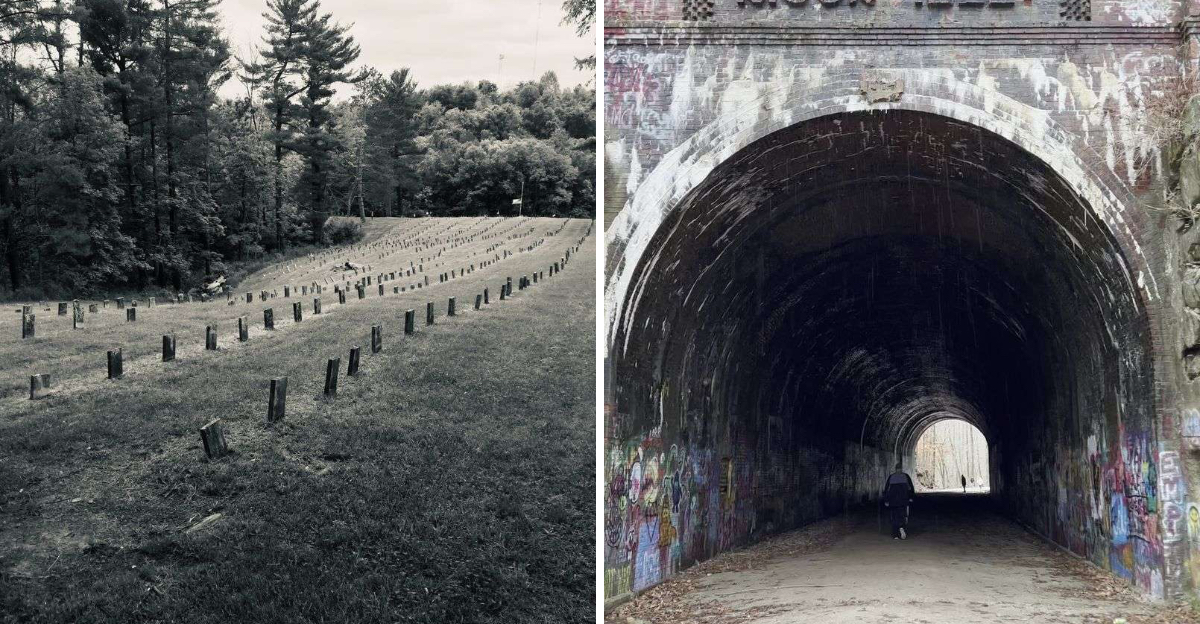
Country roads in Ohio promise soft horizons and friendly porches, yet some backway stops carry a hush that lingers after you leave.
Curiosity pulls you off the highway, then the breeze slows, the trees crowd in, and every step starts to echo a bit too loudly.
These places are not dangerous, just disarming, where history, landscape, and silence mix until your senses sharpen and your pace shortens.
If you are ready to feel your heartbeat rise for reasons you cannot name, the following corners of Ohio will meet you halfway.
1. Moonville Tunnel, Zaleski State Forest
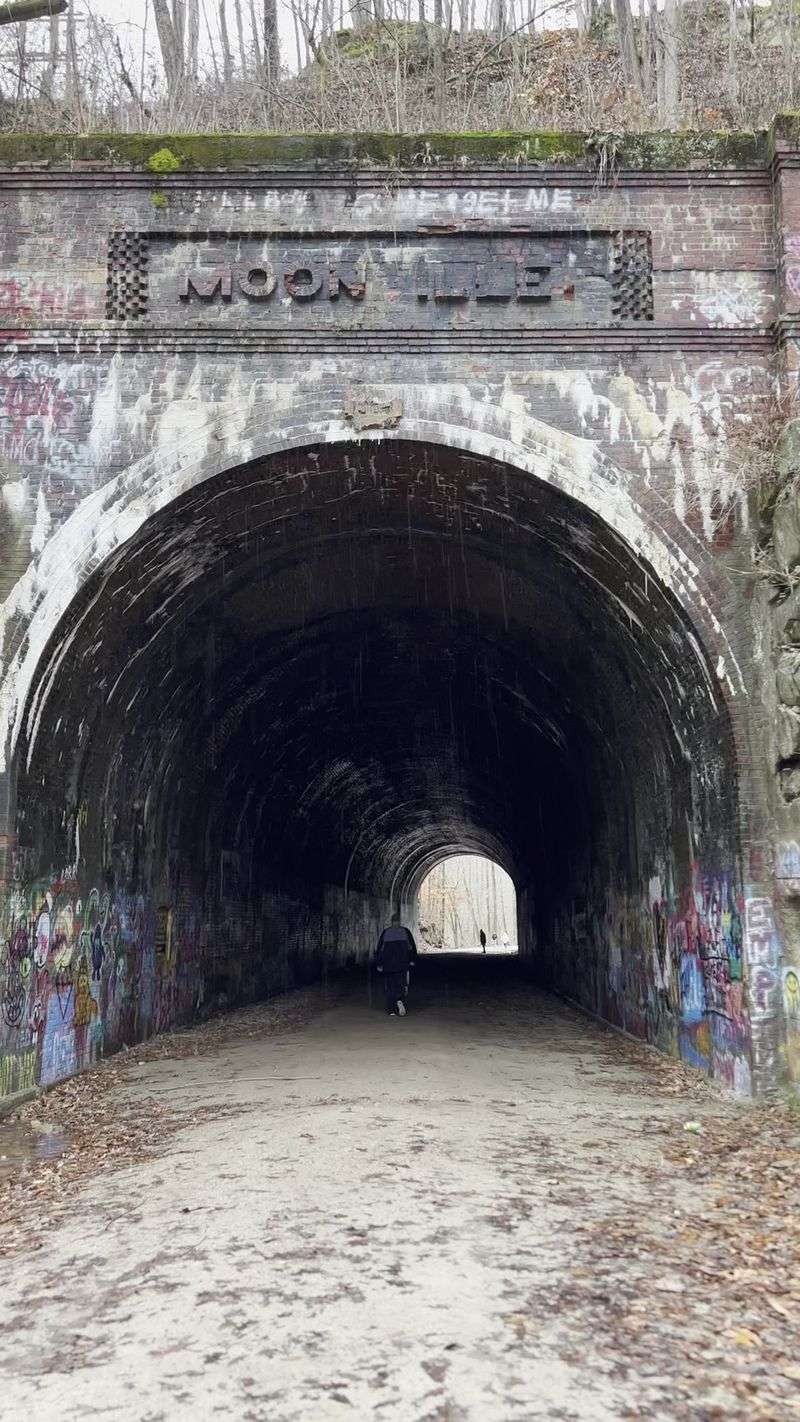
The trail slips into the trees and swallows the last hint of sunlight behind you.
Leaves hush your footsteps, and the stone portal ahead turns your questions into whispers.
The Moonville Tunnel feels closer than it looks, and somehow longer once you step inside.
Cold air hugs the brick and slides along your sleeves like a reminder you cannot place.
Water drips from seams and sets a rhythm that does not match your own breathing.
Every footfall answers back, but the echo arrives late and slightly bent.
Rail history lingers here, threaded with accidents, folklore, and night hikes that stretch nerves thin.
By day, the forest seems open and kind, yet the arch holds its own weather.
Light at the far end narrows or widens depending on how brave you feel.
Step slowly and let your eyes adjust to the brickwork’s old scars and soot.
The path beyond invites a longer walk, though you keep glancing over your shoulder.
It is Ohio quiet, which is to say loud with rustle, crow, and distant creek.
Park staff maintain the approach, and trail markers keep the route simple.
Still, the middle of the tunnel belongs to whatever the forest decides today.
Curiosity brings you here, but caution escorts you through and back into the light.
2. Helltown Myths in Boston Township, Cuyahoga Valley
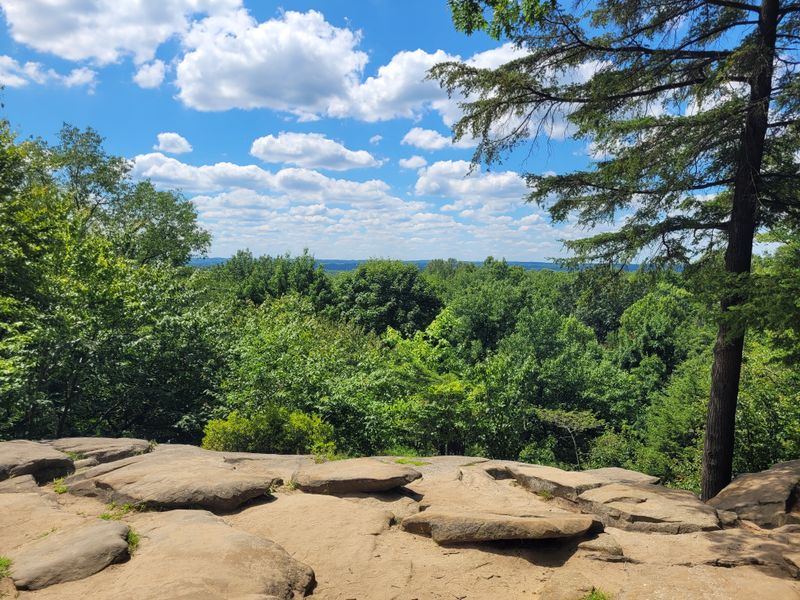
The name catches attention, then the landscape finishes the job with tight curves and heavy woods.
Boston Township sits inside Cuyahoga Valley National Park, where rumors and park history intersect awkwardly.
Old stories mention road closures, eerie signage, and a church steeple seen through fog.
Park explanations exist, yet twilight muddles logic and lets imaginations roam the ravines.
Trailheads feel normal by day, with boardwalks, wetlands, and the river moving steadily.
After sunset, empty lots and quiet lanes stretch time until minutes feel longer.
Some structures changed or vanished due to management needs and safety concerns.
What remains are hints, foundations, and the strange tension of half remembered narratives.
Walk slowly and note how headlights flatten the forest into a wall.
The air smells damp and earthy, and every twig pop sounds intentional.
When fog drifts from the Cuyahoga, the road shoulders turn uncertain.
It is not danger that unsettles you, but the feeling of being watched.
Maps help, though they cannot label the edginess that rides the night air.
Rangers focus on trails and safety, and their guidance is straightforward.
Even so, the myths cling like burrs, light as they are persistent.
3. The Ridges Asylum Cemetery, Athens
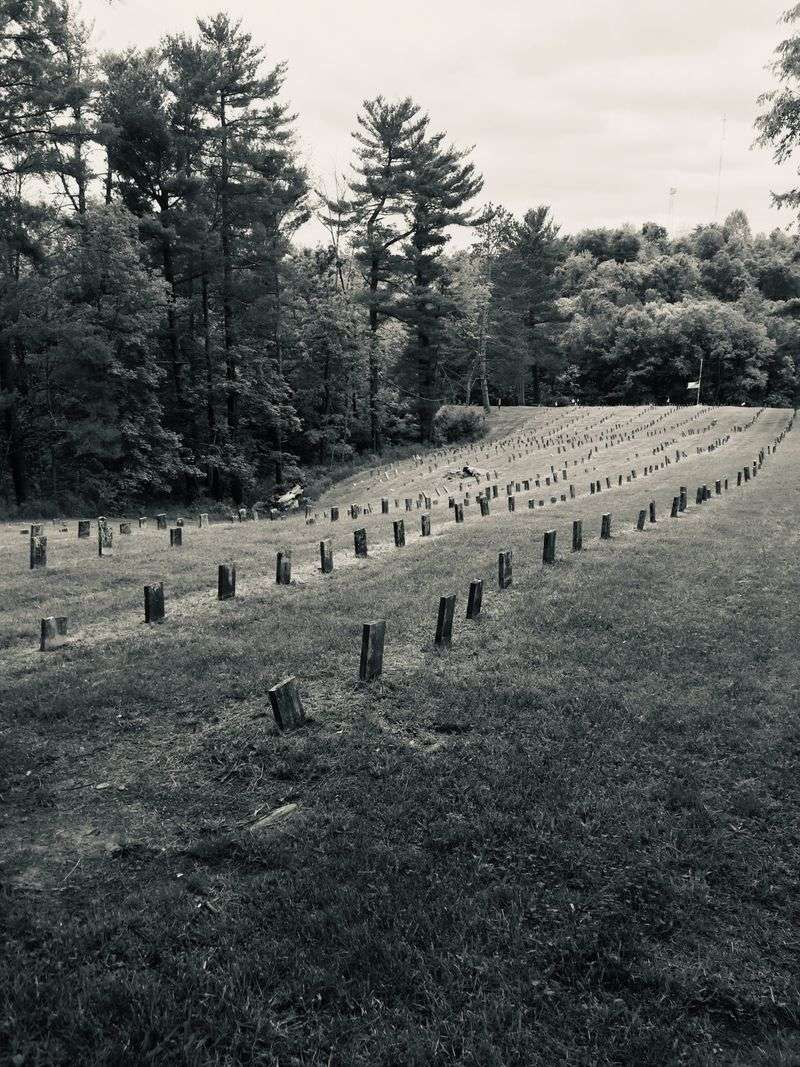
The hillside is quiet until the wind presses the grass flat for a moment.
Numbered markers line the ground where names once went missing from memory.
The former asylum complex stands beyond the trees, red brick and long windows.
You feel history here without needing a sign to confirm the weight.
Walking the path is simple, though emotions tangle as you count the stones.
Sparrows keep their own counsel while your thoughts grow precise and careful.
Athens carries stories of treatment, reform, and lives lived in the shadows.
The cemetery invites a slow pace and a promise to speak softly.
Each marker sits level, patient, and strangely personal despite the missing names.
Clouds thicken, and light drains color from the grass to a pale olive.
Respect is the only rule that matters at this small, open field.
Leave nothing, take nothing, and keep voices low among the rows.
Ohio history runs through this slope, touching public health and dignity.
The walk back feels longer, though the route has not changed at all.
You will remember the silence more than any single detail or photograph.
4. Great Serpent Mound at Dusk, Peebles
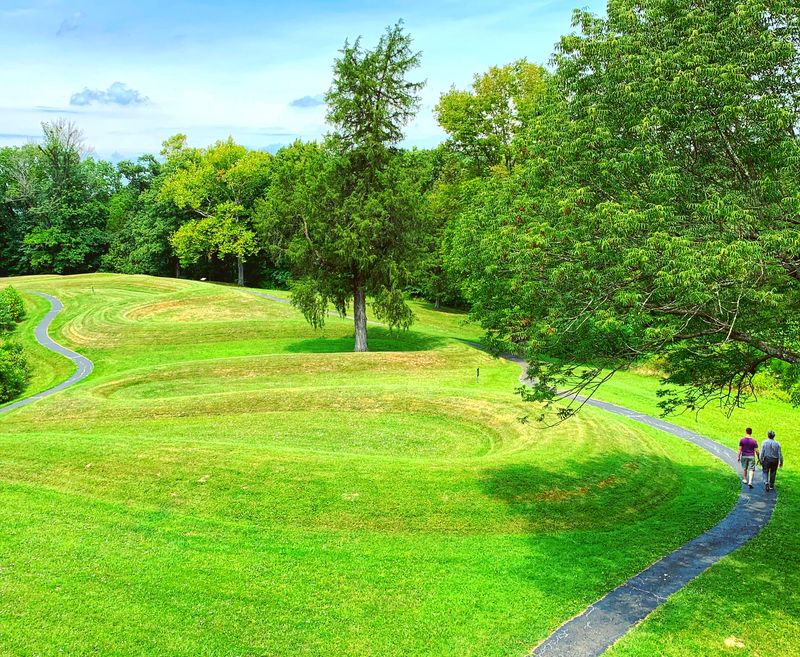
The earthwork coils along the ridge and catches the last light like a signal.
From the overlook, the serpent shape resolves slowly, then snaps into focus.
Dusk changes the mood from archaeological site to living presence with breathy stillness.
The platform helps with scale, but mystery stays stubborn and unmeasured.
A gentle breeze lifts the grass and blurs the edges of the curves.
Bird calls taper off until the ridge feels suspended above the valley.
This is a place to move lightly and keep footprints on the paths.
Interpretive signs give context about builders, timeframes, and careful preservation.
Even with facts, the design hums in a language you cannot translate quickly.
Shadow falls into the hollow of the coils and deepens the greens.
Every visitor becomes quieter without being asked, which says enough.
Questions arrive in waves, then recede when the first stars appear.
Ohio holds many earthworks, but this ridge carries a particular gravity.
Leaving after sunset is allowed only within posted hours, so plan ahead.
You will feel watched by nothing and everything, and that is the point.
5. Johnson’s Island Confederate Cemetery, Marblehead

The bridge brings you over quiet water to a clearing that does not hurry.
Headstones stand neat against the shimmer of Lake Erie beyond the fence.
Wind off the lake moves steadily and turns whispers into scattered syllables.
History sits here without ornament and insists on measured steps.
The island once held a prison camp, and the cemetery preserves the aftermath.
Names and ranks etch the stone, yet silence fills the gaps between lines.
Birds cross the sky like careful punctuation marks over an unsettled chapter.
Flags, pathways, and tidy grounds frame a view that refuses drama.
Uncomfortable feelings rise not from fear but from the heaviness of conflict.
Visitors pause longer than planned and reread inscriptions for steadying detail.
Ohio’s shoreline adds a clean horizon that sharpens reflection.
The lake keeps time with small waves bumping the rocks below.
Respectful dress and quiet conversation suit the tone and purpose here.
Leave space for families and keep photography discreet around active remembrance.
The walk back to the car stretches just enough for calm to return.
6. Crybaby Bridge, Egypt Road, Salem
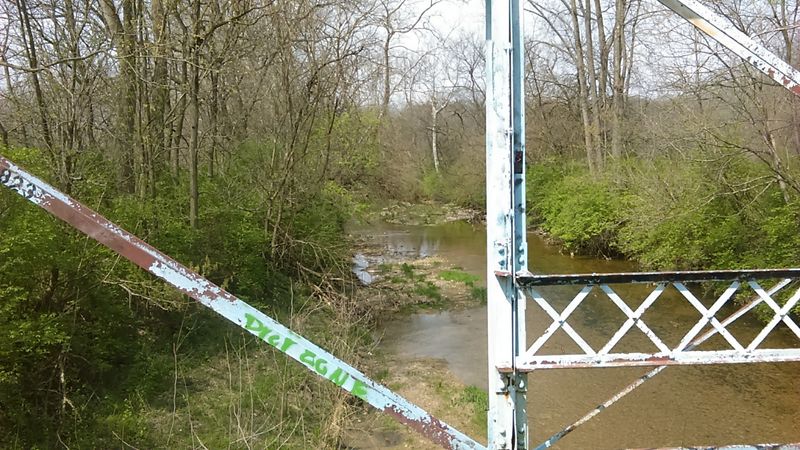
The road narrows as if changing its mind about letting you pass.
Trees lean in close, and the creek below speaks in choppy fragments.
Locals trade stories about strange sounds and sudden chills near the span.
By daylight, it is only concrete and water, ordinary and scuffed.
At night, reflections ripple into shapes that tease the corner of vision.
Every rumor feels plausible for a moment, then silly, then possible again.
You walk to the midpoint and listen for whatever the legend promises.
Silence answers first, then a frog, then a rustle you cannot place.
The rail feels colder than the air, and you step back on instinct.
Headlights sweep the trees and pull you from thoughts you did not choose.
Ohio has many bridges with tales, but this one refuses to retire.
Leave no marks, and keep distant from any posted closures or private property.
This is folklore country where memory and mischief coexist on weeknights.
The walk back to the car seems shorter than the approach.
You will laugh later and still glance at the rearview more than usual.
7. Providence Metropark Canal Lock and Ghost Town Remnants, Grand Rapids
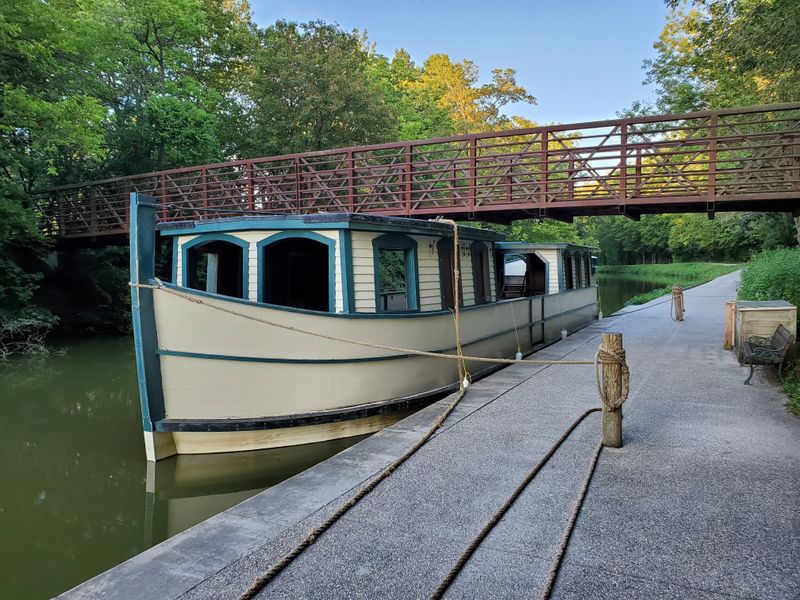
The canal cuts a narrow line through the woods and reads like a diary.
Wooden gates and stonework hold the geometry of old water engineering.
Providence Metropark preserves the lock, a mill, and traces of a town.
Stand by the timbers and hear water slide through seams and joints.
The towpath carries footsteps into a corridor of reeds and careful shade.
Imagination fills empty house lots faster than facts can catch up.
When the canal boat runs, the scene turns living history without pageantry.
On quiet days, the river sounds taller than the trees around it.
The mill’s silhouette looks friendly until clouds erase the warmth from the boards.
You might glance behind you more than usual along the straight towpath.
Ohio’s canal era left marks that feel recent when the park empties.
Placards offer context, though the emptiness does most of the explaining.
Grand Rapids brings small town comfort that dissolves the moment you reenter the woods.
The lock remains steady while your certainty drifts like leaf boats in eddies.
Stay on marked routes and let the past whisper at its own pace.
8. Lake Hope Iron Furnace Ruins, Vinton County
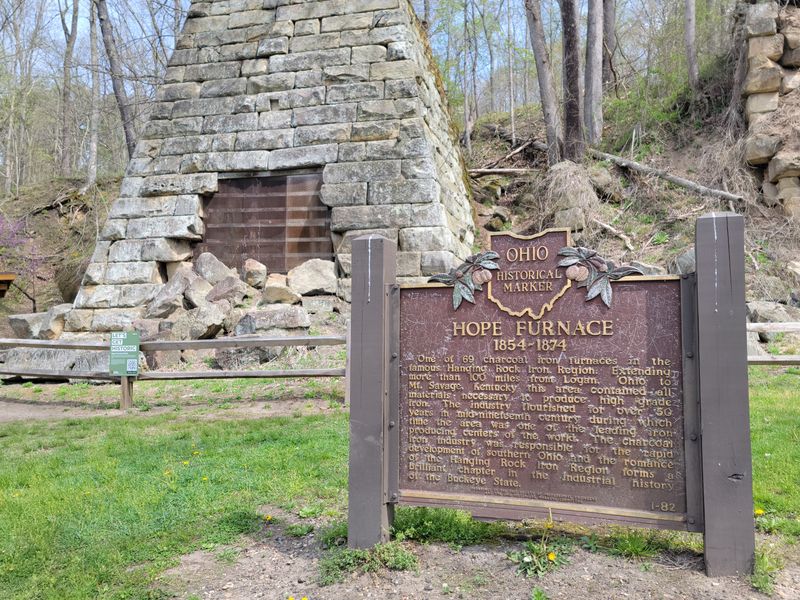
Stone blocks rise into a hollow pyramid that seems to breathe cool air.
The iron furnace stands tucked in the trees with moss at its feet.
Birdsong darts between walls that once rang with labor and heat.
Dampness deepens the color of the stone and sharpens the smell of soil.
Information signs tell of charcoal, ore, and the ghost economy of company towns.
Standing close, you feel the weight of a fire that is long gone.
Footpaths lead around the stack and back to the road without hurry.
Your footsteps stay soft while the forest keeps its own ledger.
Photographs come out darker here, even when the canopy thins.
Breeze brings a suggestion of ash that memory might be inventing.
It is not a haunted place so much as a charged one.
Ohio’s industrial past is written in sandstone and careful arches.
The ruins are sturdy, yet the mood feels fragile and easily broken.
Step lightly, read everything, and let the quiet do most of the talk.
You will leave slower than you arrived, and that feels exactly right.
9. Ohio State Reformatory, Mansfield
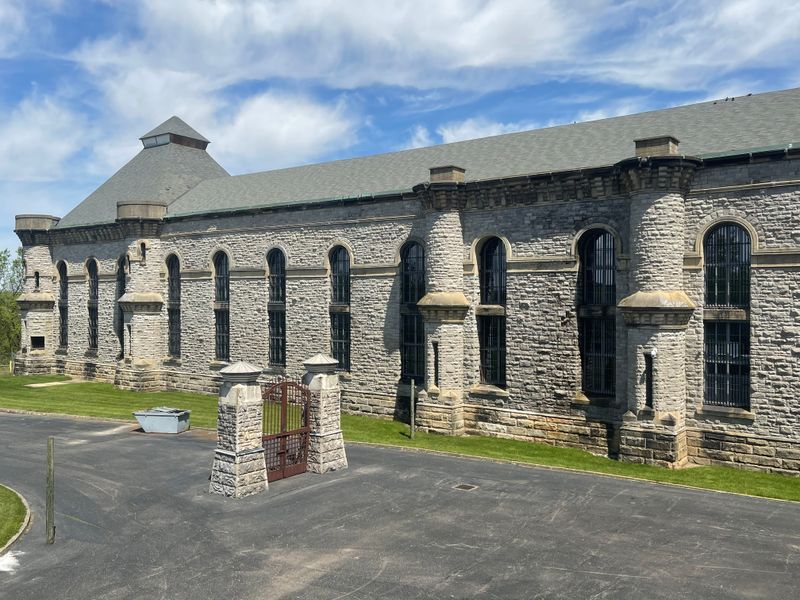
Ohio State Reformatory rises behind quiet streets in Mansfield, and its size changes the air before you reach the gate.
The limestone facade looks orderly from a distance, yet the closer view reveals weathering, dark windows, and long corridors of shadow.
This former prison is best known to many travelers as a filming location for The Shawshank Redemption, which adds recognition to an already heavy mood.
Even in daylight, the building carries a silence that feels structured, as if sound is expected to stay in line.
You can join guided tours and seasonal programs that focus on history, architecture, and preservation rather than cheap scares.
Inside, the scale becomes personal, because the hallways narrow your attention and make your footsteps sound sharper than expected.
Cells repeat in long rows, and the repetition creates a rhythm that can feel hypnotic once you stop checking the time.
The chapel, administrative spaces, and utility areas show how a whole world once operated indoors, separate from ordinary town life.
You do not need to believe in anything supernatural to feel unsettled, because confinement leaves its imprint on design and light.
Docents and exhibits help anchor what you are seeing in dates, reforms, and lived reality rather than rumor.
If you pause on a landing, you can watch dust drift through window beams, and the building feels both frozen and still working.
The best way to experience it is slowly, because rushing turns details into noise and misses the weight the place carries.
Outside, the grounds feel calmer, but the walls keep their presence, and your shoulders may stay slightly raised.
Plan for quiet after your visit, because the mind tends to replay hallways and doorframes once you are back in the open.
Find Ohio State Reformatory at 100 Reformatory Rd, Mansfield, OH 44905, with parking and a clearly marked visitor entrance.
You leave with a deeper sense of Ohio’s industrial era and justice history, and the hush follows you to the car.
Dear Reader: This page may contain affiliate links which may earn a commission if you click through and make a purchase. Our independent journalism is not influenced by any advertiser or commercial initiative unless it is clearly marked as sponsored content. As travel products change, please be sure to reconfirm all details and stay up to date with current events to ensure a safe and successful trip.
