Wood chips pressed into green grass mark the footprint of a fort that history nearly swallowed whole. I had stopped near a small Ohio town expecting a quick stretch of the legs and found myself standing inside a long rectangle where soldiers once shivered through a brutal winter.
There was no stockade, no cannon, no tower, just the outline of what had been. The quiet was broken only by the hum of trucks in the distance and the wind moving through the sycamores along the river.
Inside the small museum, buttons, buckles, and musket parts sat in glass cases, pulled from the dirt outside decades ago. A simple marker for one unnamed soldier who never made it home got me most.
This was the only Revolutionary War fort built in what is now Ohio, and after learning how close it came to vanishing completely, I understood why the people here guard it so fiercely.
The Rectangle in the Grass That Marks a Vanished Fort
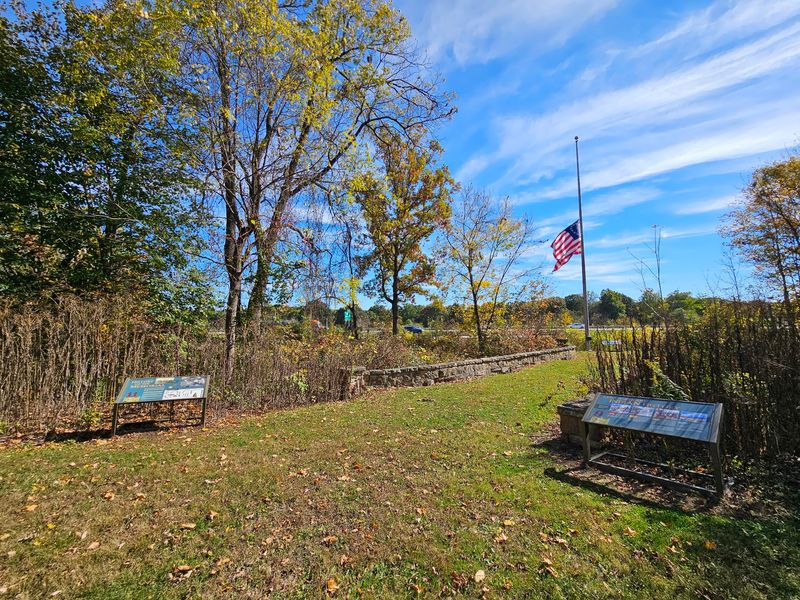
The first thing I noticed was how ordinary it looked. A mowed field, a few benches, and then that long rectangle of wood chips cut into the turf.
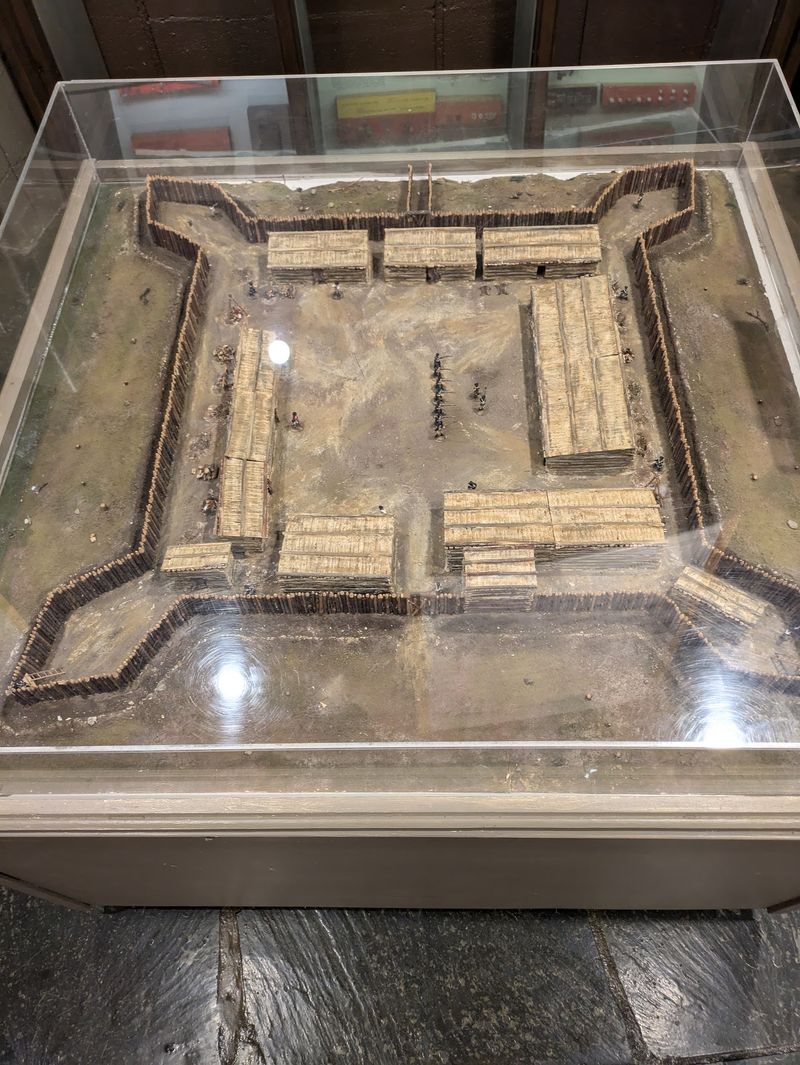
Those chips trace where the timber walls of Fort Laurens once stood, and walking the perimeter takes only a few minutes. It is strange to realize you can circle an entire military outpost while barely breaking a sweat.
Nothing original stands above ground here anymore, which is exactly why the outline matters so much. Without it, most visitors would never grasp how small and exposed this place really was.
I paced along one side and tried to picture rough-cut logs rising above my head, sentries watching the treeline, and smoke drifting from cooking fires. The scale surprised me.
Roughly 170 men were crammed inside during the worst stretch.
Signs placed around the field explain which corner held a bastion and where the gate opened toward the river. Reading them while standing in the actual spot beats any classroom lesson I ever sat through.
Give yourself time to walk it slowly. The emptiness is part of the story, and rushing past means missing the point entirely.
A Month-Long Siege and Boiled Moccasins
Of everything I learned here, the winter of 1778 to 1779 stuck with me hardest.
British-led Indigenous forces surrounded the fort starting on February 22, 1779, and the siege dragged on for about a month. Supply wagons could not get through, and what little food remained ran out fast.
Accounts from the period describe soldiers boiling their moccasins and eating the leather. I read that line twice standing in the museum, then looked back out at the field.
Twenty-three soldiers passed away at Fort Laurens. Some fell in fighting outside the walls, others to starvation, cold and illness within them.
The exhibits handle this without drama, letting the artifacts and records speak. That restraint made it land harder for me than any reenactment could.
Visiting in cooler months adds something, honestly. When the wind comes across the open field and cuts through your jacket, the story stops feeling like a distant paragraph in a textbook.
Bring a warm layer if you come in spring or fall. It seems like a small thing, but feeling a little cold here is part of understanding the place.
Why the Army Simply Walked Away in 1779
Abandonment sounds like failure, but the decision made grim sense.
By August 1779, keeping Fort Laurens stocked had become nearly impossible. Every barrel of flour and every musket ball had to travel long distances through difficult country, often under threat of attack.
The planned march on Detroit also fizzled, and American strategy in the west shifted elsewhere. Without that campaign, the fort guarded a position that no longer mattered.
So the garrison packed up and left, and the Ohio country lost its only Revolutionary War fortification after less than a year of use.
Standing where the gate once stood, I kept thinking about how quickly a place built with so much effort became irrelevant. Ten days to build, roughly nine months of occupation, then silence.
Local nicknames over the years were not kind, and one reviewer still called it Fort Nonsense. I get the criticism, but short-lived does not mean unimportant.
Men passed away here defending a claim to territory that later became an entire state. That deserves a stop on anyone’s road trip through Tuscarawas County.
The museum video lays out the reasoning better than any sign could.
How a Canal, a Farm Plow and a Highway Erased the Rest
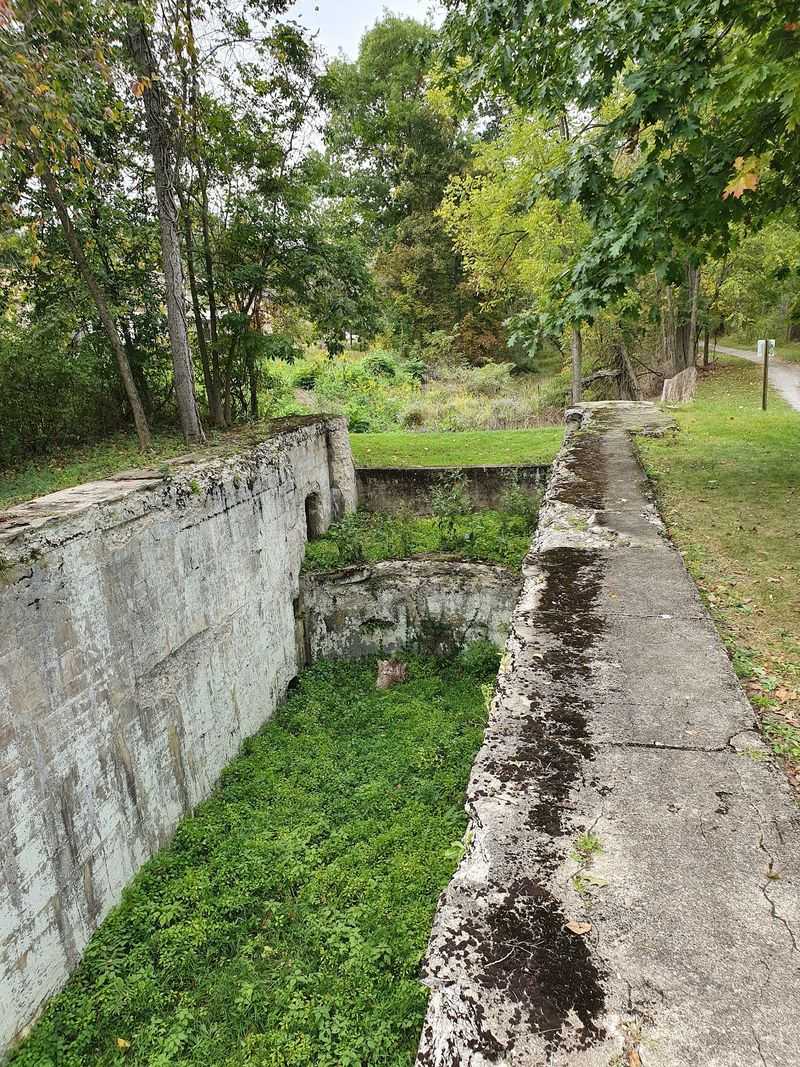
Three separate waves of change nearly wiped this site off the map, and none of them meant any harm.
In 1832, crews digging the Ohio and Erie Canal cut straight through the fort’s eastern wall and its bastions. Progress needed a route, and the ruins were in the way.
Around 1853, the Gibler family bought the land and leveled the ground for farming, smoothing over whatever earthworks remained.
Then in the 1960s, the Tuscarawas River itself was rerouted to make room for Interstate 77.
By the time preservation efforts got serious, there was almost nothing left to save above ground. That is the part that honestly stunned me.
You can still hear the highway from the field, a steady low rush behind the birdsong. Some visitors find it distracting, though I came to appreciate the reminder.
Modern life rolled right over this ground, and only stubborn local effort kept the site from disappearing entirely.
Look east while you walk, and try to picture the canal channel and the old riverbed. Knowing what was removed makes the surviving outline feel far more precious than it first appears.
Small Museum, Genuinely Good Artifacts
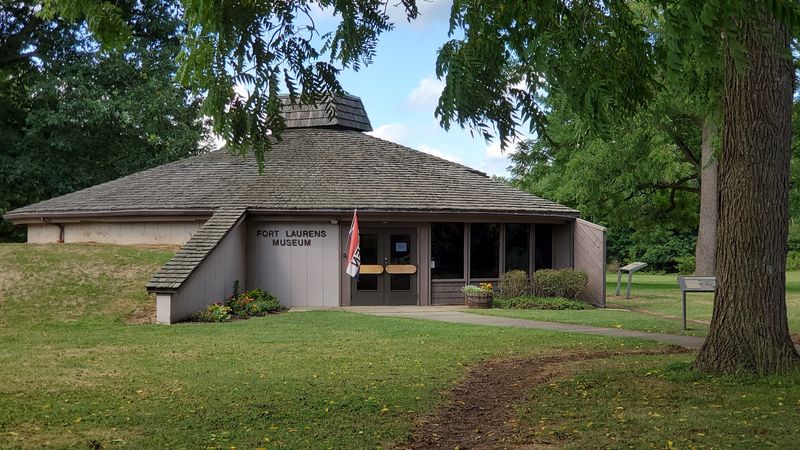
I almost skipped the museum because of its size. That would have been a mistake.
Run by the Zoar Community Association, the building holds exhibits, dioramas, interpretive panels and a video that ties the whole story together. Most of the artifacts came out of archaeological digs in the 1970s.
Buttons, buckles, tools, gun parts and fragments of daily life sit in cases with clear labels explaining what each piece says about the soldiers who left it behind.
A regimental button might not look impressive at first glance, but it tells researchers which units served here. Small objects, big conclusions.
Plan on an hour or two inside, depending on how much you like reading every panel. I am guilty of reading all of them.
Staff and volunteers here clearly care about the place, and several visitors have mentioned how willing they are to answer questions. That enthusiasm rubs off quickly.
Museum season generally runs May through October, with hours shifting by month, so a quick check before driving out saves disappointment. The grounds themselves stay open during daylight hours all year, which makes an off-season stop still worthwhile.
The Tomb of the Unknown Patriot of the American Revolution
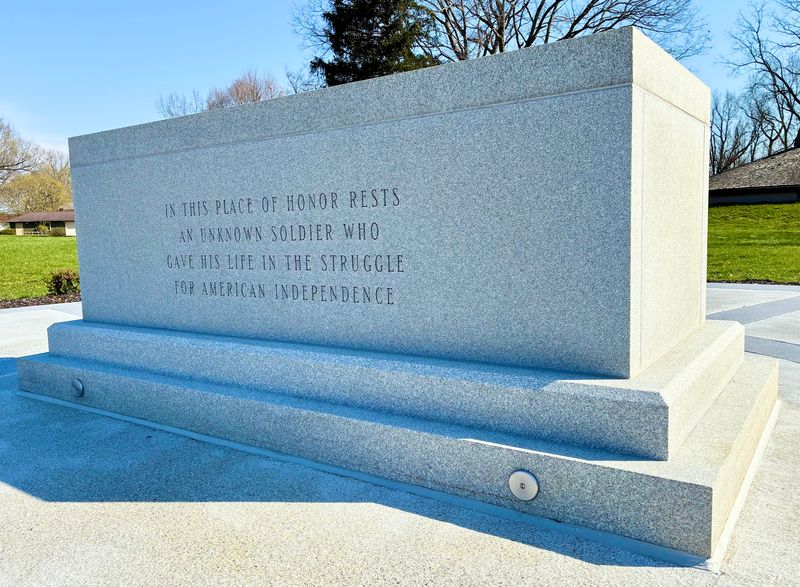
Few memorials have slowed me down the way this one did.
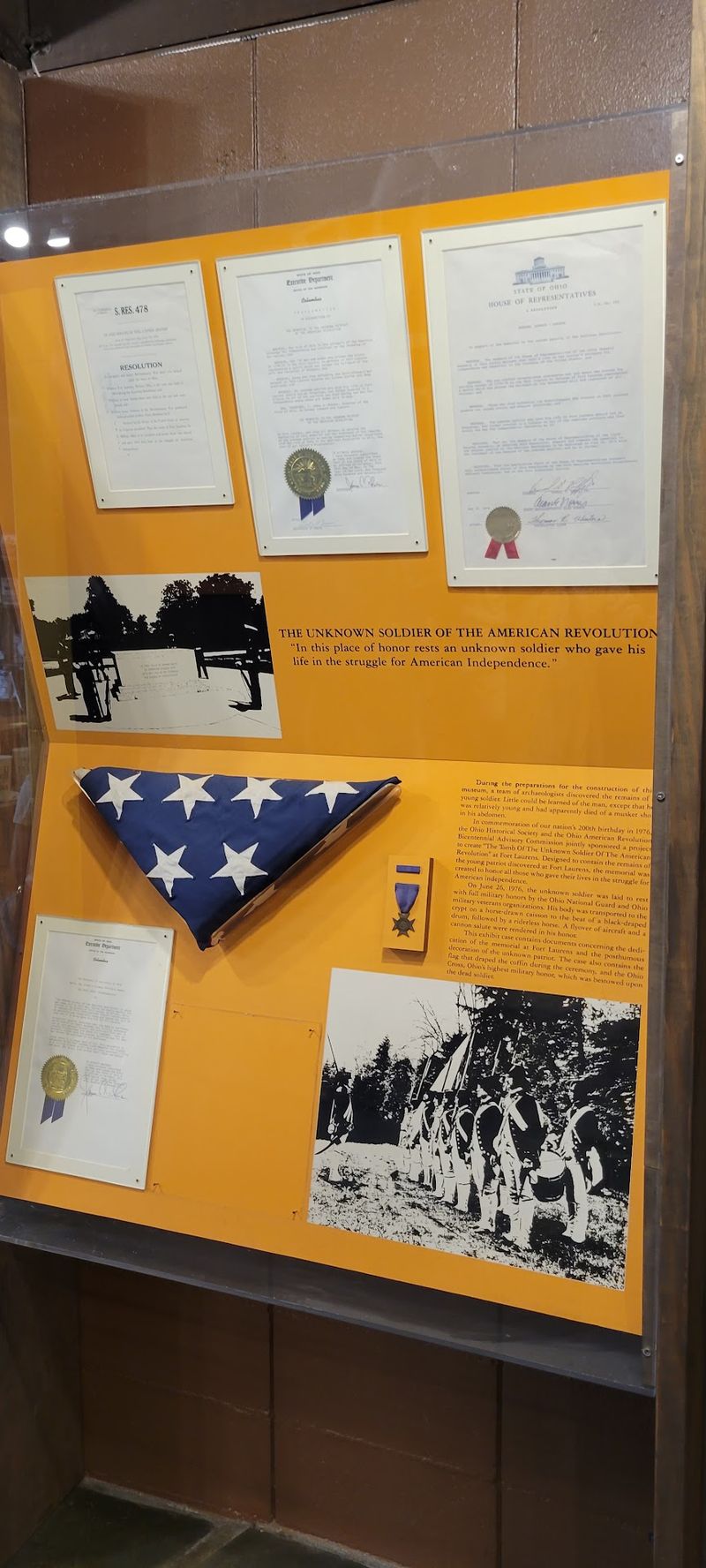
During archaeological work in the 1970s and 1980s, researchers uncovered the graves of soldiers who passed away at the fort. One set of remains was reinterred with full military honors in the Tomb of the Unknown Patriot of the American Revolution.
Others were placed in a crypt within the museum wall, which means you walk past them on your way inside.
It is the only memorial of its kind dedicated to an unidentified Revolutionary War defender, and that fact alone makes the site significant well beyond Ohio.
I stood there longer than I planned. There is something about honoring a person whose name nobody will ever recover that cuts through the usual monument routine.
Visitors frequently note how much respect is shown here, and the grounds around the tomb are kept clean and simple. No clutter, no gift shop energy, just quiet.
If you bring children, this is the spot worth explaining carefully. Kids tend to understand a missing name faster than they understand troop movements or supply lines.
Trails, Picnic Tables and the Towpath Connection
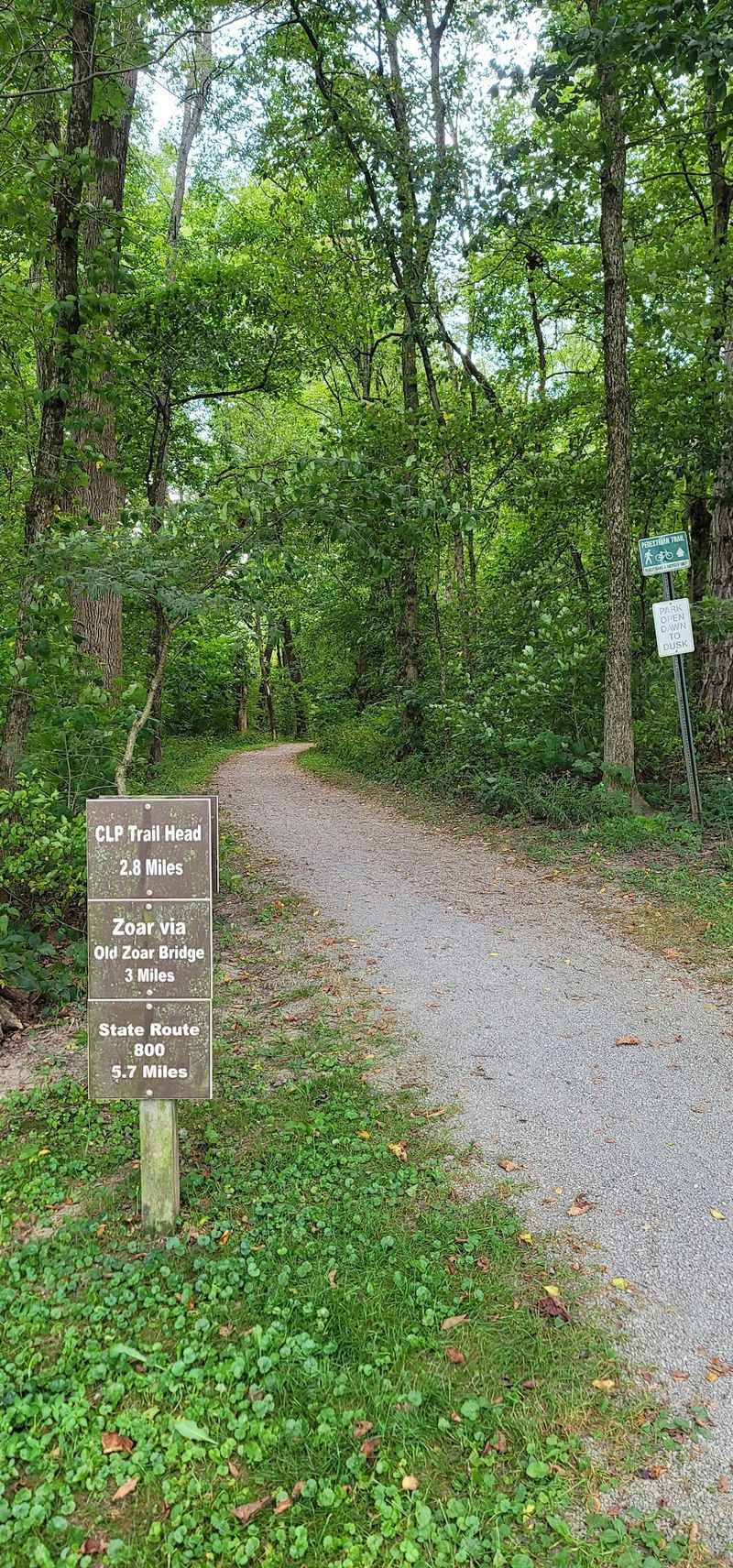
Here is the part many people do not expect from a historic site: the trails are excellent.
Fort Laurens sits inside a larger park with picnic shelters and direct access to the Ohio and Erie Canal Towpath Trail. Bring a bike and the visit turns into a half-day outing.
Walkers, cyclists and sometimes riders on horseback share the path, and the route stretches far enough that you can log serious mileage without circling back.
Autumn along the towpath is a treat, with leaves piling up in rusty reds and pale golds. In spring, the river bottom greens up fast and the birds get loud.
I packed a sandwich and ate at one of the tables near the field, which felt like the right pace for the place. Rushing here would be a shame.
Squirrels and chipmunks are the usual wildlife, though patient walkers spot more. Bring water, since shade is uneven in stretches.
The combination works well for families where not everyone shares the same enthusiasm for military history. History for one, fresh air for another, and both groups leave satisfied.
Living History Weekends Bring the Field to Life
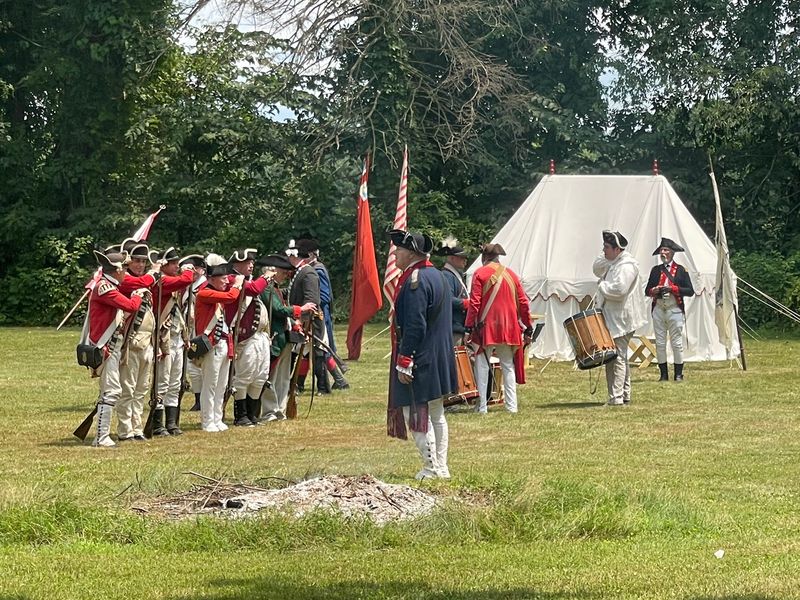
An empty field transforms completely when the reenactors arrive.
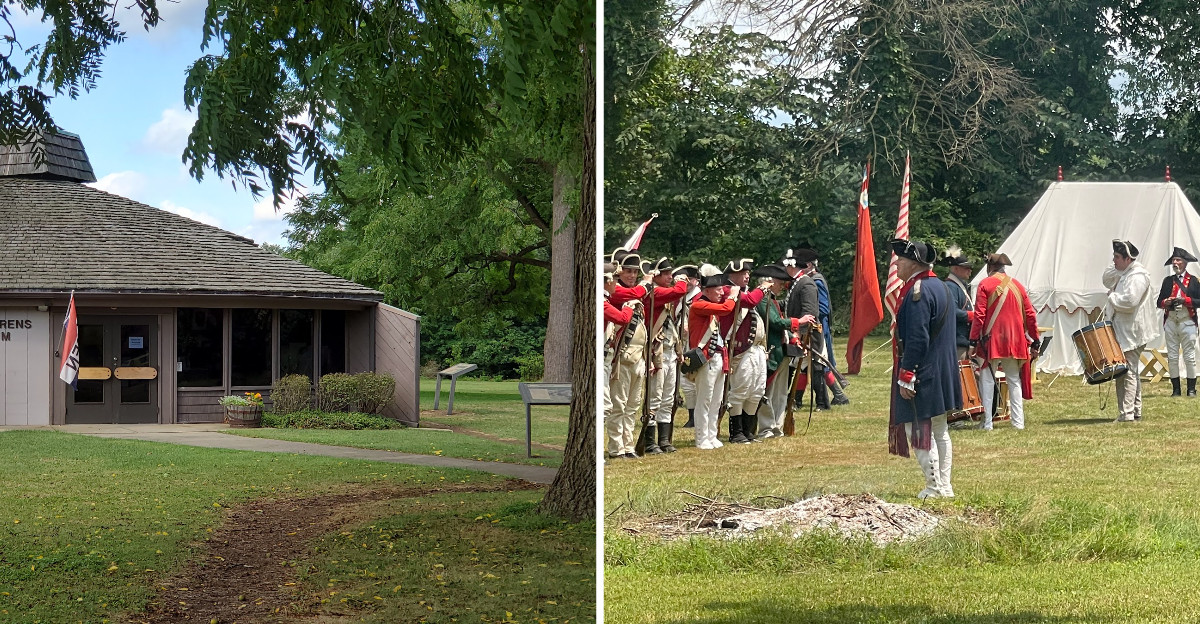
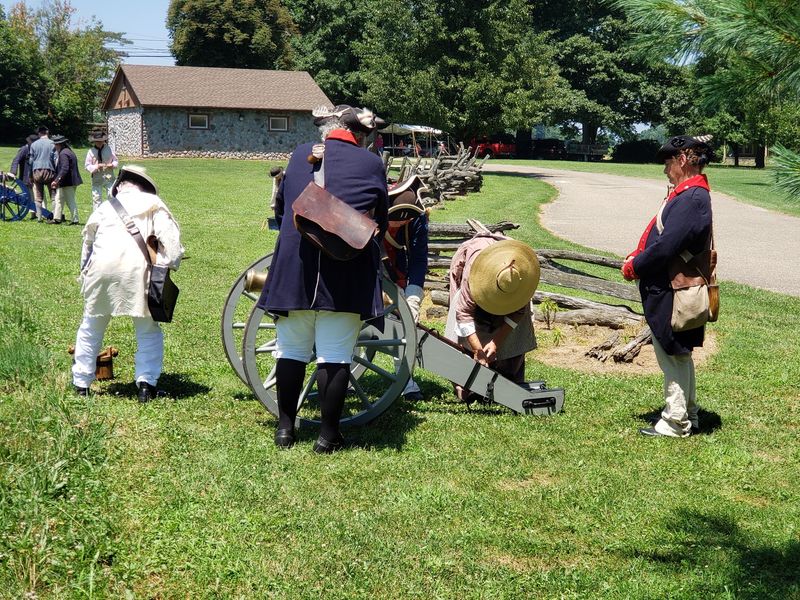
Fort Laurens hosts living history events through the warmer months, with canvas tents pitched across the grass and demonstrations of drills, weapons and frontier crafts. A large annual event typically lands in July.
Costumed interpreters answer questions directly, which is how I learned more in twenty minutes than I would have from an hour of reading.
School groups, scout troops and homeschool days also fill the calendar, and volunteers set up stations covering different pieces of frontier life. Kids get to handle reproductions and ask the questions adults are too shy to ask.
Because school programs occasionally take over the grounds, checking the schedule before a long drive is smart. One visitor drove two hours only to find the park reserved for an event.
A quick phone call at 330-874-2059 or a look at the website solves that easily.
My advice is to build a trip around one of these weekends if your schedule allows. Musket smoke drifting over the wood chip outline does something no interpretive sign can manage, and the whole site suddenly makes sense.
Pairing the Visit With Historic Zoar Village
Two historic sites, ten minutes apart, completely different centuries. That combination makes this corner of Tuscarawas County worth a full day.
Historic Zoar Village sits just down the road, founded decades after the fort was abandoned by German separatists who built a tidy, self-sufficient community. Brick buildings, gardens and shops line the streets, and the contrast with the bare fort field is striking.
One place shows a settlement that thrived. The other shows one that could not survive its first winter.
I moved from Fort Laurens to Zoar in the same afternoon and found the pairing surprisingly powerful. Same river valley, two very different outcomes.
An Ohio History Connection membership makes hopping between sites easier if you plan to visit several across the state.
Parking at Fort Laurens is simple, the grounds are flat and easy to walk, and the whole stop fits neatly into a drive along Interstate 77 between Canton and New Philadelphia.
Go for the trails, stay for the story, and come back in a few years when three walls stand again where they belong.
Address: 11067 Fort Laurens Road Northwest, Bolivar, Ohio
