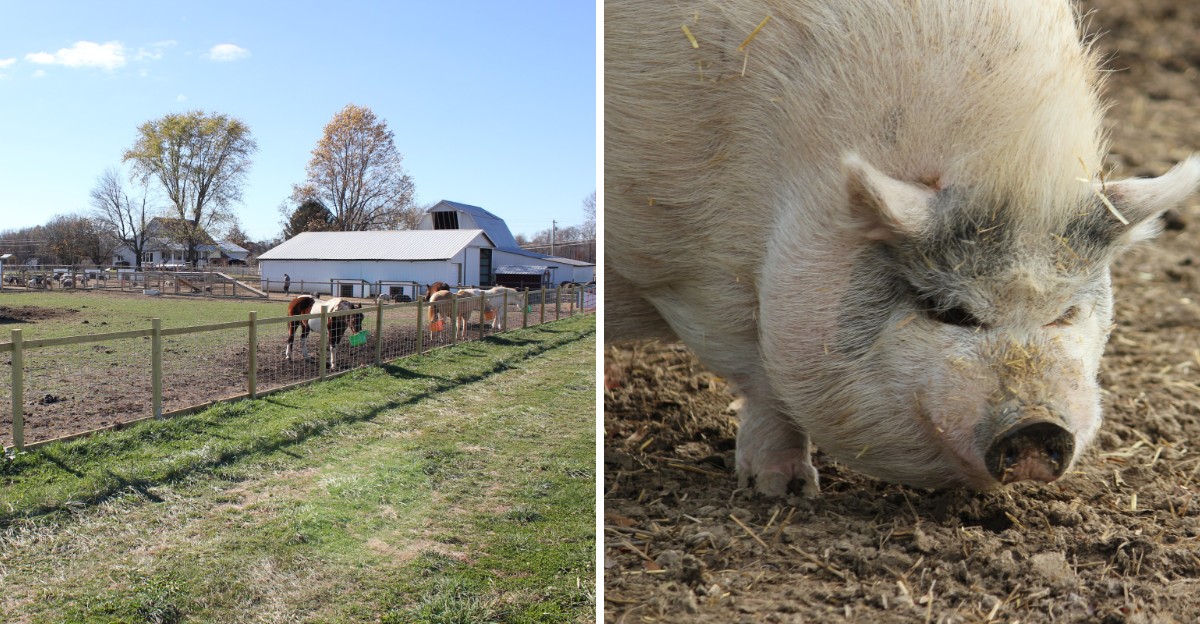
The pig wants a snack. The donkey wants a scratch.
The guinea fowl apparently has security duties. That is a fairly normal morning at this Indiana farm sanctuary, where more than 250 rescued animals have traded difficult beginnings for quiet days, full bellies, and plenty of straw.
Every animal has a name. Every animal has a story.
And somebody here knows both. The place is not designed like a petting zoo, and visitors do not simply wander through whenever they feel like it.
Tours are private, which makes the whole experience feel less like sightseeing and more like being allowed into a very busy animal household. A very large one.
With 250-plus residents and one extremely determined snack committee.
A Rescue Story That Started With Pot-Bellied Pigs
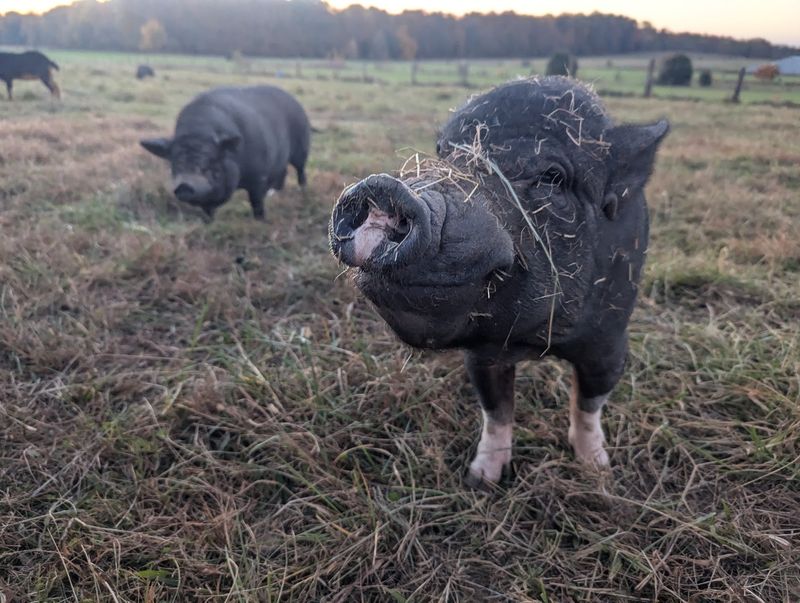
Every sanctuary has an origin story, and this one began in 2019 with pot-bellied pigs in Nashville, Indiana.
Founder Nancy Marshall started taking in pigs who had nowhere else to go, animals surrendered because of illness, neglect, or families who simply could not keep up with the cost of care.
Word traveled fast, as it tends to do when someone says yes. The original property filled up quickly, and by 2022 the whole operation moved to a larger farm in Spencer with more pasture, more barn space, and room to grow.
Official 501(c)(3) non-profit status followed in 2023, which turned a grassroots rescue effort into a recognized organization with a clear mission.
What makes the history worth knowing is how visibly it shaped the place. The layout, the pens, the feeding routines, all of it grew out of solving real problems for real animals rather than following a blueprint.
Visitors who ask about the early days usually hear about specific pigs, not statistics. That habit of remembering individuals runs through everything here.
Standing among the herds today, it takes a moment to picture the whole thing starting with a handful of pigs and one person deciding to help. Small beginnings, big results.
The growth from a few rescues to hundreds of residents in a handful of years says plenty about how much need exists in Indiana and how quickly compassion can scale when someone commits to it.
Meet Ethel and Fred, the Donkey Duo Who Live for Back Scratches
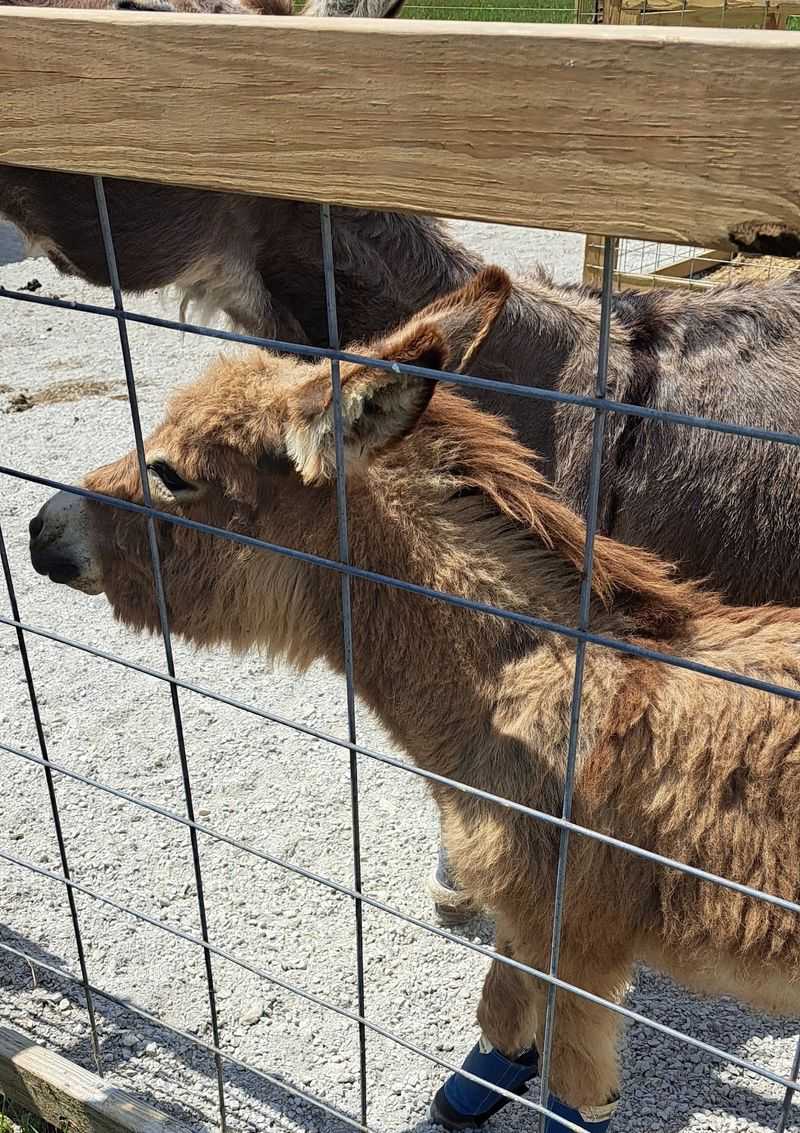
Some animals greet visitors before anyone has a chance to unlatch the gate. Ethel and Fred, a bonded mother and son donkey pair, have perfected the art of the hopeful approach.
Both of them are devoted fans of a good back scratch. Fingers work, but so does a stiff brush, and the moment contact happens the ears go sideways and the eyes half close in pure contentment.
Bonded pairs like these two are never separated, and that policy matters more than it might sound. Donkeys form deep attachments, and splitting a bonded pair can cause real distress, so keeping them together is part of the care plan rather than a nice extra.
They also make excellent ambassadors for the whole idea of the sanctuary. Guests who arrive unsure how to interact with large animals usually relax within minutes of meeting them.
Donkeys are famously smart, with long memories and a cautious streak that often gets mislabeled as stubbornness. Watch closely and it becomes obvious they are thinking, weighing whether a new person is worth trusting.
Earning that trust feels like a small honor. Bring patience, stand still, and let them come.
Tours often linger here longer than planned, which nobody seems to mind. Ethel and Fred have a way of slowing the pace of a visit down to donkey speed, and that turns out to be exactly the right speed.
Raisin the Snack Enthusiast and Her Best Friend Pearl
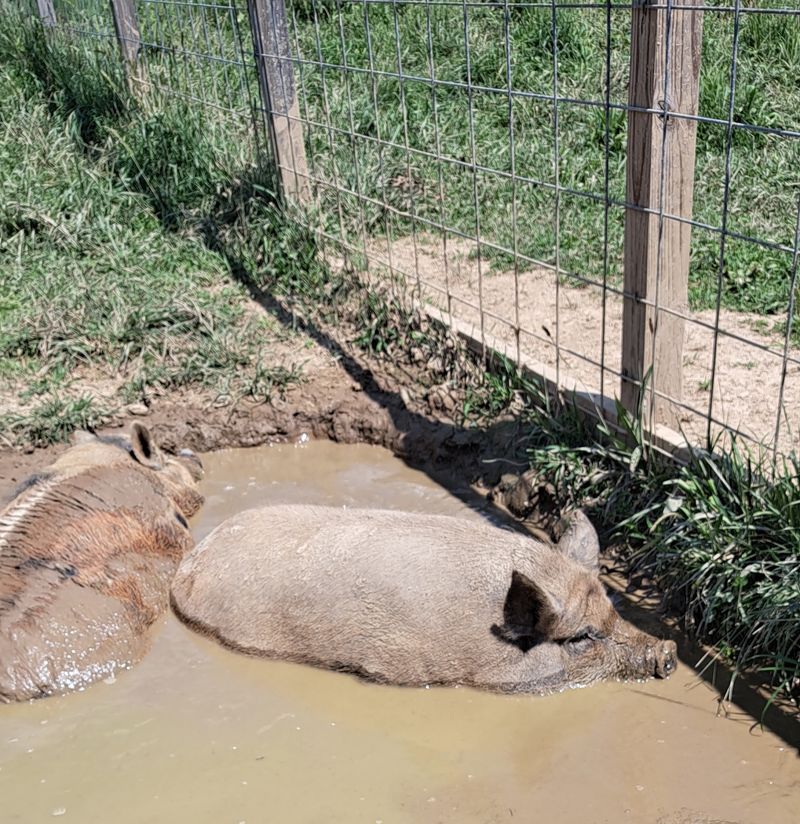
Raisin has priorities, and every single one of them involves food. She is a quirky pig with a serious appetite for snacks and absolutely no shame about asking.
Her closest companion is Pearl, and the two of them have the sort of friendship that turns a barn stall into a shared apartment. Where one goes, the other follows.
Pig friendships are genuinely complex. They recognize individuals, remember who shared food and who stole it, and sleep piled together for warmth and comfort in ways that look almost deliberate.
Watching Raisin work a crowd is a small comedy show. There is the tilted head, the optimistic snort, the slow sideways shuffle toward whoever is holding a bucket.
Behind the humor sits careful management. Pigs gain weight easily, and overfeeding causes joint trouble and mobility problems later in life, so treats at the sanctuary are measured and diets are planned around each animal’s health rather than each animal’s opinion.
Guests are guided on what can and cannot be offered, which protects residents like Raisin from their own enthusiasm.
Spending time with these two tends to change how people think about pigs in general. They are curious, opinionated, occasionally hilarious, and deeply social.
Anyone who arrives thinking of pigs as simple farm stock usually leaves with a very different impression, and Raisin deserves most of the credit for that conversion.
Senior Care Done Right, Including Penelope’s Arthritis Journey
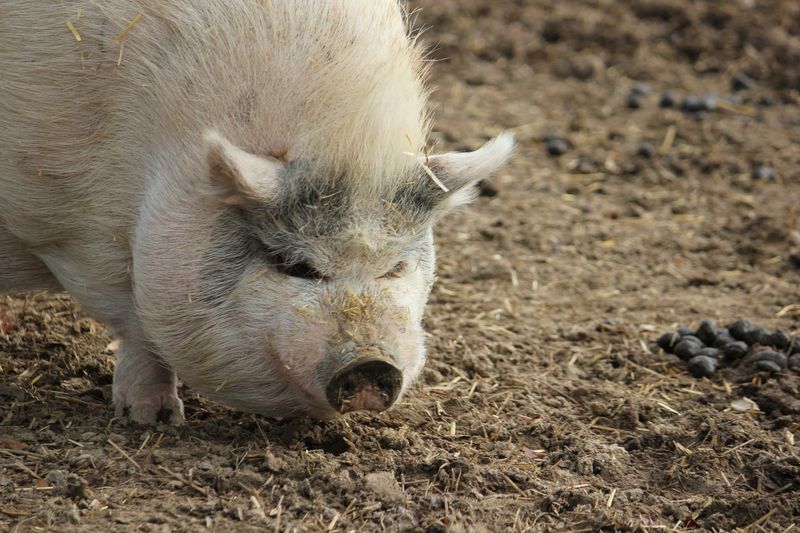
Aging animals are the ones most often left behind, and they are the ones this place specializes in. Penelope, a senior pig living with advanced arthritis, shows what that commitment looks like day to day.
Comfort becomes the whole goal. Extra bedding, level footing, shorter distances between food and water, medication schedules, and veterinary monitoring all combine into a routine designed around one animal’s changing body.
Mobility support for a large pig is no small project. Arthritis stiffens joints and makes standing up genuinely difficult, so small adjustments to a stall layout can mean the difference between struggling and resting easily.
Many residents arrive malnourished, underweight, or carrying the effects of years without proper care. Rebuilding their health takes months of steady nutrition and patient attention.
Nothing about this work is dramatic. It is repetitive, unglamorous, and measured in tiny improvements that only caretakers notice.
Visitors who see it up close often find it the most moving part of the tour. There is something quietly powerful about an old animal who finally gets to be comfortable.
The sanctuary’s promise is lifelong, which means no resident ages out and no diagnosis ends the arrangement. Animals stay until the end, cared for the whole way through.
That guarantee is rare, and it is the heart of why this hidden farm in Spencer matters so much to the animals who land here.
Private Tours Booked by Appointment, Not Drop-In Chaos
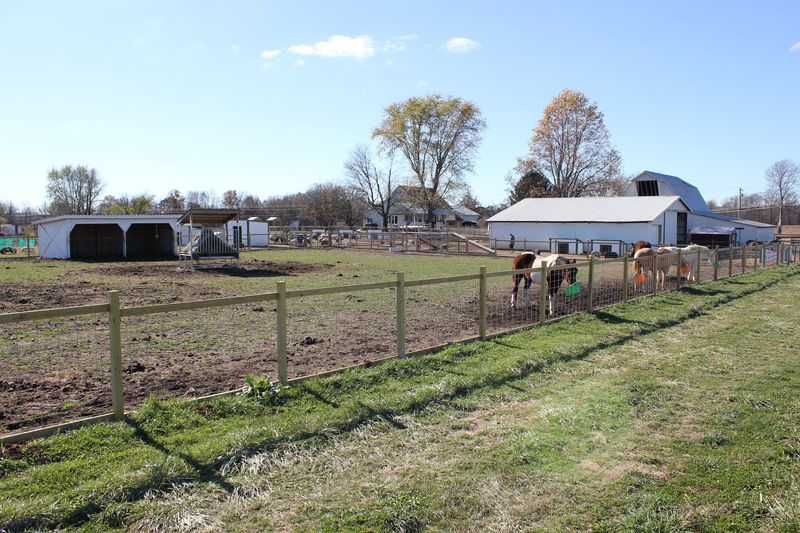
Here is a detail worth planning around. Visits happen through private tours arranged by appointment, so showing up unannounced is not the way in.
The farm sits at 622 W Flatwoods Rd in Spencer, roughly a half hour west of Bloomington through pretty Owen County countryside.
The appointment system exists for the animals, not to be difficult. Many residents came from stressful situations, and unpredictable crowds undo the calm that took months to build.
What guests get in exchange is far better than a self-guided wander. Tours move at a relaxed pace, questions get real answers, and introductions are made animal by animal.
Wear boots that can handle mud. Pastures are pastures, and Indiana weather does what it wants.
Small groups also mean the shy residents have a chance to come forward, which rarely happens when dozens of strangers are milling around at once. Patience gets rewarded here.
Occasional special events open the gates a little wider, so checking ahead is smart for anyone hoping to combine a visit with something festive. Either way, booking in advance turns a drive down a gravel road into a genuinely unhurried morning among animals who have all the time in the world.
The Living Laboratory Where Kids Learn Science From Real Animals
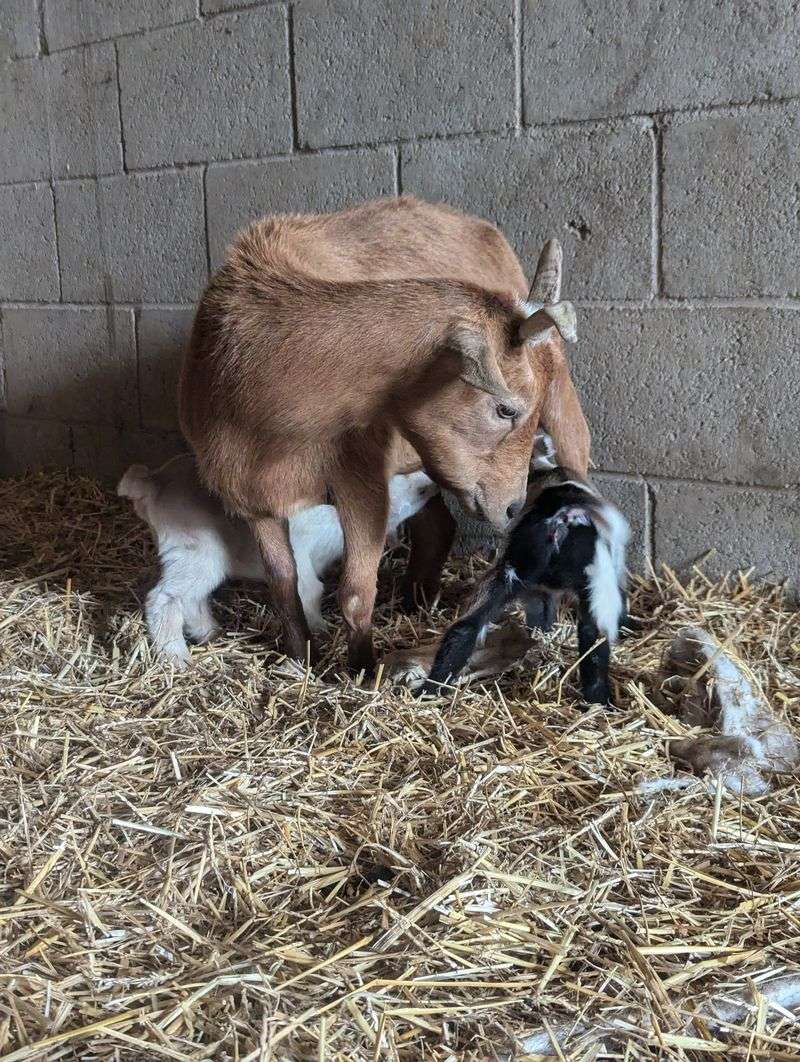
Science textbooks are fine, but a goat chewing hay three feet away teaches faster. That is the thinking behind The Living Laboratory at Compass Rose Farm Sanctuary, an educational program built around hands-on observation.
Children explore living systems by watching them work. Digestion, herd behavior, animal anatomy, food chains, soil, weather, and the daily labor of keeping creatures healthy all become visible instead of abstract.
Responsible stewardship gets taught the same way, by example. Kids see what it actually takes to feed, water, treat, and shelter over 250 animals, and the scale of that effort tends to stick with them.
Direct engagement with animals builds empathy in a way lectures cannot match. Meeting an individual with a name and a history changes how a young person thinks about farm animals in general.
There is also plenty of ordinary fun in it. Chickens are excellent comedians, and turkeys have opinions about everything.
Guinea fowl patrol the property with a noisy urgency that delights children and startles first-time visitors. Nobody forgets that sound.
For families, teachers, and homeschool groups across Indiana, programming like this turns a farm visit into something closer to a field study with real stakes. The animals are not props.
They are residents, and learning to treat them that way may be the most valuable lesson the sanctuary offers to anyone under the age of twelve.
Community Muscle, From the Gosport Rescue to Sponsoring an Animal
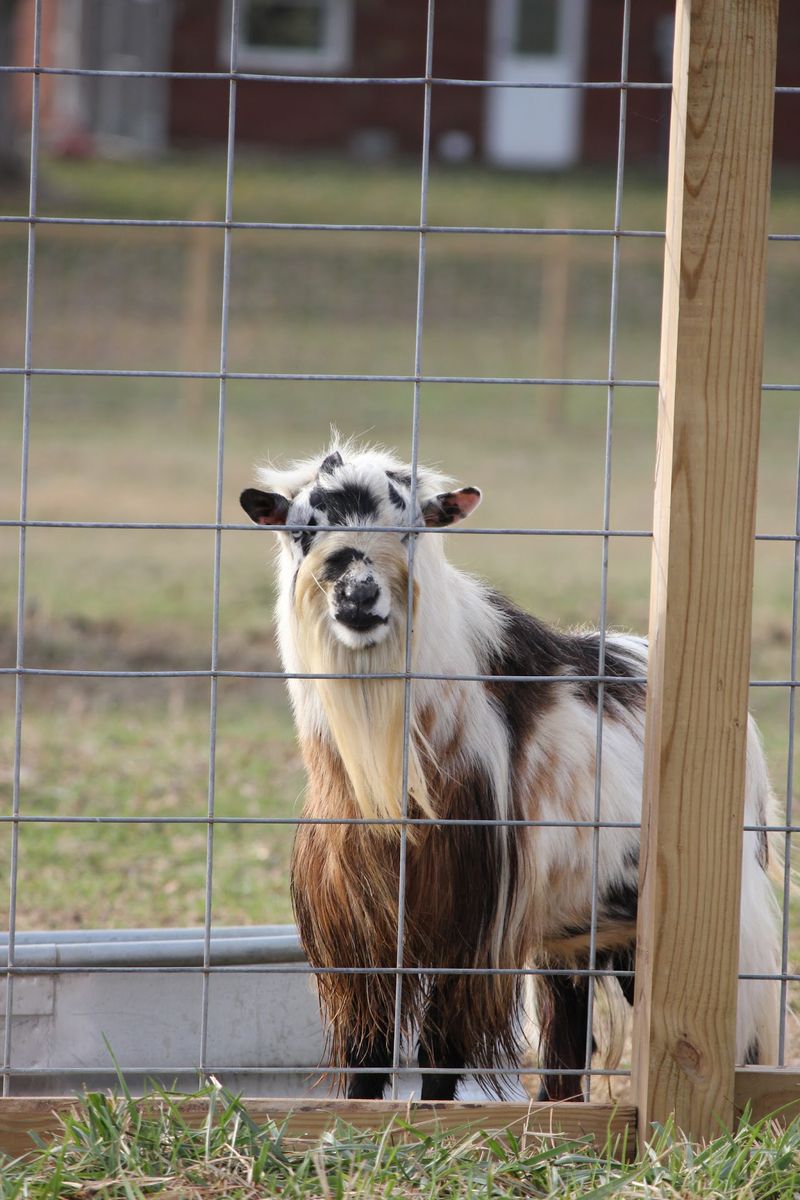
In 2024, a large animal rescue operation in Gosport, Indiana tested what this sanctuary could do under pressure. Compass Rose played a key role, coordinating with others to move animals quickly and compassionately when time mattered.
Emergencies like that reveal the strength of a network. Trailers, intake space, veterinary contacts, feed, and people willing to work long hours all have to come together fast.
Day to day, the same community support keeps the place running. As a donor-funded non-profit, the sanctuary depends on one-time gifts, monthly giving, animal sponsorships, and volunteers who show up to haul water and clean stalls.
Sponsorship is a nice option for anyone who falls for a particular resident during a tour. Adopting a favorite pig or donkey on paper helps cover that animal’s food and medical care.
Volunteering is honest work. Muddy boots, sore shoulders, and a surprising amount of laughing.
The long-term vision includes an accessible farm setting where people of all abilities can spend time with farm animals, which widens the circle of who gets to experience this kind of connection.
For visitors, the takeaway is simple. A tour is not the end of the relationship, and even small ongoing support translates directly into hay, medicine, and warm bedding for animals who spent earlier years without any of it.
That link between a visit and an animal’s comfort is what keeps people coming back.
