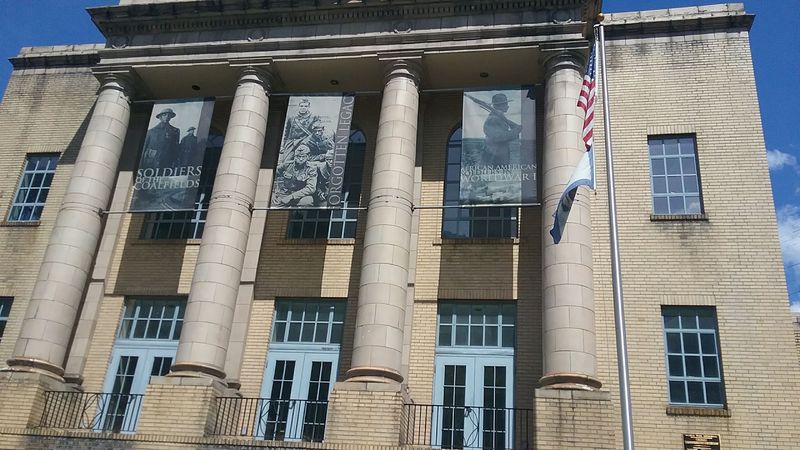
Some places surprise you the moment you pull off the road, and this one sits quietly in the mountains of West Virginia waiting to tell its story. From the outside it looks like a handsome old building, but step inside and you find history that stretches back over a century.
It honors people whose service was once overlooked, and it holds memories of towns changed forever by time and water. Once you learn what happened here, you may never drive past without slowing down.
A Landmark Tucked Into the Heart of McDowell County
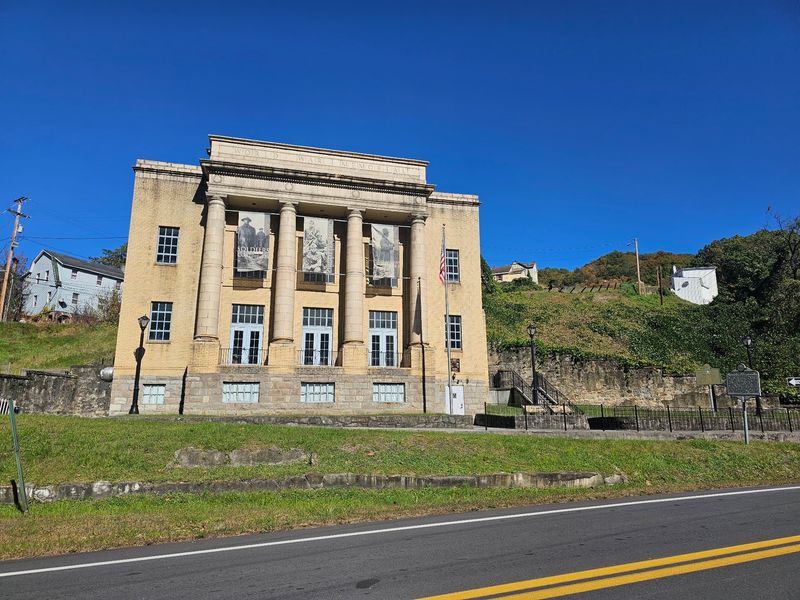
Sitting along a quiet street in Kimball, West Virginia, the Kimball War Memorial rises up as one of those buildings that makes you tap the brakes and take a second look. It carries the weight of decades in its brickwork and columns.
Deep in McDowell County, the memorial keeps company with the ridges and railroad lines that shaped this corner of coal country. Visitors often describe stumbling onto it while passing through, then realizing they had found something far more meaningful than expected.
The building serves as a war memorial, a role it has held since the years following the First World War. Folks who stop by mention how interesting it is simply to stand outside, read the historical signs, and soak in the setting.
You will find it at a spot where the mountains press close and trains still rumble through nearby tunnels. That combination of scenery and history gives the place a lonesome, dignified beauty.
For anyone curious about West Virginia’s past, this is a corner of the state that rewards the traveler willing to wander a little off the main path.
The First Memorial of Its Kind in the Nation
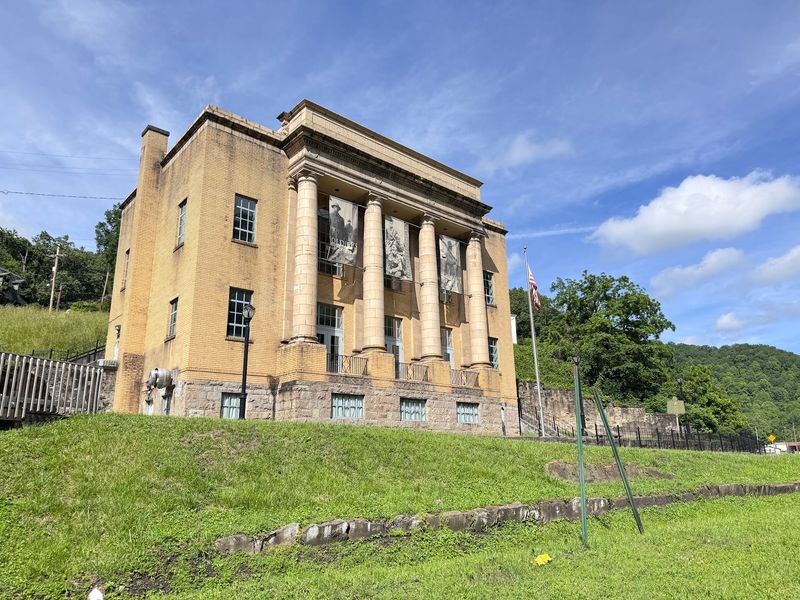
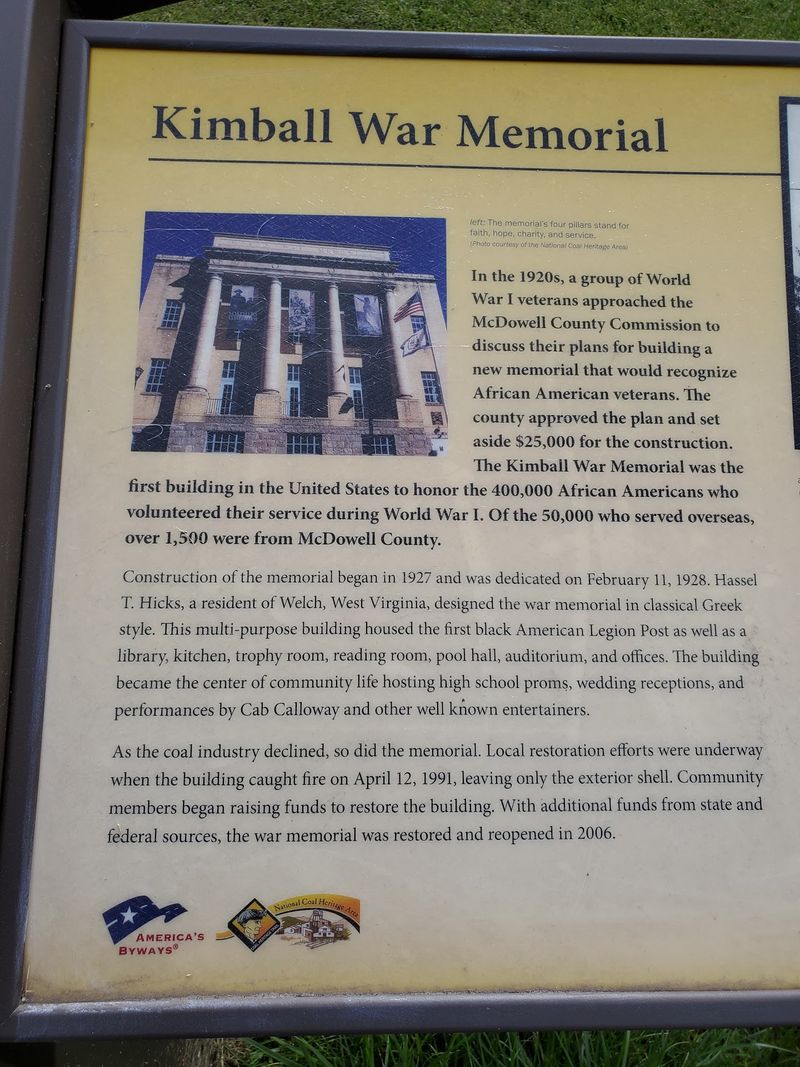
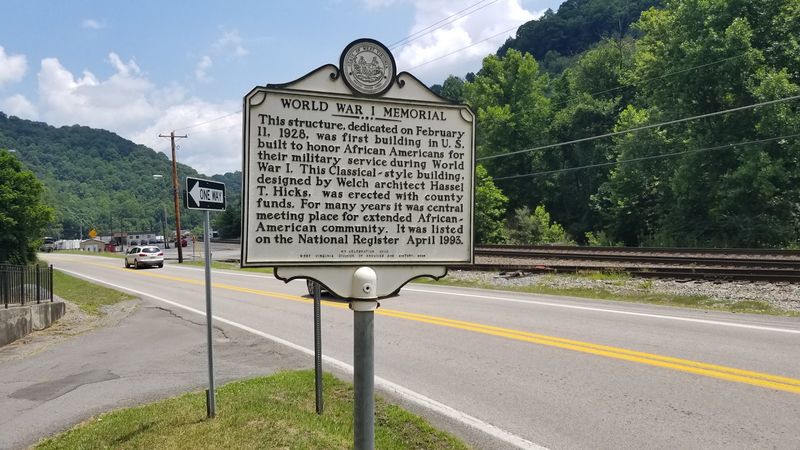
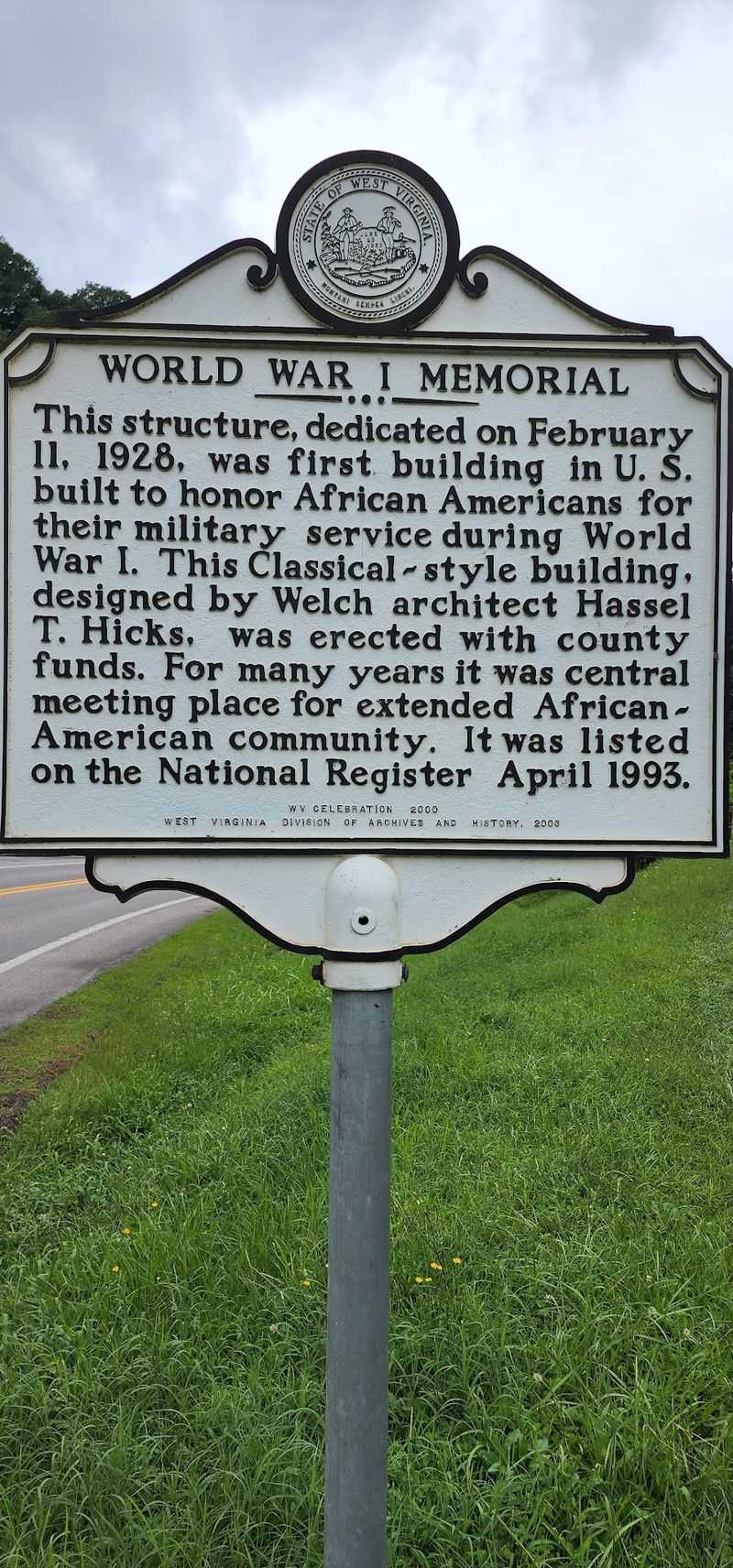
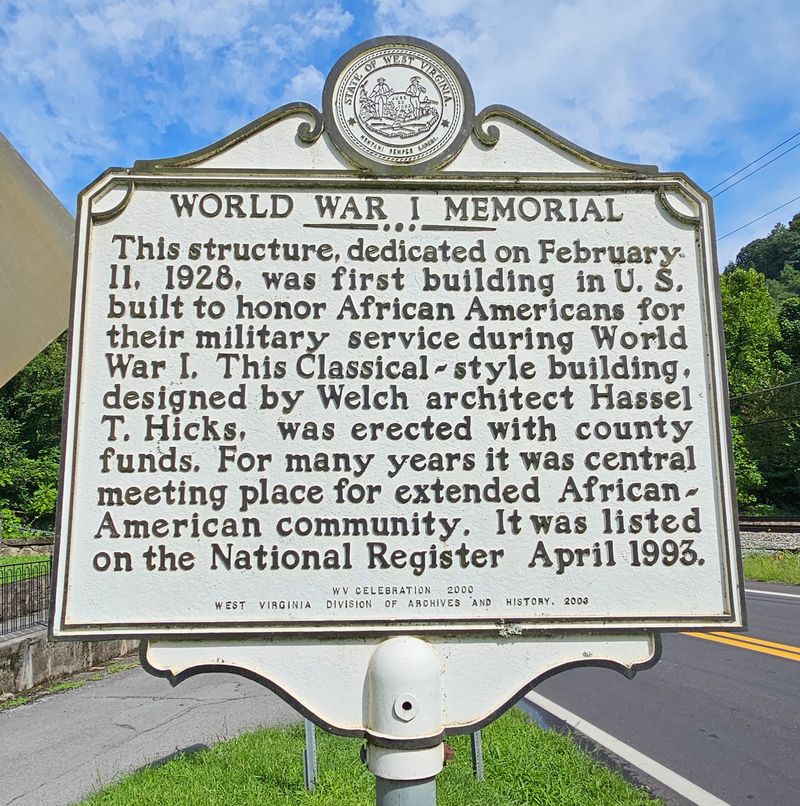
Here is what makes this place truly extraordinary: it was built to honor African American soldiers who served in the First World War. According to those who know its history, it was the very first memorial of its kind in the country.
Not only was it the first, it is now reported to be the only surviving one of its type in the entire United States. That single fact turns a modest mountain building into something regularly described as a national treasure.
A history scholar who visited called it a remarkable historic gem, well worth the short scenic drive from Bluefield, Princeton, or Beckley. When someone with that background takes the time to write down such praise, it tells you the significance runs deep.
Consider what it meant, in its era, for a community to raise a lasting tribute to Black servicemen. That choice reflected pride, courage, and a determination that their sacrifice would not be forgotten.
Standing before it today, you feel connected to a story that belongs not just to McDowell County but to the whole nation’s memory.
Grand Architecture Built to Last
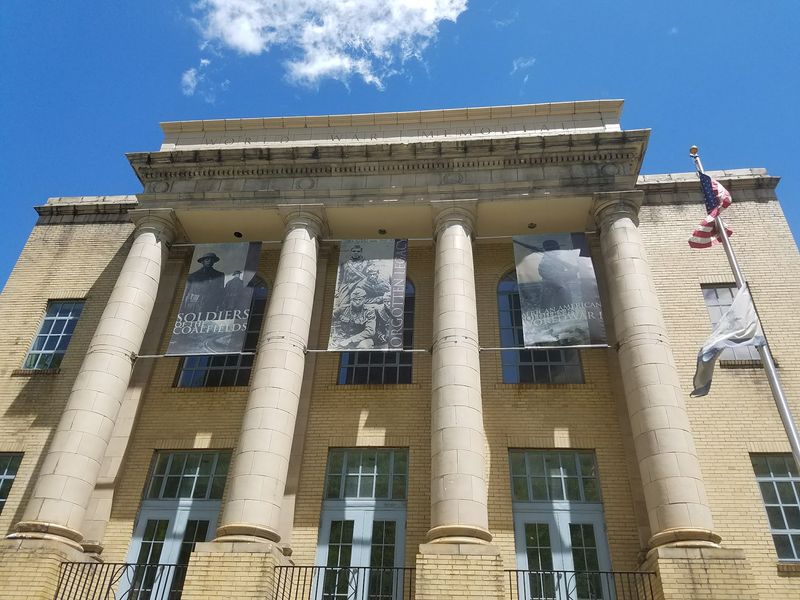
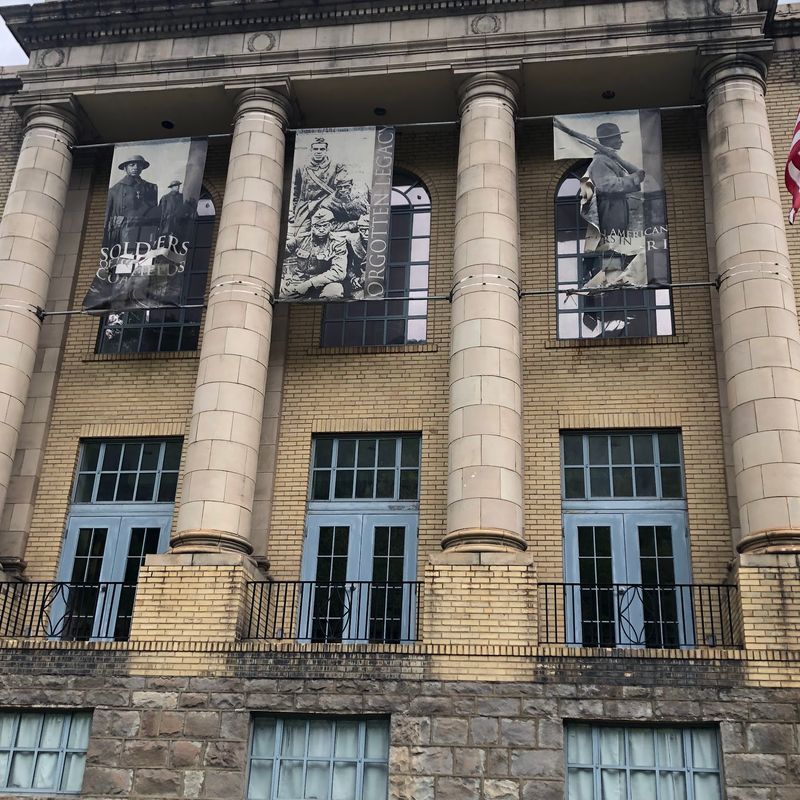
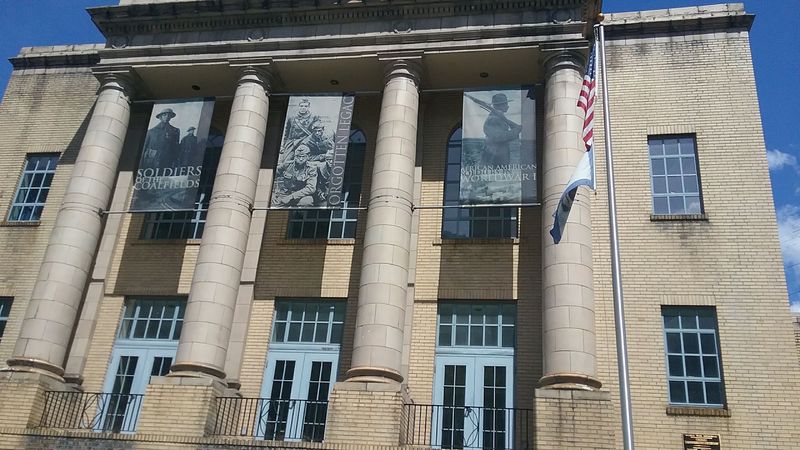
Picture a building designed to command respect, and you begin to understand the presence of this memorial. Its handsome brick face and columned entrance give it the look of something you might expect in a much larger city.
Travelers who never make it through the doors still walk away impressed. More than one visitor has noted that even from the outside, the building simply looks nice and carries an air of importance.
The scale of it stands out against the surrounding small-town streets. In a region where so many grand structures have faded, this one endures as a proud reminder of the ambition that once filled these coalfields.
Inside, guests describe clean, well-kept spaces, including a renovated kitchen and tidy restrooms. That attention to upkeep shows how much the community values the place and wants it ready for guests.
Good bones, thoughtful care, and a design meant to honor sacrifice all come together here. The architecture itself feels like part of the tribute, standing firm through generations and inviting each new visitor to pause and appreciate the craftsmanship of an earlier age.
Walls Lined With Photographs and Stories
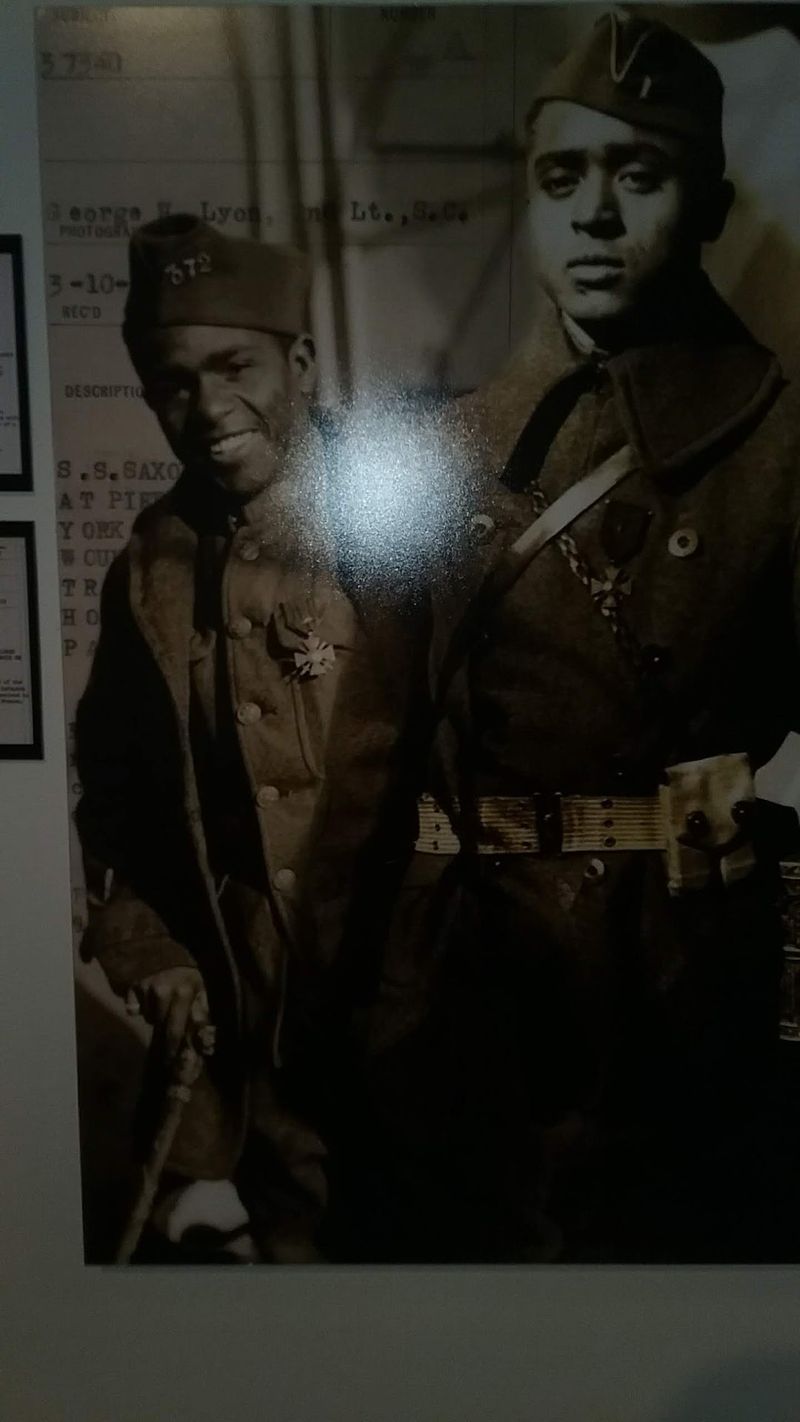
Step through the doors when it is open, and you enter a space filled with beautiful photographs that pull you straight into the past. Visitors describe rooms rich with history and images that reward slow, careful looking.
Each picture seems to hold a story, and lucky guests get those stories told aloud. One visitor recalled having the whole place to themselves while a guide walked them through the meaning behind many of the photos.
The displays are more than decoration. They form a living record of the people, service, and daily life that shaped this community over generations.
Regulars mention how the collection makes the history feel personal rather than distant. Faces from long ago stare back, and suddenly the names and dates carry real weight.
There is a fun display inside as well, one that visitors say they simply loved. Between the photographs and the exhibits, the interior turns a quick stop into a genuine journey through time.
For anyone who enjoys piecing together the human side of history, these walls offer far more than a casual glance can capture.
The Diorama That Remembers Northfork Before the Floods
Among the most touching things inside is a detailed model of the town of Northfork as it looked before disaster struck. The diorama captures buildings that no longer stand today.
Floods in 2001 and 2002 swept through the region and took many of those structures away. The model preserves what the water carried off, letting visitors see a community as it once was.
People who have viewed it describe the experience as moving. Seeing tiny replicas of homes and businesses that are gone brings home just how much these mountain towns have endured.
A guide often shares the backstories tied to the display, adding names, memories, and details that a plain model could never convey on its own. Those stories turn miniature streets into a heartfelt tribute.
For longtime residents, the diorama can stir powerful feelings of recognition and loss. For newcomers, it offers a window into a chapter of local history that shaped families for years afterward.
Small in scale but large in meaning, this display quietly reminds everyone who sees it how fragile and precious these communities have always been.
Personal Tours That Feel Like Visiting an Old Friend
What really wins people over here is the warm welcome. Guests repeatedly mention how friendly and inviting the experience feels the moment they arrive.
One visitor recalled a personal tour led by Mrs. Thompson, who walked them through everything from the renovated kitchen to the stories hidden behind the photographs. Having a knowledgeable host makes all the difference.
Rather than wandering alone past silent exhibits, you get a companion happy to share tales and answer questions. That kind of attention is rare and deeply appreciated.
Several people note the staff’s welcoming spirit, calling the whole visit wonderful and describing hosts who clearly love the place they care for. You leave feeling like you have made a new acquaintance.
The tours cover both the building’s history and the human stories woven through it. Guests come away with far more than facts, carrying memories of a conversation as much as a walk-through.
In a world of self-guided ticket lines, this hands-on hospitality stands out. It transforms a historic site into a genuine gathering place, exactly the sort of community warmth this region has always been known for.
A Multiuse Hall Still Serving the Community
Beyond its role as a memorial, this building keeps busy as a working community space. One visitor summed it up simply by calling it a one-of-a-kind, multiuse facility worth checking out.
The renovated kitchen draws praise from guests who note how clean and well-equipped it is. Tidy restrooms round out the practical touches that make gatherings possible here.
Much like the old company stores that once anchored coal camps across the state, the memorial doubles as a place for people to come together. History and everyday life share the same roof.
That blend of purposes keeps the building alive rather than frozen behind velvet ropes. Instead of sitting empty, it hosts activity and welcomes the community through its doors.
Visitors seem to enjoy discovering that a historic landmark can also be a functional, living part of town. It carries its past with dignity while still earning its keep in the present.
Preserving a treasure by using it, not just admiring it, feels very West Virginian. The memorial honors those who came before while continuing to serve the neighbors who gather there today.
Trains, Tunnels, and Mountain Scenery
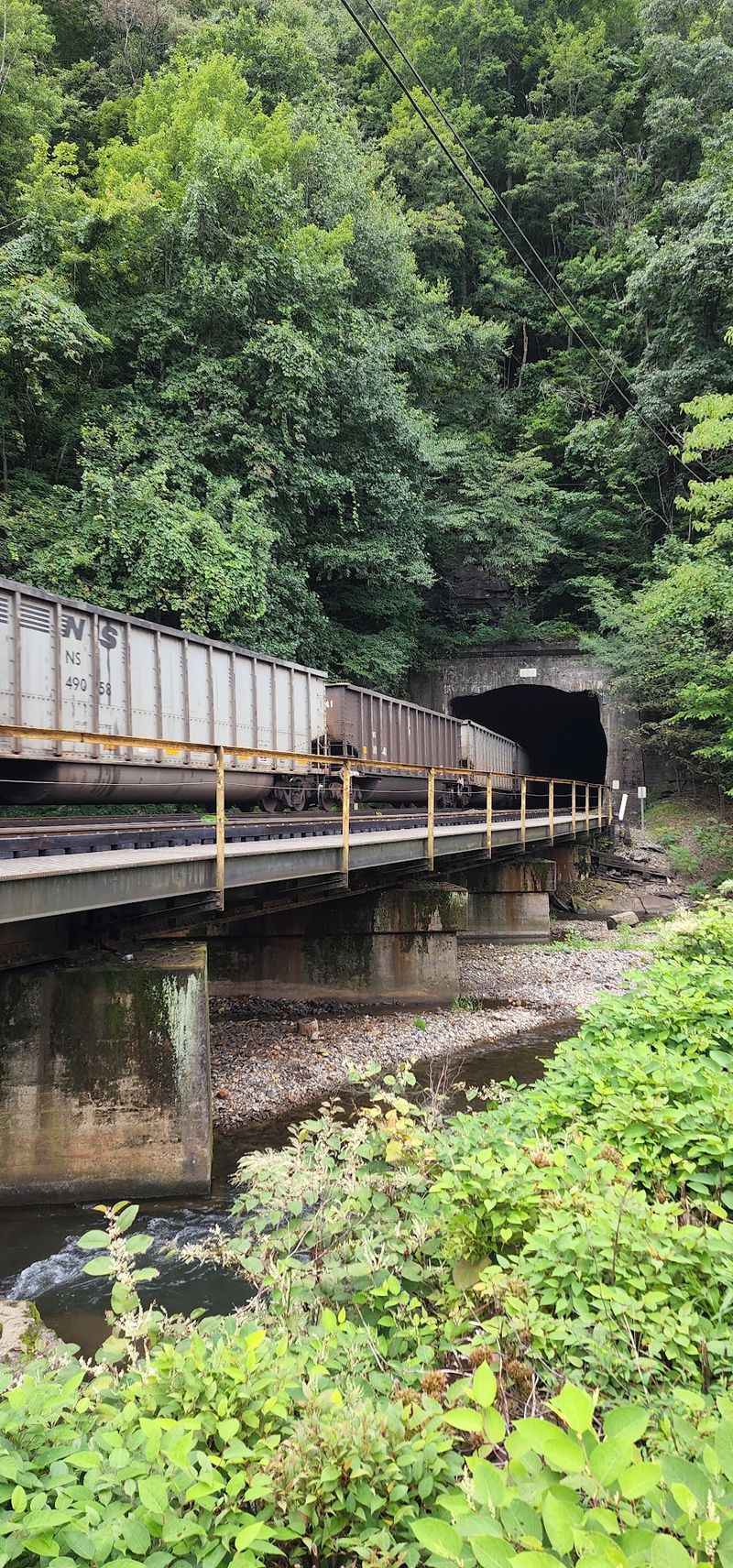
Timing can turn a simple visit into a small thrill. One traveler counted themselves lucky to catch a train rolling through the tunnel while they stopped to look around.
The setting itself is part of the draw. Tucked among steep ridges and rail lines, the memorial sits in classic coal country scenery that feels both rugged and beautiful.
Getting there means a scenic drive, and folks describe the trip from nearby towns as well worth the miles. The mountains put on a show the whole way.
There is something fitting about railroads passing so close to a place that honors this region’s history. Coal, trains, and community have always been tied together here.
Even visitors who arrive when the doors are locked find plenty to appreciate outside. The passing trains, the tunnel, and the surrounding hills create a memorable backdrop for a roadside pause.
Bring a camera, because you never know when a locomotive might appear. Between the engineering of the tunnel and the drama of the landscape, the area around the memorial delivers its own quiet entertainment for patient travelers.
A Quiet Stop for History Lovers and Curious Wanderers
Who fits best in a place like this? Anyone with a soft spot for history and a willingness to slow down and truly look around.
Visitors of all kinds describe the memorial as a hidden gem, using the word nostalgia to capture how it makes them feel. It speaks to folks who cherish the good old days and the stories behind them.
Road-trippers passing through appreciate it as a meaningful pause between destinations. Even a short stop leaves an impression, especially when the historical signs outside give something to read and ponder.
History buffs, retirees, and families curious about West Virginia’s heritage all find something to connect with. The quiet setting suits those who prefer thoughtful discovery over crowds and noise.
People who love learning about local pride and community roots will feel right at home. This is not a flashy attraction but a heartfelt one, ideal for travelers who value substance.
If you enjoy places where the past feels close enough to touch, put this on your list. It rewards curiosity and offers the kind of memory that lingers long after you have driven away.
Planning Your Visit: Hours, Directions, and a Helpful Tip
Before you set out, a little planning goes a long way. The memorial keeps daytime hours Monday through Friday, generally opening around 9 AM and closing by 1 PM, with Saturday and Sunday closed.
Because those hours can be irregular, seasoned visitors strongly recommend calling ahead. More than a few travelers arrived on a weekend only to find the doors locked, so a quick phone call can save disappointment.
You can reach the memorial at 304-585-7789 to confirm before you drive. That single step helps ensure you get inside to see the photographs, exhibits, and diorama.
Even if you catch it closed, the exterior and historical signs make the stop worthwhile. Still, the full experience with a personal tour is the real reward.
The site sits within an easy, scenic drive from Bluefield, Princeton, or Beckley, and guests suggest pairing your trip with lunch at a nearby restaurant in Kimball or Welch. That makes for a pleasant half-day outing.
Admission details are not something the available information covers, so include that in your call. A moment of preparation turns a good visit into a great one.
Why This Mountain Treasure Deserves a Detour
Step back and take in the full picture, and it becomes clear why so many travelers speak of this place with such warmth. It blends rare history, genuine hospitality, and striking scenery into one modest building.
Guests consistently call it wonderful, remarkable, and a piece of nostalgia worth seeking out. Those simple words carry real feeling, especially from people who found more than they expected.
Being the first and only surviving memorial of its kind gives it a significance that reaches far beyond McDowell County. Yet it remains humble, personal, and deeply tied to its community.
Whether you come for the photographs, the Northfork diorama, a friendly tour, or just the sight of a train slipping through the tunnel, you leave richer for the stop.
For West Virginians proud of their heritage, and for anyone drawn to stories of service and small-town resilience, this is a landmark to cherish. Call ahead, plan your route, and give yourself time to linger.
You will find the Kimball War Memorial at 178 One Way St, Kimball, WV 24853, standing quietly and ready to share its remarkable history with all who visit.
