Oklahoma has always been a state full of hidden gems and natural wonders that locals cherished for generations.
Over the years, though, some of these beloved spots have become tourist hotspots, changing the atmosphere and experience forever.
What once felt like secret escapes now buzz with crowds, commercialization, and sometimes careless visitors who don’t respect the land or local culture.
Many Oklahomans feel a bittersweet mix of pride that their state is getting recognized and sadness that their favorite places aren’t quite the same anymore.
From swimming holes to historic sites, the influx of tourists has brought traffic, litter, and noise to places that used to offer peace and solitude.
Some attractions have been loved to death, with overuse damaging delicate ecosystems and overwhelming small-town infrastructure.
While tourism brings money and attention to Oklahoma, it also brings challenges that locals are navigating every day.
This list explores seven attractions across the state where residents say the tourist boom has changed things for the worse.
You’ll hear about overcrowded trails, commercialized landmarks, and once-quiet retreats now packed with out-of-towners.
Understanding these perspectives can help visitors appreciate these places more responsibly and respect the communities that call Oklahoma home.
1. Turner Falls Park
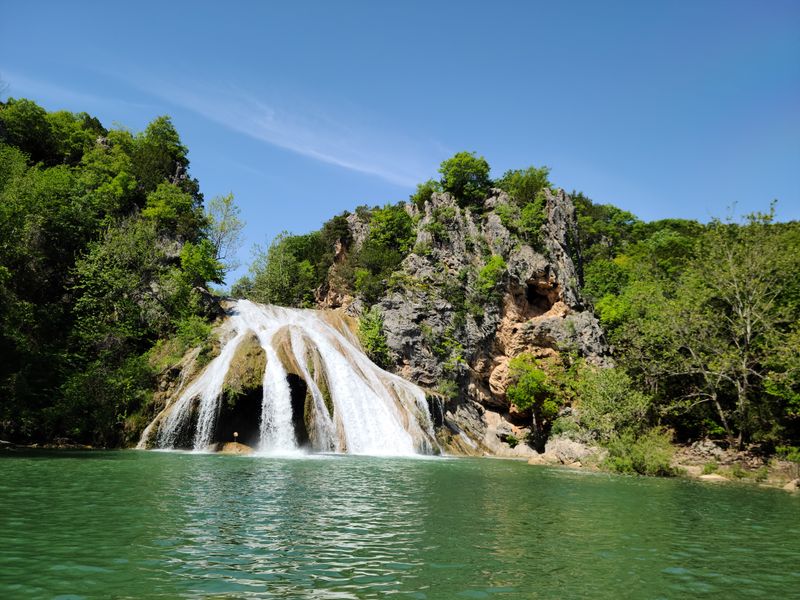
Turner Falls used to be a magical escape where families could enjoy Oklahoma’s tallest waterfall without fighting for space on the rocks.
Locals remember when you could show up on a summer afternoon and actually find a quiet spot to swim and relax.
Now the park sees thousands of visitors every weekend during peak season, turning the once-peaceful oasis into what feels like an outdoor theme park.
The swimming holes that locals treasured have become so packed that it’s hard to even get in the water.
Trash has become a persistent problem despite the park’s best efforts to keep up with cleaning.
Some visitors leave behind bottles, food wrappers, and even camping gear, showing little respect for the natural beauty.
Parking lots overflow by mid-morning on nice days, forcing people to park along the highway and walk dangerous distances.
The small-town charm of Davis, where the park is located, has been strained by the constant flow of tourists who don’t always understand local customs or show courtesy.
Noise levels have skyrocketed, with loud music and shouting replacing the sounds of rushing water and birdsong that locals grew up with.
Many longtime visitors now avoid Turner Falls entirely during summer, choosing to visit only in off-season months when crowds thin out.
The commercialization around the park has also increased, with more vendors and higher entrance fees changing the experience.
What was once an affordable family tradition has become expensive and crowded, leaving many Oklahomans feeling like they’ve lost a piece of their heritage.
The natural rock formations have also suffered from increased foot traffic, with erosion becoming more noticeable each year.
While Turner Falls remains beautiful, locals mourn the loss of the tranquil sanctuary it once was.
2. Bricktown Entertainment District
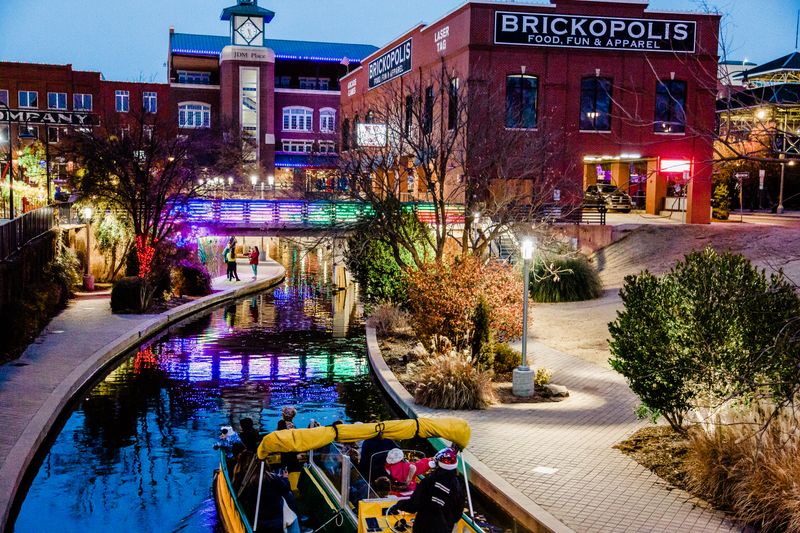
Bricktown’s transformation from a warehouse district to a bustling entertainment hub brought Oklahoma City national attention and economic growth.
Yet many locals who remember the early days of revitalization say the district has lost its authentic Oklahoma character.
What started as a genuine effort to celebrate local history has morphed into a generic entertainment zone that could exist in any American city.
The restaurants and bars that once featured Oklahoma cuisine and local ownership have been replaced by national chains and franchises.
Prices have climbed steadily as Bricktown positioned itself as a tourist destination rather than a neighborhood gathering place.
Locals who used to enjoy casual evenings along the canal now find themselves priced out or uncomfortable amid the tourist crowds.
Weekend nights bring bachelor parties, convention groups, and out-of-state visitors who treat the district like a playground, sometimes behaving disrespectfully.
The noise and party atmosphere have driven away families and older residents who appreciated Bricktown’s earlier, more balanced vibe.
Parking has become a nightmare, with expensive garages and limited street options making quick visits nearly impossible.
The canal boats, once a charming way to see the district, now feel like tourist traps with long lines and scripted tours.
Many Oklahoma City residents avoid Bricktown entirely unless they’re showing visitors around, preferring newer local districts with more authentic character.
The loss of local businesses to corporate interests has stripped away much of what made Bricktown special in the first place.
While economic success is undeniable, longtime residents question whether the trade-off was worth losing the neighborhood’s soul.
Bricktown stands as a cautionary tale of how tourism can transform a place beyond recognition.
3. Wichita Mountains Wildlife Refuge
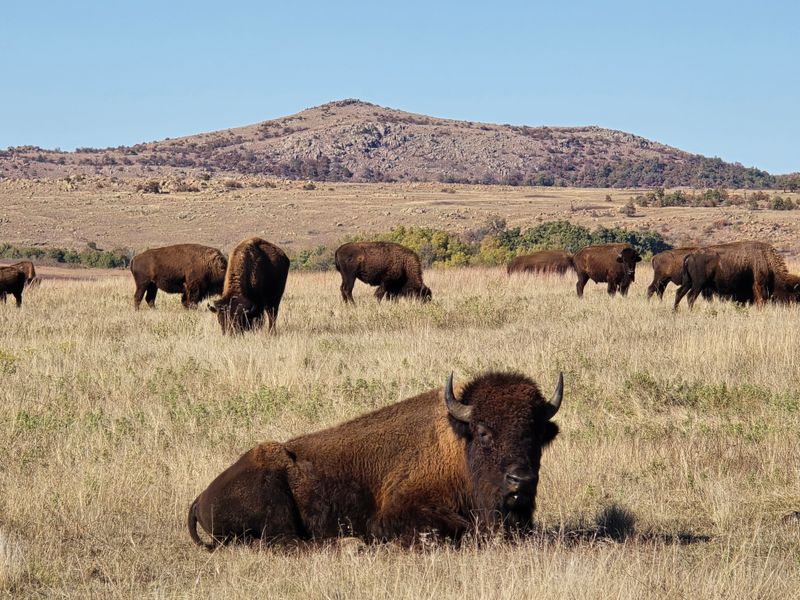
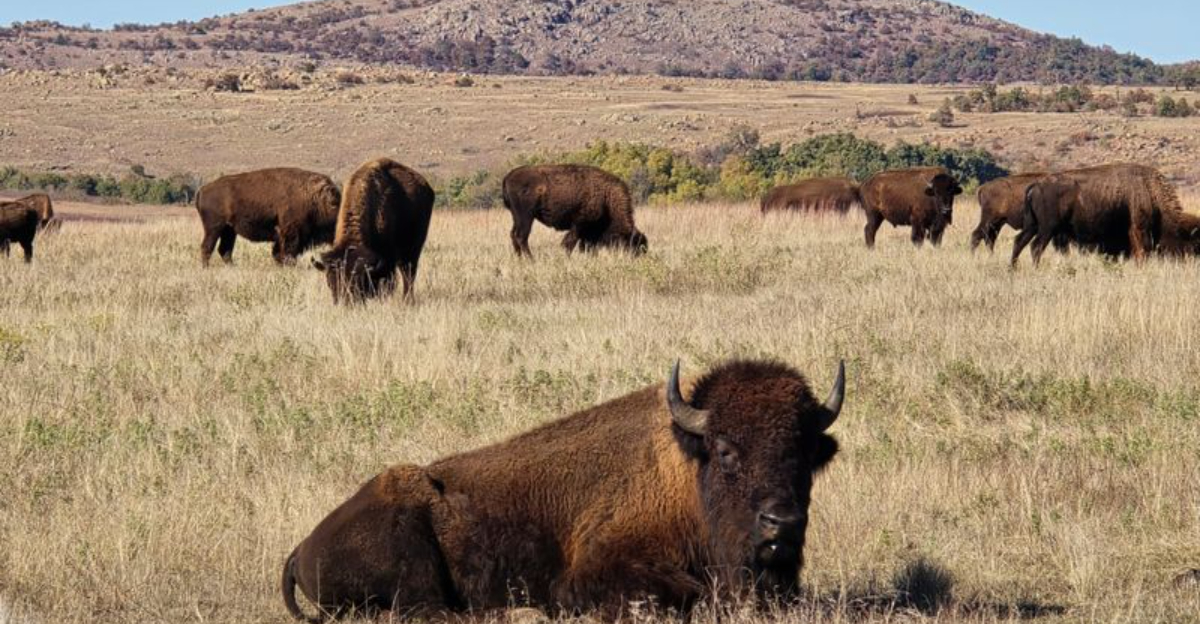
For generations, the Wichita Mountains served as Oklahoma’s premier wilderness escape where people could encounter bison, elk, and longhorn cattle in their natural habitat.
Locals knew the best trails, the quietest times to visit, and where to spot wildlife without disturbing them.
Social media changed everything, turning hidden gems into Instagram destinations that attract visitors who care more about photos than preservation.
The refuge’s most scenic spots now see constant traffic, especially during golden hour when photographers crowd popular viewpoints.
Trails that used to offer solitude are now busy highways of hikers, many unprepared for Oklahoma’s intense heat or rugged terrain.
Rescue operations have increased as inexperienced visitors get lost, injured, or suffer heat exhaustion, straining limited ranger resources.
Wildlife behavior has changed noticeably as animals encounter more humans than ever before.
Bison that once grazed peacefully now show signs of stress, and visitors who approach too closely for selfies create dangerous situations.
The refuge has had to implement more restrictions and closures to protect both animals and careless tourists who don’t follow guidelines.
Littering has become a serious problem despite trash receptacles throughout the refuge, with visitors leaving behind water bottles and food waste.
Popular climbing areas show signs of overuse, with erosion and damaged vegetation marking the most Instagrammed spots.
Locals who cherished the refuge as a place for quiet reflection and genuine nature connection now visit at dawn or on weekdays to avoid crowds.
The sense of discovery and wildness that defined the Wichita Mountains for Oklahomans has diminished as tourism infrastructure expands.
Many residents worry about long-term ecological damage if visitor numbers continue growing without proper management.
4. Blue Whale of Catoosa
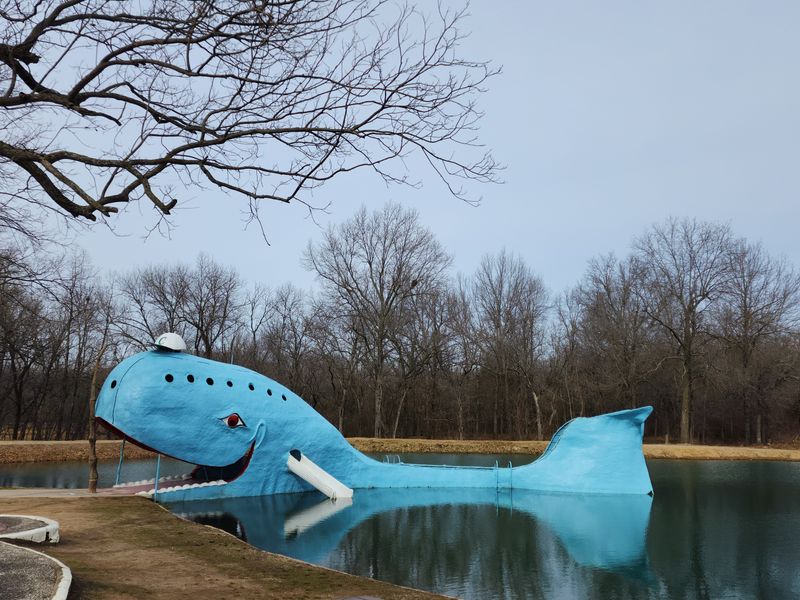
Route 66 nostalgia brought renewed attention to Oklahoma’s quirky roadside attractions, with the Blue Whale becoming an unexpected social media sensation.
Built in the 1970s as a anniversary gift, this charming concrete whale sat quietly for decades as a beloved local swimming spot and picnic area.
Old-timers remember when you could visit without seeing another soul, enjoying the folk art in peaceful solitude.
Instagram changed the Blue Whale’s fate almost overnight, transforming it into a must-see photo opportunity for road trippers and influencers.
The constant stream of visitors has worn down the grass around the pond and created parking challenges in the small area.
What was once a free, open space now requires more maintenance and supervision than the small community can easily provide.
Many visitors treat the site as nothing more than a photo backdrop, snapping their pictures and leaving without appreciating the history or craftsmanship.
The respectful quiet that once characterized visits has been replaced by loud groups competing for the perfect angle.
Local volunteers who maintain the whale and surrounding area have struggled to keep up with increased trash and occasional vandalism.
Catoosa residents feel conflicted about the attention their beloved whale receives, appreciating the recognition but missing the peaceful days.
The pond area, once open for swimming, now sees so much traffic that water quality and safety have become concerns.
Nearby residents deal with tourists blocking driveways, trespassing on private property, and creating noise disturbances.
The Blue Whale’s charm came from its unexpected simplicity and genuine folk art spirit, qualities that feel threatened by over-commercialization.
Locals hope visitors will slow down and truly appreciate the whale’s story rather than treating it as just another checkbox on a Route 66 itinerary.
5. Natural Falls State Park
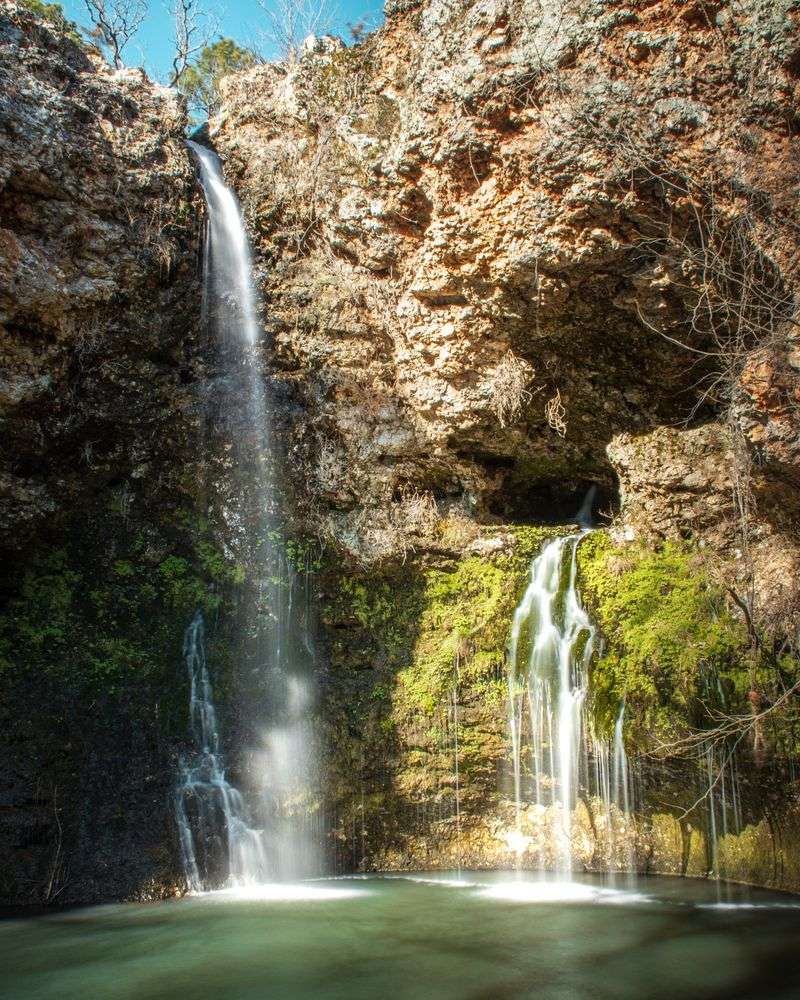
Tucked away in northeastern Oklahoma, Natural Falls offered locals a spectacular 77-foot waterfall and peaceful forest trails away from city noise.
Families would pack lunches and spend entire days exploring the park, often encountering only a handful of other visitors.
The waterfall’s appearance in the movie “Where the Red Fern Grows” put it on the map, but social media turned it into an overcrowded destination.
Weekends now bring bumper-to-bumper traffic on the narrow park roads, with visitors jockeying for limited parking spots near the main observation deck.
The viewing platforms that once allowed quiet contemplation of the falls are now packed with people taking selfies and group photos.
The natural soundscape of falling water and forest birds gets drowned out by conversations, music, and the constant click of camera shutters.
Trail erosion has accelerated dramatically as foot traffic increased, forcing park managers to close and rehabilitate sections.
Visitors venture off marked paths to get better photos, damaging fragile plant communities and creating dangerous situations on slippery rocks.
Litter appears regularly despite abundant trash cans, with some tourists leaving behind picnic remains and beverage containers.
Local families who made Natural Falls part of their regular outdoor routine now drive farther to find less-crowded alternatives.
The camping areas that once offered peaceful nights under the stars now fill up months in advance, mostly with out-of-state visitors.
Park rangers spend more time managing crowds and enforcing rules than they do on conservation and education efforts.
The magic of discovering the waterfall through the trees, hearing it before seeing it, has been lost in the constant buzz of activity.
Natural Falls remains beautiful, but longtime visitors grieve the loss of the intimate, almost sacred experience it once provided.
6. Paseo Arts District
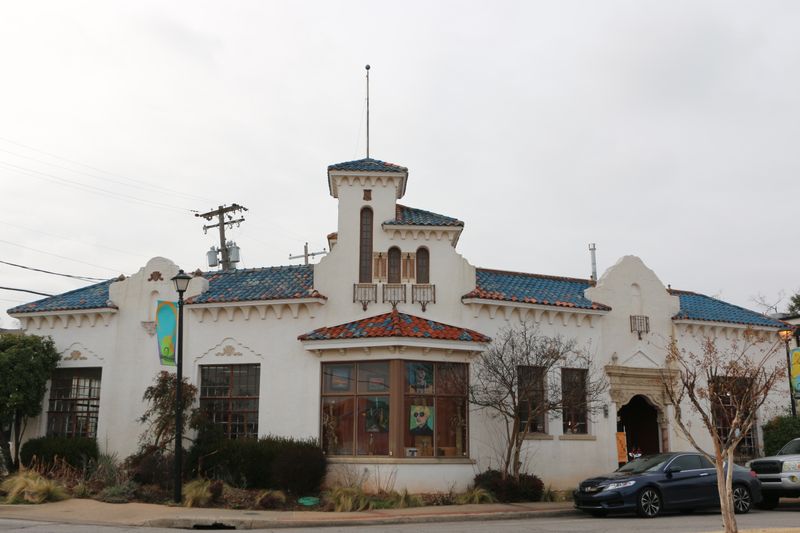
Oklahoma City’s Paseo Arts District grew organically as a genuine artists’ neighborhood where creativity thrived without pretension.
Local artists could afford studios, galleries showcased emerging talent, and First Friday events felt like neighborhood block parties rather than tourist spectacles.
The district’s Spanish Revival architecture and bohemian atmosphere made it Oklahoma City’s most authentic cultural enclave.
As the district gained recognition in travel magazines and social media, property values soared and the character began shifting.
Galleries that once featured experimental local work now stock more commercial pieces aimed at tourists looking for Oklahoma souvenirs.
Rents increased so dramatically that many original artists were priced out, replaced by boutiques and restaurants targeting visitors with deeper pockets.
First Friday events transformed from intimate art walks into crowded street festivals where it’s difficult to actually view art or talk with artists.
The focus shifted from celebrating creativity to providing entertainment, with food trucks and beer gardens overshadowing the galleries themselves.
Parking became impossible for locals who used to easily visit their favorite studios, and the residential feel gave way to commercial hustle.
Long-time Paseo supporters watch sadly as galleries close or change focus to survive in the tourism-driven economy.
The sense of discovery and connection that made the district special has been replaced by a curated, sanitized version designed for Instagram posts.
Many Oklahoma City artists now gather in other neighborhoods where authenticity still trumps commercial appeal and rents remain affordable.
The Paseo’s success as a tourist destination ironically undermined what made it worth visiting in the first place.
Locals hope the district can find balance between economic vitality and the artistic soul that gave it life.
7. Gloss Mountain State Park
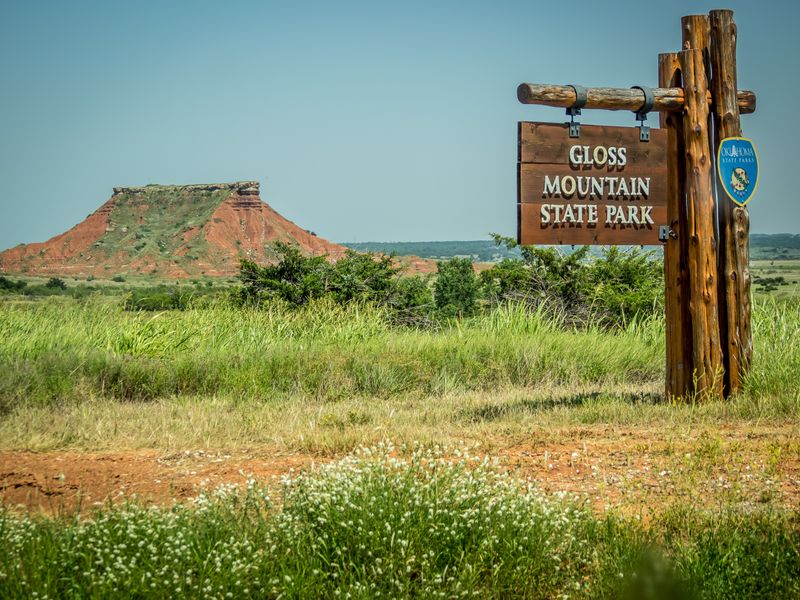
Way out in northwestern Oklahoma, Gloss Mountain sparkled in obscurity for years, known mainly to geology enthusiasts and adventurous locals.
The mesas covered in selenite crystals created an otherworldly landscape that rewarded those willing to make the drive into remote country.
Visitors were rare enough that you could hike to the summit and feel like you’d discovered Mars, completely alone with the vast Oklahoma sky.
Travel bloggers and photographers discovered Gloss Mountain’s unique beauty and shared it widely, bringing crowds to this fragile ecosystem.
The selenite crystals that give the mountain its distinctive sparkle are delicate and finite, damaged by every footstep off the designated trails.
Yet many visitors wander freely across the formations, collecting crystals as souvenirs and leaving visible scars on the landscape.
The small parking area never anticipated current visitor numbers, leading to vehicles parked haphazardly along the roadside.
Trash has appeared in an area that locals kept pristine for generations, with water bottles and food wrappers marring the stark beauty.
The remote location means limited ranger presence, so visitor behavior goes largely unmonitored and unmanaged.
Locals from nearby towns like Fairview and Orienta feel protective of Gloss Mountain, having treated it as a special place for reflection and exploration.
They’ve watched with dismay as the mountain’s crystal coating visibly diminishes under the pressure of increased foot traffic.
The sunrise and sunset hours that once offered profound solitude now see groups competing for photos at the summit.
Cell phone service arrived recently, and instead of emergency use, it’s enabled real-time social media posting that attracts even more visitors.
The sense that Gloss Mountain was Oklahoma’s secret, a reward for those willing to venture off the beaten path, has evaporated completely.
Dear Reader: This page may contain affiliate links which may earn a commission if you click through and make a purchase. Our independent journalism is not influenced by any advertiser or commercial initiative unless it is clearly marked as sponsored content. As travel products change, please be sure to reconfirm all details and stay up to date with current events to ensure a safe and successful trip.
