Retiring comfortably does not have to mean draining your savings or moving somewhere unfamiliar. Oklahoma quietly offers some of the most budget-friendly cities in the entire country, and many retirees are finally catching on.
I spent time exploring these communities, and what I found surprised me in the best possible way.
From small towns with steady rhythms to mid-sized cities packed with amenities, these 11 Oklahoma spots prove that $2,000 a month can genuinely stretch into a full and satisfying life.
1. Norman, Oklahoma
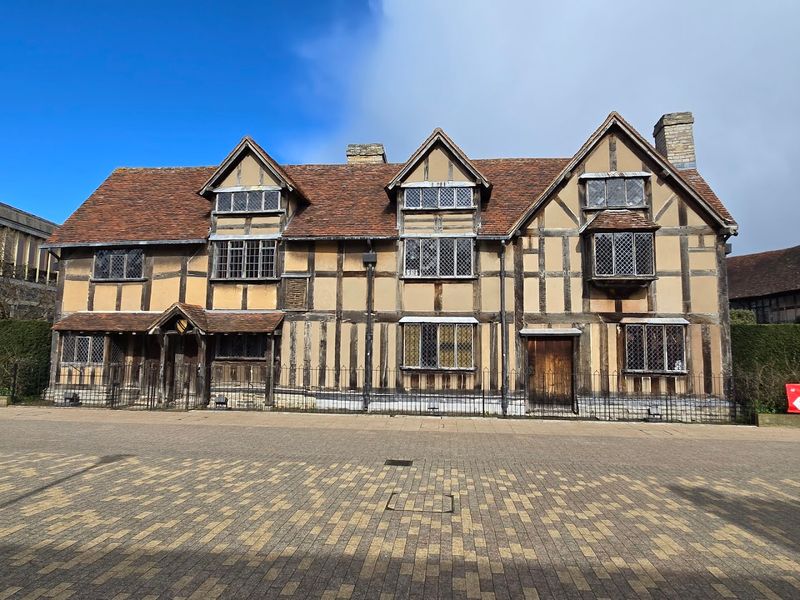
Something about Norman catches you off guard the moment you arrive. It has the energy of a college town but the livability of a place where people actually put down roots for good.
Norman sits in central Oklahoma and is home to the University of Oklahoma, which means the city stays culturally active year-round. Live performances, art exhibitions, and community events fill the calendar without demanding much from your wallet.
Housing costs here run roughly 10 to 15 percent below the national average. That gap makes a real difference when you are managing a fixed monthly income and trying to keep things predictable.
Grocery stores, medical facilities, and everyday services are all easy to reach. The city is well-organized and navigating it rarely feels stressful, even without a complicated transit plan.
Parks and green spaces give you outdoor options that cost nothing at all. Spending an afternoon outside here feels like a natural part of the daily routine rather than a planned event.
The food scene is genuinely good, with locally owned spots that keep things interesting without pushing your budget. You can eat well and still stay on track financially.
Norman also has a livability score of 76, which reflects how well the city supports everyday life. That number is not just a stat; you feel it when you walk around and everything simply works.
For retirees who want culture, comfort, and cost control all in one place, Norman delivers consistently.
2. Oklahoma City, Oklahoma
Not every retiree wants to slow all the way down, and Oklahoma City understands that completely. As the state capital, it offers a full urban experience without the price tag that usually comes with it.
The average one-bedroom rental here sits around a very manageable level, leaving room in a $2,000 monthly budget for food, healthcare, and a few extras. That kind of breathing room matters more than most people realize until they are actually living on a fixed income.
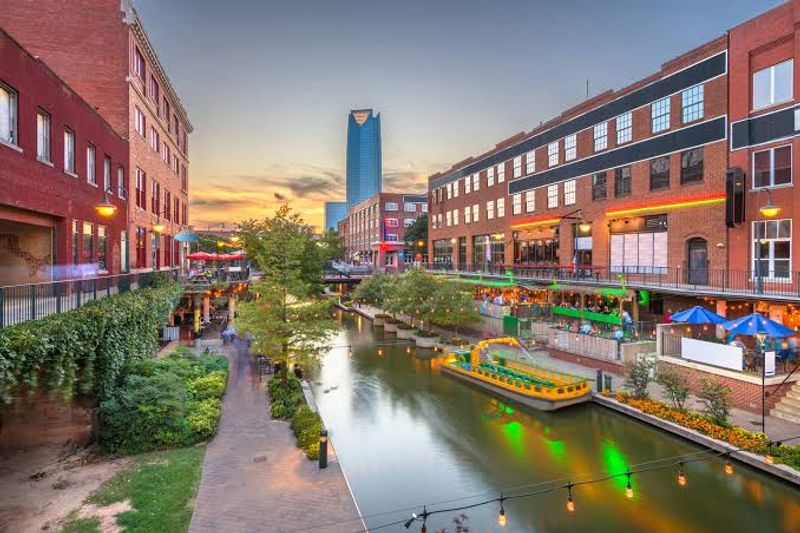
Oklahoma City has a surprisingly vibrant arts district, a renovated downtown, and a growing food culture. The Bricktown area in particular gives you a lively atmosphere with restaurants, waterways, and entertainment that feels far more expensive than it actually is.
Healthcare access is strong here, with multiple major hospital systems operating throughout the metro area. That is a practical consideration that often gets overlooked during retirement planning.
Public parks and trails are plentiful, and the city has invested seriously in walkable infrastructure over the past decade. Getting outside and staying active costs nothing.
The weather in central Oklahoma brings all four seasons, so you get variety throughout the year. Winters are mild compared to northern states, which helps keep utility costs from spiking too dramatically.
Transportation around the city is straightforward, and the layout makes it easy to run errands efficiently. Living here never feels like a logistical puzzle.
Oklahoma City rewards retirees who want real city life at a genuinely affordable pace.
3. Tulsa, Oklahoma
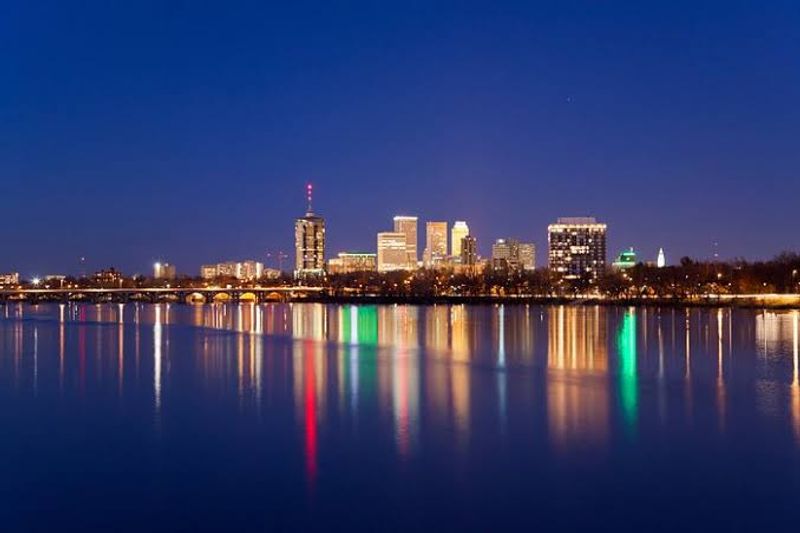
Tulsa has a personality that most people do not expect until they actually show up. It is polished in some places, gritty in others, and completely its own thing throughout.
Located in northeastern Oklahoma, Tulsa is the second-largest city in the state and carries a cultural richness that punches well above its size. The Philbrook Museum of Art, the Woody Guthrie Center, and the Gathering Place park are all world-class experiences that happen to be either free or very affordable.
Housing in Tulsa stays competitive, with one-bedroom rentals averaging around a figure that fits comfortably within a $2,000 monthly retirement budget. That leaves meaningful room for healthcare, food, and personal spending.
The city has a strong medical infrastructure, which is a quiet but essential factor for long-term retirement planning. Having quality care nearby reduces both stress and unexpected costs.
Tulsa’s historic neighborhoods offer a sense of character that newer developments simply cannot replicate. Walking through areas like the Brady Arts District or Cherry Street feels like discovering a city that has genuinely earned its charm.
The Arkansas River runs through the city and provides miles of trails, parks, and open space for outdoor activity. None of that costs a thing, and it adds real quality to daily life.
Winters here are manageable, and the spring and fall seasons are genuinely beautiful. The climate supports an active outdoor lifestyle for much of the year.
Tulsa is the kind of city that grows on you steadily and never really lets go.
4. Shawnee, Oklahoma
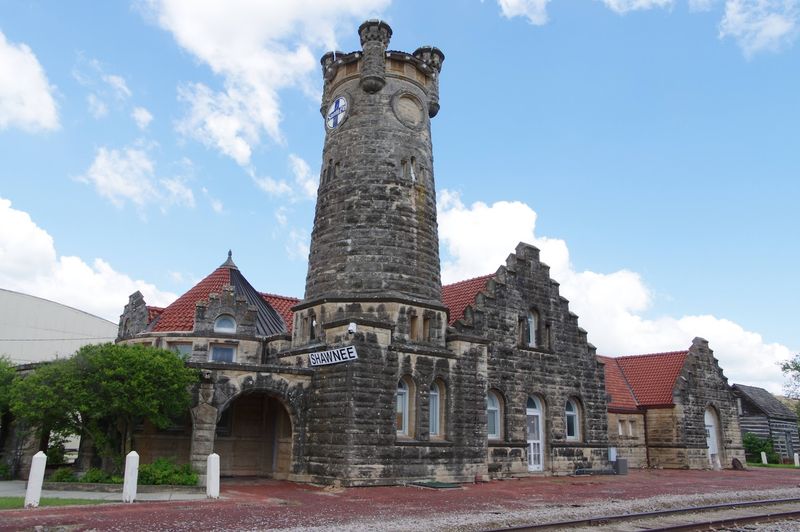
There is a particular kind of ease that small cities offer, and Shawnee, Oklahoma has mastered it without even trying. Located about 35 miles east of Oklahoma City in Pottawatomie County, it sits in a sweet spot between rural calm and urban access.
Housing costs in Shawnee run approximately 30 percent below the national average. That is a significant cushion when you are working with a fixed monthly income and want to keep your finances steady without constant adjustments.
The city has a genuine community feel that larger metros rarely manage to replicate. Neighbors know each other, local businesses stay personal, and the pace of daily life never feels rushed or overwhelming.
Shawnee is home to Oklahoma Baptist University, which adds a layer of cultural activity to the area. Campus events, lectures, and performances occasionally open to the public and give residents something engaging to attend.
Grocery access, medical clinics, and essential services are all well-represented throughout the city. You do not need to drive far to handle everyday errands, which keeps transportation costs manageable.
The surrounding landscape includes lakes and parks that are perfect for fishing, hiking, or simply sitting outside with a good book. That kind of low-cost recreation adds real texture to retired life.
Shawnee also benefits from its proximity to Oklahoma City, meaning a larger urban experience is always within reach when you want it. The flexibility that combination provides is genuinely valuable.
Living here feels like choosing comfort on your own terms, every single day.
5. Ardmore, Oklahoma
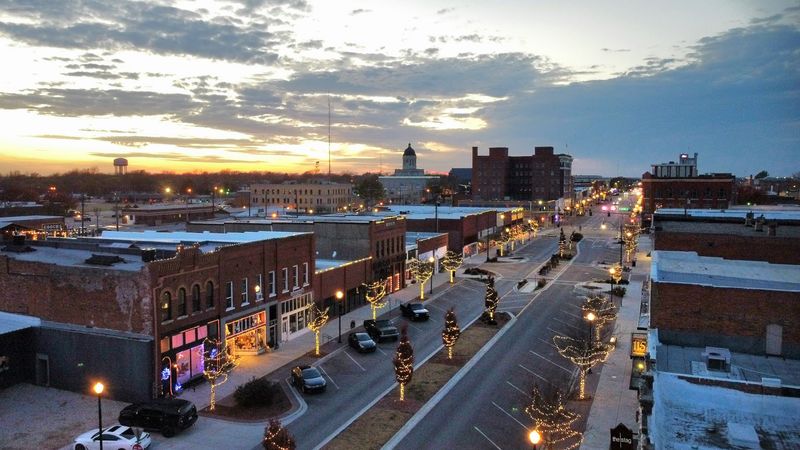
Ardmore sits quietly in southern Oklahoma, about 100 miles south of Oklahoma City and not far from the Texas border. Its location gives it a distinct character that blends Oklahoma practicality with a hint of southern warmth.
The cost of living here runs roughly 20 percent below the national average, which is a meaningful advantage for anyone managing retirement on a fixed budget. Housing in particular stays well within reach, whether you prefer renting or owning a modest home.
Downtown Ardmore has preserved much of its historic brick architecture, giving the city a visual character that feels established and genuine. Locally owned shops and small restaurants line the streets, and spending an afternoon exploring costs very little.
Healthcare services are accessible within the city, and the broader region offers additional options for specialized care when needed. That practical safety net matters enormously during retirement years.
Lake Murray State Park sits just a short drive from Ardmore and provides one of Oklahoma’s most scenic outdoor destinations. Fishing, boating, hiking, and picnicking are all available without significant expense.
The community hosts local events throughout the year that bring residents together without requiring much financial participation. A sense of belonging is easy to find here, and that has real value for long-term well-being.
Ardmore’s position between Dallas and Oklahoma City means occasional access to larger city amenities when the mood strikes. That flexibility adds a layer of convenience without inflating daily costs.
It is a city that rewards patience and offers a genuinely comfortable pace of life.
6. Broken Arrow, Oklahoma
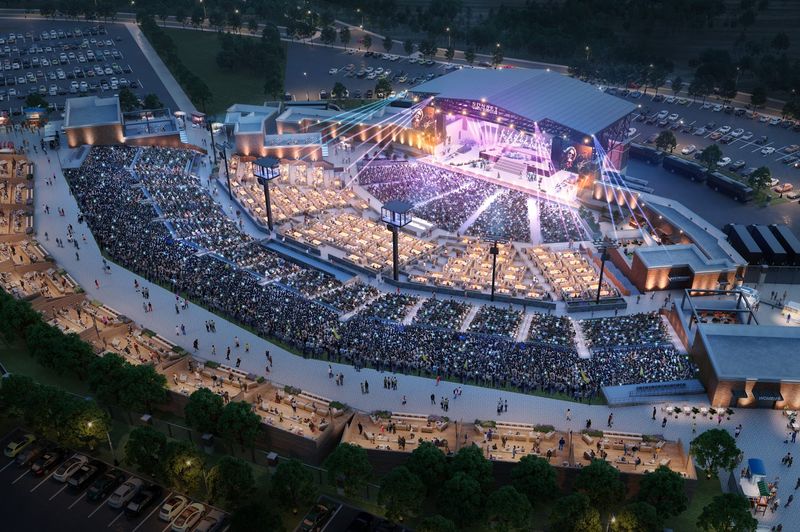
Just southeast of Tulsa, Broken Arrow carries the quiet confidence of a city that knows exactly what it offers. It is one of the fastest-growing cities in Oklahoma, yet it has managed to hold onto a suburban calm that retirees tend to appreciate deeply.
Housing costs here run about 15 percent below the national average, making it genuinely accessible for those working within a $2,000 monthly retirement budget. The range of housing options is wide, from compact apartments to modest single-family homes with yards.
Broken Arrow has invested heavily in parks, trails, and green spaces over the years. The city maintains a strong network of walking and cycling paths that make staying active a natural part of daily life rather than an effort.
The Rose District in downtown Broken Arrow offers a charming collection of local shops, eateries, and community events. It has a personality all its own and gives residents a walkable social hub that feels far more vibrant than a typical suburb.
Medical facilities are plentiful throughout the city, and the proximity to Tulsa means access to major hospital systems is never far away. That kind of healthcare infrastructure provides real peace of mind.
Grocery stores, pharmacies, and essential services are distributed throughout the city in a way that keeps errands efficient. Spending extra time or money on logistics rarely becomes an issue here.
The community atmosphere in Broken Arrow is notably welcoming, with active neighborhood groups and regular public events. Settling in here feels natural and genuinely uncomplicated from the very start.
7. Bartlesville, Oklahoma
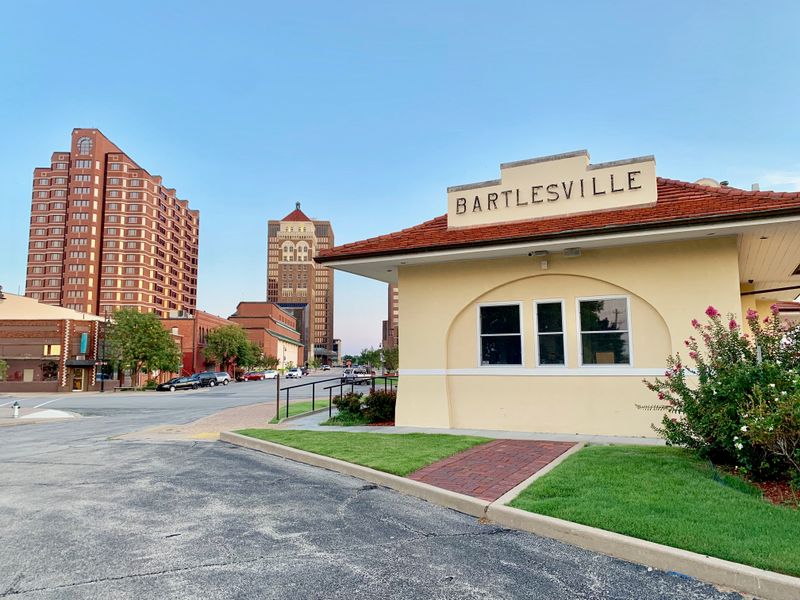
Bartlesville holds a quiet distinction that most small Oklahoma cities simply do not share. It is home to the Price Tower, the only skyscraper ever built by Frank Lloyd Wright, and that alone tells you this city has always taken culture seriously.
Located in northeastern Oklahoma near the Kansas border, Bartlesville offers housing costs that run roughly 25 percent below the national average. That significant gap makes it one of the more financially comfortable retirement options in the entire state.
The city has a well-preserved downtown with local shops, a performing arts center, and regular community events that keep life interesting without demanding large expenditures. Culture here is genuinely woven into everyday life.
Woolaroc Museum and Wildlife Preserve sits just outside the city and offers one of the most unique outdoor and cultural experiences in Oklahoma. It combines art, history, and wildlife in a single destination that never gets old.
Healthcare access in Bartlesville is solid, with Jane Phillips Medical Center serving the community and providing reliable local care. Not needing to travel far for medical appointments simplifies retirement considerably.
The surrounding landscape features rolling hills, forests, and Caney River access that make outdoor recreation easy and free. Spending time in nature here requires no planning and no budget.
Bartlesville also benefits from a strong sense of community identity. Residents take pride in their city’s history and that pride translates into well-maintained neighborhoods and engaged civic life.
Retiring here feels like choosing a place with real depth, not just a low price tag.
8. Enid, Oklahoma
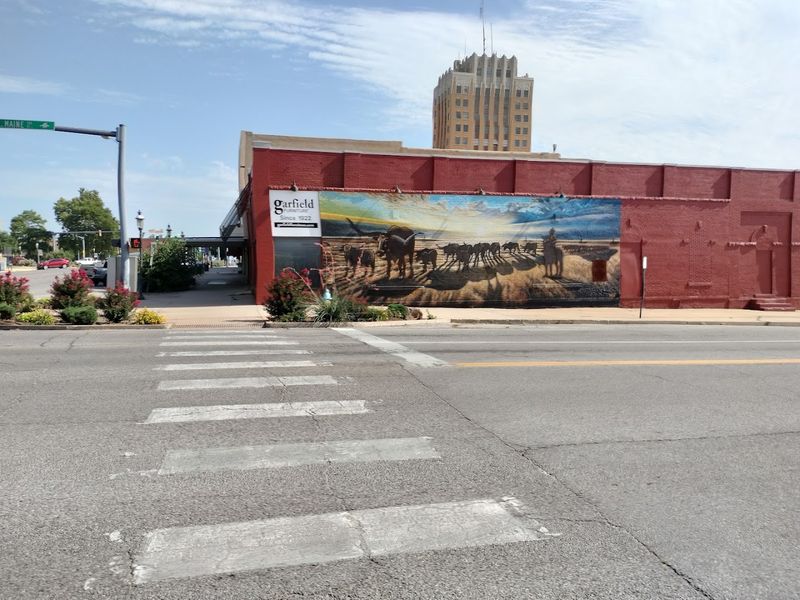
Enid has a spaciousness to it that feels almost rare in today’s crowded world. Situated in northwestern Oklahoma in Garfield County, it spreads out across the plains with room to breathe that urban retirees often find deeply refreshing.
Housing costs here run approximately 30 percent below the national average, placing Enid among the most affordable retirement options in Oklahoma. That level of savings creates real financial stability on a $2,000 monthly budget.
The city hosts a surprisingly active cultural calendar, including First Friday art walks, local theater productions, and community festivals that bring residents together regularly. Staying engaged here does not require spending much at all.
Enid has a well-developed healthcare sector, anchored by St. Mary’s Regional Medical Center and a range of specialty clinics. Reliable medical access close to home is one of the most underrated retirement advantages a city can offer.
The layout of the city is logical and easy to navigate, which reduces both transportation time and expense. Running errands in Enid rarely feels like a chore because everything is sensibly positioned.
Government Springs Park and other green spaces give residents beautiful outdoor areas for walking, picnicking, and relaxing. These spaces are maintained well and used often by the local community.
The agricultural roots of the region give Enid a grounded, practical character that translates into everyday life. People here are straightforward and welcoming in a way that makes settling in feel natural.
Enid rewards those who value space, simplicity, and financial predictability above all else.
9. Lawton, Oklahoma
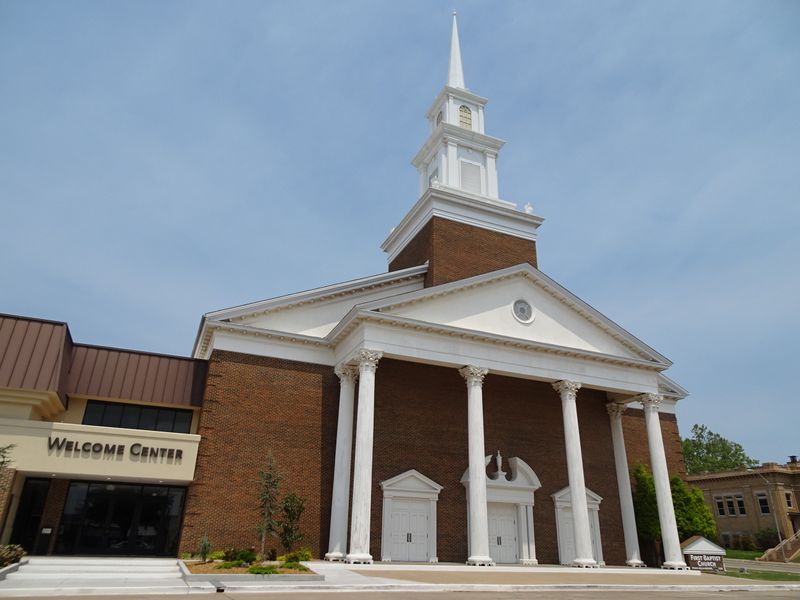
Lawton carries a no-nonsense practicality that makes it genuinely easy to live in, especially when you are working with a defined monthly budget. Located in southwestern Oklahoma near the Wichita Mountains, it combines affordability with an outdoor backdrop that most cities would envy.
Housing costs in Lawton stay comfortably within reach for retirees, with options ranging from affordable rentals to modest homes that fit well inside a $2,000 monthly plan. The variety of choices gives you flexibility without financial stress.
The Wichita Mountains Wildlife Refuge sits just outside the city and offers free access to one of the most dramatic landscapes in Oklahoma. Bison roam freely there, and the hiking trails range from easy walks to more challenging ridge climbs.
Lawton has a solid healthcare infrastructure, including Comanche County Memorial Hospital and various outpatient clinics. Medical needs can be handled locally without requiring long drives or complicated arrangements.
Grocery stores, banks, and daily service providers are distributed throughout the city in a way that keeps logistics simple. Life here operates at a pace that never feels rushed or unnecessarily complicated.
The city has a strong sense of community, partly shaped by its connection to Fort Sill, which has been part of the area’s identity for generations. That history gives Lawton a grounded character that residents genuinely appreciate.
Local parks and recreational facilities add to the quality of daily life without adding to monthly costs. Staying active and engaged here is straightforward and enjoyable.
Lawton is a city where practicality and natural beauty quietly reinforce each other every day.
10. Muskogee, Oklahoma
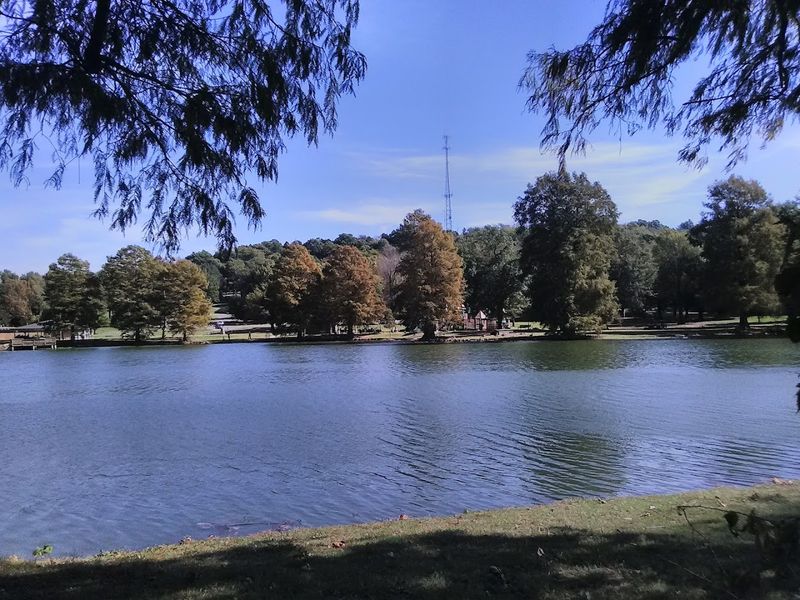
Muskogee moves at a pace that immediately feels intentional rather than stagnant. Located in eastern Oklahoma along the Arkansas River, it carries a quiet confidence that comes from being a city with genuine historical roots and a community that has stayed connected to them.
The cost of living in Muskogee sits well below the national average, particularly when it comes to housing. That financial advantage gives retirees real room to manage monthly expenses without constant recalculation.
The city is home to Honor Heights Park, which becomes one of Oklahoma’s most visited destinations during azalea season each spring. Walking through it during peak bloom is one of those experiences that stays with you, and it costs nothing to enjoy.
Healthcare services are available locally, and the broader eastern Oklahoma region provides additional options for specialty care when needed. That coverage gives retirees a reliable safety net without requiring relocation for medical reasons.
Muskogee has a rich Native American heritage, and that cultural history is present throughout the city in museums, events, and community traditions. Engaging with that history adds a meaningful layer to daily life that many retirees find deeply enriching.
The Five Civilized Tribes Museum and the USS Batfish War Memorial Park offer engaging destinations that are either free or very low cost. Keeping life interesting here does not require a large entertainment budget.
Grocery shopping, pharmacy access, and everyday errands are all manageable within the city limits. Nothing about daily logistics in Muskogee feels unnecessarily complicated.
This city rewards those who appreciate depth, history, and steady affordable living.
11. Duncan, Oklahoma
Duncan does not try to impress you all at once, and that restraint is actually part of its appeal. Tucked into south-central Oklahoma in Stephens County, it offers a calm, unhurried environment that suits retirement living remarkably well.
Housing costs in Duncan remain among the lower options in the state, giving retirees a strong foundation for managing a $2,000 monthly budget with confidence. Utilities and everyday goods also stay reasonably priced, which keeps the overall cost of living predictable.
The city has a friendly, approachable character that makes it easy to feel at home quickly. Community connections form naturally here, and the social fabric of the city is something residents genuinely seem to value and protect.
Fuqua Park and other local green spaces provide pleasant outdoor settings for walking and relaxation. Spending time outside in Duncan is easy, free, and genuinely enjoyable throughout much of the year.
Healthcare access is available locally through Duncan Regional Hospital, which provides a solid range of services without requiring travel to larger cities. That kind of nearby care is a quiet but important advantage for long-term retirement planning.
Local dining and shopping options cover everyday needs comfortably, and the small-business culture in Duncan keeps things personal and community-oriented. Running errands here rarely feels like a transaction and more like a routine part of neighborhood life.
The surrounding region offers additional recreational options, including nearby lakes that are perfect for fishing and outdoor relaxation. Those options add real value to daily life without adding to monthly expenses.
Duncan is proof that a smaller footprint can still hold everything you actually need.
Dear Reader: This page may contain affiliate links which may earn a commission if you click through and make a purchase. Our independent journalism is not influenced by any advertiser or commercial initiative unless it is clearly marked as sponsored content. As travel products change, please be sure to reconfirm all details and stay up to date with current events to ensure a safe and successful trip.
