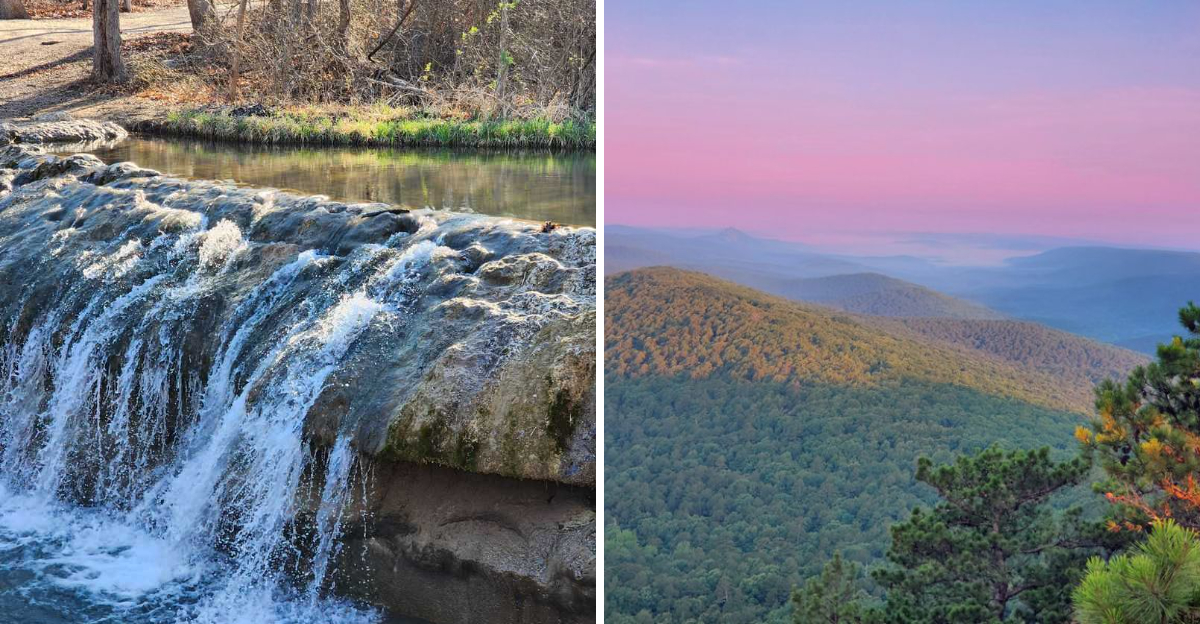
Oklahoma might surprise you with its incredible variety of outdoor adventures waiting just around the corner.
From rugged mountains to crystal-clear lakes, the Sooner State offers landscapes that rival any destination in the country.
Whether you’re looking to hike through ancient forests, paddle across serene waters, or camp under star-filled skies, Oklahoma has something special for every outdoor enthusiast.
Families, solo travelers, and adventure seekers alike will find endless opportunities to disconnect from daily stress and reconnect with nature.
The state’s diverse geography creates unique ecosystems that support everything from rock climbing to wildlife watching.
Many of these destinations remain hidden gems, offering peaceful escapes without the overwhelming crowds found at more famous national parks.
Getting outside isn’t just about exercise; it’s about creating memories, building confidence, and discovering parts of yourself you didn’t know existed.
Oklahoma’s outdoor recreation areas provide the perfect backdrop for all these experiences and more.
Pack your gear, grab your sense of adventure, and get ready to explore some of the most beautiful and exciting places the state has to offer.
1. Beavers Bend State Park
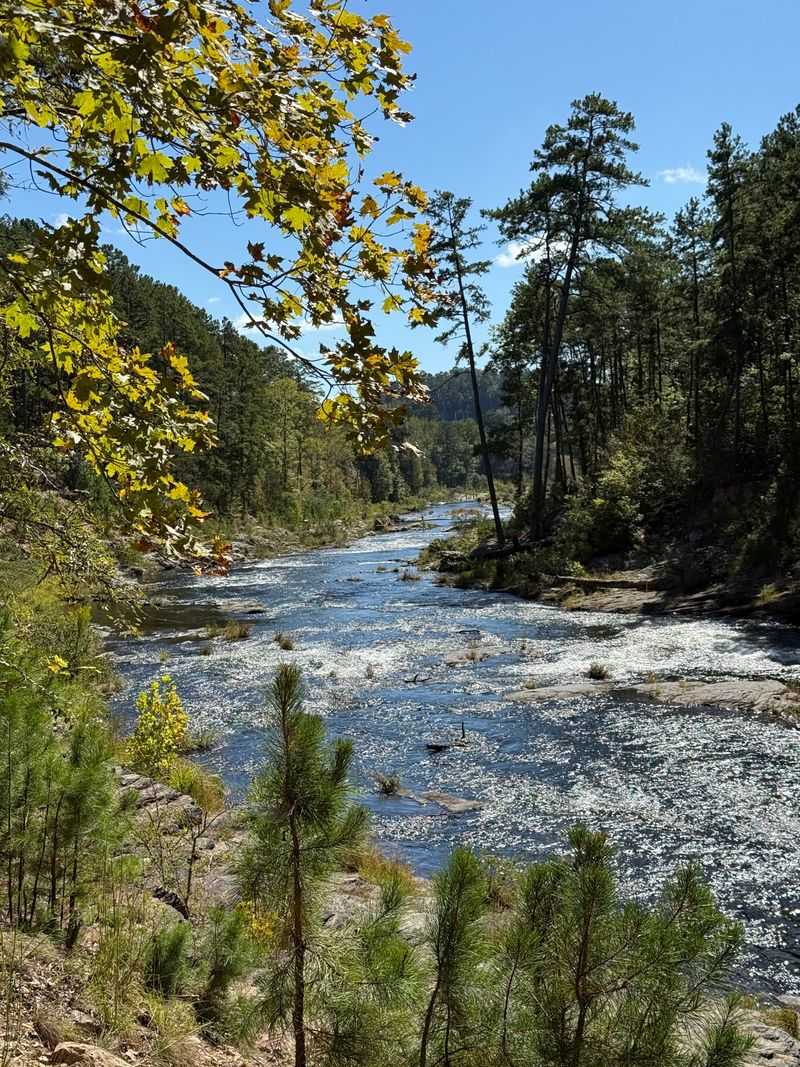
Whether you’re seeking adrenaline-pumping adventures or quiet moments beside flowing water, Beavers Bend State Park offers something for every outdoor enthusiast.
Kayakers and canoeists can navigate gentle rapids or drift along serene stretches of the Mountain Fork River, while anglers enjoy some of the best trout fishing in the region.
Hikers can explore trails that wind through dense pine forests, cross babbling creeks, and lead to scenic overlooks with panoramic views of the Ouachita Mountains.
Mountain bikers find well-maintained paths that combine technical challenges with stunning natural scenery, while equestrians can ride along dedicated horse trails through lush woodlands.
For families, playgrounds, picnic areas, and easy riverside walks provide low-key ways to enjoy the outdoors together.
Birdwatchers and wildlife photographers discover abundant opportunities to spot deer, wild turkeys, bald eagles, and a variety of songbirds in their natural habitats.
Winter visitors can experience the park’s tranquil beauty with snow-dusted trails, crisp air, and fewer crowds, making it ideal for reflective walks or cozy cabin retreats.
Cabin rentals and lodges provide comfort with modern amenities while keeping guests immersed in nature, and campgrounds allow true outdoors lovers to fall asleep to the sounds of flowing water and rustling trees.
Special events, ranger-led programs, and educational exhibits at the visitor center help connect guests to the park’s ecology and conservation efforts.
With its combination of rugged landscapes, flowing rivers, abundant wildlife, and year-round recreational opportunities, Beavers Bend State Park exemplifies Oklahoma’s natural diversity and stands as a must-visit destination for anyone craving both adventure and serenity, this park delivers unforgettable experiences that keep visitors returning season after season.
2. Wichita Mountains Wildlife Refuge
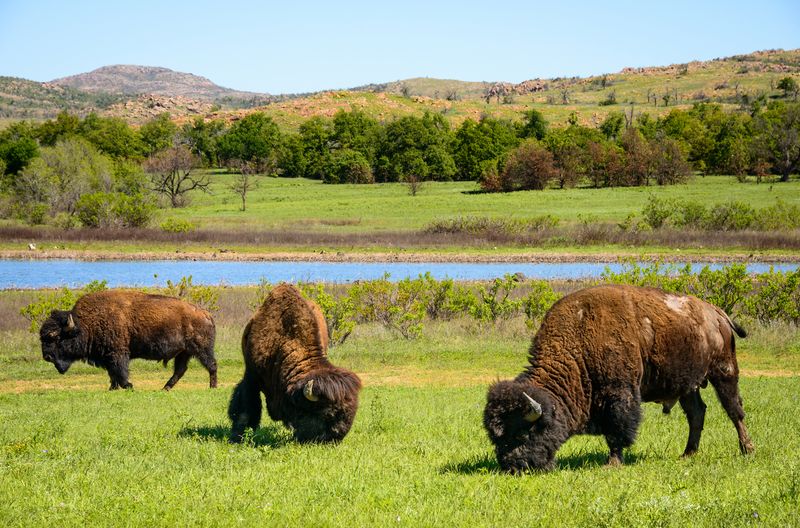
Ancient granite boulders rise dramatically from prairie grasslands, creating a landscape that seems frozen in time at Wichita Mountains Wildlife Refuge.
Established in 1901, this 59,020-acre refuge protects some of the last remaining mixed-grass prairie ecosystems in the country.
Visitors come here not just for stunning scenery but for close encounters with animals that once roamed freely across North America.
American bison, longhorn cattle, elk, and prairie dogs live within the refuge boundaries, often visible from roads and hiking trails.
You might round a bend on the trail and find yourself respectfully observing a massive bison herd grazing peacefully in a meadow.
Rock climbing enthusiasts flock to the refuge’s granite formations, with routes suitable for beginners and experienced climbers alike.
The Charon’s Garden Wilderness Area offers backcountry hiking experiences where solitude and natural beauty reign supreme.
Several lakes dot the landscape, providing fishing opportunities for bass, catfish, and sunfish while also serving as scenic spots for picnicking.
The visitor center features exhibits explaining the refuge’s conservation history and the successful reintroduction programs that saved several species from extinction.
Photographers particularly love golden hour when low sunlight illuminates the red granite peaks and casts long shadows across the prairie.
Spring brings wildflowers that carpet the grasslands in purple, yellow, and white blooms stretching to the horizon.
Over fifteen miles of trails wind through diverse habitats, from rocky peaks to creek bottoms filled with cottonwood trees.
The refuge remains free to enter, making it an accessible destination for families on any budget.
Experiencing wildlife in their natural habitat creates connections to conservation efforts that textbooks simply cannot replicate.
Visitors can also enjoy guided tours and interpretive programs offered by refuge staff, providing insight into the ecology, geology, and history of the area.
Picnicking and camping opportunities allow guests to extend their stay and fully immerse themselves in the rugged, scenic environment.
Birdwatchers will find more than 200 species in the refuge, including rare raptors and migratory songbirds, adding another layer of excitement to their visit.
The refuge’s mixture of open prairie, granite outcrops, and wooded creek bottoms creates a diverse playground for outdoor enthusiasts, from hikers and cyclists to photographers and families seeking a nature escape.
Wildlife sightings are often complemented by educational signage along trails, helping visitors understand animal behavior, habitat needs, and ongoing conservation efforts.
Wichita Mountains Wildlife Refuge remains a living classroom, adventure playground, and sanctuary, offering something for every nature lover and proving that Oklahoma’s outdoors can feel both vast and intimate at the same time.
3. Robbers Cave State Park
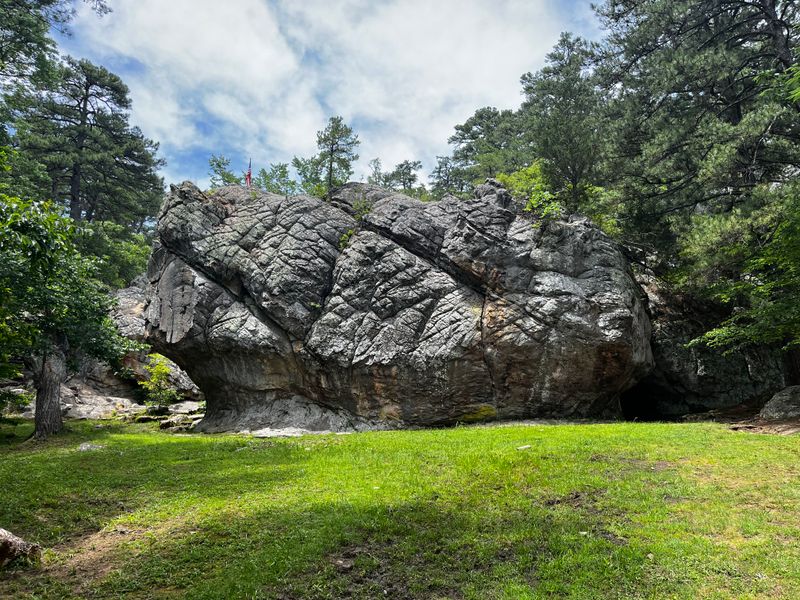
Legend whispers that outlaws like Jesse James once hid stolen treasures in the sandstone caves that give this park its intriguing name.
Whether those stories hold truth or not, Robbers Cave State Park definitely holds adventure for modern-day explorers.
Located in the scenic Sans Bois Mountains, this 8,246-acre park combines history, geology, and outdoor recreation into one captivating destination.
The famous cave itself sits nestled among towering rock formations and can be reached via a moderate hiking trail.
Kids especially love exploring the cool, shaded cavern and imagining bandits counting gold coins by lantern light.
Beyond the namesake cave, the park offers over twenty miles of trails ranging from easy lakeside strolls to challenging mountain bike routes.
Lake Carlton provides opportunities for swimming, paddleboarding, and fishing when Oklahoma summers heat up.
Equestrian trails wind through the forest, allowing horseback riders to experience the landscape from a different perspective.
The park maintains horse stalls and camping areas specifically designed for visitors traveling with their four-legged friends.
Rock climbing and rappelling attract thrill-seekers to the sandstone bluffs, where guided experiences help beginners learn proper techniques safely.
An extensive cave system beyond the main attraction offers spelunking opportunities for those with proper equipment and experience.
Cabin rentals and campgrounds accommodate overnight visitors who want to wake up surrounded by birdsong and fresh mountain air.
Fall foliage rivals any eastern state, with oak, hickory, and maple trees creating brilliant color displays.
The park’s nature center provides educational programs about local ecosystems, wildlife, and the geological forces that shaped these unique rock formations.
Robbers Cave proves that Oklahoma’s outdoor recreation extends far beyond flat prairies and cattle ranches.
4. Chickasaw National Recreation Area
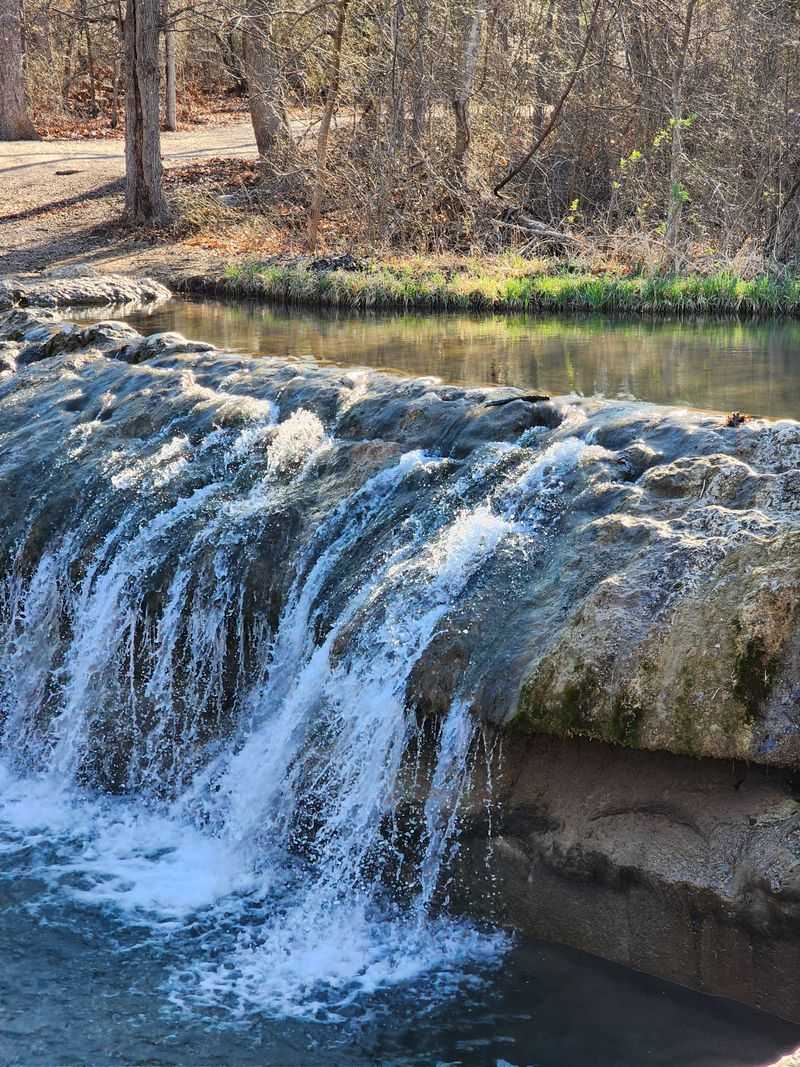
Freshwater springs bubble up from underground aquifers, creating streams so clear they shimmer like liquid glass in the sunlight.
Chickasaw National Recreation Area protects these natural springs and the diverse ecosystems they support across nearly 10,000 acres.
Often called Oklahoma’s original national park, this area has drawn visitors seeking natural beauty and healing waters for over a century.
Travertine Creek winds through the park, its mineral-rich waters depositing colorful formations along the banks.
Swimming holes along the creek provide refreshing escapes during hot summer months, with families claiming favorite spots under shady pecan trees.
The park features over twenty miles of hiking and biking trails that explore varied terrain from creek bottoms to rocky hillsides.
Buffalo and antelope once roamed these lands, and interpretive signs help visitors understand the area’s rich cultural and natural history.
Lake of the Arbuckles offers boating, skiing, and fishing opportunities on over 2,300 acres of water surrounded by wooded shores.
Veterans Lake provides a quieter alternative for canoeists and kayakers seeking peaceful paddling experiences.
The historic Platt District contains beautiful stone bridges, pavilions, and walkways built by the Civilian Conservation Corps during the 1930s.
These structures blend seamlessly with the natural environment, creating picture-perfect scenes around every corner.
Birdwatchers document over 240 species throughout the year, from migrating warblers to resident roadrunners.
Spring wildflowers transform meadows into living tapestries of color that attract butterflies and photographers alike.
Camping facilities range from primitive sites to RV hookups, with some campgrounds situated right along the creek.
The nature center offers programs about the unique geology that creates artesian springs and the importance of protecting these water resources.
Chickasaw National Recreation Area demonstrates that outdoor recreation and conservation can coexist beautifully.
5. Red Rock Canyon State Park
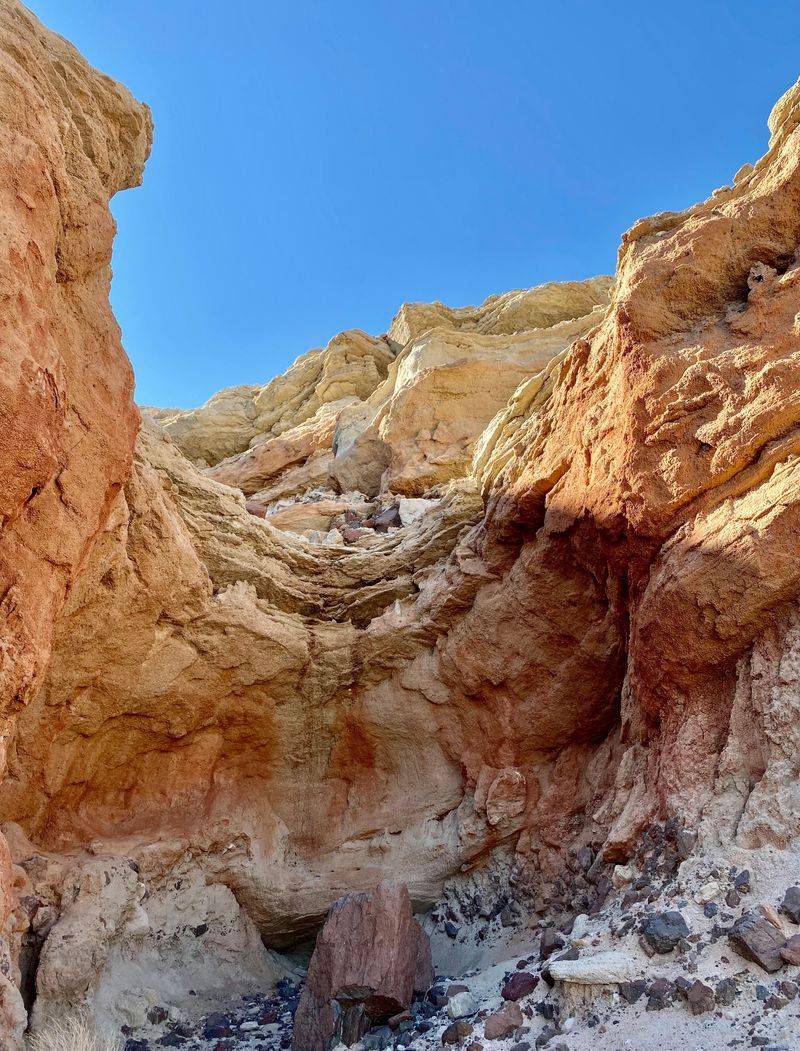
Massive red sandstone cliffs rise abruptly from the surrounding prairie, creating a landscape that looks transported from the American Southwest.
Red Rock Canyon State Park protects this geological wonder where erosion has carved intricate patterns into 300-million-year-old rock formations.
The vivid iron-oxide colors shift throughout the day as sunlight hits the canyon walls from different angles, creating an ever-changing natural art gallery.
Hiking trails lead into the canyon depths where you’ll discover hidden alcoves, natural arches, and layers of sedimentary rock that tell Earth’s ancient story.
The park covers only 310 acres, making it possible to explore thoroughly in a single day while still feeling like you’ve traveled to another world.
Rock climbing routes on the sandstone faces challenge climbers with unique textures and features not found elsewhere in Oklahoma.
Rappelling down the canyon walls provides adrenaline rushes and unforgettable views for those comfortable with heights.
The park sits along historic Route 66, adding cultural significance to its natural beauty.
Vintage road-trippers and modern travelers alike stop to photograph the stunning contrast between red rocks and blue Oklahoma skies.
Wildlife adapted to semi-arid conditions thrive here, including roadrunners, collared lizards, and various raptor species that nest on cliff ledges.
Spring rains occasionally fill temporary pools where tadpoles race to mature before the water disappears.
Picnic areas with shelters provide shaded spots to rest and refuel between explorations.
The relatively small size means fewer crowds compared to larger state parks, offering more solitude for contemplation and connection with nature.
Sunset transforms the canyon into a glowing masterpiece of oranges, reds, and purples that seem almost unreal.
Photographers time their visits to capture these magical moments when the rocks appear to be lit from within.
Red Rock Canyon proves that spectacular outdoor recreation destinations come in all sizes.
6. Ouachita National Forest
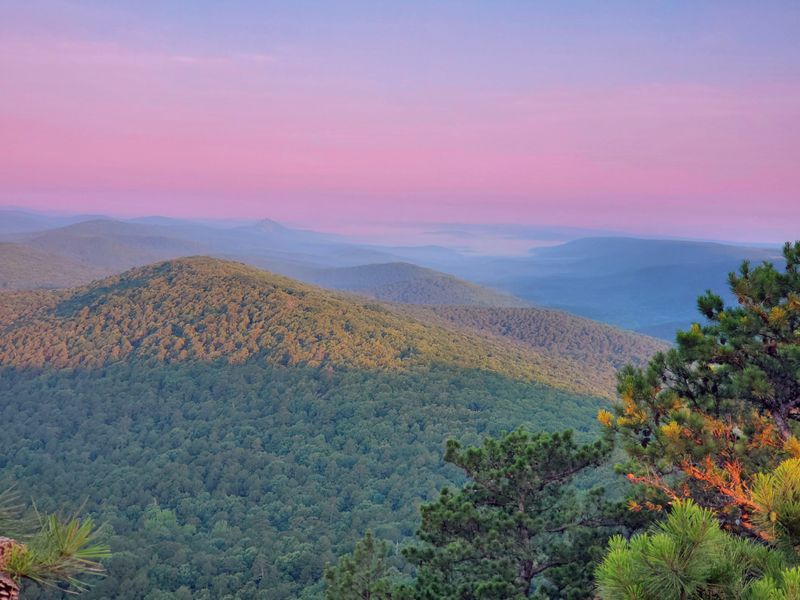
Mountain ridges stretch endlessly toward the horizon, their ancient peaks softened by millions of years of wind and weather.
Ouachita National Forest spans nearly 1.8 million acres across Oklahoma and Arkansas, with the Oklahoma portion offering some of the state’s most remote and pristine wilderness.
Unlike most North American mountain ranges that run north-south, the Ouachitas run east-west, creating unique microclimates and ecosystems.
The Ouachita National Recreation Trail extends for 223 miles through the forest, with the Oklahoma section providing challenging backpacking experiences for serious hikers.
Shorter trails branch off, allowing day hikers to sample the forest’s beauty without committing to multi-day expeditions.
Crystal-clear streams tumble down mountainsides, creating swimming holes and fishing spots where smallmouth bass and sunfish thrive.
Mountain bikers tackle technical trails that wind through dense forest and across rocky ridges with panoramic views.
Talimena National Scenic Byway cuts through the heart of the forest, offering one of America’s most beautiful drives, especially during fall color season.
Numerous pullouts allow travelers to stop, stretch their legs, and soak in vistas that seem to extend forever.
The forest supports diverse wildlife including black bears, bobcats, and countless bird species that fill the canopy with song.
Spring brings blooming dogwoods and redbuds that add splashes of white and pink to the overwhelming green.
Dispersed camping allows adventurous souls to set up camp almost anywhere, following Leave No Trace principles to preserve the wilderness character.
Developed campgrounds provide amenities for those preferring established sites with facilities.
Hunting and foraging opportunities attract those seeking to connect with traditional outdoor skills and sustainable food sources.
The forest’s remoteness means truly dark night skies perfect for stargazing and meteor shower viewing.
Ouachita National Forest represents Oklahoma’s wildest outdoor recreation playground where solitude and natural beauty reign supreme.
Dear Reader: This page may contain affiliate links which may earn a commission if you click through and make a purchase. Our independent journalism is not influenced by any advertiser or commercial initiative unless it is clearly marked as sponsored content. As travel products change, please be sure to reconfirm all details and stay up to date with current events to ensure a safe and successful trip.
