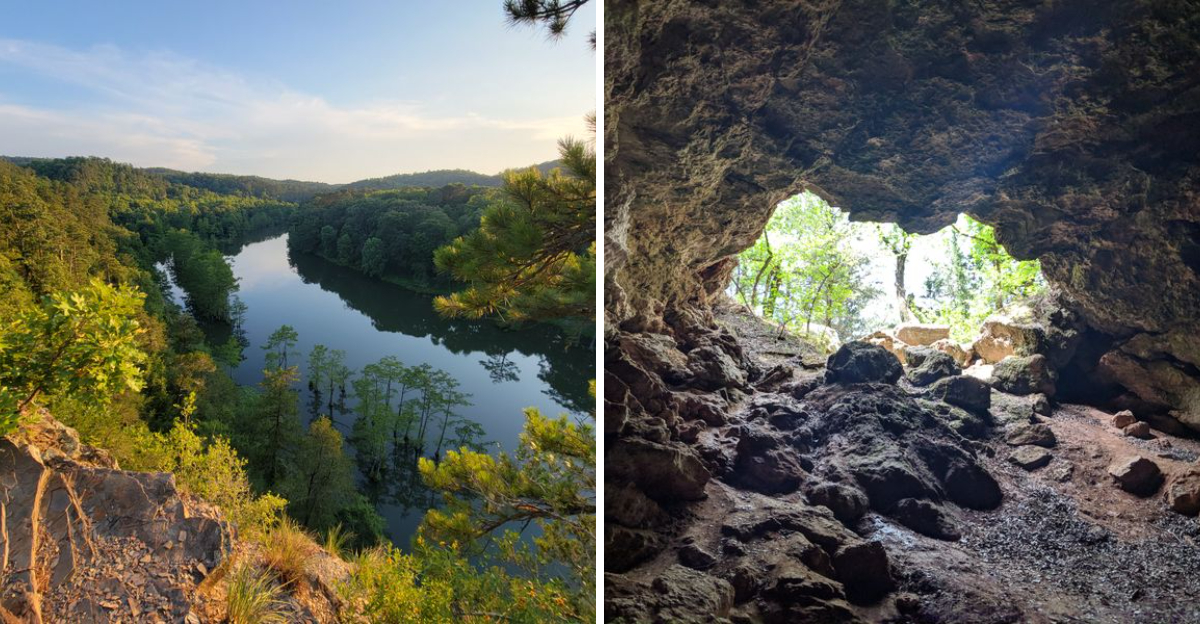
Oklahoma holds countless treasures beyond its bustling urban centers, waiting for curious travelers to discover them.
Small towns, natural wonders, and historic sites scattered across the state offer experiences you simply cannot find in Oklahoma City or Tulsa.
From dramatic canyons carved over millions of years to quirky roadside attractions that capture the spirit of Route 66, these destinations showcase the authentic heart of the Sooner State.
Planning a weekend getaway or a road trip adventure means looking past the familiar highways and exploring the backroads where real Oklahoma charm lives.
Whether you crave outdoor adventures, cultural experiences, or simply a break from city noise, these seven destinations deliver unforgettable memories.
Pack your bags, fill up your gas tank, and prepare to see a side of Oklahoma that most visitors miss.
The state’s hidden corners reveal stories, landscapes, and communities that define what makes this region truly special.
1. Medicine Park
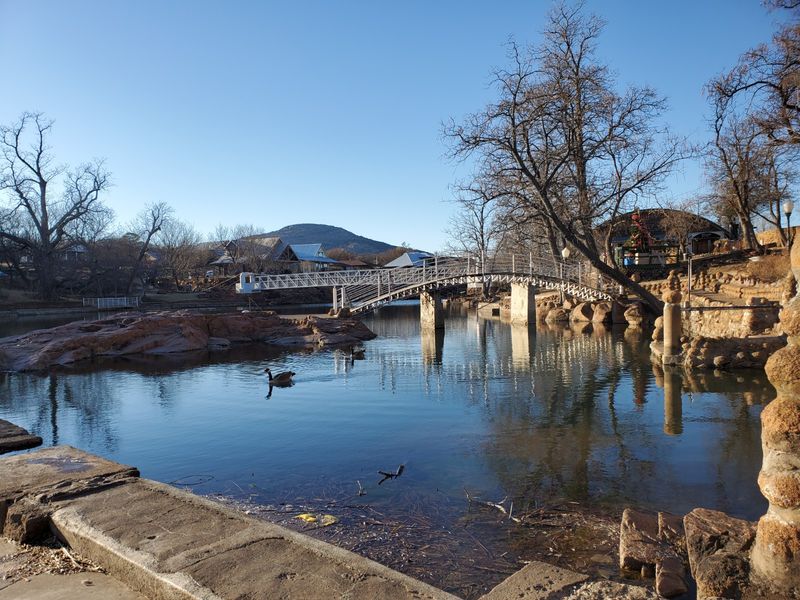
Tucked against the eastern edge of the Wichita Mountains, Medicine Park charms visitors with its cobblestone streets and creek running straight through town.
Founded in 1908 as Oklahoma’s first resort community, this quirky village has maintained its historic character while embracing modern amenities.
The entire downtown area features buildings constructed from local cobblestones, giving the place a storybook appearance that photographers absolutely adore.
Bath Lake sits at the heart of the community, offering swimming, paddleboarding, and fishing opportunities right in the town center.
Families spread blankets along the grassy shores while kids splash in the clear water, creating a relaxed atmosphere you won’t find in larger cities.
Several restaurants and ice cream shops line the main street, with outdoor patios perfect for watching the sunset paint the mountains purple and gold.
The nearby Wichita Mountains Wildlife Refuge provides endless hiking trails, rock climbing routes, and chances to spot bison, elk, and longhorn cattle roaming freely.
Many visitors base themselves in Medicine Park to explore the refuge during the day, then return for evening strolls along the illuminated creek.
Local shops sell handmade crafts, vintage finds, and Oklahoma-themed souvenirs that beat generic gift shop items any day.
Weekend festivals throughout the year bring live music, art shows, and food vendors to the streets, transforming the already lively town into a full celebration.
The community’s commitment to preserving its heritage while welcoming tourists creates an authentic experience that feels genuine rather than manufactured.
Whether you’re seeking outdoor adventure or simply a peaceful escape, Medicine Park delivers both in equal measure, making it a destination worth the drive from anywhere in the state.
2. Turner Falls Park
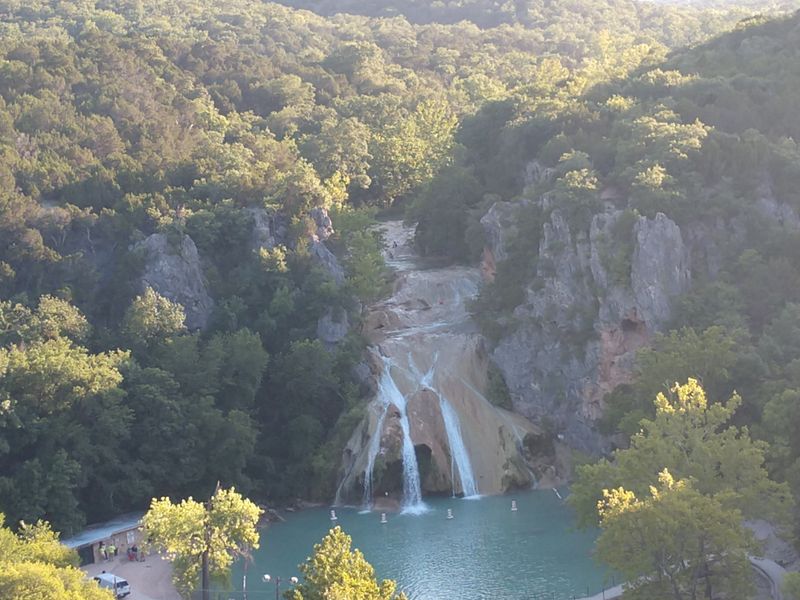
Water crashes down 77 feet of limestone cliff face, creating Oklahoma’s tallest waterfall and a natural swimming hole that has drawn visitors since the 1800s.
Located in the Arbuckle Mountains near Davis, Turner Falls Park spans 1,500 acres of rugged terrain, caves, and hiking trails that showcase the region’s geological diversity.
The main waterfall feeds a series of natural pools where swimmers of all ages can cool off during Oklahoma’s scorching summer months.
Beyond the famous falls, the park contains numerous caves waiting to be explored, including some large enough to walk through without crawling.
Families often spend entire days here, moving between swimming areas, picnic spots, and short hikes that reveal hidden waterfalls and rock formations.
The limestone cliffs surrounding the falls create a dramatic backdrop that looks more like something from the Ozarks than the Great Plains.
Camping facilities range from primitive tent sites to RV hookups, allowing visitors to wake up to the sound of rushing water and bird songs.
The park gets crowded on summer weekends, so arriving early or visiting during weekdays guarantees a more peaceful experience.
Local legends about the falls’ namesake, Mazeppa Turner, add a layer of history to the natural beauty, connecting present-day visitors to the pioneers who settled this area.
Spring brings wildflowers carpeting the hillsides, while fall transforms the surrounding forests into a tapestry of red, orange, and yellow.
The park’s relatively affordable admission makes it accessible for families on a budget who still want an adventure-filled day outdoors.
Whether you’re brave enough to stand beneath the falling water or prefer watching from the sandy beach below, Turner Falls creates memories that last long after you’ve dried off and headed home.
3. Alabaster Caverns State Park
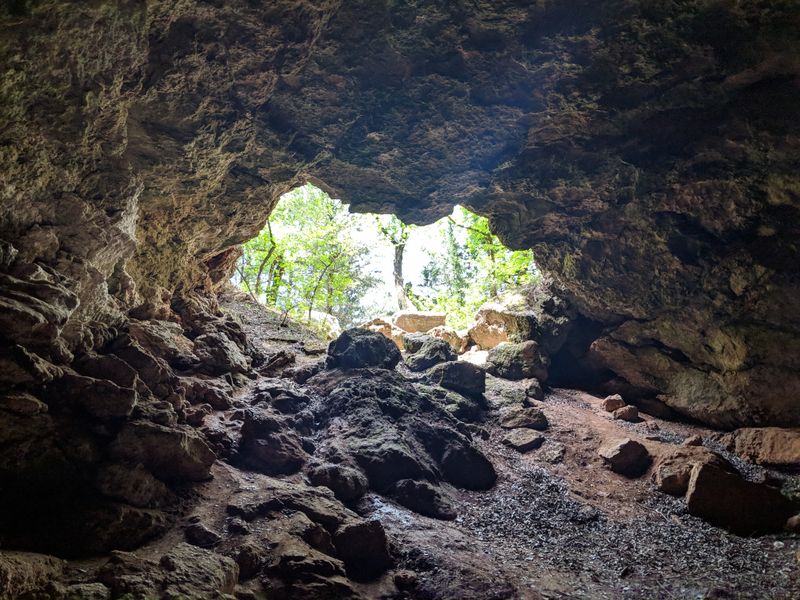
Few people realize that Oklahoma contains the largest natural gypsum cave in the world open to the public, hidden beneath the rolling prairies near Freedom.
Alabaster Caverns State Park offers guided tours through massive chambers filled with pink alabaster formations that glow when illuminated by tour lights.
The cave maintains a constant 58-degree temperature year-round, providing a natural air-conditioned escape during summer and a relatively warm retreat in winter.
Tours descend 200 feet underground, winding through passages where you’ll spot rare cave-dwelling bats hanging from ceilings between May and August.
Unlike many commercial caves, Alabaster Caverns retains a wild, undeveloped feel with minimal artificial lighting and no paved walkways.
Visitors should wear sturdy shoes and prepare for uneven terrain, but the authentic cave experience rewards those willing to navigate the natural floor.
The alabaster formations create shapes that spark imagination, from flowing curtains to massive columns that have grown over thousands of years.
Park rangers share geological information and local history during tours, explaining how ancient seas once covered this region and left behind the mineral deposits.
Aboveground, the park offers hiking trails, picnic areas, and a small nature center that provides context for the underground wonders below.
Photography enthusiasts should bring tripods and ask about special photography tours that allow more time and better lighting opportunities.
The remote location means fewer crowds compared to tourist attractions near major cities, giving your group a more intimate experience with nature’s underground architecture.
Some visitors combine their cavern tour with stops at nearby salt plains or wildlife refuges, creating a full day of unique northwestern Oklahoma experiences that showcase the state’s geological diversity in surprising ways.
4. Beavers Bend State Park
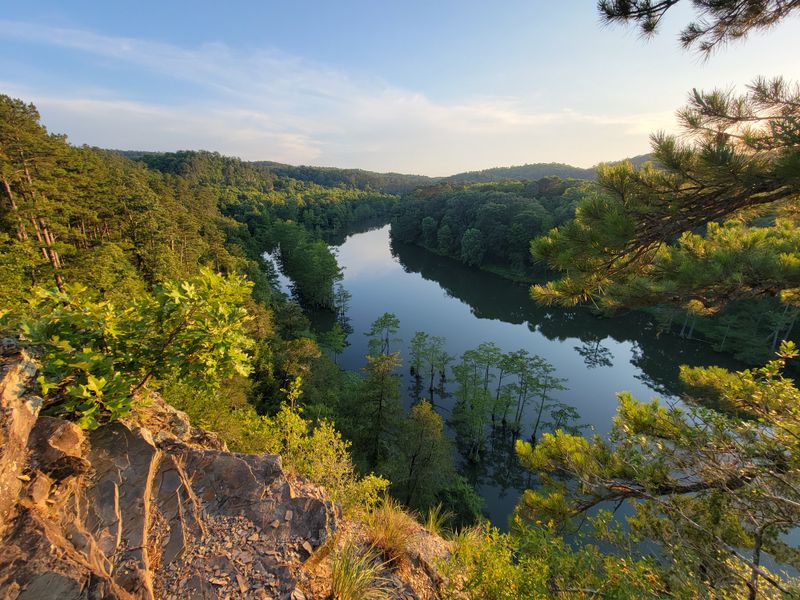
Nestled in southeastern Oklahoma’s Ouachita Mountains, Beavers Bend feels more like Arkansas or Colorado than the flat prairies most people associate with the state.
The Mountain Fork River cuts through the park, offering some of Oklahoma’s best trout fishing in water so clear you can watch the fish swim beneath your kayak.
Towering pine and hardwood forests create a canopy that keeps the area cooler than surrounding regions, making it a popular summer destination for families seeking relief from the heat.
Broken Bow Lake borders the park, providing 14,000 acres of water perfect for boating, fishing, and swimming at designated beaches.
Numerous hiking trails wind through the mountains, ranging from easy nature walks to challenging climbs that reward your effort with panoramic views of the forest.
The park’s Skyline Trail is particularly popular during fall when the changing leaves create a spectacular display of autumn colors.
Cabin rentals throughout the area range from rustic to luxurious, with some featuring hot tubs, fireplaces, and floor-to-ceiling windows overlooking the river.
The nearby town of Hochatown has exploded with restaurants, shops, and attractions in recent years, though it maintains a small-town feel despite the growth.
Outfitters along the river rent canoes, kayaks, and fishing gear, making it easy for visitors to enjoy water activities without hauling equipment from home.
Wildlife sightings are common, with deer, wild turkeys, and even black bears occasionally spotted along trails or near campsites.
The Forest Heritage Center Museum within the park tells the story of the region’s logging history and conservation efforts through interactive exhibits.
Whether you’re casting a line for rainbow trout, paddling down a gentle river, or simply rocking on a cabin porch with a good book, Beavers Bend offers an escape that feels a world away from Oklahoma’s urban centers.
5. Black Mesa
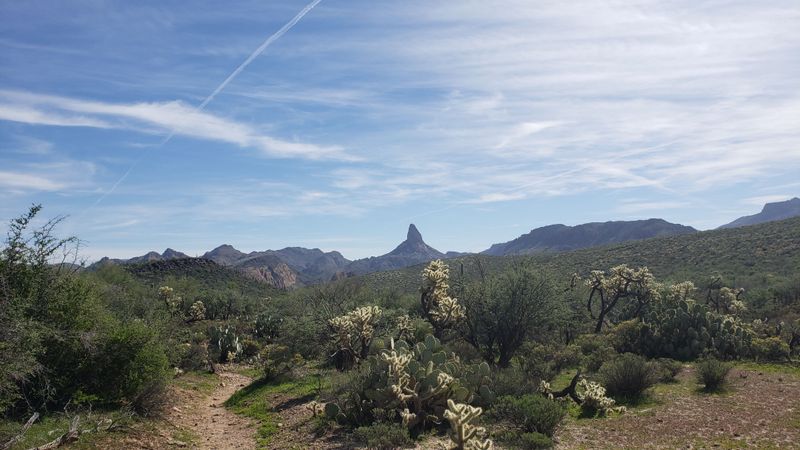
Standing at Oklahoma’s highest point requires a journey to the state’s far western panhandle, where Black Mesa rises 4,973 feet above sea level.
The mesa’s dark volcanic rock cap contrasts sharply with the surrounding grasslands, creating a dramatic landmark visible for miles across the flat plains.
Reaching the summit involves a moderate 4.2-mile round-trip hike across terrain that feels more like New Mexico than Oklahoma, with yucca plants and juniper trees replacing typical prairie vegetation.
The trail follows an old roadbed before ascending the mesa’s flank, where hikers encounter fossilized dinosaur tracks embedded in the rock layers.
At the summit, a monument marks the exact highest point, and on clear days, you can see into Colorado, New Mexico, and Kansas from this tri-state area.
The night sky here ranks among the darkest in Oklahoma, making Black Mesa a favorite destination for amateur astronomers and stargazers who want to escape light pollution.
Black Mesa State Park and Nature Preserve at the base provides camping facilities, though the area remains delightfully undeveloped compared to more popular state parks.
Wildlife in the region includes pronghorn antelope, rarely seen elsewhere in Oklahoma, along with golden eagles soaring on thermal currents above the mesa.
The surrounding area’s sparse population means you’ll likely encounter more cattle than people during your visit, adding to the sense of isolation and adventure.
Summer temperatures can be extreme, so spring and fall offer the most comfortable hiking conditions, with wildflowers blooming across the prairie in April and May.
The remote location requires planning since the nearest significant town sits over 30 miles away, and cell phone service is unreliable at best.
For adventurers seeking solitude and a chance to experience Oklahoma’s geological diversity, Black Mesa delivers an experience that surprises visitors who thought they knew what Oklahoma looked like.
6. Pops Arcadia
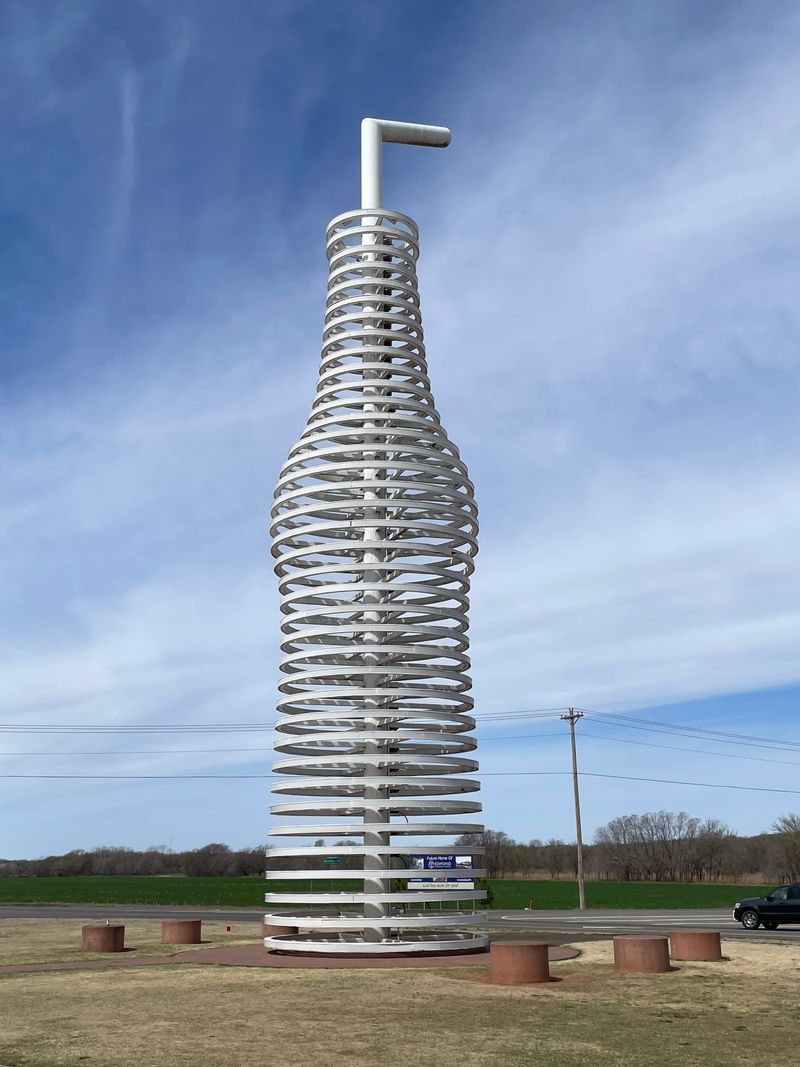
A 66-foot-tall soda bottle glowing with LED lights announces your arrival at one of Route 66’s most photographed roadside attractions.
Pops Arcadia opened in 2007 but captures the spirit of classic American highway culture while adding modern architectural flair that makes it feel simultaneously retro and futuristic.
The building’s curved glass walls and steel framework create a space-age diner atmosphere that contrasts beautifully with the surrounding Oklahoma prairie.
Inside, the real attraction is the wall of soda featuring over 700 varieties from around the world, displayed in a rainbow-organized cooler that spans the entire back wall.
You’ll find everything from classic root beers and cream sodas to bizarre flavors like bacon, pickle, and peanut butter jelly in bottles that beg to be photographed before drinking.
The restaurant serves burgers, sandwiches, and comfort food that pairs perfectly with your chosen soda, though many visitors come just for the beverage selection and photo opportunities.
The giant bottle outside changes colors throughout the day and night, creating different moods and making it a landmark visible from Interstate 44 even at highway speeds.
Vintage gas pumps and Route 66 memorabilia scattered around the property help visitors connect with the historic highway’s legacy while enjoying modern amenities.
The gift shop stocks Route 66 souvenirs, Oklahoma products, and nostalgic candies that transport adults back to childhood and introduce kids to treats their parents remember.
Located just northeast of Oklahoma City, Pops makes an easy day trip or perfect road trip stop between Tulsa and the capital.
The attraction gets busy during peak travel times, but the spacious parking lot and large dining area usually accommodate crowds without long waits.
Whether you’re a Route 66 enthusiast, a soda collector, or just someone who appreciates quirky Americana, Pops delivers an experience that’s pure Oklahoma fun without taking itself too seriously.
7. Chickasaw National Recreation Area

Crystal-clear springs bubble up from the earth at rates reaching five million gallons daily, creating streams and swimming areas that have attracted visitors since Native American tribes first settled here.
Formerly known as Platt National Park, Chickasaw National Recreation Area near Sulphur protects these natural springs and the diverse ecosystems they support.
Travertine Creek winds through the park, forming natural pools where families wade and swim in water so clear you can count pebbles on the bottom from the bank above.
The historic Travertine Nature Center provides context about the area’s geology, explaining how these springs form and why the water stays a constant cool temperature year-round.
Miles of hiking and biking trails connect various springs, each with its own character, from the popular Little Niagara waterfall to quieter, more secluded spots perfect for peaceful reflection.
The park’s pavilions and picnic areas, many built by the Civilian Conservation Corps during the 1930s, add historical architecture to the natural beauty.
Lake of the Arbuckles offers boating, fishing, and additional swimming opportunities for visitors who prefer larger bodies of water to creeks and springs.
The Veterans Lake area features a beach, boat ramps, and fishing docks that make water access easy for families with young children or mobility limitations.
Birdwatchers flock to the park during migration seasons when dozens of species stop to rest and refuel near the reliable water sources.
The town of Sulphur borders the park, offering restaurants, lodging, and shops within walking distance of park entrances, making it easy to base yourself nearby for multi-day visits.
Unlike many national recreation areas that require long drives to reach, Chickasaw sits just 90 minutes from Oklahoma City, making it accessible for weekend getaways or even long day trips.
The combination of natural springs, historical significance, and recreational opportunities creates a destination that appeals to nature lovers, history buffs, and families alike, proving that Oklahoma’s hidden treasures rival attractions in any state.
Dear Reader: This page may contain affiliate links which may earn a commission if you click through and make a purchase. Our independent journalism is not influenced by any advertiser or commercial initiative unless it is clearly marked as sponsored content. As travel products change, please be sure to reconfirm all details and stay up to date with current events to ensure a safe and successful trip.
