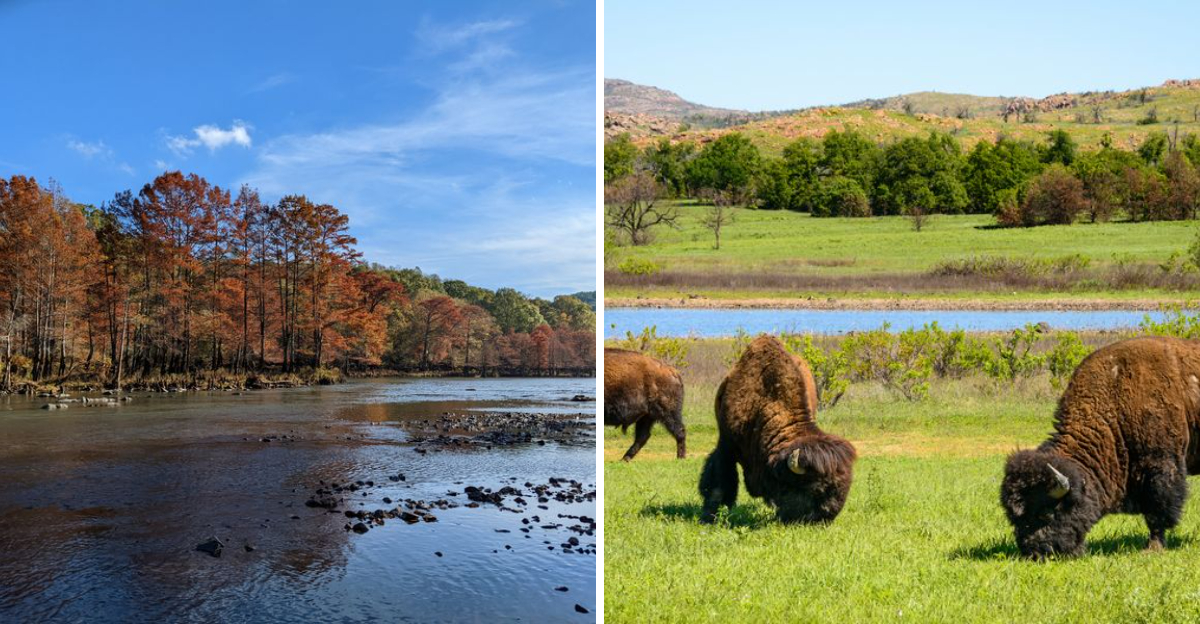
Oklahoma has quietly become a magnet for travelers seeking natural beauty, quirky roadside attractions, and cultural experiences that rival those found in more famous states.
From stunning waterfalls tucked into ancient forests to wildlife refuges where bison roam freely across granite hills, the Sooner State offers adventures that appeal to families, nature lovers, and history buffs alike.
However, this growing popularity has brought unexpected challenges to some of the state’s most beloved spots.
What were once peaceful retreats have transformed into crowded destinations where parking lots overflow, trails erode under constant foot traffic, and the serene atmosphere locals cherished has given way to noise and congestion.
1. Turner Falls Park
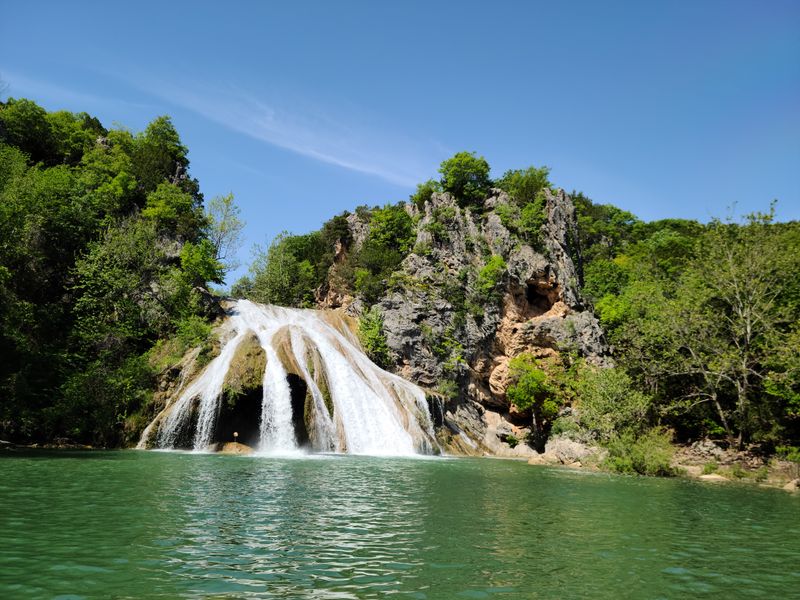
Nestled in the Arbuckle Mountains, Turner Falls Park was once a hidden gem where families could escape the summer heat in crystal-clear swimming holes beneath Oklahoma’s tallest waterfall.
The 77-foot cascade tumbling over limestone cliffs created a natural paradise that felt worlds away from city life.
Local families would arrive early on weekend mornings to claim their favorite spots along the rocky pools, spending entire days picnicking under the shade of ancient trees.
Those peaceful days have become increasingly rare as social media has transformed this once-quiet refuge into one of Oklahoma’s most visited attractions.
Thousands of visitors now descend on the park each weekend during peak season, turning the swimming areas into crowded scenes that resemble public pools more than natural retreats.
Parking lots fill completely by mid-morning, forcing latecomers to park along Highway 77, creating safety concerns and frustration.
The environmental impact has become noticeable, with littering problems increasing despite expanded trash facilities.
Plastic bottles and food wrappers float in pools that were once pristine, while the constant trampling of vegetation along trails has led to erosion that threatens the park’s natural beauty.
Local residents who grew up visiting Turner Falls now avoid it during summer months, choosing instead to remember how it used to be rather than witness what it has become.
Park staff work tirelessly to manage the crowds and maintain the facilities, but the sheer volume of visitors has fundamentally changed the character of this beloved natural wonder.
Address: 6801 State Highway 77, Davis, Oklahoma
2. Bricktown Entertainment District
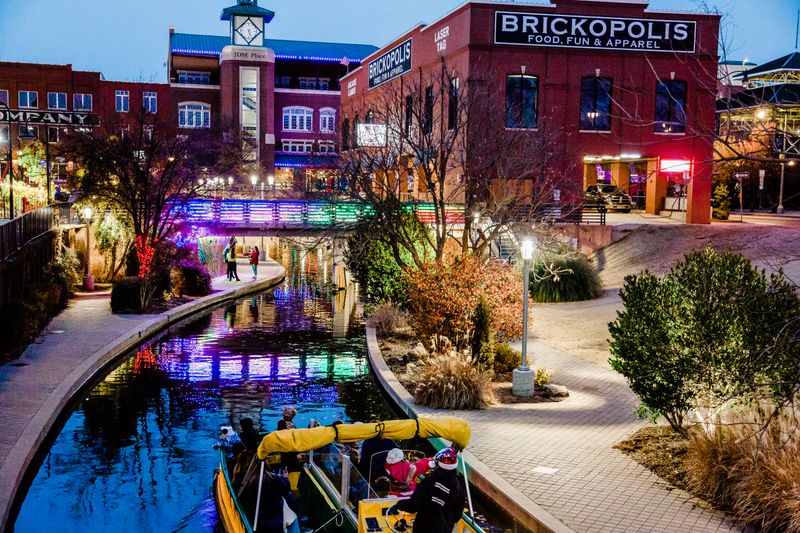
Oklahoma City’s Bricktown Entertainment District represents one of the most successful urban revitalization projects in the American Southwest, transforming abandoned warehouses into a vibrant neighborhood filled with restaurants, bars, and entertainment venues.
The historic brick buildings that once stored cotton and agricultural products now house everything from upscale steakhouses to casual sports bars.
A mile-long canal winds through the district, offering water taxi rides that have become a signature experience for visitors.
When Bricktown first opened in the late 1990s, it provided a much-needed boost to downtown Oklahoma City, creating a destination where locals could gather for dinner, drinks, or evening strolls.
The district maintained a welcoming atmosphere where you could easily find a table at your favorite restaurant or enjoy a quiet walk along the canal.
That intimate neighborhood feel has been overwhelmed by massive tourist crowds, particularly during Thunder basketball games, concerts, and special events.
Weekend evenings now bring traffic jams, hour-long waits at popular restaurants, and sidewalks so crowded that simply walking becomes challenging.
The noise level has increased dramatically, with music from competing venues blending into a constant din that carries into nearby residential areas.
Local business owners celebrate the economic success while privately worrying about sustainability and quality of life issues.
Regular patrons who once considered Bricktown their neighborhood hangout now venture elsewhere, seeking the relaxed atmosphere that first made the district special.
The challenge facing Bricktown reflects a common urban dilemma where popularity threatens the very qualities that created success in the first place.
3. Wichita Mountains Wildlife Refuge
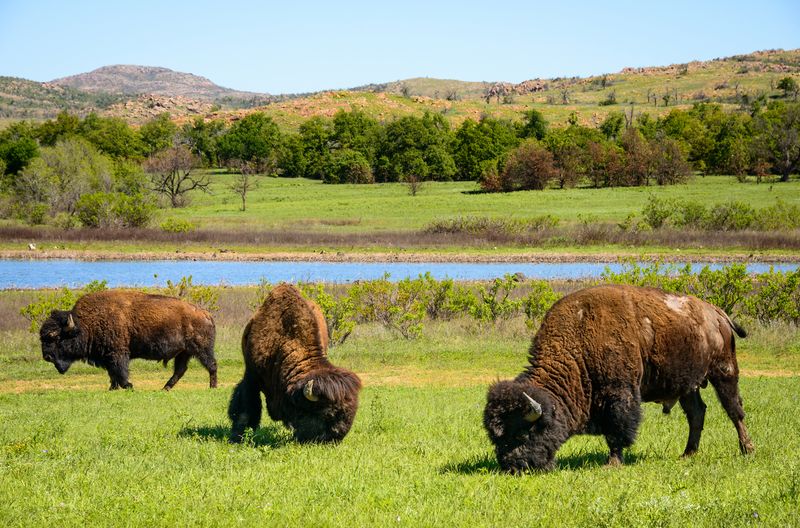
Established in 1901, the Wichita Mountains Wildlife Refuge spans nearly 60,000 acres of mixed-grass prairie and ancient granite mountains in southwestern Oklahoma.
Bison, elk, longhorn cattle, and prairie dogs roam freely across landscapes that have remained relatively unchanged for thousands of years.
The refuge was created to preserve species facing extinction and to protect one of the last remaining pieces of intact prairie ecosystem in the United States.
For generations, families from surrounding communities would visit the refuge for quiet Sunday drives, hoping to spot wildlife while enjoying the dramatic scenery of pink granite domes rising from golden grasslands.
Photographers could spend entire days waiting for the perfect shot without encountering more than a handful of other visitors.
Instagram and Facebook have dramatically altered this dynamic, as stunning photos of bison silhouetted against sunset skies have attracted thousands of new visitors eager to capture their own viral images.
Popular trails like Mount Scott and the Charon’s Garden Wilderness Area now see crowds that would have been unimaginable a decade ago.
Parking areas at major trailheads fill completely on pleasant weekend mornings, with vehicles lining roadsides for hundreds of yards.
Wildlife biologists have expressed concerns about the impact of increased human presence on animal behavior and habitat quality.
Visitors eager for close-up photos sometimes approach bison and elk too closely, creating dangerous situations despite prominent warning signs.
Trail erosion has accelerated, and littering has increased despite the refuge’s carry-in, carry-out policy.
The refuge that once offered solitude and connection with nature now requires patience, early arrival, and acceptance of crowds.
4. Blue Whale of Catoosa
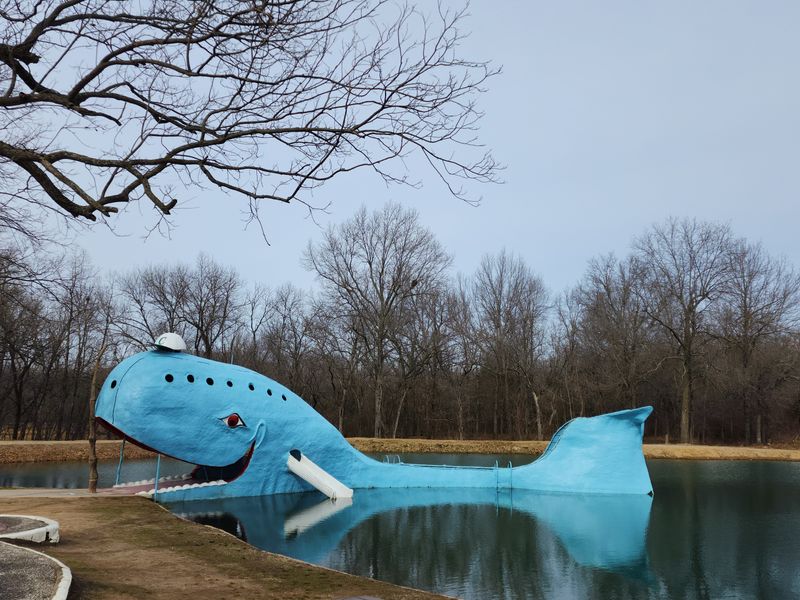
Hugh Davis built the Blue Whale of Catoosa in the early 1970s as an anniversary surprise for his wife Zelta, who collected whale figurines.
The 80-foot-long blue whale sitting beside a small pond became an instant landmark along Route 66, attracting travelers who appreciated its quirky charm and the genuine hospitality of its creators.
For decades, it remained a beloved but relatively quiet stop where families could stretch their legs, wade in the pond, and snap a few photos before continuing their journey.
The Davises welcomed visitors warmly, often coming out to chat and share stories about their creation.
After falling into disrepair following Hugh’s death, the whale was restored by volunteers and has since experienced a renaissance fueled by Route 66 nostalgia and social media attention.
What was once a pleasant five-minute stop has become a destination in itself, with constant streams of visitors arriving throughout daylight hours.
The small parking area can barely accommodate the traffic, with cars often blocking each other or parking along the residential street nearby.
Neighbors who once appreciated having a local landmark now deal with noise, litter, and strangers wandering onto private property while searching for the perfect photo angle.
The whale itself shows signs of wear from countless visitors climbing on it despite requests not to do so.
Graffiti occasionally appears and must be removed, while the surrounding area requires constant maintenance to keep it presentable.
The charm that made the Blue Whale special was its simplicity and the personal touch of its creators, qualities that feel diminished under the weight of mass tourism.
Address: 2600 Oklahoma 66, Catoosa, Oklahoma
5. Natural Falls State Park
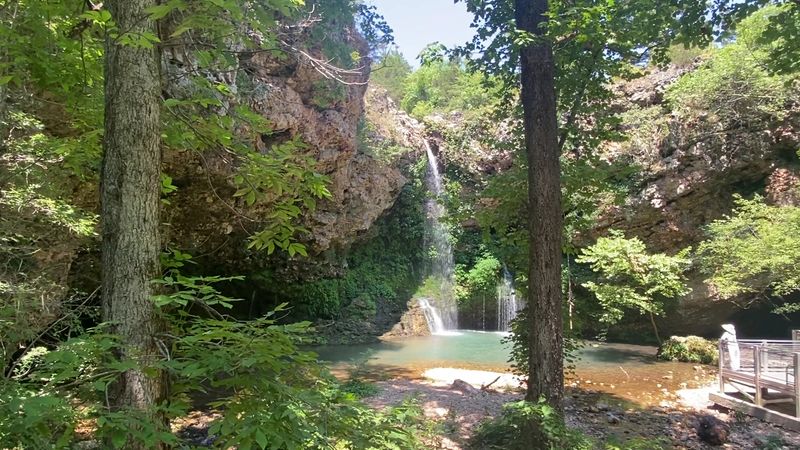
Natural Falls State Park protects a stunning 77-foot waterfall that plunges into a moss-covered gorge surrounded by dense Ozark forest in northeastern Oklahoma.
The falls gained fame when featured in the 1974 film adaptation of Wilson Rawls’ beloved novel Where the Red Fern Grows.
For years afterward, the park attracted a steady but manageable flow of visitors who appreciated both the literary connection and the genuine natural beauty.
Families would hike the short trail to the viewing platform, enjoy a picnic, and often have the falls nearly to themselves, especially on weekdays.
The sound of rushing water and birdsong created a meditative atmosphere that made the park a favorite retreat for those seeking peace.
Recent years have brought dramatic changes as the park has been discovered by tourists from Oklahoma City, Tulsa, and neighboring states.
The viewing platform, which was designed for small groups, now regularly holds dozens of people jostling for position to photograph the falls.
The narrow trail leading to the platform has suffered significant erosion from constant foot traffic, requiring ongoing maintenance and repairs.
Park staff have had to implement a boardwalk system to protect vulnerable areas, fundamentally changing the natural character of the trail experience.
During peak season, the small parking lot fills quickly, and overflow parking along the entrance road creates safety concerns.
The quiet contemplation that once defined a visit to Natural Falls has been replaced by the constant chatter of crowds and the clicking of camera shutters.
Long-time visitors mourn the loss of tranquility while acknowledging that more people discovering Oklahoma’s natural wonders represents a form of success.
Address: 93989 E 840 Rd, West Siloam Springs, Oklahoma
6. Chickasaw National Recreation Area
Chickasaw National Recreation Area near Sulphur, Oklahoma, holds the distinction of being one of the oldest protected areas in the National Park System, originally established as Sulphur Springs Reservation in 1902.
The park encompasses natural springs, streams, and the picturesque Lake of the Arbuckles, offering swimming, hiking, and wildlife viewing opportunities.
Travertine Creek and Little Niagara Falls have long been favorite spots for families to cool off during Oklahoma’s sweltering summers.
For most of its history, Chickasaw National Recreation Area served primarily regional visitors who returned year after year, often claiming the same picnic spots and swimming holes their parents and grandparents had enjoyed.
This generational connection created a sense of stewardship, with regular visitors treating the park as an extension of their own backyards.
The past decade has seen visitor numbers surge as the park has gained national attention through travel blogs, social media posts, and its inclusion on various must-visit lists.
Summer weekends now bring traffic jams on the park roads, with every parking area filled to capacity by late morning.
The swimming areas that once accommodated everyone comfortably now feel overcrowded, with barely enough room to spread out a towel.
Park rangers spend increasing amounts of time managing crowds, enforcing rules, and dealing with visitors unfamiliar with Leave No Trace principles.
Littering has become a persistent problem despite abundant trash receptacles and regular ranger patrols.
The park’s infrastructure, much of it dating to the Civilian Conservation Corps era of the 1930s, struggles to accommodate modern visitor volumes.
Restroom facilities face constant use, trails show signs of widening and erosion, and the overall visitor experience has shifted from peaceful retreat to managed recreation.
7. Tallgrass Prairie Preserve
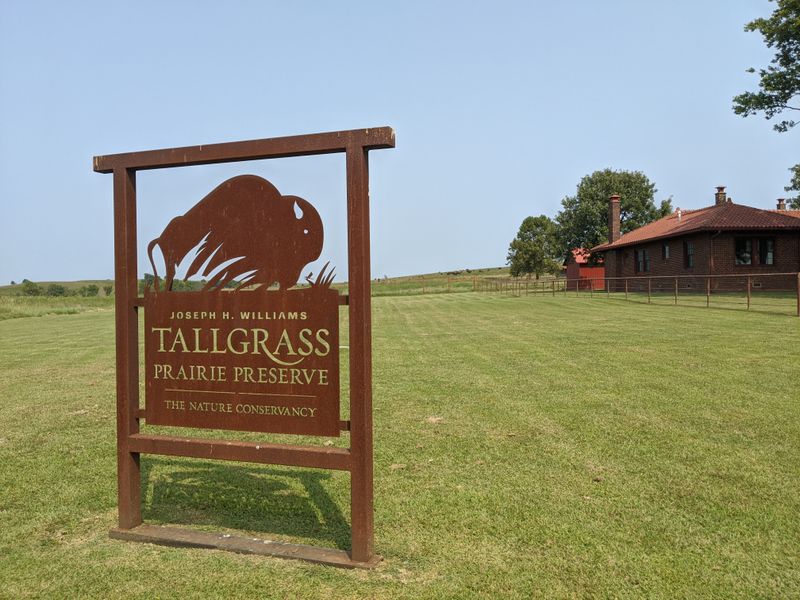
The Tallgrass Prairie Preserve in Osage County protects nearly 40,000 acres of tallgrass prairie, one of the rarest ecosystems on Earth.
Once covering 170 million acres of North America, less than four percent of original tallgrass prairie remains, making this preserve critically important for conservation.
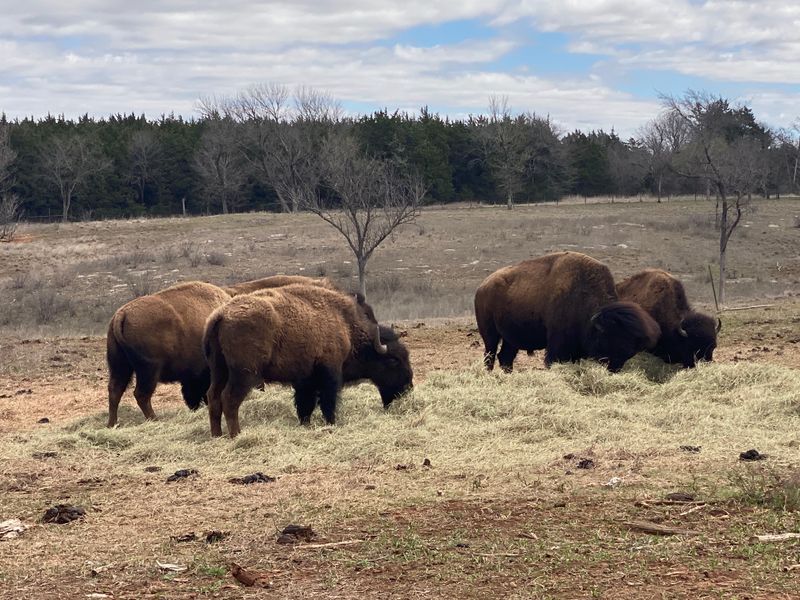
The Nature Conservancy manages the land, maintaining a free-roaming bison herd that helps restore the prairie through grazing patterns similar to those that shaped the ecosystem for millennia.
When the preserve first opened to visitors, it attracted primarily serious nature enthusiasts, photographers, and researchers who appreciated the opportunity to experience an ecosystem that had nearly vanished.
Visitors could drive the gravel roads for hours without encountering another vehicle, immersing themselves in landscapes that looked much as they had before European settlement.
The preserve’s growing reputation has brought increasing numbers of casual tourists, particularly during spring wildflower season and fall when the grasses turn golden.
The narrow gravel roads were never designed for heavy traffic, and erosion has become a concern as more vehicles navigate the preserve.
Popular bison viewing areas now regularly host dozens of cars, with visitors sometimes blocking roads or approaching the animals too closely despite clear warnings about their unpredictable nature.
The sense of solitude that made the preserve special has diminished as you’re now likely to share prime viewing spots with other visitors.
Conservation staff worry about the long-term impacts of increased visitation on both the landscape and wildlife behavior.
While they welcome public interest in prairie conservation, they recognize the irony that loving a place to death remains a real possibility.
The preserve continues searching for ways to accommodate visitors while protecting the very qualities that make it worth visiting.
8. Medicine Park
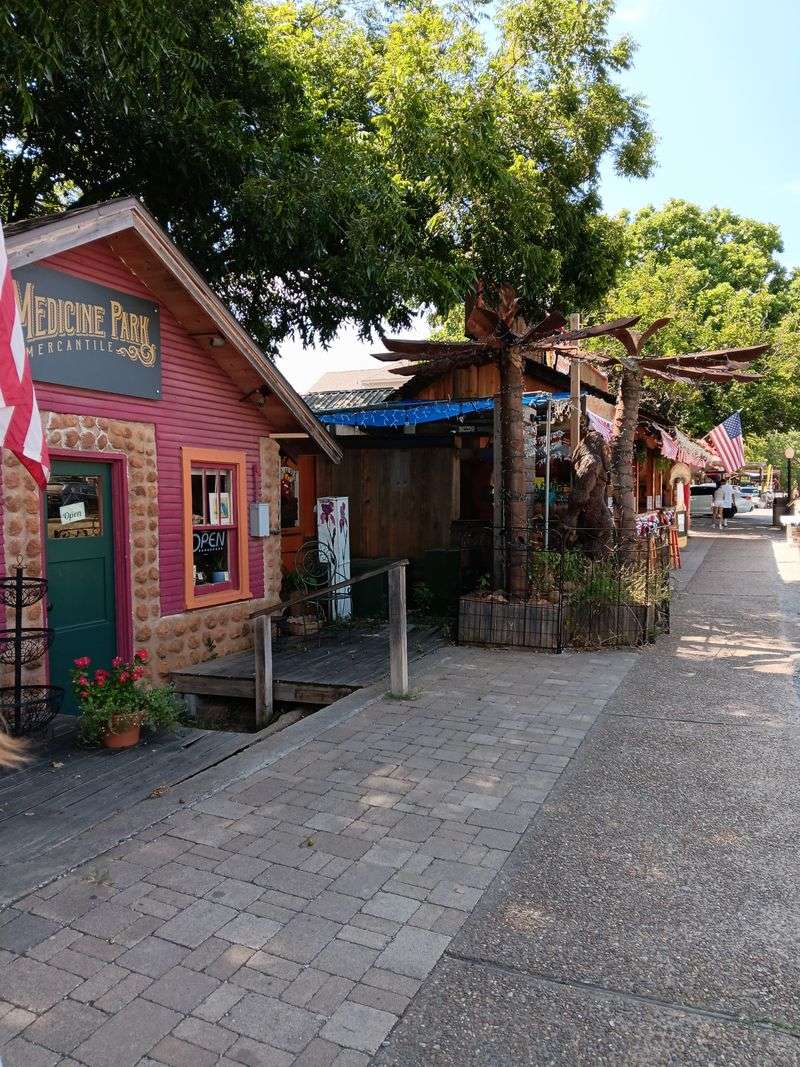
Medicine Park, founded in 1908, claims the title of Oklahoma’s first resort town, built with distinctive cobblestone architecture using rocks gathered from nearby Medicine Creek.
The town fell into decline mid-century but experienced a remarkable revival beginning in the 1990s as artists, entrepreneurs, and preservationists recognized its unique character.
Galleries, restaurants, and shops filled the restored cobblestone buildings, while the creek running through town remained a favorite swimming spot for families.
The town maintained a relaxed, artistic vibe where visitors could browse galleries, enjoy live music, and wade in the creek without feeling rushed or crowded.
Local artists appreciated the supportive community and the steady but manageable flow of visitors who genuinely appreciated their work.
Success has brought challenges that threaten the small-town atmosphere that made Medicine Park appealing in the first place.
Summer weekends now bring traffic that overwhelms the tiny town, with cars circling endlessly searching for parking spaces that don’t exist.
The creek areas become so crowded that finding a spot to enter the water requires patience and persistence.
Restaurants face hour-long waits, and the sidewalks become difficult to navigate as crowds move between shops and attractions.
Long-time residents and business owners express mixed feelings about the town’s popularity, grateful for economic success but concerned about sustainability and quality of life.
Some original artists and shop owners have relocated, priced out by rising rents or frustrated by the changing character of the community.
The town continues working to balance preservation of its artistic identity with the realities of being a popular tourist destination, a challenge with no easy solutions.
9. Gloss Mountain State Park
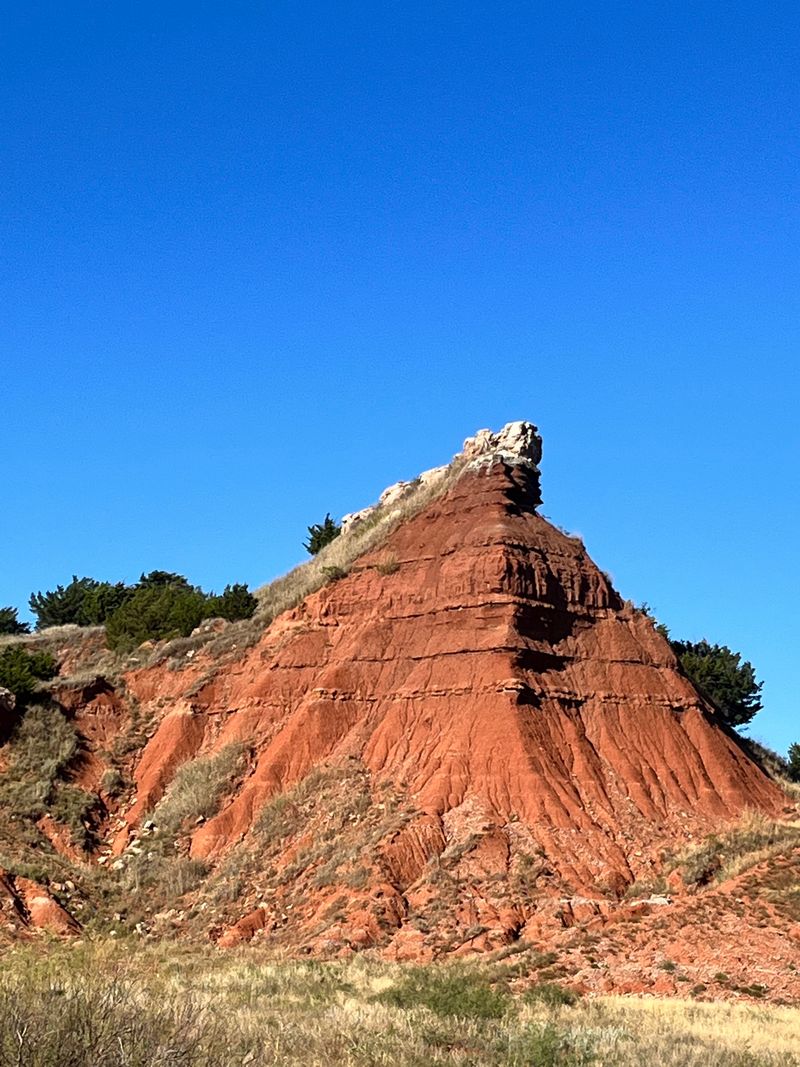
Gloss Mountain State Park in northwestern Oklahoma protects a landscape unlike anything else in the state, with mesas composed of red and white striped selenite that sparkles in sunlight.
The gypsum formations create an otherworldly appearance, particularly at sunrise and sunset when the light transforms the landscape into shades of pink, orange, and gold.
For decades, Gloss Mountain remained one of Oklahoma’s lesser-known parks, visited primarily by geology enthusiasts and adventurous travelers willing to venture into the state’s remote northwestern corner.
The park’s isolation was part of its appeal, offering a sense of discovery and solitude rare in modern travel.
Photographers who made the journey could spend hours experimenting with compositions without another person appearing in their frames.
Social media has changed everything, with striking images of the striped mesas attracting visitors from across the region and beyond.
The short but steep trail to the mesa top now sees steady traffic on weekends, with hikers sometimes waiting for others to clear popular photo spots.
The small parking area, adequate for the park’s previous visitor levels, now fills completely, with overflow parking creating accessibility issues.
The fragile selenite formations show signs of damage from visitors climbing on them or breaking off pieces as souvenirs despite regulations prohibiting such behavior.
Park staff struggle with limited resources to monitor and protect the unique geology while accommodating growing visitor interest.
The sense of discovery that once defined a visit to Gloss Mountain has been replaced by the reality of following crowds up well-worn trails.
Long-time admirers of the park worry about its future, knowing that what made it special was precisely its undiscovered quality.
10. Beavers Bend State Park
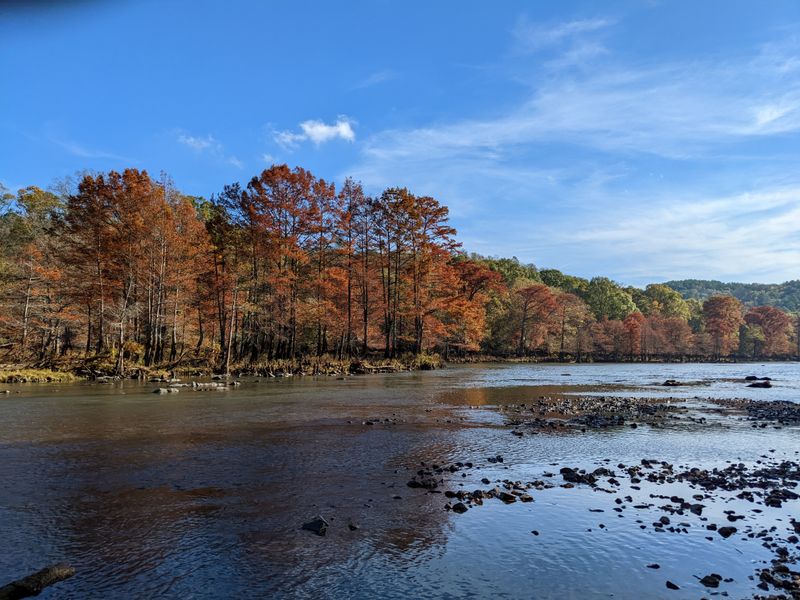
Beavers Bend State Park in southeastern Oklahoma encompasses dense pine forests, clear mountain streams, and the scenic Mountain Fork River, creating an environment that feels more like the Ozarks or Appalachians than typical Oklahoma landscapes.
The park has long been popular with Oklahoma families, offering camping, fishing, hiking, and cabin rentals in a beautiful natural setting.
For generations, families have made annual pilgrimages to Beavers Bend, often booking the same cabins year after year and returning to favorite fishing holes and hiking trails.
The park maintained a family-friendly atmosphere where children could explore safely and parents could relax, knowing they’d encounter familiar faces and well-maintained facilities.
Cabins could be booked with reasonable advance planning, and even summer weekends offered opportunities to find quiet spots along the river.
The park’s growing reputation has created a booking frenzy, with cabins reserving out months in advance and campgrounds filling to capacity throughout the peak season.
The Mountain Fork River, once a peaceful spot for fly fishing and kayaking, now sees flotillas of rental kayaks and tubes creating traffic jams on the water.
Popular trails like the David Boren Hiking Trail experience heavy use that has contributed to erosion and widening, requiring ongoing maintenance.
The park’s infrastructure struggles to keep pace with visitor numbers, with restrooms and other facilities showing signs of overuse.
Families who have been visiting for decades express frustration at the difficulty of securing reservations and the crowded conditions that have replaced the peaceful retreats they remember.
Park officials work continuously to balance access with preservation, knowing that the natural beauty attracting visitors requires protection from the very crowds who come to experience it.
Dear Reader: This page may contain affiliate links which may earn a commission if you click through and make a purchase. Our independent journalism is not influenced by any advertiser or commercial initiative unless it is clearly marked as sponsored content. As travel products change, please be sure to reconfirm all details and stay up to date with current events to ensure a safe and successful trip.
