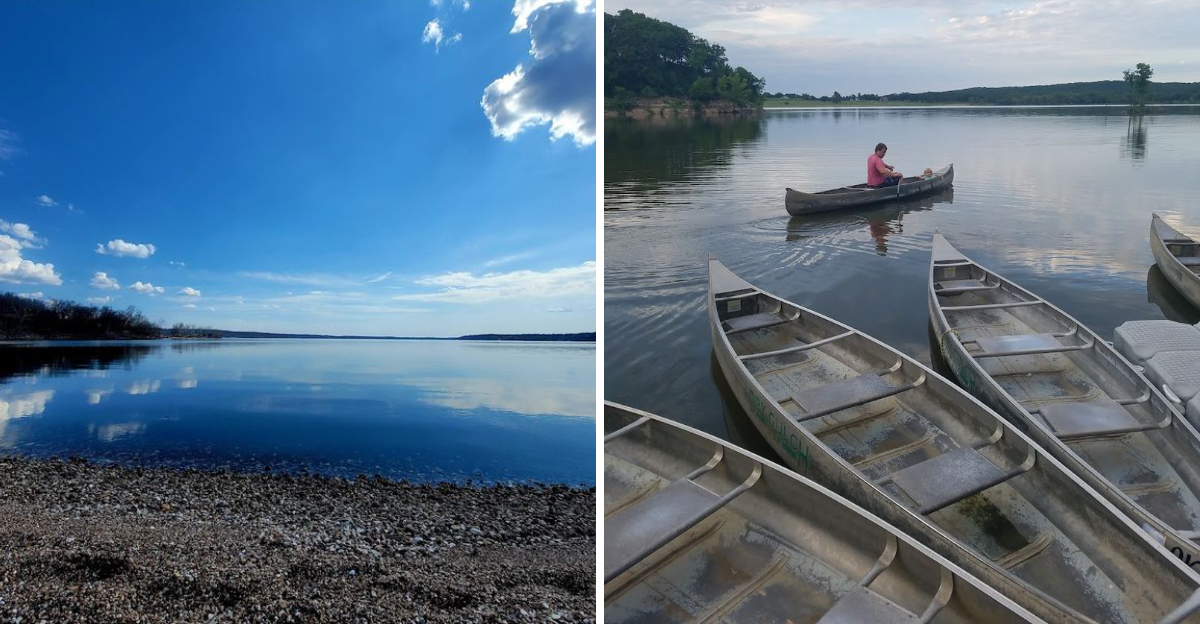
Most lakes get quiet after sunset. A few fishermen, maybe some campfire glow. This one is different. The water stays lively. Boats move through the dark. Lights reflect off the surface.
Something about this place feels electric. Boating continues after dark, with proper lighting and caution. People take advantage. Cruising, fishing, just hanging out under the stars with the hum of motors in the air. It is a whole different energy.
If you love being on the water after dark, this Oklahoma lake is for you. Bright nights. Good vibes. Unforgettable.
A Lake Shaped by Power and Purpose
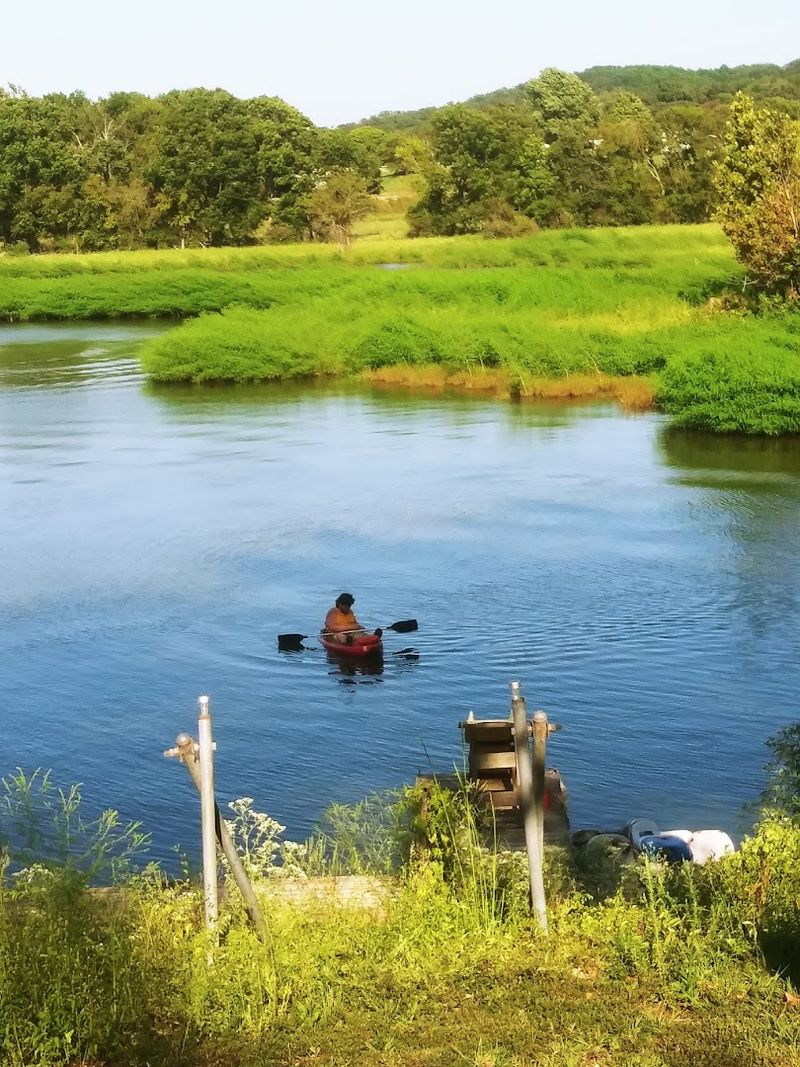
Lake Hudson is not your average Oklahoma reservoir. It was created as part of a hydroelectric pump-back system operated by Grand River Dam Authority, and that engineering purpose is exactly what makes it so fascinating to visit.
The lake sits downstream from nearby Grand Lake, and water gets pumped between the two bodies depending on energy demand. This means water levels can rise and fall noticeably within a single day.
For a first-time visitor, that detail sounds alarming. In practice, it makes the lake feel dynamic and alive in a way that most standing bodies of water simply do not.
Shallow flats appear and disappear. Coves fill up and drain back.
The shoreline reshapes itself constantly, and the wildlife responds to every shift.
Oklahoma has plenty of lakes, but few of them carry this kind of built-in drama. The pump-back function also means the water stays relatively fresh and oxygenated, which benefits fish populations significantly.
Understanding how the lake works before you arrive makes the whole experience more rewarding and helps you plan your time on the water wisely.
Northeastern Oklahoma Sets the Scene
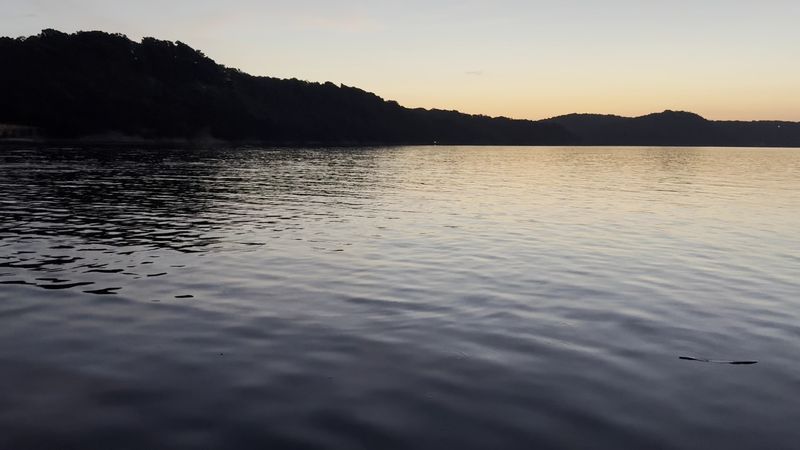
Mayes County, Oklahoma, provides the backdrop for Lake Hudson, and the landscape here is genuinely striking. Rolling hills covered in oak and cedar press right up against the waterline in many spots.
The Ozark Plateau influence gives the terrain more texture than you might expect from a lake in this part of the country. Elevation changes create coves, points, and narrow channels that break up the shoreline beautifully.
Spavinaw Creek feeds into the northern arm of the lake, and that stretch of water feels especially remote and quiet. Paddling up toward the creek mouth on a still morning is one of those experiences that stays with you long after you drive home.
The surrounding land is a mix of private property, small communities, and open rural stretches. It is not a heavily developed lakeside corridor, which honestly adds to the charm.
Oklahoma sunsets over this part of the state have a particular quality. The sky turns shades of amber and rose that reflect across the water with almost mirror-like clarity on calm evenings.
The whole setting feels genuinely unhurried, and that sense of calm is one of the first things you absorb when you arrive.
Night Skies Above the Water
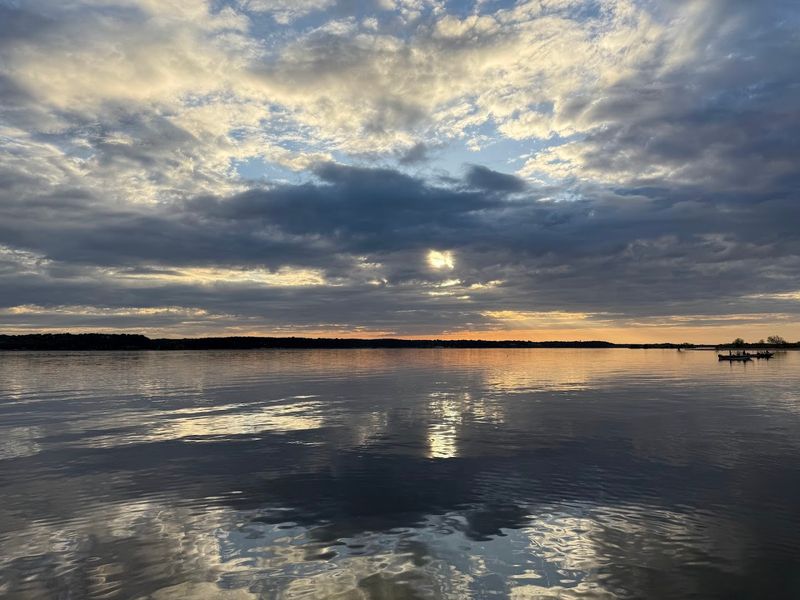
One of the most memorable things about spending time at Lake Hudson is what happens after the sun goes down. The area around the lake has very little light pollution compared to most parts of northeastern Oklahoma.
On a clear night, the sky above the water fills up with stars in a way that feels almost theatrical. The Milky Way stretches across the horizon on moonless nights, and the reflections on the calm water double the effect.
Sitting at a campsite or on a dock after dark here is genuinely restorative. The sounds shift too, with frogs, crickets, and the occasional splash of a fish breaking the surface creating a steady natural soundtrack.
Night fishing is popular on Lake Hudson, and it is easy to understand why once you have experienced the atmosphere. The darkness brings a different kind of energy to the water.
Bring a good flashlight, a warm layer for cooler evenings, and something comfortable to sit on. The show above you requires no ticket and no reservation.
Oklahoma skies in this part of the state are a genuine reward for anyone willing to stay past sunset at the lake.
Fishing Here Is the Real Draw
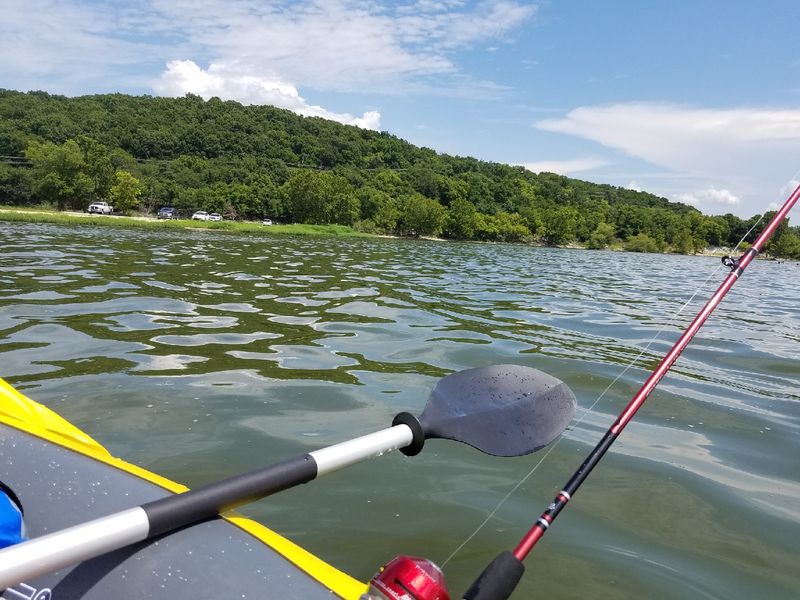
Ask anyone who has spent time on Lake Hudson and the conversation will circle back to fishing within about thirty seconds. The lake has a well-earned reputation for producing quality largemouth bass, and the shallow, structure-heavy environment is a big reason why.
Submerged timber, rocky points, and flooded vegetation create exactly the kind of habitat that bass love. Crappie, catfish, and white bass also show up in solid numbers throughout the year.
The fluctuating water levels actually work in an angler’s favor in many cases. When the pump-back system brings water up, fish move into newly flooded areas to feed, and that activity window can produce some remarkable catches.
Kayak fishing is particularly well-suited to this lake. The shallow sections that make fast powerboats nervous are actually ideal for a low-profile paddle craft sneaking up on structure.
Early mornings and late evenings are the most productive windows, as they are on most Oklahoma lakes. A topwater lure worked slowly along a submerged tree line at first light is hard to beat.
Patience and local knowledge go a long way here, and the lake rewards both in equal measure.
Navigating the Shallow Zones Safely
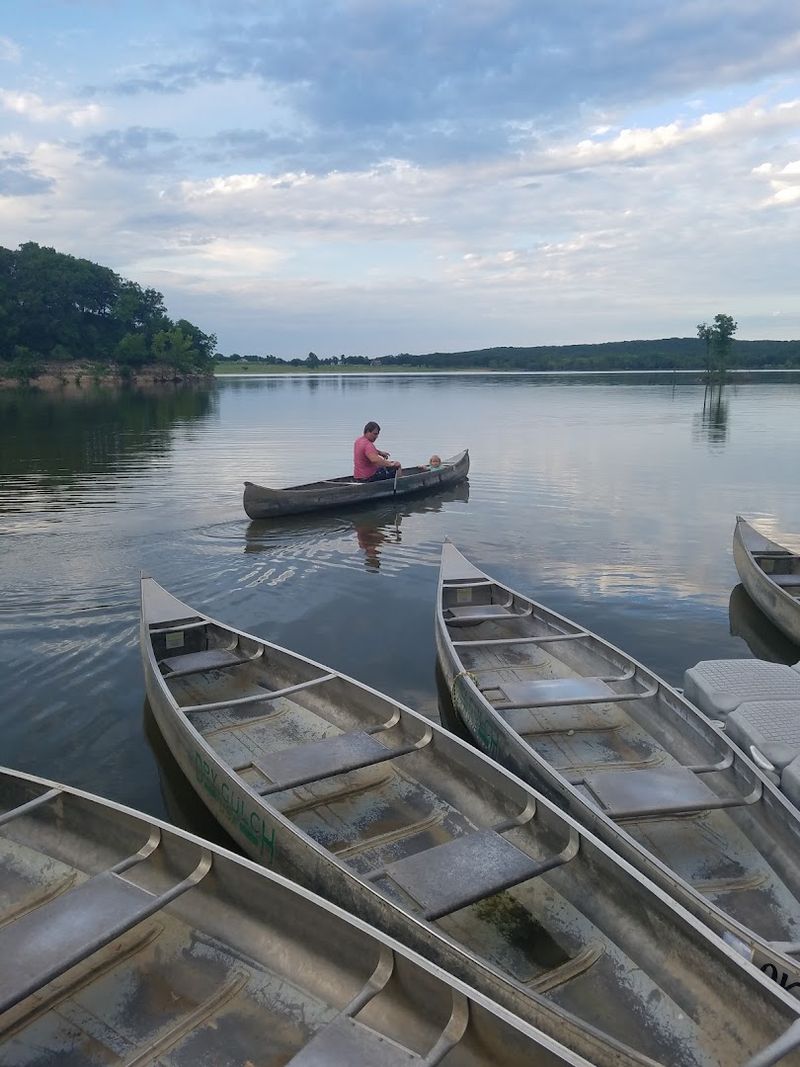
Lake Hudson keeps boaters honest. The northern end of the lake in particular has sections where the water can be surprisingly shallow, and submerged trees and rock formations are a real consideration for anyone operating a motorized vessel.
A depth finder is not optional here. It is genuinely essential equipment for anyone planning to explore the lake by powerboat.
Checking it regularly rather than assuming open water means safe water will save a lot of frustration.
The good news is that the lake is well-suited for smaller craft. Pontoon boats, jon boats, kayaks, and canoes all navigate the environment comfortably when handled with attention.
Jet skis can work in the deeper central sections of the lake, though the shallow zones require care. The pump-back system means conditions can change between morning and afternoon, so a channel that was comfortably deep at launch may look different by midday.
Local knowledge matters enormously here. Spending a few minutes talking to someone at a nearby marina or campground before heading out can save you significant headaches on the water.
Respect the lake’s quirks and it rewards you generously with access to some genuinely beautiful and productive water.
Camping Along the Shoreline
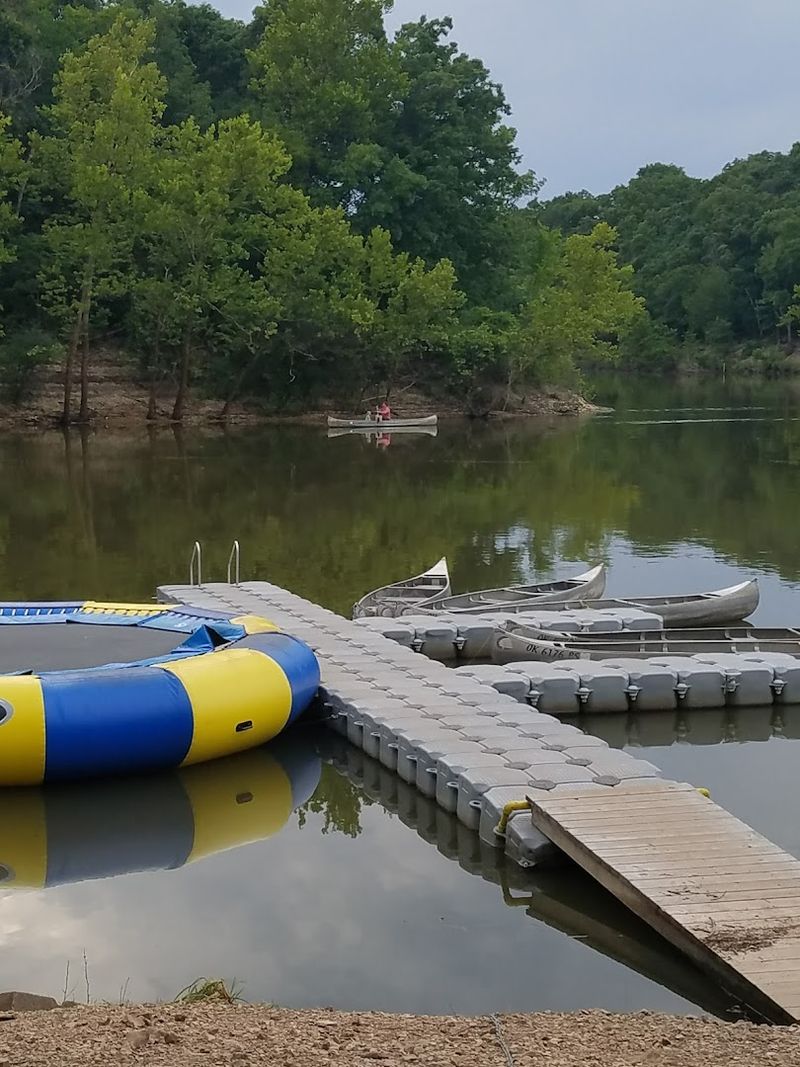
Camping at Lake Hudson has a relaxed, unhurried quality that sets it apart from the more polished campgrounds at larger Oklahoma reservoirs. Several campgrounds operate along the shoreline, and the atmosphere at most of them leans toward the rustic and unpretentious.
Horseshoe Inn and Campground is one of the more established options on the lake, offering access to the water along with basic amenities that make a multi-night stay comfortable. The setting there is shaded and pleasant.
Lakeshore Campground is another popular base camp for regular visitors to the lake. Both spots fill up during summer weekends, so planning ahead is worthwhile if you are visiting between Memorial Day and Labor Day.
Waking up at a lakeside campsite here and walking down to the water before sunrise is one of those simple pleasures that is hard to replicate. The mist sits low over the surface, the birds are already active, and the whole scene feels completely removed from everyday life.
Evening campfires near the water have a particular magic at this lake. The combination of still air, reflected firelight on the water, and a genuinely dark sky overhead makes for an exceptionally good night outdoors.
Wildlife Watching Rewards the Patient
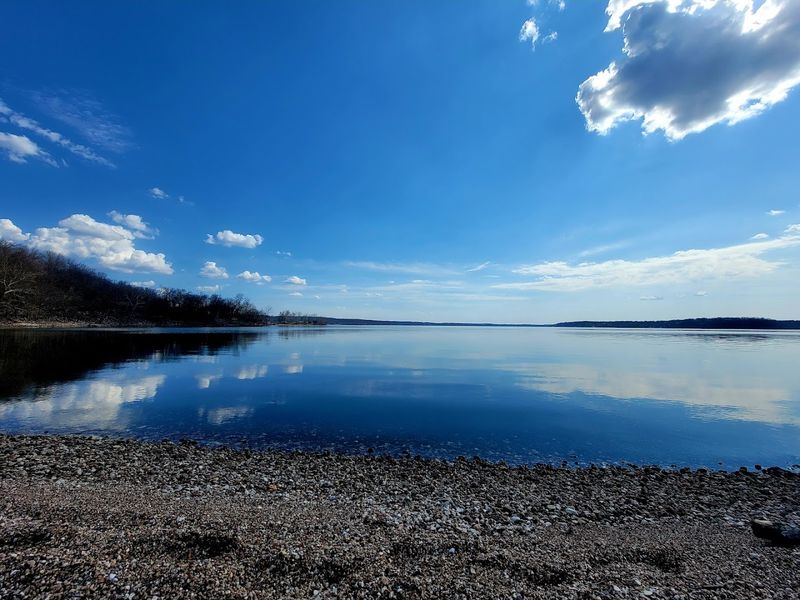
Lake Hudson has a wildlife scene that genuinely surprises first-time visitors. Bald eagles are a regular sight here, particularly during fall and winter months when they follow fish activity along the lake’s coves and creek arms.
American white pelicans also appear in impressive numbers during seasonal migrations. Watching a large flock of pelicans work the shallows in coordinated formation is one of those sights that makes you stop whatever you are doing and simply stare.
Great blue herons are essentially permanent residents along the shoreline. They stand motionless in the shallows with remarkable patience, and spotting them among the submerged timber feels like a small discovery every time.
Deer are common along the wooded edges of the lake, especially in the early morning and late afternoon. Otters have been spotted in the quieter coves, and various turtle species sun themselves on logs throughout the warmer months.
A pair of binoculars and a willingness to move quietly around the lake’s perimeter will open up a whole layer of the Lake Hudson experience that goes well beyond fishing and boating.
Oklahoma’s northeastern corner supports remarkable biodiversity, and this lake sits right at the center of it.
Water Activities Beyond Fishing
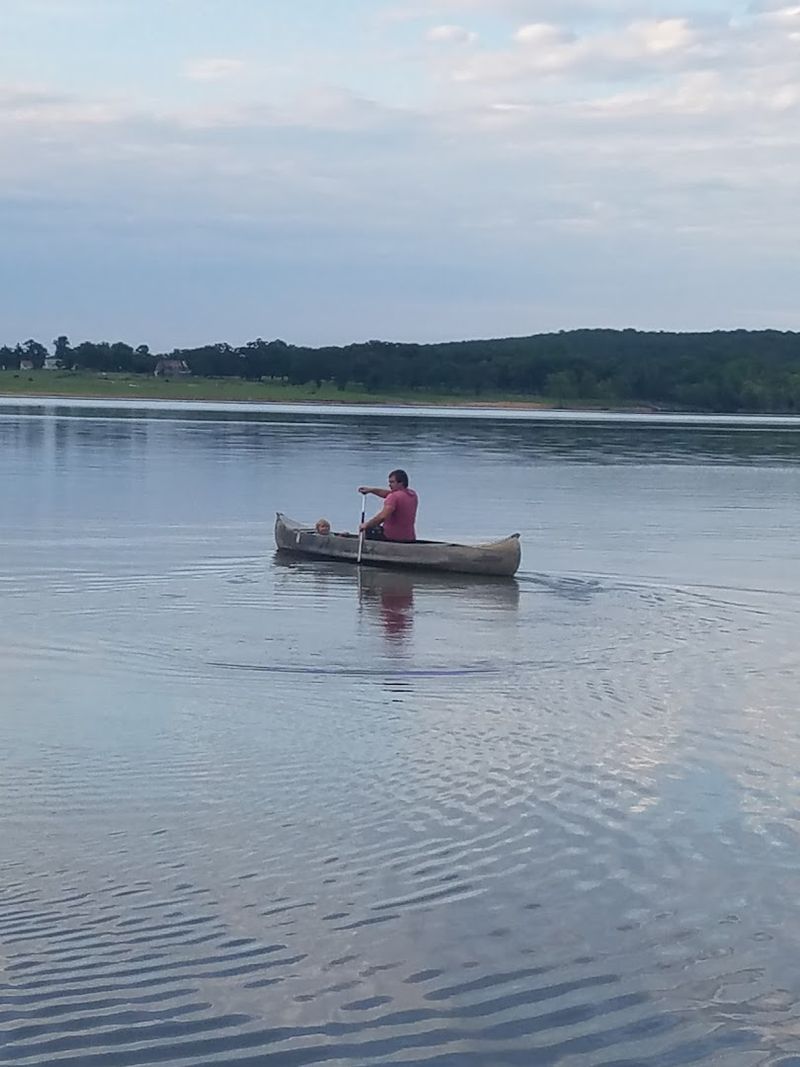
Fishing gets most of the attention at Lake Hudson, but the water offers plenty of other ways to spend an afternoon. Kayaking and canoeing are genuinely excellent here, and the lake’s character suits paddle sports particularly well.
The calm coves and narrow creek arms give paddlers a sense of exploration that feels authentic. There are corners of this lake where you can go an entire morning without seeing another person, and that kind of solitude is increasingly rare at Oklahoma lakes.
Swimming is possible at designated areas, and the lake’s generally clear water makes it an appealing option on hot summer days. The shallower sections warm up quickly under the Oklahoma sun, which makes afternoon swims genuinely comfortable.
Water skiing is also practiced on the lake, though the shallow zones require awareness of where the safe corridors are. The deeper central sections of the lake provide enough room for a satisfying run on calm days.
For anyone who enjoys a mix of activities during a lake trip, Hudson delivers a solid variety. The key is reading the water conditions each day and choosing your activity accordingly.
Every morning on this lake presents a slightly different set of possibilities, which keeps repeat visits feeling fresh.
The Atmosphere After Sundown
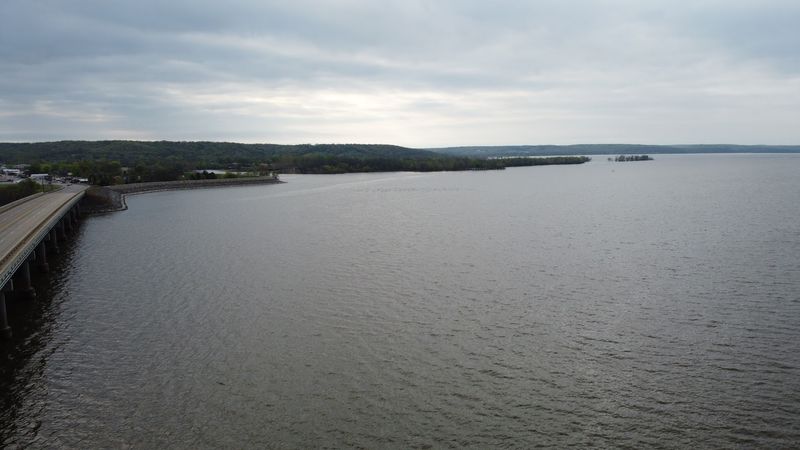
Something shifts at Lake Hudson when the afternoon light starts to fade. The boat traffic thins out, the surface of the water smooths over, and the whole lake takes on a quieter, more intimate feel.
Evenings here have a particular quality that is difficult to describe without sounding overly poetic, but it genuinely earns the description. The air cools, the colors deepen, and the surrounding hills seem to draw closer around the water.
Night fishing from the bank or a small boat is a tradition at this lake. Catfish anglers set up along accessible shoreline points as darkness falls, and the patience required for that style of fishing fits the evening mood perfectly.
Campfires crackle along the shoreline campgrounds, and the smell of woodsmoke drifts across the water in a way that feels deeply familiar and comfortable. Oklahoma evenings in late spring and early fall are especially pleasant for this kind of outdoor experience.
The pump-back system sometimes operates at night, and you can occasionally hear the distant mechanical hum from certain spots on the lake. It is a reminder that this body of water is working even while you rest.
Nights at Lake Hudson have a way of making you stay one more day.
Best Times to Plan Your Visit
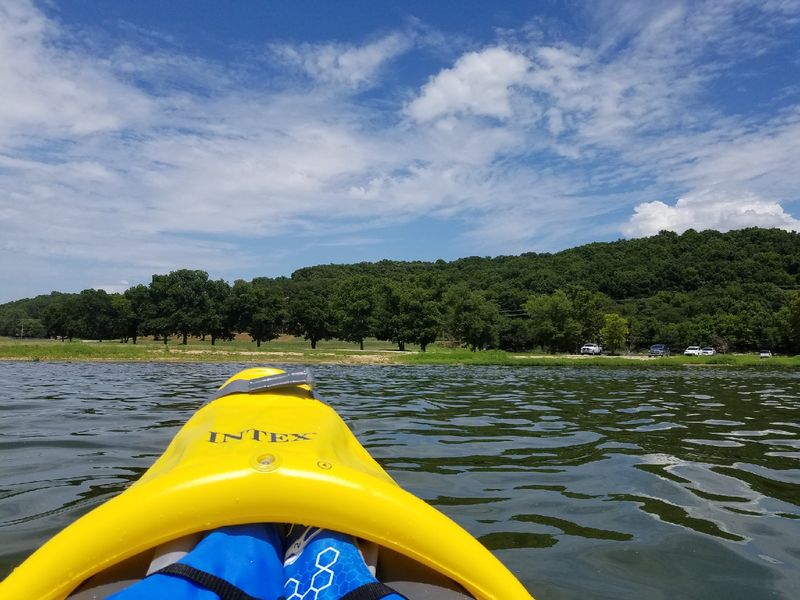
Lake Hudson is a year-round destination in the broadest sense, but some seasons suit it better than others depending on what you are after. Spring is arguably the strongest all-around season for a visit to this Oklahoma lake.
Water temperatures warm up steadily through April and May, bass move into shallow spawning areas, and the surrounding landscape turns a vivid green almost overnight. The fishing during this window is exceptional, and the weather is comfortable for camping.
Summer brings warm water, longer days, and peak campground activity. Holiday weekends in July and August draw more visitors, so arriving midweek gives you a noticeably quieter experience.
Fall is my personal preference for this lake. The hardwoods along the shoreline turn gold and orange in October, the eagle activity picks up, and the cooler temperatures make being outside genuinely pleasant for extended periods.
Winter brings a stillness to Lake Hudson that feels almost meditative. Fishing remains productive for cold-tolerant anglers, and the reduced crowds mean you often have entire coves to yourself.
Whatever season you choose, arriving with flexible plans and a willingness to read the lake’s daily conditions will serve you far better than a rigid schedule.
Getting There and Practical Details
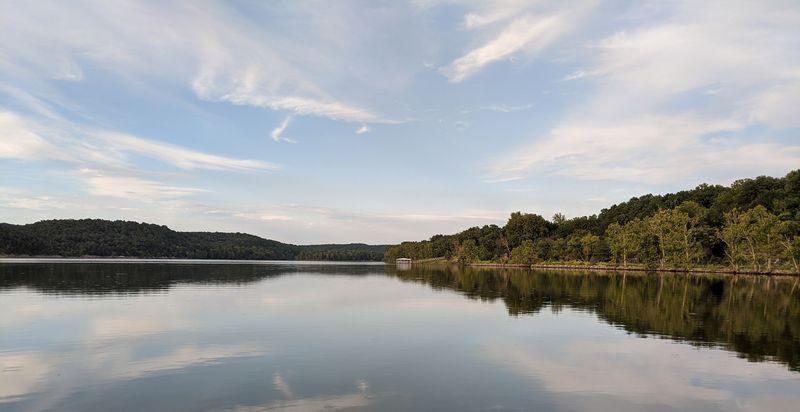
Lake Hudson sits in Mayes County in northeastern Oklahoma, roughly between the towns of Pryor and Salina. The lake is accessible via State Highway 20, and several county roads branch off toward the various campgrounds and access points along the shoreline.
The nearest larger city is Tulsa, which sits about an hour to the southwest. The drive from Tulsa is straightforward and passes through genuinely attractive rural Oklahoma countryside.
Boat ramps are available at multiple points around the lake, and most are serviceable for standard trailer launches. Checking current water levels before trailering a larger vessel is always a smart move given the pump-back fluctuations.
Cell service is variable in spots around the lake, particularly on the northern arm near Spavinaw Creek. Downloading offline maps before you arrive is a practical step that prevents unnecessary frustration.
Fuel and basic supplies are available in the surrounding small communities, though selection is limited compared to a larger town. Packing what you need before leaving Pryor or the Tulsa area will save you time.
The lake does not have a formal visitor center, so most practical information comes from campground staff or the Grand River Dam Authority website, which posts current water level data.
Why Lake Hudson Stays Worth Returning To
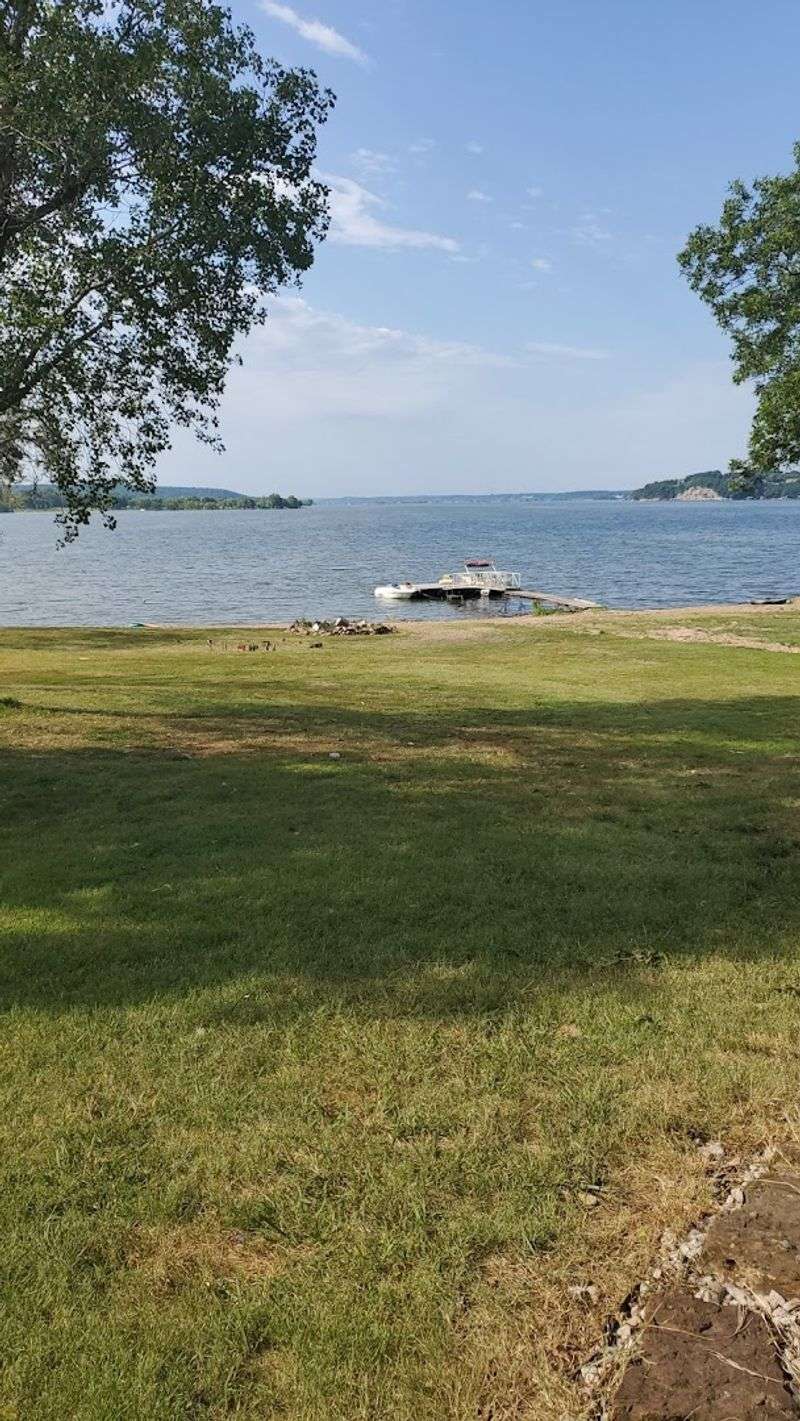
There is a specific kind of satisfaction that comes from a lake that does not try too hard to impress you. Lake Hudson in Oklahoma earns its appeal through consistency, character, and the kind of natural beauty that does not need a marketing campaign.
The fishing holds up across seasons. The camping is honest and unpretentious.
The wildlife is abundant for anyone paying attention. The nights are genuinely dark and full of stars.
It is smaller and quieter than Grand Lake just upstream, and that is not a weakness. For many visitors, that difference is precisely the point.
You can have an entire cove to yourself on a Tuesday morning, and that kind of space is genuinely valuable.
The pump-back system that powers homes across northeastern Oklahoma also powers the lake’s personality. Water levels shift, conditions change, and the lake keeps you engaged in a way that perfectly still, predictable reservoirs simply do not.
Oklahoma has dozens of lakes worth exploring, and Lake Hudson belongs firmly on that list. It rewards visitors who arrive curious and leave with a working knowledge of its rhythms.
Once the lake gets into your routine, skipping a season there starts to feel like a real missed opportunity.
