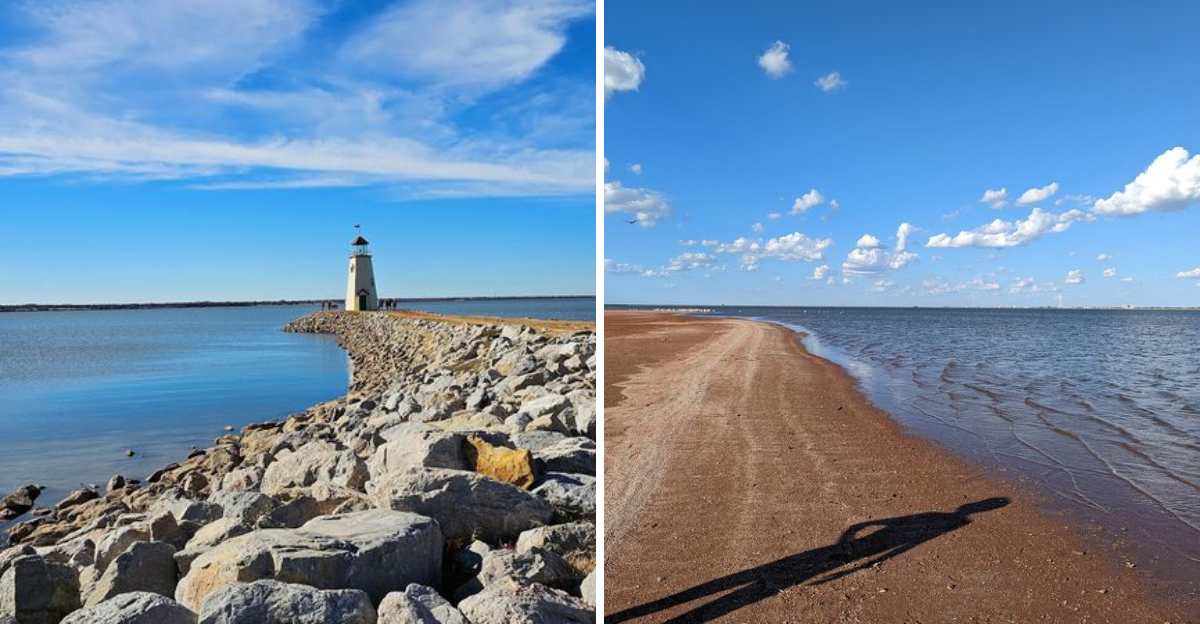
I’ve always thought of this Oklahoma lake as one of those places you could count on, open skies, steady wind, and boats scattered across the water like it was part of the view. Then I came back and something felt off almost immediately.
The waterline had pulled back, the shoreline looked wider than I remembered, and the whole scene felt quieter in a way that’s hard to ignore. So I started paying closer attention, because this spot has a story.
And it turns out there’s a lot more going on here than you might expect at first glance.
The Story Behind Lake Hefner
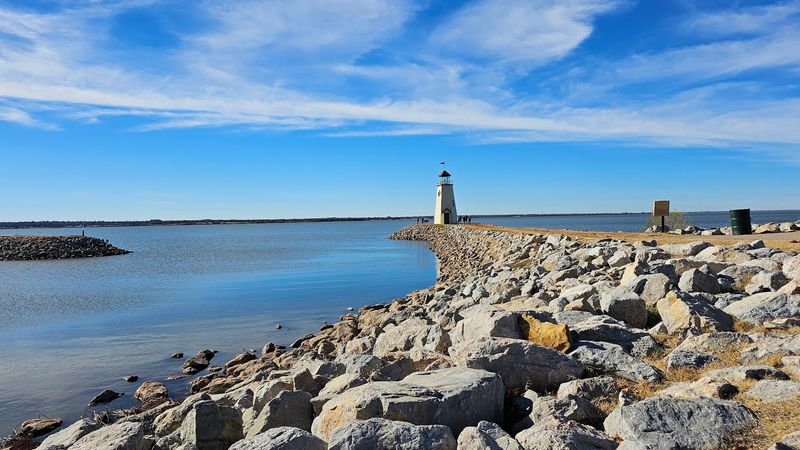
Long before joggers circled its trails and sailboats caught the Oklahoma wind, Lake Hefner was built for one practical reason: to supply water to a growing city. Constructed in 1947 and named after Oklahoma City mayor Robert A.
Hefner, this reservoir sits on the northwest side of Oklahoma City, Oklahoma, and holds up to 75,000 acre-feet of water.
Mayor Hefner pushed hard for the project during a time when Oklahoma City desperately needed a reliable water source. The lake covers roughly 2,500 acres, making it one of the larger urban reservoirs in the state.
What started as pure infrastructure slowly became something much more personal for locals.
Over the decades, the city built parks, trails, and restaurants around its shores, turning a functional reservoir into a full recreational destination. People began arriving not just to fish or sail but to picnic, walk their dogs, and watch the sun drop below the water.
The transformation from utility to community gathering place is one of the quiet success stories of Oklahoma City planning, and the lake carries that history in every ripple of its surface.
What The Sailing Scene Once Looked Like
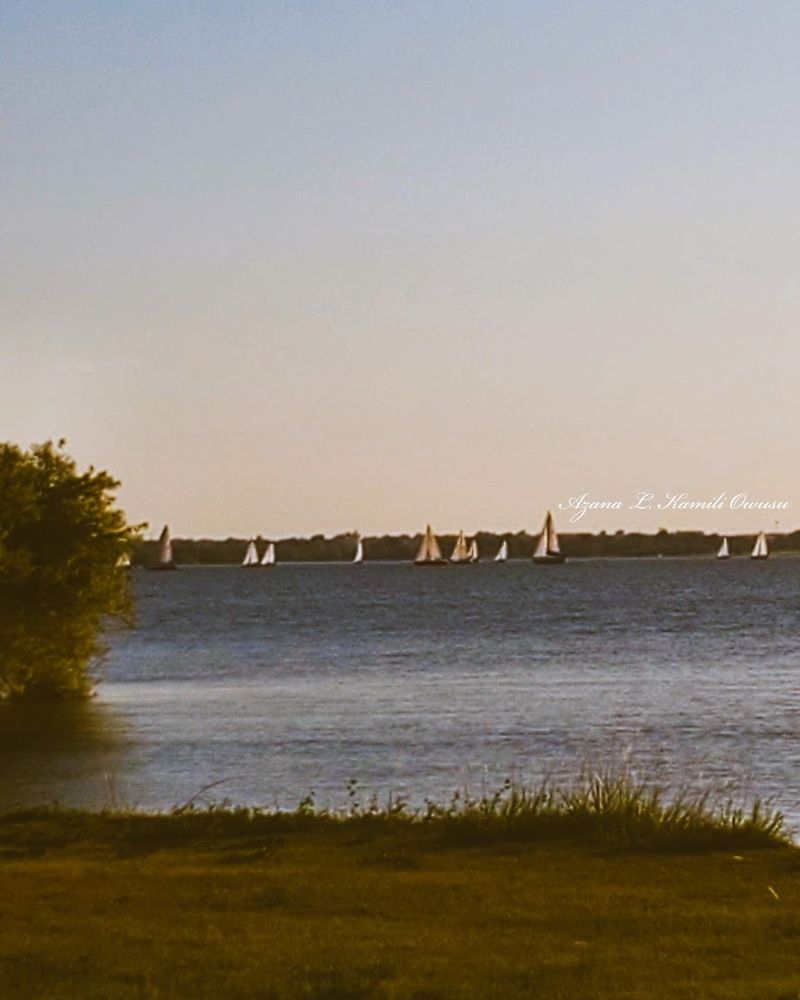
For decades, Lake Hefner was practically synonymous with sailing in Oklahoma. The lake sits in a part of Oklahoma City where the wind blows almost constantly, which made it a natural magnet for sailors of every skill level.
On any given weekend, the water could be covered with a patchwork of colorful sails moving in every direction.
The Oklahoma City Boat Club, one of the oldest sailing organizations in the state, has called Lake Hefner home for years. Races were held regularly, attracting competitive sailors from across the region.
Beginners could take lessons, and experienced sailors could test themselves against serious gusts that came rolling across the open plains without a single hill to slow them down.
The sailing community here had a real culture to it, complete with friendly rivalries, post-race gatherings, and a shared pride in mastering one of the windiest urban lakes in the country.
Families passed the hobby down through generations, and the sight of white sails against a big Oklahoma sky became one of those images that defined the lake’s identity for an entire era.
That image has grown harder to find in recent years.
How Dropping Water Levels Changed Everything
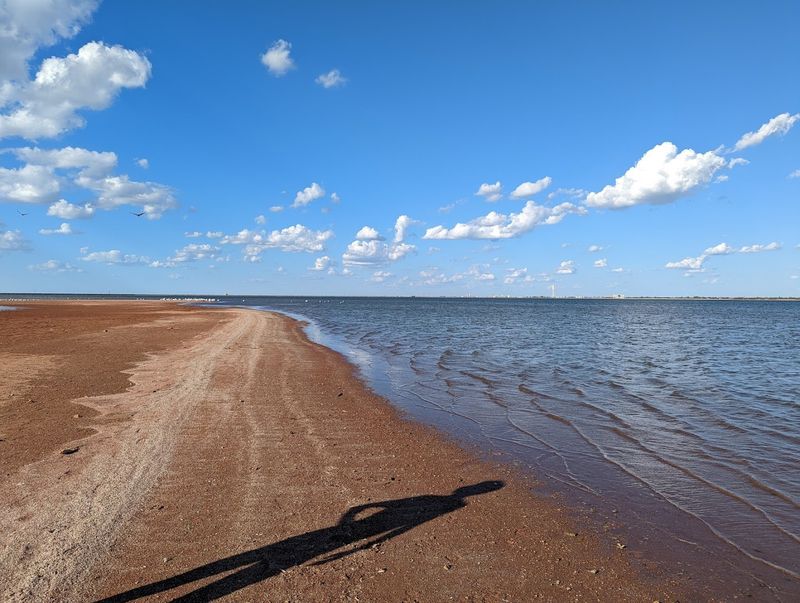
Drought conditions, shifting weather patterns, and water management decisions have all played a role in pulling back the waterline at Lake Hefner. When water levels drop, the effects are immediate and visible.
Boat ramps that once slipped smoothly into the lake end abruptly above the waterline, leaving stretches of exposed, pale earth where the water used to be.
Sailors feel the impact most directly. Shallow water limits where boats can safely maneuver, and in some areas, launching becomes difficult or impossible.
The wide, open sailing lanes that made Lake Hefner famous start to shrink, and the once-packed weekend activity on the water thins out considerably.
Oklahoma has faced serious drought cycles in recent years, and Lake Hefner is not immune to those pressures. The lake also serves as an active municipal water supply, so when the city draws more heavily during dry spells, levels drop further.
Visitors who remember the lake from even ten or fifteen years ago often find the current shoreline jarring. The exposed banks serve as a quiet, visible reminder that even a beloved city lake is tied directly to the health of the surrounding environment and the reliability of rainfall across the region.
The Lighthouse That Still Stands Watch
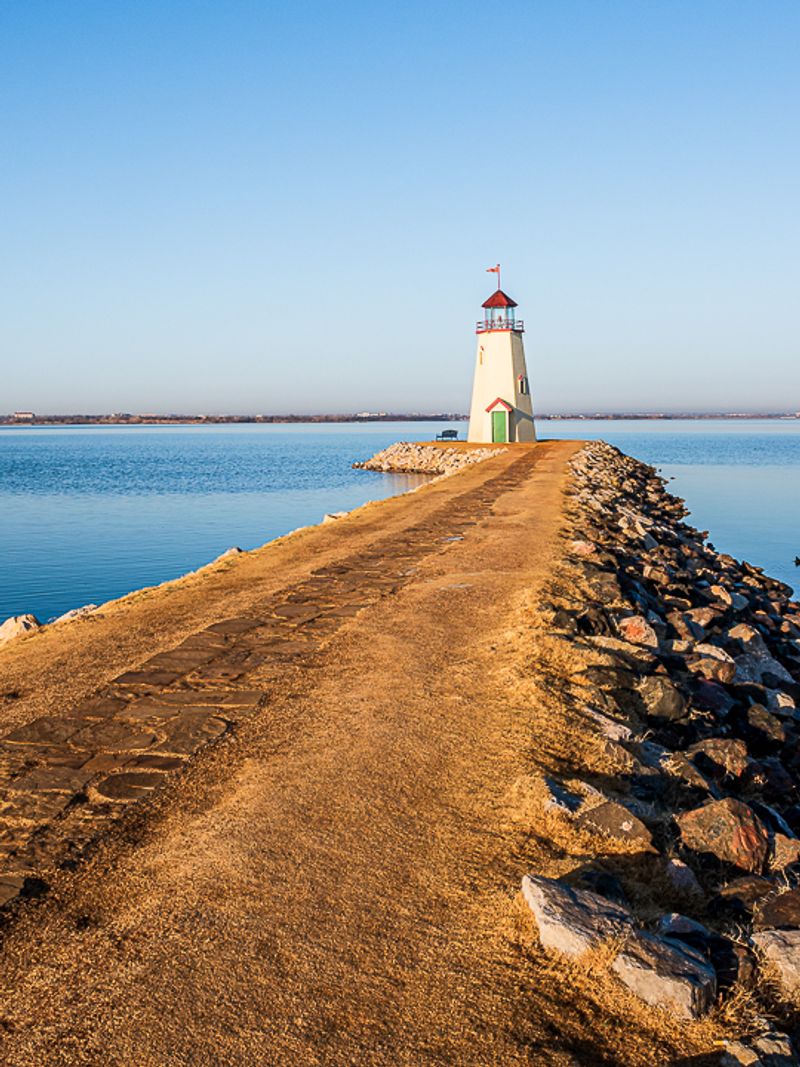
One of the most photographed spots at Lake Hefner is its lighthouse, a white structure that sits near the eastern shore and has become something of an unofficial symbol for the lake.
It is not a working navigational lighthouse in the traditional sense, but it anchors the landscape and gives the lake a sense of character that sets it apart from other urban reservoirs.
Benches surround the lighthouse area, making it a popular place to sit and watch the sun go down. Sunset at Lake Hefner is genuinely something special.
The open water and flat Oklahoma horizon allow the colors to spread wide across the sky, and the lighthouse catches the last light in a way that makes for excellent photographs.
Several restaurants cluster near the lighthouse, offering lakeside dining with views that make a simple meal feel like a small occasion. On calm evenings, the lighthouse reflects off the water, and even when the lake is lower than usual, this corner of the shoreline retains its appeal.
For many visitors, the lighthouse is the first stop and the last look before heading home, and it continues to draw people regardless of what the water level happens to be doing on any given day.
Trails That Circle The Entire Lake
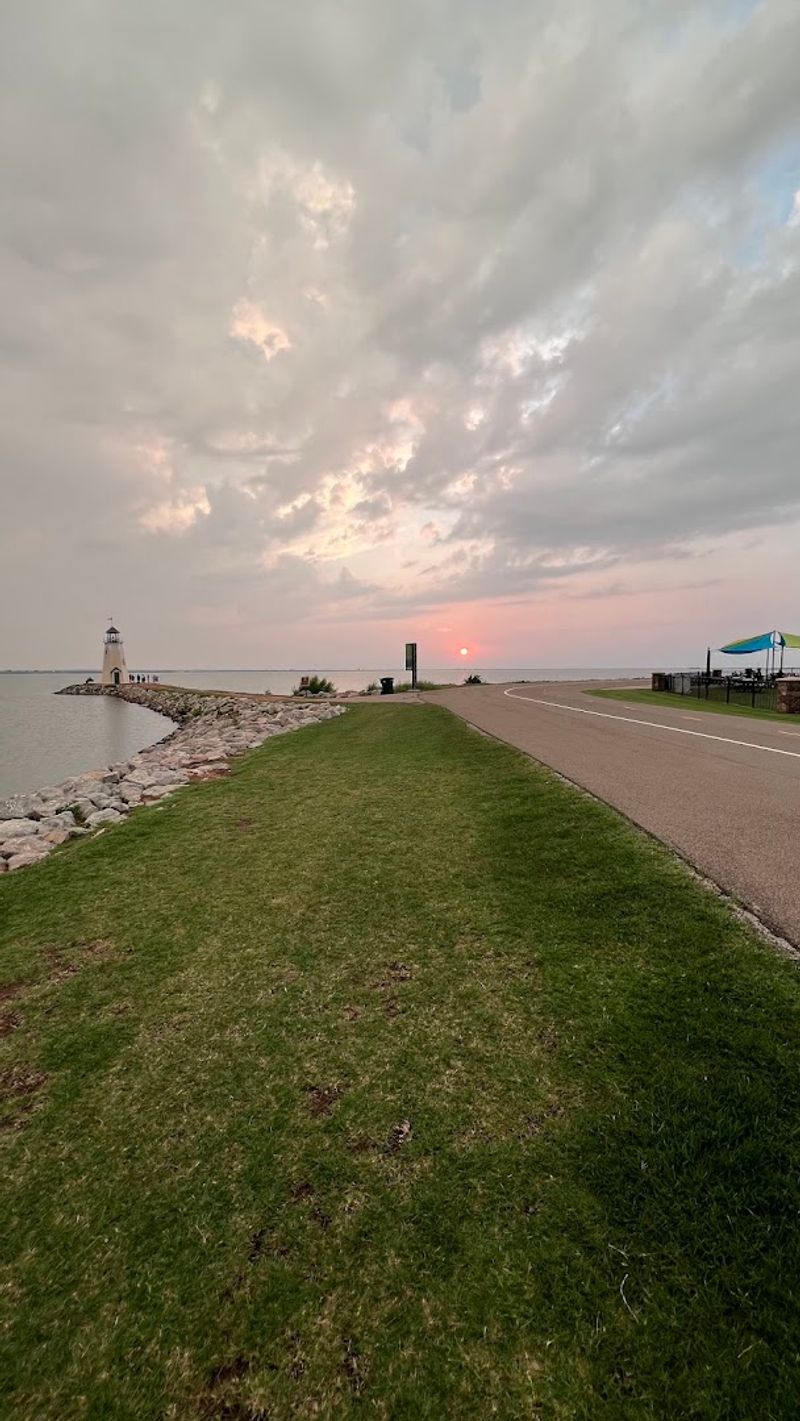
Circling Lake Hefner on foot or by bike is one of those activities that sounds simple but turns into something genuinely memorable. The main trail is designated for walkers, joggers, and cyclists, separate from vehicle traffic.
It passes through several distinct moods as it loops around the lake. On the western side, the path feels wide open and exposed to the wind, with big views across the water.
On the eastern side, near the lighthouse and restaurant district, it feels more social and lively, with people stopping to eat, sit on benches, or watch birds near the shoreline.
Early mornings are the most peaceful time to walk the trail. The light is softer, the crowds are smaller, and the lake has a stillness that feels almost private.
Summers in Oklahoma can get intensely hot, so starting before 8 a.m. makes a real difference. Carrying your own water is smart, since supply options along the back sections of the trail are limited.
The full loop takes most people between two and three hours at a relaxed walking pace.
Fishing At Lake Hefner Through The Years
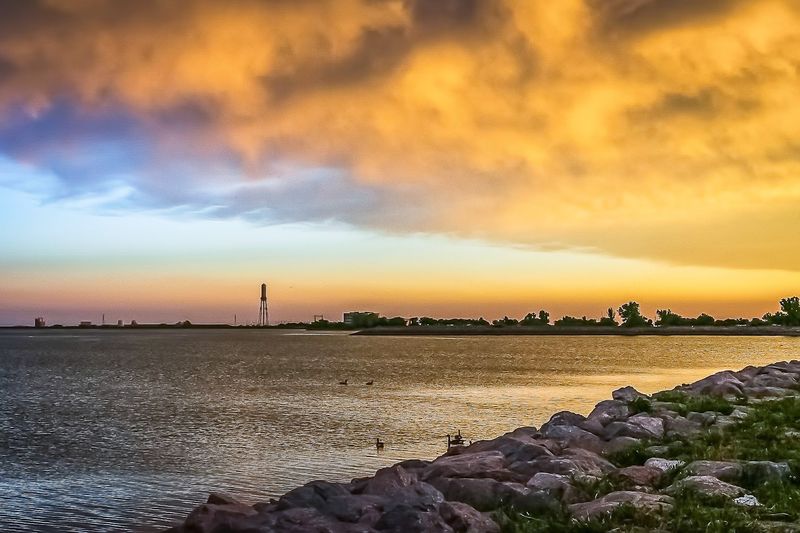
Fishing has always been a constant at Lake Hefner, even as other activities have come and gone with the seasons. The lake holds a solid variety of species including largemouth bass, striped bass, walleye, crappie, bluegill, and carp.
The striped bass in particular have a reputation for growing impressively large, which keeps dedicated anglers coming back year after year.
Fishing from the shore is popular along several stretches of the lake, and there are dedicated fishing docks where you can set up without needing a boat.
The dock areas can get busy on weekends, and cleanliness has been a recurring concern among visitors, so checking conditions before heading out is worth the extra minute of planning.
Fishing from a boat opens up more of the lake and allows access to deeper areas where certain species tend to hold. Dawn and dusk are the most productive windows, both for the fish activity and for the quality of the light on the water.
Oklahoma fishing regulations apply at Lake Hefner, so having a valid state fishing license is required for anyone 16 and older. The lake continues to produce solid catches even during periods of lower water, which says something about the resilience of its fishery.
Birdwatching Along The Quiet Shorelines
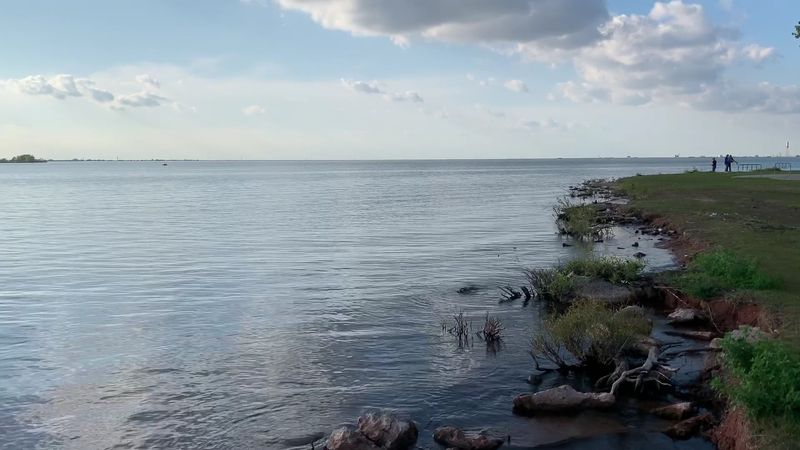
Here is something that not every visitor to Lake Hefner expects to find: an active and rewarding birdwatching scene.
The lake and its surrounding green spaces attract a wide range of bird species throughout the year, and the lower water levels that have disappointed sailors have actually created new habitat for shorebirds and wading birds.
Great blue herons are a common sight along the water’s edge, standing motionless for long stretches before striking at something beneath the surface. Pelicans pass through during migration, and the open water attracts various duck species depending on the season.
Birders with binoculars and a little patience can rack up a surprisingly long list in a single morning visit.
The exposed shoreline that comes with lower water levels has, in an unexpected way, made the lake more interesting for birdwatchers.
Mudflats and shallow edges draw species that prefer that kind of habitat, and the quieter back sections of the trail offer undisturbed viewing spots away from the busier areas near the restaurants and lighthouse.
Birdwatching at Lake Hefner costs nothing, requires no special equipment beyond a pair of binoculars, and rewards the kind of slow, unhurried attention that the rest of the world rarely encourages.
Dining With A View Of The Water
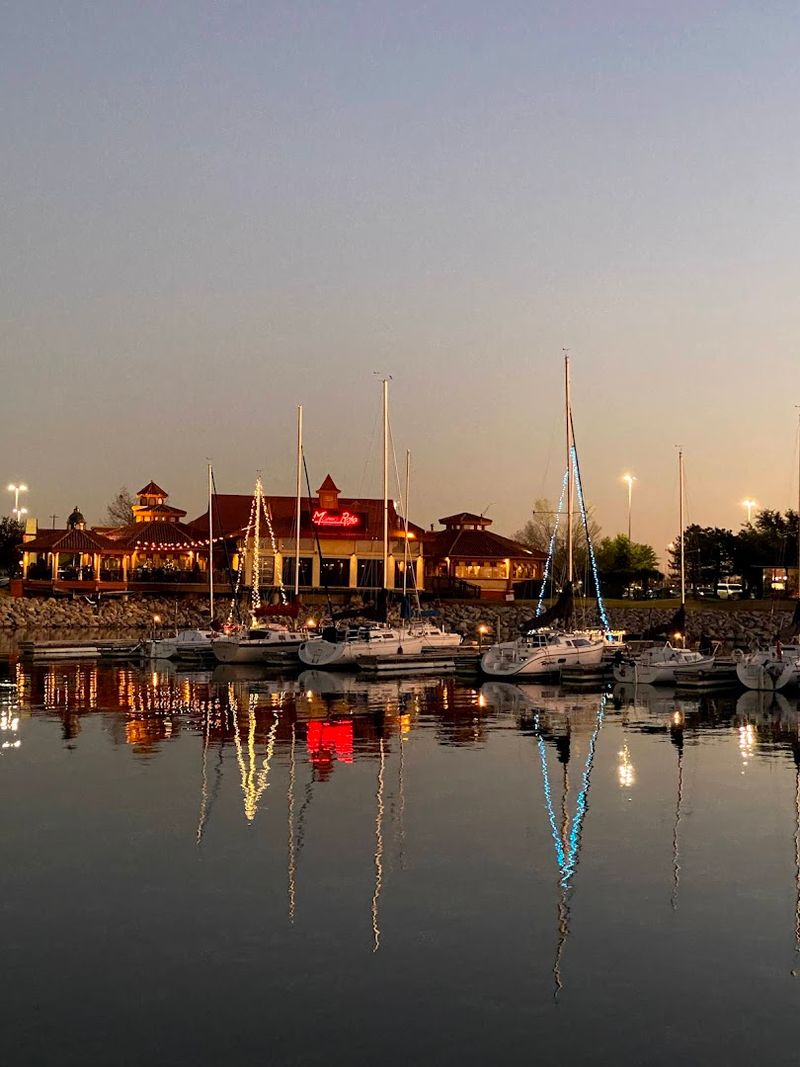
Eating lunch or dinner with a full view of Lake Hefner is one of those simple pleasures that makes the place feel like more than just a park.
Several restaurants line the eastern shoreline near the lighthouse, ranging from casual spots to sit-down dining with proper menus and outdoor seating that faces the water.
The Hefner Grill is one of the most well-known options, with a comfortable atmosphere and a location that puts the lake right in your sightline from almost any table.
Other spots nearby offer similar views, and on a clear evening the sunset from these patios is the kind of thing people come back for specifically.
The light on the water changes fast during golden hour, and having a meal in front of it feels like a reasonable reward after a long walk around the trail.
Several of the restaurants are pet-friendly on their outdoor patios, which makes them especially popular with the dog-walking crowd that uses the lake trails regularly.
Parking near the restaurant district can fill up quickly on weekend evenings, so arriving a little early tends to save a lot of circling.
Good food, open water, and a big Oklahoma sky overhead is a combination that is hard to argue with.
Parks And Green Spaces Around The Lake
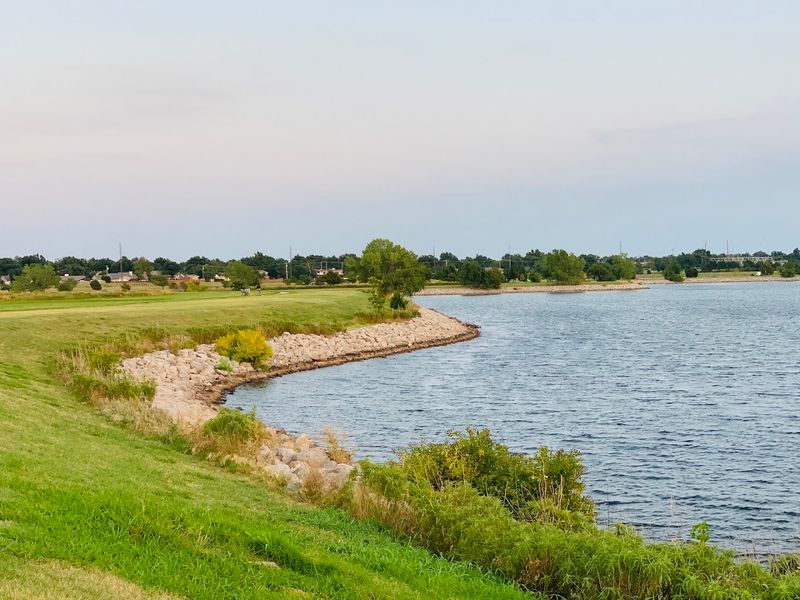
Lake Hefner is ringed by several parks and green areas that give the place a relaxed, neighborhood feel even on busy days.
Stars and Stripes Park is one of the most popular, with open grass, picnic shelters, playground equipment, and shaded spots under mature trees that make it a reliable destination for family outings.
The parks around the lake are well-suited for birthday gatherings, casual weekend picnics, or just an afternoon with no particular agenda. Children have room to run, adults have benches and shade, and the proximity to the water means there is always something interesting to look at.
The fall season brings particularly good foliage to some of the wooded sections near the trail, adding color to the landscape that can feel surprising in a city setting.
A golf course sits adjacent to the lake as well, giving the area around Lake Hefner a range of recreational options that go well beyond water activities.
The combination of parks, trails, restaurants, and open water in a single location is one of the main reasons Oklahoma City residents treat this lake as a year-round destination rather than just a summer spot.
The green spaces hold their appeal even when the water is lower than anyone would prefer.
Wind, Weather, And What To Expect On Your Visit
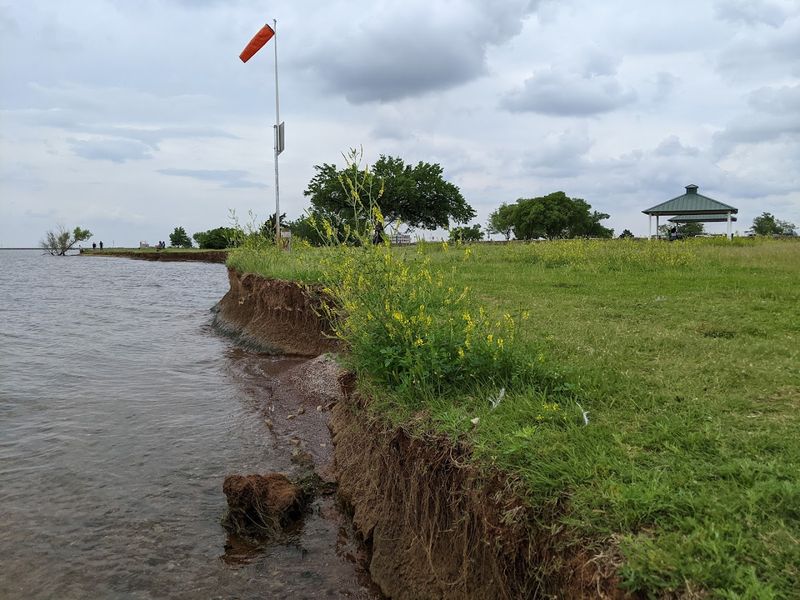
If there is one thing that nearly every person who visits Lake Hefner mentions, it is the wind. Oklahoma is already a famously windy state, and Lake Hefner sits in an especially exposed location with nothing to break the breeze coming across the open plains.
On some days, the gusts are strong enough to make a casual walk feel like a genuine workout.
The wind is both the lake’s greatest feature and its most persistent challenge. It is exactly what made the sailing culture here so vibrant for so long, but it can also send a picnic table into chaos if you are not paying attention.
Hats, sunscreen, and layers are practical gear for any season, since the wind can make even warm days feel cooler than expected near the water.
Summer visits are best done in the early morning, when temperatures are manageable and the trail is not yet crowded. Spring and fall offer the most comfortable conditions overall, with mild temperatures and enough wind to keep things interesting without being overwhelming.
Winter visits have their own quiet appeal, particularly for birdwatchers and photographers who enjoy the lake without the summer crowds. Checking the weather before heading out is always a smart move at this particular location.
The Lake’s Role As Oklahoma City’s Water Supply
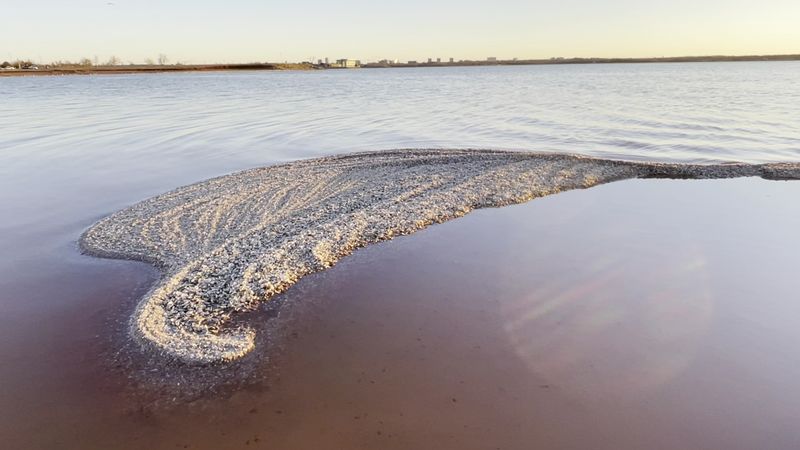
Most visitors come to Lake Hefner for the trails, the views, or the restaurants, but the lake is quietly doing something much more critical underneath all of that leisure.
Lake Hefner serves as one of the primary drinking water reservoirs for Oklahoma City, supplying a significant portion of the city’s municipal water needs alongside Lake Overholser and other sources.
That dual identity as both a recreational destination and a working reservoir creates an interesting tension.
When drought conditions tighten across Oklahoma, water managers must balance the needs of a thirsty city against the recreational expectations of residents who rely on the lake for their weekend routines.
The result is that water levels at Lake Hefner can fluctuate considerably depending on rainfall totals and seasonal demand.
Understanding this context makes the wide, empty shorelines easier to read. They are not just a visual change but a sign of real pressure on the water systems that keep Oklahoma City running.
The lake’s capacity of 75,000 acre-feet sounds large until you consider how quickly a major drought can draw that number down. Respecting the lake means recognizing it as infrastructure first, and a beautiful public space second, even if the beauty is what most people notice first.
Why Lake Hefner Still Deserves A Visit Today
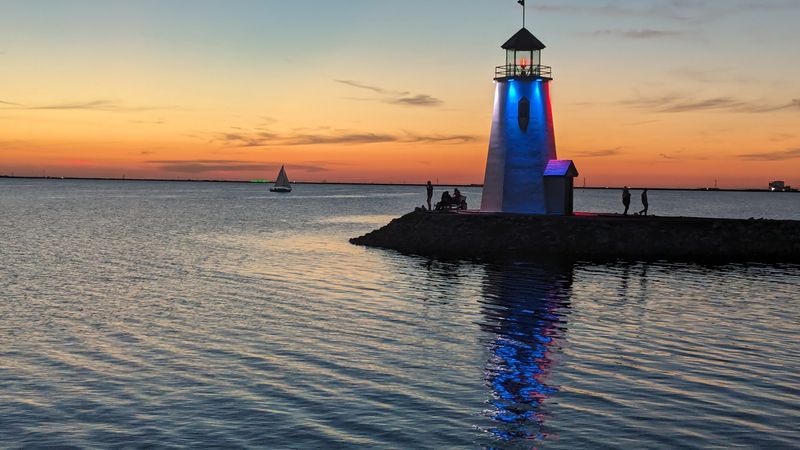
Lower water levels have changed the look of Lake Hefner, but they have not emptied the place of its appeal.
The trails are still there, the restaurants still serve food with a view, the birds still work the shoreline, and the sunsets over the open water are still the kind that make you stop walking and just stand there for a while.
What the lake has lost in sailing activity, it has partly gained in a quieter, more contemplative atmosphere.
The exposed shorelines that seem like a problem from one angle can feel almost sculptural from another, especially in the low light of early morning or late afternoon when shadows stretch long across the pale, dry earth at the water’s edge.
Oklahoma City has built something genuinely worthwhile around this lake, and Lake Hefner rewards the kind of visitor who is willing to take it on its own terms rather than comparing it to a version that existed twenty years ago.
Bring water, wear sunscreen, expect wind, and plan to stay longer than you originally intended.
The lake has a way of doing that to people, and the best visits tend to be the ones where you had no particular hurry to leave.
Dear Reader: This page may contain affiliate links which may earn a commission if you click through and make a purchase. Our independent journalism is not influenced by any advertiser or commercial initiative unless it is clearly marked as sponsored content. As travel products change, please be sure to reconfirm all details and stay up to date with current events to ensure a safe and successful trip.
