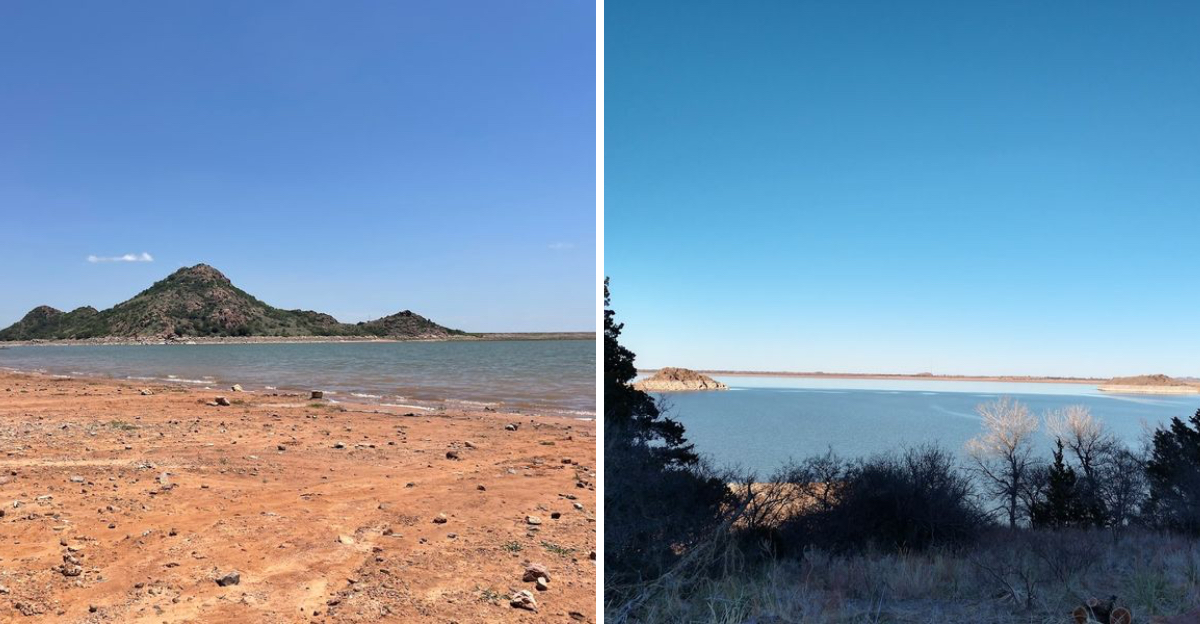
There is a lake in southwestern Oklahoma where the boat ramps now hang in the air, pointing down toward water that no longer meets them. Located near Altus in Kiowa County, Oklahoma, it used to be a full and lively reservoir that drew boaters, swimmers, and anglers from across the region.
Over the years, heavy agricultural water withdrawals have pulled the lake far below its original shoreline, leaving concrete ramps stranded on dry, cracked earth.
What was once a bustling water recreation hub has become a place of striking contrasts, where the past and present sit side by side in a way that tells a powerful story about water, land, and the people who depend on both.
The Origin Story of Lake Altus-Lugert
Long before the water started disappearing, Lake Altus-Lugert had to be built in the first place, and that story begins in the early 1900s when southwestern Oklahoma desperately needed a reliable water source.
The lake was created by the Lugert-Altus Irrigation District, which constructed a dam on the North Fork of the Red River. The project was designed to serve the agricultural needs of the surrounding region, providing water for irrigation across thousands of acres of farmland in Jackson and Greer counties.
The reservoir was named after two nearby communities: Lugert, a small town that was partially flooded when the lake filled, and Altus, the larger city that became the primary beneficiary of the water supply.
At full capacity, Lake Altus-Lugert held an impressive amount of water and became a centerpiece of outdoor recreation in the area. Families came for boating, fishing, and camping in numbers that made it one of the more popular state park destinations in Oklahoma.
Understanding where the lake came from helps explain why its current condition feels so significant. It was built to serve a purpose, and that purpose has quietly been draining it ever since.
How the Water Level Has Changed So Dramatically
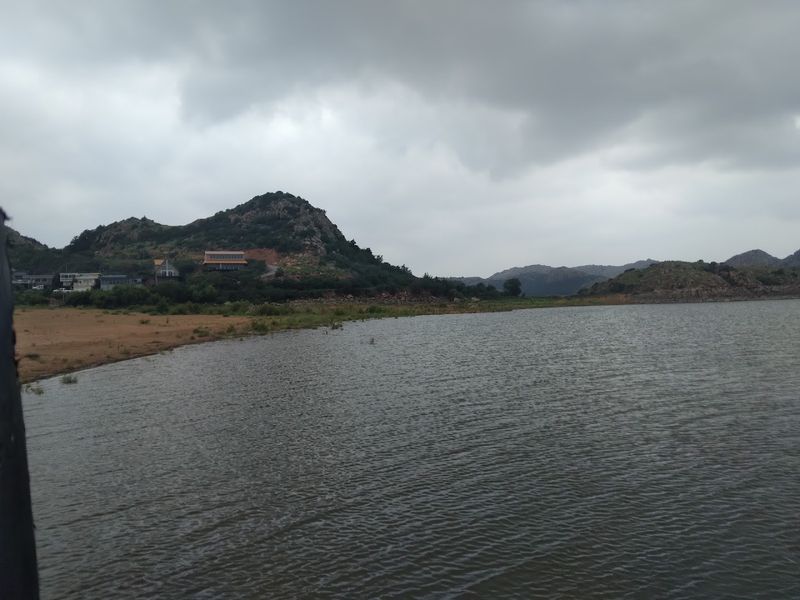
Standing at the edge of Lake Altus-Lugert today, the first thing that grabs your attention is just how far the water is from where it used to be. Boat ramps that were designed to slide right into the water now end several feet above the shoreline, which has crept back dramatically over the decades.
A combination of agricultural irrigation and prolonged drought has driven the decline. The Lugert-Altus Irrigation District, which manages the water, regularly draws from the reservoir to support farming operations across the region.
In dry years, the withdrawals outpace rainfall and natural inflow by a wide margin.
Drought cycles in Oklahoma have made things worse. The southern plains are no strangers to extended dry spells, and when a drought hits, the lake shrinks fast and recovers slowly.
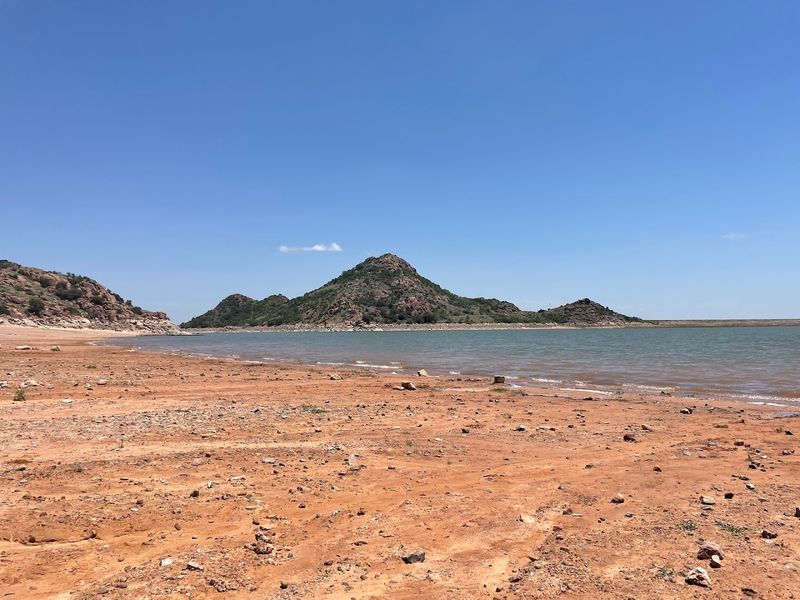
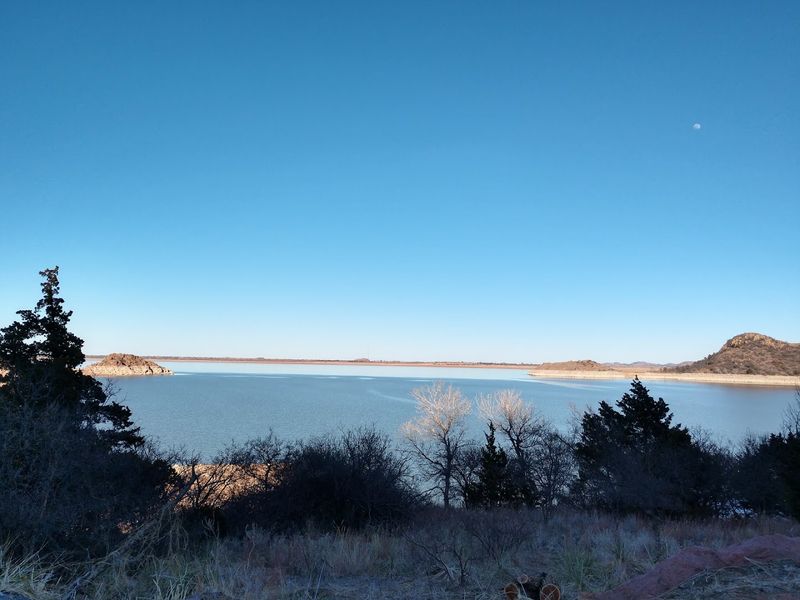
Visitors who remember the lake from ten or twenty years ago often find the change startling. What was once a broad, shimmering body of water now shows wide stretches of exposed lakebed, pale and sun-baked, where water used to be.
The lake was built to support farming, and farming remains a significant factor in ongoing water use.
What the Abandoned Boat Ramps Actually Look Like
Few sights at Lake Altus-Lugert are as quietly striking as the boat ramps themselves. They are solid, well-built concrete structures that angle down from the parking areas just as they always did, but they stop short of the waterline by a considerable distance.
In some spots, the gap between the end of the ramp and the actual water surface is so large that you could park a truck on the exposed lakebed between them. The dry ground where the water used to be is pale and cracked, sometimes covered in a thin crust of dried silt.
These ramps were not built carelessly. They were positioned at the correct angle and depth for the original water level, which makes their current situation feel all the more dramatic.
They are a physical record of how much water has been lost over time.
On a clear afternoon, the light hits the empty lakebed in a way that makes the whole scene look almost cinematic. The ramps reach out toward the water like they are still waiting for a boat to back down and launch.
It is one of those places where the landscape tells a story more effectively than any sign or information board ever could.
Fishing at Lake Altus-Lugert Still Has Real Appeal
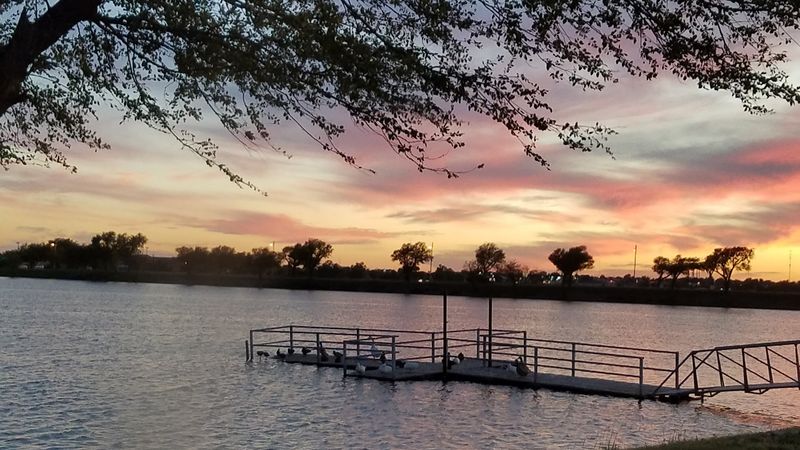
Despite the lower water levels, fishing remains one of the most popular reasons people still make the trip to Lake Altus-Lugert. The lake holds a variety of species, and those who know where to cast tend to come away satisfied.
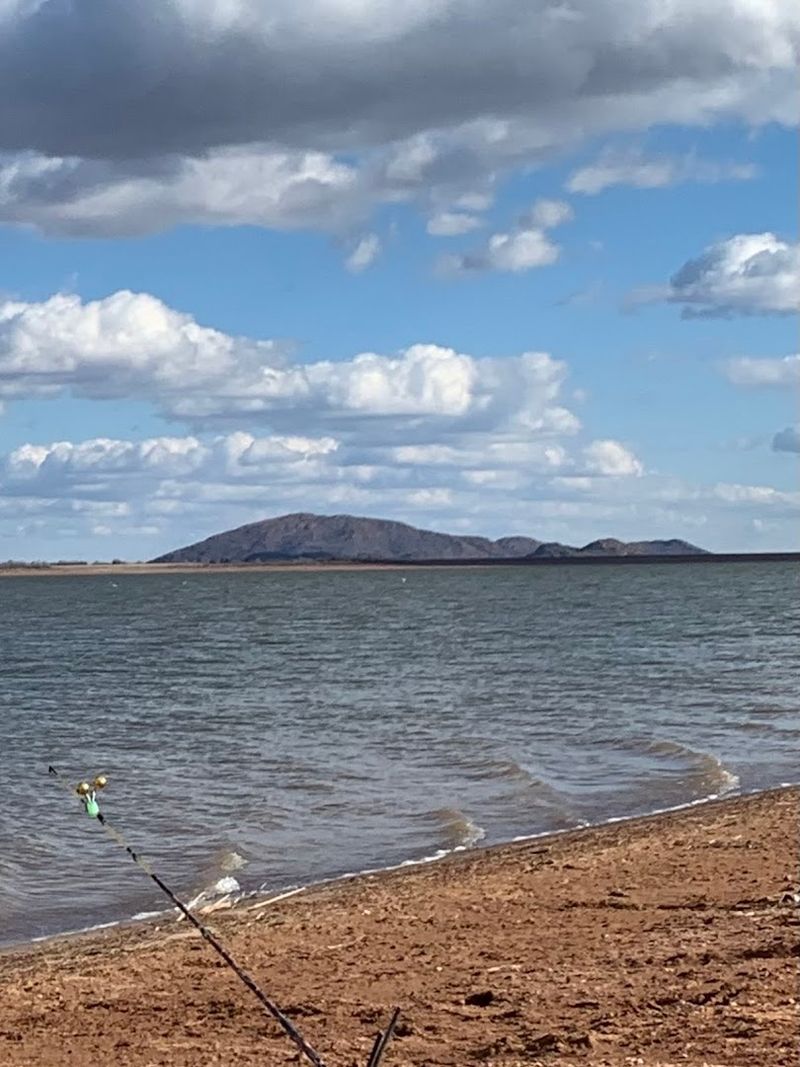
Catfish, bass, and crappie are among the most commonly caught species here. Catfishing in particular has a loyal following, with anglers arriving in the early evening and staying well into the night to pull in flatheads and channel cats from the deeper sections of the lake.
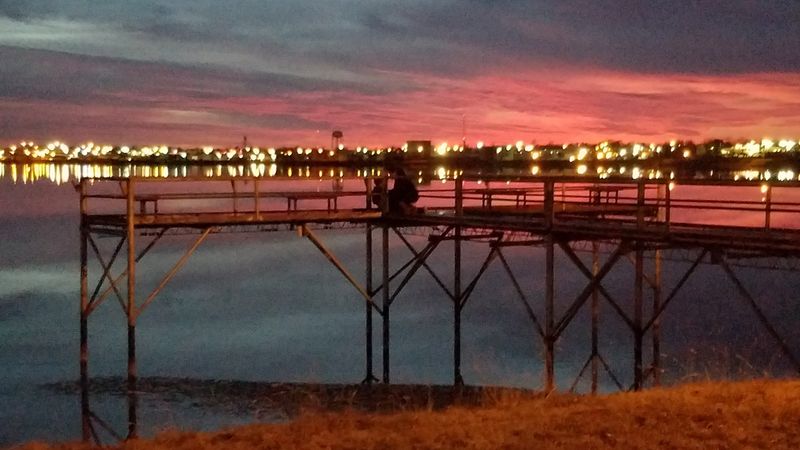
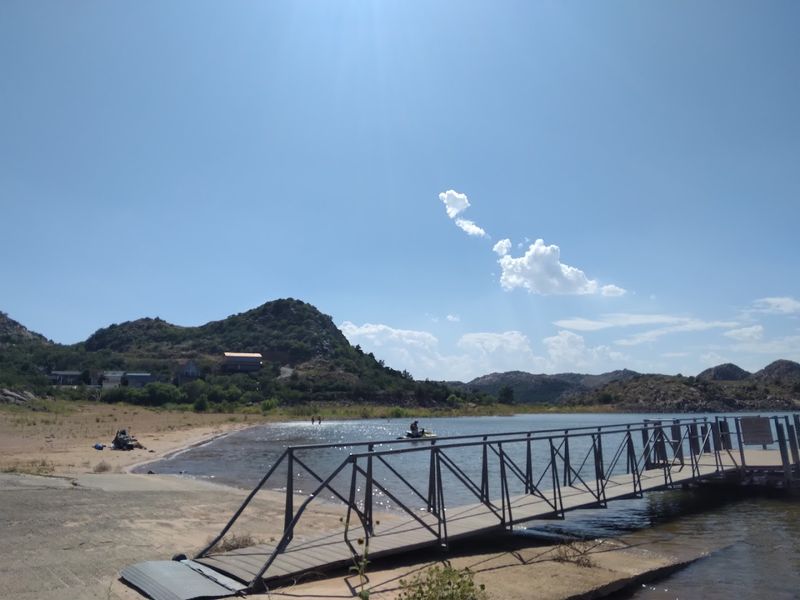
The dock near the main recreation area is a favorite spot for casual fishing. Free life jackets are available for public use near the water, which is a thoughtful touch that makes the area feel welcoming to families and less experienced visitors.
Fishing pressure is relatively low compared to more famous Oklahoma lakes, which means the experience tends to be peaceful. You are unlikely to feel crowded out on a weekday morning.
The water may be lower than it once was, but fish do not seem particularly bothered by that fact. The remaining water is clear enough in many areas to spot structure, and where there is structure, there are fish worth chasing.
Camping Options Around the Lake Are Worth Knowing About
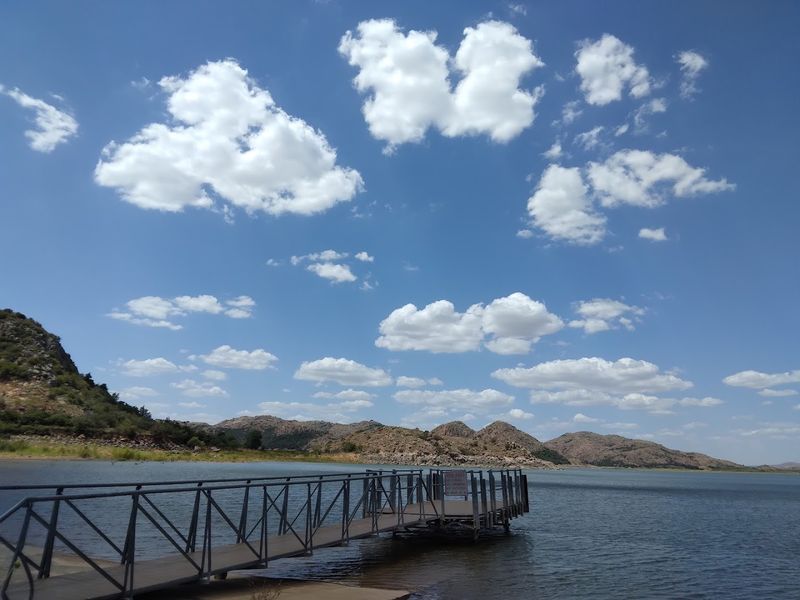
Quartz Mountain Resort Arts and Conference Center, which sits nearby in the Quartz Mountain State Park area, is one of the most well-known lodging options close to Lake Altus-Lugert. But for those who prefer to sleep closer to the water, camping is available right in the park itself.
Primitive camping spots allow visitors to set up near the lake with minimal facilities, which suits those who want a no-frills outdoor experience under wide Oklahoma skies. The area is quiet, especially during weekdays, and the sense of open space is genuinely refreshing.
Cabins are also available for rent and provide a more comfortable base for exploring the area. Several of these cabins sit in scenic positions with views toward the water, making them popular choices for weekend getaways.
Reservations are recommended for peak season, particularly around summer holidays when families tend to fill the available spots quickly. Showing up without a booking mid-summer is a gamble that does not always pay off.
For solo travelers or couples who enjoy a slower pace, arriving on a Monday or Tuesday almost guarantees a relaxed stay with plenty of elbow room and easy access to the shoreline.
The Scenery Around the Lake Is Genuinely Beautiful
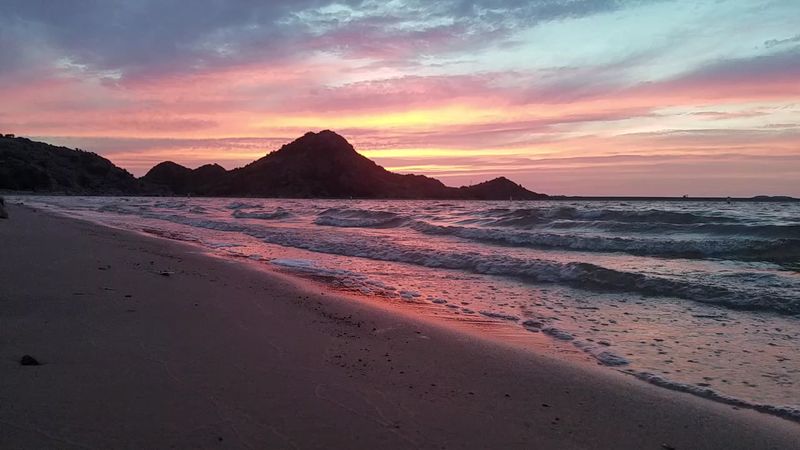
Whatever challenges the lake faces with water levels, nobody can argue with the scenery. The area around Lake Altus-Lugert sits in a landscape shaped by the Wichita Mountains and the rugged terrain of southwestern Oklahoma, and the visual payoff is real.
Quartz Mountain rises dramatically in the background, its pink granite surface catching the light differently at every hour of the day. At sunrise, the mountain glows in shades of orange and rose that make you stop whatever you are doing just to look.
The lake itself, even at reduced levels, reflects the sky in a way that creates some genuinely beautiful photography opportunities. The dock area is a particularly good spot for capturing wide shots with the mountain in the background and the water in the foreground.
Wildflowers appear along the shoreline in spring, adding bursts of color to an already photogenic setting. Prairie grasses wave in the wind across the surrounding flatlands, giving the whole scene a timeless quality.
Sunsets here deserve special mention. The southwestern Oklahoma sky turns into something extraordinary as the sun drops behind the horizon, painting everything in deep gold and purple tones that linger long after the light fades.
Wildlife and Nature Watching Around the Shoreline
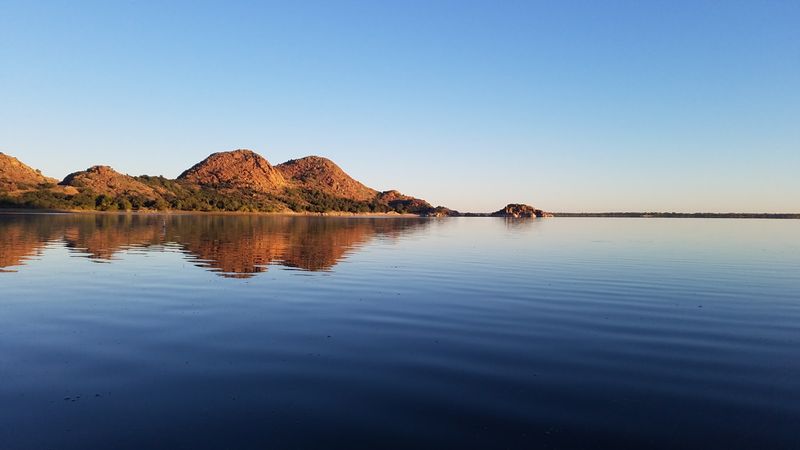
One unexpected benefit of the lower water levels at Lake Altus-Lugert is the expanded shoreline habitat it has created for birds and other wildlife. The exposed mudflats and shallow edges attract a surprising variety of species throughout the year.
White pelicans are among the most dramatic visitors, arriving in large flocks during migration season. Watching a group of pelicans glide in formation over the water is one of those experiences that stops you mid-step.
Great blue herons are a near-constant presence, standing motionless in the shallows with the patience that only a heron can manage.
Shorebirds pick their way along the exposed lakebed during migration, and birders who know what to look for can add impressive species to their lists with relatively little effort. The flat, open terrain makes spotting easier than in more wooded environments.
Deer are common in the surrounding parkland, and coyotes are occasionally spotted at dawn and dusk. The area feels genuinely wild in a way that surprises visitors who come expecting only a recreation lake.
Bringing binoculars to Lake Altus-Lugert is always a good idea, because the wildlife shows up whether you are ready for it or not.
The Role of Agriculture in the Lake’s Water Struggles
Agriculture and water in southwestern Oklahoma have always had a complicated relationship, and Lake Altus-Lugert sits right at the center of that tension. The Lugert-Altus Irrigation District was the reason the dam was built, and it remains the primary user of the water stored in the reservoir.
Farmers in the area rely on the lake to irrigate crops across a large service area. Cotton, wheat, and other crops grown in the surrounding counties depend on this water supply to survive the hot, dry summers that southwestern Oklahoma regularly delivers.
When irrigation demands are high and rainfall is low, the lake drops noticeably. In some years, the combination of drought and heavy withdrawals has pushed the water level to historic lows, leaving large sections of the lakebed completely exposed.
The tension between recreational use and agricultural need is not unique to this lake, but it is particularly visible here because the physical evidence is so obvious. Empty boat ramps and retreating shorelines make the trade-off impossible to ignore.
Local conversations about water rights and lake management continue, with no simple answers in sight. The lake exists because of farming, and farming is the reason the lake keeps shrinking, which is a situation that does not resolve itself easily.
Visiting the Lake on a Quiet Weekday Feels Like a Private Experience
Arriving at Lake Altus-Lugert on a weekday morning is a different experience from showing up on a summer weekend.
The parking lots, which can handle a fair number of vehicles, are often nearly empty during the week, and the whole place takes on a calm, unhurried quality that is hard to find at more popular destinations.
The sense of having the place to yourself is genuine. Walking out to the dock, looking across the water, and hearing nothing but wind and birdsong is the kind of reset that most people do not realize they need until they are standing right in the middle of it.
Weekday visitors also tend to have easier access to the better fishing spots along the shoreline, without having to navigate around other anglers or compete for the prime positions on the dock.
Park rangers are present, friendly and approachable. Having knowledgeable staff on hand makes the park feel well-managed, even during quieter periods when visitor numbers are low.
If your schedule allows any flexibility, planning a Monday or Tuesday visit to Lake Altus-Lugert is one of the easiest ways to get the most out of the experience with the least amount of crowd-related frustration.
Practical Tips for Planning Your Visit to Lake Altus-Lugert
Planning a visit to Lake Altus-Lugert takes a little preparation, especially if you are coming from outside the region. The lake is located near Altus in Greer County, Oklahoma 73655, in the southwestern part of the state, which means it is a long drive from Oklahoma City or Tulsa.
Bring sunscreen and plenty of water. The southwestern Oklahoma sun is relentless in summer, and the open terrain around the lake offers very little natural shade.
A hat and sunglasses are not optional accessories here, they are practical necessities.
Check the current water level before you go if you are planning to launch a boat. The level fluctuates significantly depending on recent rainfall and irrigation activity, and what is navigable in a wet year may be completely inaccessible during a drought.
Free life jackets are available near the water for public use, which is a convenient resource for families. Please return them after use so the next visitor has the same option available.
Restroom facilities are available at the park, but the walk from the parking area to the water can be longer than expected due to the retreated shoreline. Plan accordingly before making that trek across the exposed lakebed on a hot afternoon.
Dear Reader: This page may contain affiliate links which may earn a commission if you click through and make a purchase. Our independent journalism is not influenced by any advertiser or commercial initiative unless it is clearly marked as sponsored content. As travel products change, please be sure to reconfirm all details and stay up to date with current events to ensure a safe and successful trip.
