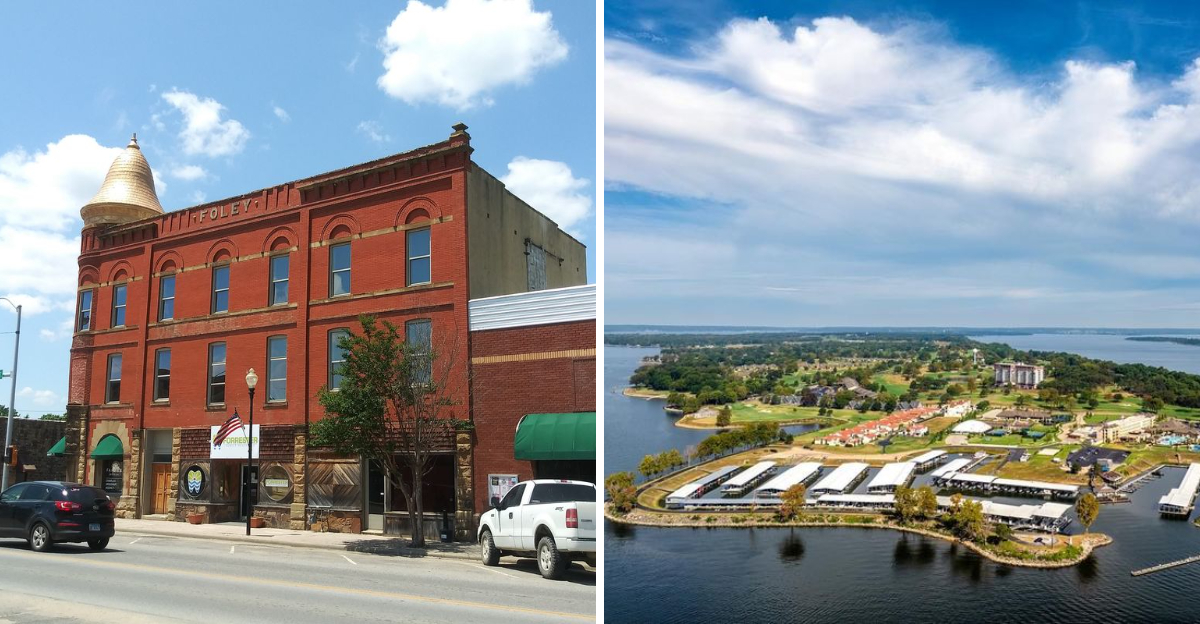
Oklahoma’s sparkling lakes have long attracted visitors seeking water sports, fishing, and scenic beauty, but this tourism boom hasn’t come without consequences for the small towns dotting their shores.
Communities that once thrived on agriculture, ranching, or quiet lakeside living now find themselves navigating the challenges and opportunities that come with seasonal crowds, vacation homes, and commercial development.
While tourism dollars have brought economic growth and new businesses, many longtime residents report dramatic shifts in housing affordability, traffic patterns, and the close-knit character that once defined their towns.
From Grand Lake to Lake Texoma, these transformations tell a complex story of progress mixed with loss, as locals weigh the benefits of prosperity against the erosion of traditions and community bonds.
Understanding these changes offers insight into the delicate balance between economic development and preserving the soul of small-town Oklahoma life.
Grove on Grand Lake O’ the Cherokees
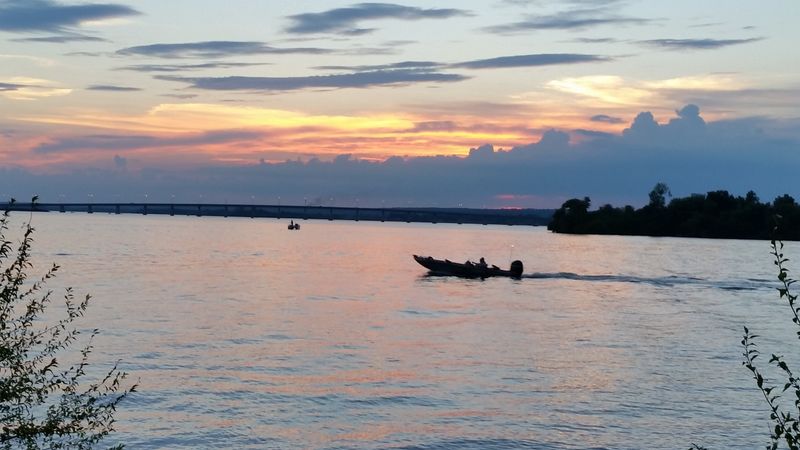
Grove sits on the western shore of Grand Lake and has watched its population swell from a few thousand year-round residents to a bustling seasonal destination that attracts hundreds of thousands of visitors annually.
The town’s transformation began decades ago but accelerated dramatically in the 2000s when affluent Tulsans and out-of-state buyers began snapping up lakefront property and building elaborate vacation homes.
What was once a modest farming community became a hub for marinas, boat dealerships, and waterfront restaurants catering to weekend warriors and summer vacationers.
Longtime residents recall when everyone knew their neighbors and Main Street businesses served local families rather than tourists seeking souvenirs and lake gear.
Housing prices have climbed so steeply that many native Grovers have been priced out of the market, forcing younger generations to relocate to more affordable areas or commute from surrounding towns.
The influx of seasonal homeowners means that entire neighborhoods sit empty during the off-season, creating a ghost-town atmosphere that contrasts sharply with summer’s congestion.
Traffic on Highway 59 has become a major complaint, with locals avoiding certain routes on summer weekends when boats and RVs clog the roads.
Despite these frustrations, tourism has undeniably boosted Grove’s economy, funding new schools, infrastructure improvements, and a wider variety of shopping and dining options.
The Patricia Island Marina and Har-Ber Village Museum at 4404 West 20th Street showcase the area’s history and recreational opportunities, drawing visitors year-round.
Yet many residents mourn the loss of the tight-knit community where Friday night football games and church socials were the main events.
The challenge for Grove lies in preserving its identity while embracing the economic benefits that tourism provides, a balancing act that continues to shape local politics and community discussions.
Some fear that without intentional planning, Grove risks becoming just another generic resort town with little connection to its agricultural roots and Cherokee heritage.
Monkey Island on Grand Lake
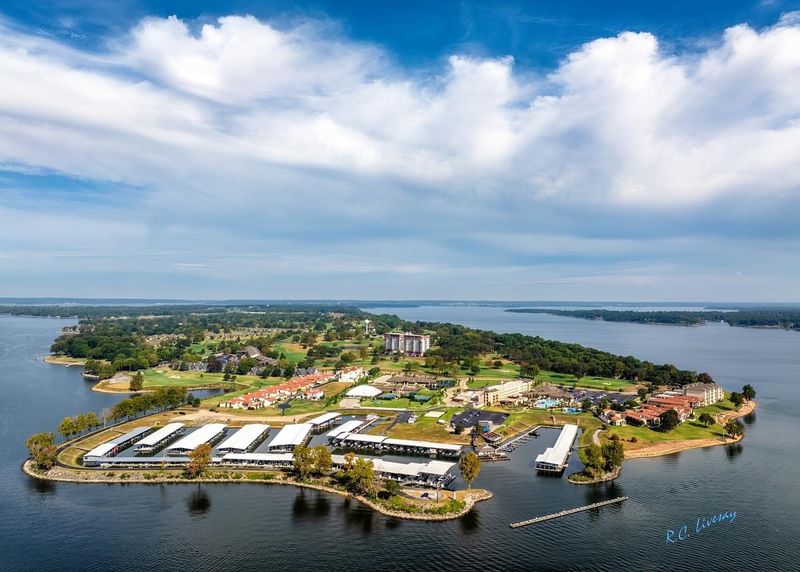
Monkey Island earned its quirky name from early surveyors who thought the peninsula’s shape resembled a monkey, and today this exclusive enclave represents one of Oklahoma’s most dramatic tourism-driven transformations.
What began as a simple fishing camp in the mid-20th century evolved into a playground for Oklahoma’s wealthy, complete with the famous Shangri-La Resort, championship golf courses, and million-dollar estates lining the shoreline.
The transformation accelerated when developers recognized the peninsula’s potential as a luxury destination, fundamentally altering the community’s character and accessibility.
Original residents and their descendants describe a time when Monkey Island was a place where modest lake cabins stood side by side and neighbors gathered for potluck dinners and fishing tournaments.
Property values have skyrocketed to the point where average working families can no longer afford to live in an area their grandparents helped settle.
The development of gated communities and private marinas has created physical and social barriers that divide longtime locals from wealthy newcomers who may only visit a few weeks each year.
Service industry workers who staff the resorts, restaurants, and golf courses often commute from Grove or Afton because housing on the island itself has become prohibitively expensive.
This creates a strange dynamic where the people who keep the tourism economy running cannot afford to live in the community they serve.
The Shangri-La Resort at 57301 East Highway 125 remains the area’s crown jewel, offering upscale amenities that attract visitors from across the region but feel worlds away from the island’s humble origins.
Traffic congestion on the single bridge connecting Monkey Island to the mainland has become a major quality-of-life issue, especially during peak summer months and holiday weekends.
While tourism revenue has funded better roads and utilities, many original families feel they’ve been pushed to the margins of a community their ancestors built.
The tension between preservation and progress remains palpable in local conversations about zoning, development permits, and the future direction of this transformed peninsula.
Kingston on Lake Texoma
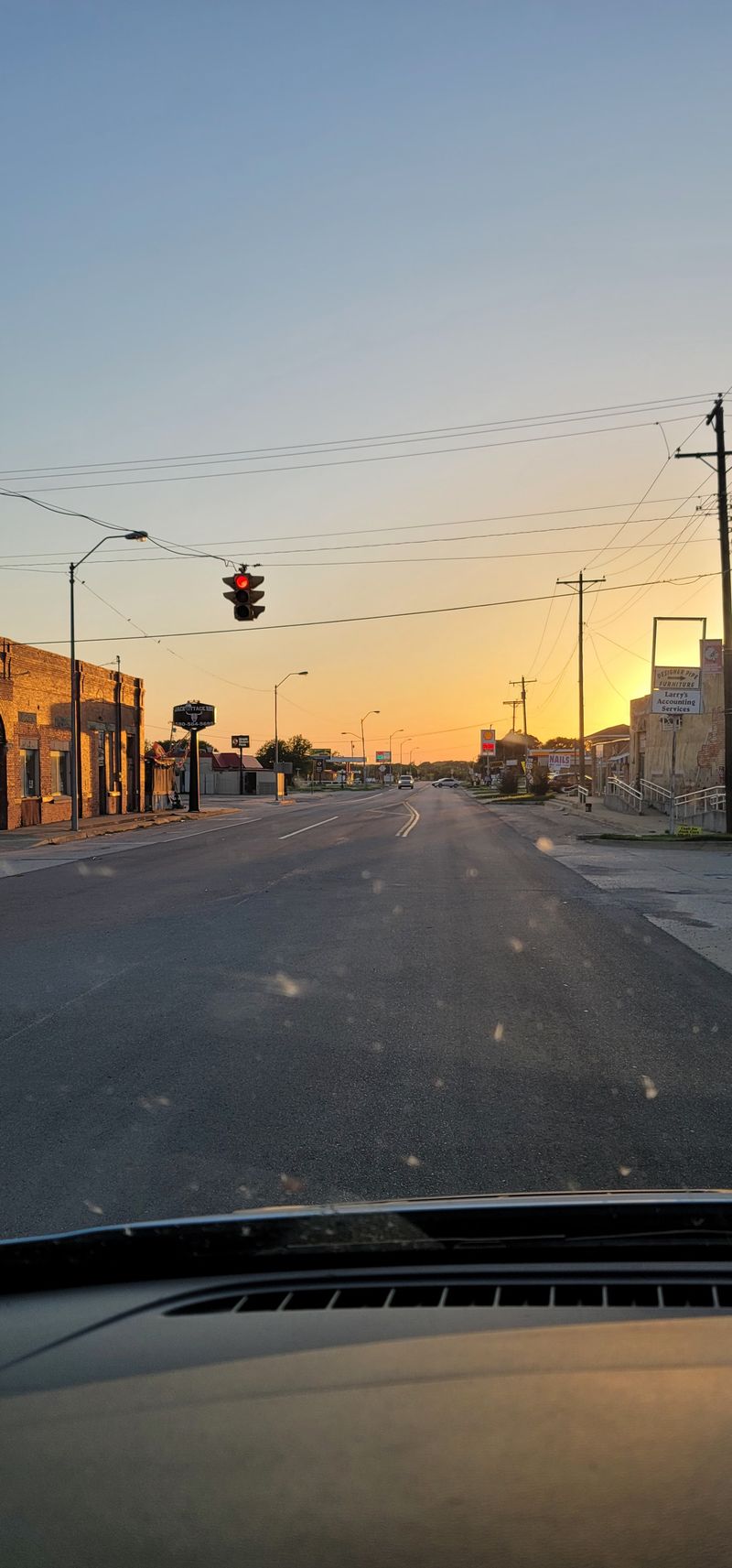
Kingston serves as Oklahoma’s gateway to massive Lake Texoma, and this small Marshall County town has experienced profound changes since the lake’s creation in 1944 transformed the area into a recreational destination.
Once a quiet agricultural community where cotton farming and cattle ranching dominated the economy, Kingston now relies heavily on tourism dollars generated by anglers, boaters, and vacationers seeking Texoma’s famous striped bass fishing.
The town’s population of around 1,600 permanent residents swells dramatically during fishing season and summer months, straining infrastructure designed for a much smaller community.
Locals remember when Kingston’s economy centered on farming and the local cotton gin, with families living in the area for generations and maintaining strong community ties.
The transition to a tourism-based economy brought new businesses like bait shops, boat rentals, and lakeside restaurants, but it also changed the town’s character and demographics.
Housing has become increasingly expensive as investors purchase properties to convert into short-term vacation rentals, reducing the stock of affordable homes for local families.
The Lake Texoma State Park at 1152 State Park Drive brings thousands of visitors annually, providing economic benefits but also creating seasonal congestion and placing demands on limited public services.
Many longtime residents appreciate the economic opportunities tourism provides but express frustration with overcrowded boat ramps, increased traffic, and the loss of the small-town atmosphere they cherished.
Younger generations often struggle to find housing they can afford on service-industry wages, forcing them to move away and further eroding the community’s continuity.
The transformation has created a divide between those who profit directly from tourism through businesses and property ownership and those who feel marginalized by rising costs and changing priorities.
Kingston’s Main Street reflects this tension, with some storefronts catering to tourists while others struggle to serve a shrinking base of year-round residents.
Town leaders face ongoing challenges in balancing economic development with preserving the community character that made Kingston attractive in the first place, a struggle that defines many lake towns across Oklahoma.
Eufaula on Lake Eufaula
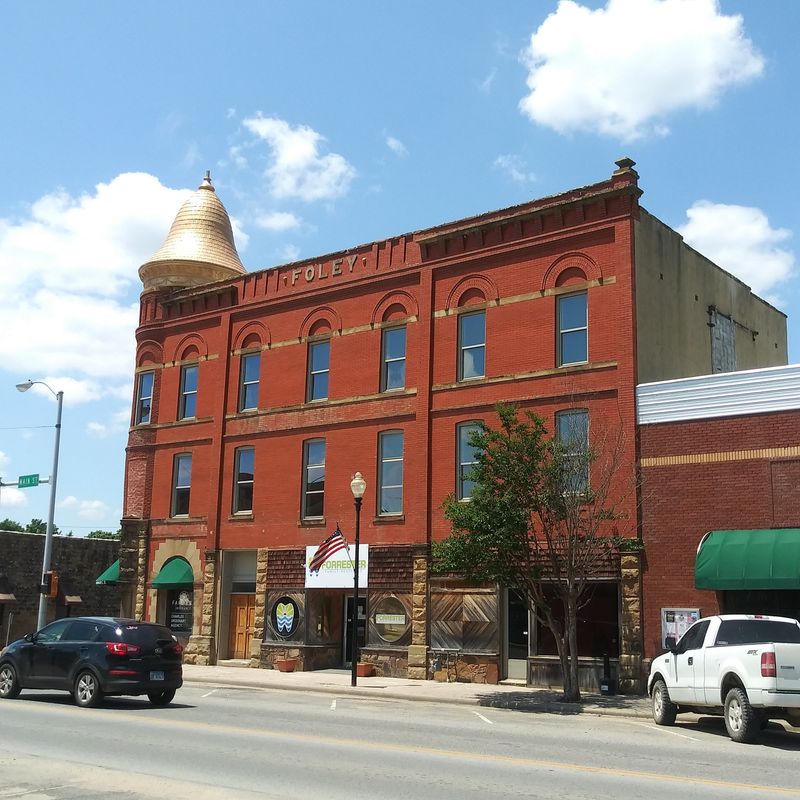
Eufaula sits along the shores of Oklahoma’s largest lake by surface area, and this historic town has watched tourism gradually reshape its economy and community dynamics over the past several decades.
Originally established as a Creek Nation settlement and later a railroad town, Eufaula maintained its small-town character through most of the 20th century with an economy based on agriculture, timber, and local commerce.
The creation of Lake Eufaula in 1964 slowly transformed the area into a fishing and recreation destination, bringing changes that accelerated dramatically in recent years as waterfront development intensified.
Longtime residents describe a Eufaula where everyone knew each other’s families going back generations, where Main Street businesses served local needs, and where community events brought the whole town together.
The lake’s reputation for excellent crappie and bass fishing gradually attracted more visitors, leading to the development of marinas, resorts, and vacation home communities along the shoreline.
Property values near the water have climbed steadily, making lakefront living unattainable for most locals while attracting buyers from Oklahoma City, Tulsa, and beyond who seek weekend retreats.
The town of roughly 2,800 permanent residents now experiences significant seasonal population fluctuations that create challenges for everything from traffic management to healthcare services.
Lake Eufaula State Park at 10840 State Park Drive remains a major draw, bringing camping enthusiasts and day-trippers who contribute to the local economy but also increase demands on infrastructure.
Many native Eufalians express mixed feelings about tourism’s impact, appreciating new restaurants and shops while mourning the loss of locally owned businesses that couldn’t compete or afford rising rents.
The transformation has been particularly hard on lower-income families who find themselves priced out of neighborhoods where their families lived for generations.
Seasonal employment in tourism-related businesses provides jobs but often lacks the stability and benefits of the agricultural and timber work that once sustained the community.
Eufaula continues to grapple with how to honor its rich Native American heritage and historic character while accommodating the economic realities of a tourism-dependent economy that shows no signs of slowing.
Broken Bow near Broken Bow Lake
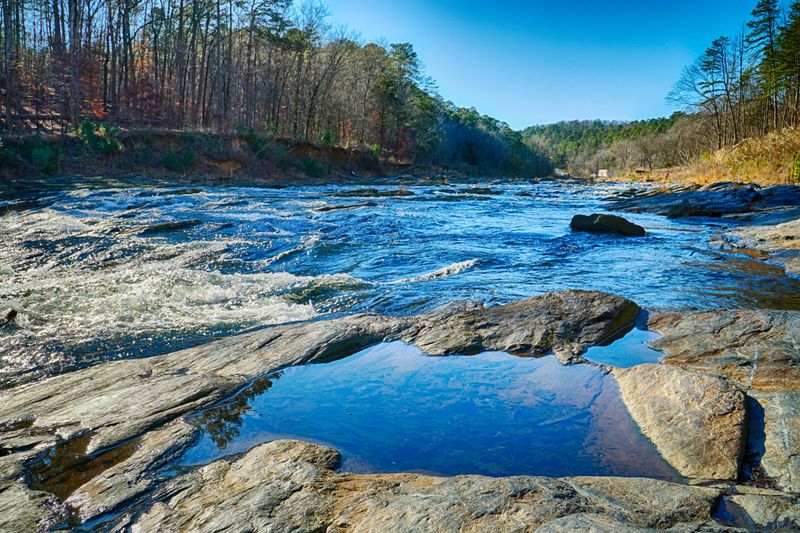
Broken Bow has experienced perhaps the most dramatic tourism-driven transformation of any Oklahoma lake town, evolving from a remote timber community into a booming vacation destination that barely resembles the town longtime residents remember.
Located in the scenic Ouachita Mountains of southeastern Oklahoma, Broken Bow remained relatively isolated until the early 2000s when word spread about the area’s stunning natural beauty, clear waters, and towering pine forests.
The explosion of cabin rentals, particularly luxury properties marketed to Dallas-Fort Worth visitors seeking mountain getaways, has fundamentally altered the community’s economy, demographics, and character in less than two decades.
Original residents recall a tight-knit community where the timber industry provided stable employment, where everyone knew their neighbors, and where the cost of living remained affordable for working families.
The tourism boom brought unprecedented economic growth but also skyrocketing property values, traffic congestion, and a housing crisis that has forced many locals to relocate to surrounding areas.
Investors from outside the region purchased large tracts of land to build vacation rental cabins, creating entire neighborhoods that sit empty most of the week and contribute little to community life.
Beavers Bend State Park at 4350 State Park Road draws hundreds of thousands of visitors annually, overwhelming the area’s two-lane roads and small-town infrastructure during peak seasons.
Local workers who staff the restaurants, shops, and rental properties often cannot afford to live in Broken Bow itself, commuting instead from towns like Idabel or Valliant.
The downtown area has shifted from serving local needs to catering almost exclusively to tourists, with gift shops and upscale eateries replacing the hardware stores and cafes that once anchored Main Street.
Longtime residents express frustration with traffic jams on Highway 259, overcrowded trails and waterways, and the loss of the peaceful, rural lifestyle that defined Broken Bow for generations.
While tourism revenue has funded improvements to schools and public facilities, many locals question whether these benefits outweigh the social costs of displacement and community disruption.
The challenge facing Broken Bow is whether it can manage growth in a way that preserves some connection to its timber-town heritage and provides opportunities for native families, or whether it will become simply a collection of vacation rentals serving distant visitors.
Ketchum on Lake Texoma
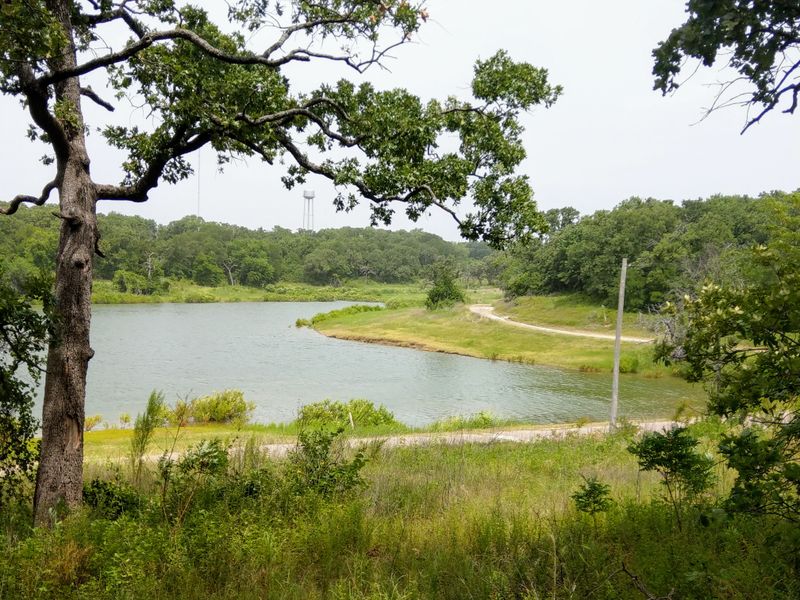
Ketchum sits on the Oklahoma side of Lake Texoma and has transformed from a quiet rural community into a vacation home destination that longtime residents say has fundamentally altered the town’s identity and affordability.
This small Mayes County community once centered on farming and ranching, with families who had worked the land for generations maintaining a lifestyle connected to agriculture and the rhythms of rural Oklahoma.
The development of Lake Texoma and particularly the growth of upscale resort communities like Cedar Mills Marina have brought waves of part-time residents and tourists seeking waterfront recreation and relaxation.
Original Ketchum families describe a time when everyone attended the same small school, shopped at the same local stores, and participated in community events that brought neighbors together across generations.
The influx of vacation homeowners has created a bifurcated community where expensive lakefront properties stand in stark contrast to the modest homes of longtime residents who increasingly struggle with rising property taxes.
Many families who farmed or ranched in the area for decades have sold their land to developers, unable to resist offers that far exceeded the property’s agricultural value but forever changed the rural landscape.
The seasonal nature of tourism means that much of Ketchum feels abandoned during the off-season when vacation homes sit empty and businesses that cater to tourists close or reduce hours.
Local children grow up in a community where many of their neighbors are only present a few weeks each year, creating a transient atmosphere that undermines the sense of permanence and continuity that once defined small-town life.
Cedar Mills Marina and the surrounding development showcase the upscale amenities that attract visitors but also symbolize how far Ketchum has drifted from its agricultural roots.
Service workers who maintain properties, staff marinas, and work in tourism businesses often commute from more affordable areas because Ketchum itself has become too expensive for working families.
The transformation has created economic opportunities for some longtime residents who own businesses or sold property at premium prices, but it has displaced others who can no longer afford to live in their hometown.
Ketchum’s experience reflects a pattern repeated across Oklahoma lake towns where tourism’s economic benefits come at the cost of community cohesion and accessibility for native families.
Dear Reader: This page may contain affiliate links which may earn a commission if you click through and make a purchase. Our independent journalism is not influenced by any advertiser or commercial initiative unless it is clearly marked as sponsored content. As travel products change, please be sure to reconfirm all details and stay up to date with current events to ensure a safe and successful trip.
