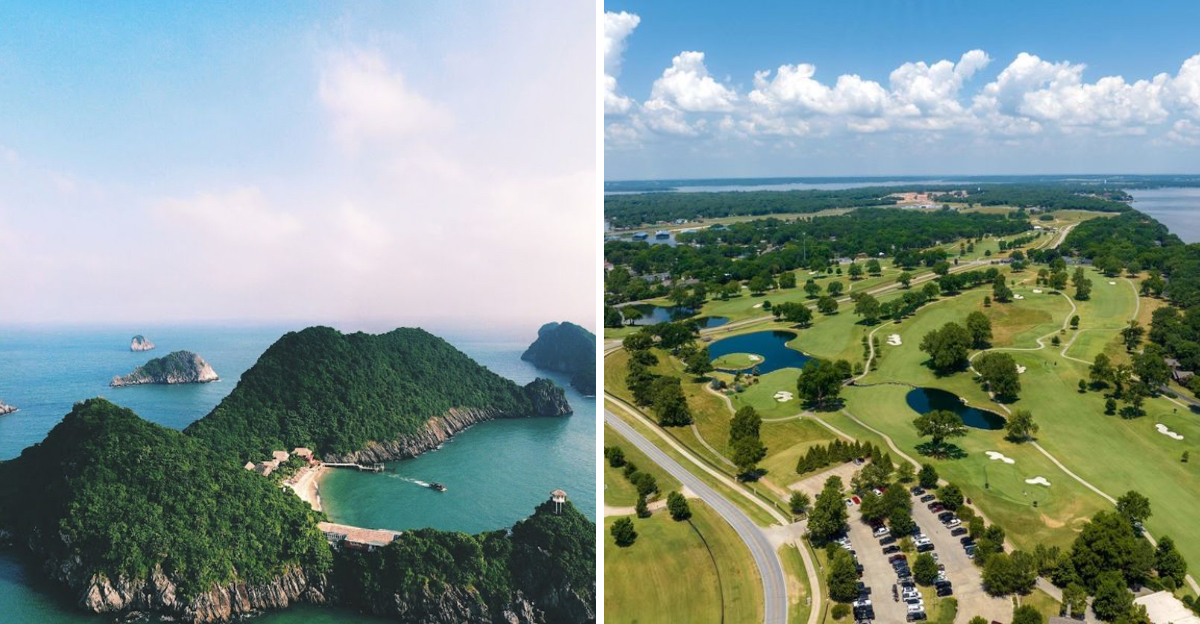
I first heard about Monkey Island, Oklahoma from a local who described it with a wistful look in their eyes, talking about quiet mornings on Grand Lake and golf carts rolling down peaceful streets.
This small community in Delaware County sits on what is technically a peninsula, not an island, jutting into Grand Lake O’ the Cherokees near the town of Afton.
For years, residents enjoyed a laid-back lifestyle centered around lake activities, golfing at Shangri-La Resort, and the simple pleasure of watching boats drift across the water. But as word spread about this hidden retreat, something shifted.
More visitors arrived, vacation rentals multiplied, and the tranquil vibe that locals cherished began to fade under the weight of tourism. I wanted to see for myself what remained of that original paradise and understand how a place so beloved could change so dramatically.
The Name That Fooled Everyone
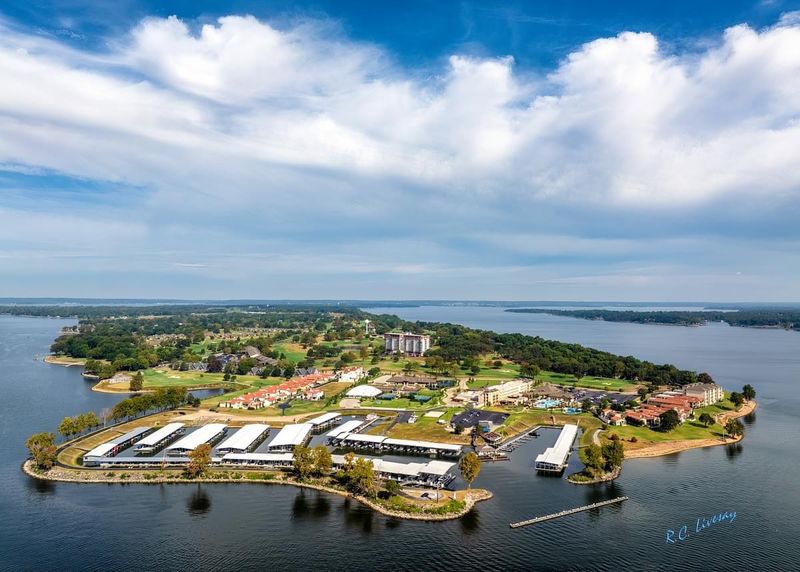
Locals will tell you straight up that there are no monkeys here, and yes, it is not actually an island. The name comes from old folklore and creative marketing rather than geographical accuracy.
I spent my first afternoon trying to understand this quirky naming choice. Some say it dates back to stories about a local merchant who kept pet monkeys, while others insist it was simply a catchy name to attract attention.
What struck me most was how residents have embraced the confusion with good humor. They know visitors arrive expecting an actual island with primates, only to find a beautiful peninsula with none.
The misnomer has become part of the charm for longtime residents, even as it contributes to tourist disappointment. People drive down expecting exotic wildlife encounters and discover instead a golf-focused community.
I found this disconnect fascinating because it represents the first layer of expectation versus reality that defines the tourist experience here.
The name promised adventure but delivered something entirely different, setting the stage for broader tensions between what was marketed and what actually existed in this Oklahoma community.
When Golf Carts Ruled the Roads
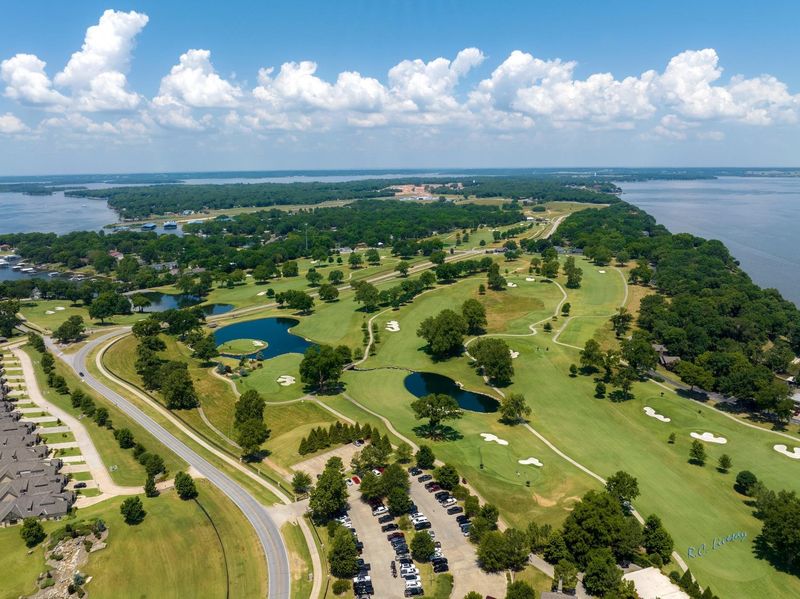
Before the tourist boom, golf carts were the primary mode of transportation for residents, creating a relaxed atmosphere that felt more like a permanent vacation than everyday life. I loved seeing families cruise around in their customized carts, waving to neighbors.
The golf cart culture defined the community’s character. People would drive to the marina, to friends’ houses, or just around for the pleasure of it, never exceeding safe speeds or disturbing the peace.
Residents told me about evenings when you could count the golf carts on one hand, and everyone knew who was driving past their home. That intimacy created a strong sense of community and safety.
As tourism increased, rental properties began advertising golf cart access as an amenity. Suddenly, visitors unfamiliar with the unwritten rules of cart etiquette flooded the streets.
I witnessed the change firsthand during peak season when traffic jams of golf carts formed near popular spots.
The charming transportation method that once symbolized the community’s laid-back lifestyle became a source of congestion and frustration, with tourists racing around unfamiliar streets and locals unable to enjoy their once-peaceful drives around their own neighborhood.
Shangri-La Resort Transformed Everything
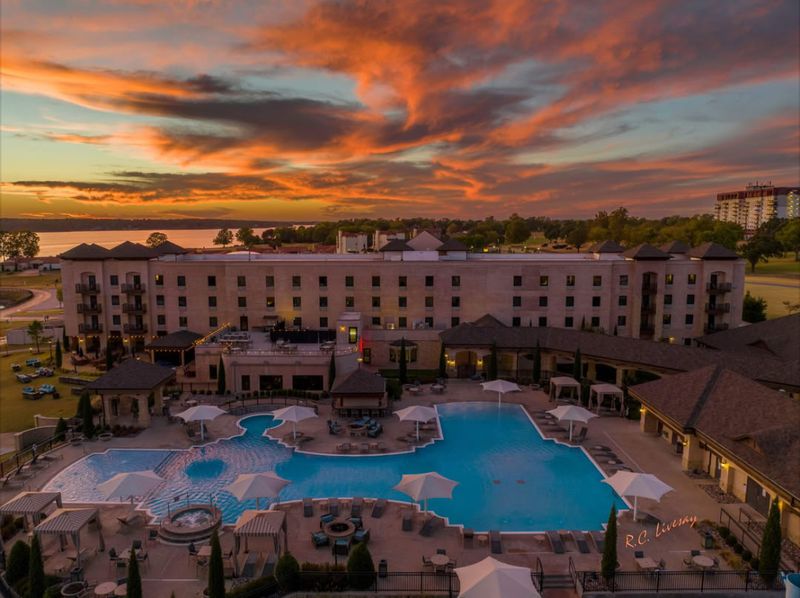
Shangri-La Resort sits at the heart of what made Monkey Island attractive to outsiders, offering championship golf and lake access that few Oklahoma destinations could match. I spent a morning exploring the grounds, understanding immediately why it became such a draw.
For locals, the resort was originally a nice amenity where they could golf occasionally or grab a meal at the restaurant. It existed in harmony with the residential community, providing services without overwhelming the area.
The transformation began when the resort expanded its marketing reach beyond Oklahoma. Suddenly, wedding parties, corporate retreats, and weekend warriors descended on the property in numbers the small community never anticipated.
I spoke with longtime residents who remembered when you could get a tee time easily and the restaurant never had a wait. Now, during peak seasons, everything requires reservations and patience.
The resort itself is beautiful and well-maintained, but its success came at a cost to the surrounding community.
Traffic increased, noise levels rose, and the quiet peninsula atmosphere that originally attracted resort developers became the very thing their success threatened to destroy completely in this corner of Oklahoma.
Grand Lake Access Became a Battleground
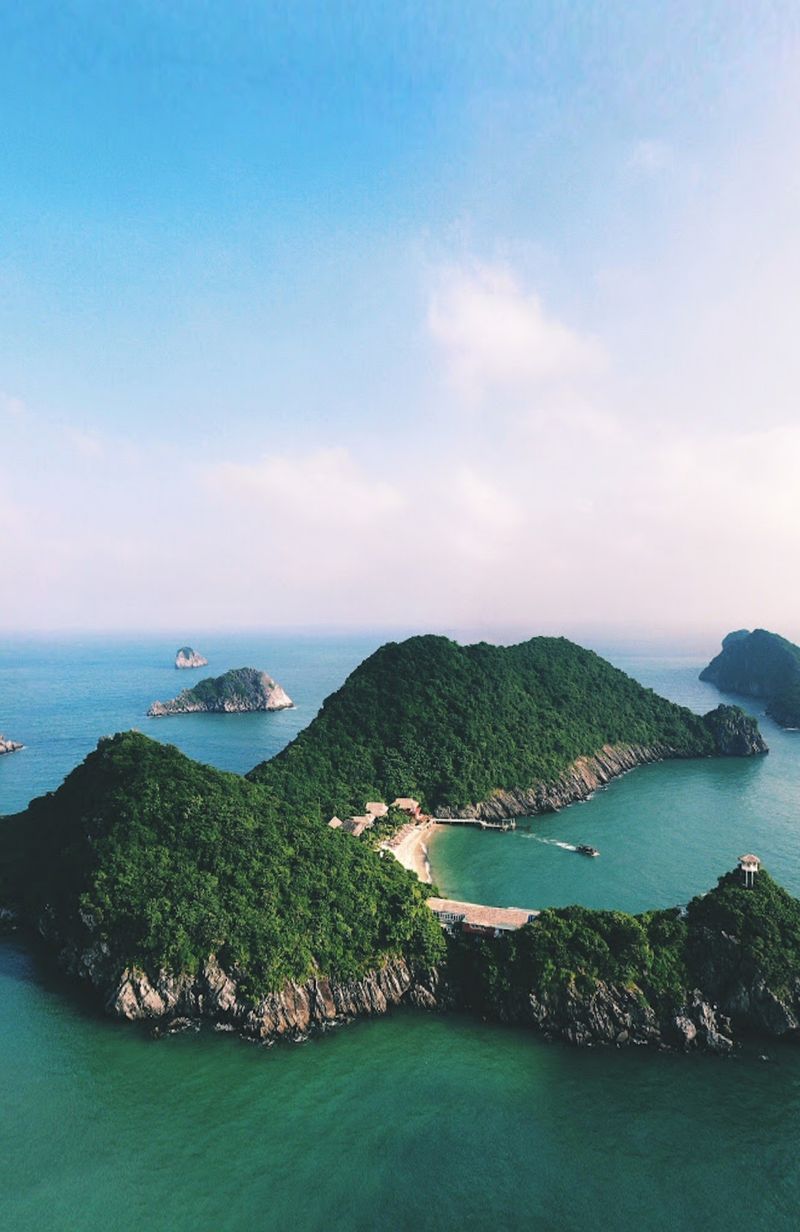
Access to Grand Lake O’ the Cherokees was once straightforward for residents who knew the informal paths and public areas. I tried finding beach access myself and quickly understood the frustration one reviewer mentioned.
Locals had their favorite spots where they could launch kayaks, fish from shore, or simply sit by the water. These places were rarely crowded because only people who lived here knew about them.
Tourism changed the dynamic entirely. Vacation rental owners began directing guests to these same spots, and property owners started posting private property signs to protect their lakefront.
I walked several streets trying to find legitimate public access without trespassing, eventually giving up in frustration. Unless you own property, rent a place with lake access, or have a boat, enjoying the water proves surprisingly difficult.
This created tension between tourists who felt entitled to lake access they assumed came with visiting a lake community and residents who watched their favorite quiet spots become overcrowded.
The lake that once united the community became a source of conflict, with locals feeling pushed out of spaces they had enjoyed freely for years before Oklahoma tourism discovered their hidden paradise.
The Vacation Rental Invasion
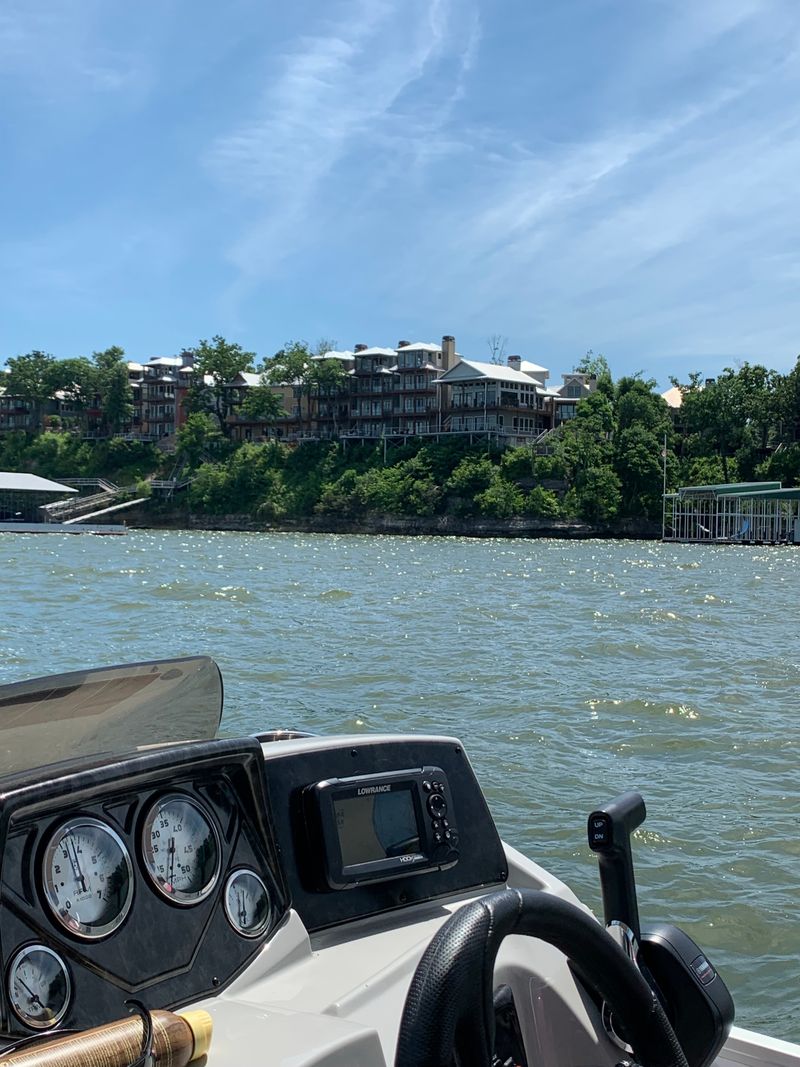
Walking through neighborhoods, I noticed how many homes displayed vacation rental signs or had coded lockboxes on the doors. What was once a tight-knit residential community has transformed into a transient lodging district.
Longtime homeowners described the shift with obvious sadness. Houses that once held families who attended local events and built relationships now cycle through weekend visitors who leave no trace of their presence.
The economics make sense for property owners. Renting to tourists brings significantly more income than having permanent residents or keeping a second home empty most of the year.
But I heard story after story about how this changed the community fabric. Neighbors no longer know who lives next door.
Noise complaints increased as visitors treated rentals like party venues rather than someone’s neighborhood.
I stayed in a rental myself and felt the disconnect. The home was lovely with stunning lake views, but I had no connection to the community or understanding of local expectations.
Multiply that by hundreds of visitors cycling through constantly, and you understand why residents feel their Oklahoma paradise was invaded by strangers who appreciated the location without respecting the lifestyle that made it special originally.
Wildlife Watching Lost Its Magic
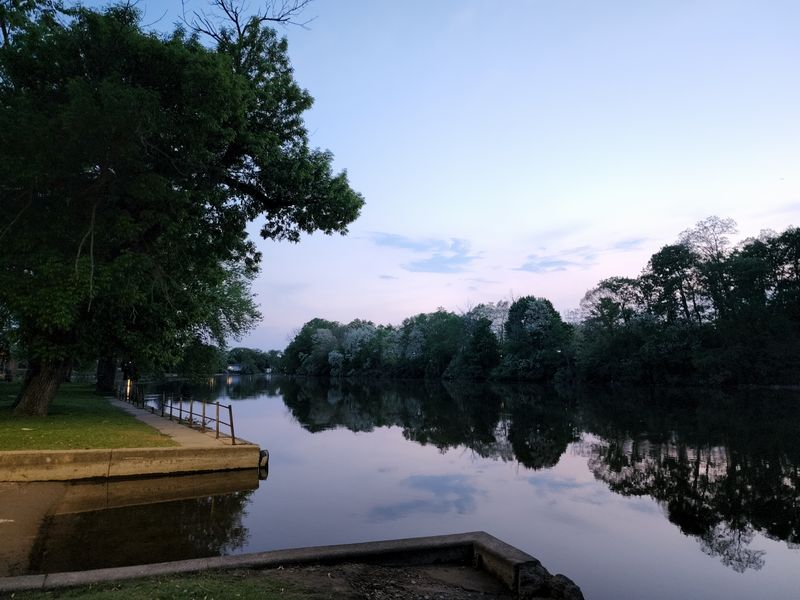
One longtime resident told me about mornings when deer would wander through yards and herons would fish undisturbed along the shore. I wanted to experience that Oklahoma wildlife connection myself.
The area still hosts plenty of wildlife, but the constant human activity has pushed animals into less accessible areas. I saw some deer at dawn, but they were skittish and quick to disappear.
Locals explained that increased traffic, noise from boats and tourists, and general disruption changed animal behavior patterns. Creatures that once felt comfortable near homes now avoid developed areas during daylight hours.
I spent an evening sitting quietly by the water, hoping to see the variety of birds residents described. While I spotted a few species, the experience felt diminished compared to what people remembered from earlier years.
The irony is that many tourists come specifically hoping to see wildlife, yet their collective presence is what drives animals away.
Residents who once enjoyed daily encounters with nature now compete with visitors, as the peaceful coexistence with wildlife in their Oklahoma community has become a casualty of the area’s growing popularity.
The Hiking Trail That Never Existed
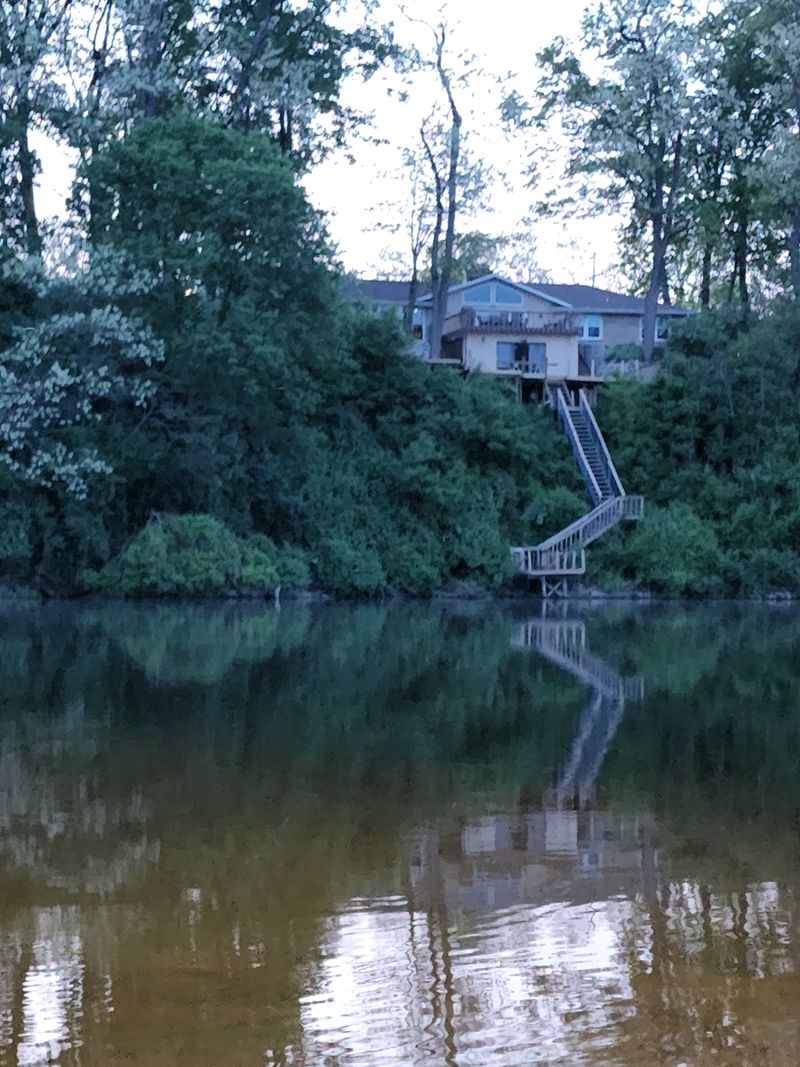
I arrived expecting hiking opportunities because what lake destination does not have trails. The disappointing reality hit quickly when I discovered the only paths were golf cart trails designed for transportation, not nature exploration.
Several reviews mentioned this same frustration, and I completely understood their disappointment. The landscape is beautiful, with rolling terrain and lake views that would make excellent hiking.
But Monkey Island developed as a golf and lake community, not a nature recreation area. The infrastructure reflects those priorities, with investment going toward golf courses and marina facilities rather than trail systems.
I walked the golf cart paths anyway, trying to enjoy the scenery, but constantly moving aside for carts diminished the experience. These routes connect residential areas and amenities rather than showcasing natural features.
For tourists who research destinations based on outdoor activities, this represents a significant letdown. Locals never expected hiking trails because that was not what their community was built around, but tourism marketing often implied a broader outdoor recreation experience.
This mismatch between tourist expectations and actual amenities created dissatisfaction that reflected poorly on the entire Oklahoma community, even though the issue stemmed from miscommunication rather than any actual deficiency in what Monkey Island was designed to offer originally.
The Restaurant That Could Not Keep Up
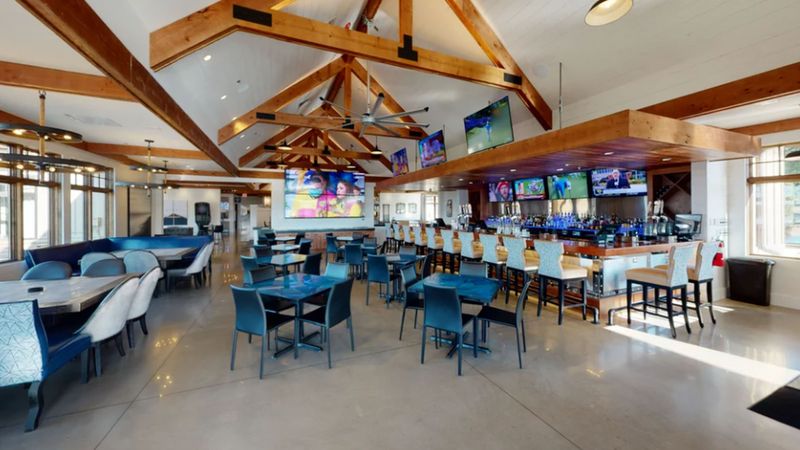
The restaurant at Shangri-La Resort earned praise in reviews, and I understood why after eating there. The food was solid, the views spectacular, and the atmosphere pleasant when it was not overwhelmed.
Locals remembered when this restaurant served primarily resort guests and residents, maintaining a relaxed pace that matched the community vibe. You could show up without reservations and enjoy a leisurely meal.
Tourism changed everything. Now the restaurant operates at capacity most weekends, with wait times stretching beyond an hour during peak seasons.
The kitchen struggles to maintain quality under pressure.
I visited on a Saturday afternoon and watched staff rushing between tables, clearly stretched thin. The experience felt more frantic than relaxing, missing the laid-back atmosphere residents described.
The restaurant represents a microcosm of the larger issue. A business that served its community well suddenly faced demand it was never designed to handle.
Rather than expanding thoughtfully, it tried to accommodate everyone, satisfying no one completely.
Locals stopped going because of crowds and waits, while tourists complained about service issues, creating a situation where the amenity that once enhanced community life became another source of frustration in this Oklahoma destination.
When Quiet Mornings Disappeared
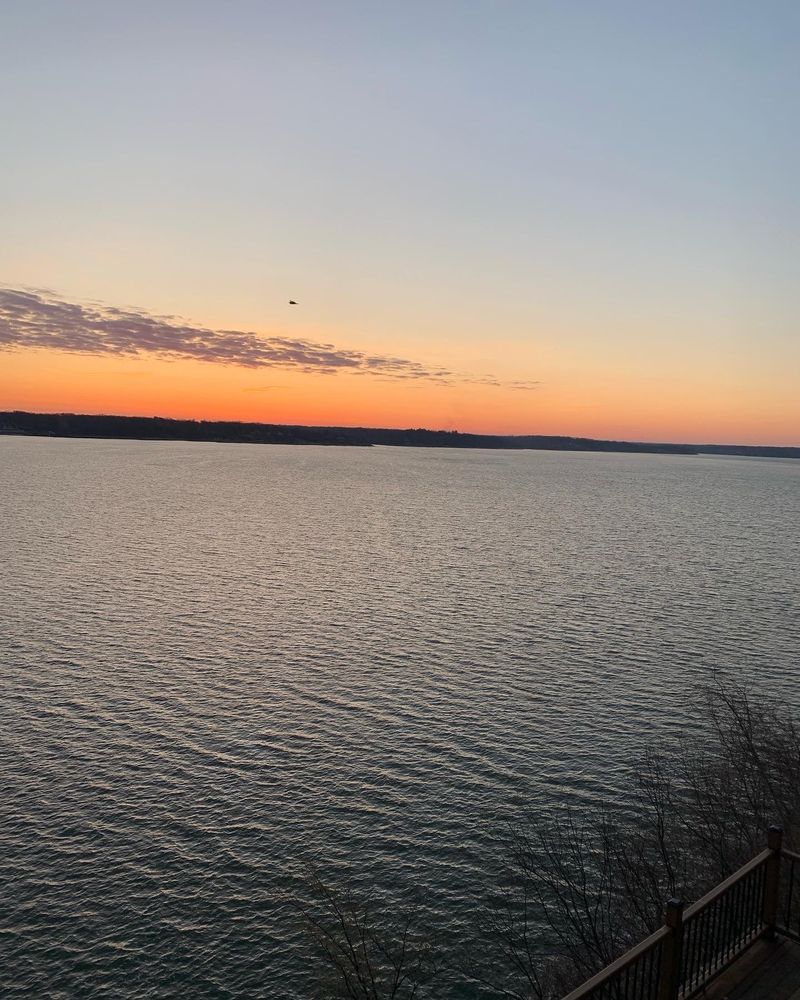
Residents spoke nostalgically about mornings when the only sounds were birds singing and gentle waves lapping against docks. I tried to experience that tranquility by waking before dawn, with limited success.
Even at sunrise, I heard boats firing up engines, vacation renters loading coolers and talking loudly, and the general commotion of a tourist destination gearing up for the day.
The peaceful mornings that once defined life here have become rare commodities, available only during off-season weekdays when visitor numbers drop. Weekend mornings now feature the chaos of people trying to maximize their short stays.
I met a local who described changing his entire routine to avoid peak tourist hours. He now enjoys his morning routine much earlier or later than before, adapting his life to accommodate visitors.
This loss of peaceful mornings might seem minor compared to other changes, but it symbolizes how tourism altered the fundamental character of daily life. The rhythm of the community shifted from the natural pace residents preferred to the frantic schedule tourists imposed.
Those quiet Oklahoma mornings that once provided daily renewal became memories rather than reliable experiences, representing yet another way the place locals called paradise transformed into something unrecognizable.
The Boat Launch Bottleneck
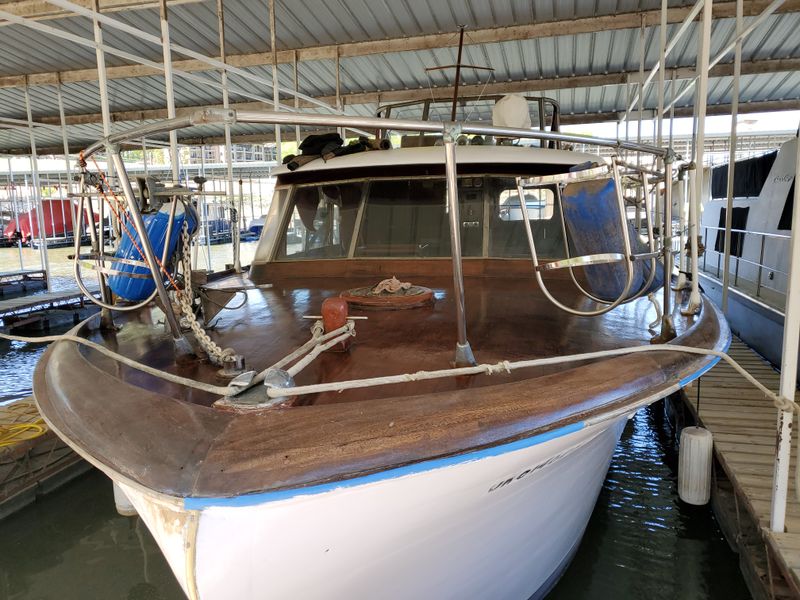
Boating is central to the Monkey Island experience, and the boat launches serve as critical infrastructure. I watched the morning rush at the main launch and witnessed firsthand how tourism strained this resource.
Locals described a time when launching your boat took minutes. Everyone knew the unwritten etiquette, prepared their boats properly, and moved efficiently through the process.
Tourist season brings inexperienced boaters who block ramps while figuring out their trailers, forget essential items and have to pull out and start over, and generally slow everything down.
I spent an hour observing one Saturday morning and counted at least three situations where frustrated locals had to wait while tourists struggled with basic launching procedures. Tempers flared, words were exchanged, and the community atmosphere deteriorated.
This bottleneck affects everyone’s ability to enjoy the lake, but impacts residents more severely because they use the launches regularly rather than just once per vacation. The infrastructure that adequately served the original community became overwhelmed by visitor numbers, and no easy solution exists.
Expanding launches requires space and money, while limiting access feels contrary to the public nature of the lake in this Oklahoma community.
Property Values Versus Community Values
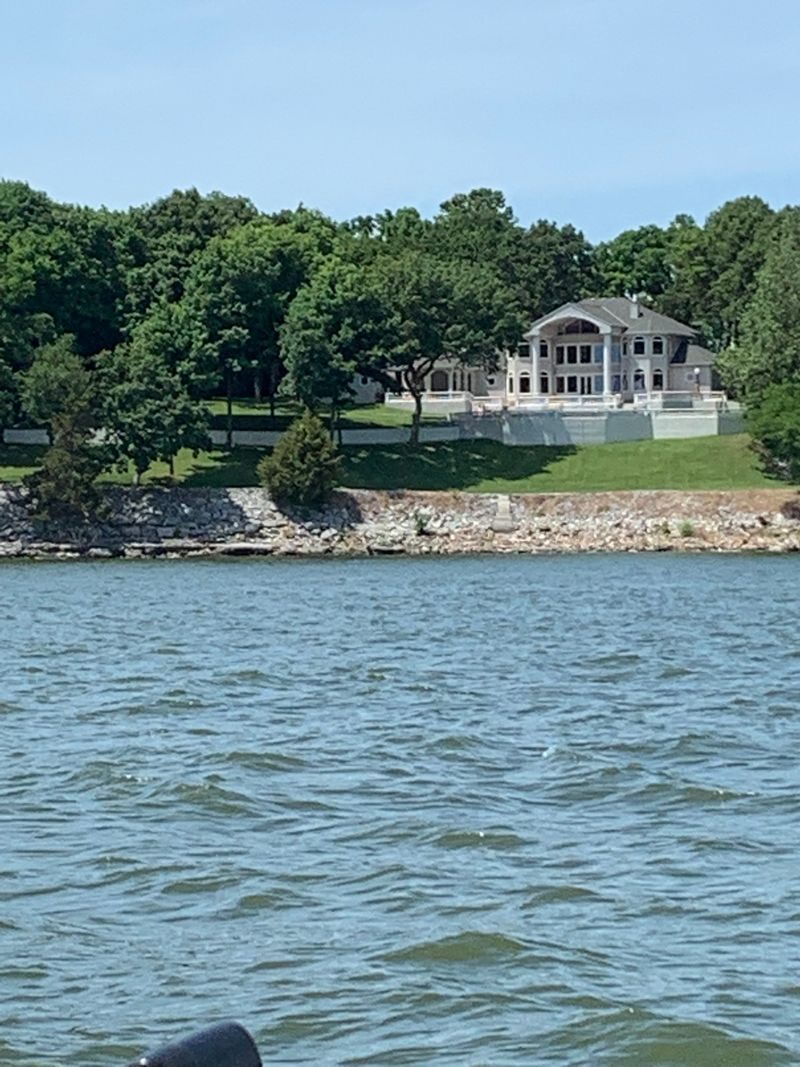
The tourism boom drove property values skyward, which sounds positive until you consider the consequences. I spoke with several longtime owners about this double-edged sword.
Rising values meant existing homeowners saw their investments appreciate significantly. Selling became lucrative, and property taxes increased accordingly, pushing some residents out despite owning their homes outright.
Higher values also attracted investors rather than people who wanted to join the community. Properties became assets to monetize through vacation rentals rather than homes where families built lives.
I met one couple who bought their home twenty years ago for the lifestyle, never imagining it would triple in value. Now they face pressure to sell to investors offering cash, while their property taxes strain their fixed retirement income.
This economic transformation fundamentally altered who could afford to live in Monkey Island. The working-class families and retirees who originally settled here found themselves priced out by tourism-driven appreciation.
The community that once welcomed people seeking a simple Oklahoma lake lifestyle became accessible primarily to those who could afford investment properties, completing the transformation from residential paradise to tourist commodity.
What Remains of Paradise
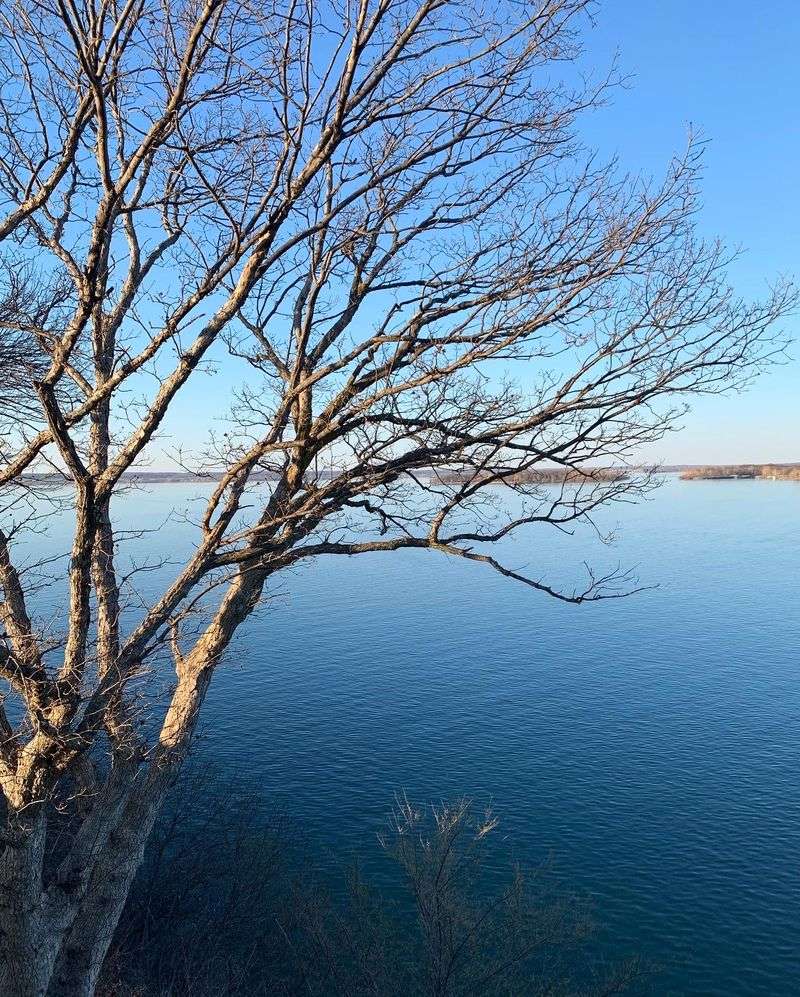
After days exploring and talking with residents, I wanted to find what remained of the paradise locals remembered. The answer came during a Tuesday morning in late fall.
With tourists gone and seasonal residents back home, I finally experienced the tranquility people described. The streets were quiet, golf carts moved at leisurely speeds, and I had the lake view largely to myself.
This version of Monkey Island felt completely different from the crowded weekend scene. I understood immediately why residents loved this place and why they mourned what tourism took away.
The natural beauty persists regardless of visitor numbers. Grand Lake remains stunning, the wildlife still exists in quieter moments, and the landscape retains its appeal.
But paradise requires more than pretty scenery. It needs the peace, community connection, and unhurried lifestyle that originally defined this Oklahoma destination.
Those elements survive only in the gaps between tourist seasons now, available to residents who remain but absent during the times when most people visit.
The place itself has not disappeared, but the experience of paradise has become conditional, dependent on timing and luck rather than the guaranteed daily reality it once represented for everyone who called Monkey Island home.
Dear Reader: This page may contain affiliate links which may earn a commission if you click through and make a purchase. Our independent journalism is not influenced by any advertiser or commercial initiative unless it is clearly marked as sponsored content. As travel products change, please be sure to reconfirm all details and stay up to date with current events to ensure a safe and successful trip.
