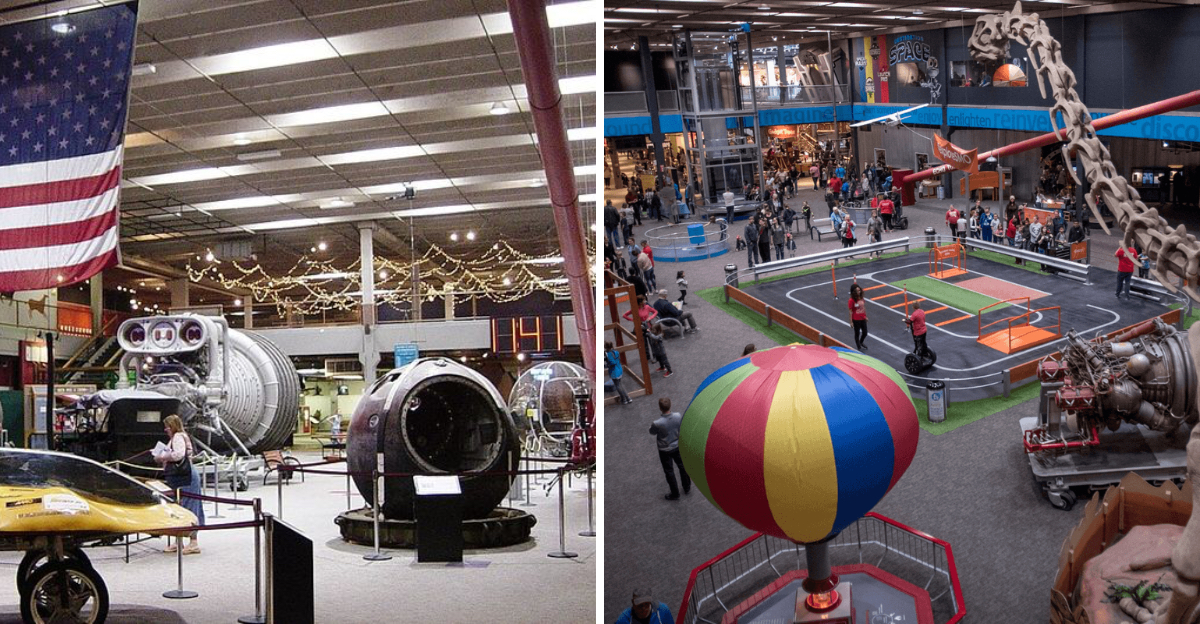
There is something almost magical about a place so good it lives rent-free in your memory for decades.
Long before it carried its current name, this Oklahoma landmark was known simply as the Omniplex, and generations of kids showed up on yellow school buses with wide eyes and absolutely zero chill.
It was the kind of field trip you actually looked forward to, the one where you begged your parents to sign the permission slip on day one.
This place has been shaping curious minds since the late 1950s, and the stories locals carry from those early visits are nothing short of wonderful.
The Yellow Bus Ride Nobody Wanted to End
Before you even walked through the front doors, the excitement was already at a ten. The school bus ride to the Omniplex felt like a countdown to something enormous.
Kids pressed their faces against the windows, pointing at the building like it was a spaceship that had landed in the middle of Oklahoma City.
Back in the early days, the museum had already built a reputation as the coolest field trip destination in the state. Teachers handed out permission slips and the whole classroom lit up.
There was something about leaving school grounds with a lunchbox and a buddy that made everything feel like an adventure.
The anticipation on that bus ride was real and almost unbearable. You could feel the energy shifting the moment the building came into view.
Kids were already debating which exhibit to hit first, who got the window seat on the way back, and whether the planetarium was as mind-blowing as older siblings claimed.
Looking back, the bus ride itself was part of the experience. It was loud, chaotic, and completely electric.
That short journey from school to the Omniplex was its own little ritual, a bridge between the ordinary world of worksheets and the extraordinary world waiting just beyond those doors.
Walking Into the Omniplex Felt Like Entering Another World
The moment you stepped inside, the whole vibe changed completely. The air smelled different, somehow cleaner and more electric, like something important was always happening just around the next corner.
Kids who had been loud and rowdy on the bus suddenly went quiet for about three full seconds before erupting into total chaos.
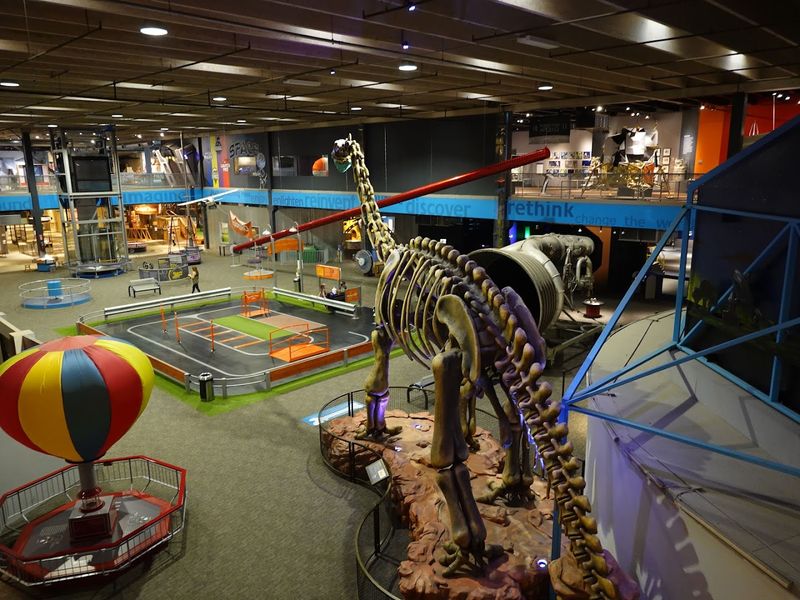
The Omniplex was not like any classroom you had ever been in. It was enormous, layered, and packed with things you had never seen before.
Exhibits stretched in every direction, and no matter where you looked, something was blinking, spinning, or asking you to push a button.
For a lot of Oklahoma kids growing up in the 1970s and 1980s, this was the first time science felt genuinely exciting. It was not a textbook.
It was real, loud, and hands-on in a way that made your brain light up. You could touch things, pull levers, and watch cause and effect play out right in front of you.
That first impression never really fades. Adults who visited as kids still describe that initial walk-in moment with the same energy they must have felt back then.
It was not just a building. It was a feeling, a specific kind of wonder that the Omniplex seemed to manufacture on purpose.
The Planetarium Show Changed How Kids Saw the Sky
Lying back in those reclined seats and watching the ceiling transform into a full night sky was one of those moments you just did not forget. The planetarium at the Omniplex had a way of making the universe feel both enormous and somehow personal.
One minute you were a kid from Oklahoma, and the next you were drifting through the cosmos.
The show itself was narrated with this calm, authoritative voice that made everything sound both mysterious and logical. Constellations appeared one by one.
Planets swung into view. The whole room felt hushed and reverent, which was honestly impressive given how wound up everyone had been five minutes earlier.
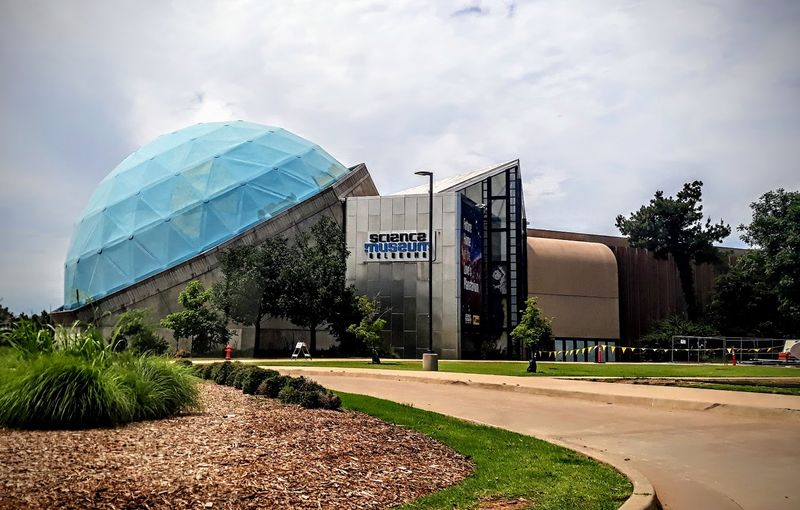
Science Museum Oklahoma still runs its planetarium today, and the experience carries that same sense of scale and wonder. The technology has evolved significantly, but the core feeling remains the same.
You sit down, the lights go out, and suddenly the ceiling becomes the entire universe.
For many Oklahoma kids, the planetarium was the first time the night sky made sense. It connected the dots between what you could see from your backyard and what was actually out there.
That kind of perspective shift is rare and powerful, and the Omniplex was delivering it to school groups long before most kids had ever heard of NASA.
Hands-On Exhibits Made Science Click in a Way School Never Did
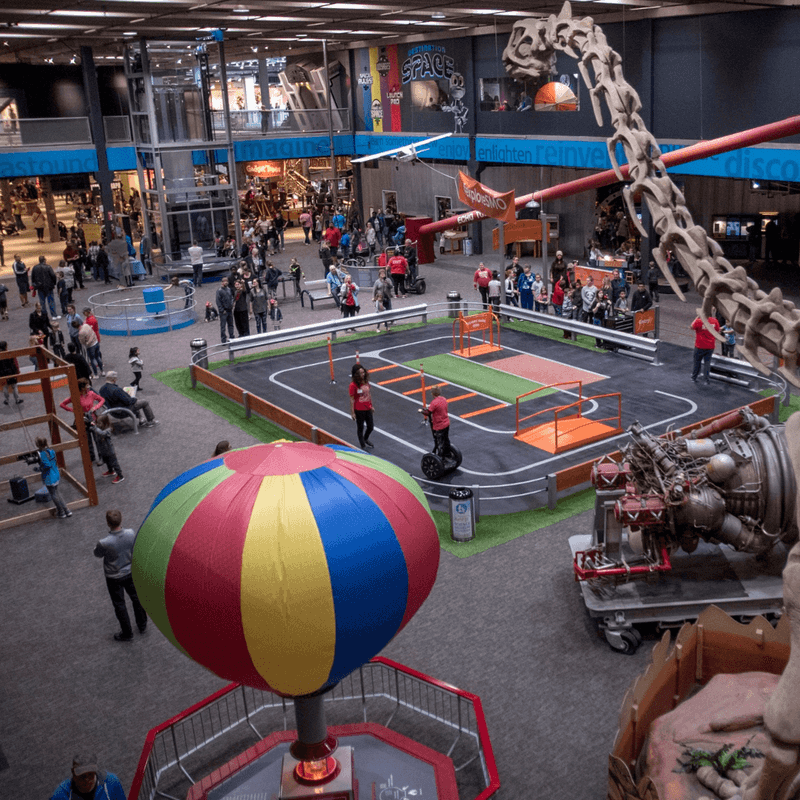
There is a reason so many Oklahomans credit the Omniplex with sparking their love of science. It was not passive.
You did not just read a sign and move on. You grabbed things, tested things, and got immediate feedback in a way no worksheet ever provided.
The interactive exhibits were the heart of the whole operation. Kids could experiment with electricity, test their reflexes, explore how sound worked, and build things with their own hands.
Every station felt like a mini discovery waiting to happen. The learning was so embedded in the doing that you barely noticed it was happening.
Teachers loved it for exactly that reason. The Omniplex gave classroom concepts a physical form.
Abstract ideas became tangible and approachable. A kid who struggled to understand momentum in a textbook could suddenly feel it, see it, and explain it after spending ten minutes at the right exhibit.
Science Museum Oklahoma has kept that hands-on philosophy alive and well. The current exhibits are bigger, more sophisticated, and more varied than ever.
But the spirit is the same one the Omniplex established decades ago: science is not something you watch, it is something you do. That philosophy turned a lot of reluctant learners into genuinely curious people, and that is a legacy worth celebrating.
The Oklahoma Air and Space Museum Wing Blew Every Kid’s Mind
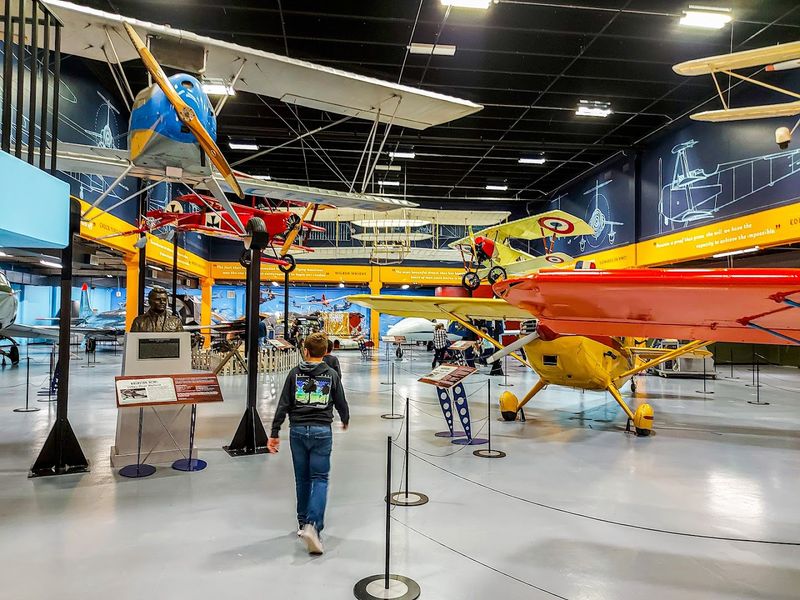
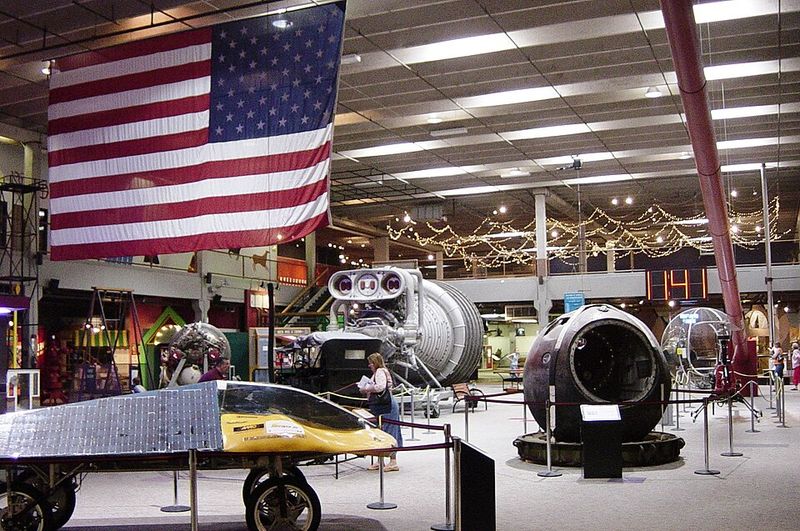
When the Oklahoma Air and Space Museum was added in 1980, it gave the Omniplex a whole new dimension. Suddenly there were actual aircraft to stand under, space-related artifacts to examine, and an entire wing dedicated to the idea that humans had figured out how to leave the planet.
For a kid from the middle of the country, this was next-level stuff.
The scale of everything in that section was designed to make you feel small in the best possible way. Looking up at a full-sized aircraft suspended from the ceiling has a way of rewiring your sense of what is possible.
You went from thinking about your homework to thinking about the stratosphere in about thirty seconds flat.
For Oklahoma kids, there was also a local pride angle to the whole thing. Oklahoma has a deep connection to aviation history, and seeing that represented in such a dramatic, physical way made the exhibits feel personal.
This was not just about astronauts somewhere else. It was about people from this region reaching for something extraordinary.
The air and space section became one of the most talked-about parts of any field trip. Kids went home and told their parents about the planes.
They drew pictures of rockets. Some of them, no doubt, decided right there in that museum what they wanted to do with their lives.
Lunch at the Omniplex Had Its Own Kind of Charm
Eating lunch on a field trip was its own separate event, completely apart from the exhibits. At the Omniplex, lunch meant pulling out your lunchbox, finding a spot with your friends, and debating everything you had already seen and everything you still wanted to do.
The cafeteria buzz was loud, happy, and a little chaotic.
Some kids brought lunches from home, carefully packed by parents who knew the drill. Others bought something at the museum.
Either way, lunch felt earned. You had already spent the morning running from exhibit to exhibit, pushing every button you could find, and your brain was full in the best possible way.
The social element of that lunch break was underrated. Field trips had a way of reshuffling friendships, at least for a day.
You ended up sitting next to someone you did not normally talk to, and by the time lunch was over, you had made a plan to tackle the afternoon exhibits together.
Science Museum Oklahoma still has a cafe on site, and families visiting today often bring their own food as well. The tradition of packing a lunch for a day at the museum has carried on across generations.
It is a small detail, but it is part of the whole tapestry of memories people carry from this place.
The OmniDome Theatre Arrived and Changed Everything Again
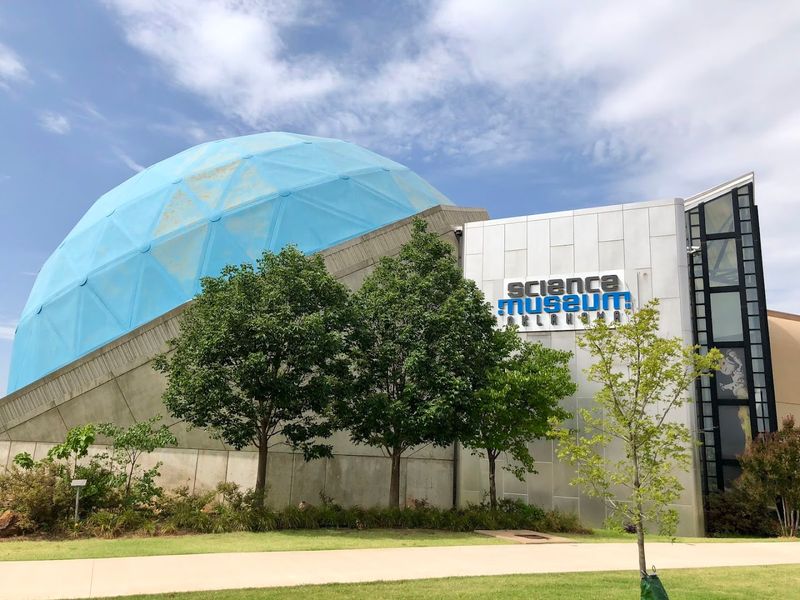
When the OmniDome Theatre opened in 2003, it added yet another layer to what had already become a legendary destination. A giant dome screen showing immersive films about nature, space, and science was not something most Oklahoma kids had access to anywhere else nearby.
Walking into that theater for the first time felt like stepping into the future.
The films shown in the OmniDome were not regular movies. They were experiences.
The screen wrapped around your field of vision in a way that made your brain believe you were actually there, whether that was inside a volcano, underwater with sharks, or floating through deep space. Your body had opinions about what your eyes were seeing.
For field trips, the OmniDome became an anchor event, the thing teachers built the schedule around. You could spend the morning at exhibits, grab lunch, and then settle in for a film in the afternoon.
It gave the day a satisfying arc that kids and chaperones both appreciated.
The theater experience also introduced a lot of young Oklahomans to documentary filmmaking and large-format cinema. It was not just entertainment, it was a format that expanded what kids thought was possible to show and to see.
That kind of exposure has a long tail, and plenty of locals still remember exactly which film they saw on their first OmniDome visit.
The Name Changed But the Magic Stayed Exactly the Same
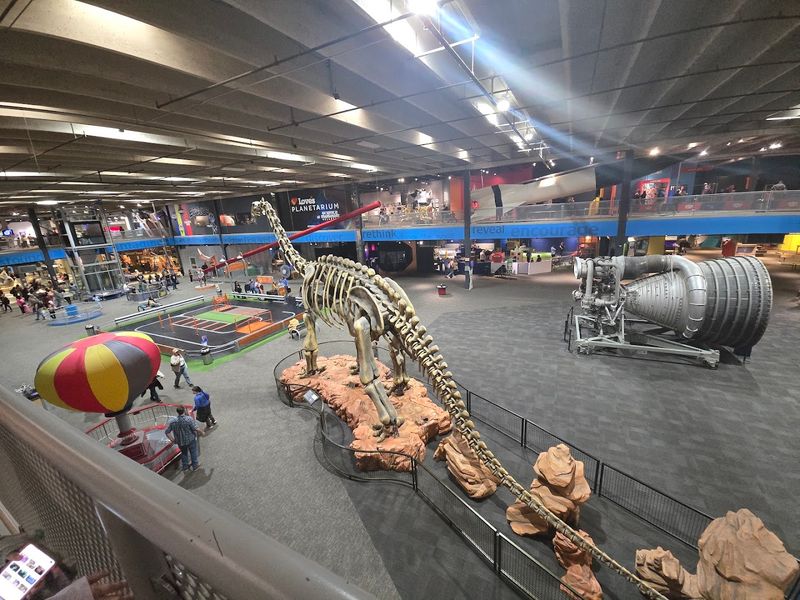
In 2007, the Omniplex officially became Science Museum Oklahoma, and longtime visitors had a lot of feelings about that. The name felt different at first, more formal, more institutional.
But the moment you walked back inside, you realized the soul of the place had not changed at all. The same spirit of curiosity and discovery was still running the show.
The rebrand was really about expanding the mission. Science Museum Oklahoma reflected a broader commitment to education across all scientific disciplines, not just the specific programs the Omniplex had been known for.
It was a grown-up name for a place doing grown-up work in science education.
For locals who had been visiting since childhood, the name change was a little like when a favorite restaurant updates its logo. You grumble about it briefly, then order your usual meal and remember why you loved it in the first place.
The exhibits still made your brain work. The planetarium still gave you chills.
Nothing essential had been lost.
New generations of Oklahoma kids now grow up knowing it only as Science Museum Oklahoma. They will never call it the Omniplex, and that is completely fine.
What matters is the experience, and the experience is as strong as ever. The name is different but the mission is the same: make science irresistible to every kid who walks through the door.
Parents Who Visited as Kids Now Bring Their Own Children
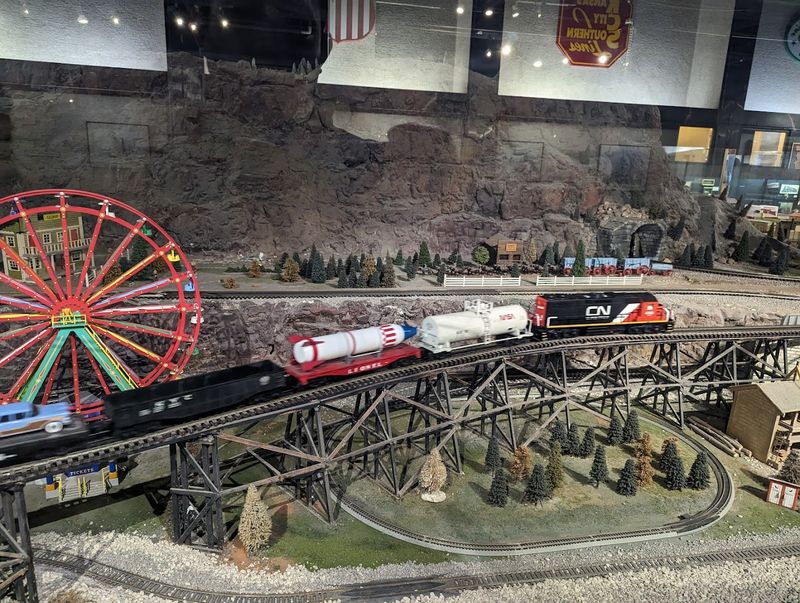
There is something deeply satisfying about watching a parent light up at a museum exhibit the same way their child does. At Science Museum Oklahoma, this happens constantly.
Adults who first visited the Omniplex on a school bus in the 1980s are now walking through those same doors with their own kids in tow, and the nostalgia hits hard.
These parents often know the building in a way their kids do not yet. They remember where certain exhibits used to be, what the planetarium smelled like, which buttons they were specifically told not to press.
They bring that history with them, and it adds a whole emotional layer to the visit.
The museum has evolved enough to feel fresh even to returning adults. New exhibits, updated technology, and expanded programming mean there is always something new to discover alongside the familiar.
A parent who spent years wondering about a particular science concept can finally explore it properly, right next to a seven-year-old who has zero patience for reading instructions.
This multi-generational connection is one of the most powerful things about Science Museum Oklahoma. It is not just a place kids visit once.
It is a place families return to across years and decades. That kind of staying power does not happen by accident.
It is earned, one field trip and one family visit at a time.
Science Museum Oklahoma Stands at 2020 Remington Place Oklahoma City
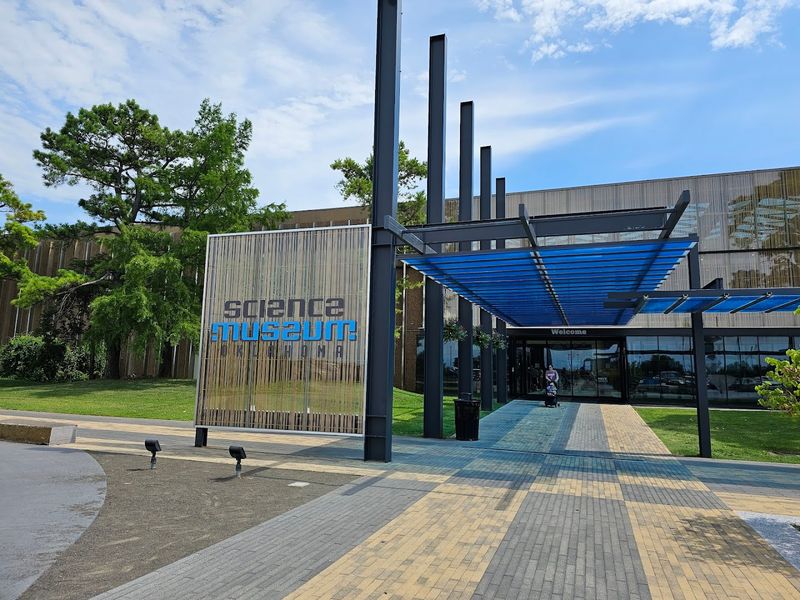
Some places earn their reputation slowly, through years of quiet consistency. Science Museum Oklahoma is exactly that kind of place.
Located at 2020 Remington Pl in Oklahoma City, Oklahoma 73111, it has been a cornerstone of science education in the region since its earliest days. The story began with the Kirkpatrick Planetarium, which opened in 1958.
The larger Omniplex Science Museum followed in 1978 and eventually evolved into today’s Science Museum Oklahoma.
The museum sits near the Oklahoma City Zoo and Remington Park in the Kirkpatrick Center complex and is open Monday through Friday from 9 AM to 5 PM, with extended weekend hours on Saturday until 6 PM and Sunday starting at 11 AM.
It is the kind of schedule designed to accommodate school groups during the week and families on the weekend, which tells you a lot about the priorities of the people running it.
Walking around the grounds today, you can feel the layers of history underneath the modern updates. The building has grown and changed dramatically over the decades.
The OmniDome, the air and space wing, the expanded interactive exhibits, each addition was a bet on curiosity, and every single one of those bets paid off.
For Oklahomans who grew up calling it the Omniplex, this address is sacred ground. It is where science stopped being a subject and started being an experience.
And for the kids visiting today, it is exactly the same kind of place, just with better technology and the same brilliant, unstoppable sense of wonder.
Dear Reader: This page may contain affiliate links which may earn a commission if you click through and make a purchase. Our independent journalism is not influenced by any advertiser or commercial initiative unless it is clearly marked as sponsored content. As travel products change, please be sure to reconfirm all details and stay up to date with current events to ensure a safe and successful trip.
