A Greek Revival house built around eighteen forty-five still stands on a quiet hill in Oklahoma, the only pre-Civil War plantation home left in the state.
Its owner, a merchant who moved west with his Cherokee wife’s family during the Trail of Tears, called it Hunter’s Home for his love of the fox hunt.
The home survived the war and decades of change, and today it opens its doors for living?history tours. Visitors can step into furnished rooms, heritage gardens, and outbuildings where interpreters demonstrate nineteenth?century trades, cooking, and crafts.
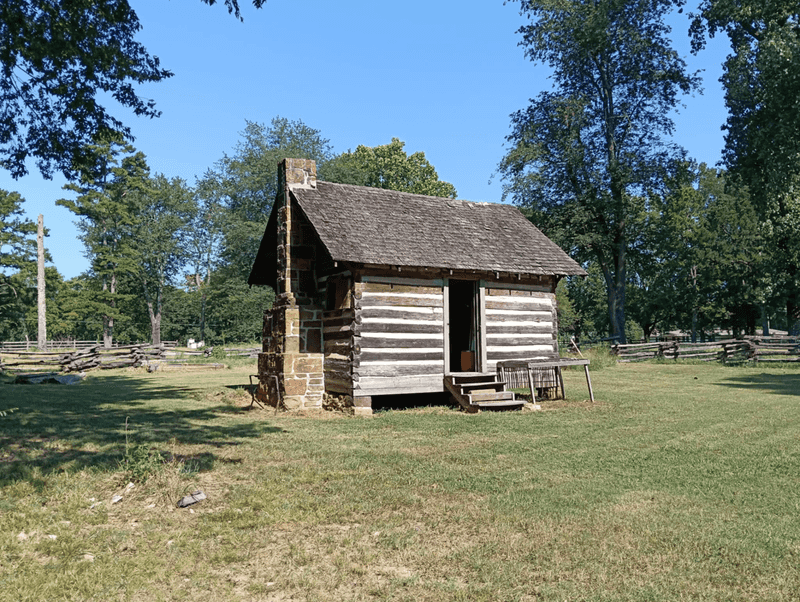
It is not a static museum but a working farm that brings the past to life, from the kitchen garden to the log cabin. Every season offers a different glimpse of antebellum Cherokee plantation life.
In Oklahoma, this landmark is more than a house. It is a window into a world that shaped the state.
The Last One Standing In The Whole State
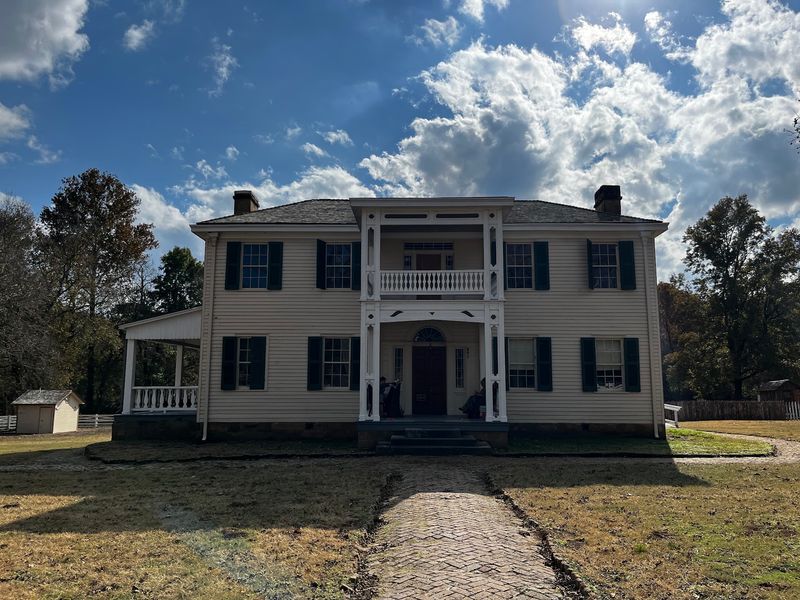
Here is the part that got my attention right away. Out of all the grand homes that once stood across this part of the country before the Civil War, Hunter’s Home is the only pre-war plantation house still standing anywhere in Oklahoma.
Everything else in the region either burned, collapsed, or was torn down as the years rolled past.
War came through this territory hard, and buildings like this one were often the first things to go. Somehow this house made it through, which is why historians talk about it the way they do.
It is not just old, it is the last of its kind in the entire state.
When you walk up to it, you are looking at architecture and craftsmanship that almost nobody else in Oklahoma can show you in person anymore. That fact alone changes how you look at the porch railings and the window frames.
I think what makes it stick with people is the sense of luck involved. So much history gets lost without anyone noticing, and then one house quietly hangs on.
If you care even a little about how places survive, this one is worth the drive.
Where To Point Your Car In Northeastern Oklahoma
Getting there is easier than you might expect, especially if you are already wandering around the northeastern corner of the state. The address you want is 19479 E Murrell Home Road, Park Hill, OK 74451, and your navigation app will handle the rest without much fuss.
Park Hill sits close to Tahlequah, which is the capital of the Cherokee Nation, so you are landing right in the middle of a region packed with history. That means you can build a whole day out of it instead of driving all that way for one stop.
The roads out there are calm and green, with plenty of trees and rolling farmland along the way, so the drive itself is part of the fun. I would say give yourself extra time because you will probably want to slow down and look around.
Parking is straightforward and the site is set back from the main roads, which keeps things quiet once you arrive. Bring comfortable shoes since you will be walking on grass and dirt paths rather than smooth sidewalks.
It is a farm, after all, and it still behaves like one.
A Working Farm That Never Left The Eighteen Hundreds
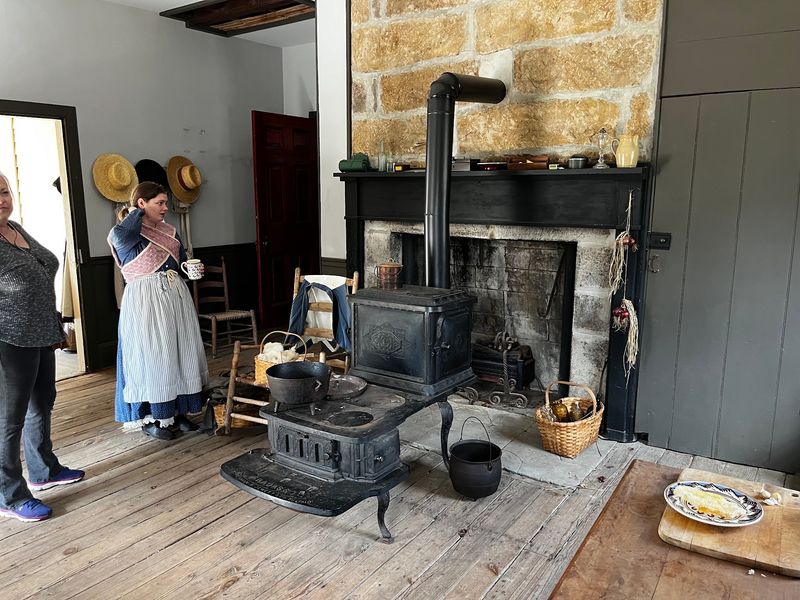
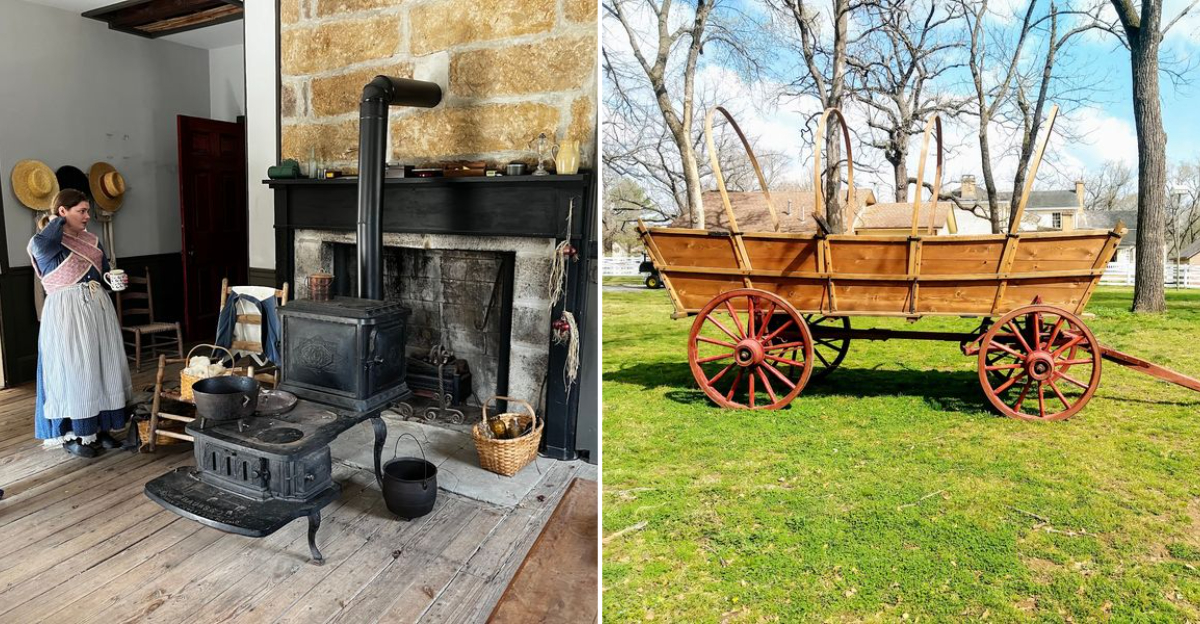
Forget the velvet ropes and the little placards you squint at. This place operates as a nineteenth century living history farm, which means the grounds are active rather than frozen in place.
Interpreters wear period clothing and go about the everyday work that kept a household like this running. Depending on when you show up, that could mean garden work, kitchen chores, or one of the trades that people relied on before machines took over.
What I like about that approach is how much it explains without anyone lecturing you. Watching someone actually do a task tells you more about how hard daily life was than three paragraphs on a wall ever could.
Kids tend to respond well to it too, because there is movement and sound and things happening instead of quiet rooms full of objects. You can ask questions as you go, and the answers come from people who practice these skills regularly.
Seasons matter here more than at most attractions, since farm work shifts throughout the year. Spring planting looks nothing like autumn harvest, so two visits at different times of year give you two completely different experiences on the same patch of Oklahoma ground.
Rooms Still Filled With The Family’s Own Things
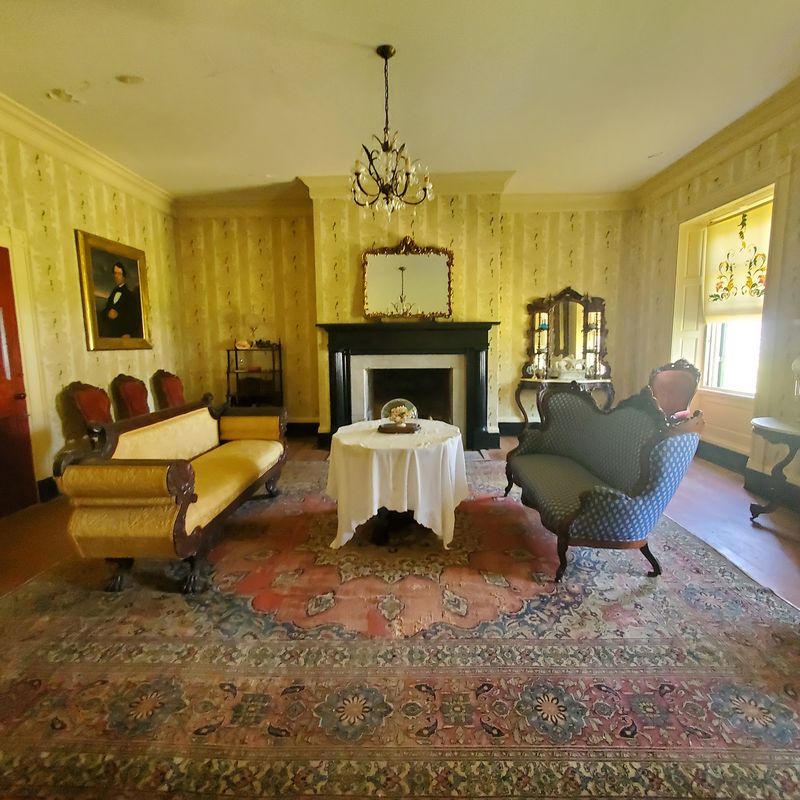
Most historic houses fill their rooms with borrowed antiques that merely look right. Hunter’s Home is different because a lot of what you see actually belonged to the Murrell and Ross families who lived under that roof.
Original furnishings and personal items sit where they would have been used, which gives the interior a strange, lived-in feeling. You are not looking at a reasonable guess about the past, you are looking at the real belongings of real people.
The parlor, the bedrooms, and the dining spaces all carry that weight. Furniture, household objects, and small everyday pieces add up to a portrait of a family rather than a general idea of a time period.
Take your time in there and look at the details, because the small things are where it gets interesting. A worn chair arm or a particular piece of china tells you about habits and taste in a way that big furniture cannot.
Photography rules and touching rules apply the way they do at any historic site, so just follow whatever the staff explains at the start. Honestly, standing still and looking is the better move anyway.
Rushing through would waste the whole point.
Why It Got Called Hunter’s Home In The First Place
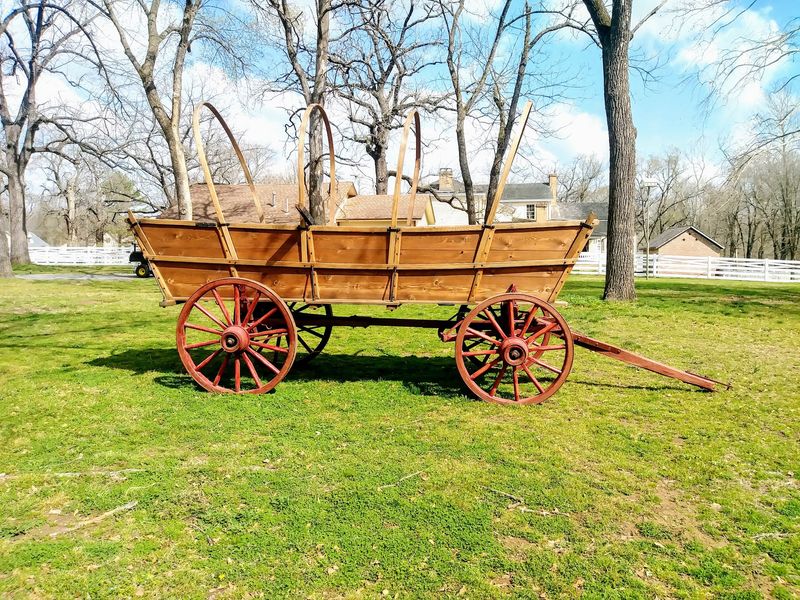
Ever wonder how a house ends up with a name like that? George Murrell, the man who built the place, was a serious fan of fox hunting, and he hosted hunts right there on the property.
That hobby stuck to the house permanently. Instead of being named after the family or the land, it took its name from what happened on the grounds when guests came calling.
There is something oddly charming about a mansion being remembered for someone’s favorite pastime. It humanizes the whole thing and reminds you that people who lived here had interests and preferences just like anybody else.
The name also gives you a mental picture of how the property functioned socially. Hunting was not a solitary activity, so the fields around the house saw riders, hounds, and plenty of company on a regular basis.
You will sometimes hear the site referred to by the family name as well, since both versions have floated around over the years. Either way, you are talking about the same house in the same corner of Oklahoma.
Ask about the naming story during your visit, because the details are more colorful than the short version suggests.
The Outbuildings Scattered Across The Grounds
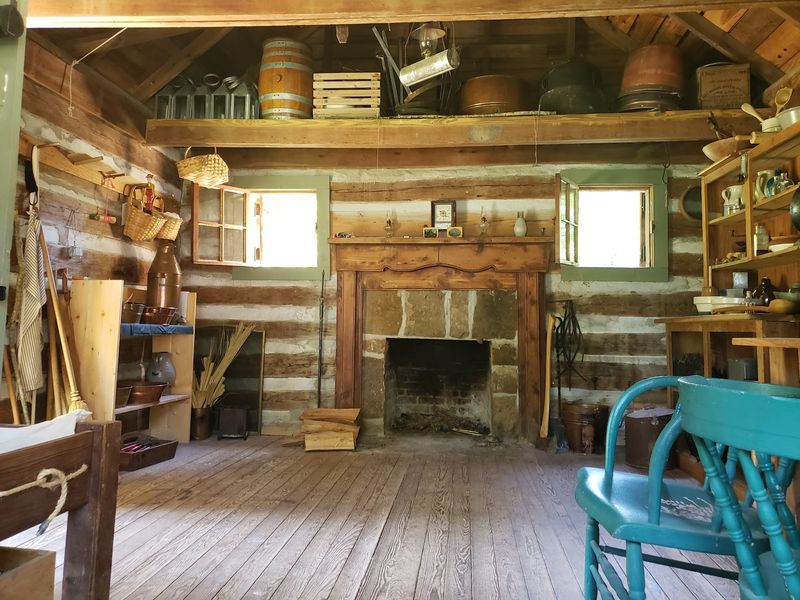
The main house grabs the attention, but the smaller buildings are where a lot of the real story lives. Spread across the property you will find a springhouse, a smokehouse, a cabin, and a corncrib, each one built for a specific job.
A springhouse kept food cool using running water long before refrigerators existed, which is a clever bit of engineering when you think about it. The smokehouse handled meat preservation, and the corncrib stored the crop that fed both people and animals.
Walking between them helps you understand how a self-sufficient household actually operated. Nothing here was decorative, every structure existed because somebody needed it to survive the year.
Give yourself enough time to circle the whole grounds rather than just ducking into the mansion and leaving. The layout tells you about distances, daily routines, and how work was divided across the property.
Interpreters often work in and around these buildings, so you might catch a demonstration happening outside the main house entirely. Wear shoes you do not mind getting a little dusty, because the paths between buildings are the outdoor kind.
Weather plays a role too, so check the forecast before heading out.
A Family Connected To Cherokee Nation Leadership
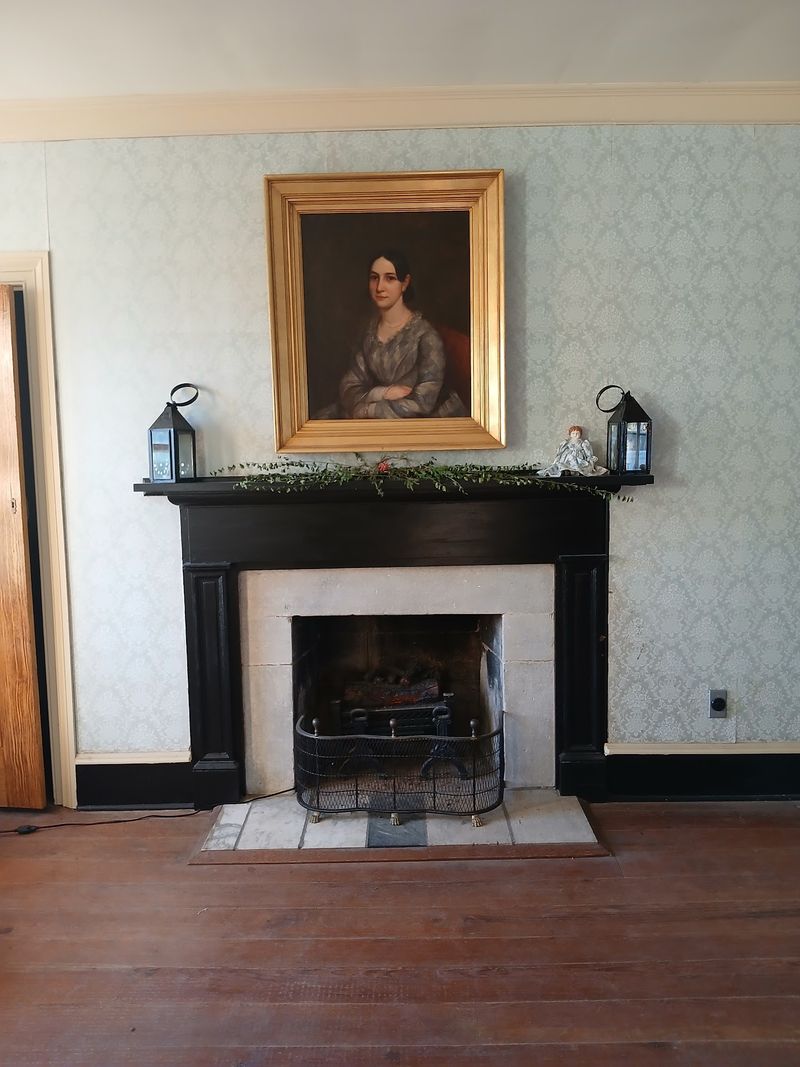
Here is where the history gets genuinely layered. The house was built for George M.
Murrell and his wife Minerva Ross Murrell, and Minerva was the niece of John Ross, who served as Principal Chief of the Cherokee Nation.
That connection matters enormously. It places the home directly inside the story of the Cherokee people in Indian Territory following forced removal, rather than off to the side as some unrelated Southern mansion.
Families like the Murrells and the Rosses were part of a complicated period, and the site does not shy away from those complexities. Slavery, displacement, wealth, and power all intersect on this property.
Understanding that background changes how the rooms feel when you walk through them. You start thinking about who lived here, who worked here without choice, and what the surrounding territory looked like during those years.
The interpretation at the site addresses these threads, so you leave with more than architecture facts. If you have any interest in Cherokee history, this stop connects to a much larger network of related places across Oklahoma.
Tahlequah nearby holds several of them, which makes a longer itinerary pretty easy to put together.
Watching Old Skills Happen Right In Front Of You
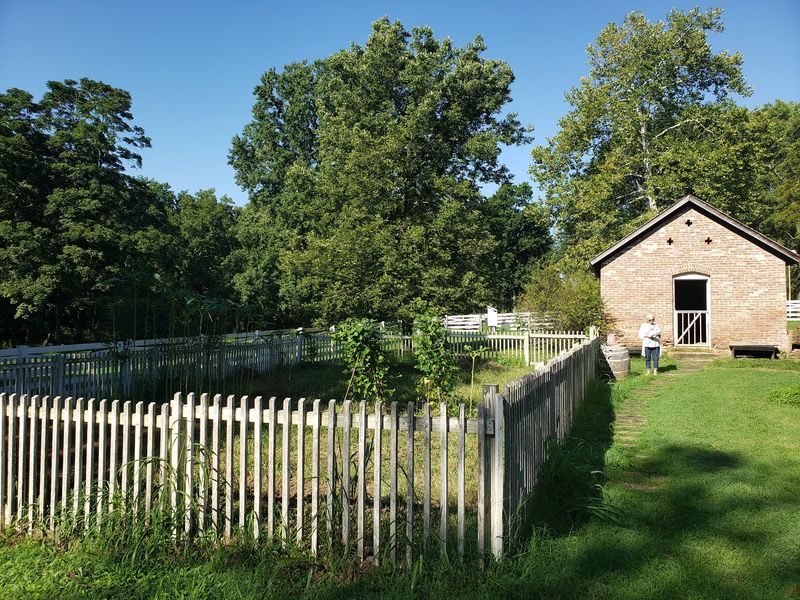
Demonstrations are the heart of a visit here, and they cover the kind of work that used to fill every single day. Cooking over a hearth, spinning fiber into thread, weaving cloth, and tending the garden are all part of the rotation.
Seeing spinning done in person is weirdly hypnotic, and it explains instantly why clothing was so valuable back then. Every thread required real labor before anything could be sewn.
Cooking demonstrations tend to draw the biggest crowds because smells travel and everyone gets curious. Managing a fire well enough to cook a meal takes practice that most of us have completely lost.
Garden work shifts with the calendar, so what is being planted, weeded, or harvested depends entirely on when you visit. That variety keeps the site from feeling repetitive for return visitors.
Special event days often expand the programming with additional trades and activities, so checking the schedule before you go is a smart move. Weekends generally have more happening than quiet weekdays.
Bring your curiosity and be willing to ask questions, because the interpreters are there specifically to explain what they are doing and why it mattered in Oklahoma back then.
