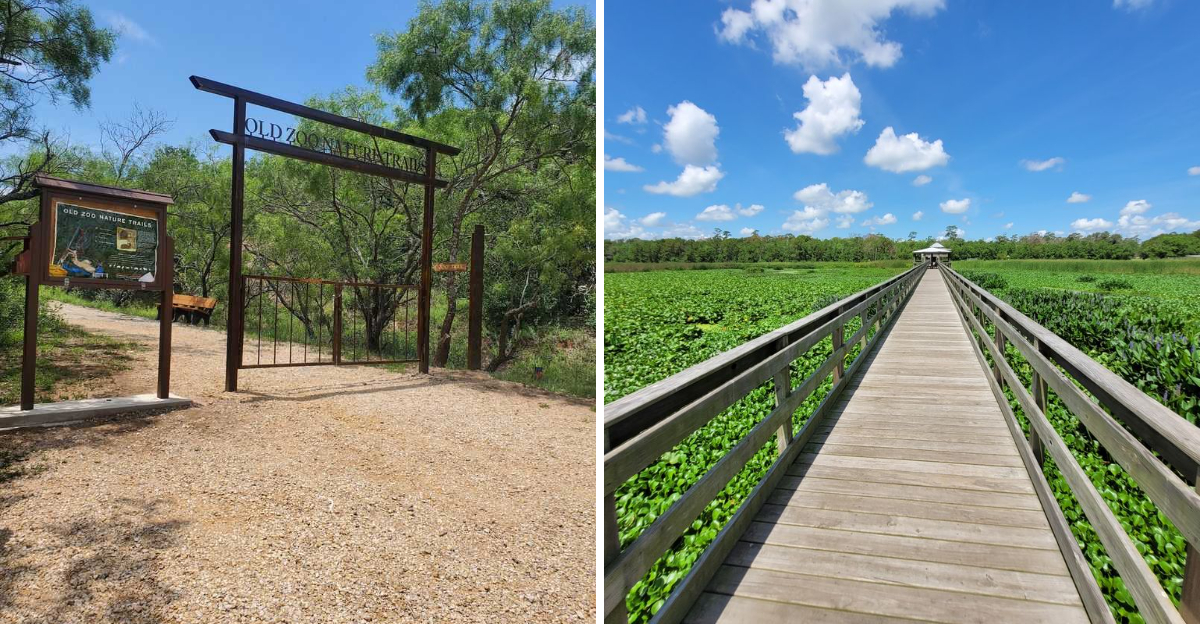
The best Texas adventures do not always begin at a ticket booth. Around the state, free trails, wildlife refuges, city greenways, public beaches, nature preserves, historic walking routes, and scenic overlooks can fill an afternoon without requiring the wallet to participate at all.
Some are perfect for a quick walk, while others offer birdwatching, river views, wildflowers, unusual landscapes, or enough trail mileage to turn “we’ll stay an hour” into most of the day.
The fun is knowing that a memorable outing does not have to come with parking fees, admission charges, and a gift shop strategically placed before the exit.
Texas is enormous enough to provide plenty of scenery for free, and these outdoor escapes are especially satisfying in 2026, when spending zero dollars somehow feels like discovering a secret travel hack.
1. Mother Neff State Park
There’s a quiet kind of pride that hangs over Mother Neff State Park, the kind that comes from knowing a place has been cherished for over a century. Isabella Neff donated the original six acres back in 1921, and her son, former Governor Pat Neff, later expanded it to what visitors enjoy today.
That generosity shaped one of Texas’ earliest and most beloved state parks.
The park’s roughly 3.5 miles of hiking trails thread through limestone canyons, open prairies, and river bottomlands along the Leon River.
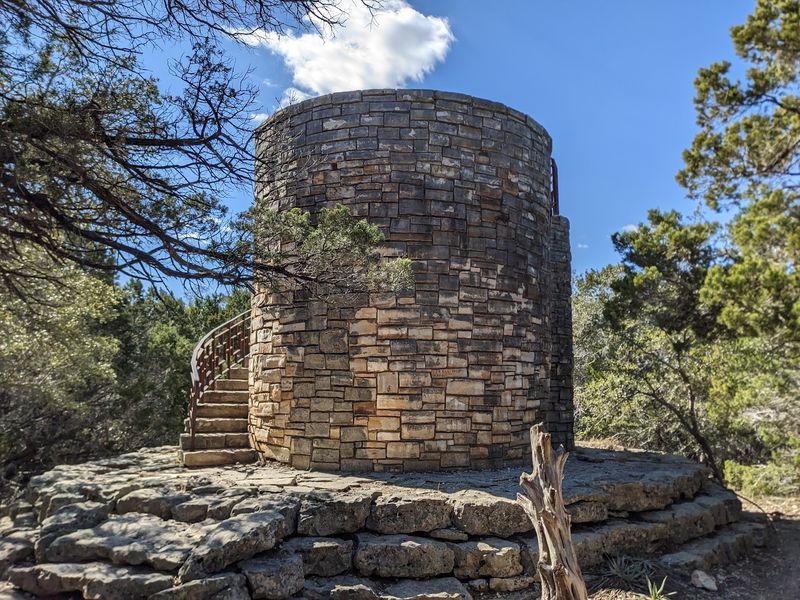
Along the way, hikers can find the Wash Pond, a cave once used by the Tonkawa Indian tribe in the 1800s, and the iconic Civilian Conservation Corps Rock Tower, which once served as the park’s water reservoir.
Each trail marker feels like a small history lesson.
Birdwatchers will want to bring binoculars. The park’s diverse habitats attract the endangered golden-cheeked warbler, blue herons, hummingbirds, and eagles, making every visit feel like a genuine wildlife encounter.
Wildflowers bloom across the restored native prairies in spring, adding splashes of color to an already scenic landscape.
Picnicking here is a genuinely peaceful experience, with the sounds of nature replacing the usual noise of daily life. The visitor center also offers interactive displays about the park’s rich history, which is well worth a stop before hitting the trails.
It’s the kind of park that rewards those who slow down and pay attention to their surroundings.
Address: 1921 State Park Rd 14, Moody, TX 76557
2. B.A. Steinhagen Lake
B.A. Steinhagen Lake sits quietly in the heart of the East Texas Pineywoods, spanning over 10,000 acres on the Neches River and offering a level of natural beauty that feels almost effortless to access.
The reservoir is shallow and rich with aquatic vegetation, including water hyacinth and American lotus, which give the lake a lush, almost tropical character that catches you off guard.
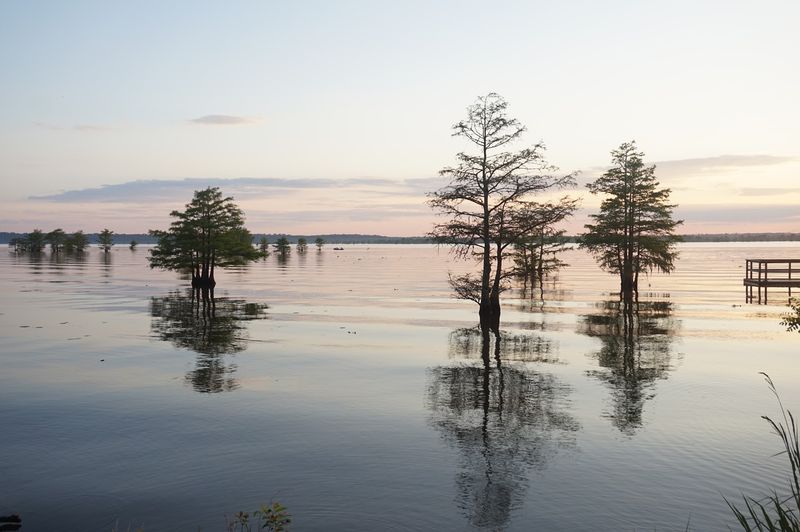
Flooded timber and ancient cypress trees rise from the water’s surface, creating an atmosphere that feels more like a wilderness painting than a public recreation area.
Fishing here draws anglers from across the region, with catfish, largemouth bass, crappie, and white bass all thriving in these waters. The mix of aquatic cover and flooded timber makes for surprisingly productive fishing spots, especially for those who take time to explore the quieter coves.
Beyond fishing, the surrounding road system offers pleasant routes for family cycling and casual drives through pine uplands and bottomland hardwoods.
Wildlife viewing is one of the lake’s most underrated draws. White-tailed deer, squirrels, rabbits, and a wide array of bird species inhabit the surrounding forests, making every visit feel like an unprompted nature documentary.
Boating and canoeing are also popular ways to move through the landscape at a pace that lets everything sink in properly.
Martin Dies, Jr. State Park sits nearby and offers additional paddling and hiking trails for those who want to extend their time in this corner of Texas. The whole area rewards patience and a willingness to simply wander.
3. Japanese Tea Garden
Hidden inside what was once an abandoned limestone quarry, San Antonio’s Japanese Tea Garden is the kind of place that stops you mid-step.
The transformation from industrial ruin to serene botanical sanctuary began in 1916, when City Parks Commissioner Ray Lambert envisioned an oriental-style garden taking shape within the quarry’s rugged walls.
Prison labor helped carve out the walkways, bridges, and a Japanese pagoda that still stand today.
Mexican-born artist Dionicio Rodriguez crafted the entrance’s Torii gate from concrete shaped to look like natural wood, a detail so convincing it takes a second glance to appreciate fully.
The Jingu family, Japanese-American artists, once called the garden home and operated a restaurant called the Bamboo Room on the grounds.
That chapter of the garden’s story ended in 1942 when wartime anti-Japanese sentiment led to their forced eviction, a painful history the garden now acknowledges openly.
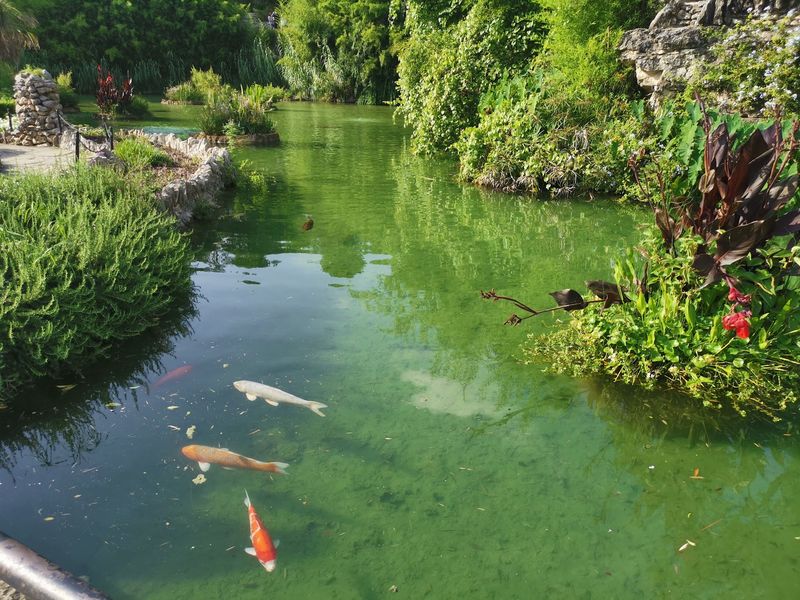
The garden was rededicated to its original name in 1984, with members of the Jingu family present for the ceremony. Today, shaded walkways wind past koi-filled ponds, intricate stone bridges, and a striking 60-foot waterfall that creates a steady, calming soundtrack throughout the grounds.
It’s one of those rare urban spaces where the noise of a city completely disappears.
Admission is free, which makes it one of San Antonio’s most generous gifts to both residents and visitors. Early morning visits tend to be the most tranquil, before the day heats up and the crowds begin to gather around the garden’s most photogenic corners.
Address: 3853 N St Mary’s St, San Antonio, TX 78212
4. Lake Meredith National Recreation Area
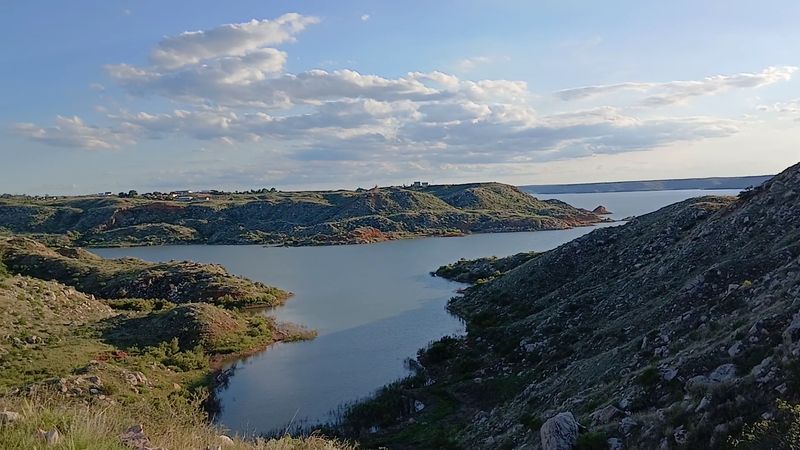
Out in the Texas Panhandle, where the land flattens and the sky takes over, Lake Meredith National Recreation Area comes as a genuine visual surprise.
The reservoir sits on the Canadian River within nearly 45,000 acres of federally protected land, offering dramatic canyon views that feel completely at odds with the surrounding plains.
No entrance fee is required, which makes the whole experience feel like stumbling onto something the rest of the world hasn’t quite discovered yet.
Free camping is available at several sites around the lake, many perched above scenic overlooks where sunsets paint the canyon walls in shades of orange and rust. Sites operate on a first-come, first-served basis without hookups or showers, which keeps things refreshingly simple.
The Harbor Bay Trail is a standout route, winding through canyon terrain with sweeping perspectives of the water below.
The lake itself holds walleye, bass, and catfish, drawing anglers to its shores throughout the year. Swimming at Spring Canyon, kayaking, and paddleboarding are all popular during warmer months, though checking current lake levels before planning water activities is always a smart move.
The lake can fluctuate more than visitors expect.
Birdwatchers will find Lake Meredith ranked among the top 25 National Park Service sites for bird observation, a distinction that reflects just how rich the wildlife corridor here really is.
Plans to expand the trail system to 22 miles for hiking and mountain biking are also underway, promising even more ways to explore this underappreciated gem of the Panhandle.
Address: 419 E Broadway St, Fritch, TX 79036
5. Prairie Creek Park
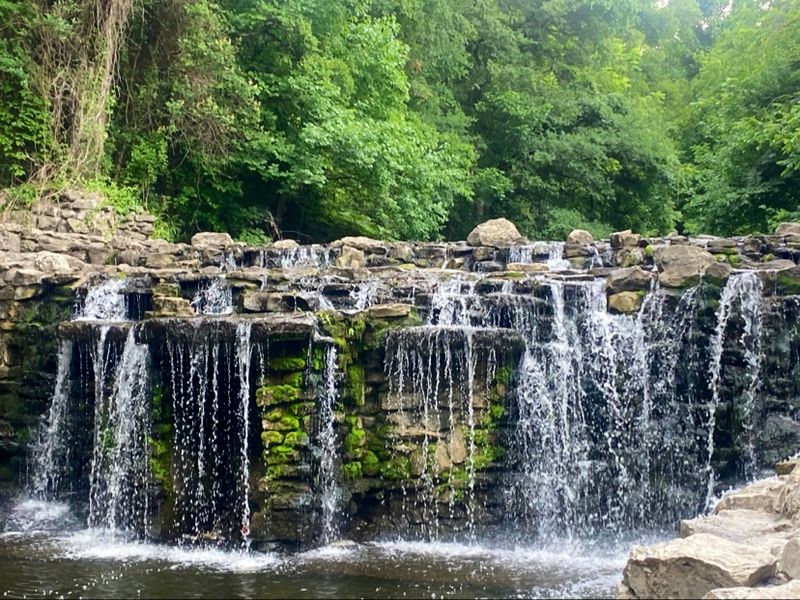
Prairie Creek Park in Richardson is one of those places that manages to feel much bigger than its 37 acres suggest.
The park’s namesake creek meanders gently through the property, leading to a small waterfall that has become a quiet favorite for photographers and anyone who simply needs a moment away from the city’s rhythm.
That sound of falling water carries further than you’d expect, and it has a way of slowing everything down.
A network of well-maintained trails winds through shaded woodland and open grassy areas, with benches placed thoughtfully along the route for anyone who wants to pause and watch the birds move through the canopy.
The paths are wide and generally flat, making them welcoming for walkers, joggers, and families with younger children who are still building their trail legs.
Seasonal wildflowers line the edges of the trails in spring, adding unexpected color to the greenery.
Cardinals, blue jays, and woodpeckers are regular visitors to the park’s wooded sections, making it a reliable spot for casual birdwatching without needing any special equipment. The playground area near the picnic tables offers a shaded, comfortable space for families to settle in for an afternoon.
Grills are available nearby, which makes an impromptu outdoor lunch feel entirely reasonable.
What makes Prairie Creek Park stand out in a suburban landscape is its genuine sense of calm. It doesn’t try to be dramatic or impressive.
Instead, it simply offers a well-kept, welcoming natural space where anyone can decompress and reconnect with something a little quieter than everyday life.
Address: 2400 W Prairie Creek Dr, Richardson, TX 75080
6. Tyrrell Park
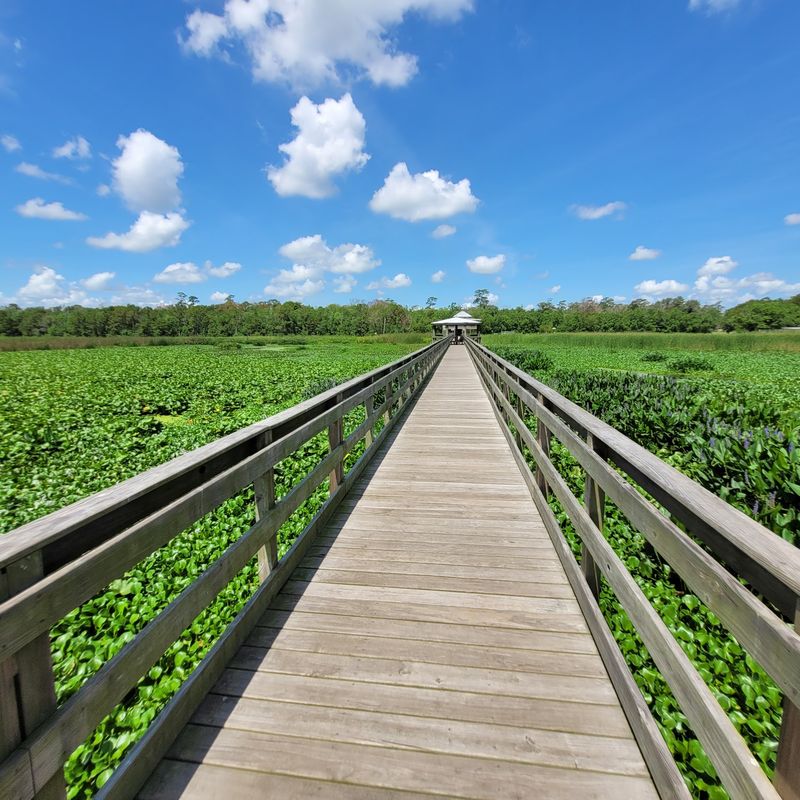
Tyrrell Park in Beaumont is one of those municipal parks that keeps revealing itself in layers the longer you spend time there.
Covering 500 acres, it holds far more than a typical city green space, including the Beaumont Botanical Gardens, which spread across 23.5 acres of themed outdoor gardens and the Warren Loose Conservatory, recognized as the second largest public horticultural conservatory in Texas.
That’s a remarkable thing to find hidden inside a city park.
Adjacent to the main park, the 900-acre Cattail Marsh Scenic Wetlands adds a completely different dimension to the visit.
More than twelve miles of raised levee trails, including a boardwalk with dedicated viewing platforms, offer walkers and cyclists a close-up look at one of the region’s most active wildlife corridors.
Cattail Marsh sits along a major migratory bird flyway, and the variety of species visible here on any given morning is genuinely impressive. Alligators also call this wetland home, which adds a certain edge to the experience.
Much of the park’s infrastructure, including trails and picnic areas, was built by the Civilian Conservation Corps between 1935 and 1941. That history gives the grounds a sense of permanence and craftsmanship that newer parks rarely match.
A 2.8-mile nature trail within the main park area provides a solid walking loop for those who prefer staying in the shade of the botanical sections.
Everything here is free to access. Tyrrell Park is the kind of destination that locals take for granted and out-of-town visitors discover with genuine excitement.
Address: 6088 Babe Zaharias Dr, Beaumont, TX 77705
7. Indianola
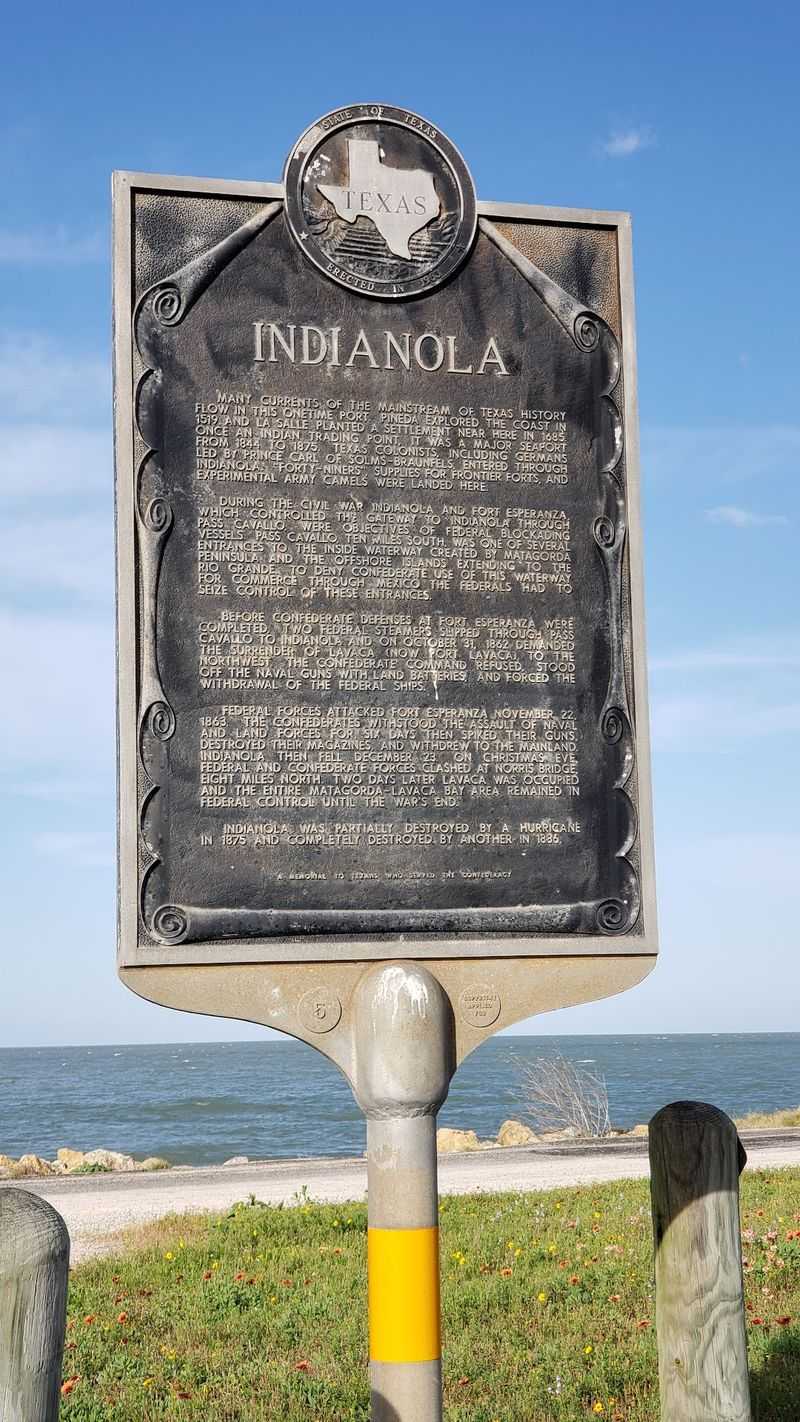
Indianola is the kind of place that gets under your skin slowly. There’s nothing flashy about it now, just a quiet stretch of Matagorda Bay shoreline dotted with historical markers and the low hum of wind moving across open water.
But the more time you spend reading those markers, the heavier the history becomes, and the more clearly you can picture what once stood here.
Founded in 1846 as Indian Point, Indianola grew rapidly into the second largest port in Texas, trailing only Galveston in commercial significance.
European immigrants, including German, Polish, and Czech families, poured through this coastal gateway between the 1840s and 1880s, making Indianola a critical entry point for the settlers who would shape much of central Texas.
At its peak in the 1870s, the town’s population surpassed 5,000 people.
Nature had other plans. Two devastating hurricanes, one in 1875 and another in 1886, struck the low-lying settlement with catastrophic force, each time stripping away more of what had taken decades to build.
The second storm, followed by a fire, effectively ended the town’s story. By 1887, Indianola had been abandoned, reclaimed by the bay it once depended on.
Visiting today means standing in a place where ambition and nature collided spectacularly, and nature won. The markers are thoughtful and informative, the bay is beautiful, and the solitude is complete.
It’s a genuinely moving experience for anyone curious about early Texas settlement and the raw power of the Gulf Coast.
8. Old Zoo Nature Trails
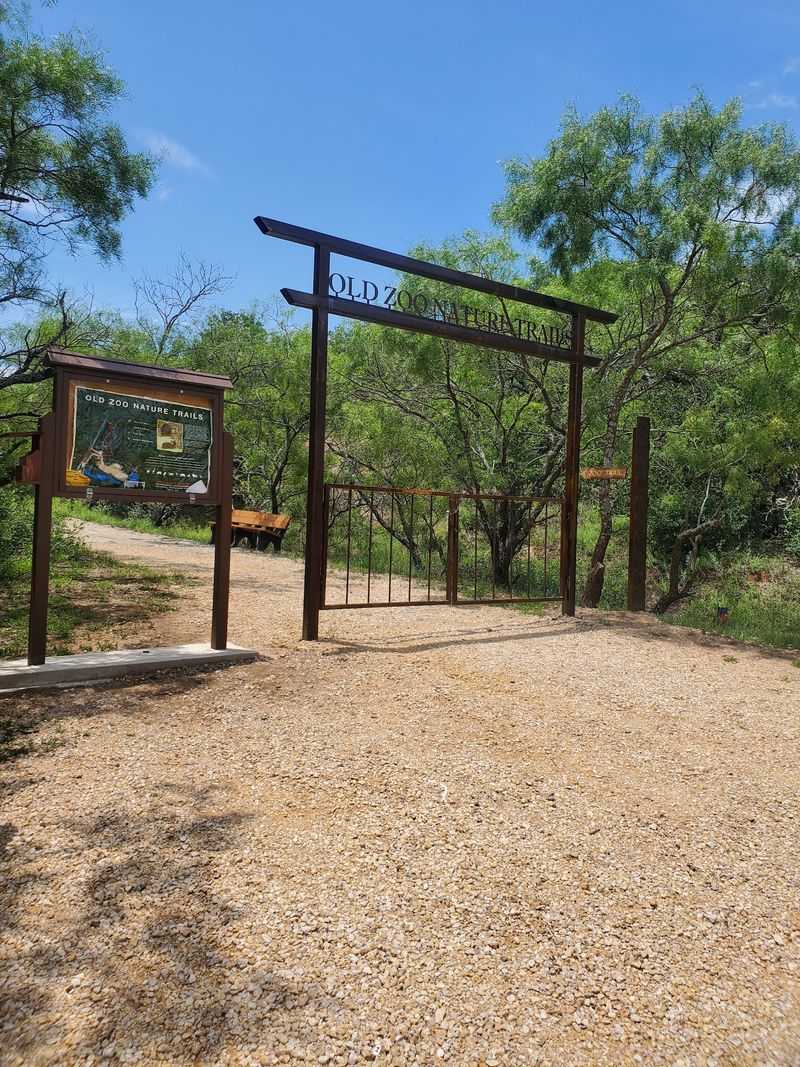
Not many hiking destinations come with a backstory quite like this one. The Old Zoo Nature Trails in Cisco sit on the grounds of a zoo that opened in 1923, once delighting rural central Texas families with flamingos, monkeys, and bears at a time when exotic animals were an extraordinary sight.
The zoo operated for nearly two decades before a series of mysterious animal deaths, including a poisoned bear and deer, brought it to a tragic and abrupt end in the 1930s.
What’s left behind is eerie, fascinating, and oddly beautiful. Rusted enclosures, crumbling concrete shelters, and weathered structures have been reclaimed by vegetation and repurposed into a free public hiking area maintained by a local nonprofit.
I found myself pausing at nearly every ruin, trying to imagine what the space looked like when it was alive with sound and movement. It’s the kind of place that rewards a slow, curious pace.
The trails range from roughly 0.9 to 1.5 miles and lead visitors past what was once promoted as the world’s largest concrete swimming pool, now transformed into a reflective pond surrounded by scrubby Texas vegetation.
The terrain includes uneven stairs and rocky paths, so solid footwear is genuinely necessary here.
Views of Lake Cisco and the surrounding Eastland County landscape open up at several points along the route, offering a broader sense of the setting.
For younger visitors, a scavenger hunt with hidden animal medallions scattered throughout the trails turns the hike into an adventure with a purpose. It’s a genuinely unique outdoor experience that exists nowhere else in Texas.
Address: Co Rd 112, Cisco, TX 76437
9. Shangri La Botanical Gardens and Nature Center
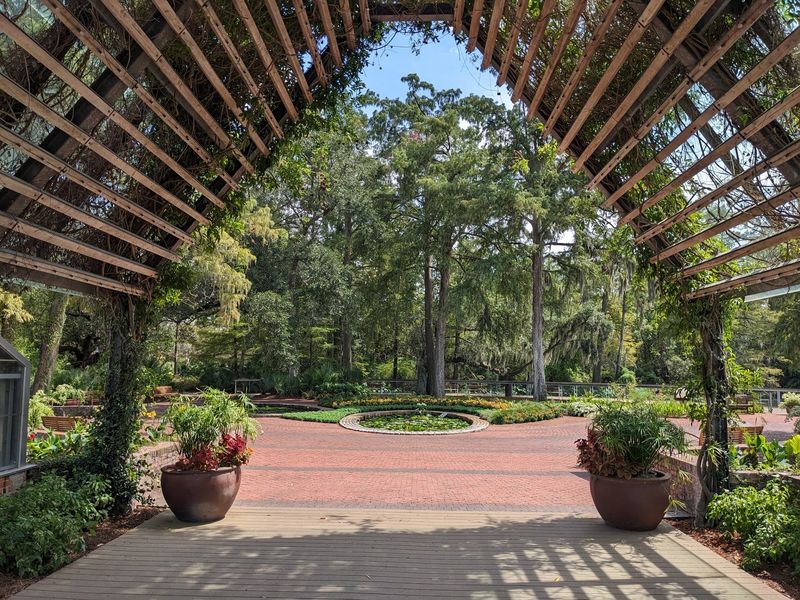
Shangri La Botanical Gardens and Nature Center in Orange is one of those places that earns its name.
Spread across 252 acres of Southeast Texas landscape, it weaves together mixed deciduous forest, cypress-tupelo swamp, wetlands, and a large central lake into something that feels both carefully curated and completely wild at the same time.
The transition between ecosystems happens gradually as you move through the grounds, and each shift in terrain brings a new set of sights and sounds.
Over 300 plant species are showcased throughout the property, arranged across five distinct artistic rooms and four sculpture gardens that blend botanical education with genuine aesthetic ambition.
I was particularly drawn to the boardwalk through the cypress-tupelo swamp, where the light filters through the canopy in a way that makes the whole scene feel slightly otherworldly.
The Outpost Tour watercraft option takes visitors deeper into the wetlands for an up-close look at ecosystems that most people never get to experience from water level.
The center holds a Platinum LEED certification from the United States Green Building Council, incorporating solar panels, recycled materials, and a geothermal well system into its design.
That commitment to sustainable building is woven into the visitor experience without feeling preachy or heavy-handed.
The Nature Discovery Center, Exhibit Hall, and Discovery Theater add layers of educational depth for those who want to understand what they’re seeing.
A large heronry adjacent to the botanical gardens provides exceptional bird observation opportunities, particularly during nesting season. The Children’s Garden and Epiphyte Greenhouse round out an experience that works beautifully for visitors of every age and interest level.
Address: 2111 W Park Ave, Orange, TX 77630
10. Village Creek State Park
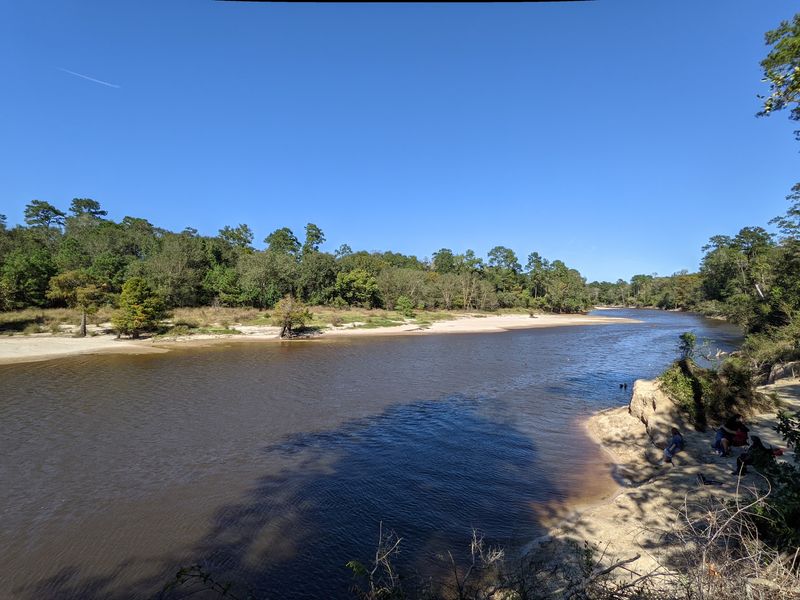
Village Creek State Park near Lumberton sits at the edge of the Big Thicket, one of the most ecologically diverse regions in North America, and the park reflects that richness at every turn.
The 942-acre property is anchored by Village Creek itself, recognized as one of Texas’ rare free-flowing creeks, which gives the park its character and its most popular activity.
Flat-water paddling here feels unhurried and deeply connected to the surrounding forest in a way that’s hard to replicate anywhere else in the state.
Canoe and kayak rentals are available within the park, removing one of the usual barriers to getting out on the water.
Eight miles of hiking trails cover a range of terrain, from the family-friendly Lil’ Paws Nature Trail to the longer Water Oak Trail, which moves through arid sandy uplands and into bottomland swamps that feel like a completely different world.
The contrast between those two environments within a single hike is genuinely striking.
White-tailed deer, armadillos, beavers, and minks move through the park’s varied habitats, and 64 bird species have been recorded here. Alligators are also present, so a healthy awareness of surroundings is part of the experience.
Fishing in Village Creek yields catfish, bass, and sunfish, and the park even offers fishing tackle on loan for visitors who arrive unprepared.
Ranger-led programs, including guided nature walks and night hikes, are offered regularly and provide context that transforms a pleasant outing into something genuinely educational.
Village Creek rewards those who arrive with curiosity and leave with a deeper appreciation for East Texas ecosystems.
Address: 8854 Park Rd 74, Lumberton, TX 77657
11. Ennis Bluebonnet Trails
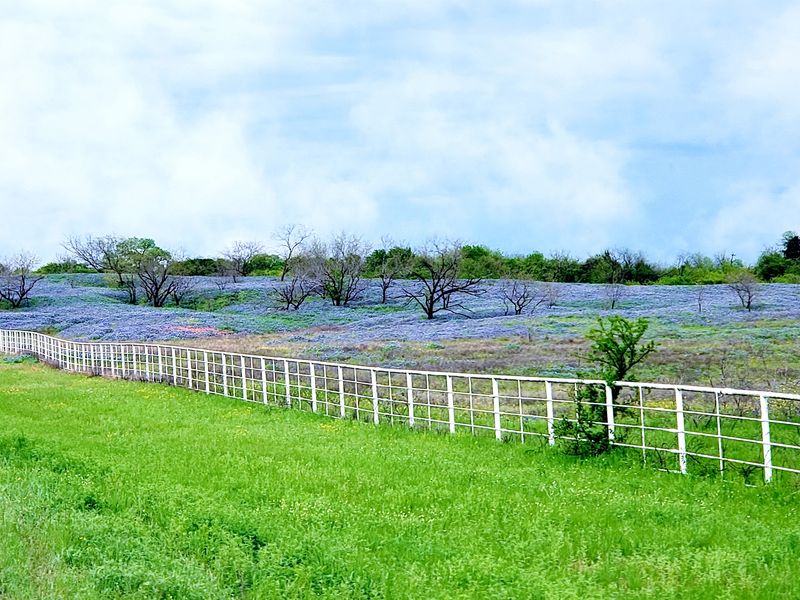
Every spring, Ennis transforms into something that barely seems real.
The town, officially designated the Bluebonnet City of Texas, hosts over 40 miles of mapped driving and walking routes through fields of the state flower in full, vivid bloom, and the effect of seeing that much blue spread across the Texas landscape is genuinely hard to prepare for.
I always think I’m ready for it, and I never quite am.
The Ennis Bluebonnet Trails hold the distinction of being the oldest known bluebonnet trails in Texas, drawing tens of thousands of visitors each year during peak season.
Bluebonnets typically reach their most spectacular display in April, often during the second or third week of the month, though weather patterns can shift that window earlier or later in any given year.
The Ennis Garden Club monitors the bloom status weekly and provides updates through the Ennis Welcome Center, so visitors can track where the best displays are appearing before making the drive out.
Viewing and photographing the trails is completely free, and the roadside blooms often begin appearing in mid-March for those willing to catch an early preview.
Larger field displays tend to follow in subsequent weeks, creating a rolling progression of color across the landscape that gives the season a sense of movement and anticipation.
Early morning visits offer the softest light and the fewest crowds, which makes a significant difference when trying to capture the full scale of a field in bloom.
There’s something almost meditative about walking through bluebonnets with no agenda and no cost involved. Ennis makes it easy to remember why spring in Texas is worth celebrating.
Address: 201 NW Main, Ennis, TX 75119
