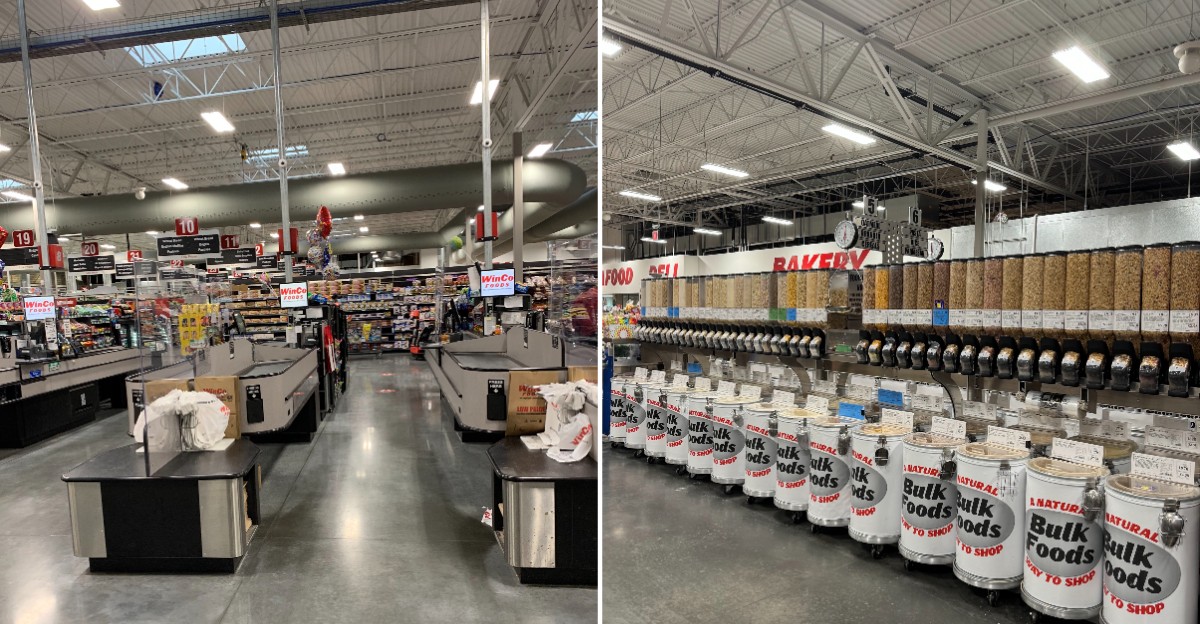
The cashiers at this grocery store won’t bag your groceries, and they won’t take your credit card either. Oddly enough, both of those quirks exist to save you money.
The store also skips weekly sales flyers, loyalty cards, and digital coupons. Prices simply stay low every day.
Oh, and the doors never lock, because it’s open 24 hours a day, seven days a week.
I like how this place treats grocery shopping like a smart, no-nonsense mission. There’s a huge wall of bulk bins where you scoop exactly what you need.
The people stocking the shelves are part-owners of the company, too.
For Oklahoma families watching every dollar at the register, that’s a pretty tempting combination. I believe a store this different deserves a closer look.
The Folks Stocking The Shelves Actually Own A Piece Of It
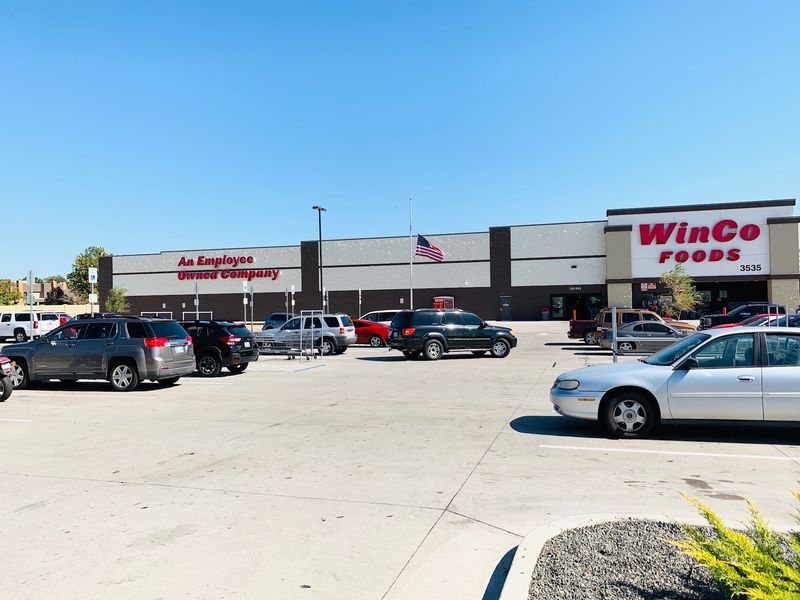
Most grocery workers just clock in and clock out. At WinCo Foods, employees can become part-owners of the whole company.
The chain runs on an Employee Stock Ownership Plan, often called an ESOP. It started back in 1985, and it remains one of the company’s proudest features.
Here’s how it works in plain terms. After one year of full-time work, an employee becomes a part-owner of the company.
The best part for workers is the cost. The company makes the contributions, so employees don’t pay into it from their own paychecks.
Why should shoppers care about any of that? Owners tend to care more about how a business runs.
When workers share in the success, they have a reason to keep things efficient. Efficiency is a big part of how the store keeps prices down.
I like that idea a lot. It feels good knowing your grocery money helps the people working the aisles build something for themselves.
It also gives the store a slightly different feel than a typical chain. You’re not just shopping at a giant company.
You’re shopping at a place partly owned by the folks restocking the cereal. That’s a nice thought while you hunt for the best deal on peanut butter.
Leave The Credit Card In Your Wallet For This Trip
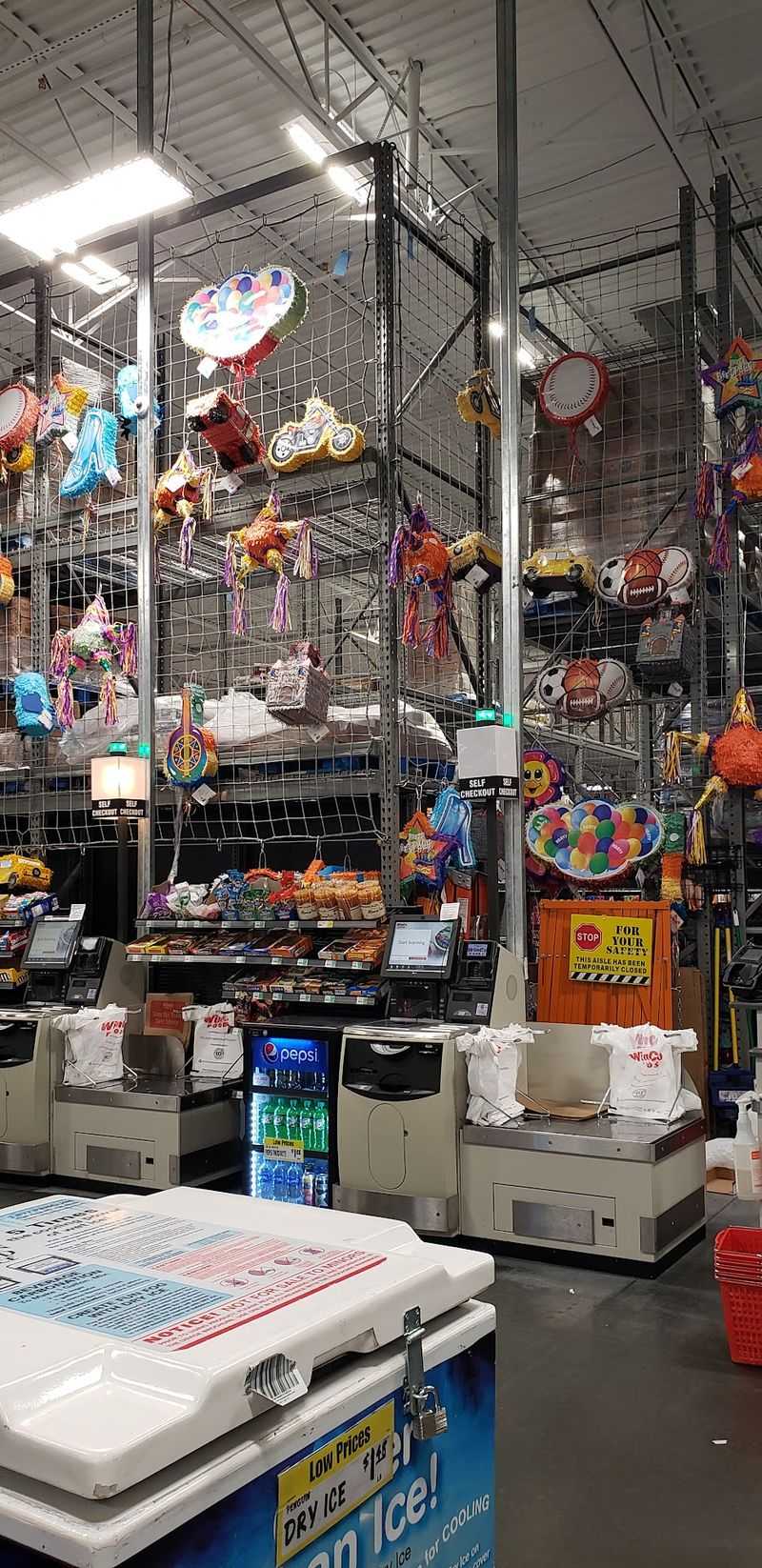
Swiping a credit card here won’t get you very far. The store simply doesn’t accept them, and that surprises plenty of first-timers.
There’s a solid reason behind the rule. Credit card companies charge stores fees on every purchase, and those fees add up fast.
By skipping credit cards, the store avoids that extra cost. That savings helps keep shelf prices lower for everyone in line.
So what can you use? Debit cards, cash, and checks that meet the store’s requirements all work at the register.
The list keeps going from there. EBT, WIC, and store gift cards are accepted, which makes it friendly for families on assistance programs.
The policy got extra attention in the Oklahoma City area around August 2022. Rising inflation costs pushed the company to reinforce it.
My advice is simple. Check your wallet before you leave home, so you don’t load a full cart and freeze at the register.
A quick debit card double-check saves a lot of stress. Think of it as the tiny price of admission for some serious grocery savings.
Honestly, it’s a pretty fair trade. You give up a few credit card points and walk out with more money left over.
You Could Lose Track Of Time In That Wall Of Bulk Bins
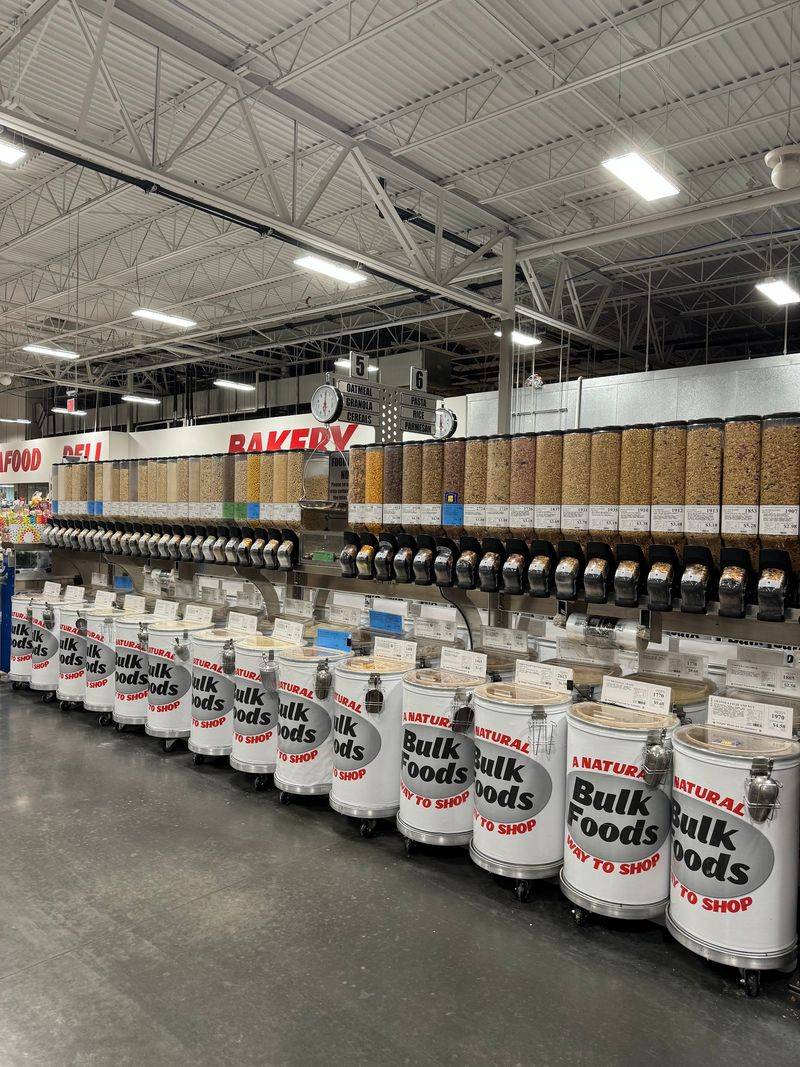
Hundreds of bins. That’s what waits in the bulk foods department, and it’s easily one of the store’s most famous features.
You’ll find baking supplies, rice, beans, lentils, quinoa, and oats. There are also spices, nuts, dried fruits, coffee, and candy, all sold by weight.
The magic is in the scoop. You take exactly what you need, whether that’s a pinch of one spice or a big bag of oats.
That helps when a new recipe calls for something unusual. Instead of buying a whole jar, you grab just a few spoonfuls and move on.
It’s also great for stocking up. Families who go through rice and beans quickly can fill bags without paying for fancy packaging.
Here’s a smart habit to learn early. Write the four-digit PLU code from the bin onto your bag before you leave the section.
That little number helps checkout move faster. Cashiers won’t have to guess whether you grabbed almonds or cashews.
Kids usually love the candy bins, so plan accordingly. A small scoop can be a fun treat without blowing the grocery budget.
I can’t imagine a better place to test out new snacks. Low risk, big variety, and zero wasted packaging.
No Coupons, No Clipping, No Problem
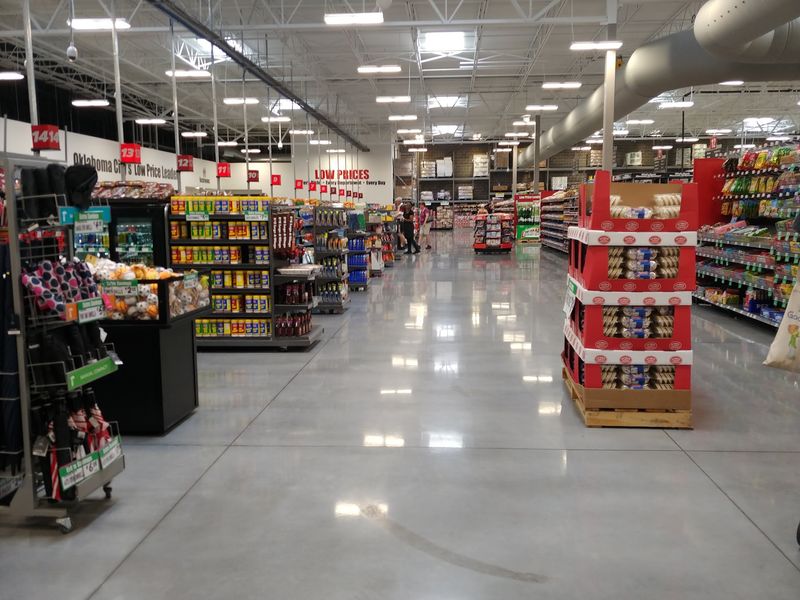
Coupon clipping can feel like a part-time job. Here, you can retire the scissors because the store uses everyday low pricing.
That means no weekly sales flyer to study. There’s no loyalty card to scan and no digital coupon to load onto your phone.
Prices just stay low across every department. The idea is simple, and it saves a lot of mental energy.
The store calls itself a warehouse grocery. It sells a high volume of products with small profit margins on each one.
Selling lots of items at slim margins keeps the whole system moving. Shoppers benefit because they aren’t waiting for the right week to buy.
I like how fair that feels. Everyone gets the same good price, whether they’re a coupon expert or a total beginner.
It also makes budgeting easier. When prices don’t jump around much, you can plan your weekly grocery list with more confidence.
Busy parents will appreciate that most of all. There’s no need to track app deals while also keeping kids from grabbing random cereal boxes.
So go ahead and toss those old coupon folders. Your kitchen drawer will thank you, and so will your grocery receipt.
Grab A Bag Because Packing Is Part Of The Fun
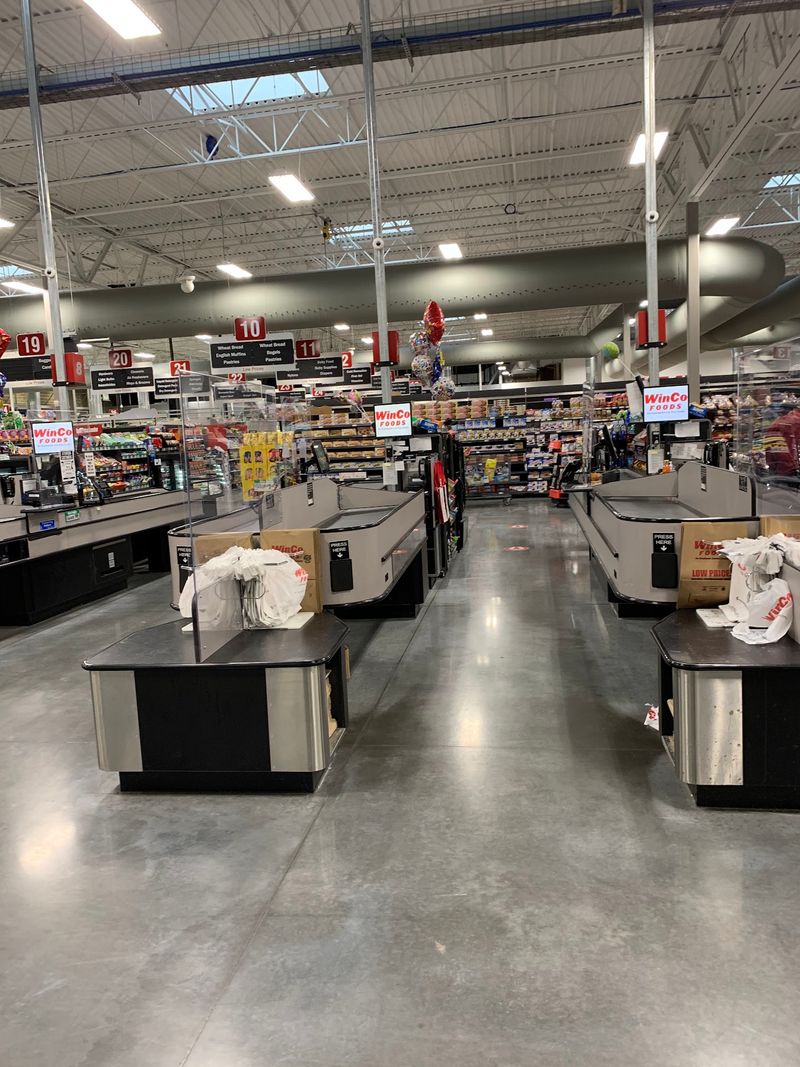
Ready to show off your bag-packing skills? At this store, customers bag their own groceries after checkout.
It might feel strange the first time. Then you realize it keeps lines moving and cuts labor costs that would raise prices.
Pro tip: put heavy cans on the bottom. Your bread and eggs will be much happier riding on top.
Bringing reusable bags is a smart move too. Sturdy bags make packing faster and help you carry big loads to the car.
The warehouse style shows up in the aisles as well. Many products sit right on pallets or inside their original shipping boxes.
That setup isn’t about looks. It saves workers time stocking shelves, and that time savings helps keep costs low.
So the store won’t win any fancy decorating awards. It’s built for practical shopping, not for showing off shiny displays.
Honestly, that’s part of the charm. You know the money isn’t going toward fancy fixtures or elaborate signs.
Every simple detail has a purpose. The pallets, the self-bagging, and the plain design all point toward one goal, which is a smaller total at the register.
Midnight Snack Run? The Lights Are Always On
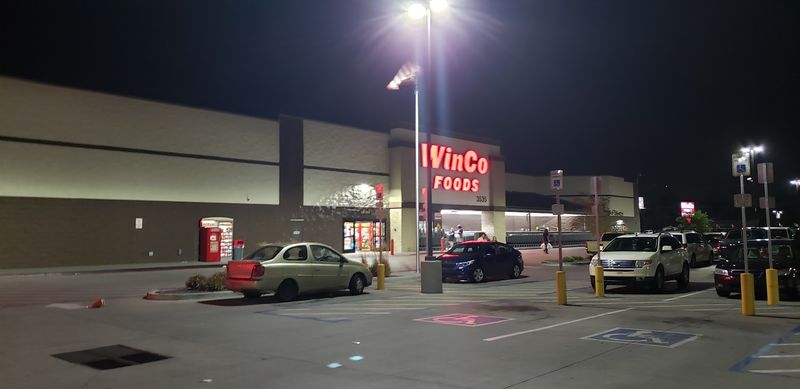
Forgot milk at 11 p.m.? No need to panic, because this store stays open 24 hours a day, seven days a week.
That’s rare these days. Plenty of grocery stores close at night, so round-the-clock hours are a real perk.
Night owls and shift workers have it easy here. You can shop after a late work shift without racing a closing time.
Early birds benefit too. A quick sunrise trip lets you grab breakfast supplies before the day gets busy.
Flexible hours also let you avoid crowds. Shopping during quieter times can make the whole trip feel calmer.
Keep one thing in mind for very late visits. Overnight hours are when stores usually restock and clean, so some areas may be busy with that work.
Fewer registers might be open in the middle of the night too. Plan a little extra time if you’re heading in during those wee hours.
Still, I believe the convenience wins. Knowing groceries are available any time is a nice safety net for busy families.
Birthday cake emergency at midnight? Lunchbox crisis before dawn?
This store has your back around the clock.
Fresh Stuff That Goes Way Beyond Pantry Staples
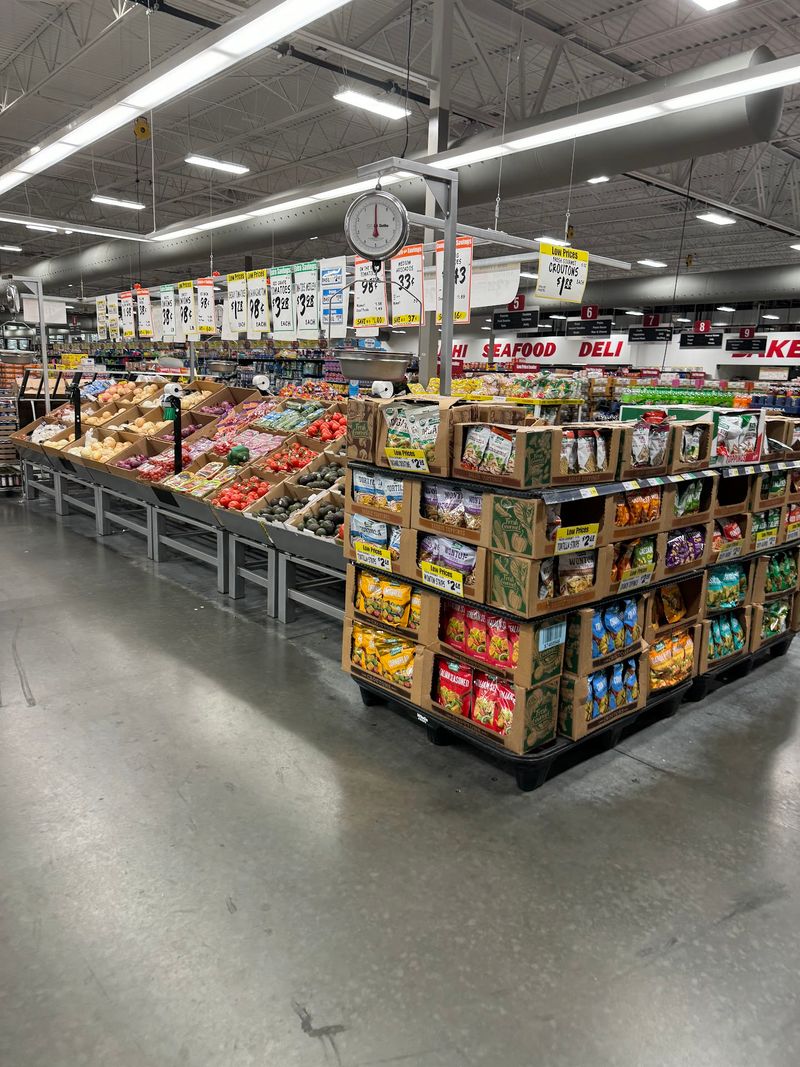
Bargain stores sometimes get a reputation for only selling boxed and canned goods. WinCo Foods breaks that mold with full fresh departments.
The produce section stocks fruits and vegetables for everyday cooking. It’s a great place to load up on salad fixings and snack-friendly fruit.
Next comes the meat department. It’s a full-service counter with different cuts plus value packs for bigger families.
Value packs are handy for meal prep. Buy a larger pack, split it at home, and freeze portions for later in the week.
Then there’s the bakery. Fresh baked goods make it easy to grab bread or a treat while you finish your list.
The deli rounds things out nicely. You’ll find options like fried chicken, pizza, and sandwiches for quick meals.
That deli can save a hectic evening. When nobody wants to cook, dinner is ready to go right from the case.
I like how one stop covers so much. You don’t need a second trip for fresh items after grabbing bulk basics.
Plan your route through the store for efficiency. Start with pantry goods and finish with cold foods so everything stays fresh on the drive home.
Finding The Oklahoma City Store Is Easier Than You Think
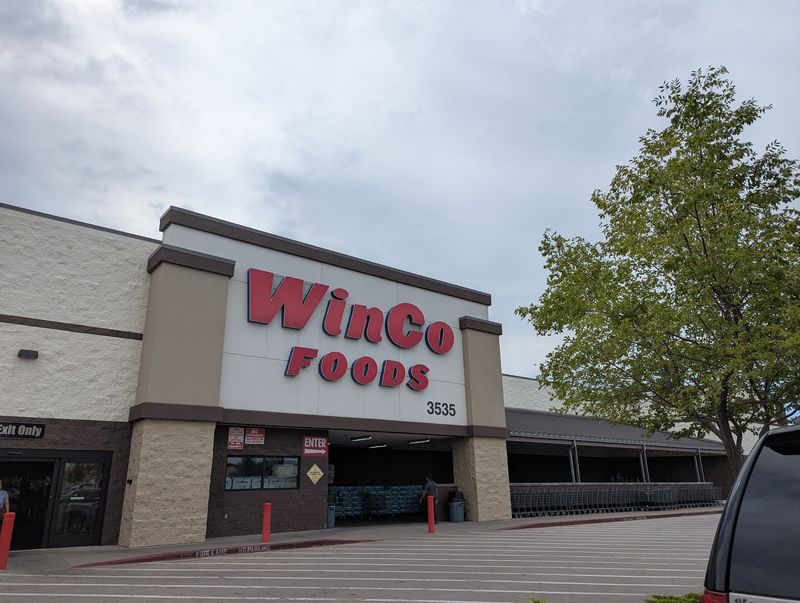
Back in late 2014, WinCo Foods announced plans to enter the Oklahoma City metro. That news got bargain hunters excited about more grocery choices.
The first store inside Oklahoma City limits opened on April 18, 2018. It sits at 3535 NW 39th St, Oklahoma City, OK 73112.
That spot is the verified address for the city store. Double-check your map before driving, since an older listing on N May Ave doesn’t match a current location.
The building is a big, large-format supermarket. It’s designed to handle lots of shoppers and lots of heavy carts.
There’s also a large parking area outside. That’s helpful when you’re loading a trunk full of bulk goods and value packs.
The company has kept growing in Oklahoma since then. Other locations serve the wider metro, and there’s even a store in Tulsa.
Across the country, the chain runs more than 140 stores in 10 states. Oklahoma is lucky to be one of them.
Shoppers from smaller towns sometimes drive a long way to stock up. With the bulk bins and steady prices, that road trip can actually make sense.
The Secret Savings Machine Runs Behind The Scenes
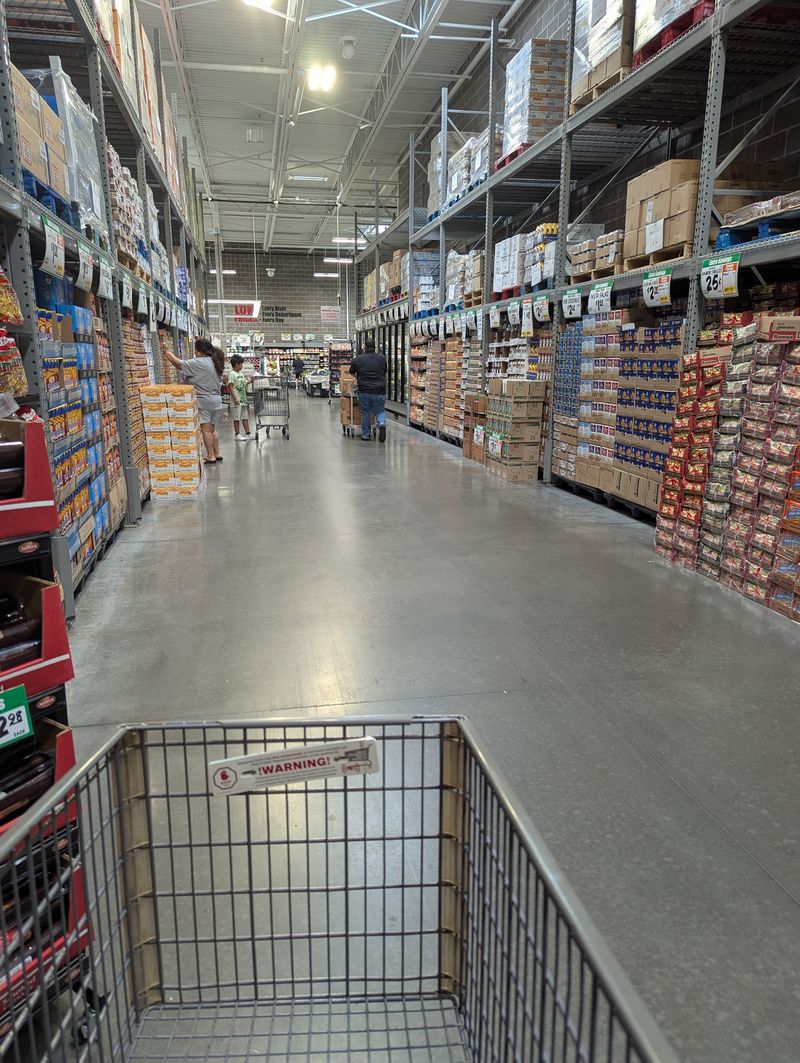
Low prices don’t happen by accident. A lot of the savings start long before food reaches the shelves.
The company buys directly from manufacturers and farmers whenever it can. Cutting out middlemen means fewer people taking a slice of the price.
It also runs its own distribution centers. Moving products through its own system helps the chain control costs from start to finish.
Business folks call this vertical integration. In simple words, the company handles more of the journey itself instead of paying others.
Put all the pieces together and the picture gets clear. Employee ownership, no credit cards, self-bagging, pallets, and direct buying all work as a team.
Each piece shaves off a little cost. Combined, they create a store built from the ground up for savings.
So how should you shop it smartly? Bring a debit card, reusable bags, and a list with bulk items marked.
Try visiting during quieter hours if you can. Weekend afternoons tend to be the busiest times at many grocery stores.
I believe Oklahoma shoppers have found something genuinely useful here. It’s practical, honest, and surprisingly fun once you learn the routine, and your wallet gets the happy ending.
