Oklahoma includes many small towns across the state, each with its own character and local history.
In recent years, more visitors have begun spending time in these communities, drawn by museums, historic districts, and regional attractions.
Residents have noticed an increase in out-of-town guests visiting local shops, restaurants, and landmarks.
From scenic routes to traditional town squares, these ten small towns are now appearing more often on travel itineraries for people interested in exploring Oklahoma’s smaller communities.
1. Medicine Park
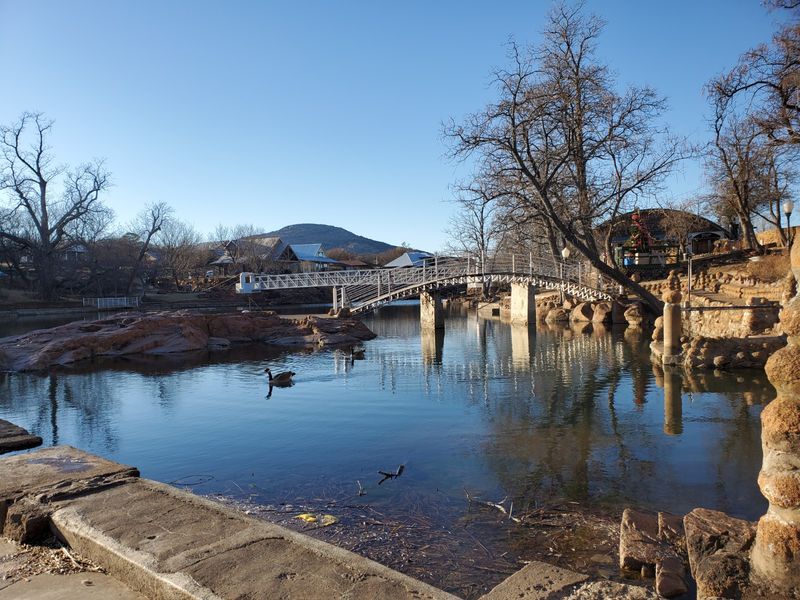
Tucked against the Wichita Mountains, this cobblestone village has become a magnet for weekend explorers.
Bath Lake runs right through the center of town, creating a picturesque setting that feels worlds away from city life.
The historic buildings date back to the early 1900s, when Medicine Park served as a resort destination for those seeking the healing properties of its mineral waters.
Today, visitors stroll along the creek-side walkways, browsing art galleries and locally owned boutiques.
Live music spills from restaurants on summer evenings, and families wade in the shallow waters while kids search for interesting rocks.
The nearby wildlife refuge offers hiking trails with views of roaming bison and longhorn cattle.
Local business owners say they have seen a steady climb in visitors over the past few years.
Many tourists combine their Medicine Park visit with trips to the Wichita Mountains or nearby Fort Sill.
The town hosts several festivals throughout the year, drawing crowds for art shows and seasonal celebrations.
Bed and breakfasts fill up quickly on weekends, especially during fall when the mountain foliage changes color.
Photographers love capturing the unique cobblestone architecture and natural scenery.
The relaxed atmosphere and outdoor activities make this spot popular with both families and couples looking for a peaceful retreat.
Locals appreciate the economic boost but hope the town maintains its small-town character as tourism grows.
2. Guthrie
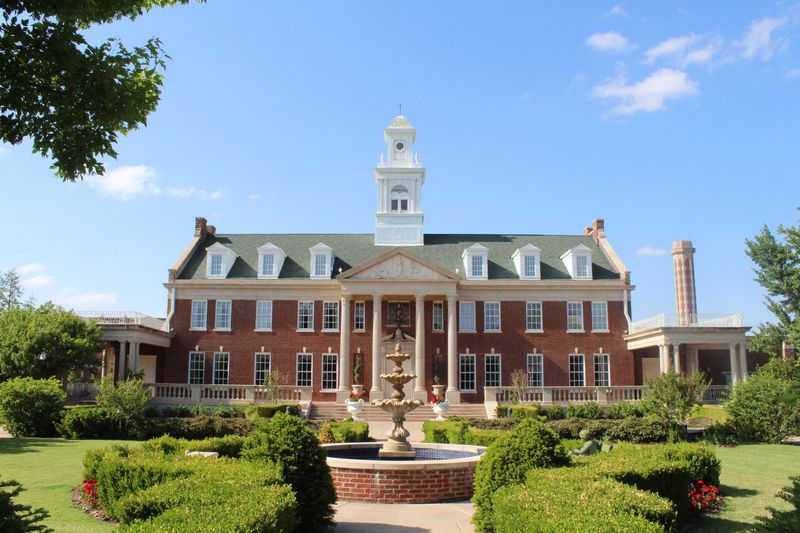
Walking through downtown feels like stepping into a perfectly preserved piece of the past.
Guthrie served as Oklahoma’s first capital, and the entire downtown district earned recognition as a National Historic Landmark.
Victorian-era buildings line the streets, their ornate facades and detailed stonework still intact after more than a century.
Antique shops occupy storefronts that once housed frontier businesses, offering treasures from bygone eras.
The Scottish Rite Masonic Temple stands as one of the largest structures of its kind in the world.
Guided tours take visitors through the building’s lavish interior, showcasing intricate woodwork and stunning stained glass.
Ghost tours have become increasingly popular, with groups exploring reportedly haunted buildings after dark.
The territorial museum provides context about Oklahoma’s path to statehood and the town’s role in that history.
Restaurants in restored buildings serve everything from comfort food to upscale dining experiences.
Annual events like the jazz festival and territorial Christmas celebration bring thousands of visitors to town.
Shop owners report that tourism has picked up significantly, with many guests driving up from Oklahoma City for day trips.
The proximity to the capital city makes Guthrie an easy excursion for both residents and travelers passing through the state.
Preservation efforts have kept the historic character intact while accommodating modern businesses.
Visitors often express surprise at how much history exists within such a compact area.
3. Pawhuska

This Osage Nation seat has experienced a remarkable transformation in recent years.
A popular television personality opened a restaurant and retail store here, putting the town on the map for food enthusiasts nationwide.
Long lines form outside the Mercantile on weekends, with visitors traveling from neighboring states to experience the atmosphere.
Beyond the famous eatery, Pawhuska offers genuine connections to Osage culture and Oklahoma ranching heritage.
The Osage Nation Museum, the oldest tribally owned museum in the country, displays artifacts and tells stories of the Osage people.
Tallgrass Prairie Preserve stretches just outside town, protecting thousands of acres of native grassland and free-roaming bison herds.
Driving through the preserve offers glimpses of what the landscape looked like before settlement.
Downtown buildings showcase early twentieth-century architecture, with many structures undergoing restoration and repurposing.
New shops and galleries have opened to serve the influx of visitors, selling everything from home goods to Western wear.
Local residents have mixed feelings about the sudden attention, appreciating economic opportunities while adjusting to crowds.
The Ben Johnson Cowboy Museum honors the Academy Award-winning actor who called Pawhuska home.
Visitors can explore ranching history and see memorabilia from classic Western films.
Hotel rooms book up weeks in advance during peak seasons, prompting development of additional accommodations.
The town represents an interesting blend of indigenous heritage, ranching tradition, and modern tourism.
4. Sulphur
Natural springs have drawn people to this area for centuries, first indigenous peoples and later settlers seeking the mineral waters.
Chickasaw National Recreation Area sits right at the edge of town, offering swimming holes, hiking trails, and picnic areas.
Travertine Creek flows through the park, creating small waterfalls and pools that stay refreshingly cool even in summer heat.
Families gather along the creek banks, wading in the clear water and exploring the rocky terrain.
The nature center provides information about the area’s geology and the various springs scattered throughout the park.
Veterans Lake offers fishing, boating, and a sandy swimming beach that gets busy on warm weekends.
Downtown Sulphur features shops and restaurants within walking distance of the park entrance.
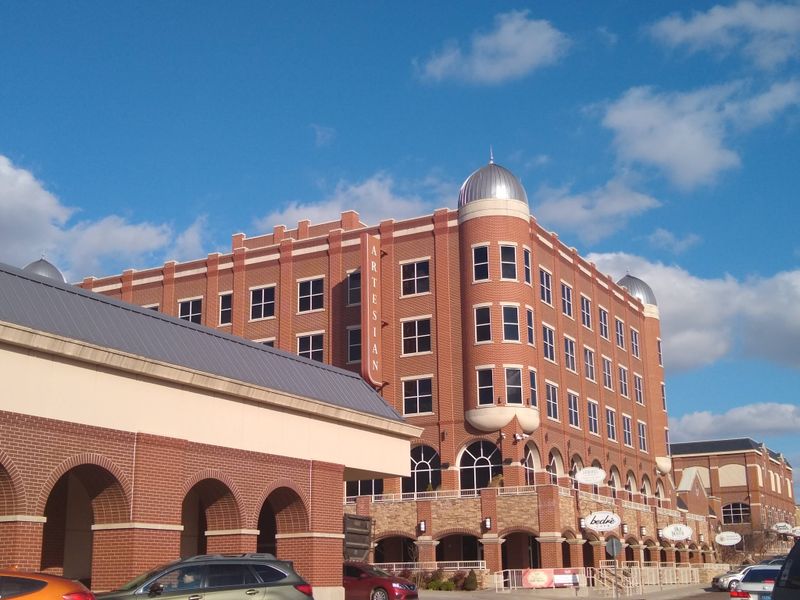
The Artesian Hotel, fully restored to its historic grandeur, serves as a centerpiece of the community.
Its spa uses water from the local springs, continuing the wellness tradition that first made Sulphur famous.
Local business owners report steady increases in visitor numbers, particularly during spring and fall.
The mild winters make this destination appealing year-round, though summer brings the biggest crowds.
Campgrounds fill up quickly, especially during holiday weekends when families claim their favorite spots.
The park’s free admission makes it an affordable option for budget-conscious travelers.
Sulphur’s location in south-central Oklahoma places it within easy reach of several other attractions, making it a convenient base for exploration.
5. Talihina
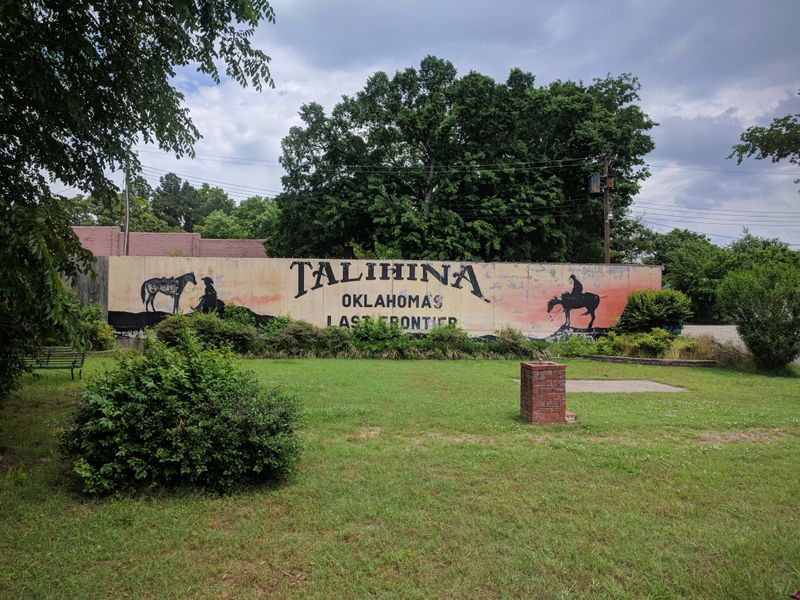
Mountains are not the first thing most people associate with Oklahoma, but Talihina sits in the heart of the Ouachita range.
The Talimena Scenic Drive begins here, winding fifty-four miles through the mountains into Arkansas.
Fall brings spectacular color changes, with hardwood forests transforming into brilliant reds, oranges, and yellows.
Overlooks along the drive provide panoramic views of ridges stretching into the distance.
Motorcyclists particularly enjoy the winding roads and elevation changes that make this route unique in Oklahoma.
The town serves as a gateway to Ouachita National Forest, where trails range from easy nature walks to challenging backcountry routes.
Cedar Lake Recreation Area offers camping, fishing, and swimming in a mountain setting.
Local outfitters provide cabin rentals and guided outdoor experiences for those less familiar with wilderness recreation.
Downtown Talihina maintains a quiet, mountain-town atmosphere with a few restaurants and supply stores.
The Choctaw Nation has strong ties to this area, and cultural sites provide insight into tribal history and heritage.
Tourism spikes dramatically during October when leaf-peepers flock to the scenic drive.
Lodging options fill up weeks ahead of peak foliage season, prompting some visitors to book a year in advance.
Spring wildflowers also attract nature enthusiasts, though crowds remain lighter than in autumn.
Locals say they have noticed more out-of-state license plates in recent years as word spreads about the mountain scenery.
The area offers a completely different landscape experience than most of Oklahoma.
6. Pauls Valley

An unexpected collection has put this small town on the radar for pop culture enthusiasts.
The Toy and Action Figure Museum houses thousands of items spanning decades of entertainment history.
Vintage action figures, movie memorabilia, and rare collectibles fill display cases across multiple rooms.
Fans of science fiction, superheroes, and classic toys find themselves lost in nostalgia for hours.
The museum draws collectors from across the country who come to see pieces they remember from childhood or hunt for in online auctions.
Beyond the museum, Pauls Valley offers a charming downtown with local eateries and shops.
The town’s location along Interstate 35 makes it a convenient stopping point for travelers heading between Oklahoma City and Dallas.
Santa Fe Depot serves as a visitor center and museum showcasing local history and railroad heritage.
Nearby Lake Pauls Valley provides outdoor recreation opportunities including fishing and camping.
The annual Pauls Valley Rodeo brings crowds for traditional Western entertainment and competition.
Local restaurants serve home-style cooking that appeals to both residents and highway travelers.
Business owners report that the toy museum has definitely increased foot traffic downtown.
Visitors who initially come for the museum often discover other appealing aspects of the community.
The town represents a successful example of how a unique attraction can boost small-town tourism.
Future plans include expanding the museum and developing additional attractions to encourage longer stays.
7. Davis
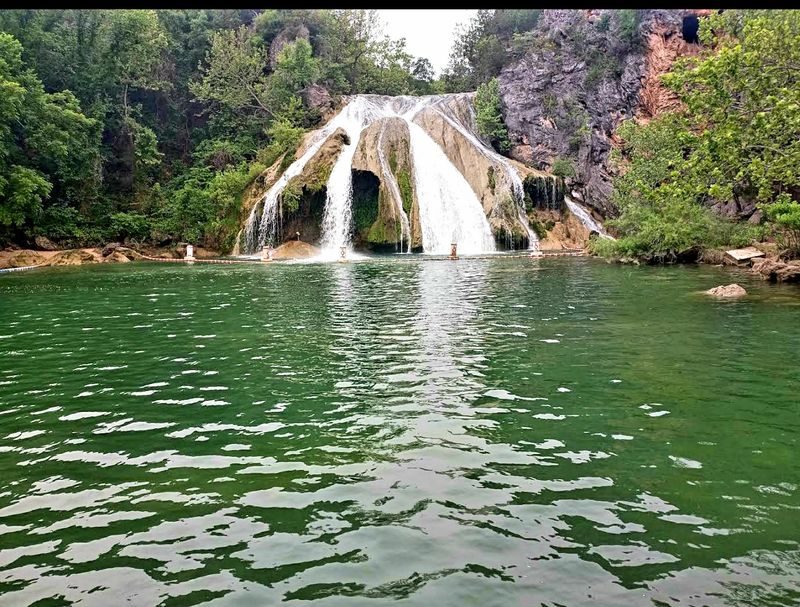
Turner Falls has been drawing crowds for generations, but recent years have seen even more visitors discovering this mountain community.
The waterfall drops seventy-seven feet into a natural swimming pool surrounded by rock formations.
Families claim spots early on summer days, spreading blankets and setting up for hours of swimming and relaxing.
Caves dot the park property, offering exploration opportunities for the adventurous.
Beyond the famous falls, Davis serves as a base for exploring the Arbuckle Mountains.
Lake of the Arbuckles provides boating, fishing, and additional swimming beaches away from the waterfall crowds.
Several campgrounds and cabin resorts cater to visitors wanting to spend multiple days in the area.
The Arbuckle Wilderness drive-through animal park lets visitors feed exotic animals from their vehicles.
Kids delight in having zebras, ostriches, and llamas approach car windows looking for treats.
Downtown Davis offers a handful of restaurants, ice cream shops, and souvenir stores.
The town’s small size means everything sits within easy walking distance.
Local business owners say summer weekends bring steady streams of visitors, many making this an annual tradition.
Spring break also sees increased traffic as families seek outdoor activities during school vacations.
The natural beauty and outdoor recreation opportunities make Davis particularly popular with Oklahoma City residents looking for quick getaways.
Preservation of natural areas while accommodating tourism remains an ongoing conversation in the community.
8. Tahlequah

Float season brings thousands of people to this Cherokee Nation capital for lazy river adventures.
The Illinois River winds through the area, offering various float trips ranging from a few hours to full-day excursions.
Outfitters line the highways leading into town, renting canoes, kayaks, and rafts to eager floaters.
Summer weekends see convoys of vehicles hauling watercraft toward launch points.
The river’s gentle current and scenic wooded banks make it accessible for beginners while still entertaining experienced paddlers.
Beyond river recreation, Tahlequah holds significant cultural importance as the Cherokee Nation’s governmental seat.
The Cherokee Heritage Center provides comprehensive exhibits about the Trail of Tears and Cherokee history.
Ancient Village recreates pre-contact Cherokee life, with interpreters demonstrating traditional crafts and customs.
Downtown Tahlequah features the historic Cherokee National Capitol building and several museums.
Northeastern State University adds a college-town energy with students contributing to local culture and nightlife.
Local restaurants serve both traditional American fare and dishes incorporating Cherokee and Native American influences.
Tourism has definitely increased, with locals noting more out-of-state visitors each year.
The combination of outdoor recreation and cultural attractions appeals to diverse interests.
Fall brings different crowds as leaf color transforms the river corridor into a painter’s palette.
Economic impact from tourism has become increasingly important to the local economy, supporting numerous seasonal businesses.
9. Kenton
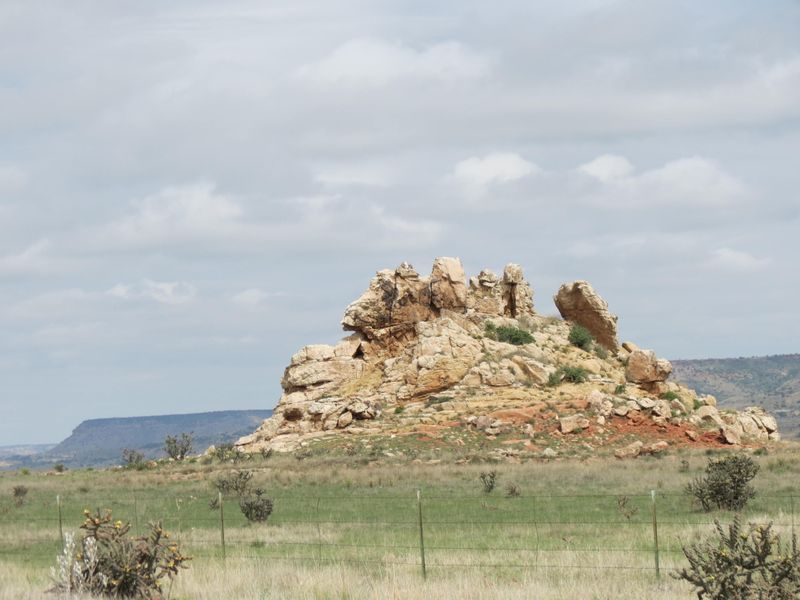
Way out in the panhandle, this tiny community serves as the gateway to Oklahoma’s highest point.
Black Mesa rises 4,973 feet above sea level, and a hiking trail leads to the summit marker.
The landscape here looks nothing like the rest of Oklahoma, with mesas, canyons, and wide-open western vistas.
Hikers start early to avoid midday heat, following the eight-mile round-trip trail across high plains terrain.
The summit offers views into three states, with Colorado and New Mexico visible on clear days.
Kenton itself consists of just a handful of buildings, but it has seen growing interest from adventure seekers.
The remote location appeals to those wanting true solitude and dark night skies perfect for stargazing.
Dinosaur tracks preserved in rock formations attract paleontology enthusiasts.
The area’s geology tells stories of ancient seas and volcanic activity from millions of years ago.
A small mercantile provides basic supplies and serves as an unofficial information center for visitors.
Camping options include both developed sites and dispersed camping in surrounding public lands.
Wildlife viewing opportunities include pronghorn antelope and various raptors soaring on thermal currents.
The drive to Kenton itself becomes part of the adventure, with miles of empty highway crossing the narrow panhandle.
Local residents say they have definitely noticed more visitors in recent years, particularly from serious hikers completing high-point challenges.
The extreme remoteness remains part of the appeal, offering an experience completely different from typical Oklahoma destinations.
10. Heavener

Mystery surrounds a stone bearing ancient carvings, and that intrigue draws curious visitors to this mountain town.
Heavener Runestone Park protects the carved stone, which some believe shows Norse runes dating back centuries before Columbus.
Scholars debate the stone’s origins, but the mystery itself has become a tourist attraction.
The park offers hiking trails through the Ouachita Mountains with views of the Poteau River valley below.
Interpretive center displays provide information about various theories regarding the runestone’s creation and meaning.
Whether the carvings are genuinely ancient or more recent, the park’s natural beauty alone justifies the visit.
Heavener sits along the Talimena Scenic Drive, making it a natural stopping point for those exploring the mountains.
Downtown features a few local businesses and restaurants serving travelers and outdoor enthusiasts.
The surrounding national forest provides extensive opportunities for hiking, camping, and mountain biking.
Fall color season brings increased visitors, as does spring when wildflowers blanket the mountainsides.
Local guides offer horseback riding trips through the forested hills.
The Peter Conser House, a historic log cabin, sits within the park and provides glimpses of frontier life.
Tourism has grown steadily as more people discover the scenic drive and the unique runestone mystery.
Locals appreciate visitors who come to enjoy the natural surroundings and learn about the area’s puzzling history.
The combination of outdoor recreation and historical intrigue creates a destination appealing to multiple interests.
Dear Reader: This page may contain affiliate links which may earn a commission if you click through and make a purchase. Our independent journalism is not influenced by any advertiser or commercial initiative unless it is clearly marked as sponsored content. As travel products change, please be sure to reconfirm all details and stay up to date with current events to ensure a safe and successful trip.
