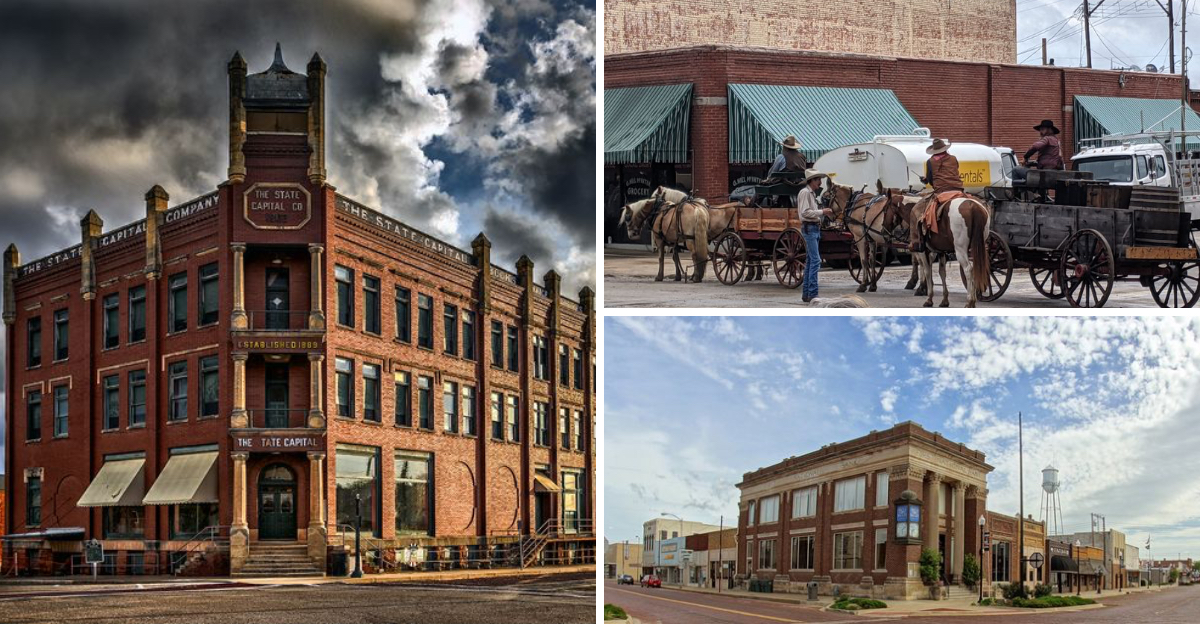
Oklahoma holds countless surprises for travelers who venture beyond the cities and into its quieter corners.
Small towns across the state have preserved their historic main streets, offering visitors a glimpse into the past while maintaining vibrant, welcoming communities.
Walking these streets feels like stepping into a different era, where brick buildings tell stories and local shops invite you to slow down and explore.
1. Guthrie
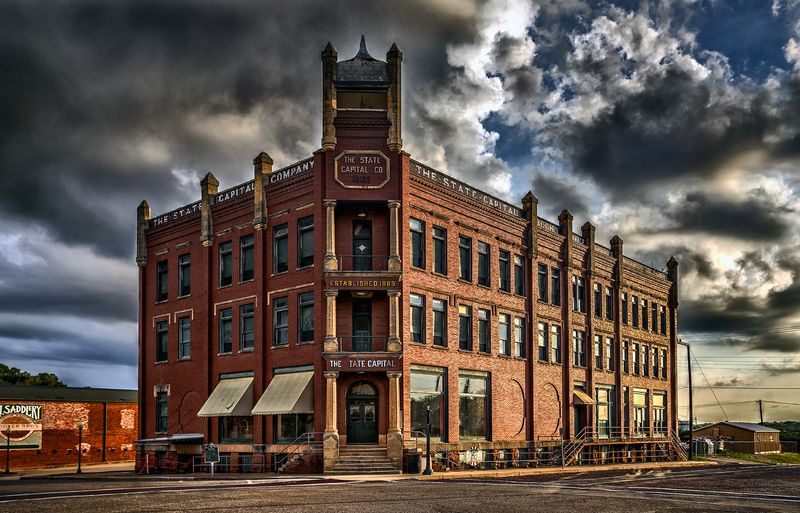
Victorian architecture dominates the landscape in this charming town that once served as the territorial and first state capital of Oklahoma.
Guthrie boasts one of the largest contiguous historic districts listed on the National Register of Historic Places, spanning over 400 acres.
Brick storefronts with ornate facades line the streets, many dating back to the Land Run of 1889.
Antique shops, boutiques, and local eateries occupy these beautifully restored buildings, creating an inviting atmosphere for visitors.
The historic district includes the Scottish Rite Masonic Temple, one of the world’s largest Masonic centers, featuring stunning architecture and intricate details throughout its interior.
Walking tours reveal the stories behind each building, from former banks to old theaters that have been carefully preserved.
Many structures feature original pressed tin ceilings, hardwood floors, and period fixtures that transport visitors back to the early statehood era.
Local festivals throughout the year bring additional energy to the main street area, with events celebrating the town’s heritage and Western culture.
Art galleries showcase regional artists, while museums provide deeper insights into territorial history and the unique role Guthrie played in Oklahoma’s formation.
The town maintains strict preservation standards, ensuring that new businesses blend seamlessly with the historic character of the district.
Visitors often spend entire afternoons exploring the side streets and discovering hidden architectural gems around every corner.
The sense of community pride is evident in how well-maintained and loved these historic structures remain after more than a century.
2. Pawhuska
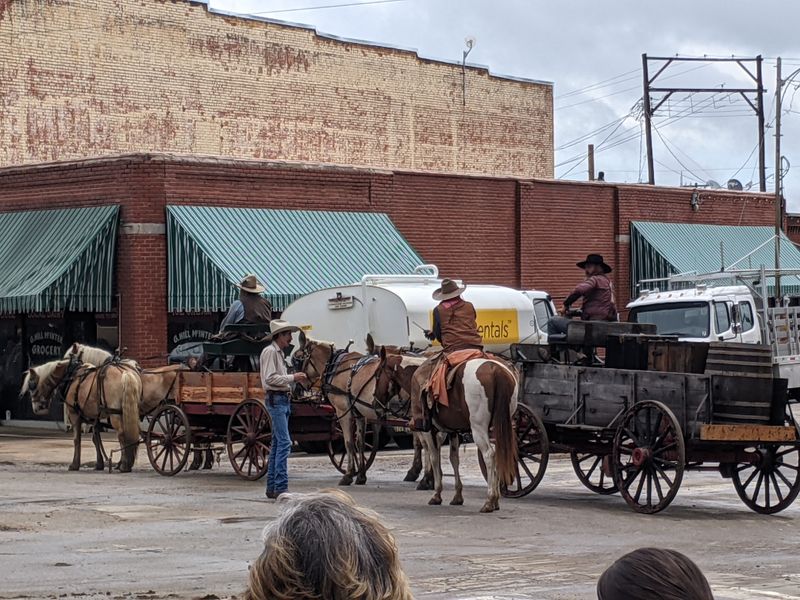
Osage County’s county seat has experienced a remarkable renaissance in recent years while maintaining its authentic Western heritage.
The downtown area features early twentieth-century buildings constructed during the oil boom era, when Osage Nation members became some of the wealthiest people per capita in the world.
Limestone and brick structures showcase the prosperity of that period, with elaborate architectural details that speak to the town’s former grandeur.
Triangle Building stands as an iconic landmark, its unique shape creating a focal point at the intersection of Main and Kihekah.
Recent revitalization efforts have brought new life to historic storefronts without compromising their original character.
Locally owned restaurants serve regional cuisine in buildings that have been carefully restored to highlight their original features.
The Osage Nation Museum, housed in a historic building, offers visitors insight into the rich cultural heritage of the Osage people.
Shops selling Western wear, Native American art, and antiques draw collectors and enthusiasts from across the region.
The main street retains an authentic small-town atmosphere where locals greet visitors warmly and share stories about the community’s history.
Many buildings display historic photographs showing how the street looked during its heyday, creating a tangible connection between past and present.
Visitors appreciate the genuine Western character that permeates every aspect of the downtown experience.
The combination of Osage culture, ranching heritage, and preserved architecture creates a distinctive atmosphere found nowhere else in Oklahoma.
3. Perry
Founded during the Cherokee Outlet Land Run of 1893, Perry grew rapidly into a thriving agricultural center with a downtown that reflected its prosperity.
The main street features an impressive collection of late nineteenth and early twentieth-century commercial buildings, many constructed with locally quarried red sandstone.
Wide sidewalks and covered awnings create a pleasant walking environment where visitors can admire the craftsmanship of another era.
The Cherokee Strip Museum sits near the historic downtown, providing context for the dramatic land rush that created the town overnight.
Original storefronts have been carefully maintained, with many businesses operating in the same locations for generations.
The Carnegie Library building, constructed in 1919, exemplifies the Classical Revival style popular during that period and continues to serve the community.
Local merchants have embraced the town’s heritage, decorating their shops with period-appropriate signage and displays.
Visitors can spot architectural details like decorative cornices, transom windows, and original tile entryways that have survived decades of use.
The downtown area remains the social and commercial heart of the community, with residents shopping locally and supporting longtime family businesses.
Annual events bring crowds to the historic main street, celebrating everything from the town’s founding to seasonal festivals.
The sense of continuity between past and present makes walking these streets a genuinely nostalgic experience.
Perry demonstrates how small Oklahoma towns have maintained their identity and character despite changing economic conditions over the decades.
4. Pawnee
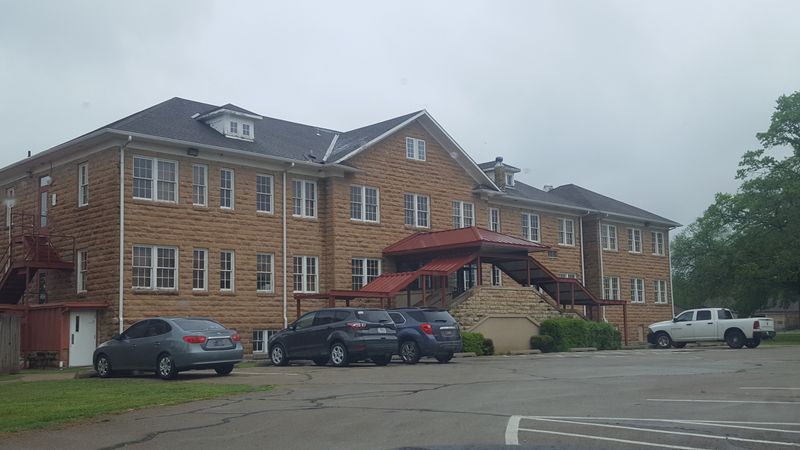
This small community preserves a remarkable collection of early statehood architecture along its quiet main street.
Buildings constructed between 1890 and 1920 showcase the transition from territorial days to early Oklahoma statehood, with styles ranging from simple frontier structures to more elaborate brick commercial buildings.
The Pawnee Bill Ranch and Museum sits just outside town, honoring the legacy of Gordon Lillie, whose Wild West shows brought international fame to the area.
Downtown storefronts retain much of their original character, with pressed tin ceilings and wooden floors visible in many establishments.
Local history runs deep here, with connections to Osage and Pawnee tribal heritage evident throughout the community.
The Pawnee Bathhouse, built in 1927, represents an interesting chapter in the town’s history when mineral water attracted visitors seeking therapeutic benefits.
Murals painted on building exteriors celebrate local history and add visual interest to the streetscape.
Antique stores offer treasures from the region’s past, while a handful of longtime businesses continue serving residents as they have for decades.
The slower pace of life allows visitors to truly absorb the atmosphere and imagine what life was like when these streets bustled with ranchers, merchants, and showmen.
Photography enthusiasts appreciate the authentic, unrestored quality of many buildings, which provide a genuine glimpse into small-town Oklahoma life.
Walking the main street feels like discovering a place time nearly forgot, yet the community maintains a quiet dignity and pride in its heritage.
5. Sulphur
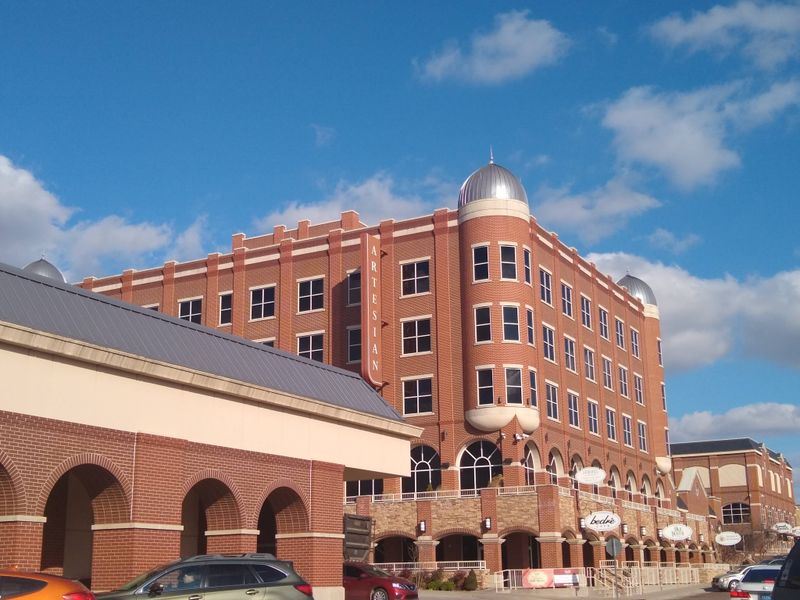
Nestled near the Chickasaw National Recreation Area, Sulphur developed as a health resort town in the early twentieth century, attracting visitors to its mineral springs.
The downtown reflects this heritage with buildings designed to accommodate tourists and provide services to health seekers who flocked here for the waters.
Architecture along the main street combines practical commercial structures with decorative elements meant to appeal to out-of-town visitors.
The Artesian Hotel, recently restored to its former grandeur, anchors the downtown area and recalls the golden age of mineral water tourism.
Original storefronts house a mix of businesses catering to both locals and the steady stream of visitors exploring the nearby recreation area.
The proximity to natural springs and scenic landscapes has always shaped the character of this community, creating a unique blend of small-town charm and tourist destination appeal.
Historic photographs displayed in shop windows show how the main street looked when Model T automobiles lined the curbs and visitors strolled between hotels and bath houses.
The town maintains its buildings with care, understanding that historic preservation attracts visitors interested in both natural beauty and cultural heritage.
Local shops sell regional crafts, vintage items, and souvenirs that reflect the area’s distinctive history.
Restaurants occupy buildings that once served travelers from across the country, continuing a tradition of hospitality that spans more than a century.
The combination of natural attractions and preserved architecture makes Sulphur a destination where visitors can enjoy both outdoor recreation and historic exploration in a single trip.
6. Claremore
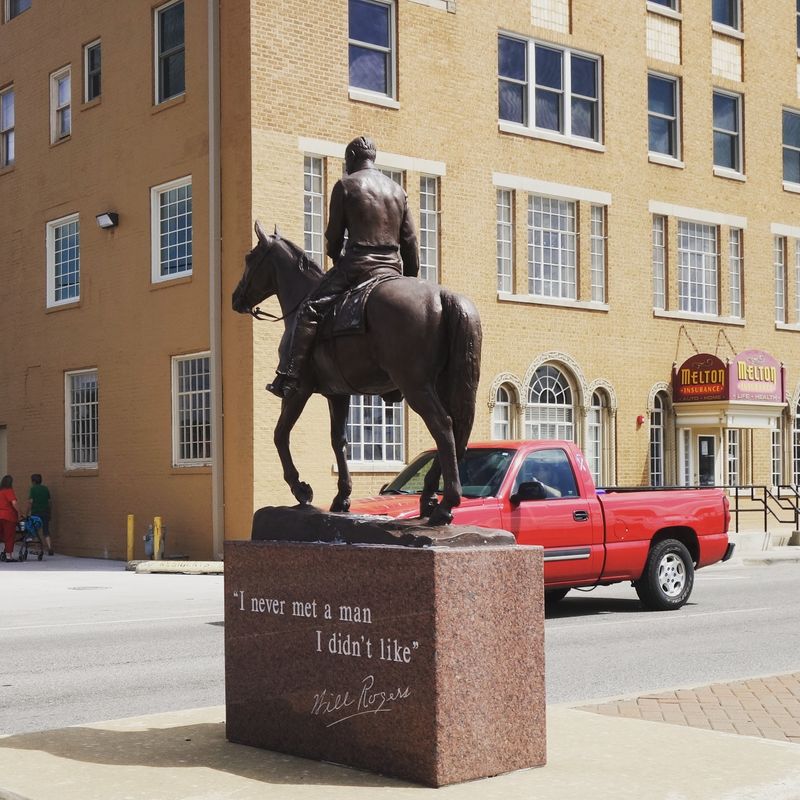
Best known as the hometown of humorist Will Rogers, Claremore offers visitors a main street filled with turn-of-the-century architecture and small-town warmth.
The downtown district features two-story brick buildings typical of prosperous Oklahoma communities during the early statehood period.
Wide streets and angled parking create an inviting environment for exploring the shops, galleries, and restaurants that occupy these historic structures.
The Will Rogers Memorial Museum sits on a hill overlooking the town, but the downtown area itself celebrates local history beyond its famous native son.
The Belvidere Mansion, a Victorian home built in 1907, offers tours that provide insight into how wealthy families lived during the town’s early prosperity.
Original storefronts display architectural details like decorative brickwork, large display windows, and recessed entryways that were standard features of early twentieth-century commercial design.
Local businesses have embraced the historic character of their buildings, often incorporating vintage elements into their decor and branding.
Antique shops, bookstores, and specialty retailers create a diverse shopping experience that draws visitors from surrounding communities.
The main street remains active and vital, with new businesses moving into restored buildings and contributing to ongoing revitalization efforts.
Community events throughout the year bring crowds downtown, reinforcing the area’s role as the social center of Claremore.
Visitors appreciate how the town balances preservation with progress, maintaining historic character while accommodating modern needs.
The friendly atmosphere and well-preserved buildings make Claremore a pleasant stop for anyone exploring Rogers County or traveling Route 66 through Oklahoma.
7. Pauls Valley
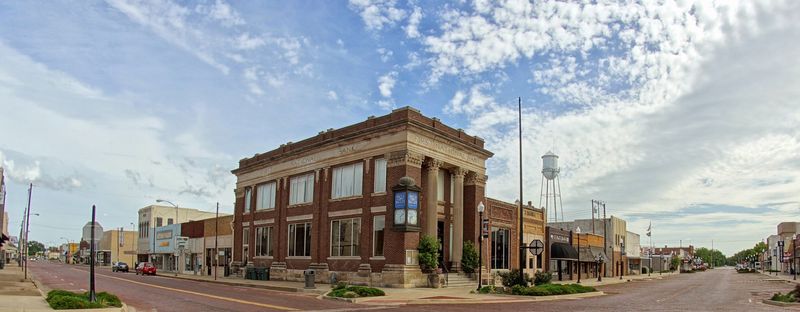
Founded along the Santa Fe Railroad line, Pauls Valley developed as an important agricultural and ranching center with a downtown that reflected its economic significance.
The main street features substantial brick buildings constructed during the town’s peak prosperity in the early twentieth century.
Many structures showcase Renaissance Revival and Commercial Romanesque styles, with decorative details that demonstrate the ambition and optimism of that era.
The Garvin County Courthouse, built in 1917, stands as a magnificent example of Classical Revival architecture and anchors the downtown area.
Original storefronts maintain features like cast iron columns, large transom windows, and recessed entries that were hallmarks of commercial architecture from that period.
Local businesses operate in buildings their predecessors occupied generations ago, creating continuity that visitors find appealing and authentic.
The Toy and Action Figure Museum, housed downtown, attracts collectors and families, bringing diverse visitors to the historic district.
Tree-lined streets and period street lamps enhance the nostalgic atmosphere while providing modern amenities for pedestrians.
Murals celebrating local history and culture adorn several building facades, adding color and storytelling elements to the streetscape.
The downtown remains surprisingly active for a town of its size, with locally owned shops and restaurants drawing steady business from residents and travelers.
Visitors exploring southern Oklahoma often discover Pauls Valley as a pleasant surprise, with more architectural interest and historic character than expected.
The community’s commitment to maintaining its downtown creates an environment where history feels alive rather than merely preserved for display.
8. Watonga
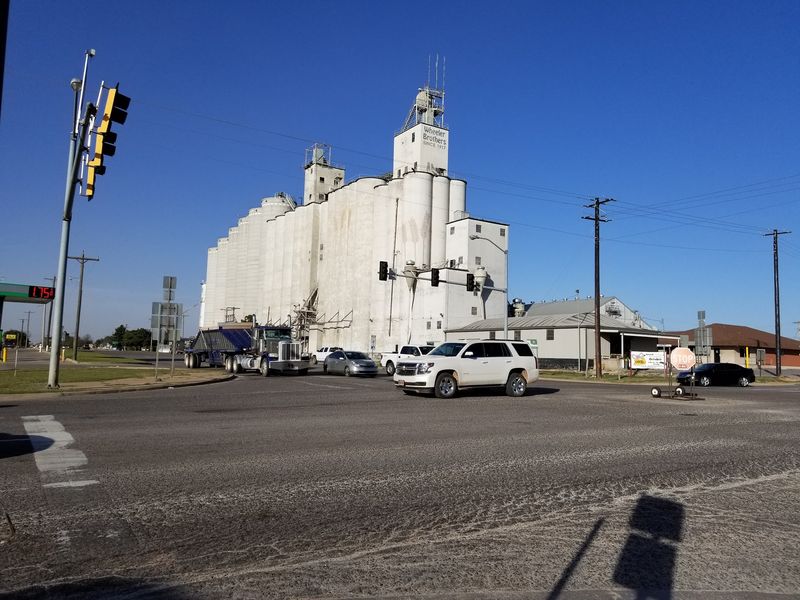
Situated in the heart of what was once the Cheyenne-Arapaho reservation, Watonga offers a downtown that tells the story of Oklahoma’s complex territorial history.
The main street features buildings from the late 1800s and early 1900s, constructed after the area opened to settlement.
Red brick structures with simple but sturdy designs reflect the practical needs of frontier merchants and the limited resources available during early development.
The T.B. Ferguson Home Museum, located near downtown, preserves the residence of Oklahoma’s sixth territorial governor and provides context for understanding the period.
Original storefronts along the main street retain much of their historic character, with minimal modernization obscuring their age and authenticity.
Visitors can spot architectural details like corbelled brickwork, segmental arch windows, and stone lintels that were common in turn-of-the-century construction.
The Roman Nose State Park lies just north of town, drawing outdoor enthusiasts who often stop in Watonga to explore its historic downtown.
Local shops sell everything from Western wear to handmade crafts, maintaining a mix of practical and tourist-oriented businesses.
The slower pace and genuine small-town atmosphere make Watonga appealing to visitors seeking an authentic Oklahoma experience away from more commercialized destinations.
Community pride is evident in how residents maintain their historic buildings and support local businesses that keep the downtown viable.
The main street may not have undergone extensive restoration, but this unpolished quality gives it an honest, unpretentious character that some visitors prefer.
Watonga represents the typical small Oklahoma town that perseveres through economic changes while holding onto the physical reminders of its founding era.
Dear Reader: This page may contain affiliate links which may earn a commission if you click through and make a purchase. Our independent journalism is not influenced by any advertiser or commercial initiative unless it is clearly marked as sponsored content. As travel products change, please be sure to reconfirm all details and stay up to date with current events to ensure a safe and successful trip.
