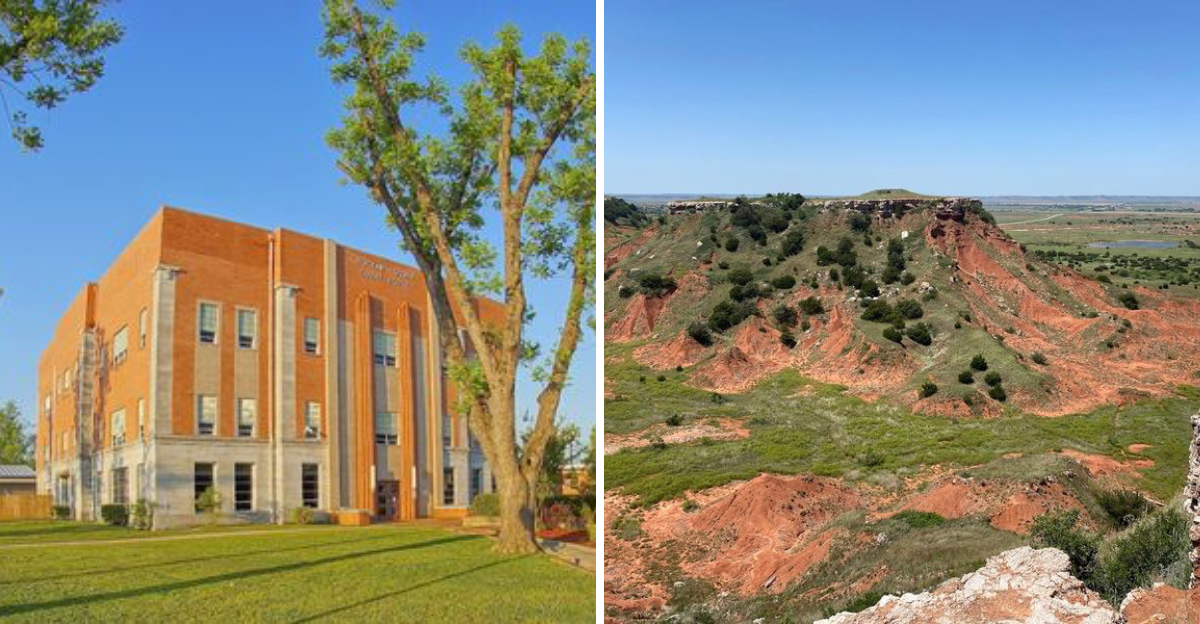
Sometimes the noise isn’t just loud, it’s Oklahoma-loud. You know the kind: trucks backfiring, kids arguing over the last chicken fry, lawn mowers that refuse to quit, and your neighbor’s cousin’s uncle practicing banjo at 7 AM.
That’s when folks from Tulsa to Norman start eyeballing the door. But here’s the thing, Sooner State locals don’t just run anywhere.
They’ve got a secret list of tiny towns and wild places where the biggest traffic jam is two tractors and a confused cow. Places where the welcome mat is worn out from actual hospitality, not foot traffic.
Where the diner knows your name after one visit and the loudest thing is a cricket with opinions. So pack light, leave the stress on I-35, and let these ten hideaways remind you why Oklahoma’s best sound is… absolutely nothing.
1. Broken Bow
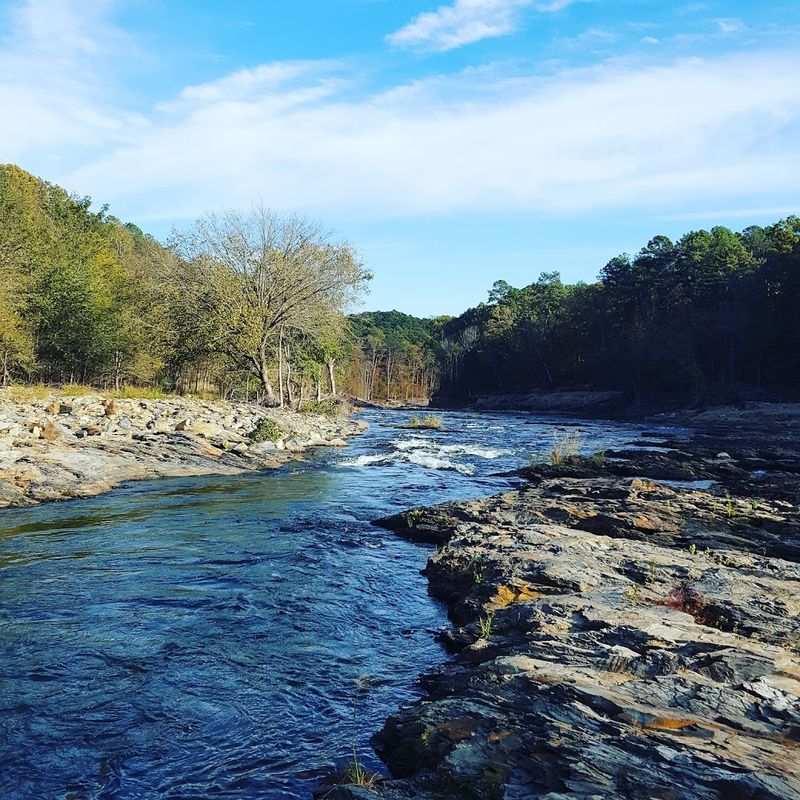
There is something almost unreal about the way Broken Bow looks in the early morning, when mist hangs low over the pine trees and everything smells like cedar and cool water.
Broken Bow sits in McCurtain County in southeastern Oklahoma, tucked right up against the Ouachita Mountains.
The area is home to Beavers Bend State Park, which offers some of the best kayaking, trout fishing, and hiking trails in the entire state.
The Mountain Fork River runs cold and clear through the park, and spending an afternoon floating downstream is one of those experiences that genuinely resets your nervous system.
Cabins dot the hillsides all around town, ranging from simple rustic retreats to surprisingly luxurious getaways with hot tubs and private decks overlooking the forest canopy.
Broken Bow is not a town that rushes you. The pace here is slow by design, and the locals seem to genuinely appreciate visitors who come to breathe, not just to check off a list.
Fall is an especially magical time to visit, when the hardwood trees mixed in among the pines turn gold and rust against the evergreen backdrop.
The town itself has a handful of small shops, cozy restaurants, and a laid-back atmosphere that makes it easy to spend a full weekend without ever feeling like you missed something.
If you have never stood quietly in an Oklahoma pine forest at dusk listening to nothing but the wind, Broken Bow is the place that will make that happen for you.
2. Sulphur
Sulphur has been drawing people in for well over a century, and the reason has always been the same: the water.
Located in Murray County in south-central Oklahoma, Sulphur sits right at the edge of the Chickasaw National Recreation Area, a federal park that protects a remarkable collection of natural mineral and freshwater springs.
Walking the shaded trails through the park feels like stepping into a cooler, quieter version of the world outside. The springs bubble up from the ground in unexpected places, and the sound alone is enough to slow your breathing down.
Bromide Hill offers a short but rewarding climb with sweeping views over the surrounding valleys, and Travertine Creek is one of those spots where you can sit on a rock for an hour without checking your phone once.
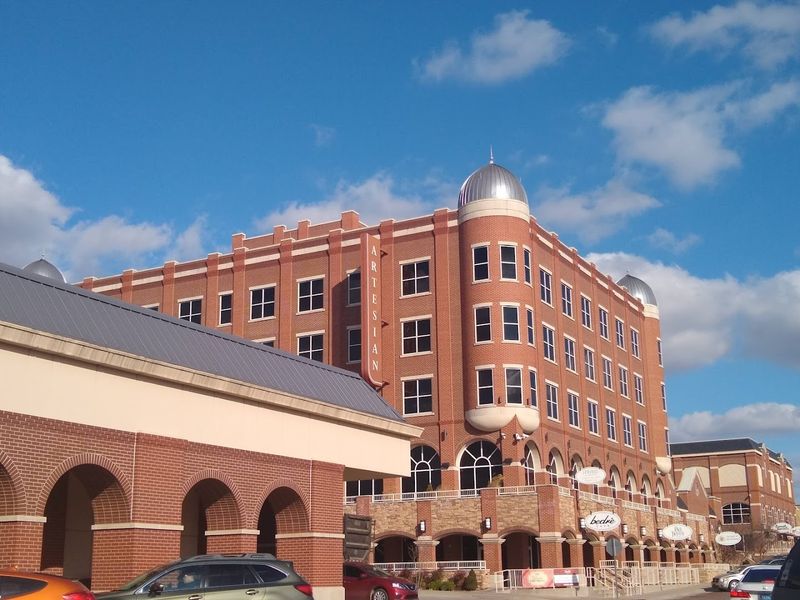
The town of Sulphur itself has a charming main street with local shops and a friendly small-town energy that never feels forced.
Spring and early summer are ideal times to visit, when the wildflowers are blooming along the trails and the creek runs full and fast.
There is also a rich history here tied to the Chickasaw Nation, whose cultural influence is woven into the landscape and the community in meaningful ways.
Sulphur is the kind of place where you arrive feeling wound up and leave feeling like you finally exhaled.
The combination of natural beauty, accessible trails, and genuine small-town warmth makes it one of the most underrated escapes in the entire state of Oklahoma.
3. Eufaula
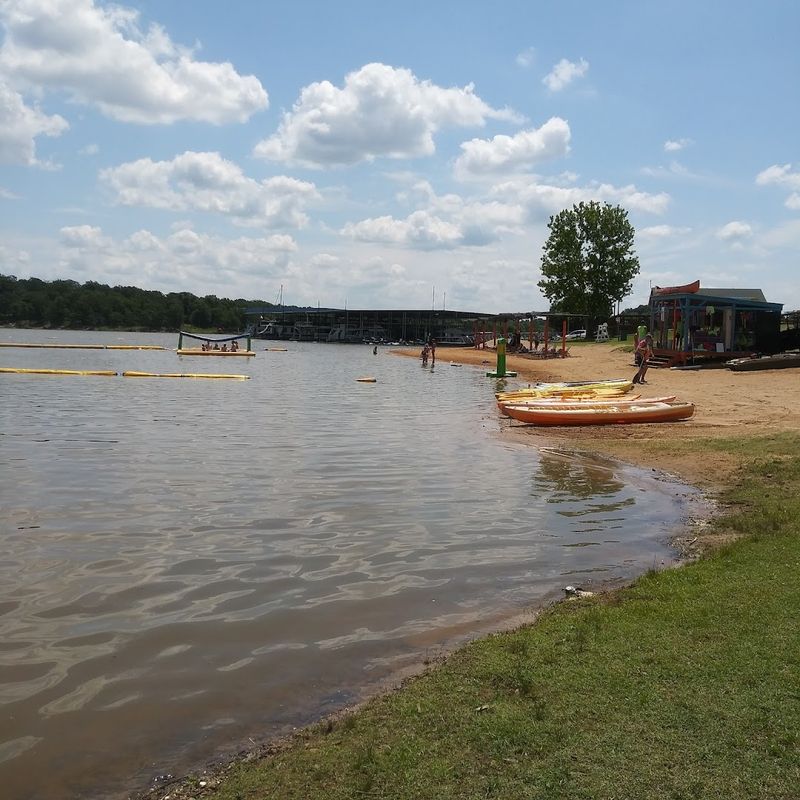
Lake Eufaula is the largest lake in Oklahoma, and the town that shares its name has quietly built a reputation as one of the best places in the state to simply do nothing at all.
Eufaula sits in McIntosh County in eastern Oklahoma, and the lake stretches out in almost every direction around it, covering more than 100,000 acres of water.
Fishing here is a serious business, with largemouth bass, crappie, and catfish drawing anglers from across the region throughout the year.
But you do not need to fish to appreciate Eufaula. Watching the sun drop behind the water from a dock at the end of the day is a perfectly complete experience on its own.
The town has a relaxed, unhurried quality that sets in almost immediately after you arrive. There are no crowds pushing you along, no timelines to keep.
Eufaula also sits along the historic Texas Road corridor, and there are some genuinely interesting stops nearby for anyone curious about the area’s Native American and frontier history.
The surrounding countryside is beautiful in a low-key way, with rolling hills, red clay soil, and patches of oak and hickory forest that turn vivid colors in the fall.
Camping, boating, and simply sitting by the water are the main attractions here, and that simplicity is exactly the point.
Eufaula rewards the kind of traveler who is not looking for a packed itinerary but instead wants a few quiet days where the biggest decision is whether to fish from the bank or from a boat.
4. Poteau
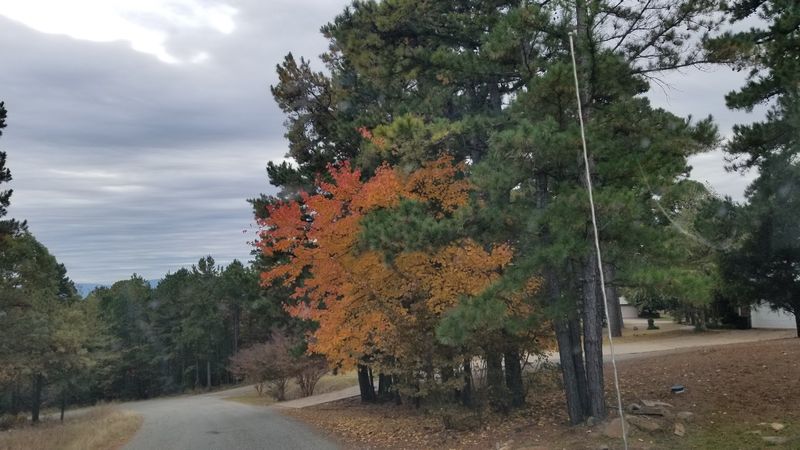
Poteau has a claim to fame that stops most people mid-sentence: Cavanal Hill, which rises 1,999 feet above sea level and is officially recognized as the world’s tallest hill.
That single foot keeping it from mountain status has become a point of local pride, and the hike to the top rewards you with a sweeping view over the Arkansas River Valley and the surrounding Ouachita highlands.
Poteau is the county seat of Le Flore County in eastern Oklahoma, sitting close to the Arkansas border in a region that feels more like the deep South than the Great Plains.
The town itself has a warm, lived-in quality, with a historic downtown district that has kept its character over the decades.
Nearby Winding Stair Mountain and the Ouachita National Forest offer serious hiking and backpacking opportunities for those who want to go deeper into the wilderness.
The Talimena National Scenic Byway begins just north of Poteau, and driving it in autumn is one of the most visually spectacular road trips available in the entire state.
Wildlife in the area is abundant, with white-tailed deer, wild turkey, and even black bears making their home in the surrounding forests.
Poteau has the kind of energy where strangers say hello on the sidewalk and local diners still serve the kind of food that makes you slow down and appreciate the meal.
For anyone looking to trade the flat, fast pace of city life for something with a little more elevation and a lot more breathing room, Poteau delivers in every possible way.
5. Sulphur’s Neighbor: Arbuckle Mountains Area
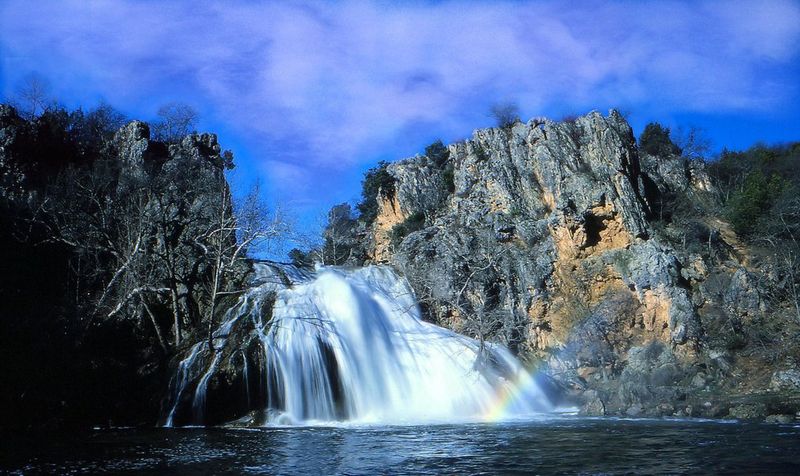
Tucked into the rolling terrain of south-central Oklahoma, the Arbuckle Mountains area offers a surprisingly rugged escape for a state that many outsiders assume is entirely flat.
Turner Falls, located near Davis in Murray County, is one of Oklahoma’s most iconic natural landmarks, dropping 77 feet into a clear, cold swimming hole surrounded by limestone bluffs and cedar trees.
On a warm weekend, the falls are genuinely breathtaking, and the surrounding park has trails that wind through caves, past natural rock formations, and along a creek that stays cool even in the height of summer.
The Arbuckle Wilderness and the broader mountain area give this part of Oklahoma a character all its own, distinct from both the pine forests of the southeast and the open plains of the west.
Camping near the falls puts you close enough to hear the water at night, which turns out to be one of the most effective sleep aids available anywhere.
The nearby town of Davis serves as a friendly base camp, with local restaurants and a relaxed main street that reflects the unhurried pace of the whole region.
Spring is the most popular season here, when the wildflowers are out and the water levels are high enough to make the falls especially dramatic.
The geology of the Arbuckles is genuinely ancient, with some of the oldest exposed rock in North America visible along the roadsides.
For a day trip or a long weekend, this part of Oklahoma surprises nearly everyone who visits with how much raw, quiet beauty it manages to hold.
6. Black Mesa
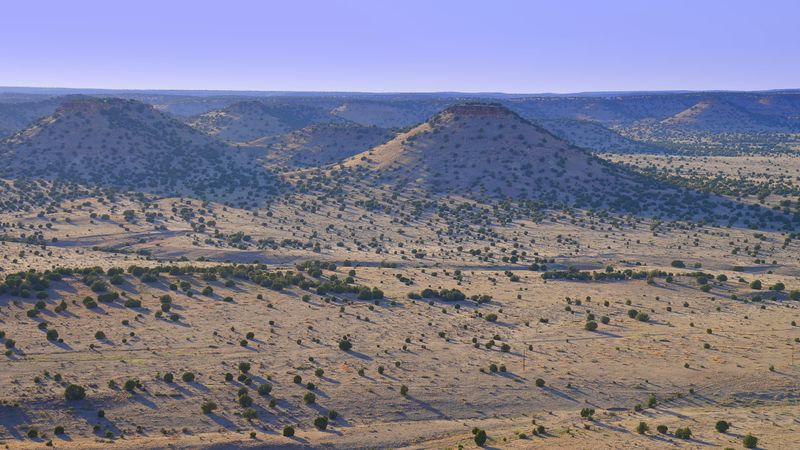
Standing at the top of Black Mesa on a clear morning, you can see into three states at once, and the silence up there is the kind that makes you realize how rarely you actually experience it.
Black Mesa is located in Cimarron County in the far western tip of the Oklahoma Panhandle, a remote stretch of land that feels genuinely off the grid.
At 4,973 feet, it is the highest point in Oklahoma, capped by volcanic rock that was deposited millions of years ago by lava flows from New Mexico.
The hike to the summit is about 4.2 miles each way across open grassland and rocky terrain, with very little shade, so an early start and plenty of water are non-negotiable.
What you get at the top is a 360-degree view of the High Plains that stretches out so far it almost feels like the earth is curving away beneath you.
The surrounding area is home to dinosaur tracks preserved in the rock, and a monument at the summit marks the highest elevation point in the state.
Wildlife out here includes pronghorn antelope, mule deer, and a remarkable variety of birds, especially during migration season in spring and fall.
The nearest town is Kenton, a tiny community of just a few dozen people that somehow manages to feel both ancient and completely alive.
Black Mesa is not a destination for people looking for comfort or convenience. It is for the ones who want to feel genuinely small in the best possible way.
7. Gloss Mountains
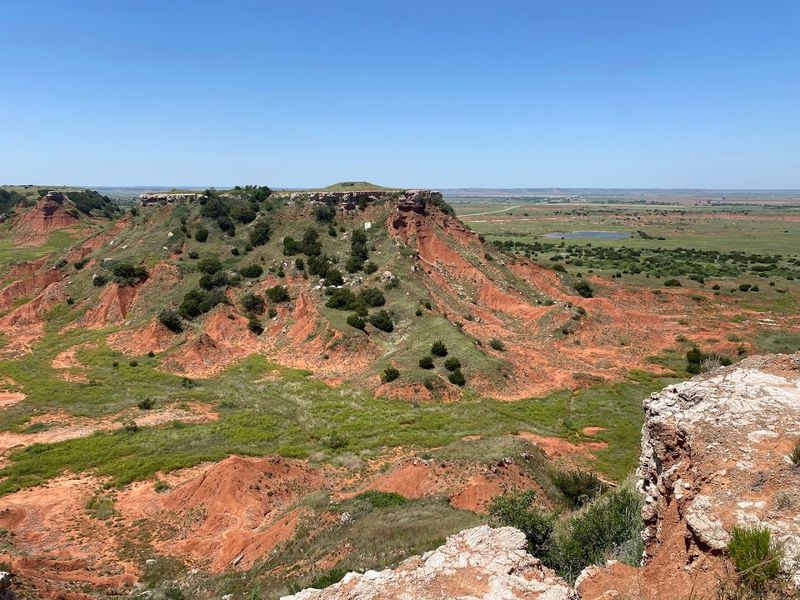
The Gloss Mountains do not look real the first time you see them. The gypsum crystals embedded in the red clay formations catch the sunlight in a way that makes the entire landscape sparkle.
Located in Major County in northwestern Oklahoma near the town of Fairview, Gloss Mountains State Park protects a series of flat-topped mesas that rise abruptly from the surrounding plains.
The effect is striking, especially in late afternoon when the light hits at a low angle and the whole ridge seems to glow from within.
Trails here are short but steep in places, and reaching the top of one of the mesas puts you on a narrow, wind-swept platform with views that go on for miles in every direction.
The geology is fascinating even for non-scientists. Layers of red sandstone, white gypsum, and selenite crystals tell a story of ancient shallow seas that once covered this part of North America.
The park is uncrowded by almost any standard, which means you can hike, explore, and sit quietly without feeling like you are sharing the experience with a crowd.
Fairview itself is a small, unpretentious western Oklahoma town with the kind of genuine hospitality that feels rare these days.
Sunsets at the Gloss Mountains are spectacular, with the red and white formations turning deep orange and purple as the light fades across the open sky.
This is a place that rewards curiosity and patience in equal measure, and those who make the trip out here almost always leave planning a return visit before they have even reached the highway.
8. Hugo
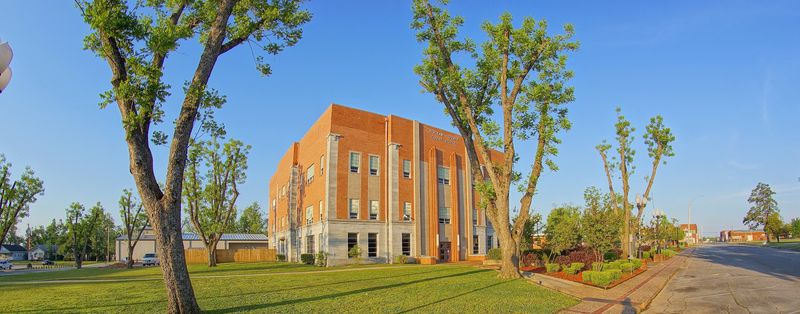
Hugo carries a quirky distinction that sets it apart from nearly every other small town in Oklahoma: it is known as the Circus Capital of the World.
Located in Choctaw County in southeastern Oklahoma, Hugo was for decades a winter home for several major traveling circuses, and the town’s cemetery holds the graves of performers and animal trainers from that era, marked with some of the most unusual headstones you will ever see.
That history gives Hugo a personality unlike anywhere else in the state, and the locals carry it with a kind of quiet pride that is genuinely charming.
Beyond the circus legacy, Hugo sits near the Red River and the Kiamichi Mountains, giving the surrounding landscape a lush, wooded quality that feels worlds away from the open plains to the north.
Hugo Lake State Park is just a short drive from town, offering fishing, camping, and boating on a peaceful reservoir surrounded by pine and hardwood forest.
The wildlife in this part of Oklahoma is remarkable, with alligator snapping turtles, river otters, and a wide variety of migratory birds making their home in the wetlands near the Red River.
The town itself moves at a pace that feels deliberately unhurried, with local shops and a main street that still has the bones of a prosperous mid-century community.
Hugo is the kind of place where the stories are layered deep and the landscape is quietly beautiful in a way that takes a moment to fully register.
Spending a weekend here feels like finding a chapter of American history that most people have never thought to read.
9. Wichita Mountains
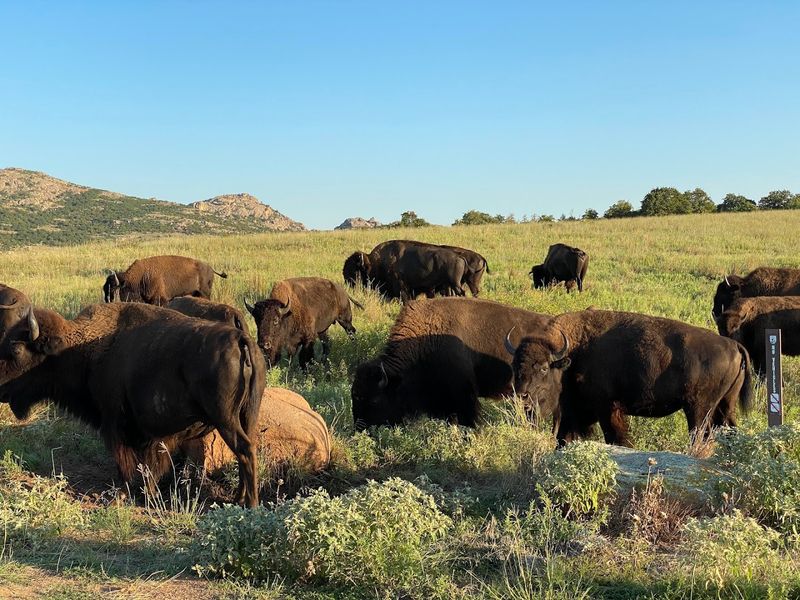
Driving into the Wichita Mountains Wildlife Refuge for the first time, it is hard not to slow down involuntarily, because the landscape simply demands it.
Located in Comanche County in southwestern Oklahoma near the town of Lawton, the refuge covers nearly 60,000 acres of ancient granite mountains, mixed-grass prairie, and clear-water lakes.
American bison roam freely here, along with longhorn cattle, elk, and white-tailed deer, in a setting that gives you a genuine sense of what the southern plains looked like centuries ago.
The hiking trails range from easy lakeside walks to demanding scrambles up rocky granite peaks, with Mount Scott offering a paved road to the summit for those who prefer a drive-up panorama.
Charon’s Garden Wilderness Area within the refuge is one of the most rugged and beautiful places in Oklahoma, with boulder fields, hidden canyons, and almost no other people once you get a mile or two from the trailhead.
The refuge is also a paradise for birdwatchers, with hundreds of species recorded over the years, including painted buntings that are almost impossibly colorful in person.
Nearby Medicine Park is a charming cobblestone village that has served as a resort community since the early 1900s, with a relaxed main street and a creek running right through the center of town.
Camping inside the refuge puts you close to the bison at dawn, when the mist is still on the grass and the whole scene looks like something from another time entirely.
The Wichita Mountains are proof that Oklahoma has a wild, dramatic side that most people simply have not discovered yet.
10. Talimena National Scenic Byway
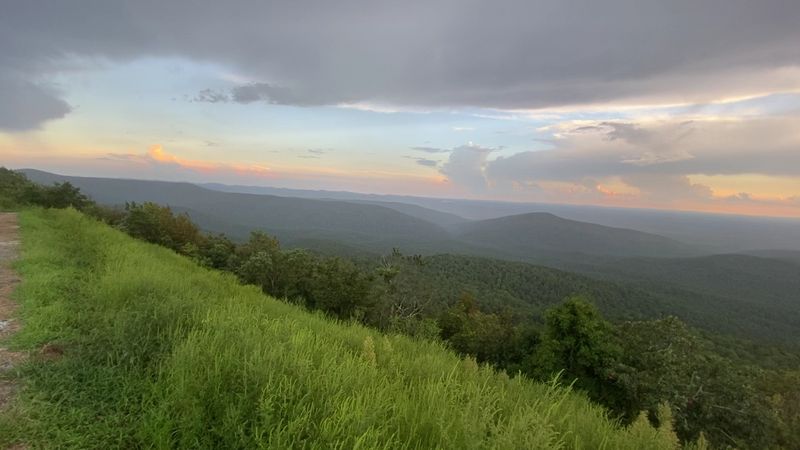
Few drives in the entire south-central United States can match the Talimena National Scenic Byway in autumn, when the ridge tops of the Ouachita Mountains ignite in color from one end to the other.
The byway runs about 54 miles along the spine of the Ouachita Mountains, connecting Talihina in Le Flore County, Oklahoma to Mena in Arkansas, and the Oklahoma stretch alone is worth the trip.
The road climbs to elevations above 2,500 feet, offering overlooks that drop away into forested valleys so deep and quiet they seem to swallow sound entirely.
Talihina, the small town at the western end of the byway, is a relaxed and welcoming community that serves as a perfect base for exploring the surrounding wilderness.
The Ouachita National Forest flanks both sides of the byway for much of its length, and pullouts along the route give access to trailheads, picnic spots, and viewpoints that reward anyone willing to stop and look.
Spring is another excellent time to drive the byway, when redbud and dogwood trees bloom along the lower slopes and the forest is returning to life after winter.
Wildlife sightings along the road are common, with white-tailed deer, wild turkey, and the occasional black bear visible from the overlooks in the early morning hours.
The byway is also part of a longer network of trails and forest roads that connect to some of the most remote camping in Oklahoma.
Coming back down from the ridge at the end of the day, with the light fading over the valley and the forest going quiet around you, feels like the exact opposite of whatever you were stressed about before you arrived.
